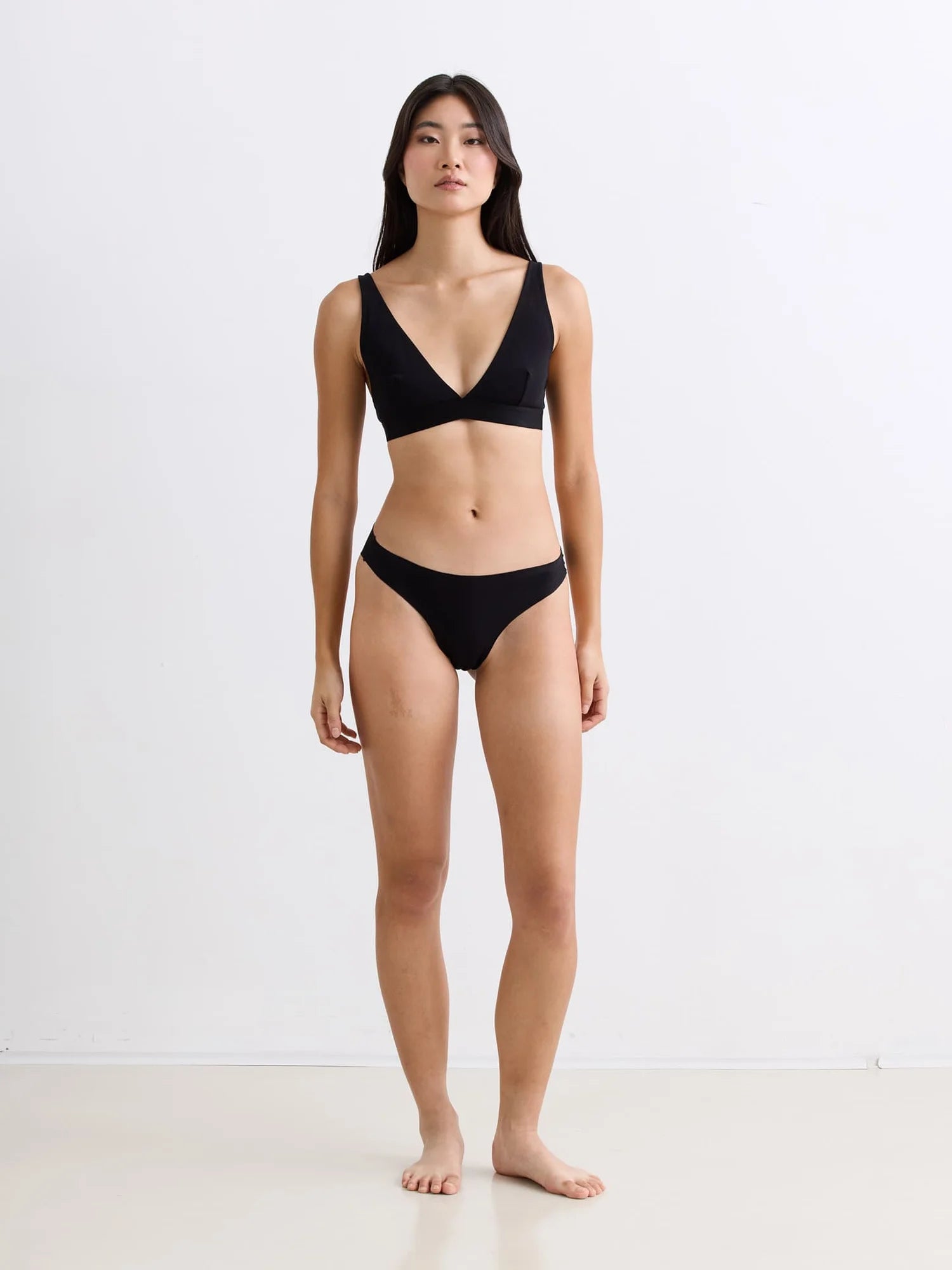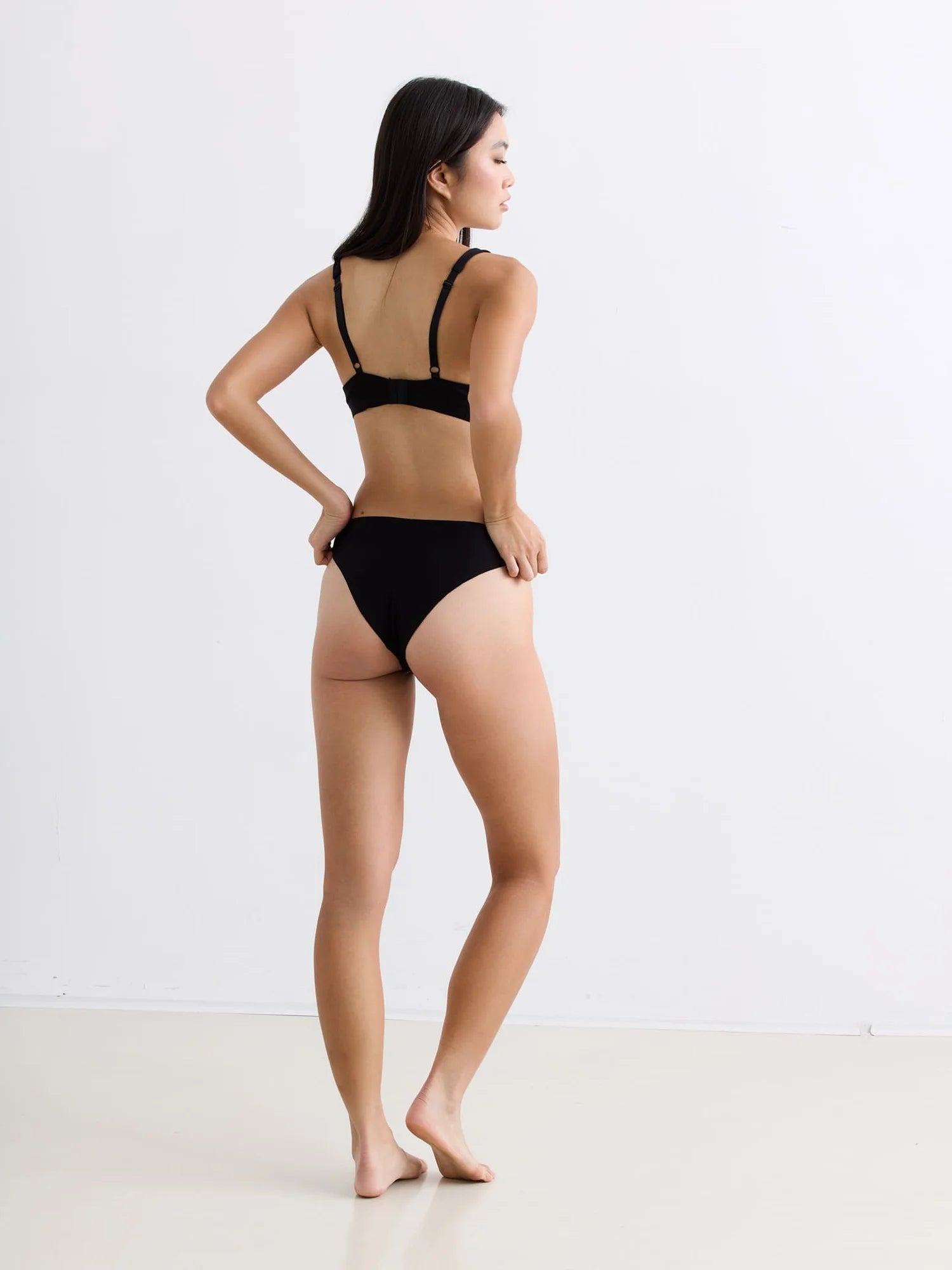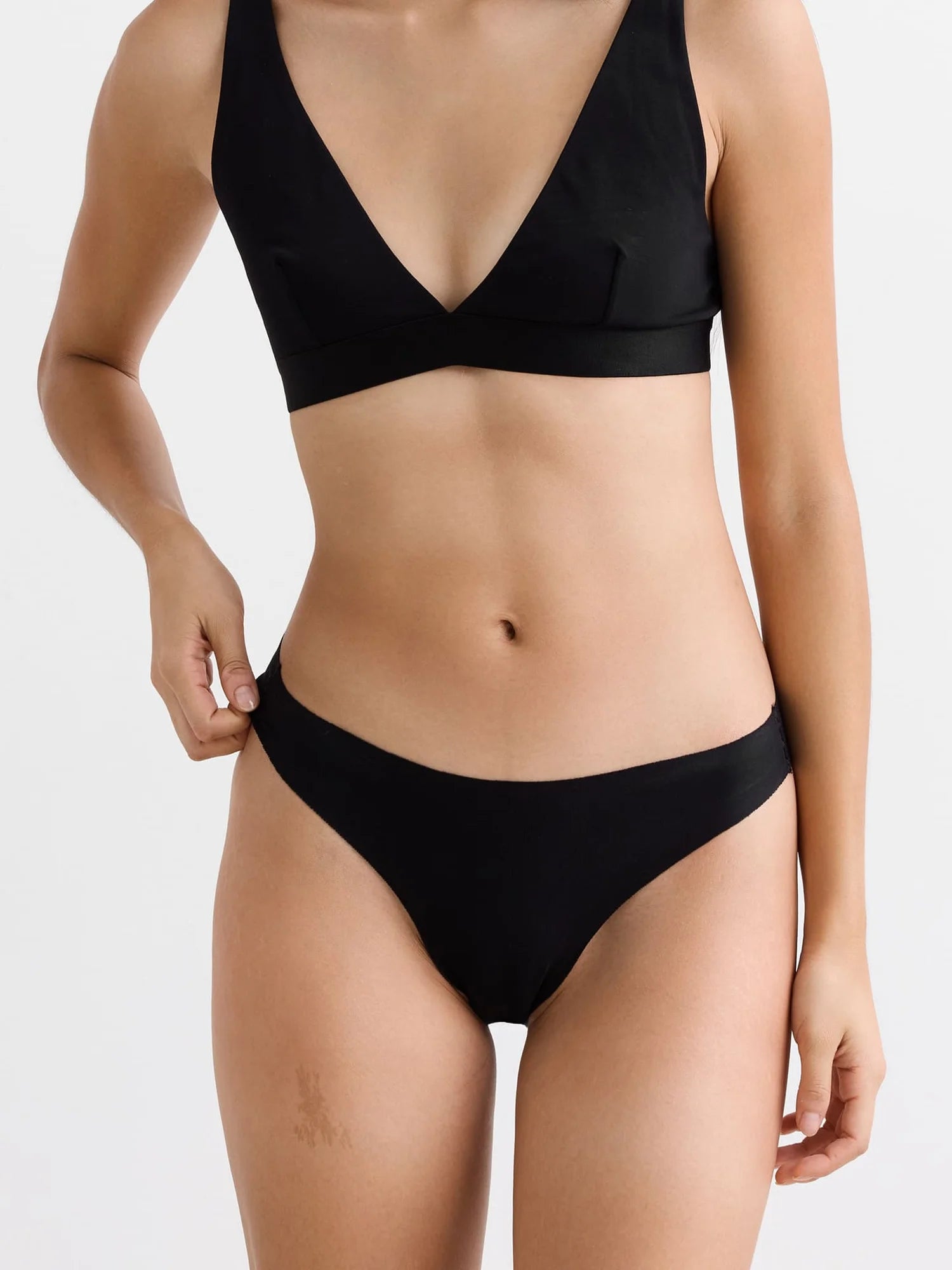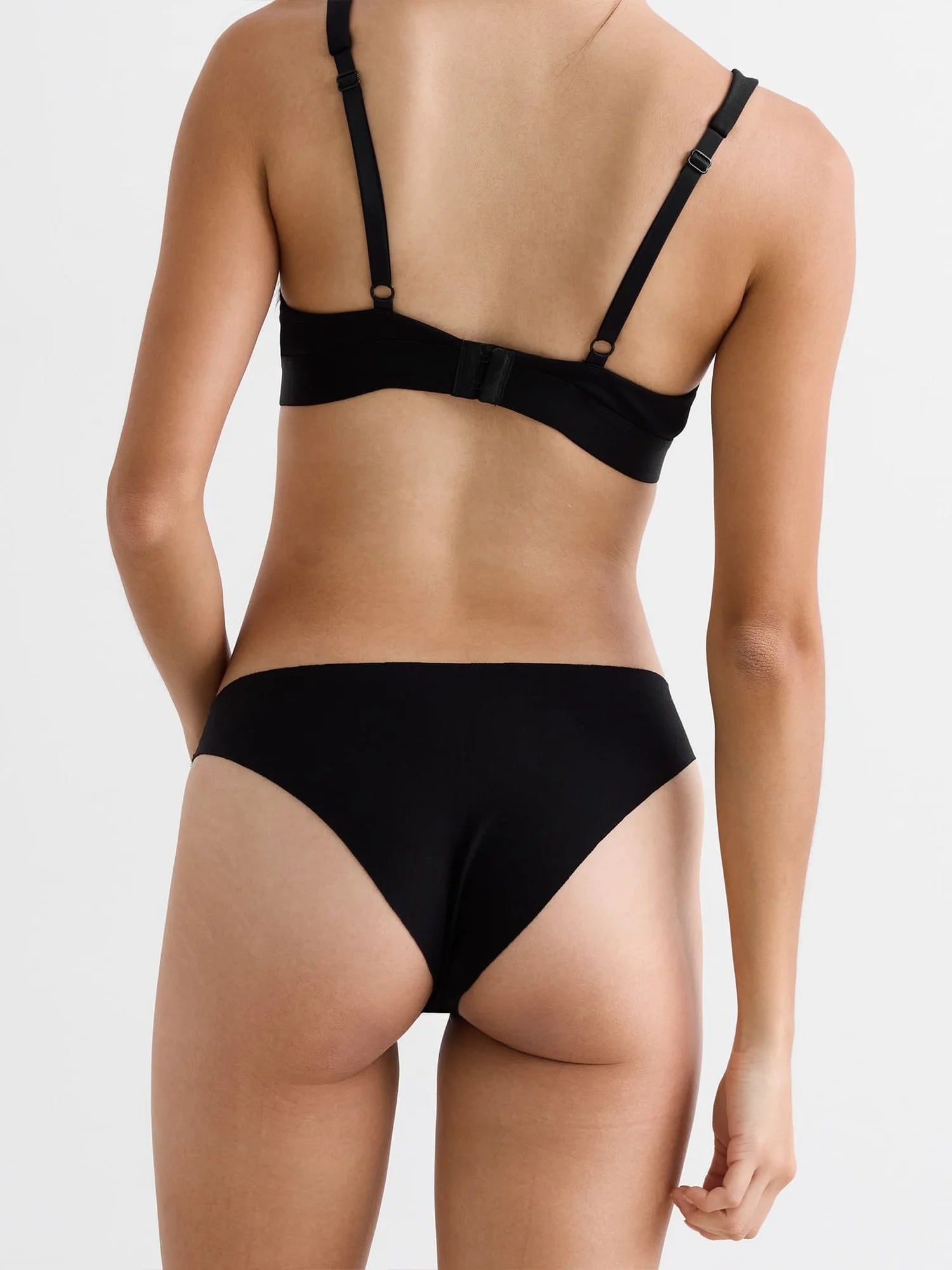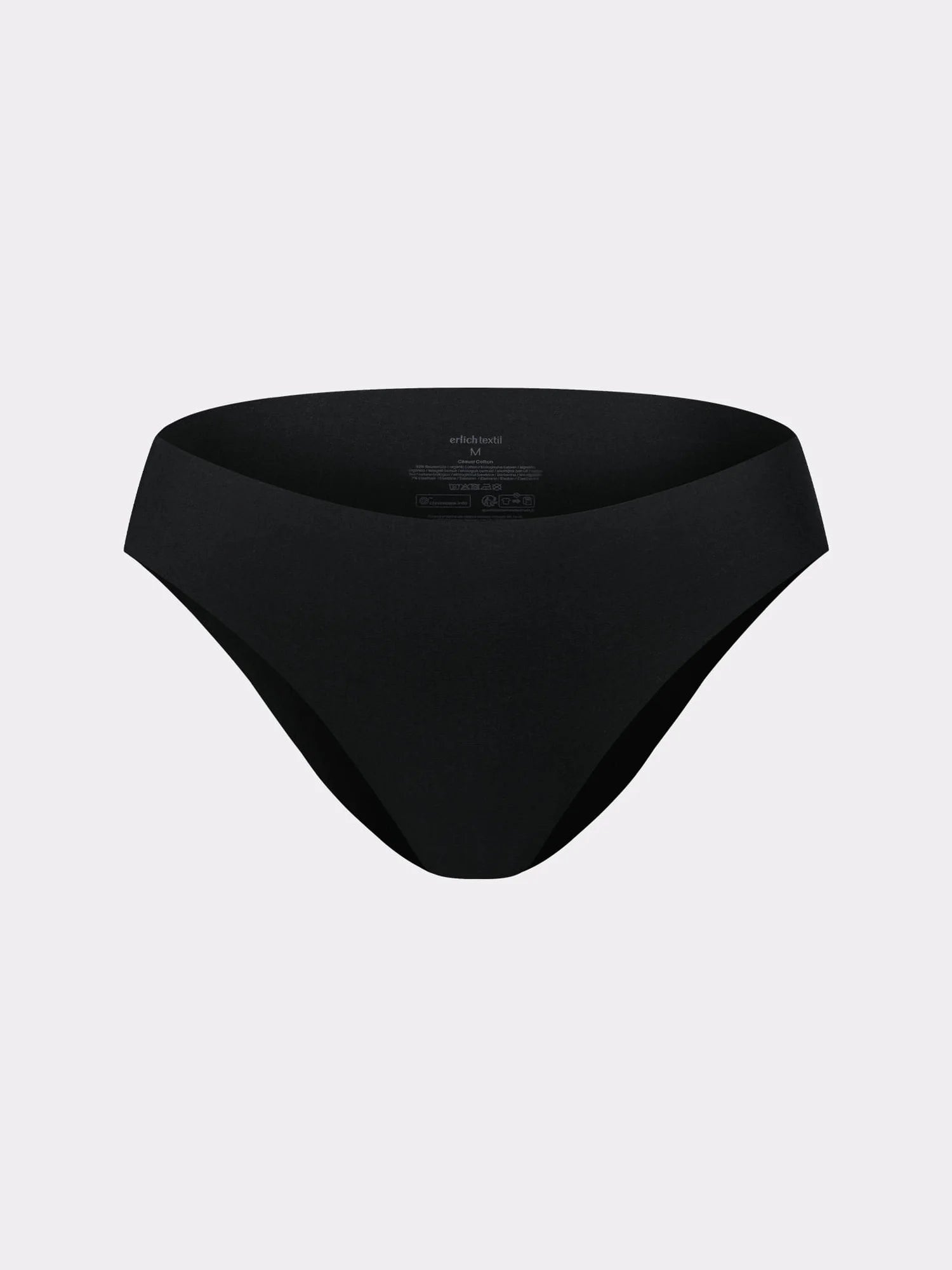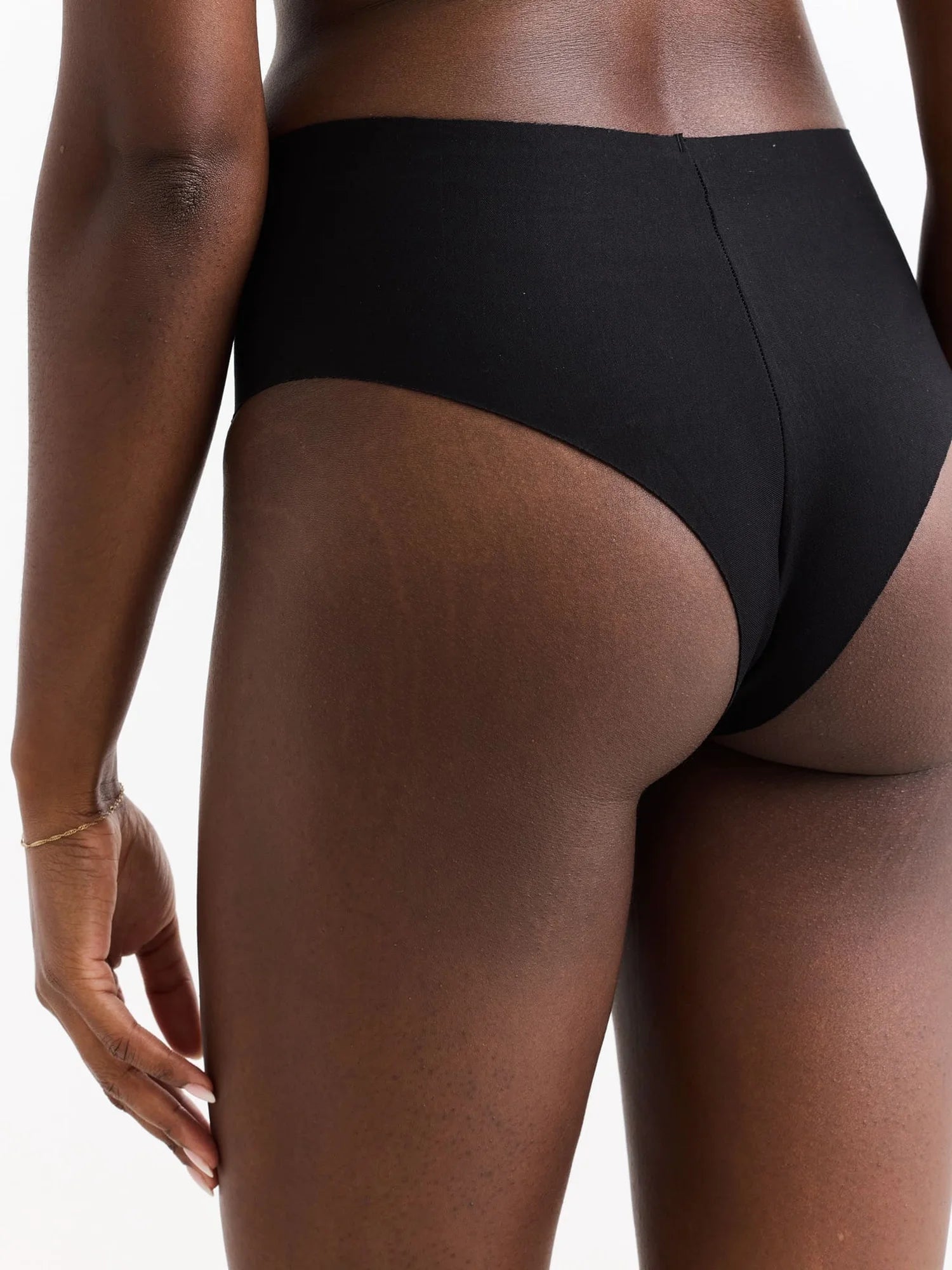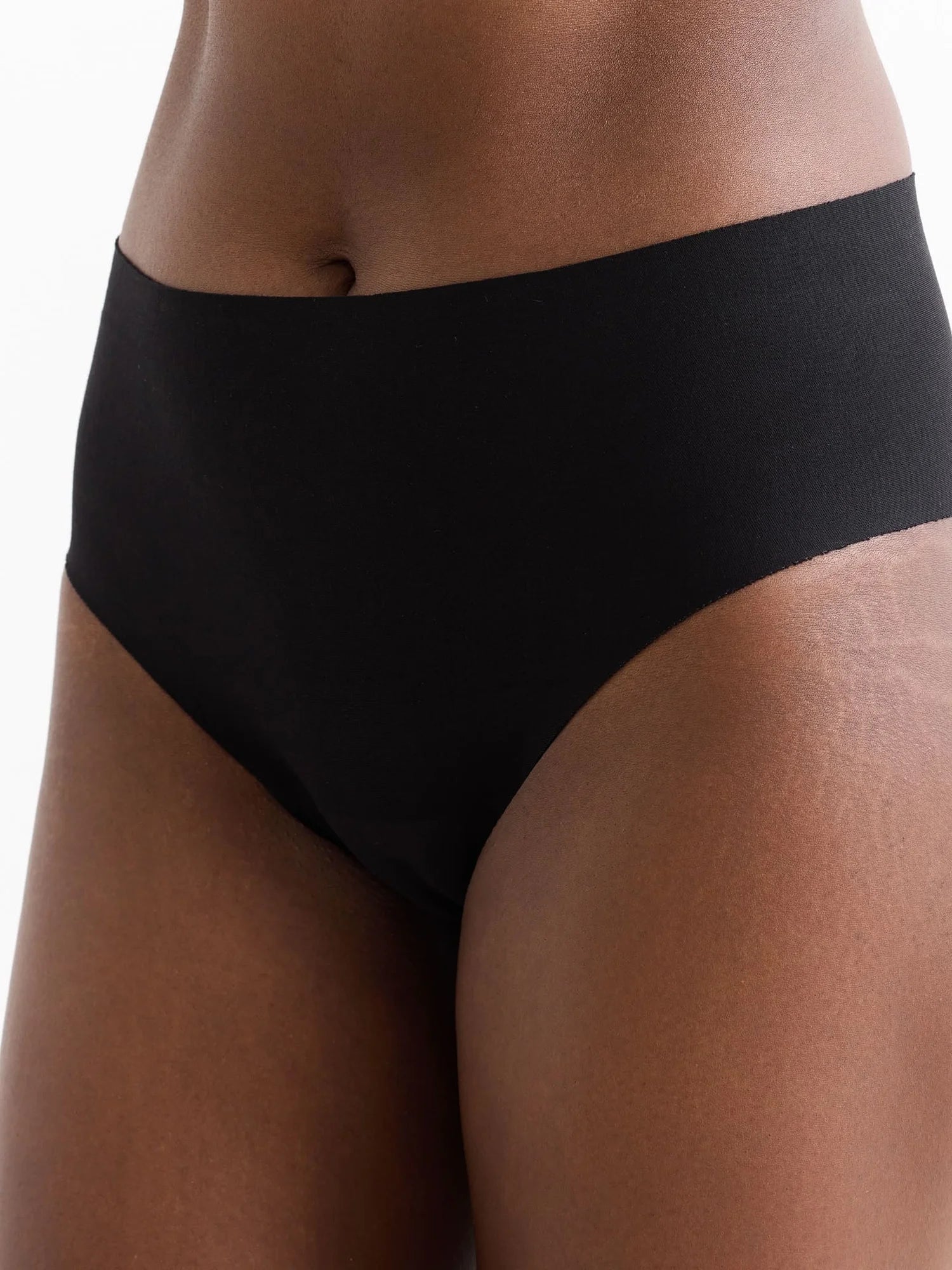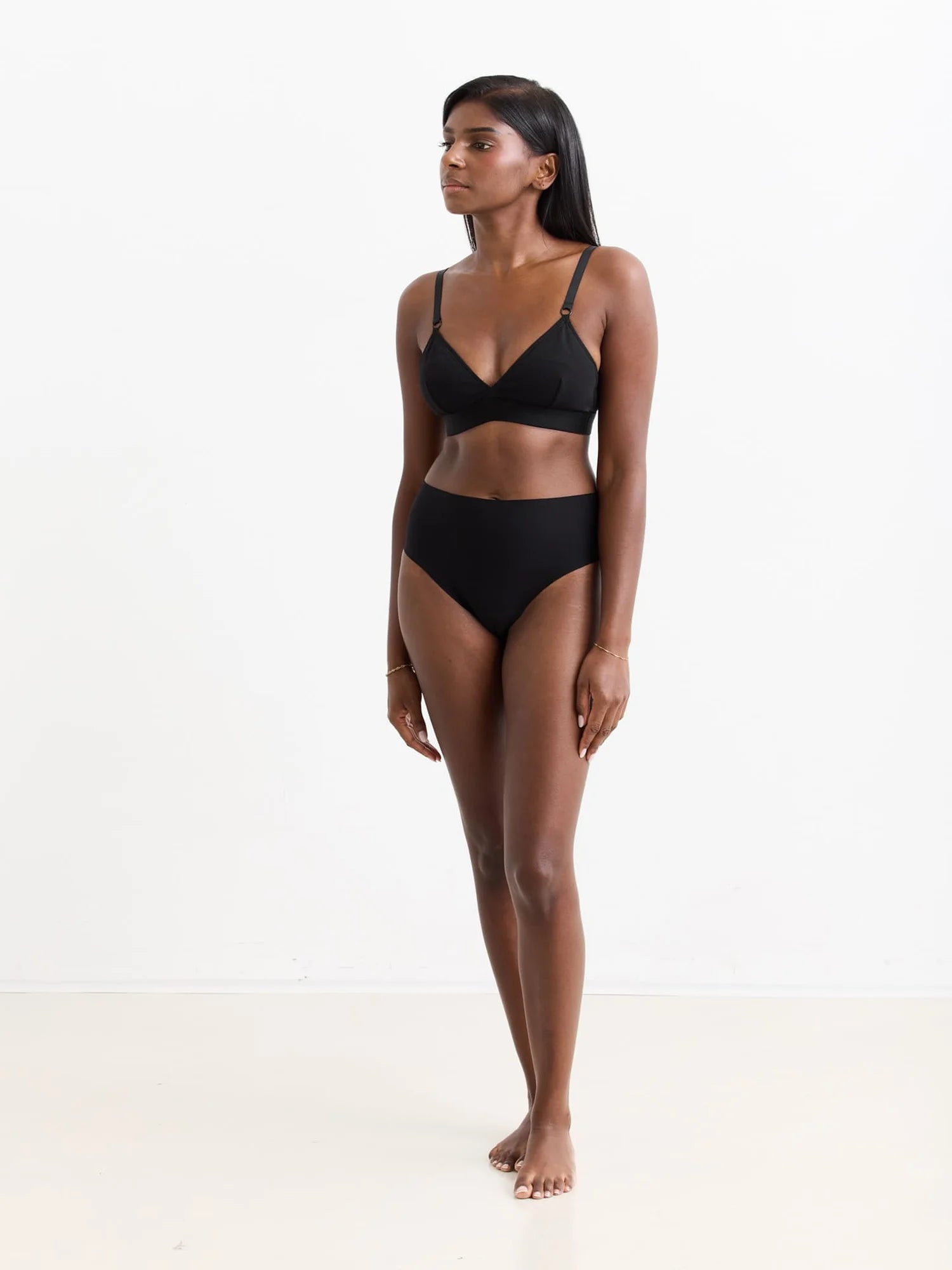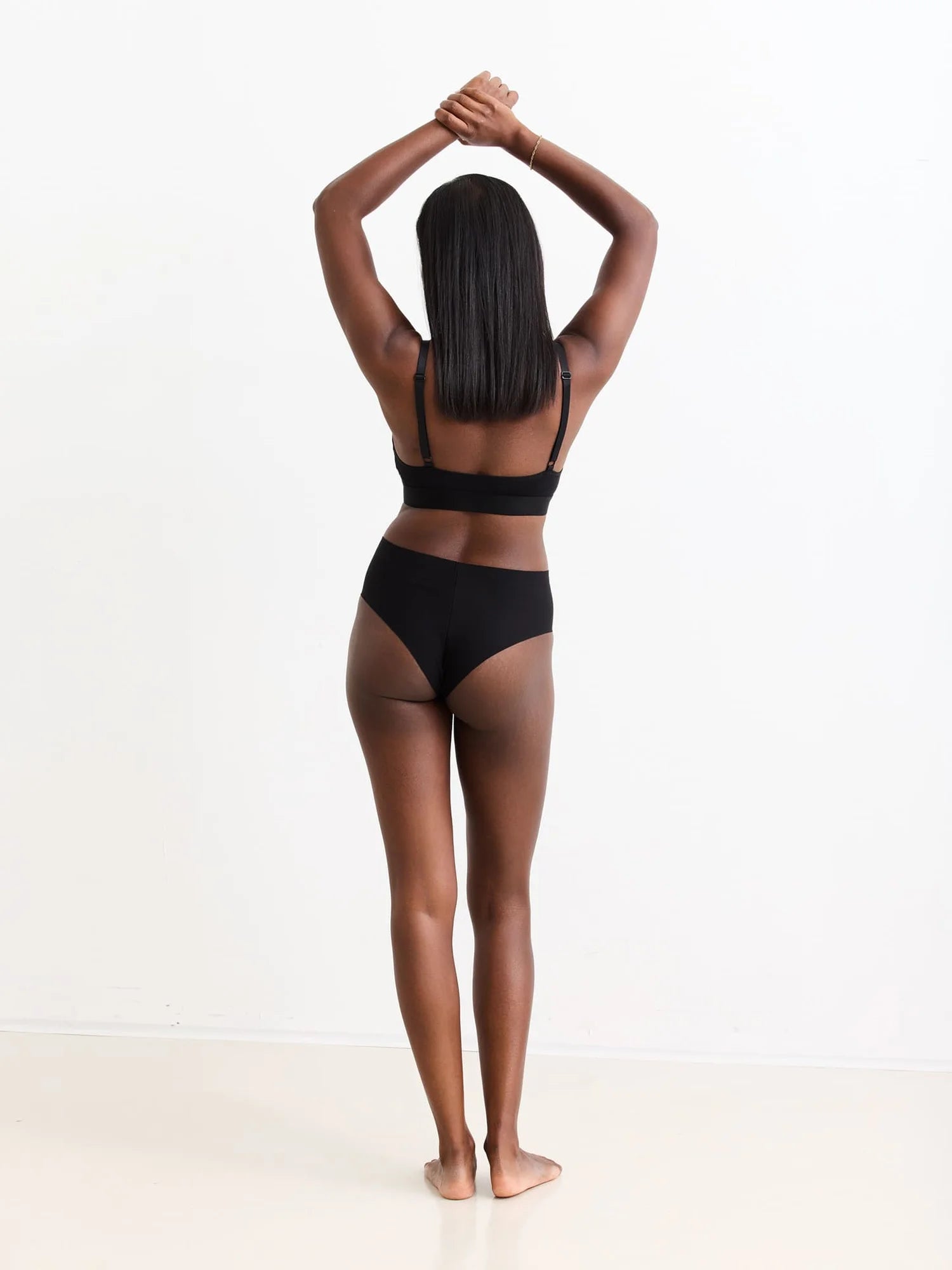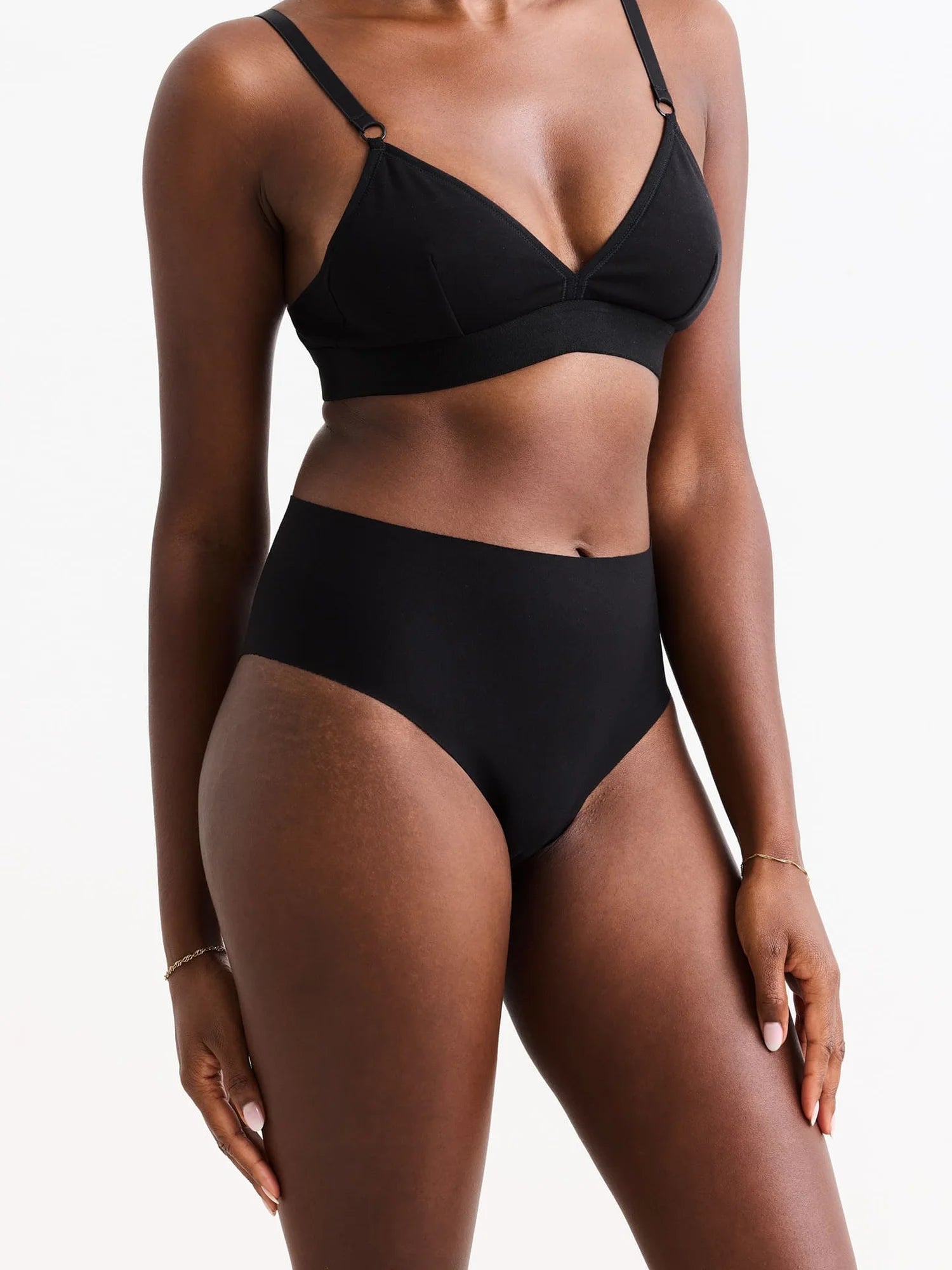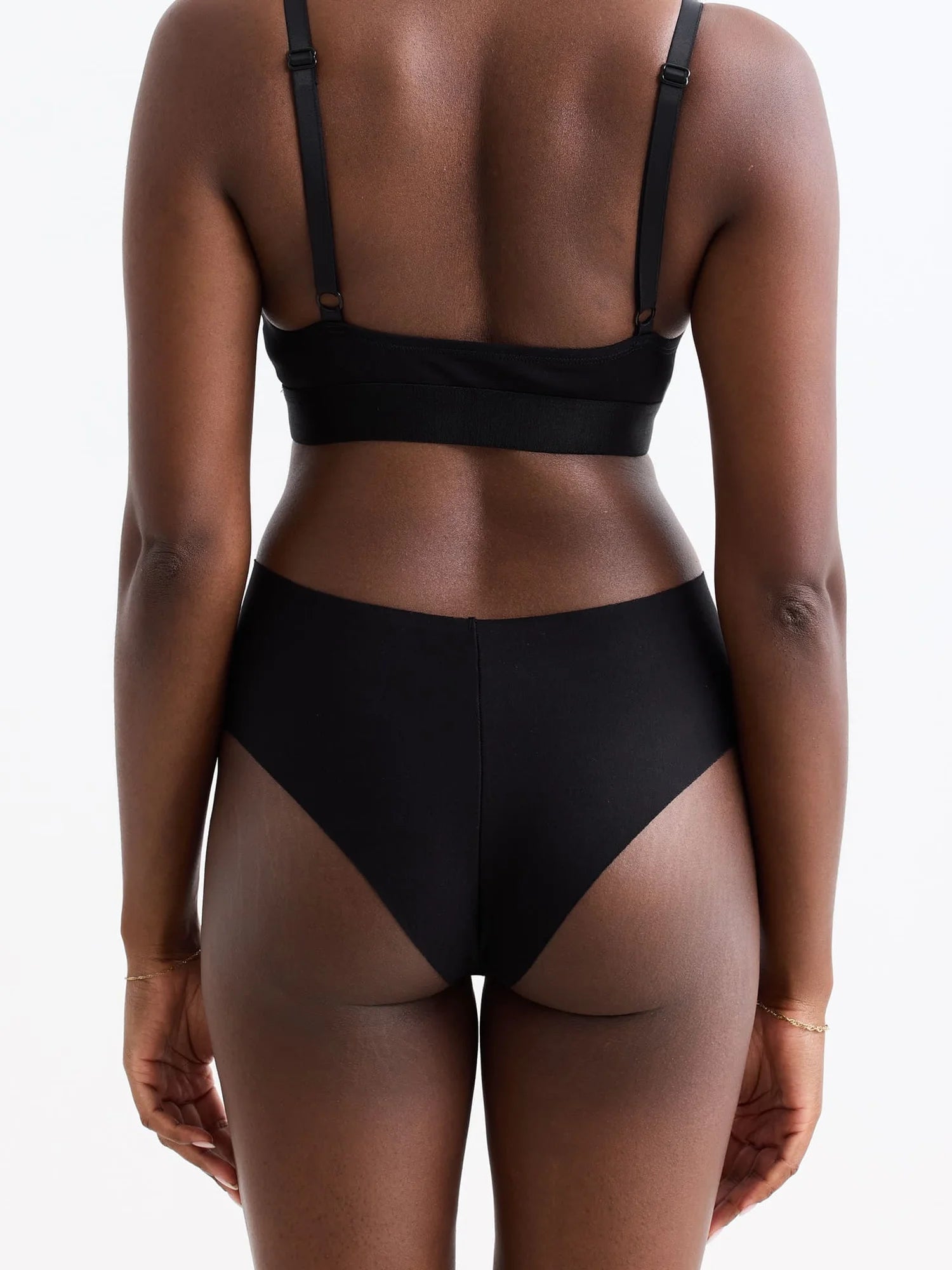


Fast fashion has massive impacts on people and the environment. Slow fashion is the answer: a movement for sustainable, fair, and durable clothing. We'll show you what that really means and how to implement it in your daily life.
Slow fashion is more than a trend. It is a movement that advocates for a more sustainable and ethical fashion industry. Quality, durability, and conscious consumption are at the forefront.
Here you will learn everything you need to know about slow fashion, and how to integrate it into your daily life.
What is Slow Fashion?
Slow fashion is about choosing clothes that are produced under fair conditions, made from more environmentally friendly materials, and feature timeless designs.
The focus is on the true value of garments and the appreciation for the people and resources necessary for your clothes. It's not about quick trends and short-term desires, but about pieces that you love and wear for a long time.
Slow Fashion vs. Fast Fashion
The two approaches could not be more different:
| Aspect | Slow Fashion | Fast Fashion |
|---|---|---|
| Pace | Conscious & timeless | Fast & trend-driven |
| Quality | High-quality & durable | Low-quality & short-lived |
| Materials | Sustainable & organic | Conventional & cheap |
| Production | Fair & transparent | Exploitative & opaque |
| Impacts | Less resources & waste | Environmental pollution & exploitation |
What aspects does Slow Fashion consider?
- Material choice: Organic cotton, modal and wood-based cellulose fibres. What counts are traceable supply chains and durable materials.
- Fair working conditions: Protecting workers' rights is central. Responsibly sourced materials, adequate pay, and transparent supply chains.
- Durable quality & timeless designs: Carefully crafted clothing made from high-quality materials. Designs not influenced by fast trends.
- Repair & Reuse: Slow fashion promotes the concept of repairing and reusing instead of quick discarding.
5 simple tips for Slow Fashion in everyday life
- 1. Shop consciously: quality over quantity: Before every purchase, ask yourself: Do you really need this piece of clothing? Avoid impulse purchases that follow fast-paced trends.
- 2. Learn about the origin: Research how and where your clothes are produced. Look for traceable supply chains, durable materials, and transparent origin details rather than seal promises.
- 3. Care for your clothes properly: Improper care shortens their lifespan. Pay attention to care labels, don't wash too often, use gentle detergents and lower temperatures.
- 4. Repair instead of throwing away: Instead of immediately discarding broken clothes, repair them or give them a new life. Donations, swapping parties, and sharing are good alternatives.
- 5. Be creative with your wardrobe: Experiment with new combinations. You don't always have to buy new clothes to bring fresh air into your looks.
Slow Fashion at erlich textil
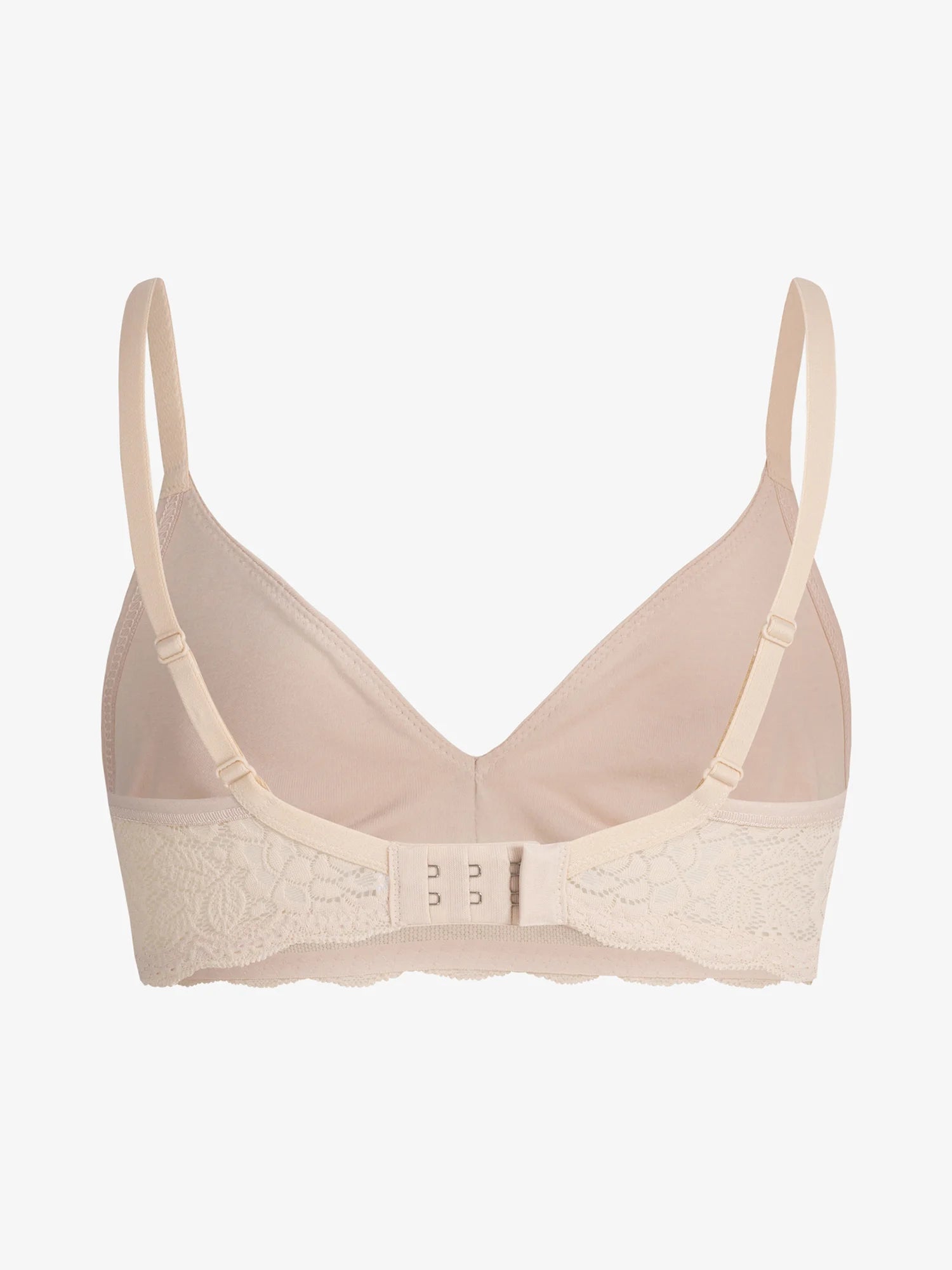
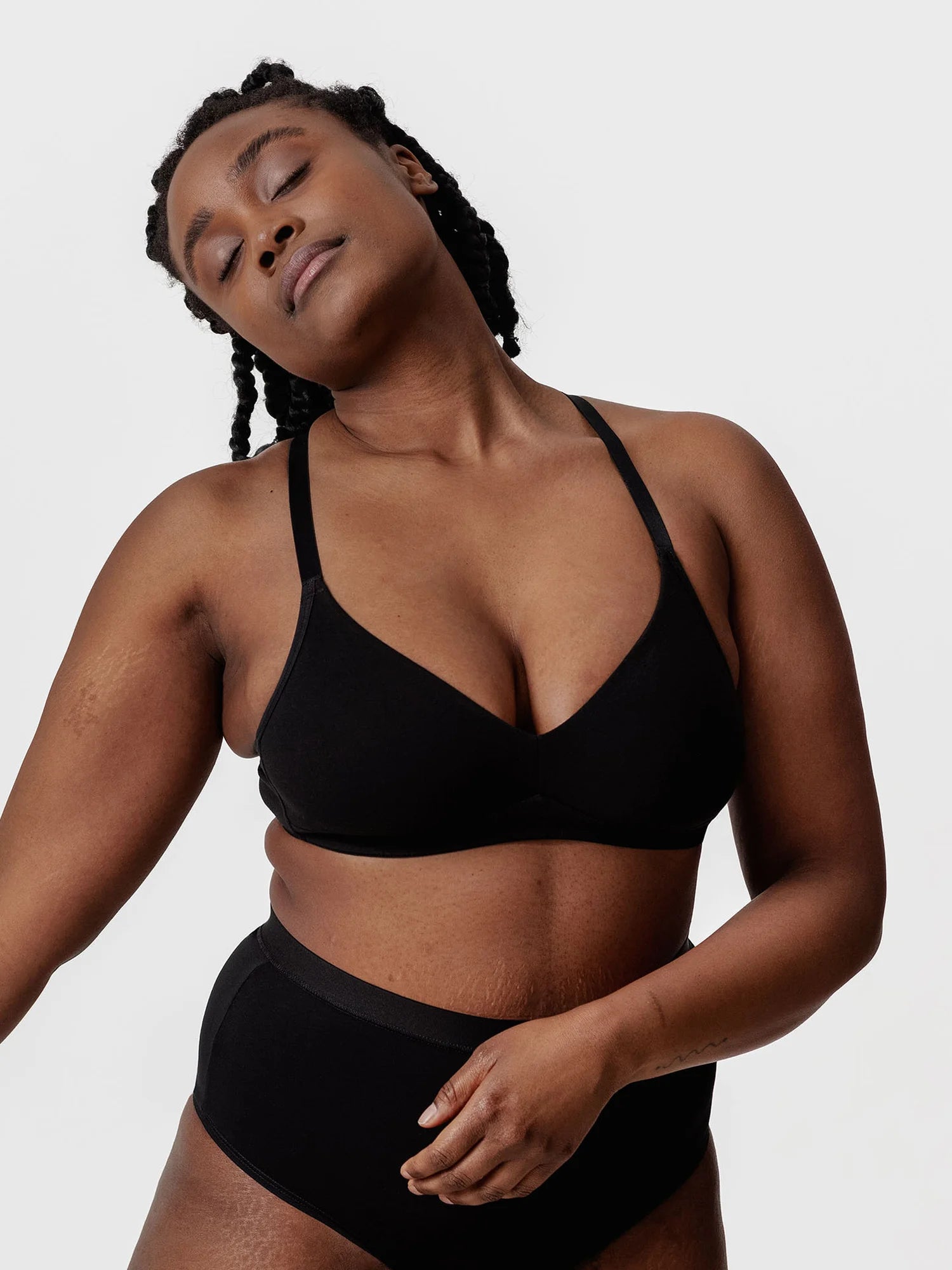
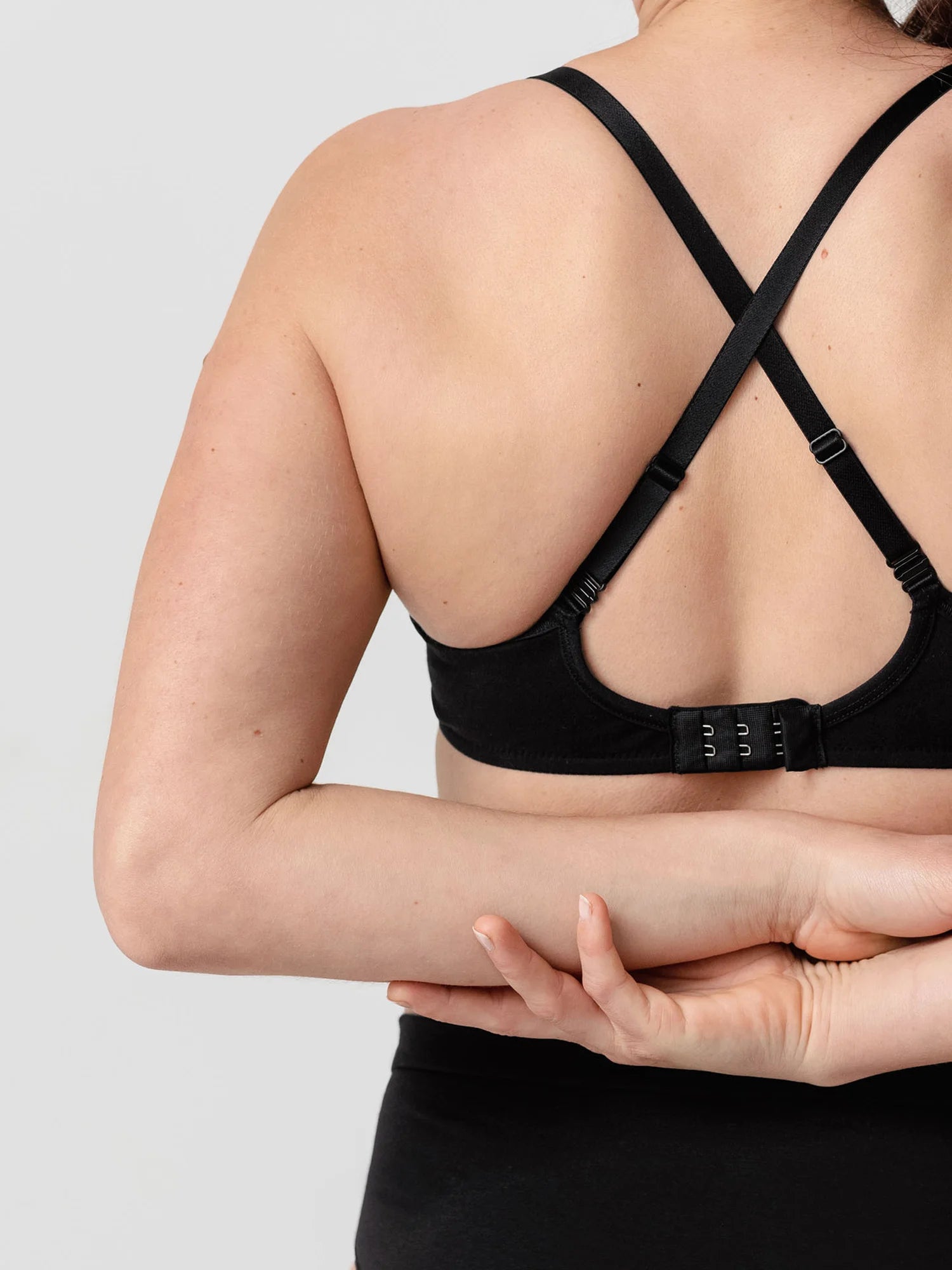
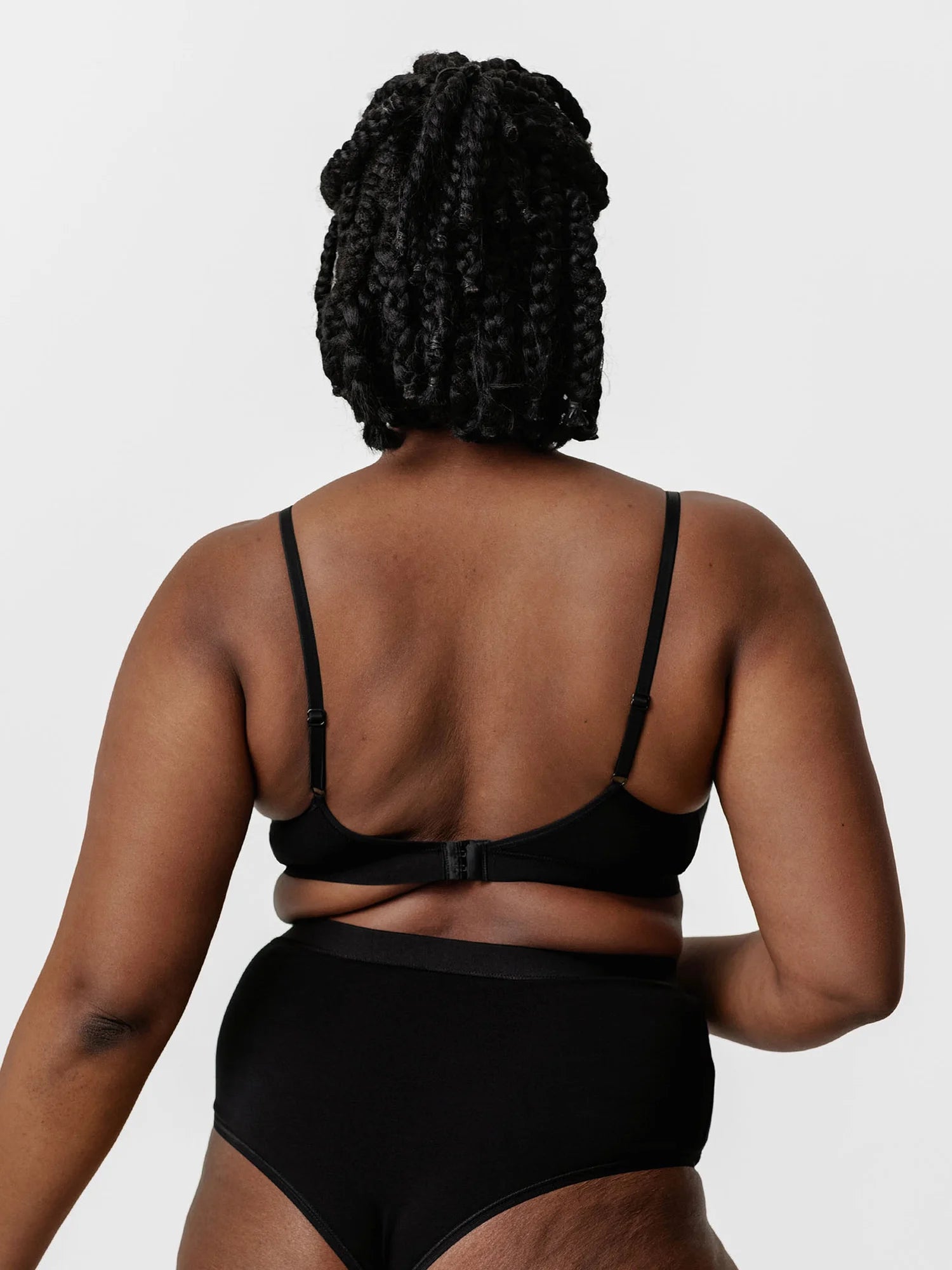
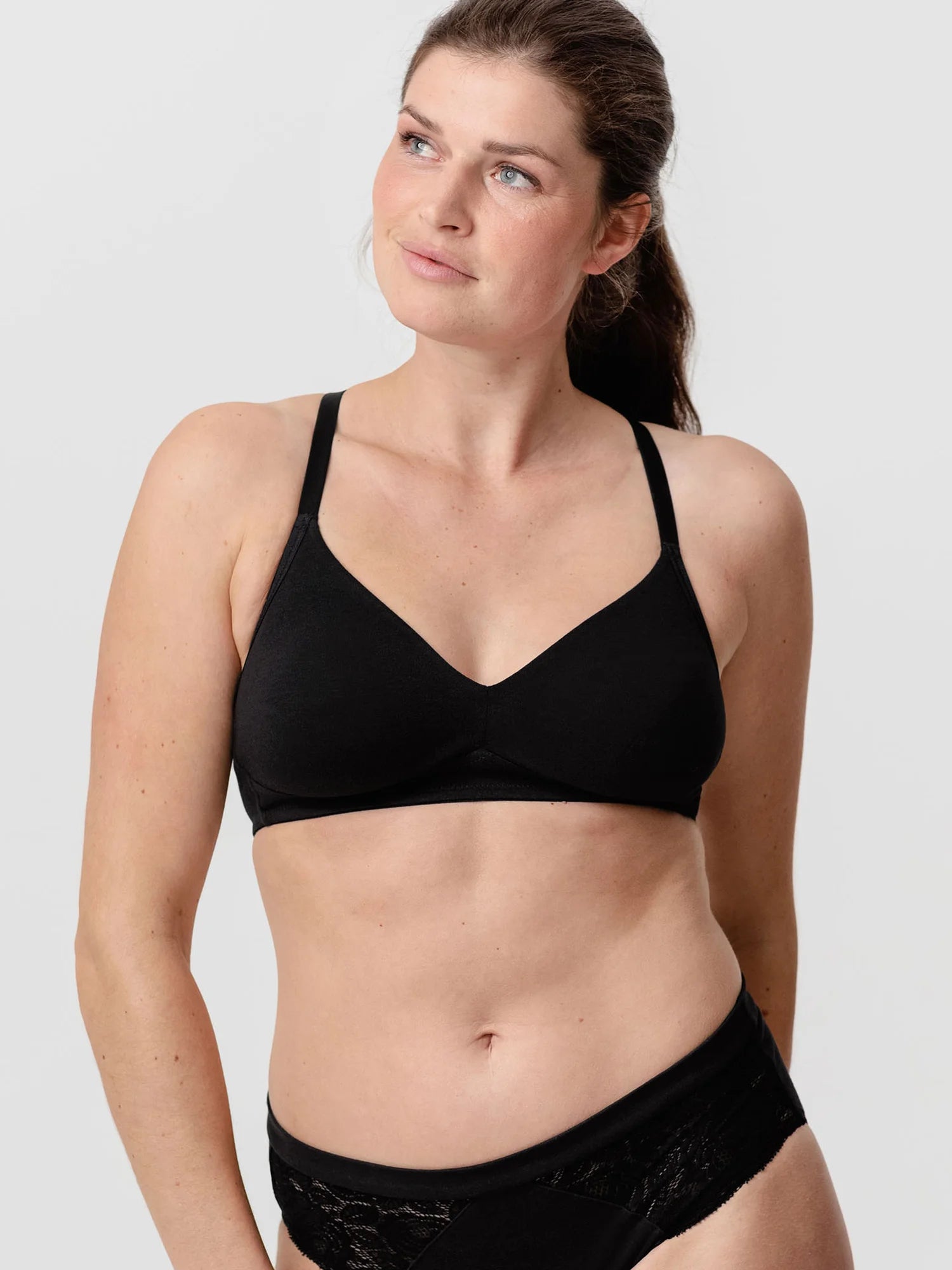
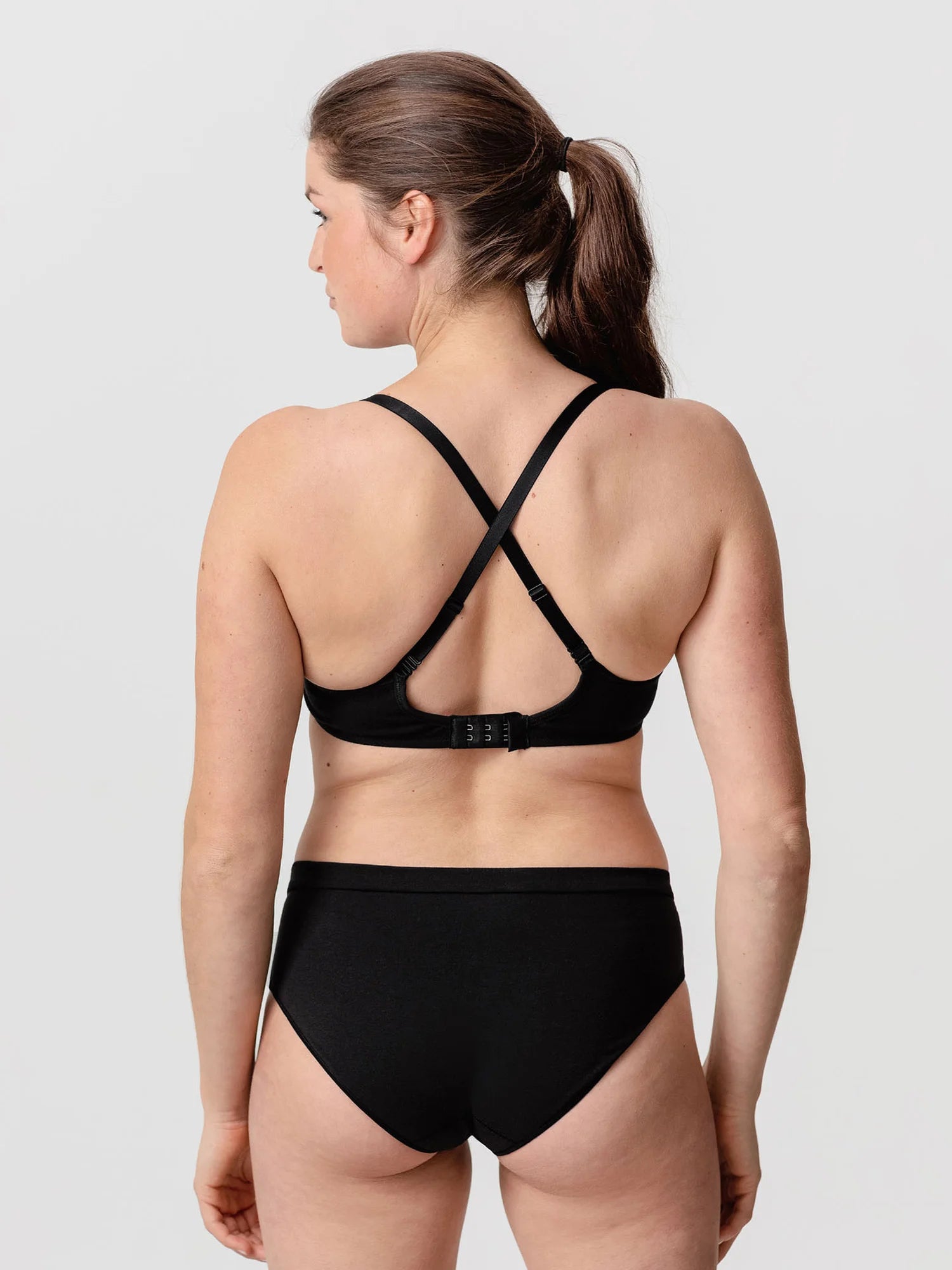
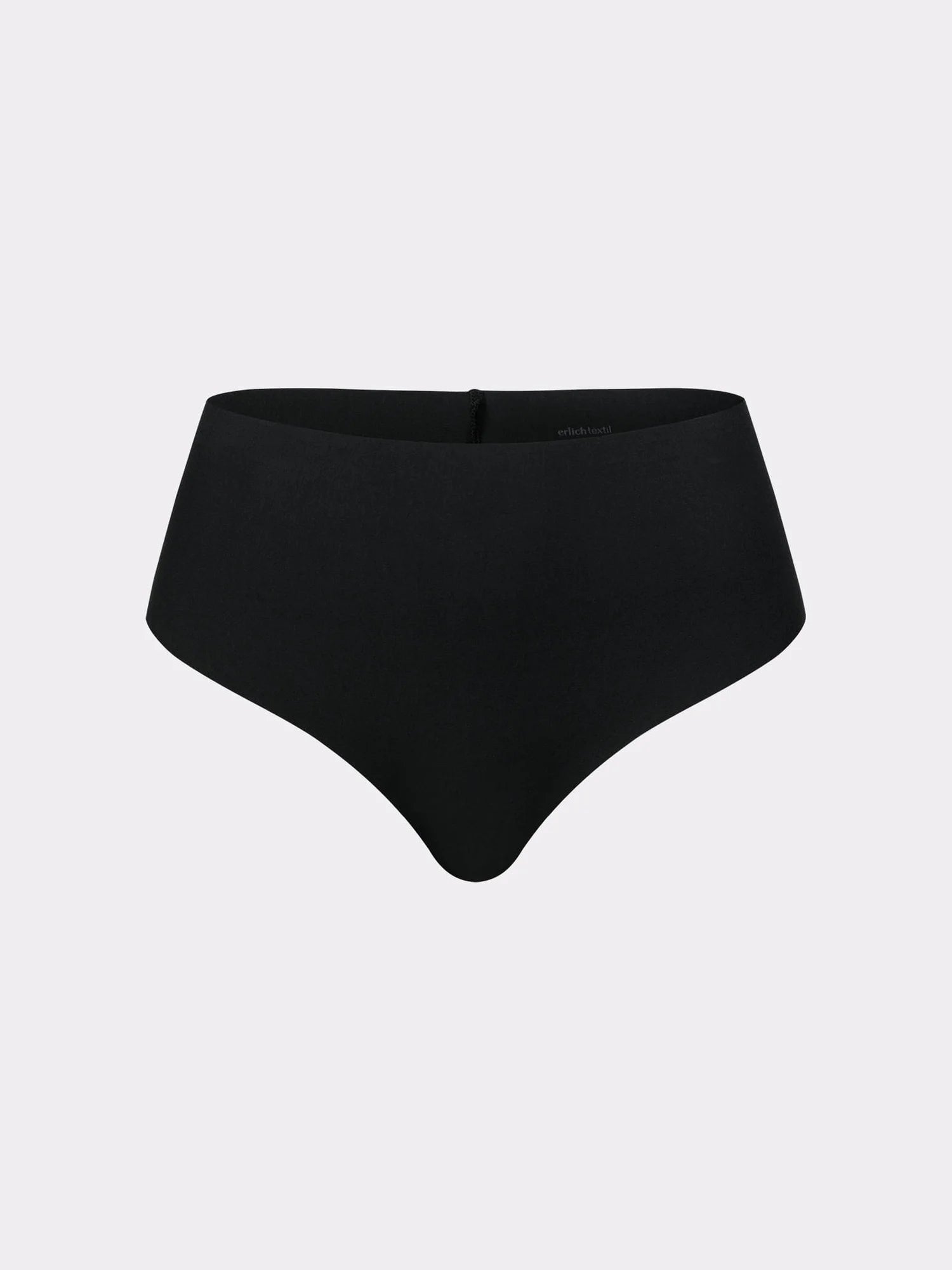
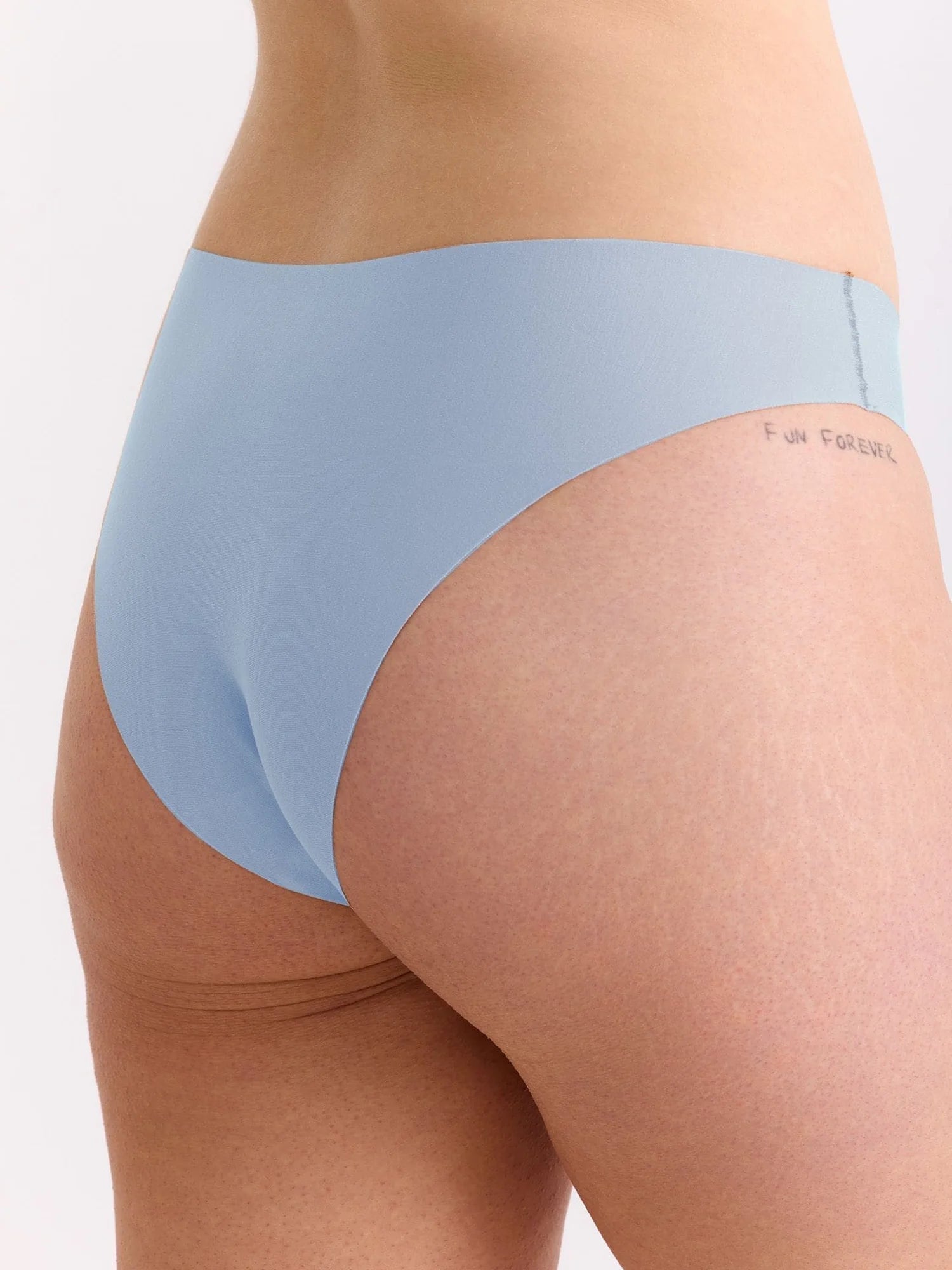
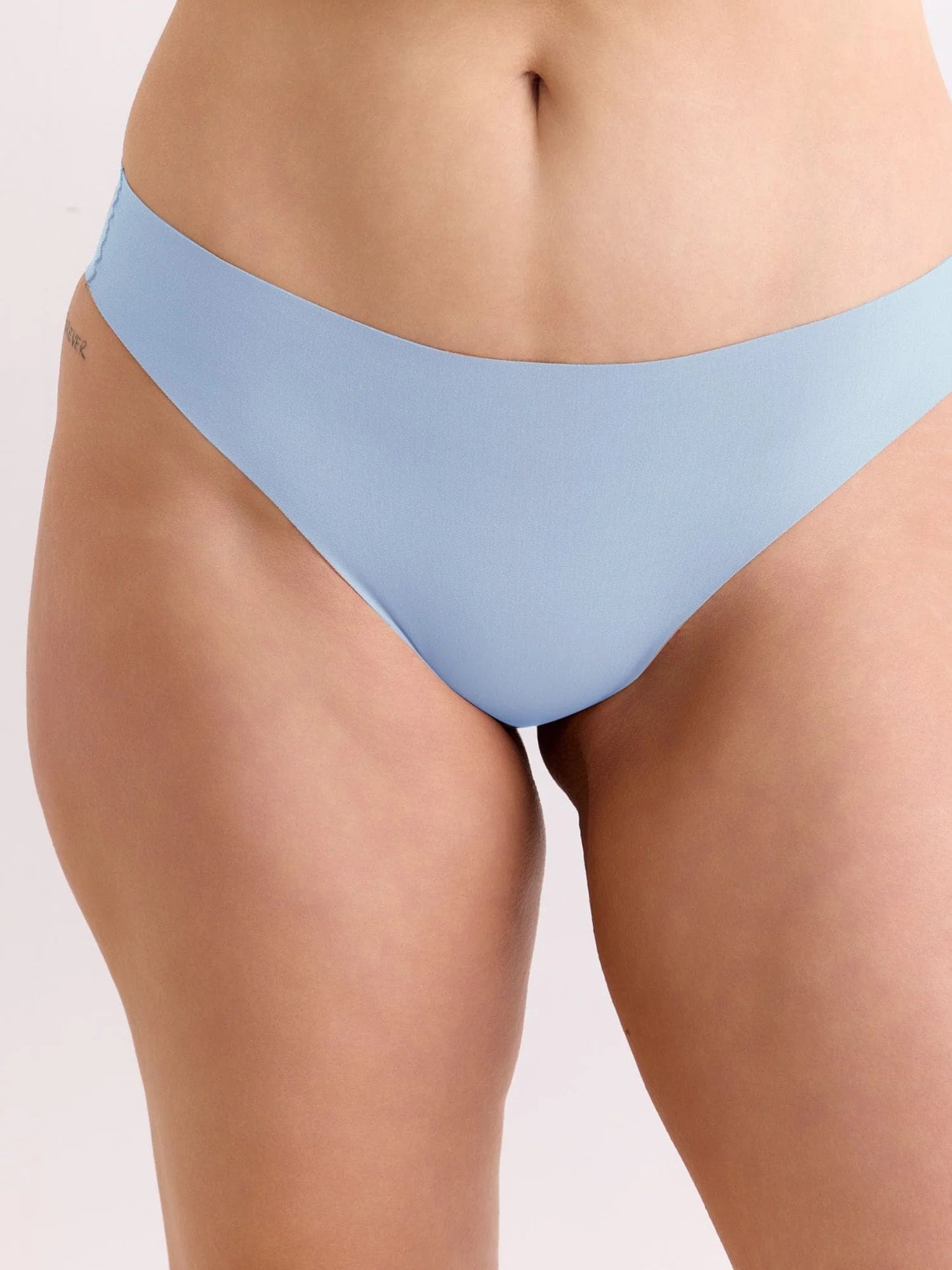
At erlich textil, sustainability is key. Our collections consist of high-quality materials such as organic cotton, European linen, Modal, and Roica.
- Timeless Designs: For almost 10 years, we have focused on timeless pieces, not fleeting trends.
- Fair Conditions: We value fair working conditions throughout the entire supply chain.
- Individual Expressions: With our basics, you can express your personal style, and at the same time contribute to a more responsible fashion industry.
Did you know? Every purchase from erlich textil is a statement for Slow Fashion and against Fast Fashion. You support a fair and sustainable industry.
Slow Fashion starts now
Do you want to shop more consciously and make a difference? Discover our Slow Fashion collection and start your journey to more sustainable fashion, with basics that last for years and support your personal style.
Discover erlich textil · More about us
Slow Fashion is not expensive. It's valuable.