


Cotton: The natural fiber – from organic farming here
Cotton is found in approximately 50% of all clothing worldwide – and it's no wonder, as it is durable, skin-friendly, and can be washed in many ways. 25 million tons are harvested annually. We exclusively use cotton from controlled organic cultivation (kbA) or Cotton in Conversion.

Cotton is a natural fiber from the mallow family – like hemp or linen. The plant originally comes from the tropics, but for the textile industry, it is primarily grown in arid regions like China, the USA, and India. The reason: In the humid tropics, the buds would rot, and the harvest would be lost.
Why Organic Cotton?
Less than 1% of the world's cultivated cotton comes from controlled organic cultivation. Especially small-scale farmers in India are switching to organic farming and account for the majority of organic cotton cultivation. At erlich textil, we are among the few brands that exclusively use organic cotton or Cotton in Conversion in all cotton products.


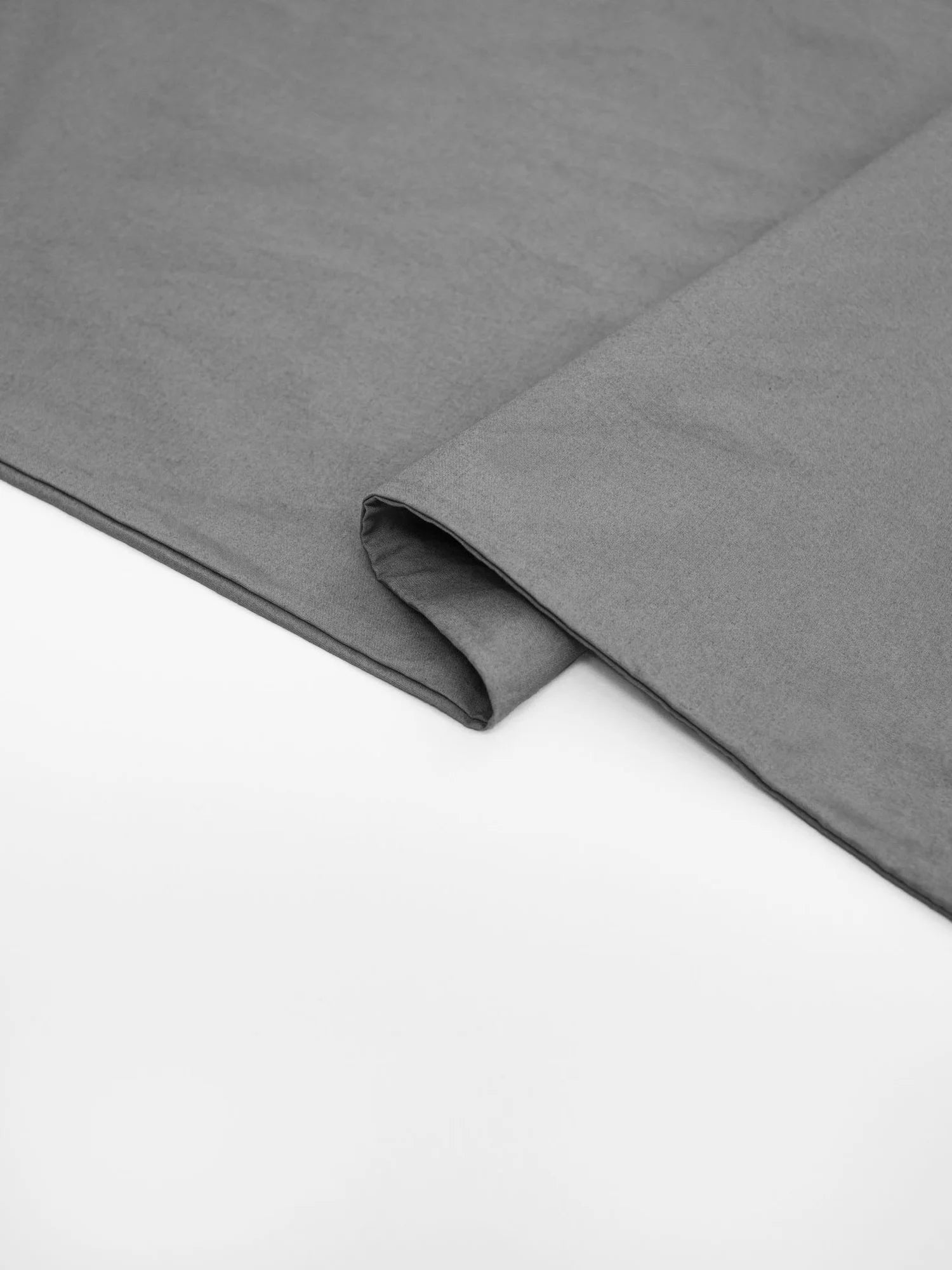
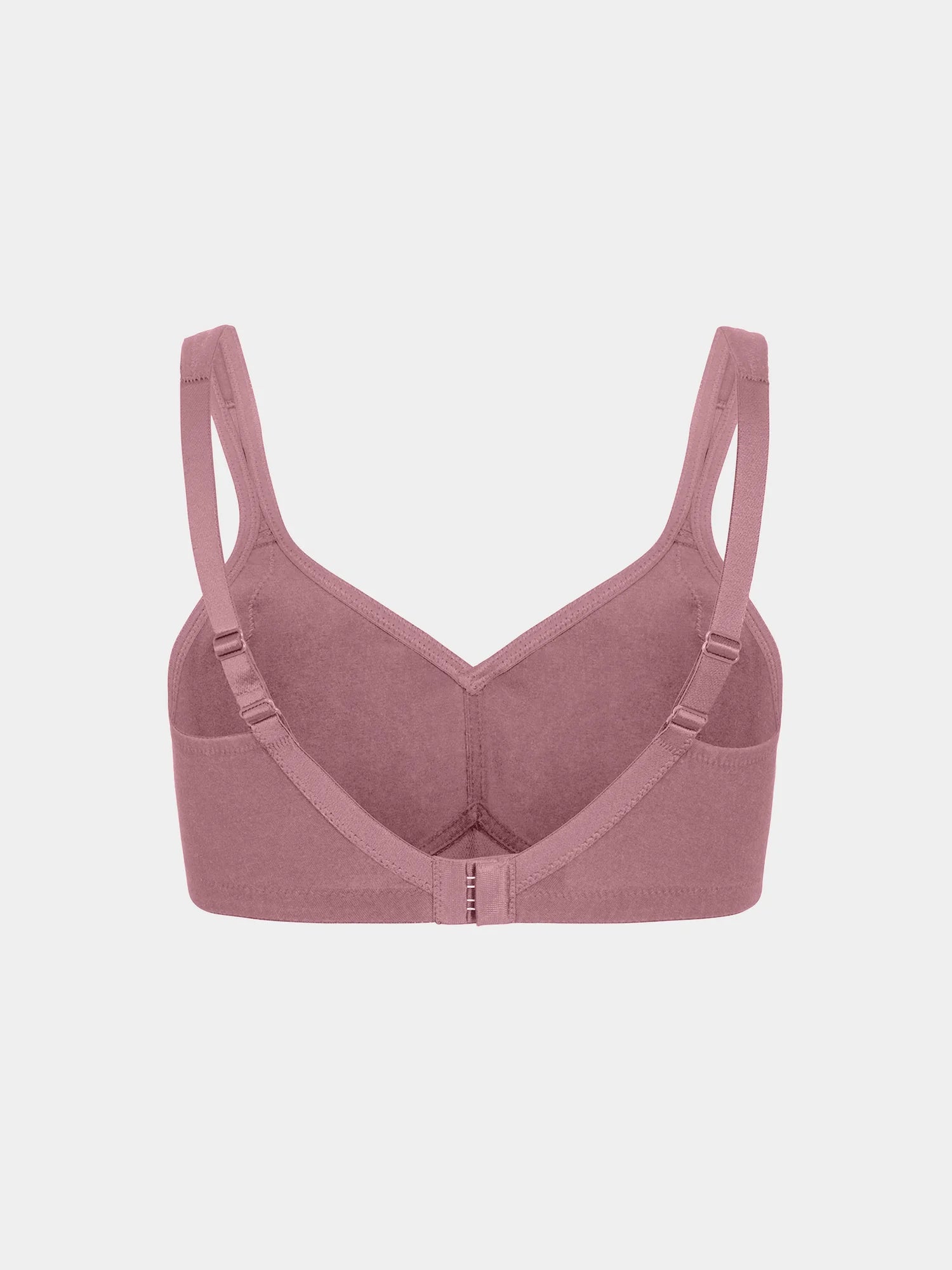
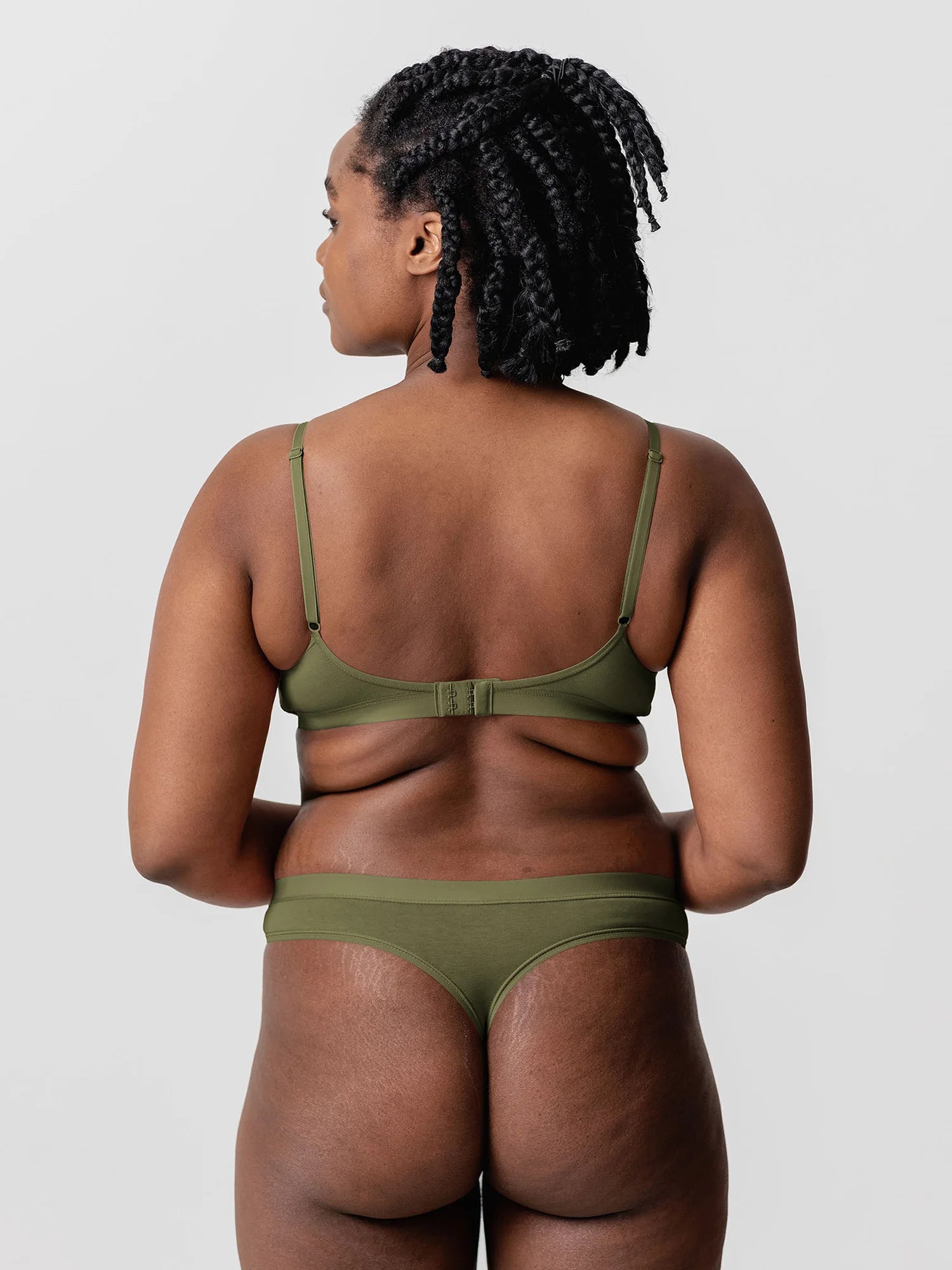
Cotton is a true all-rounder for textiles worn directly on the skin:
- Soft and comfortable on the skin
- Durable and long-lasting
- Breathable and moisture-regulating
- Low allergy potential – ideal for sensitive skin
- Easy to care for and washable at various temperatures
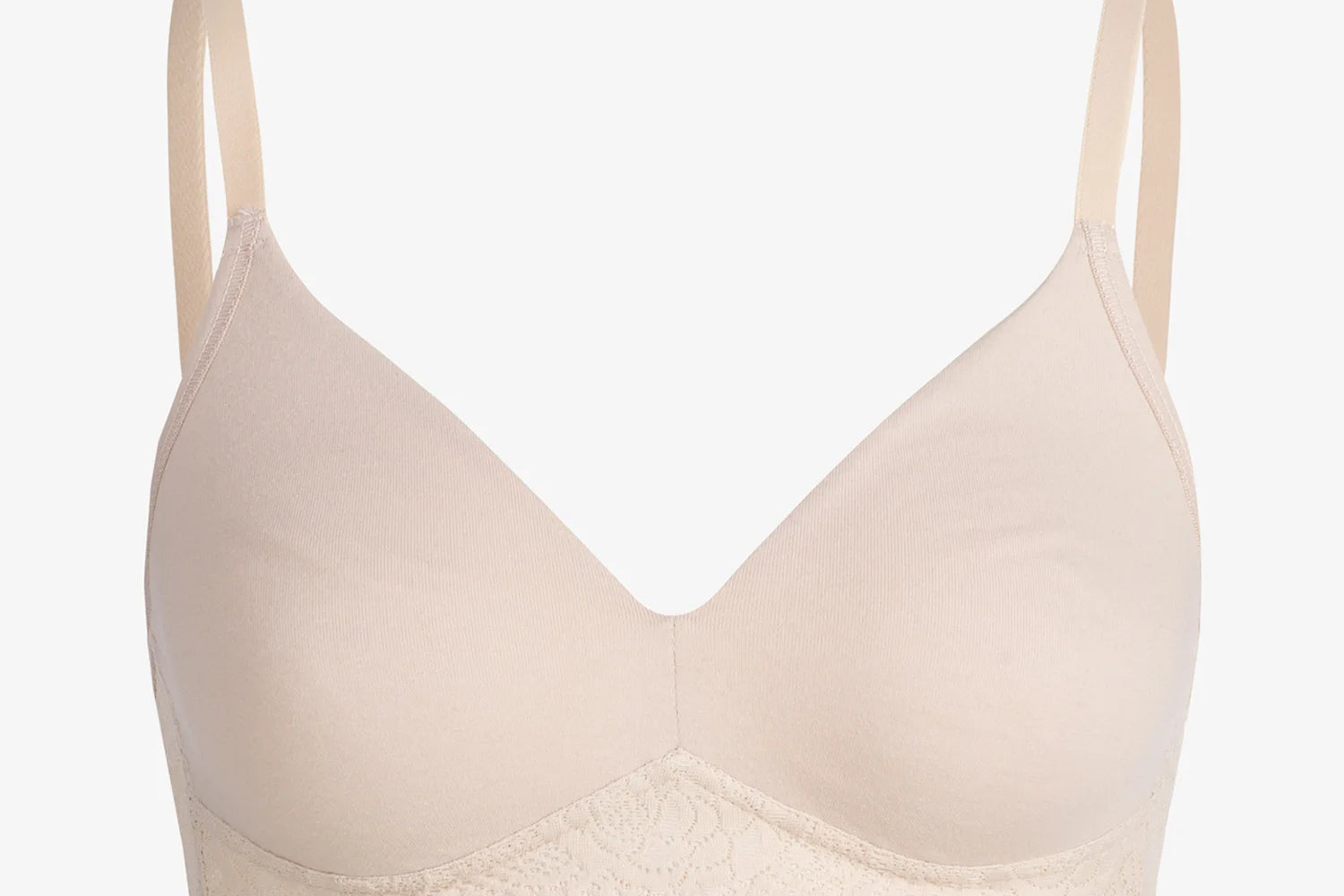
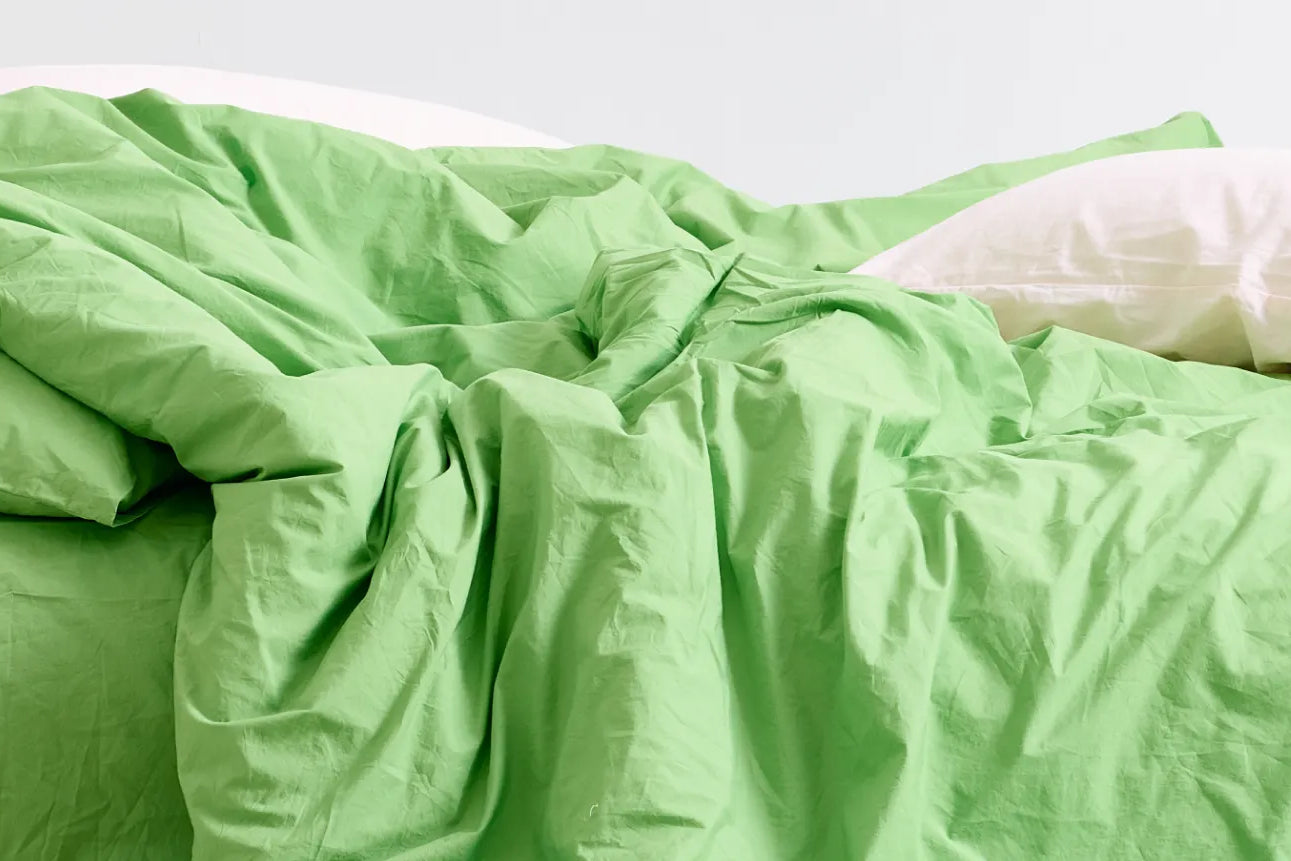
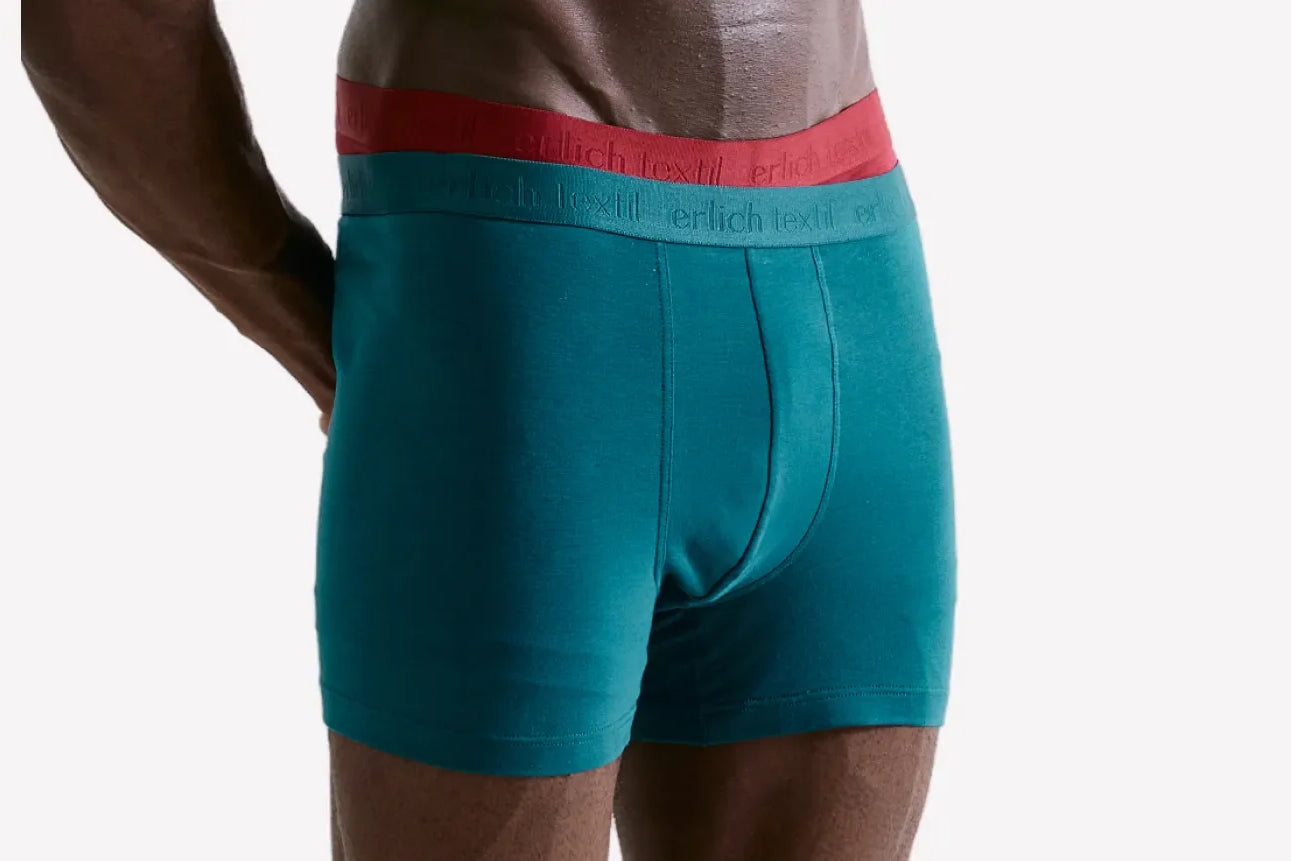
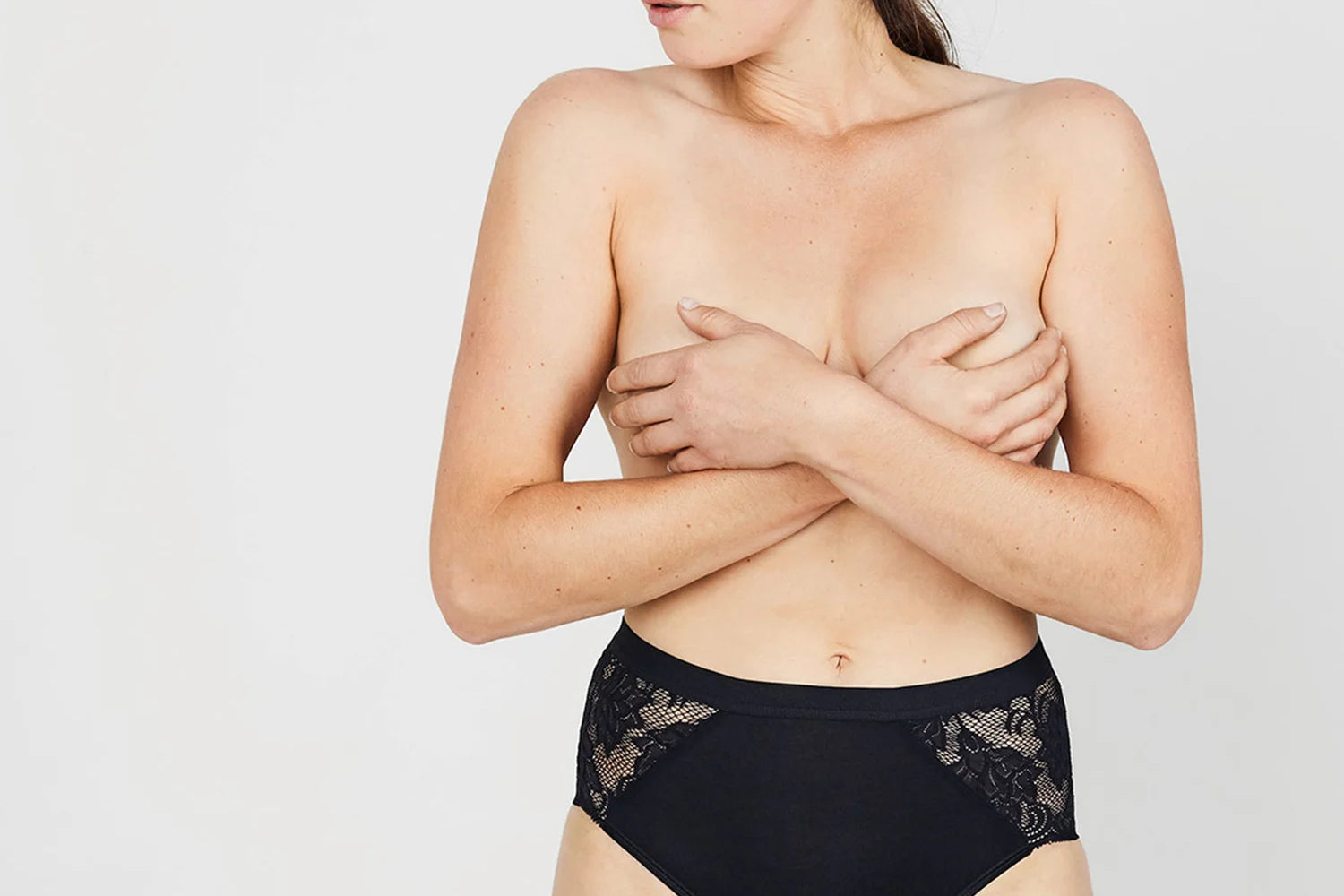
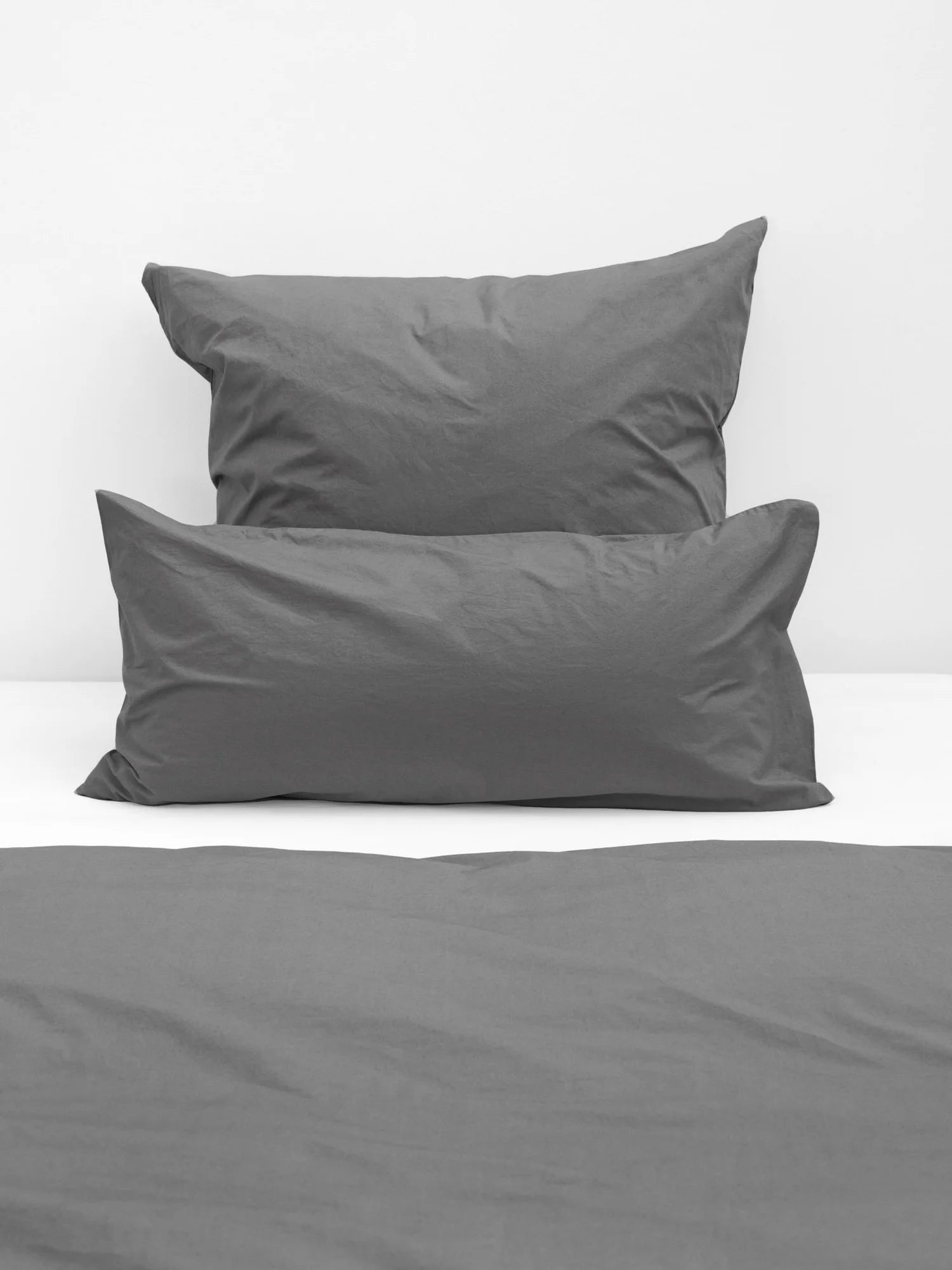
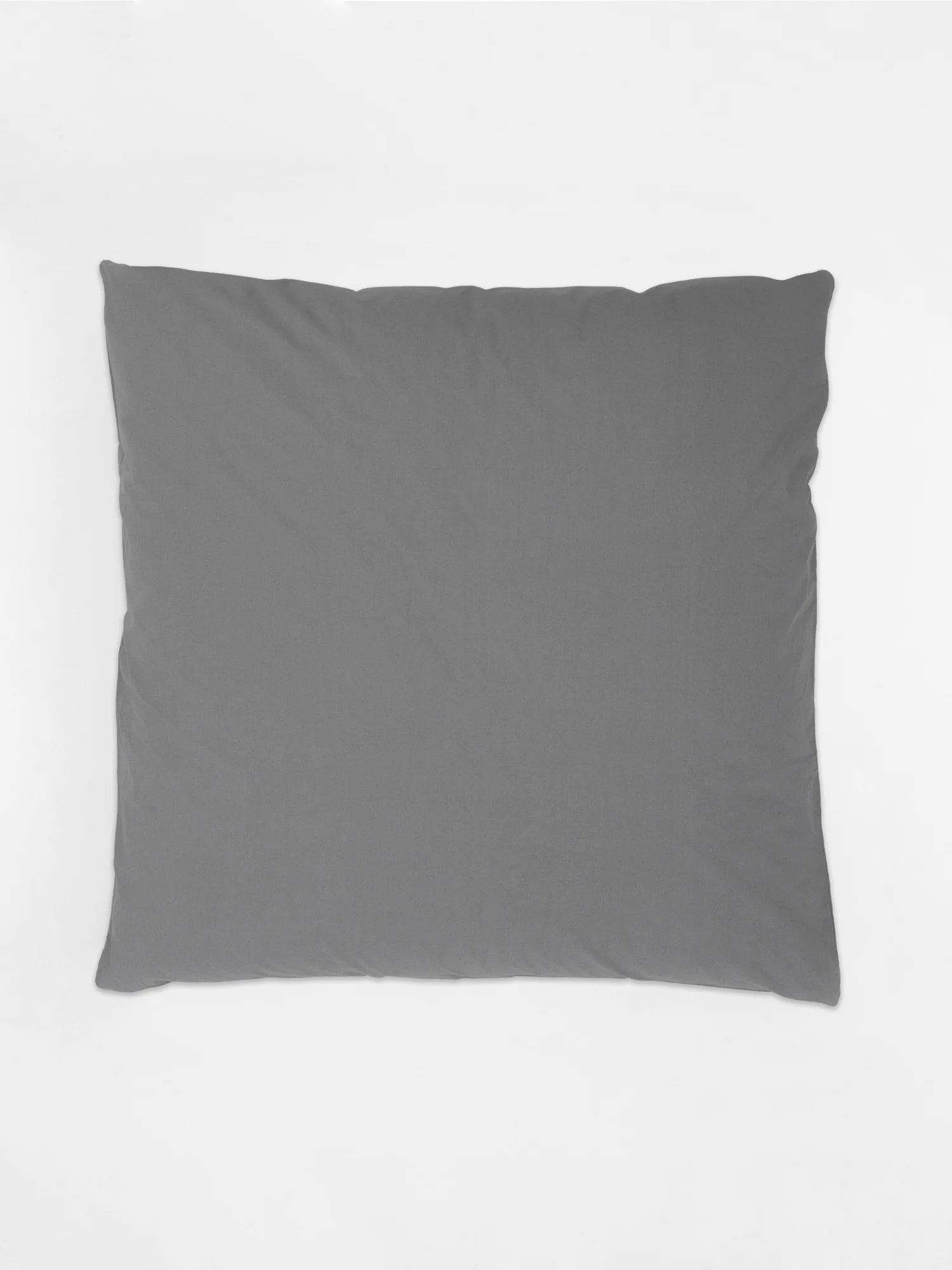
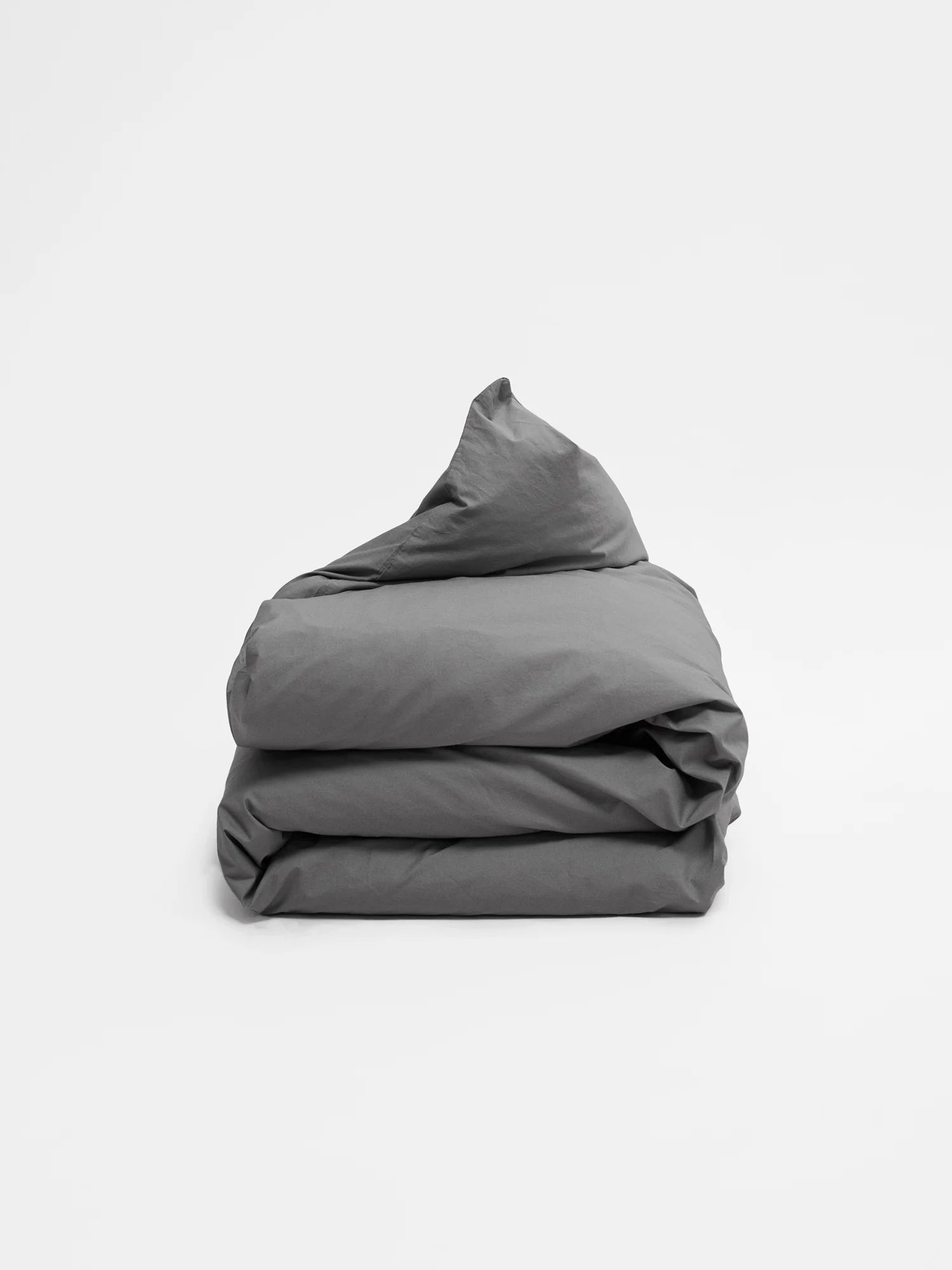
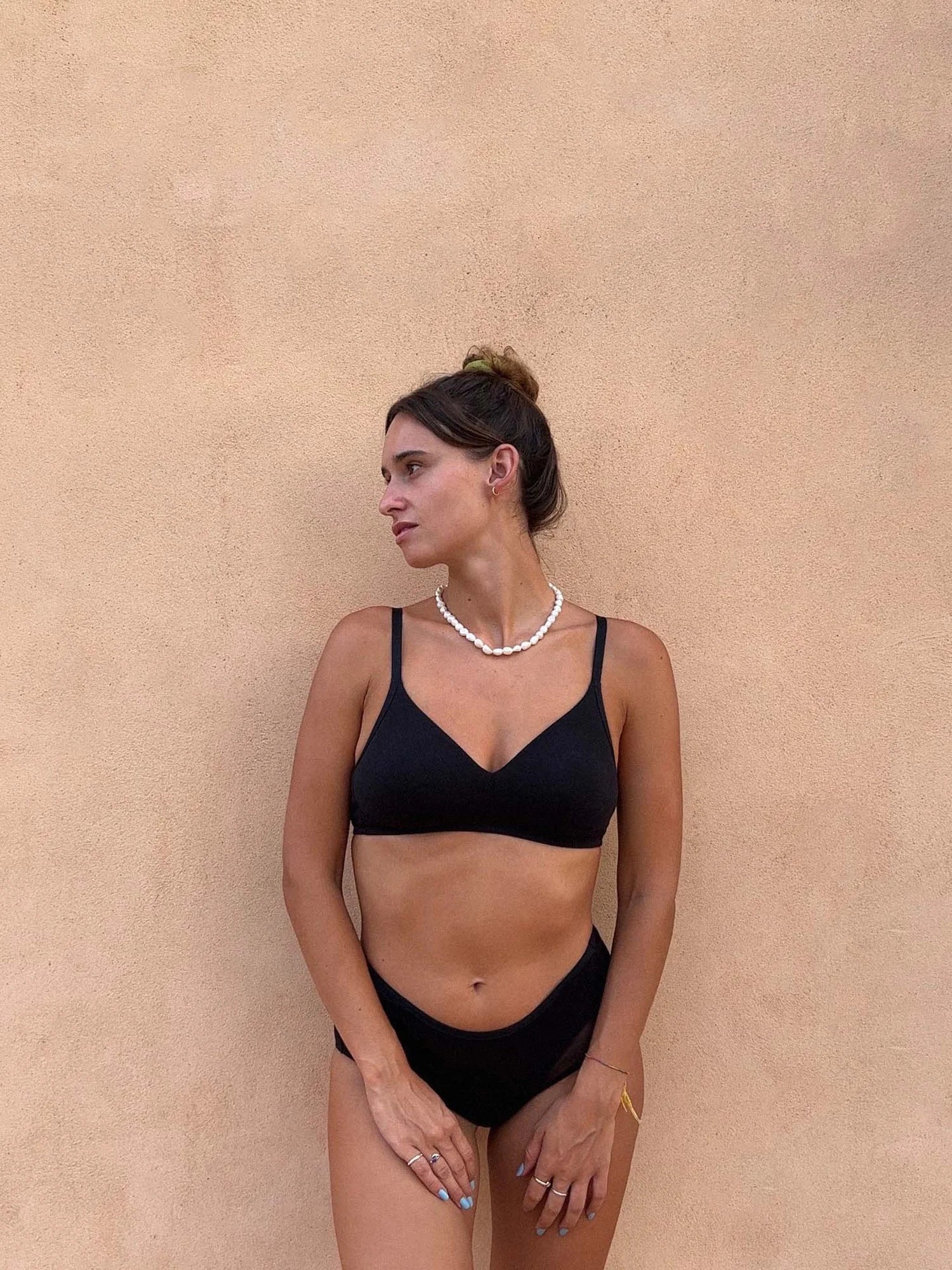
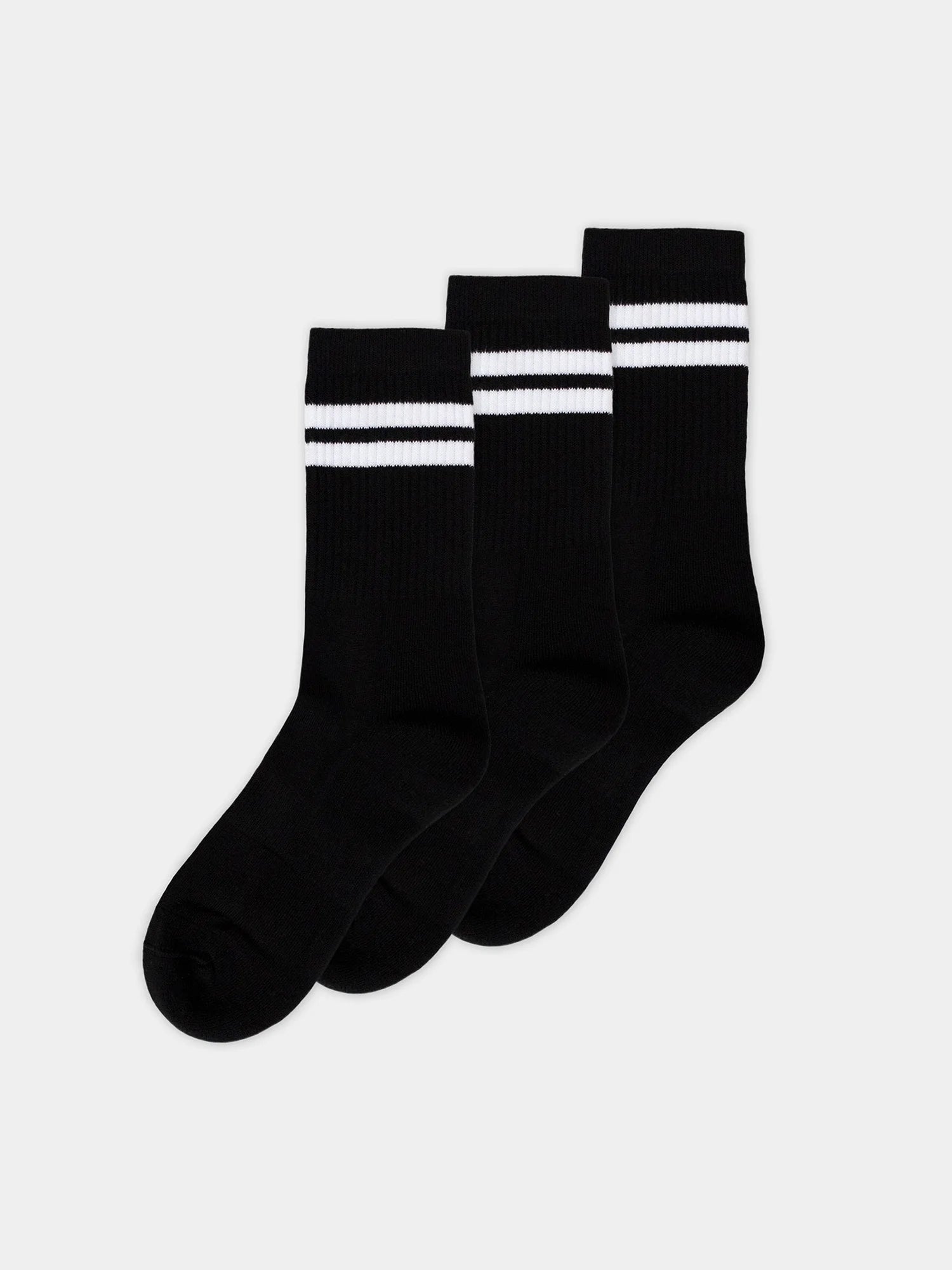
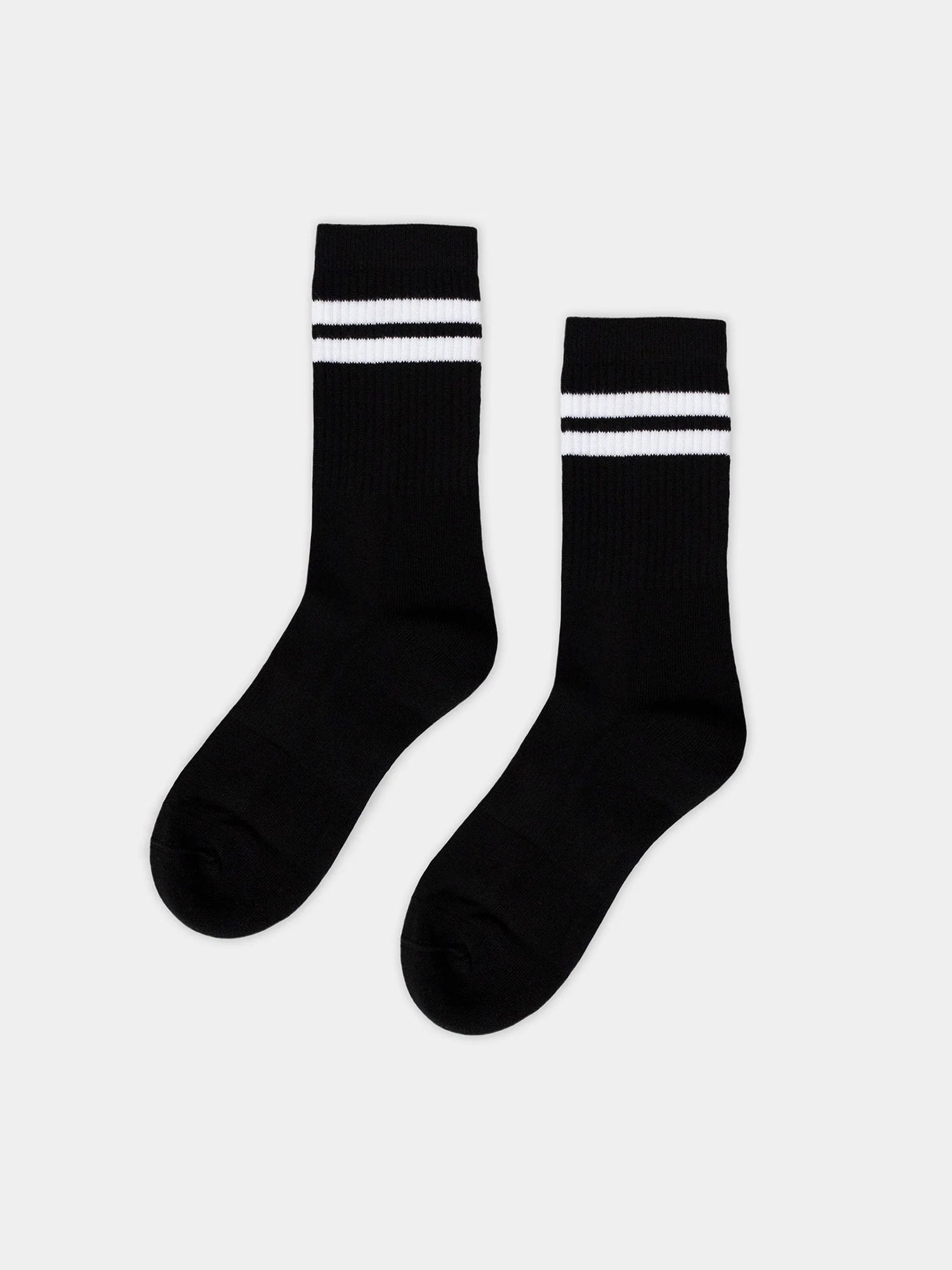
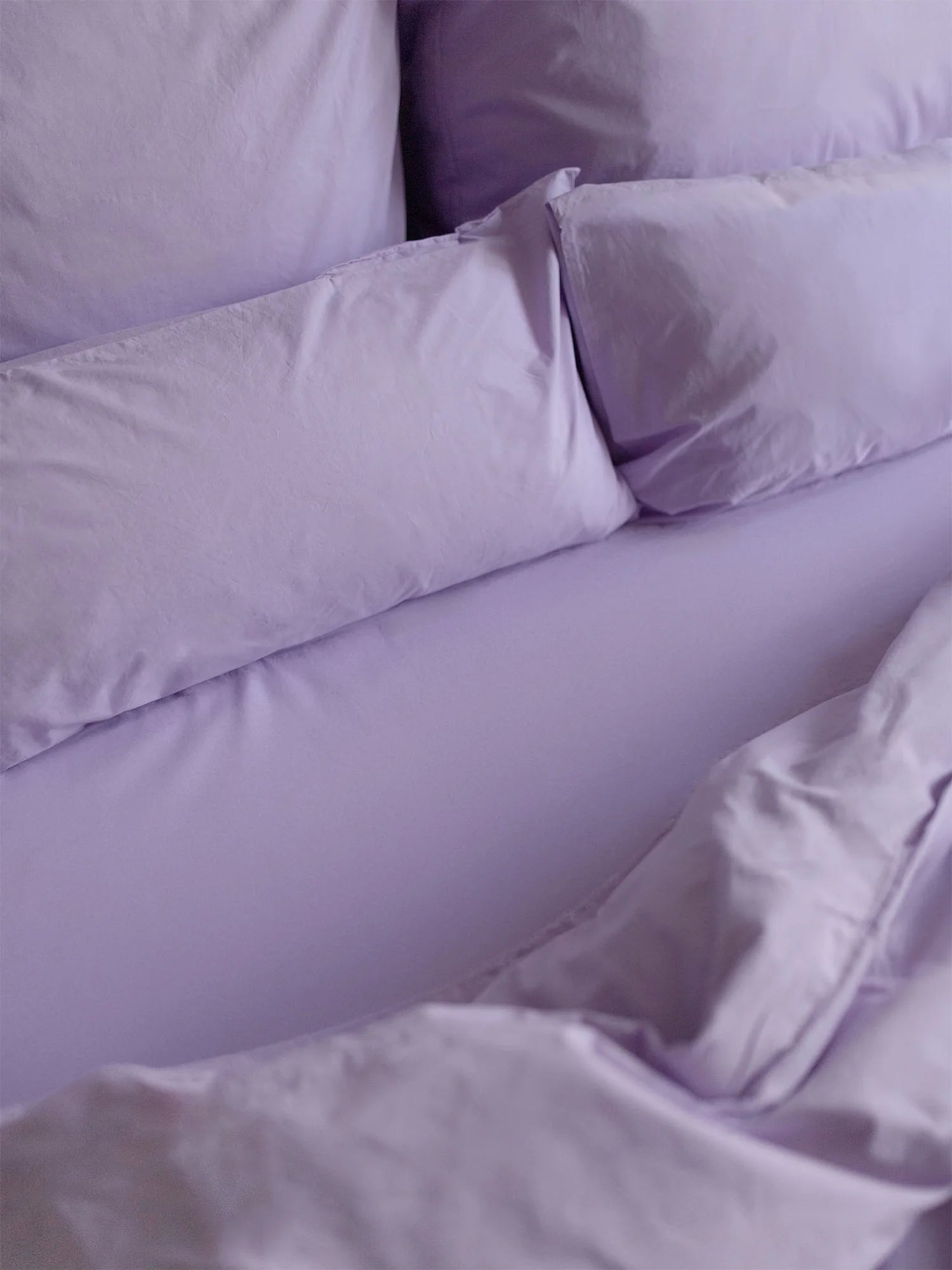
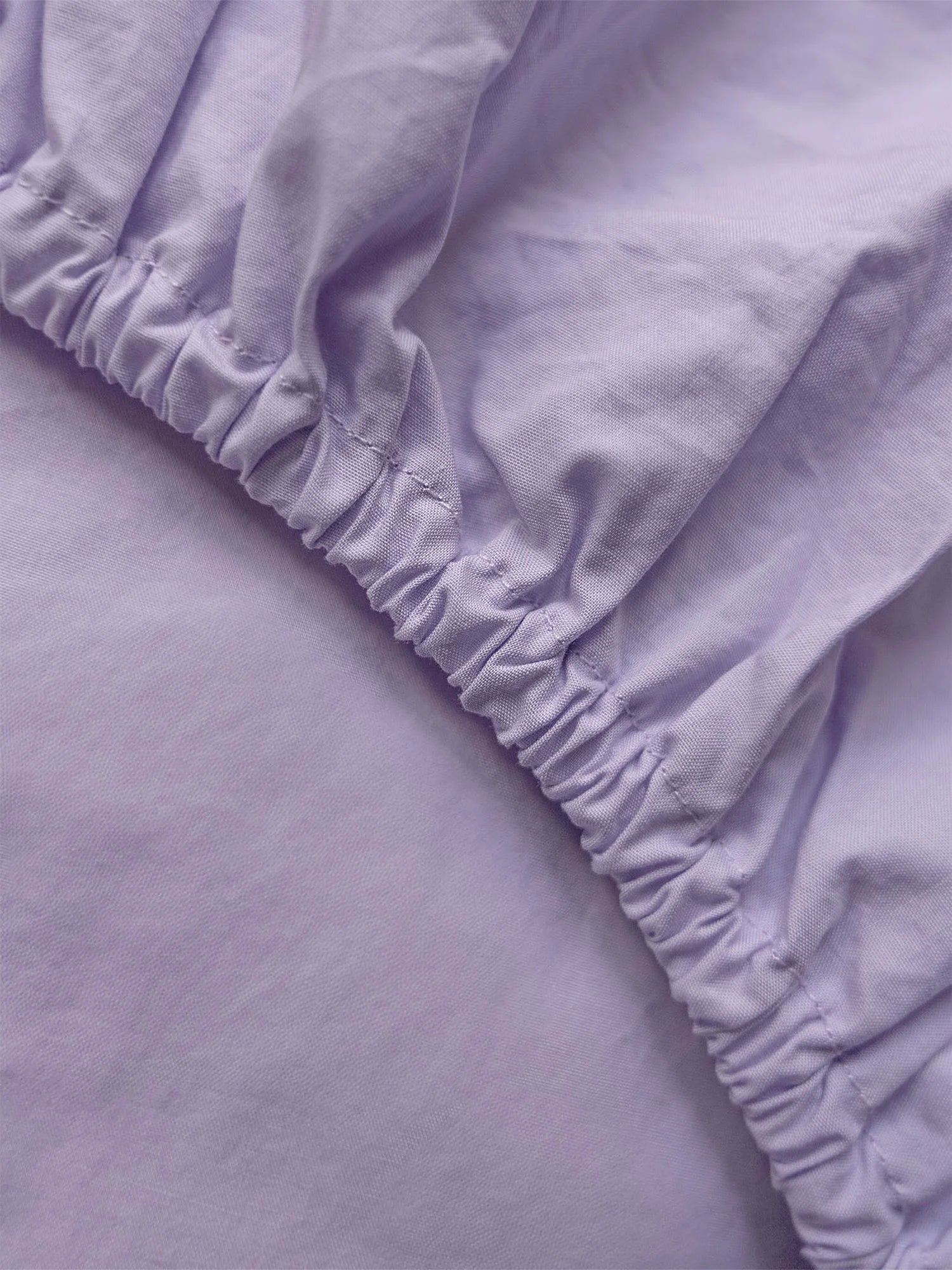
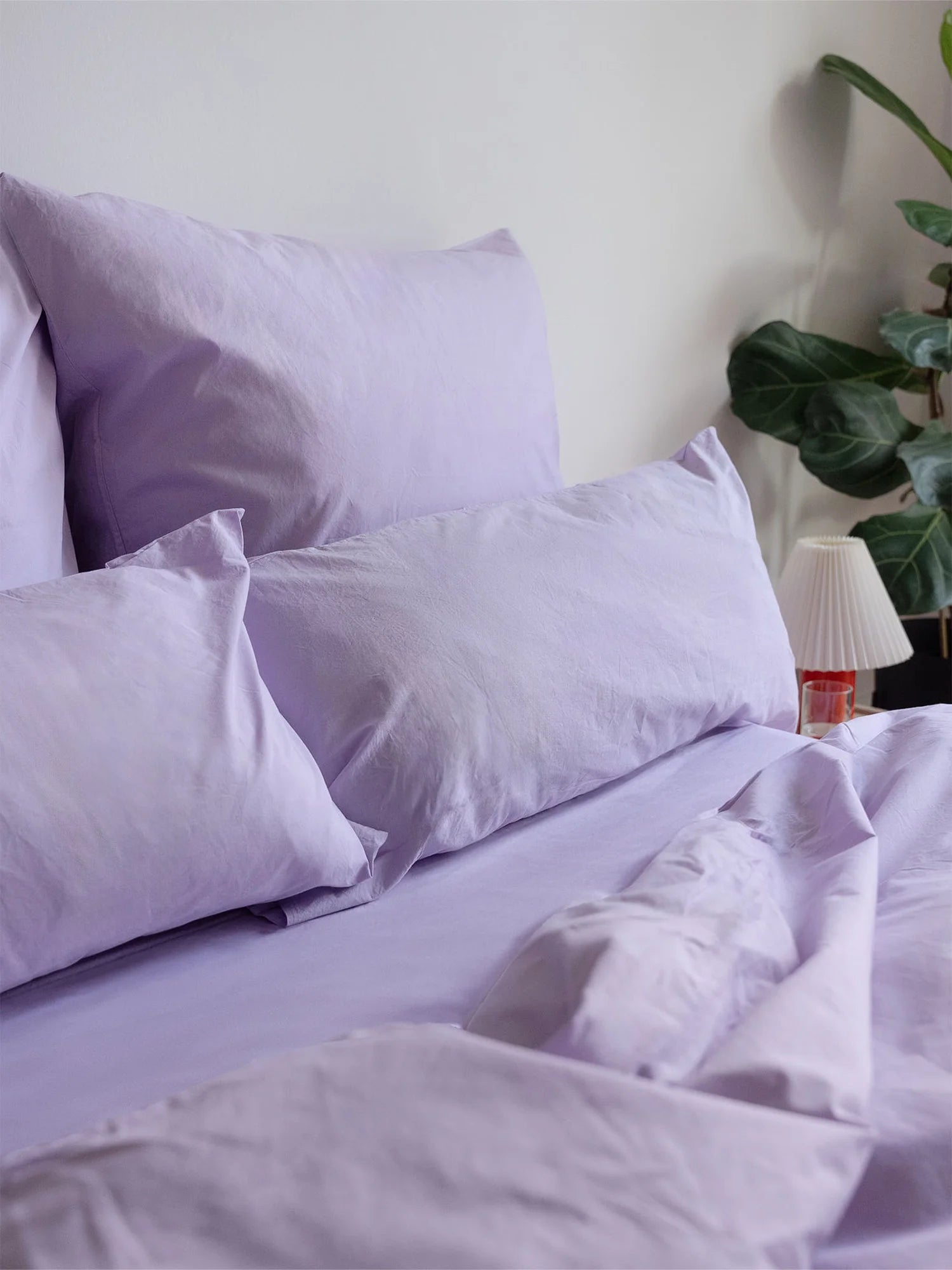
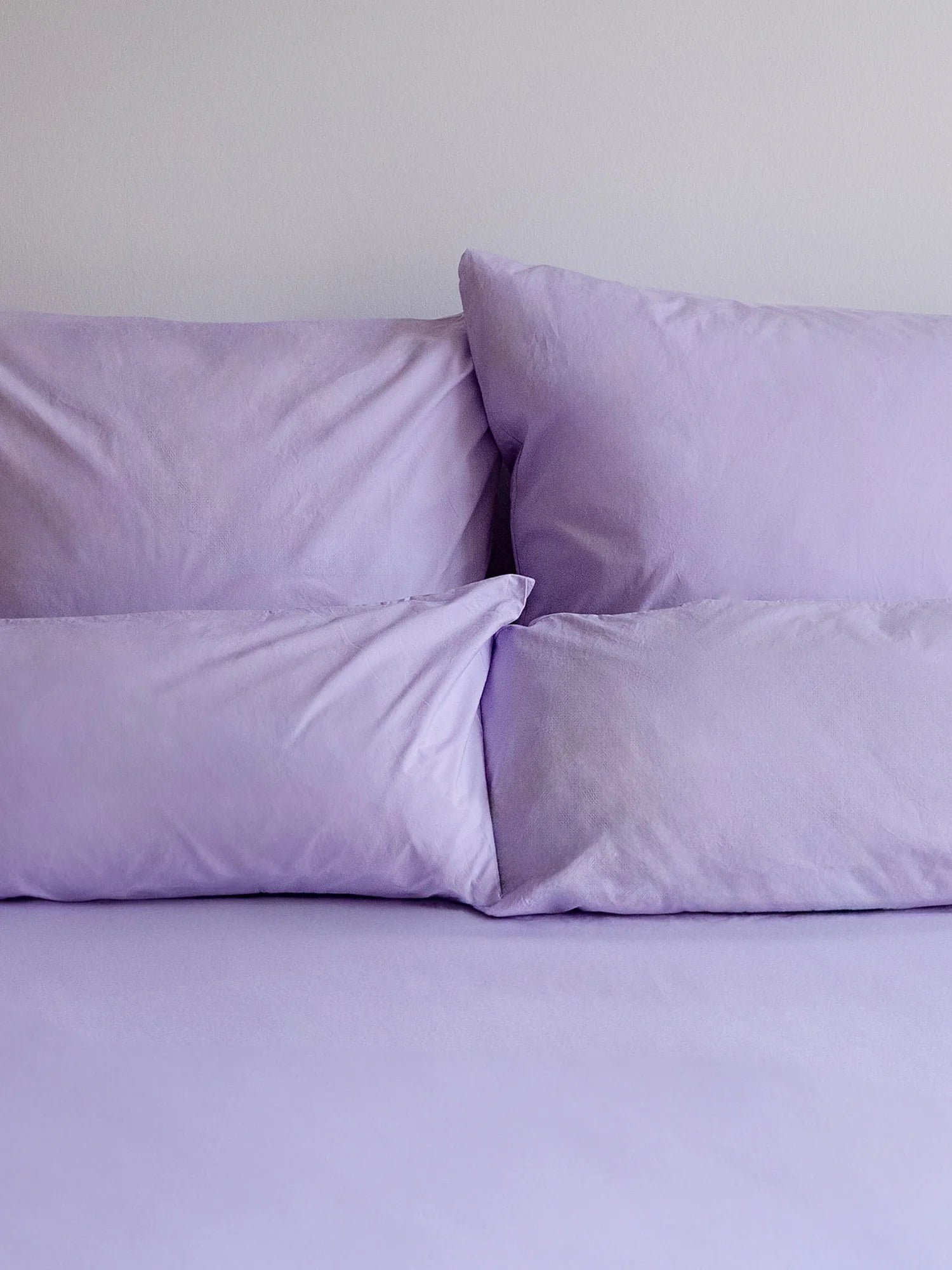
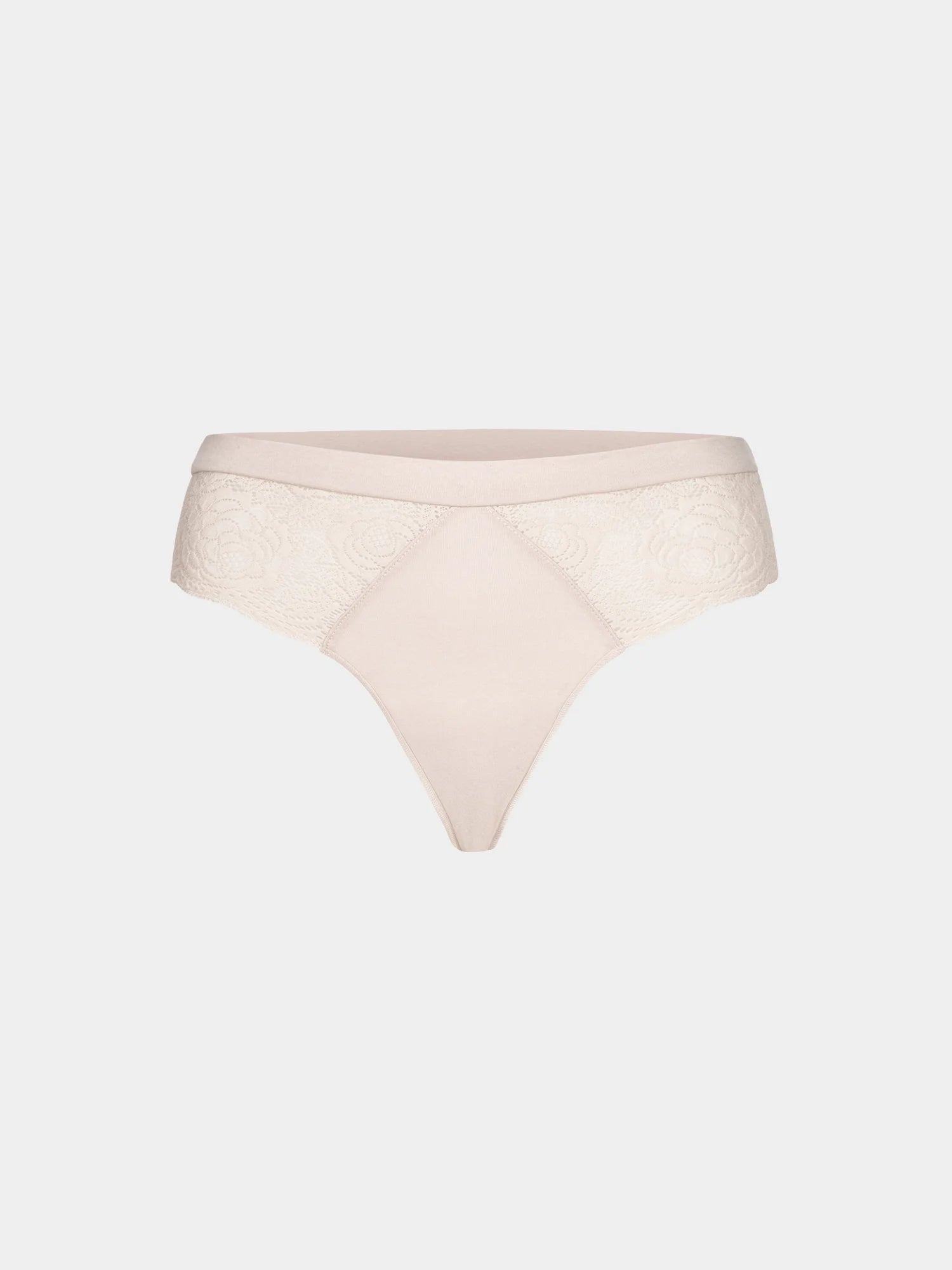
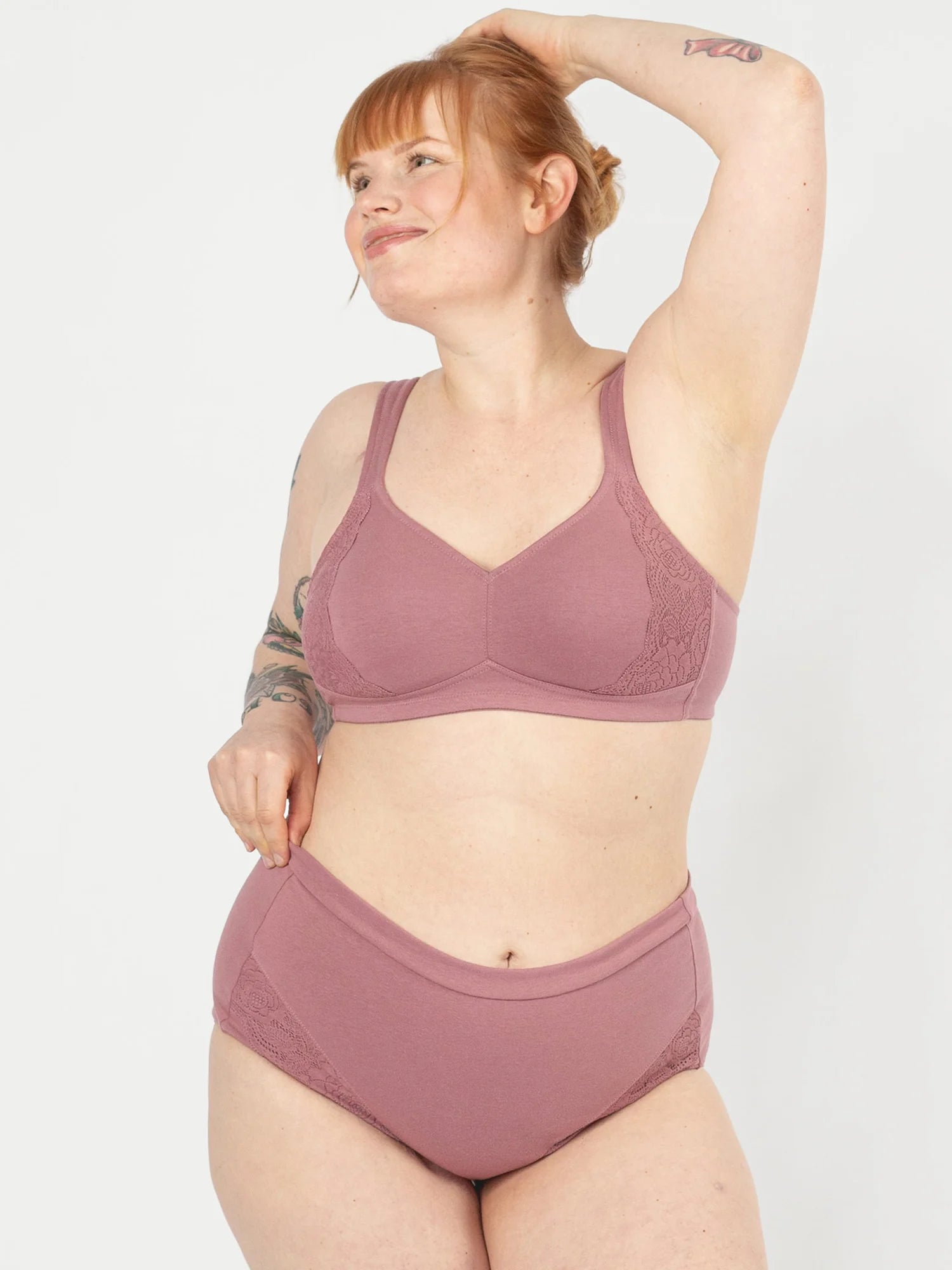
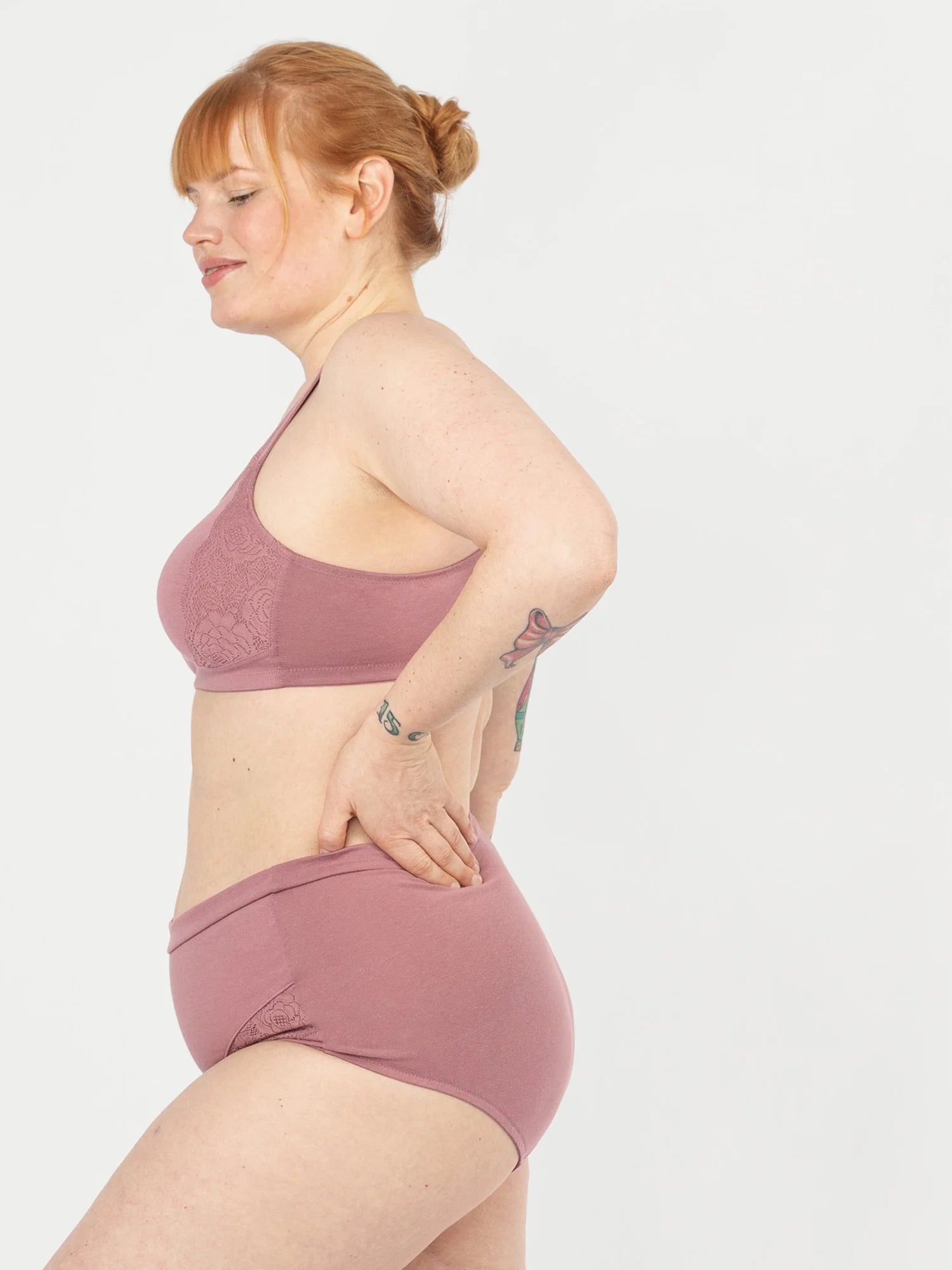
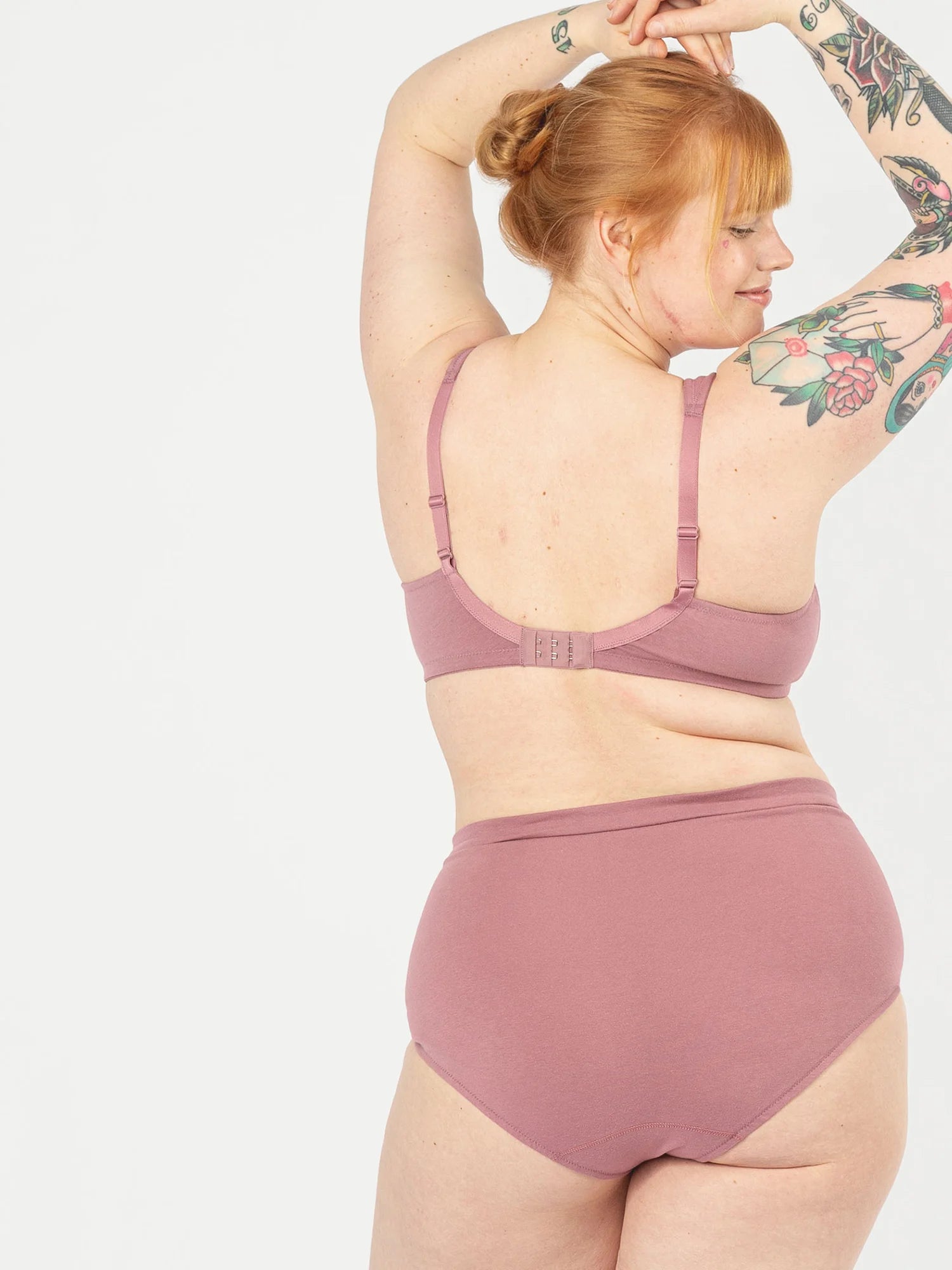
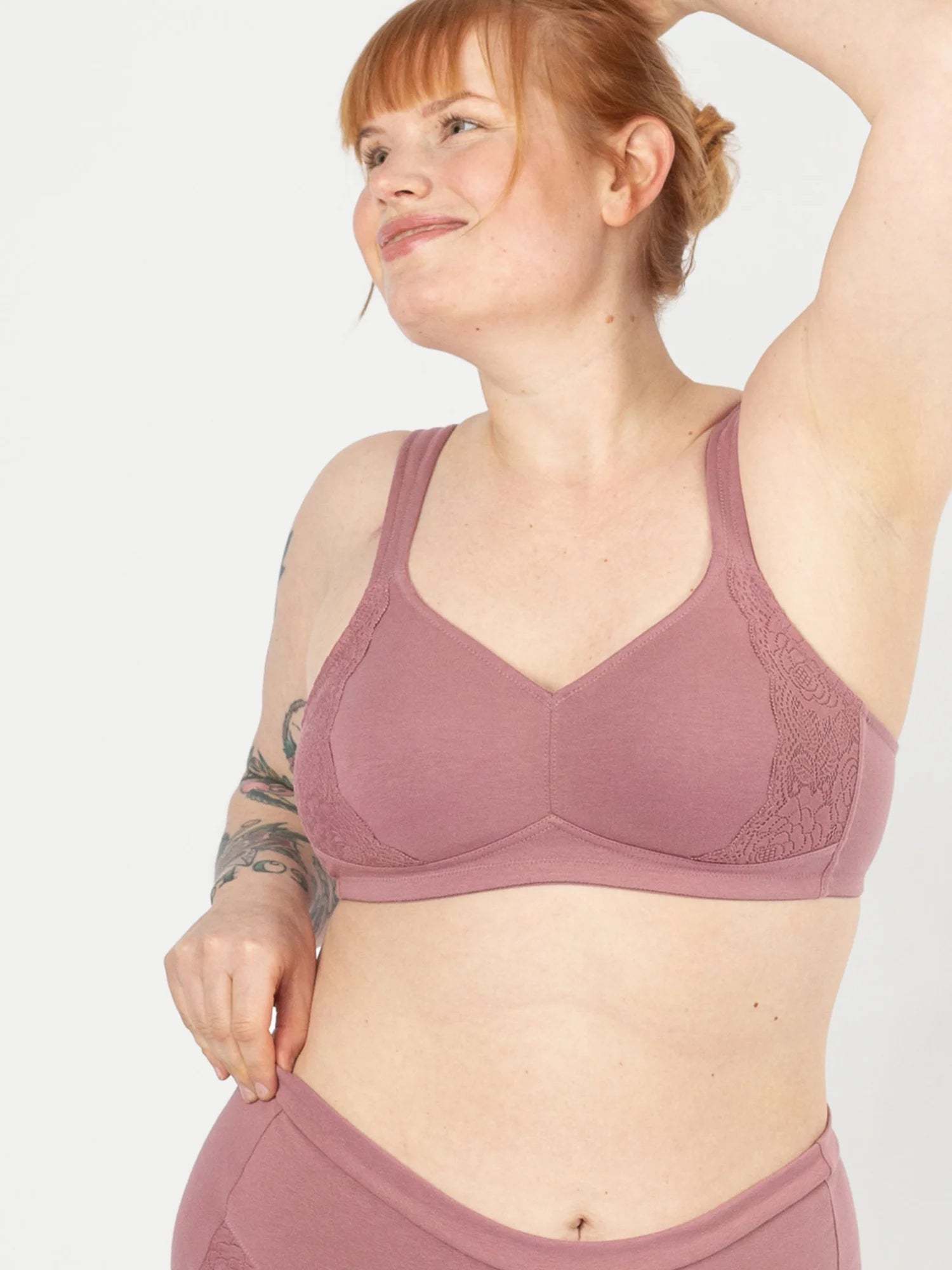
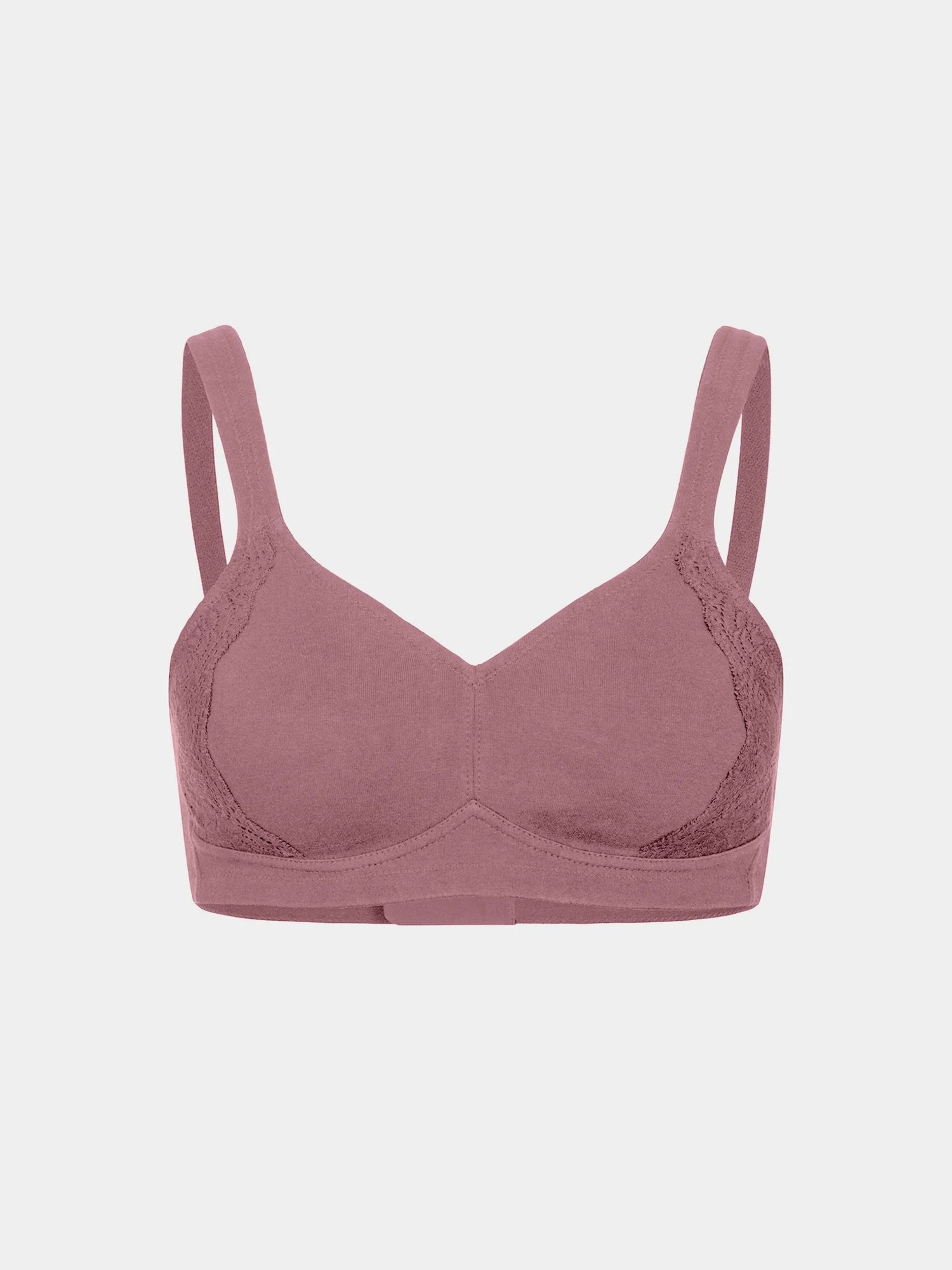
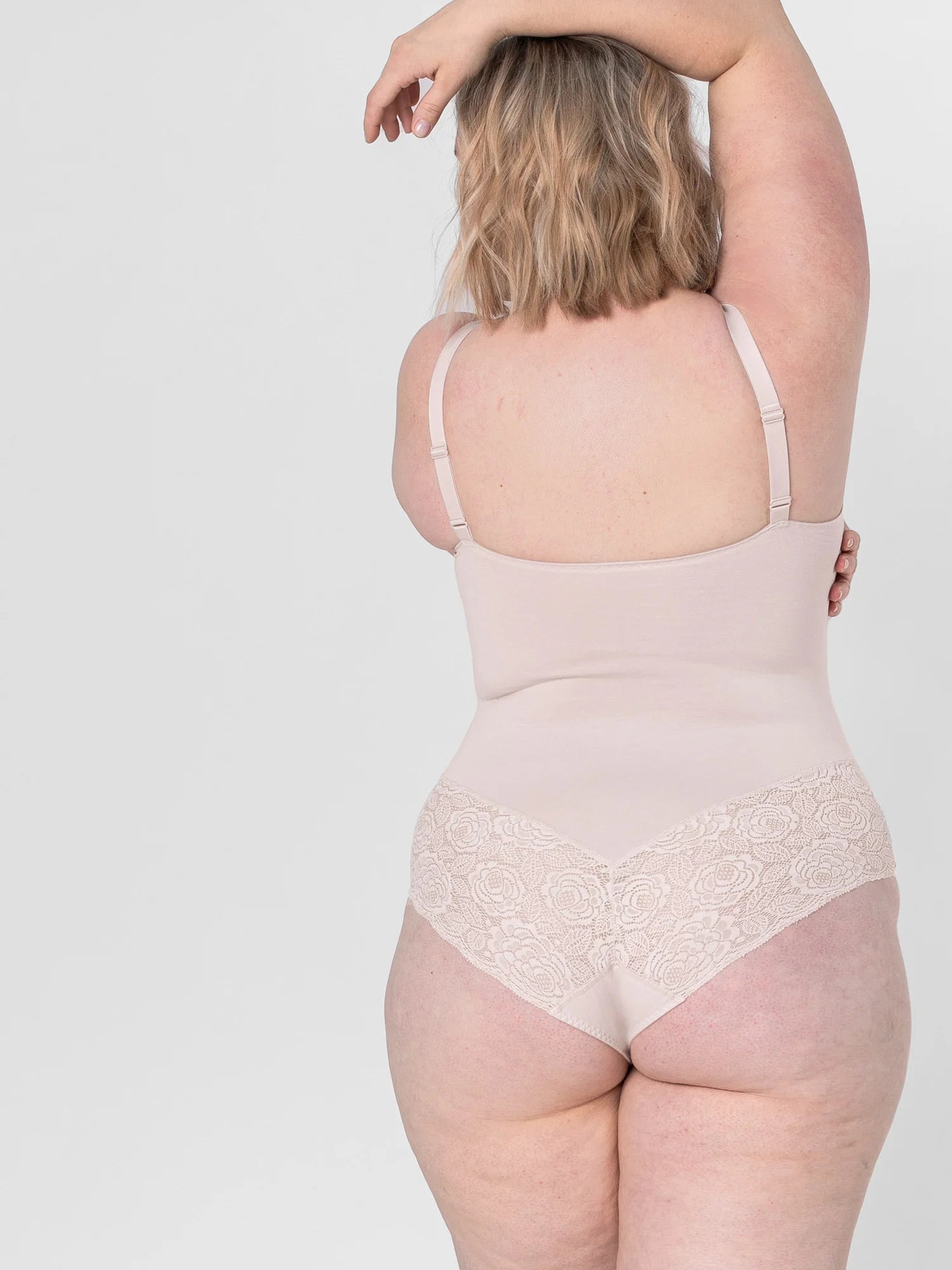
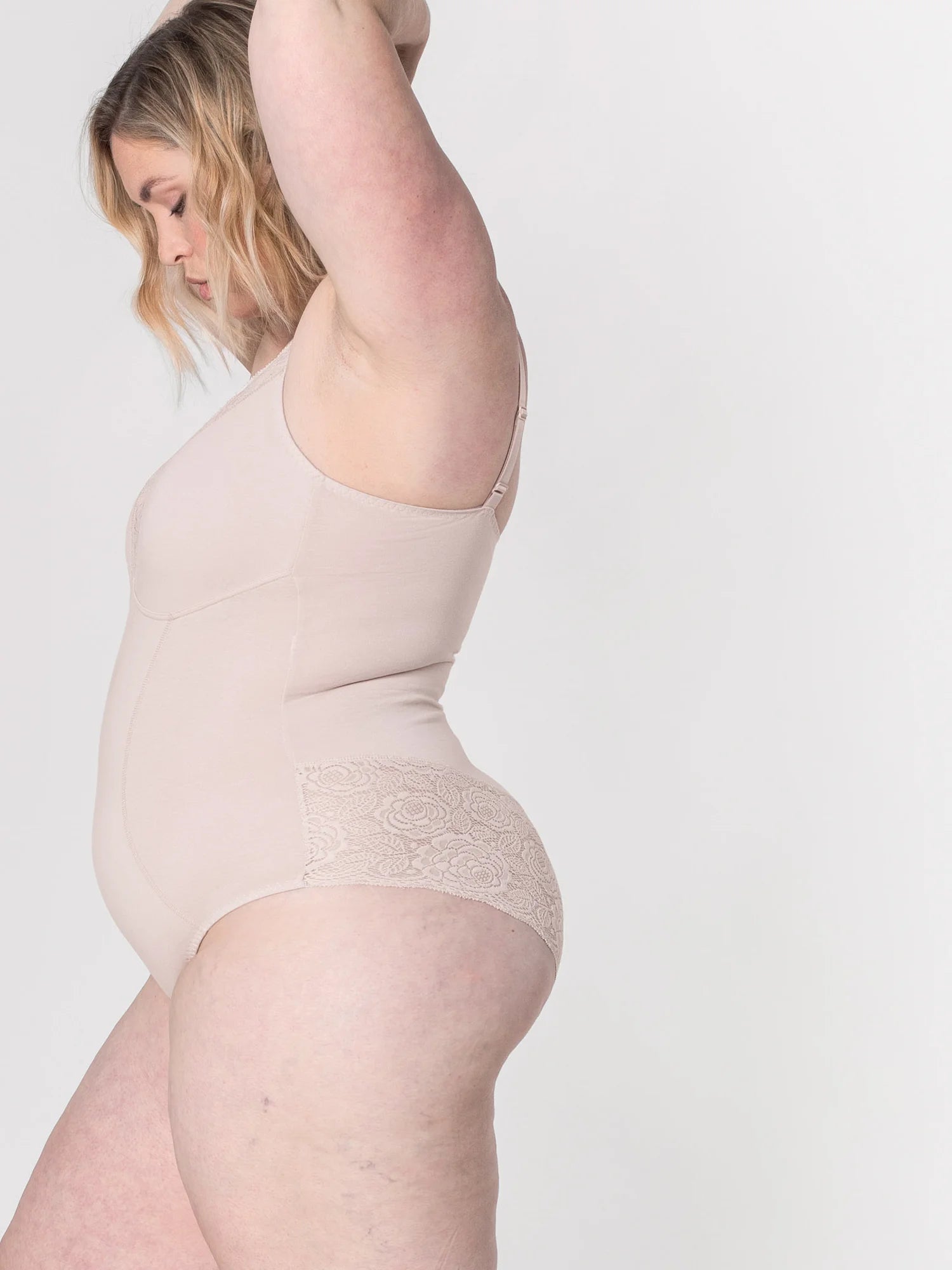
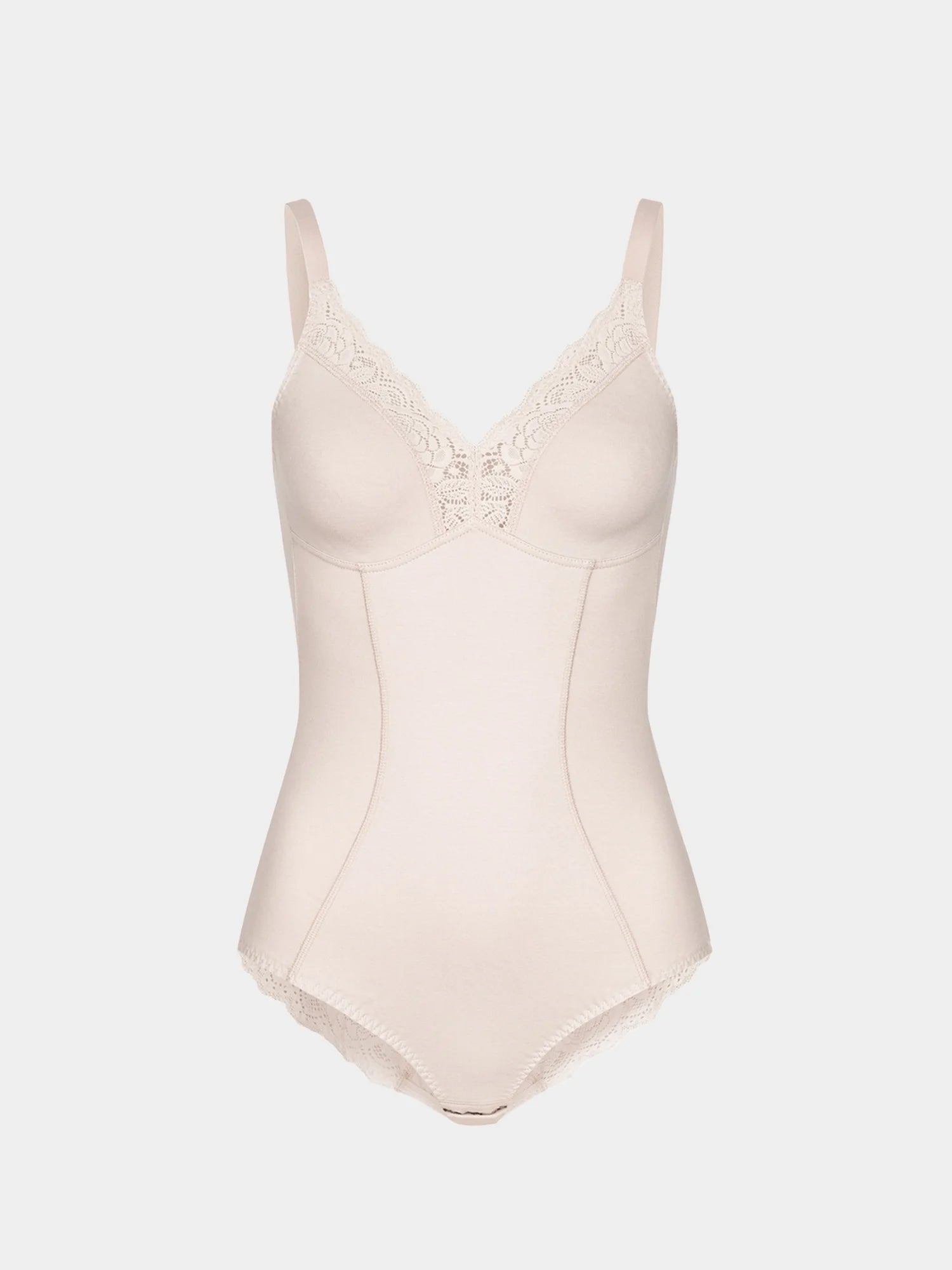
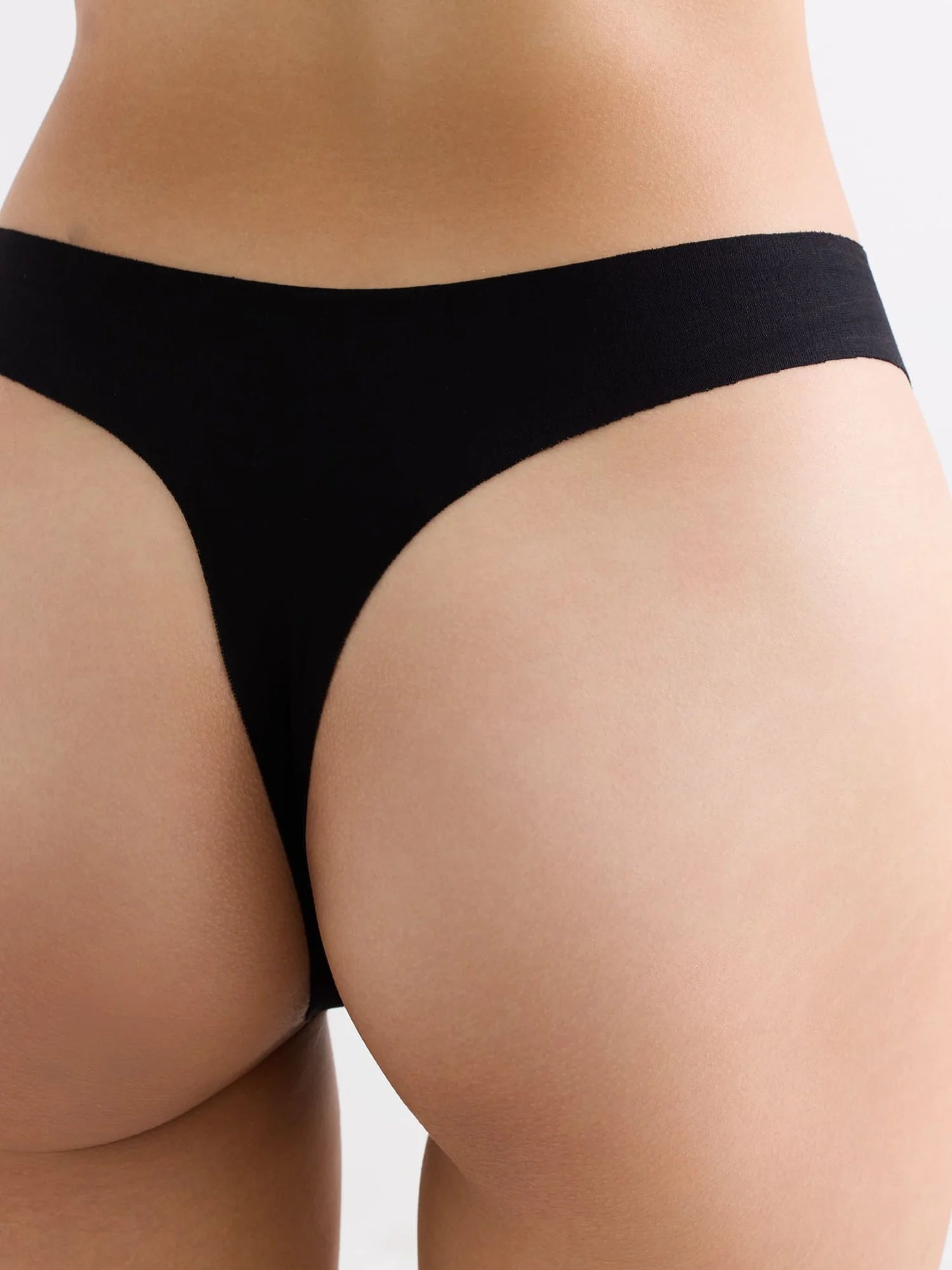
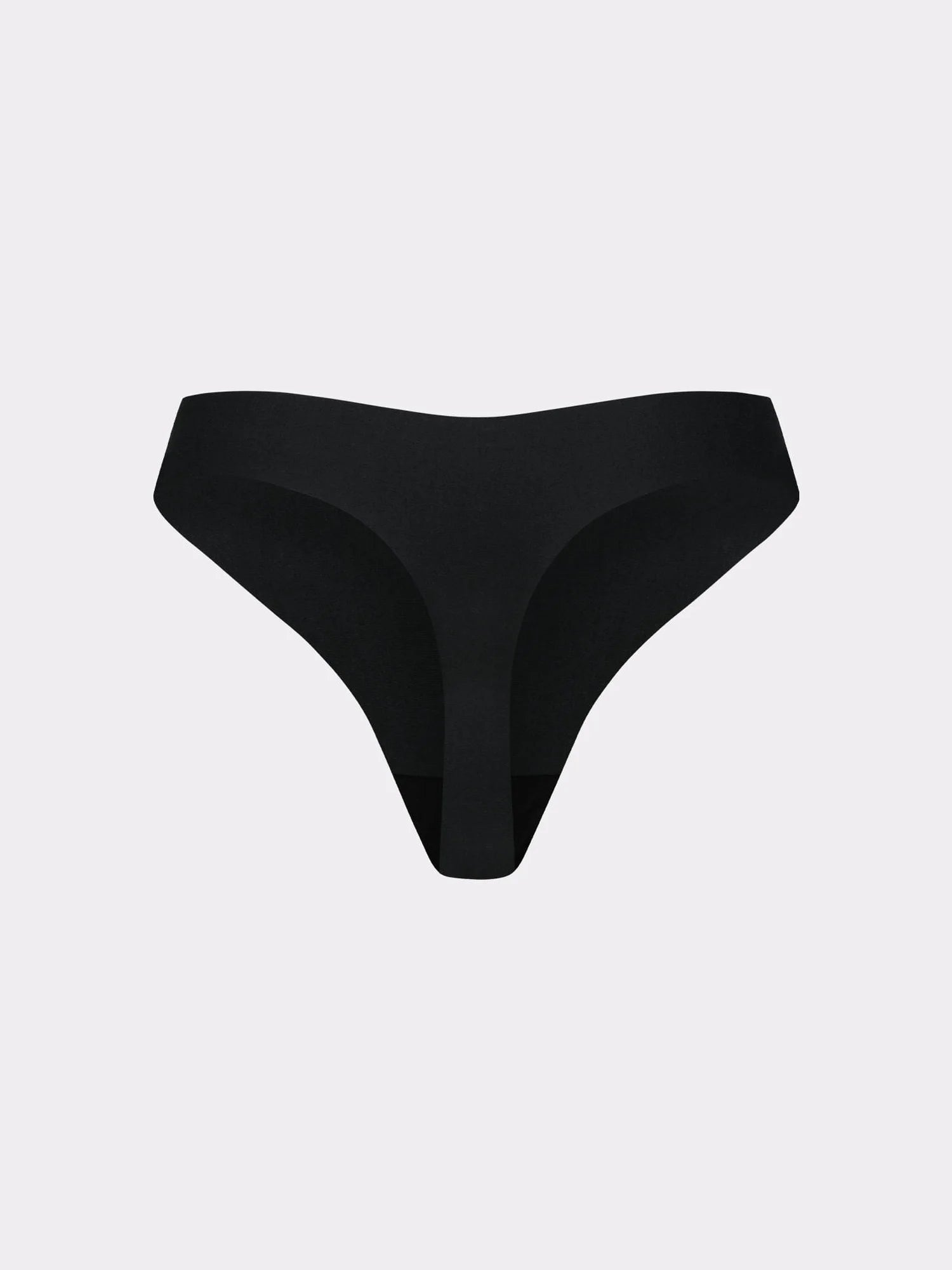
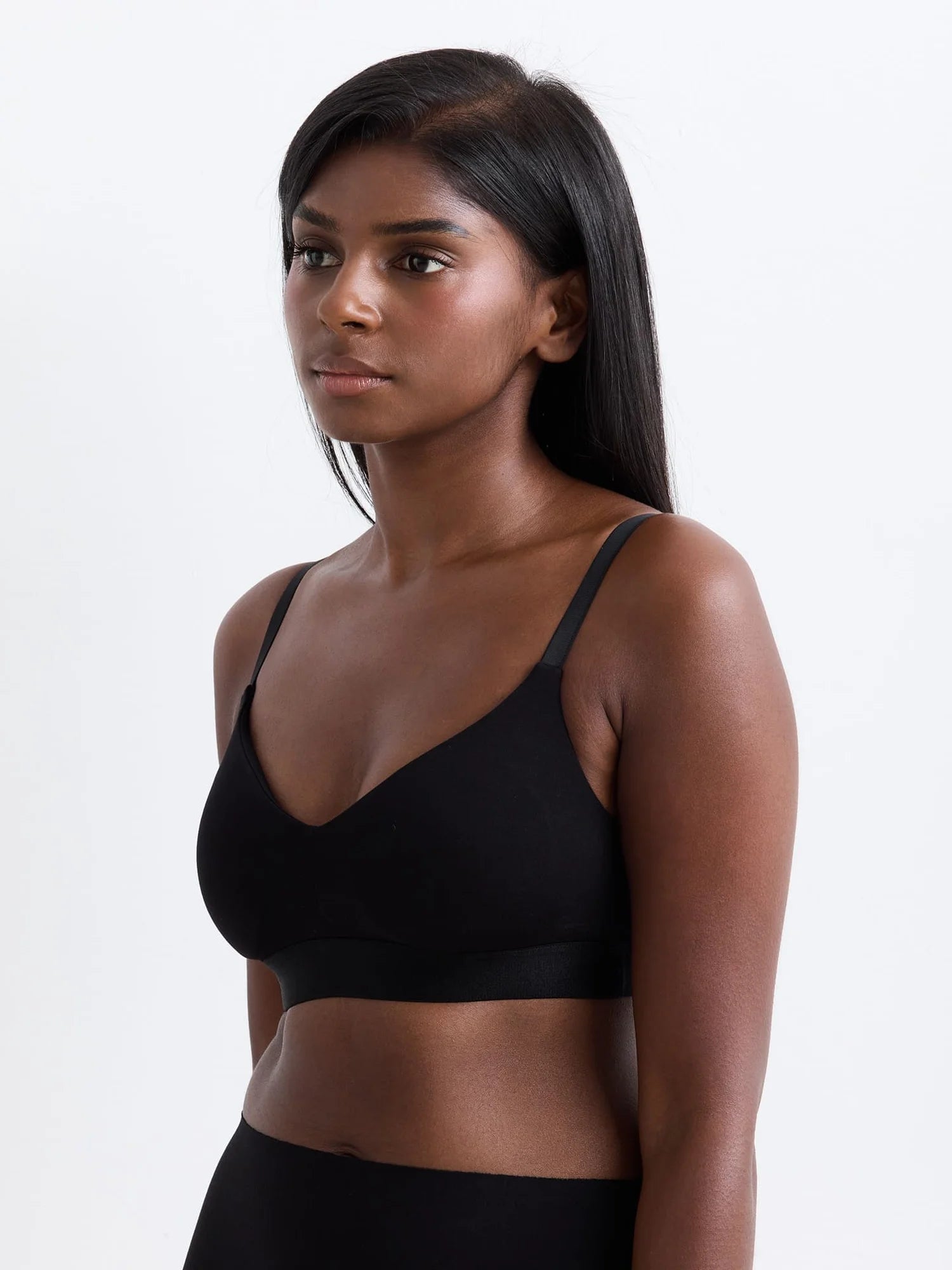
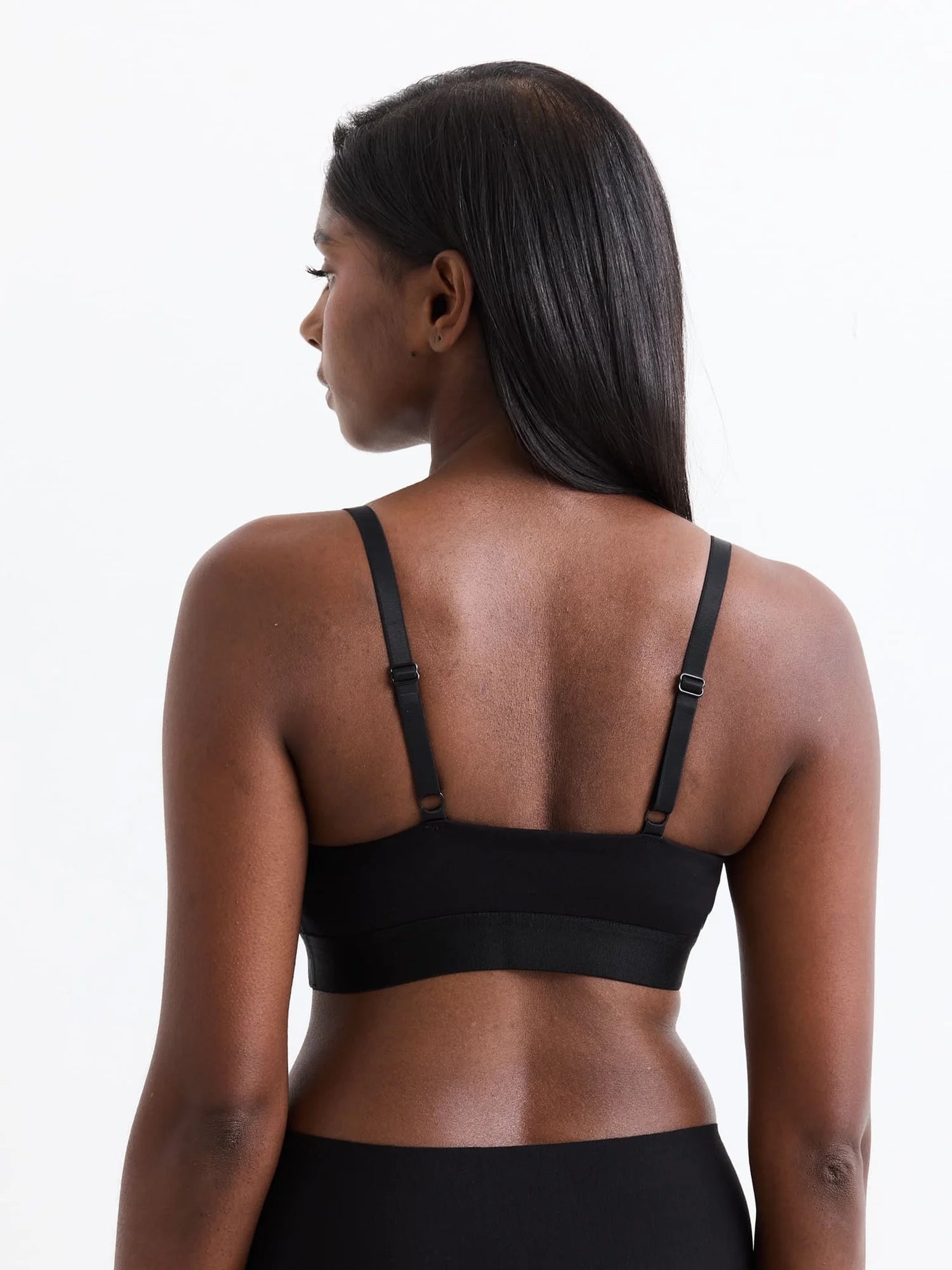
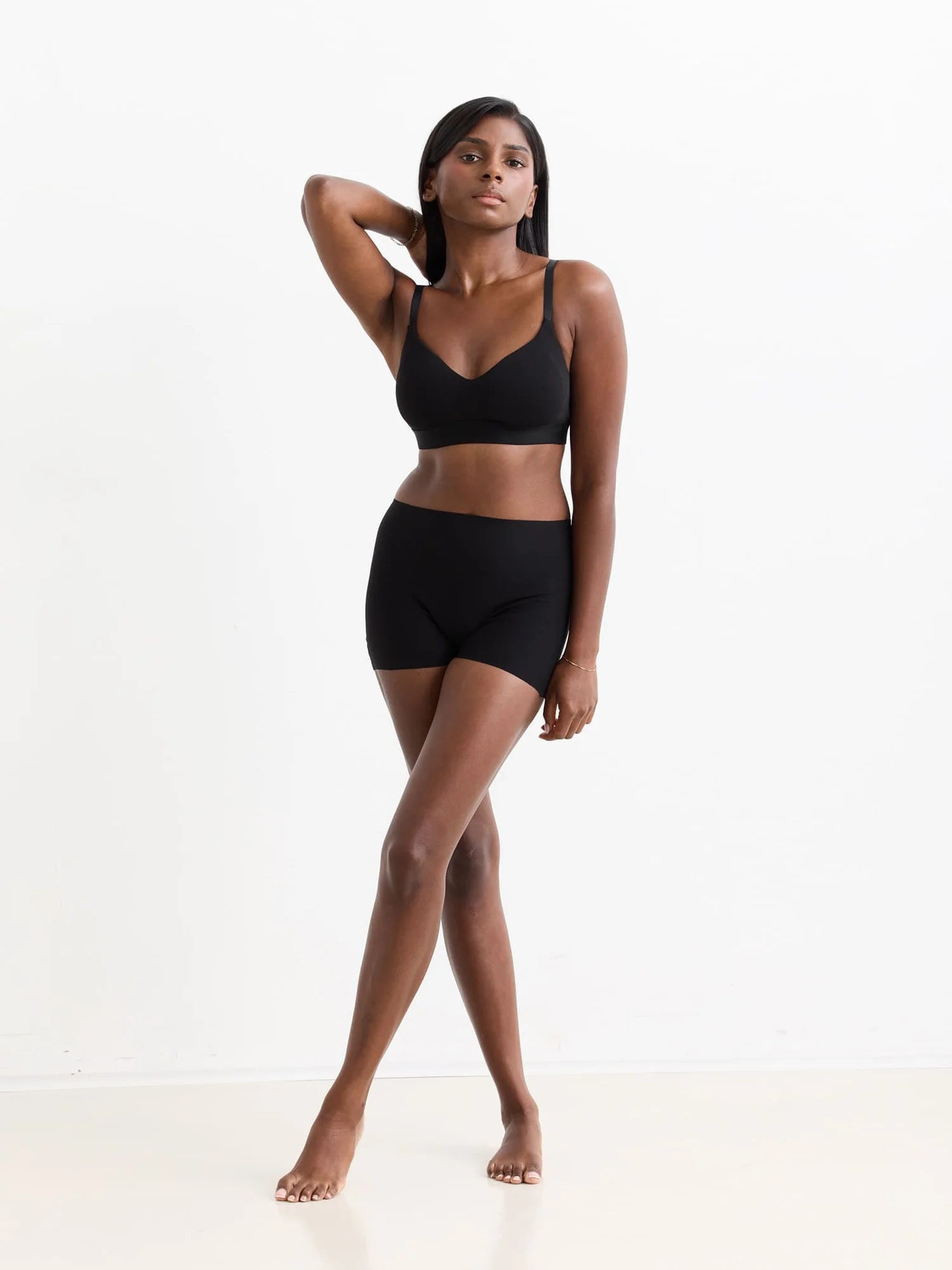
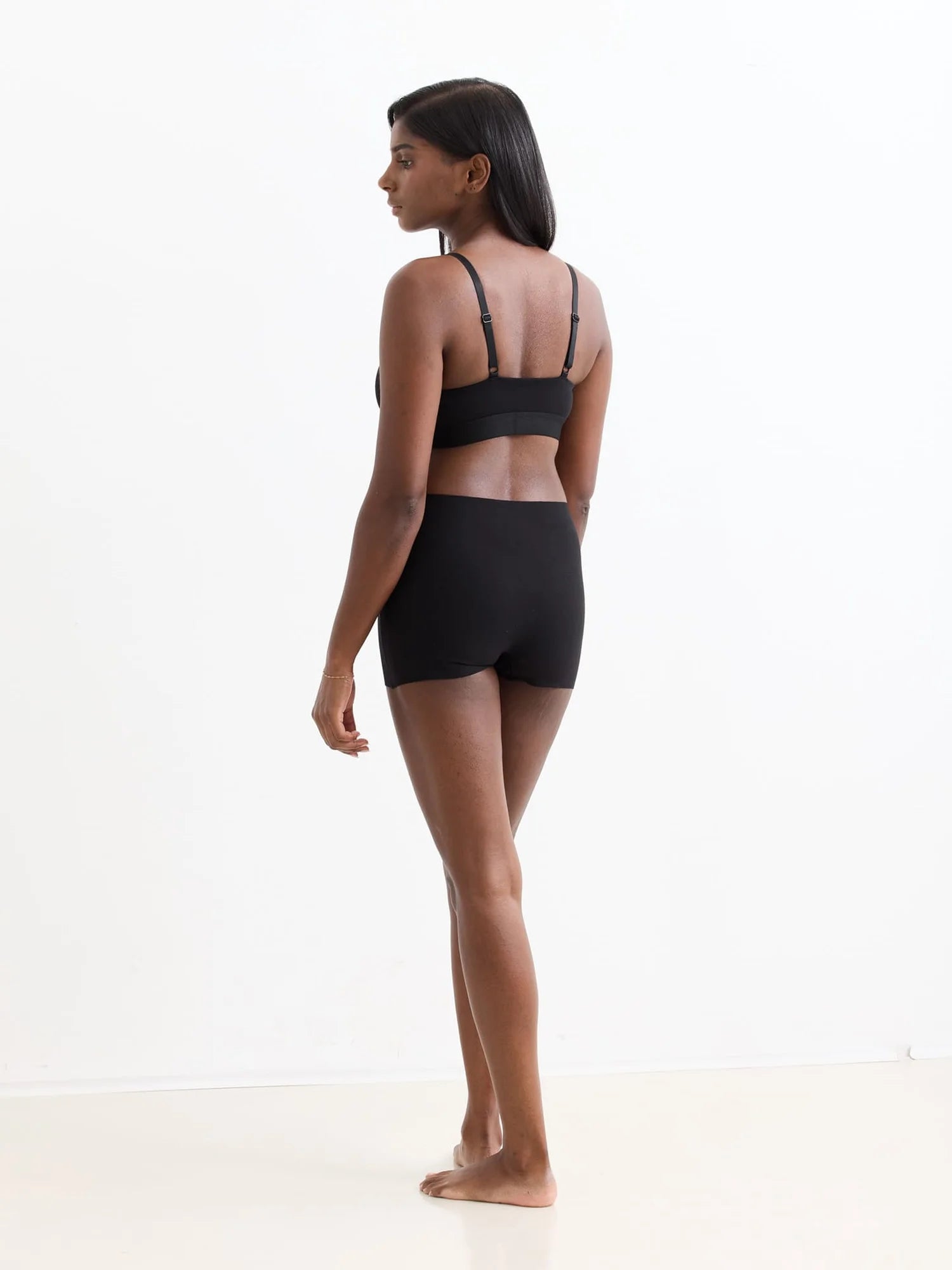
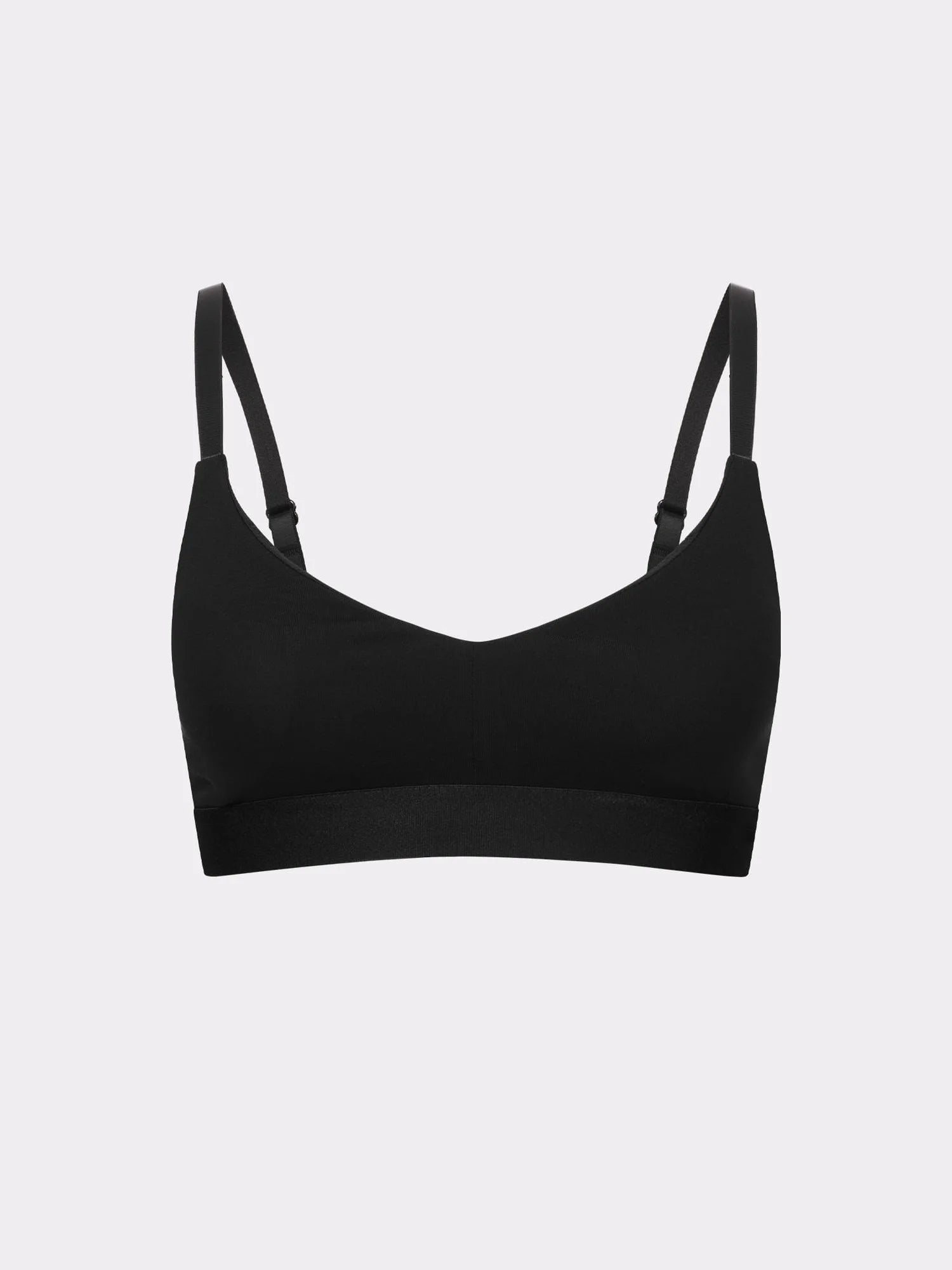
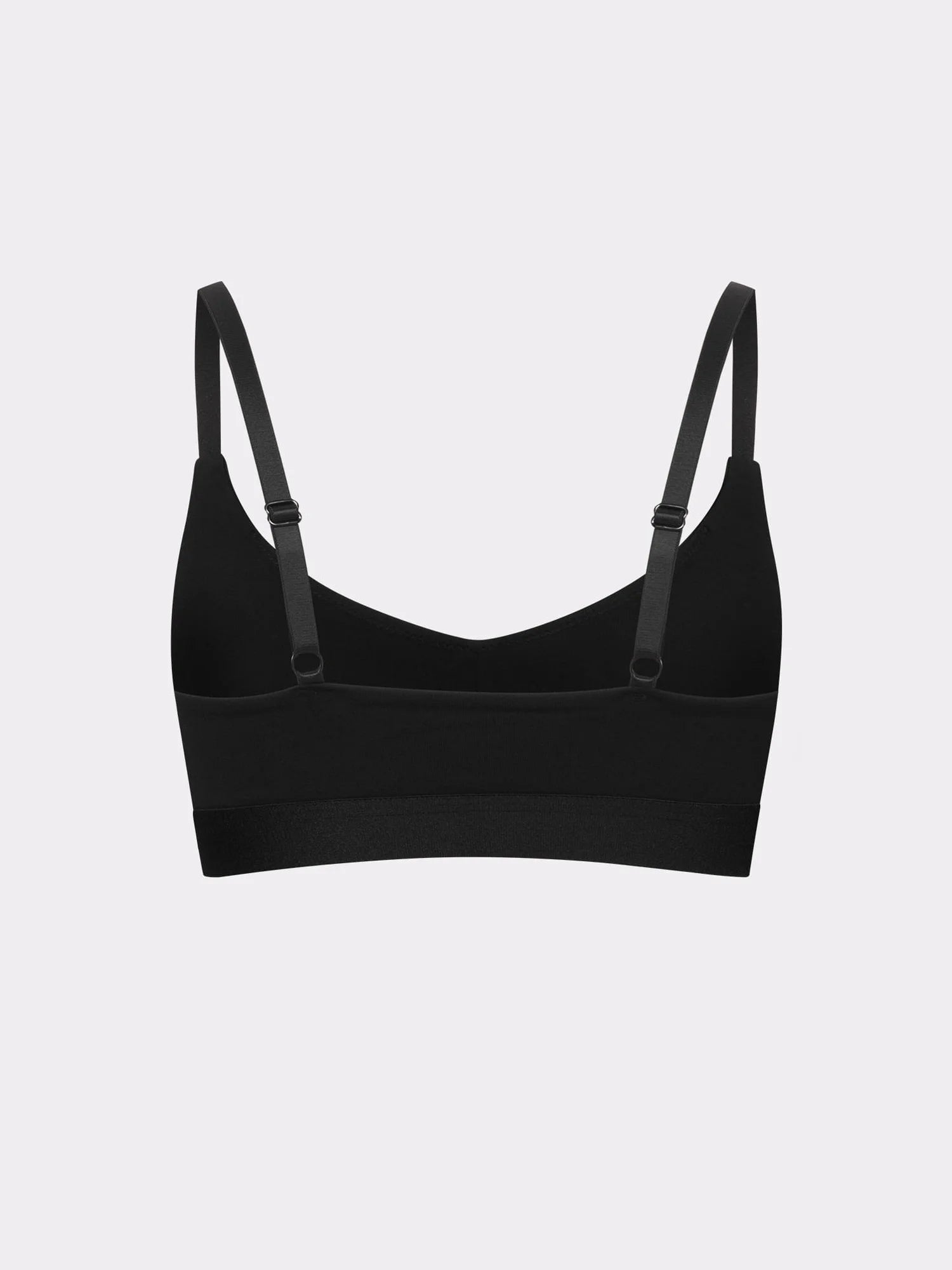
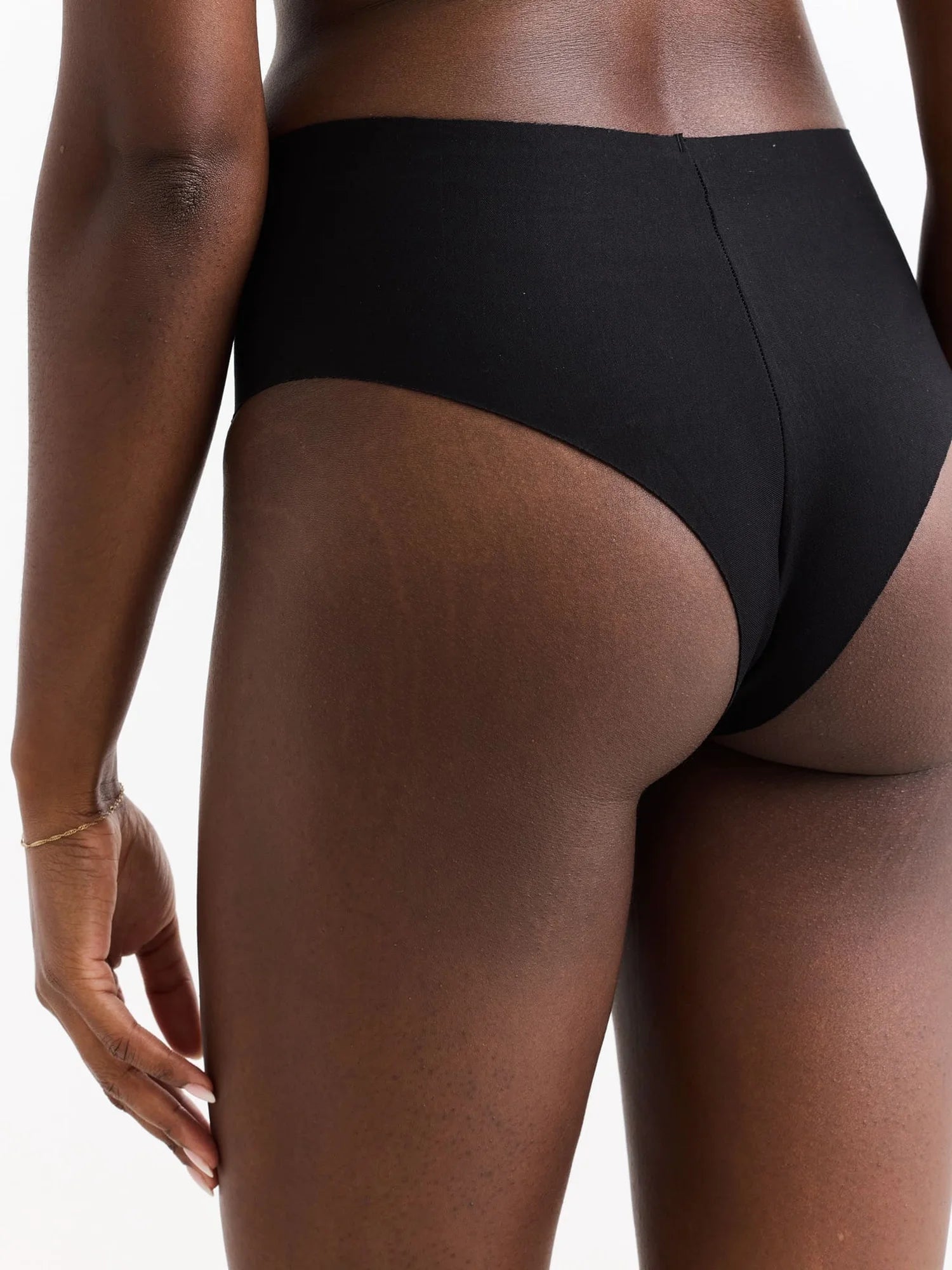
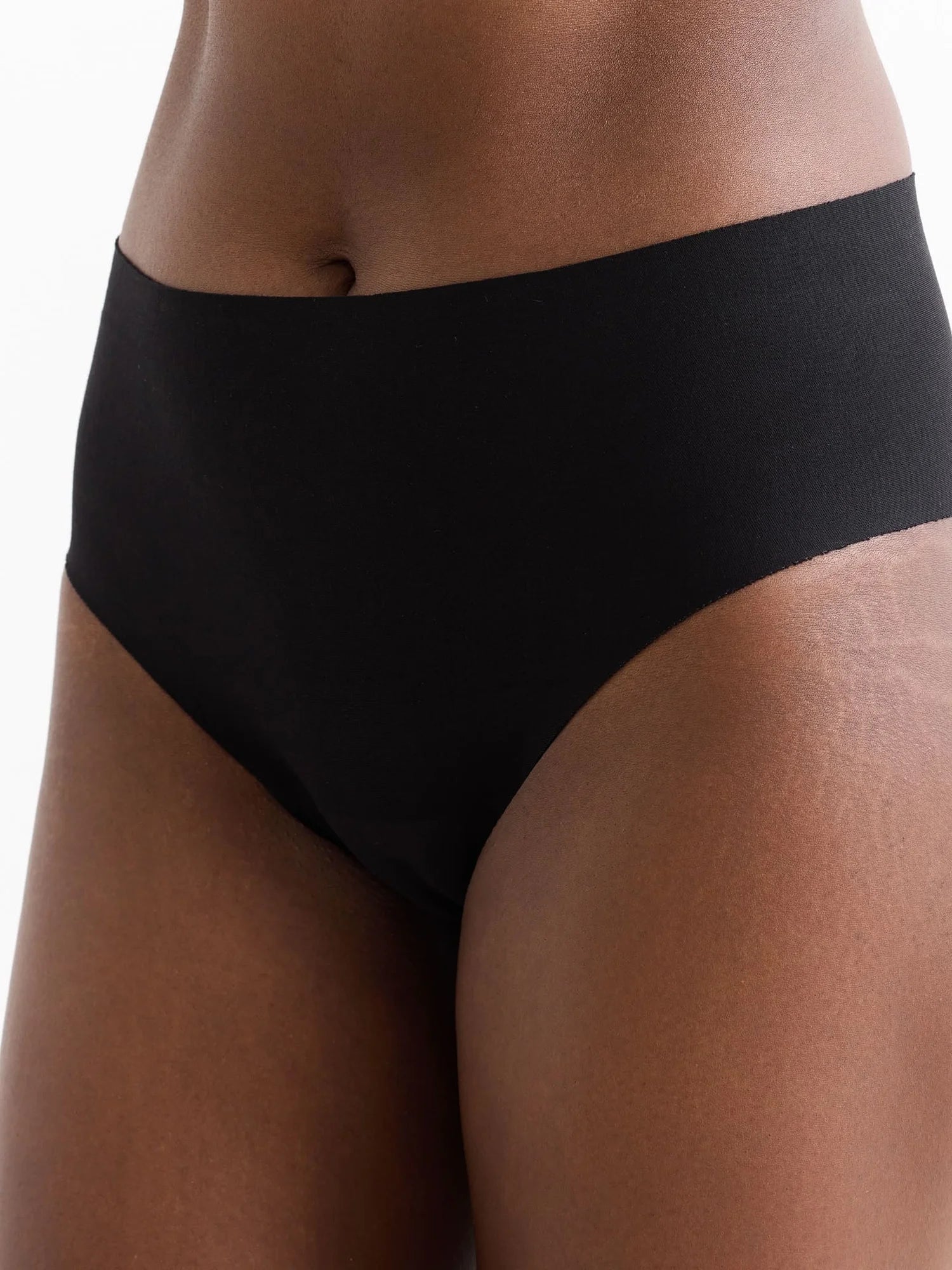
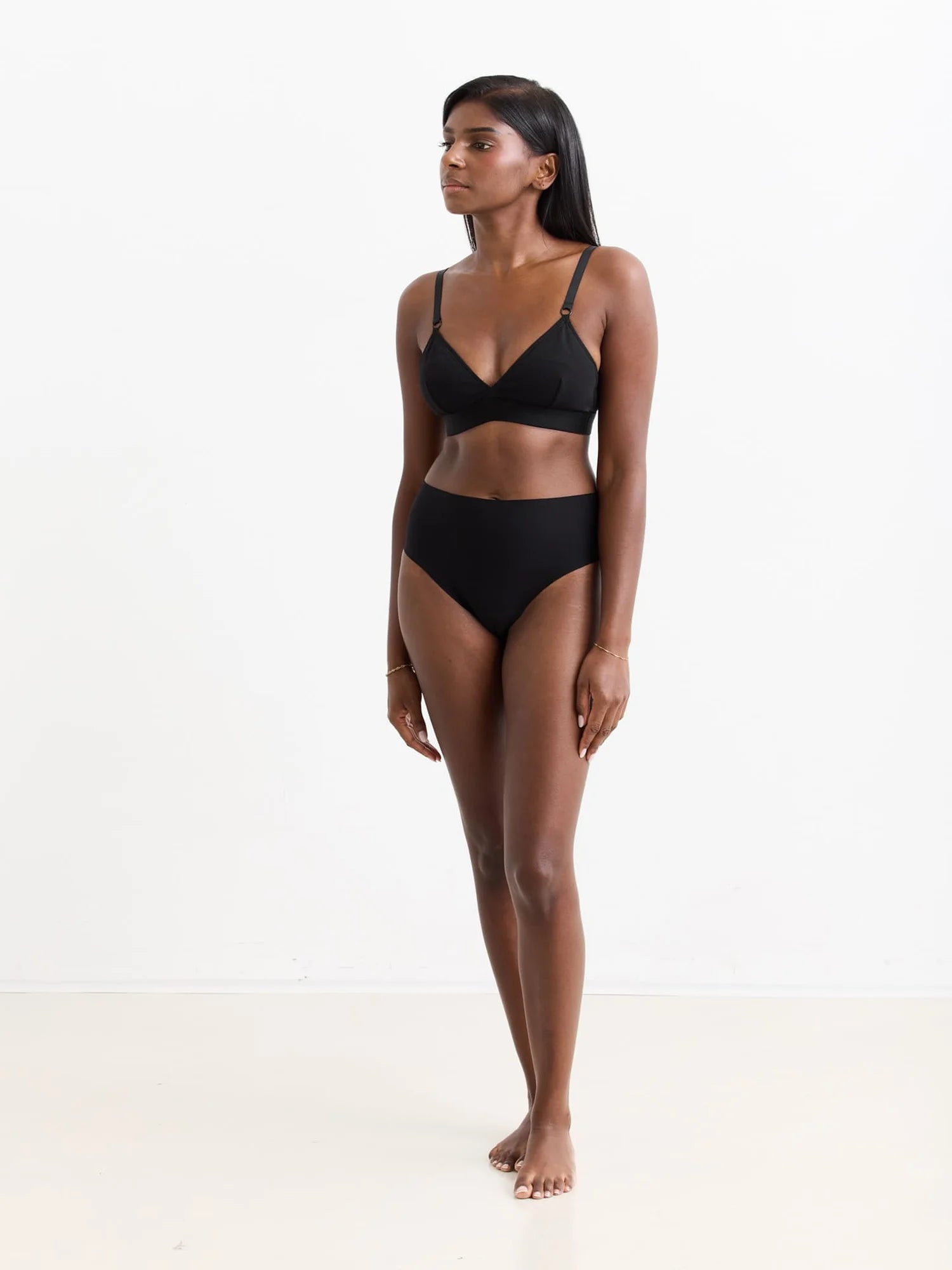
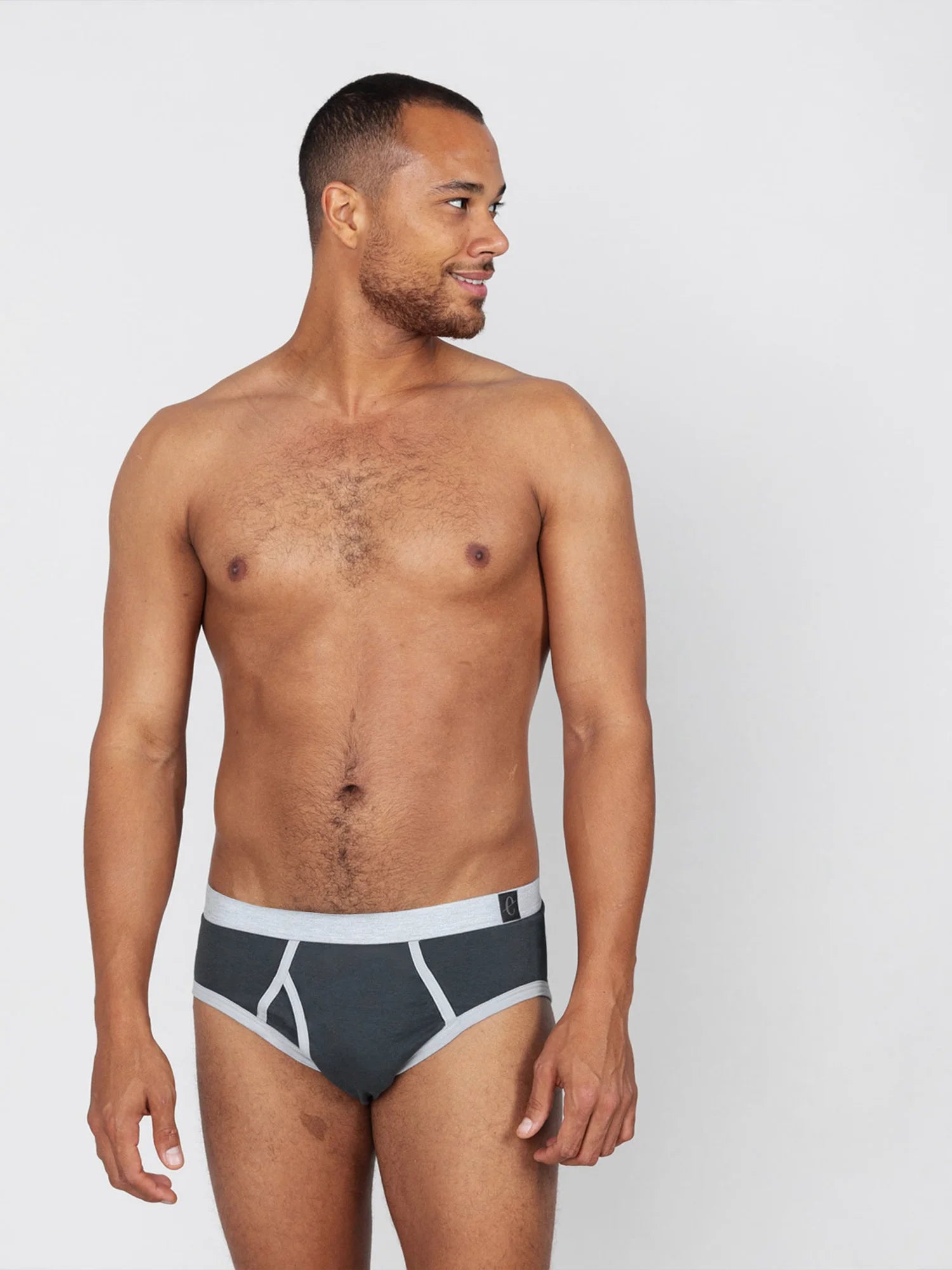
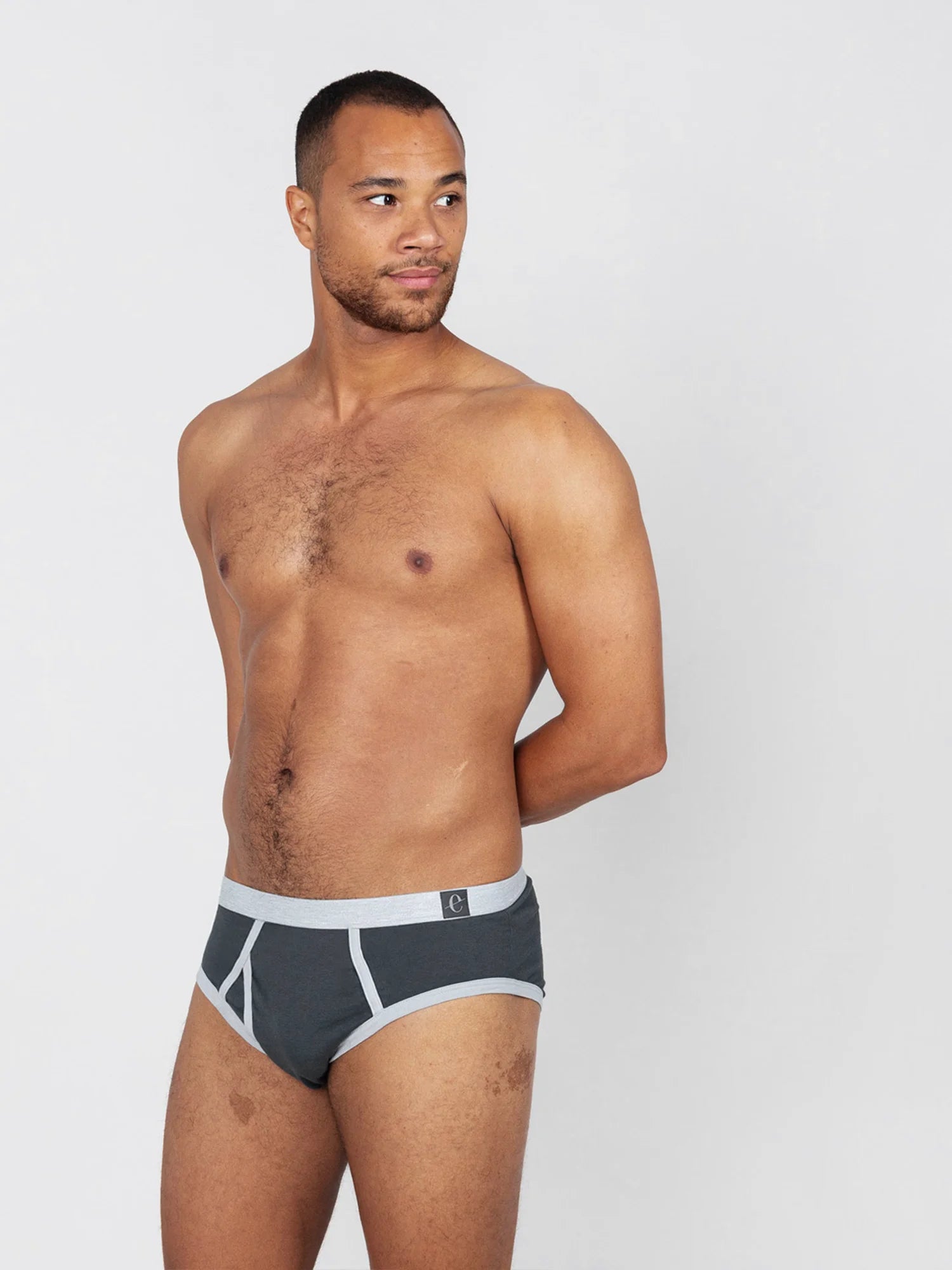
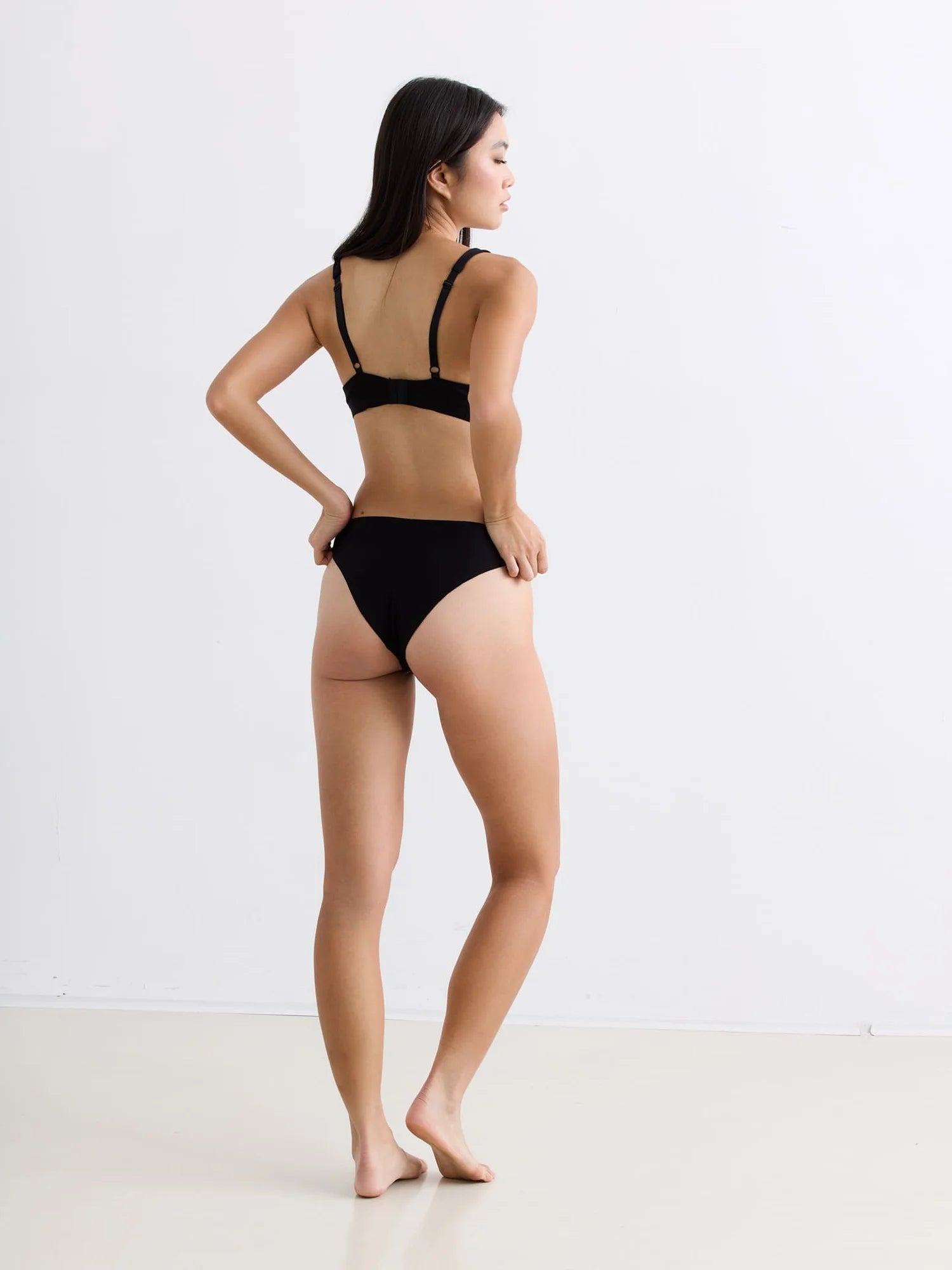
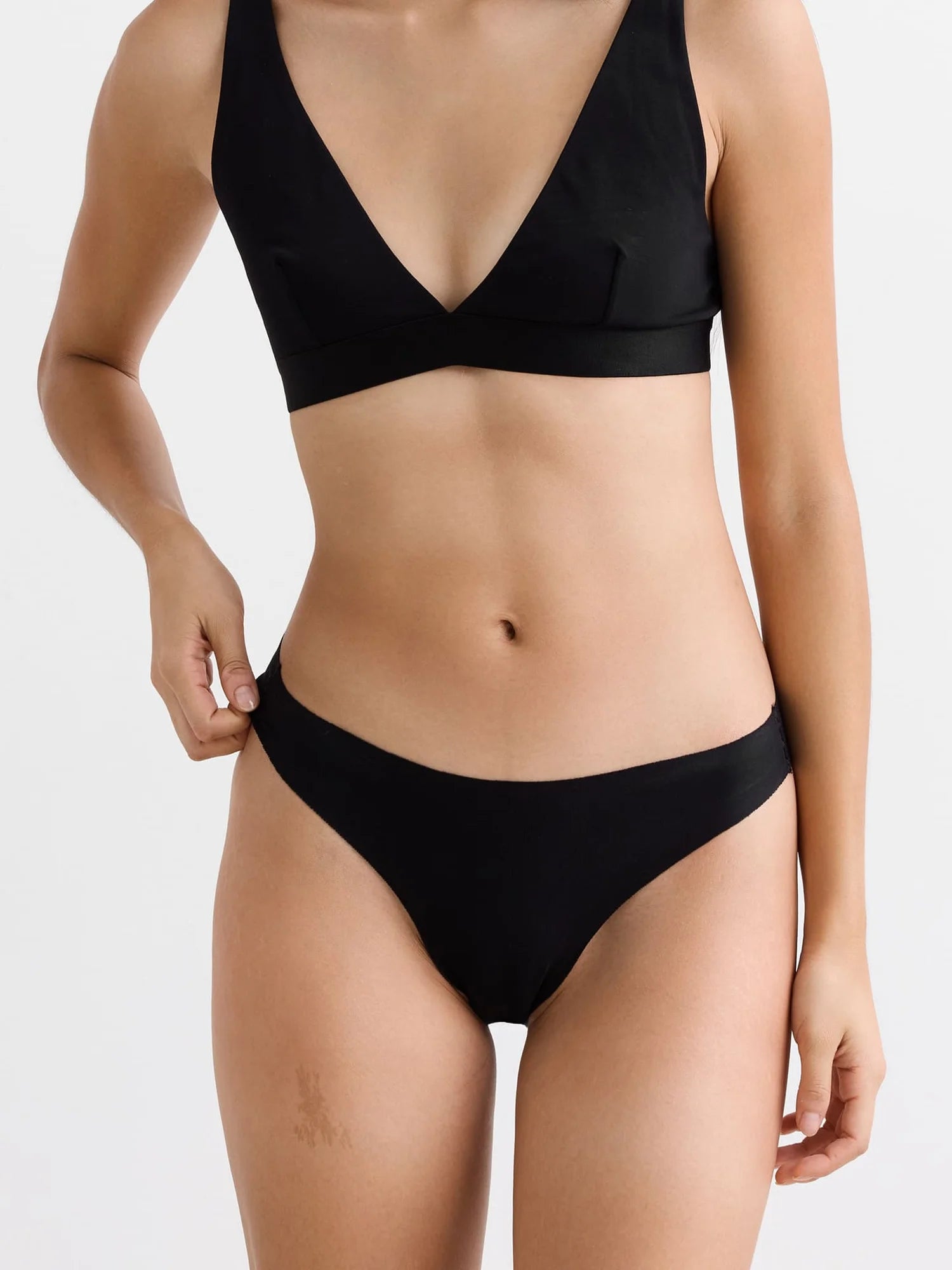
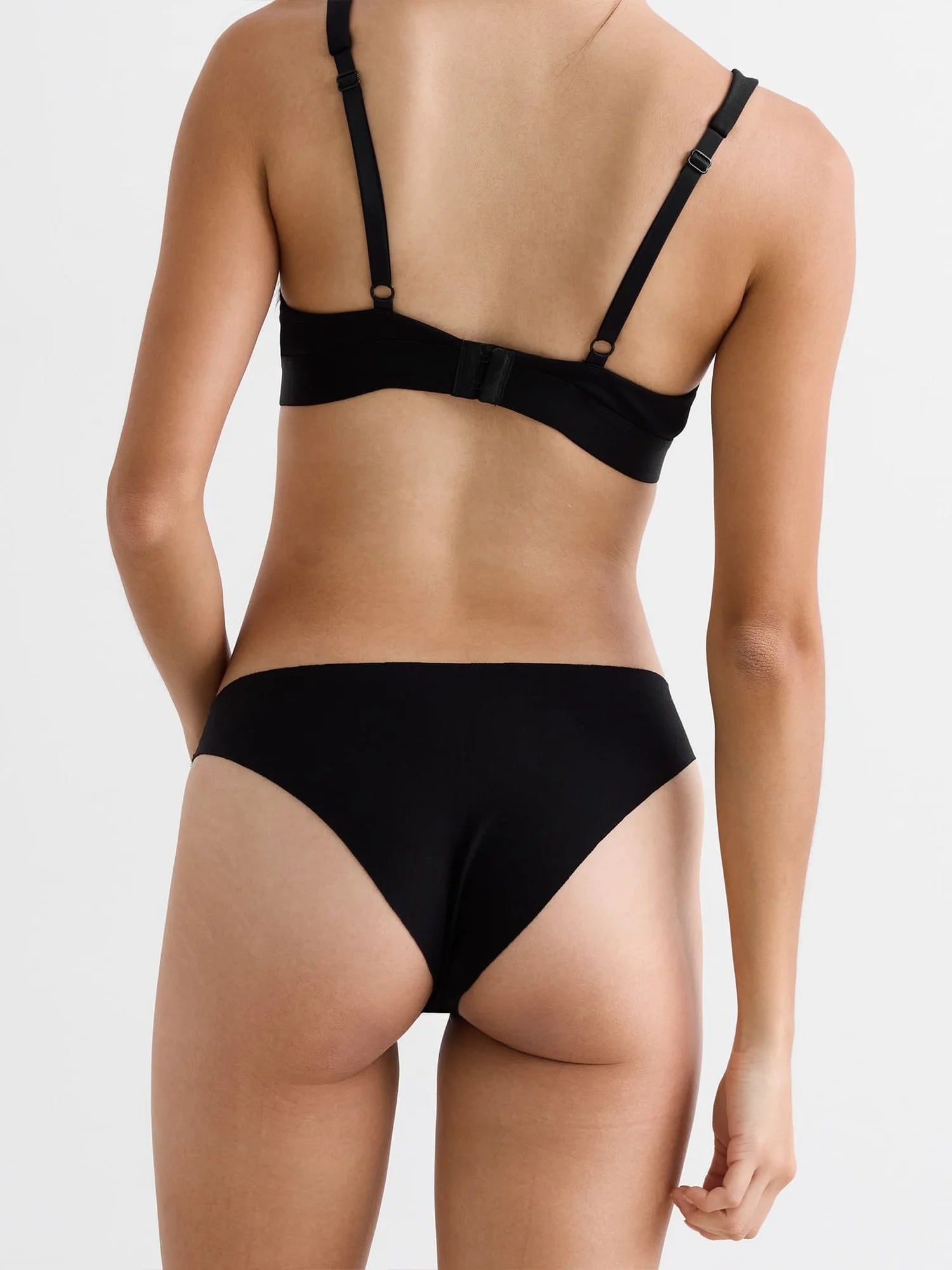
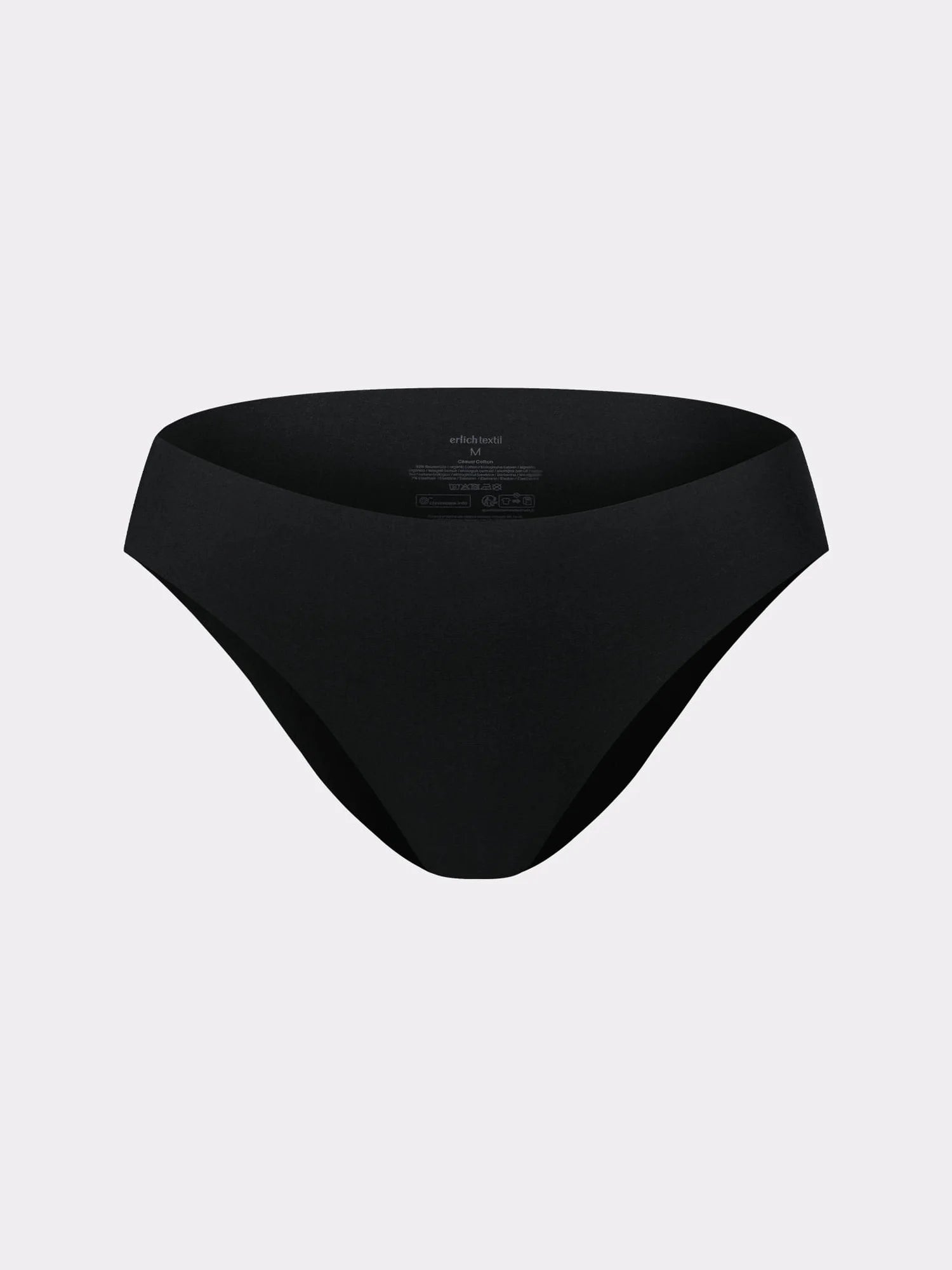
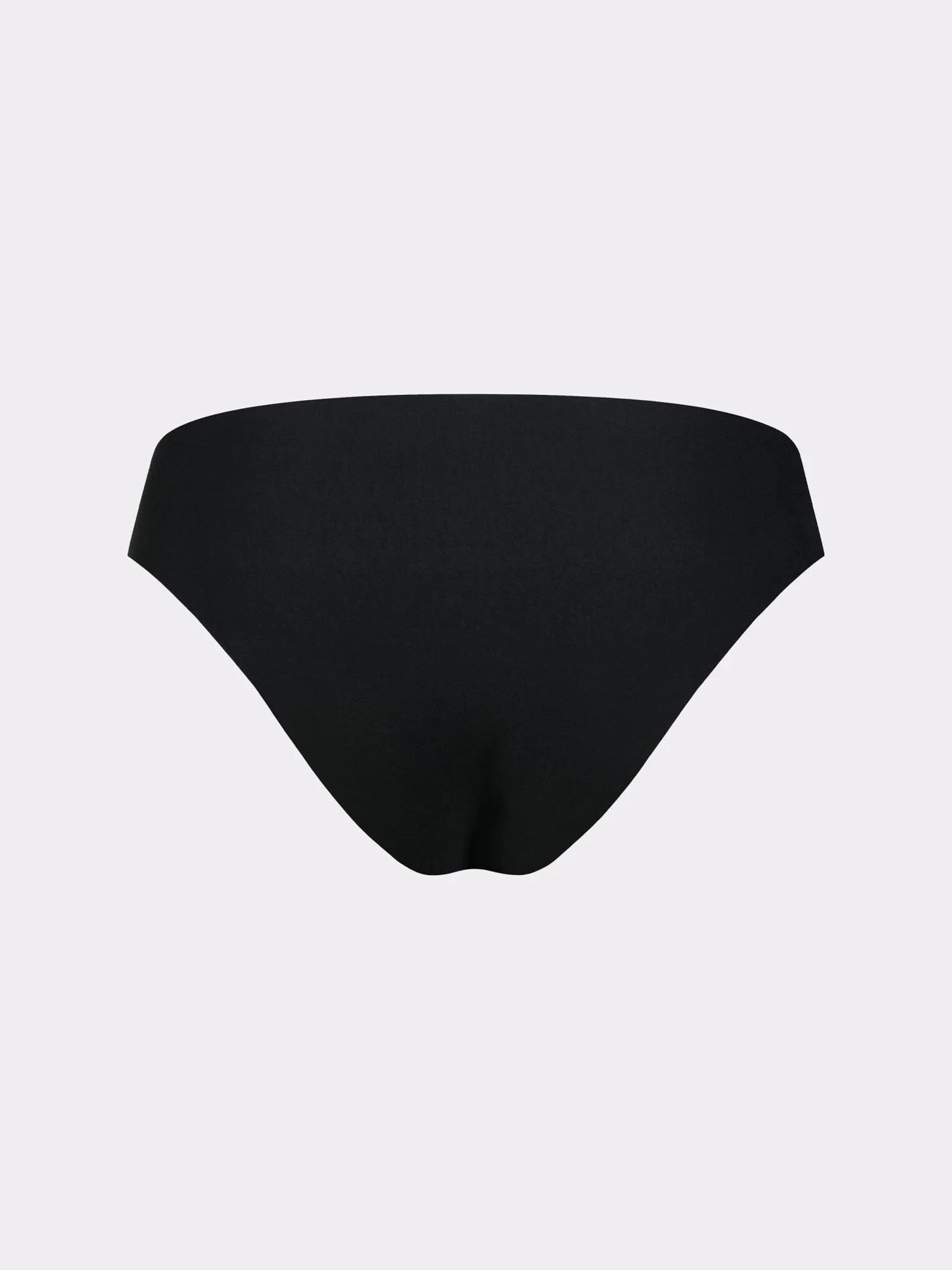
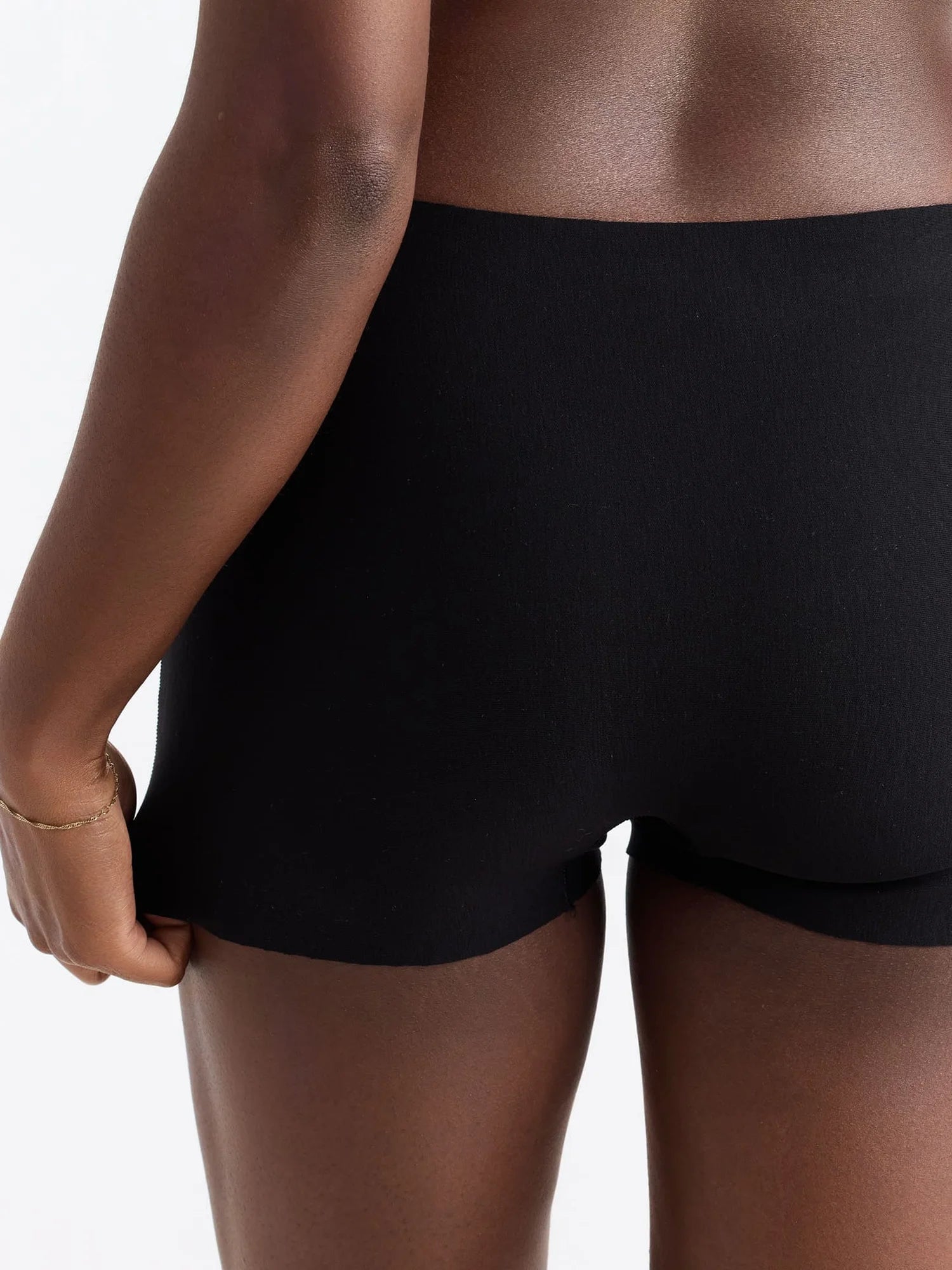
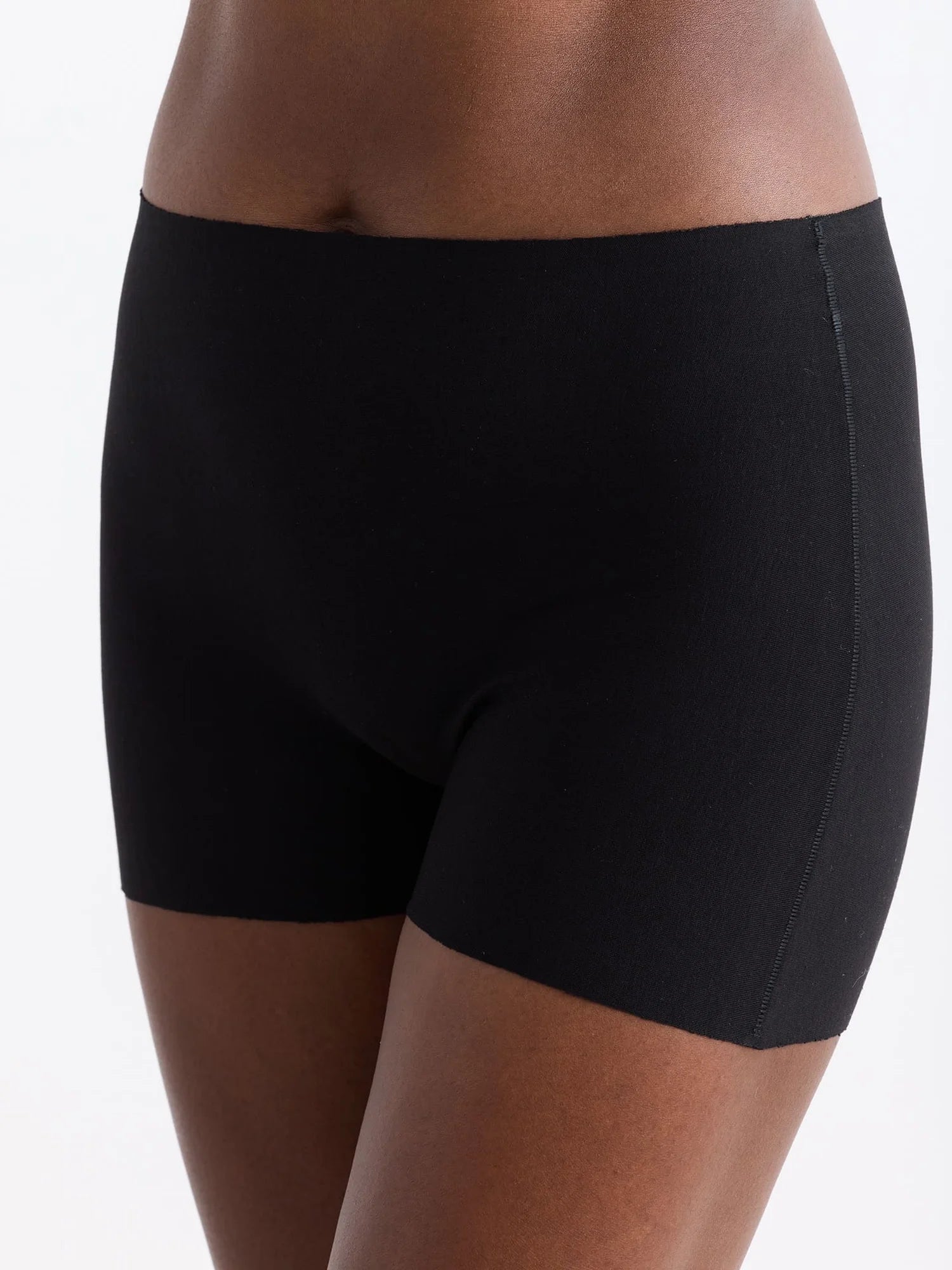
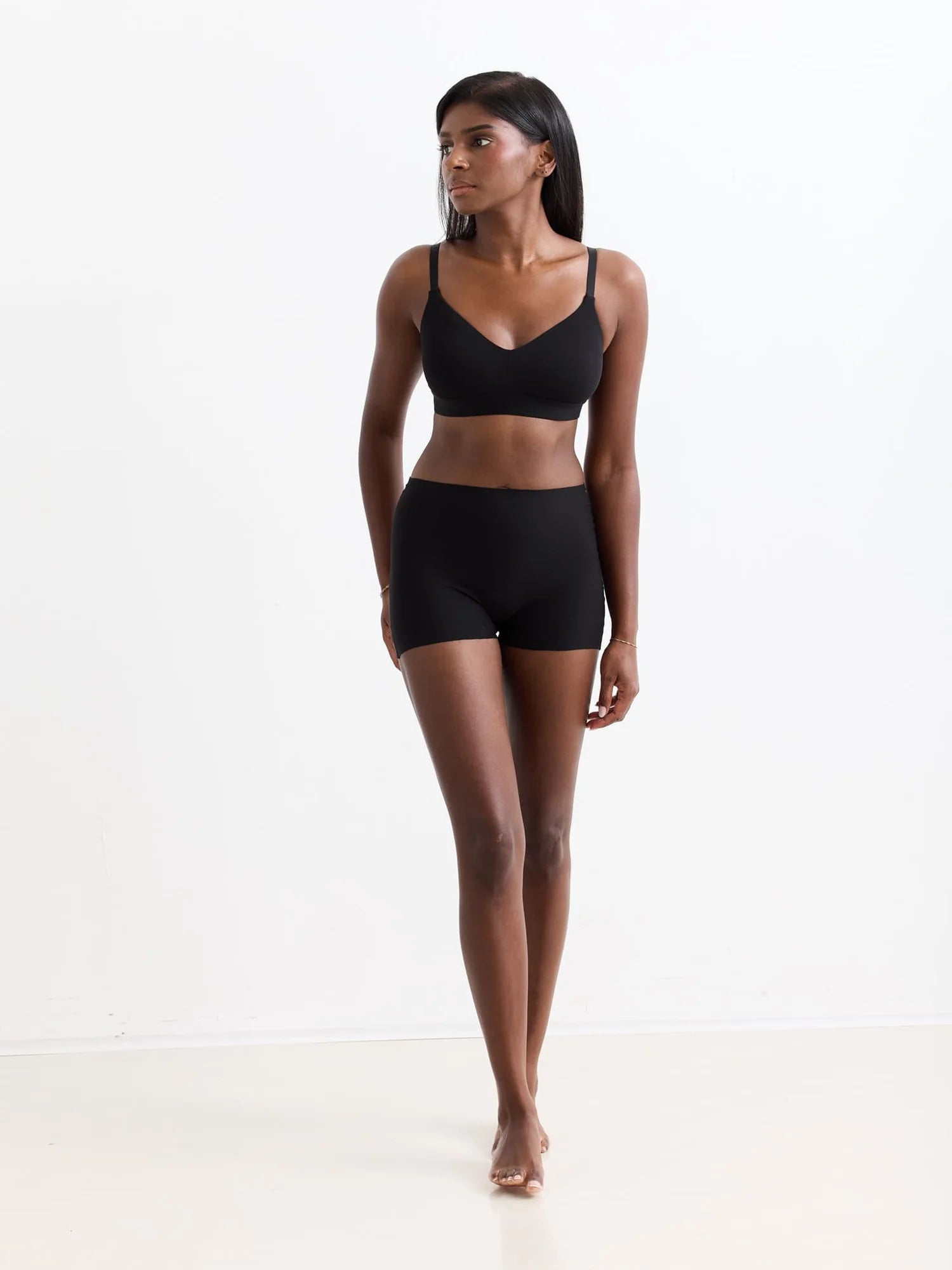
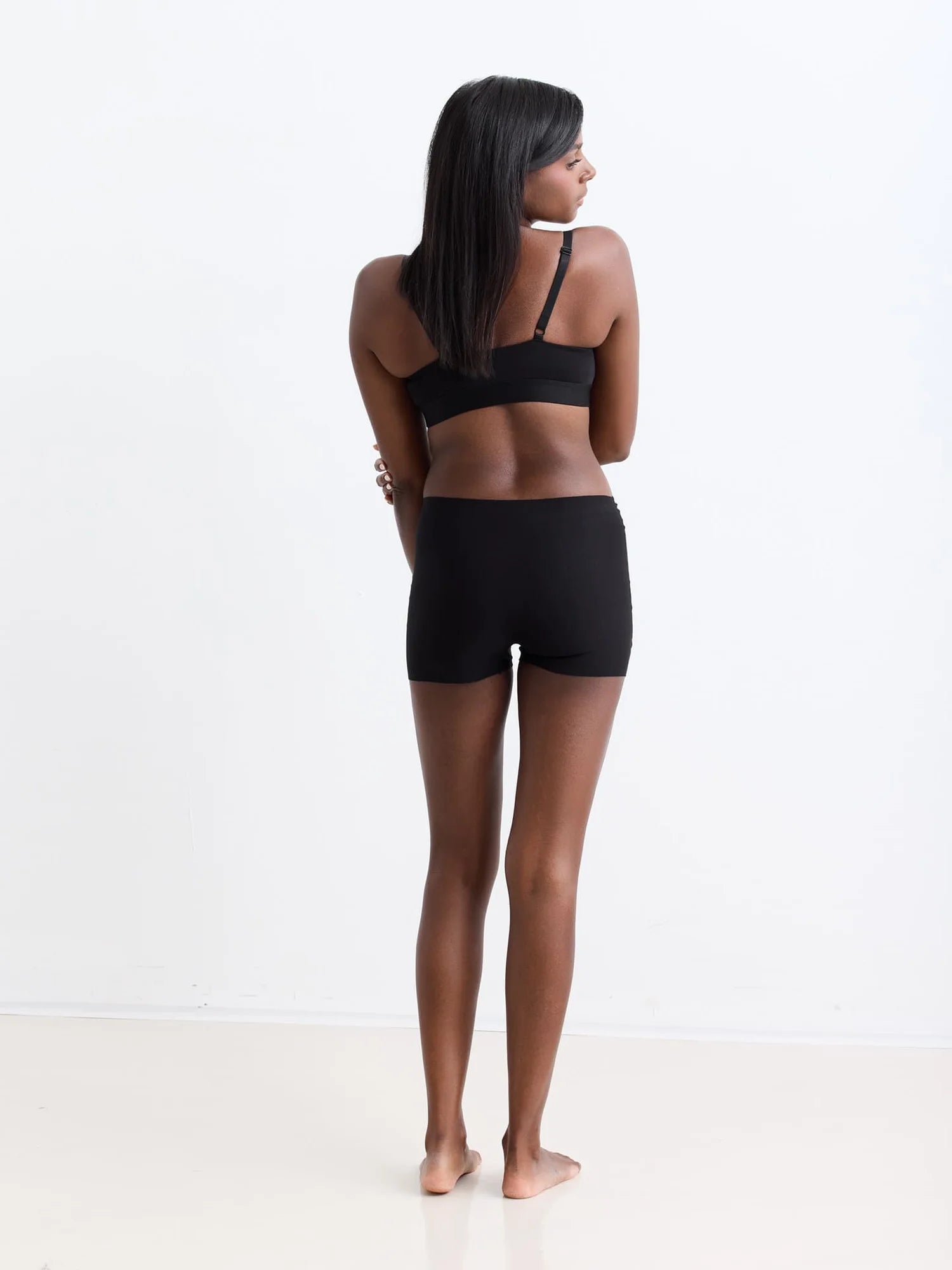
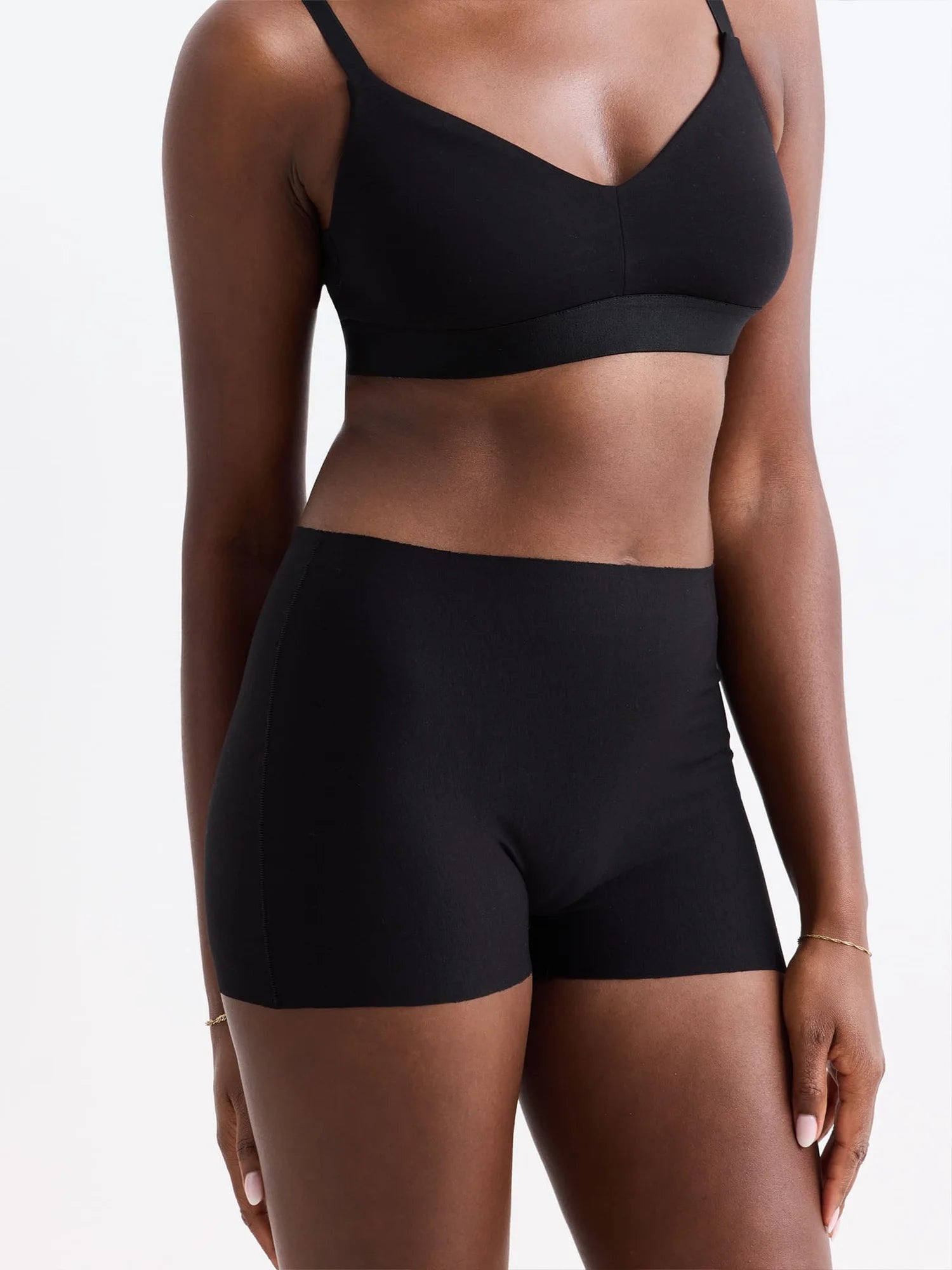
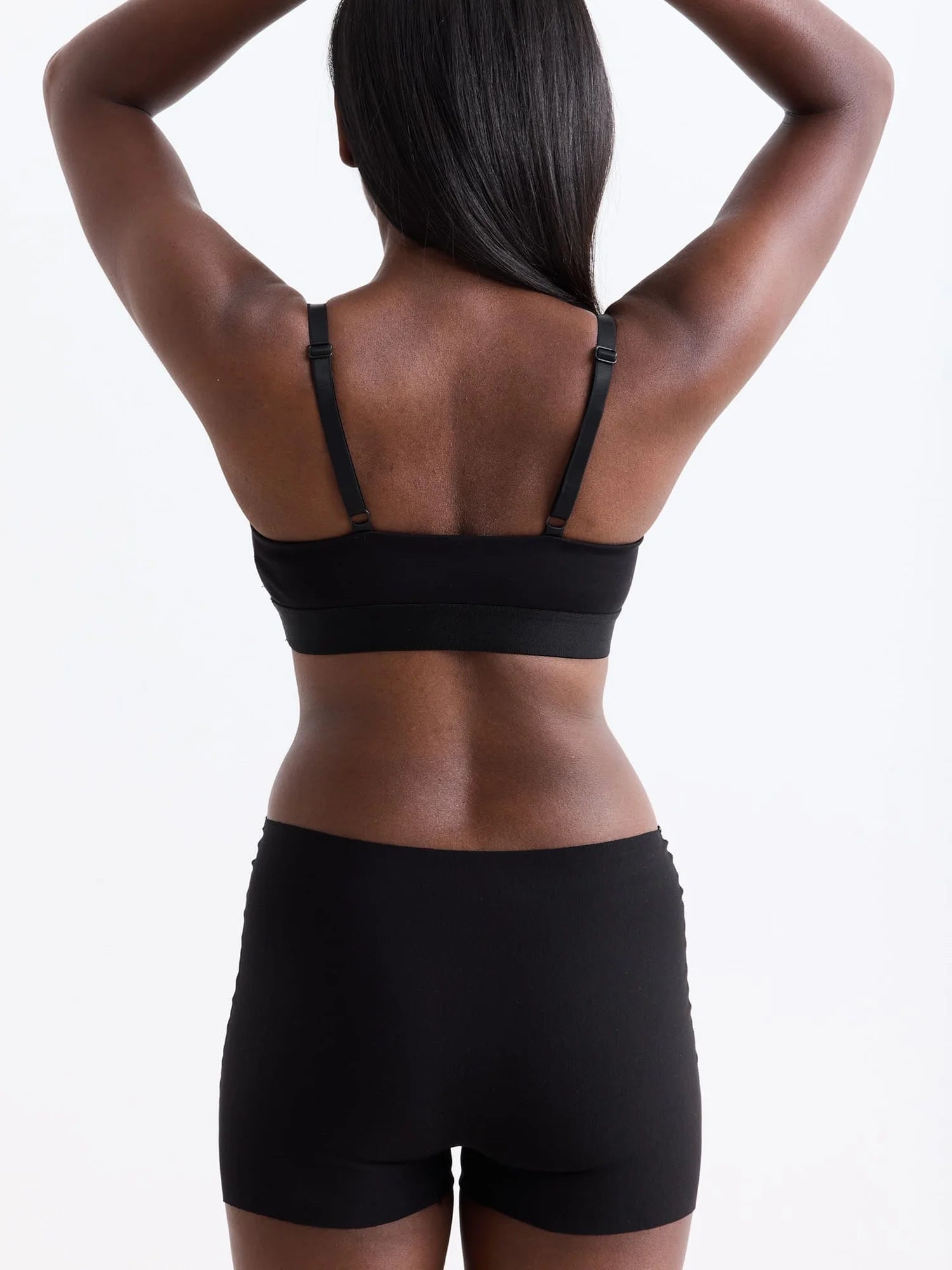
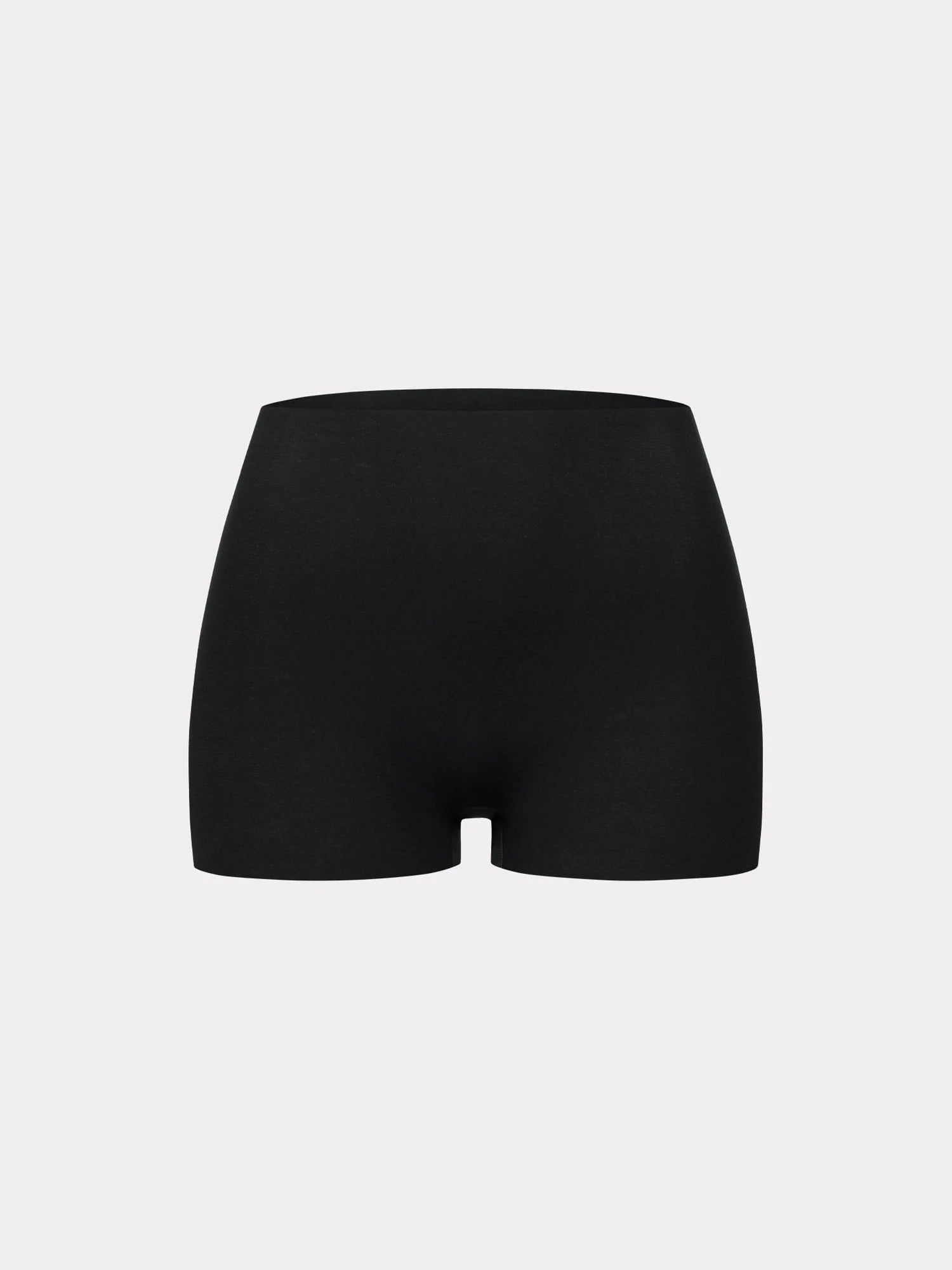
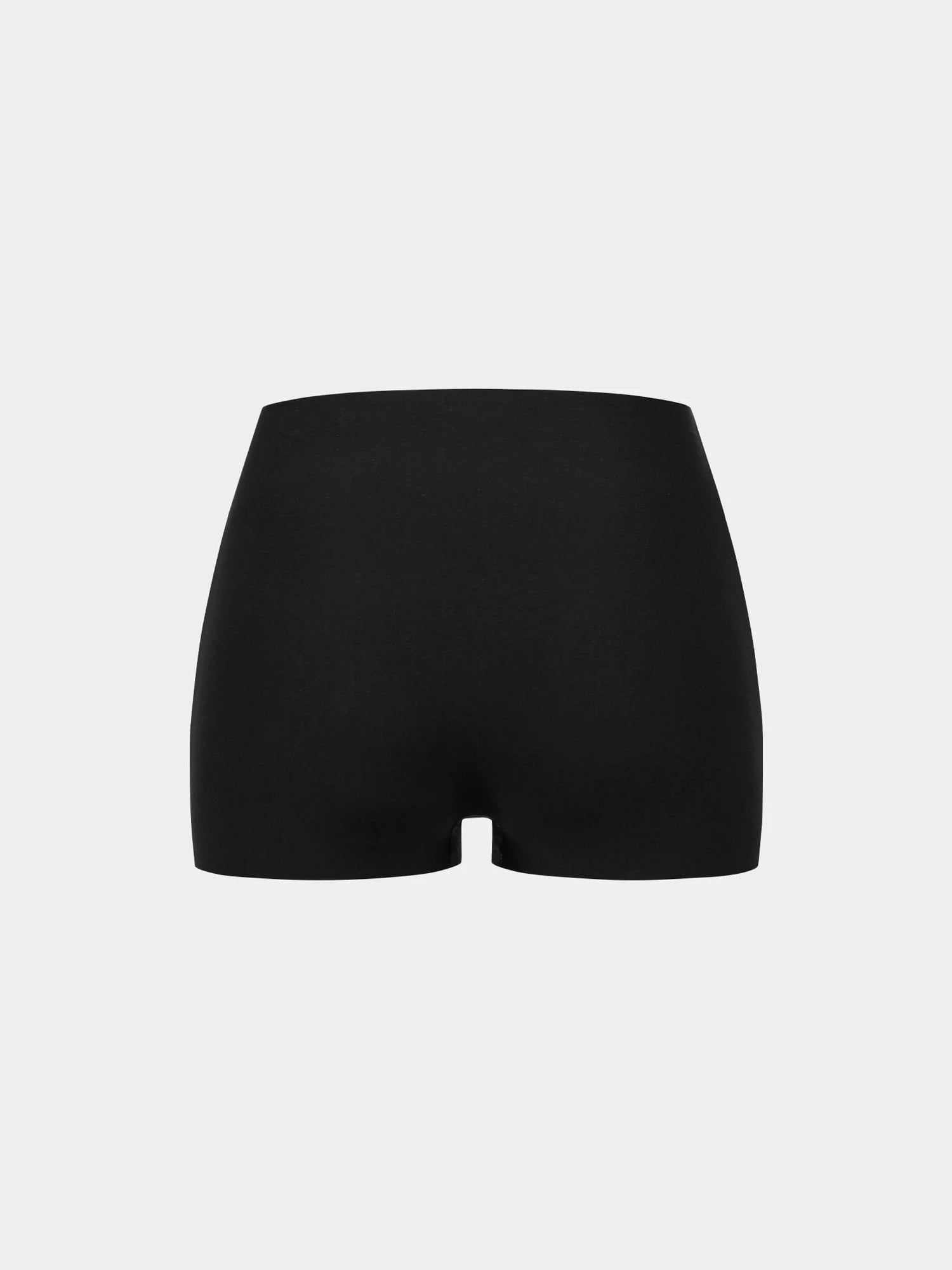
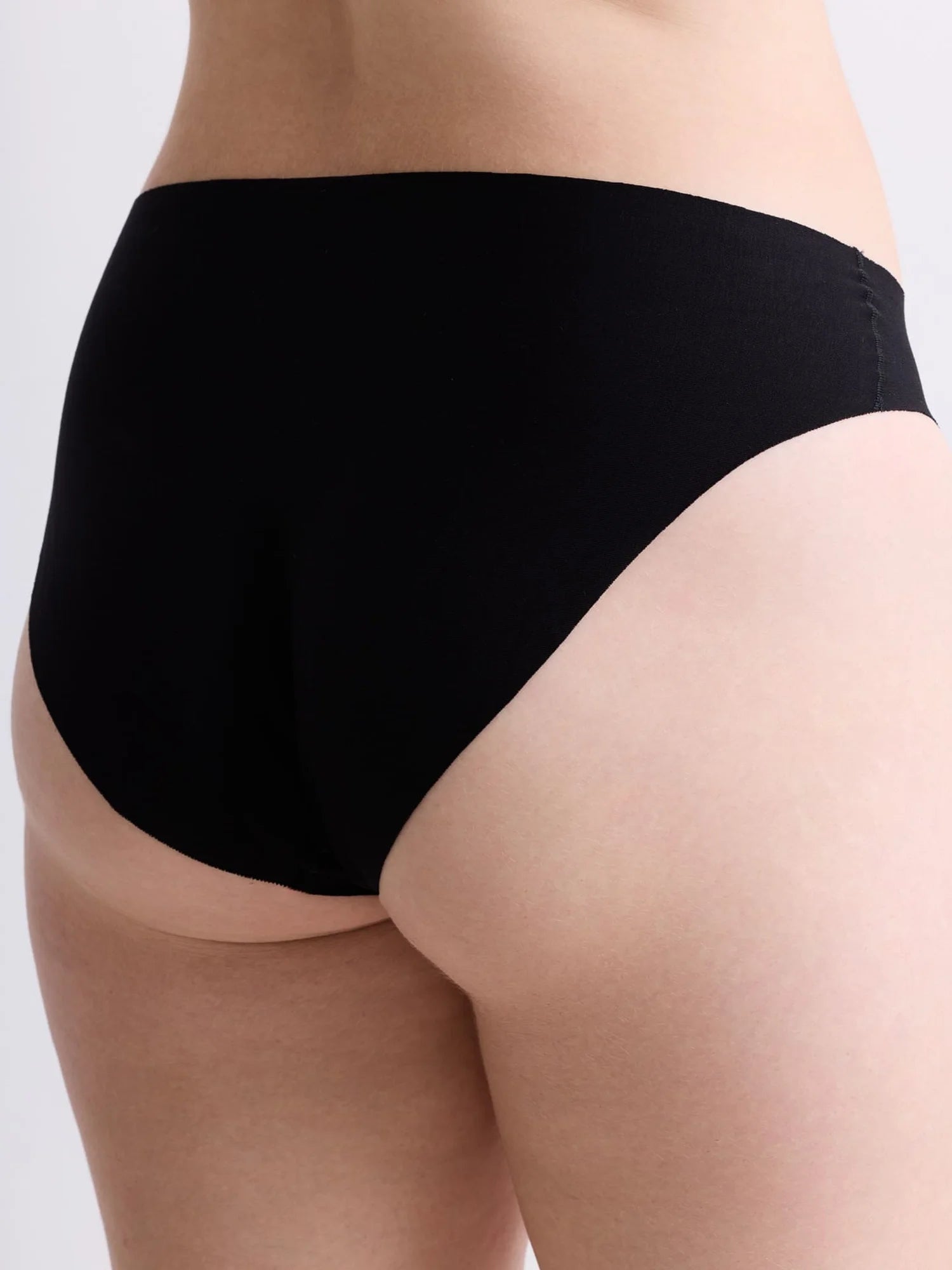
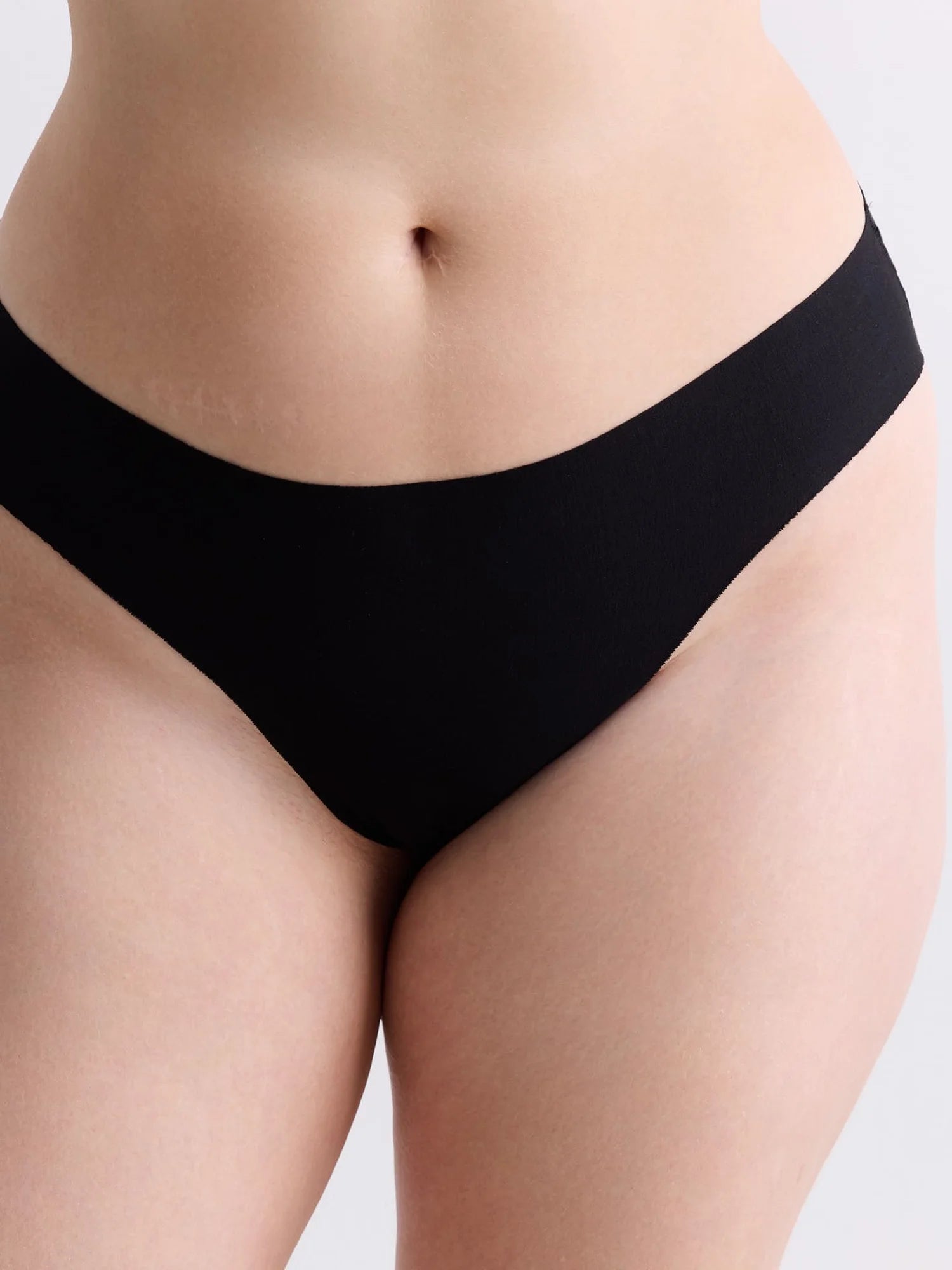
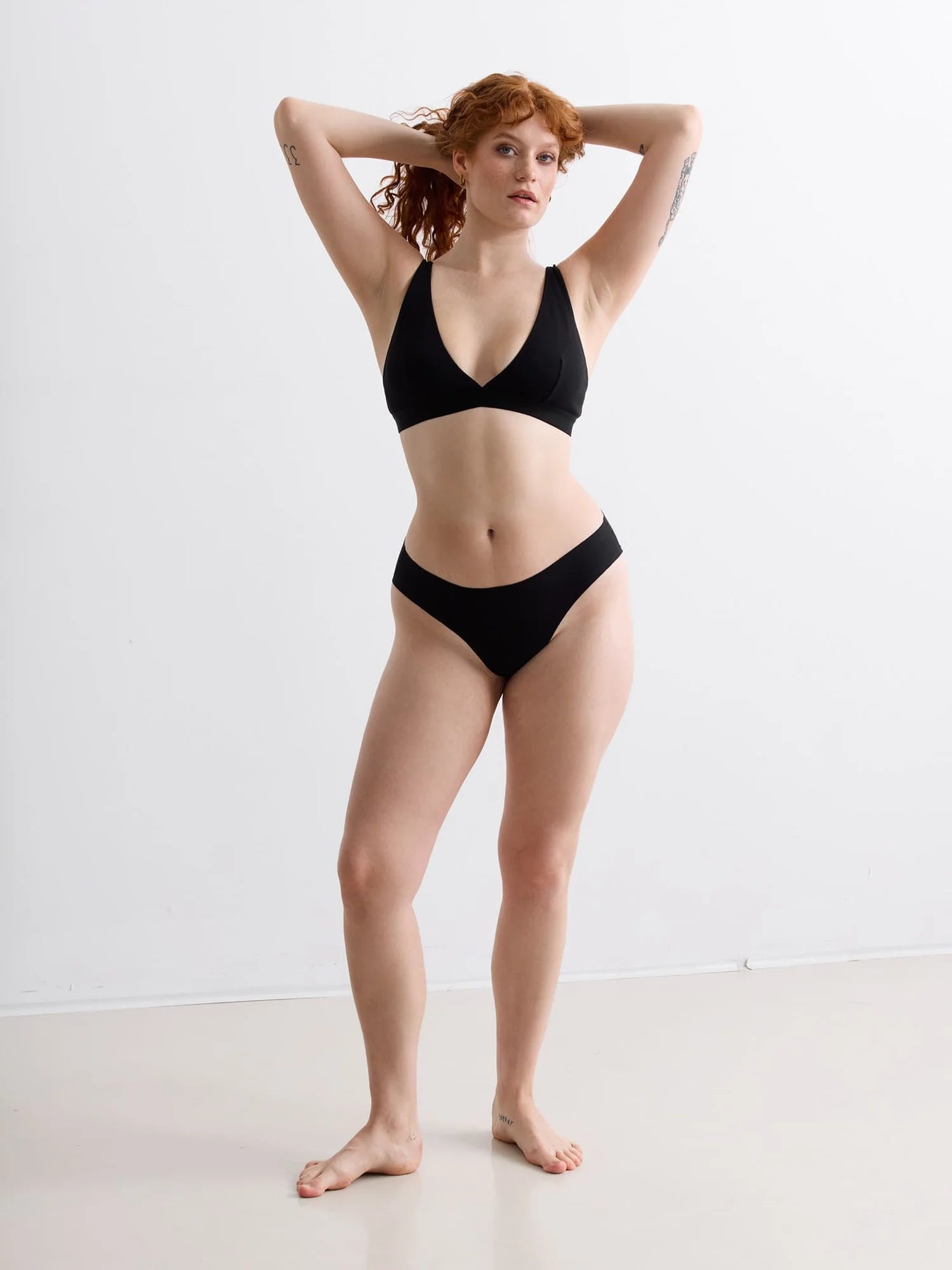
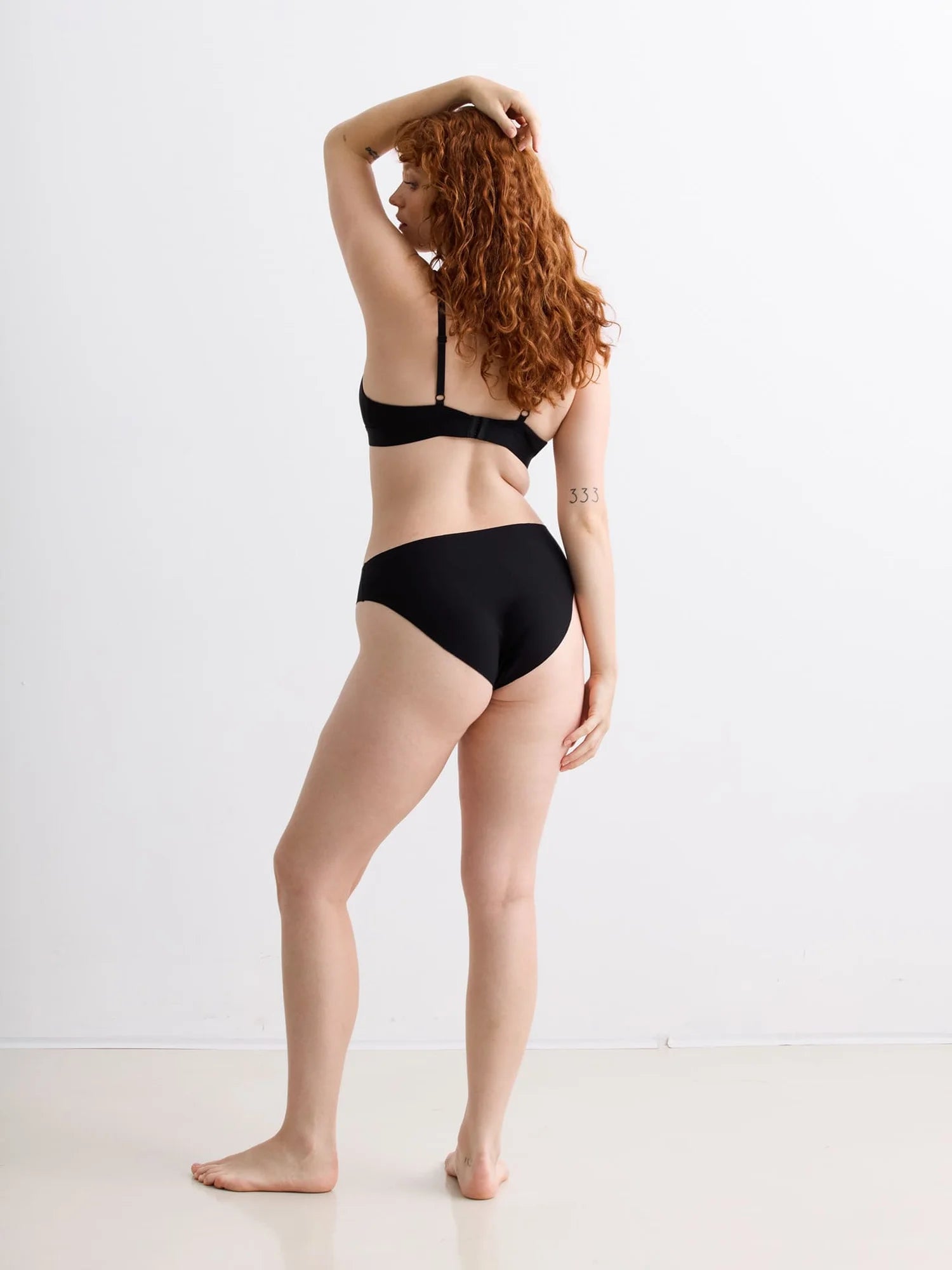
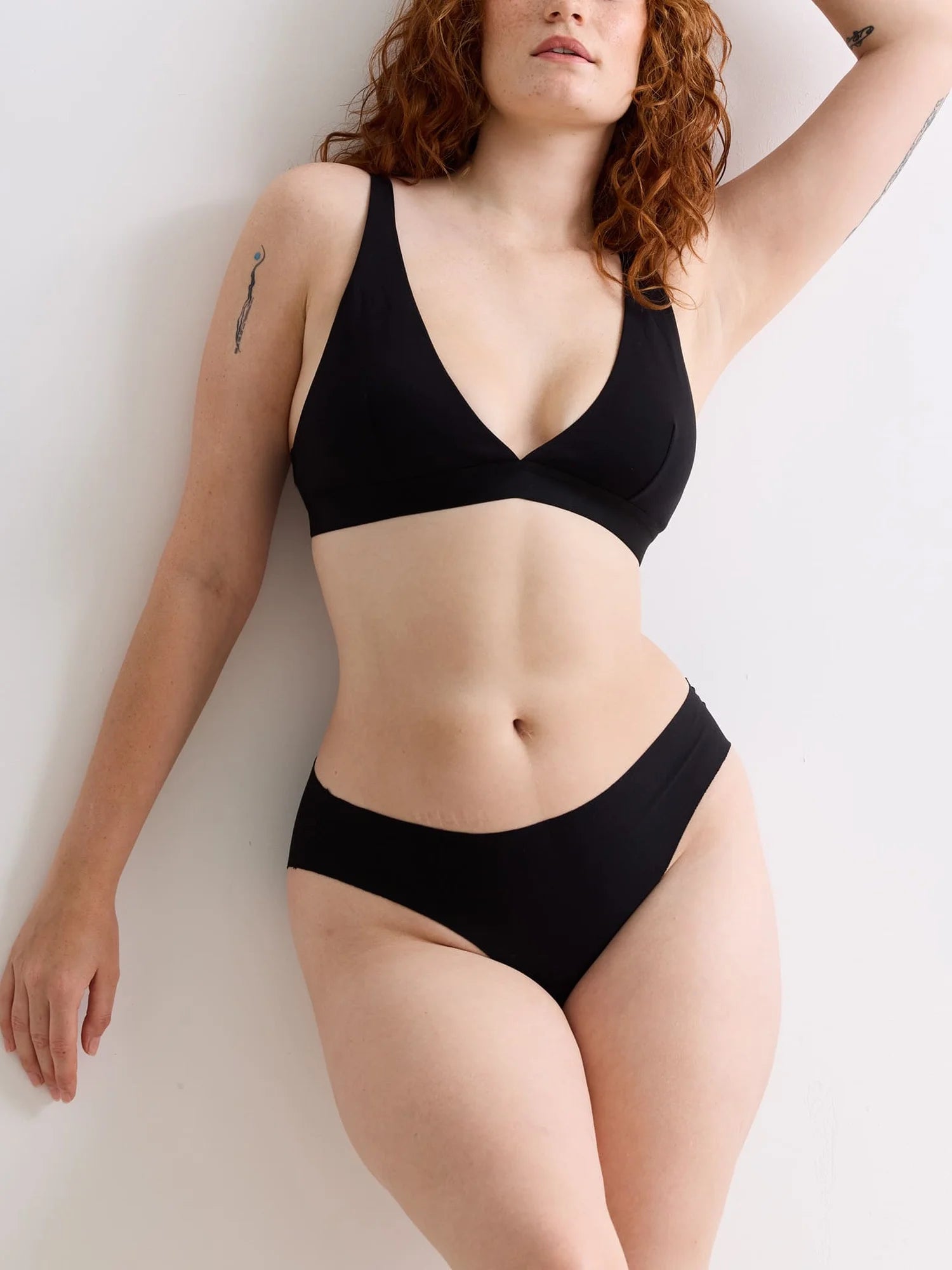
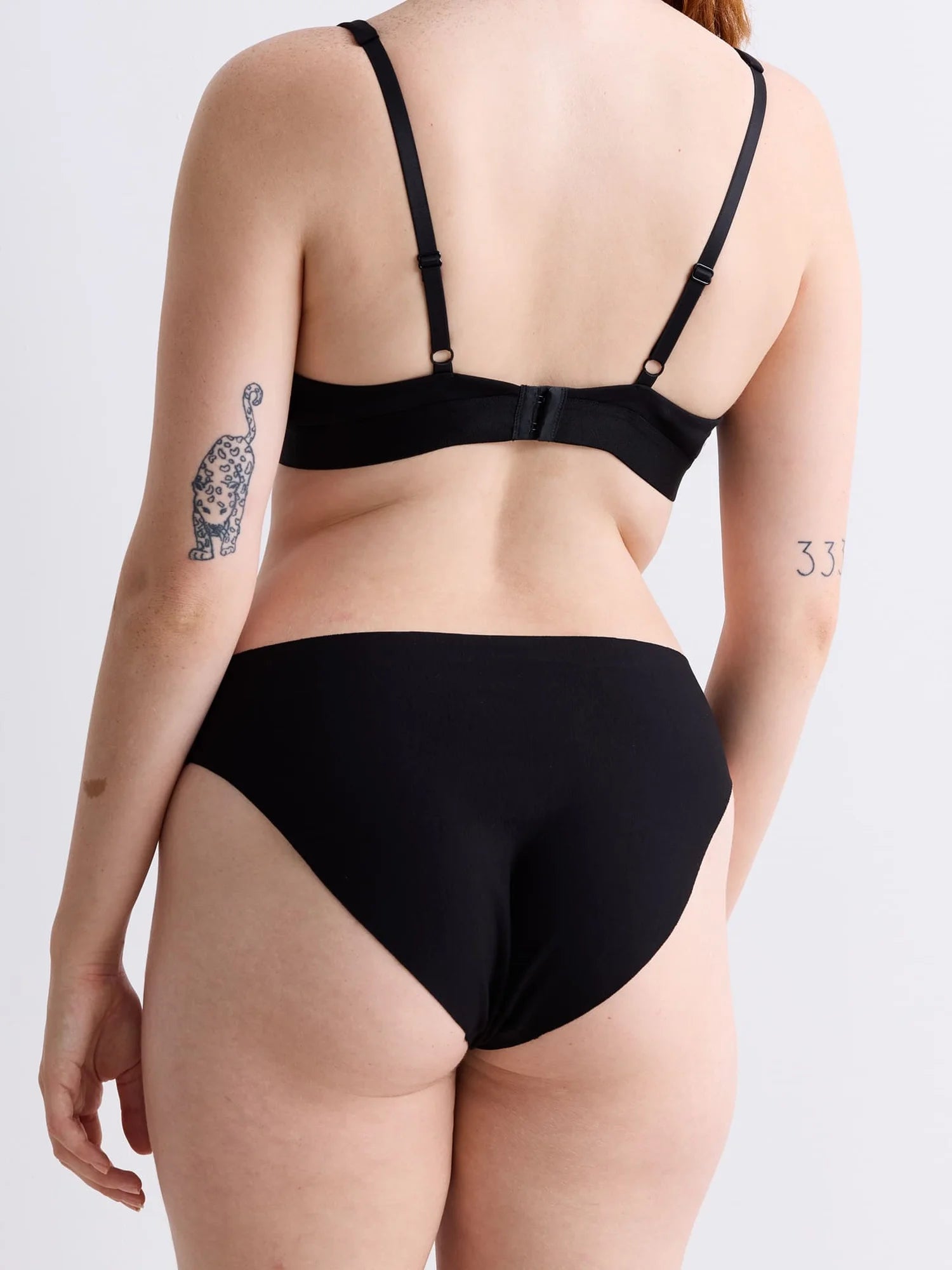
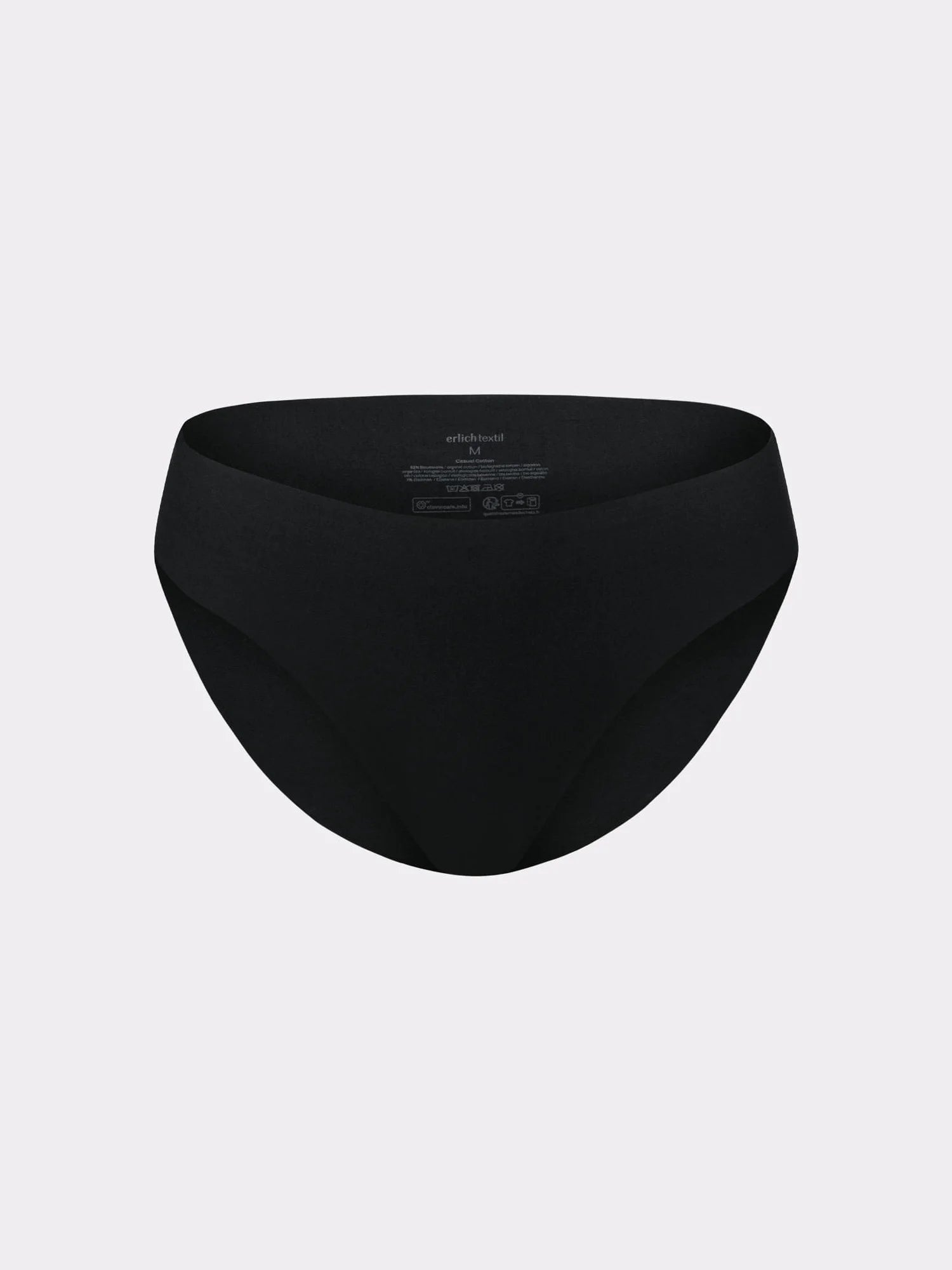
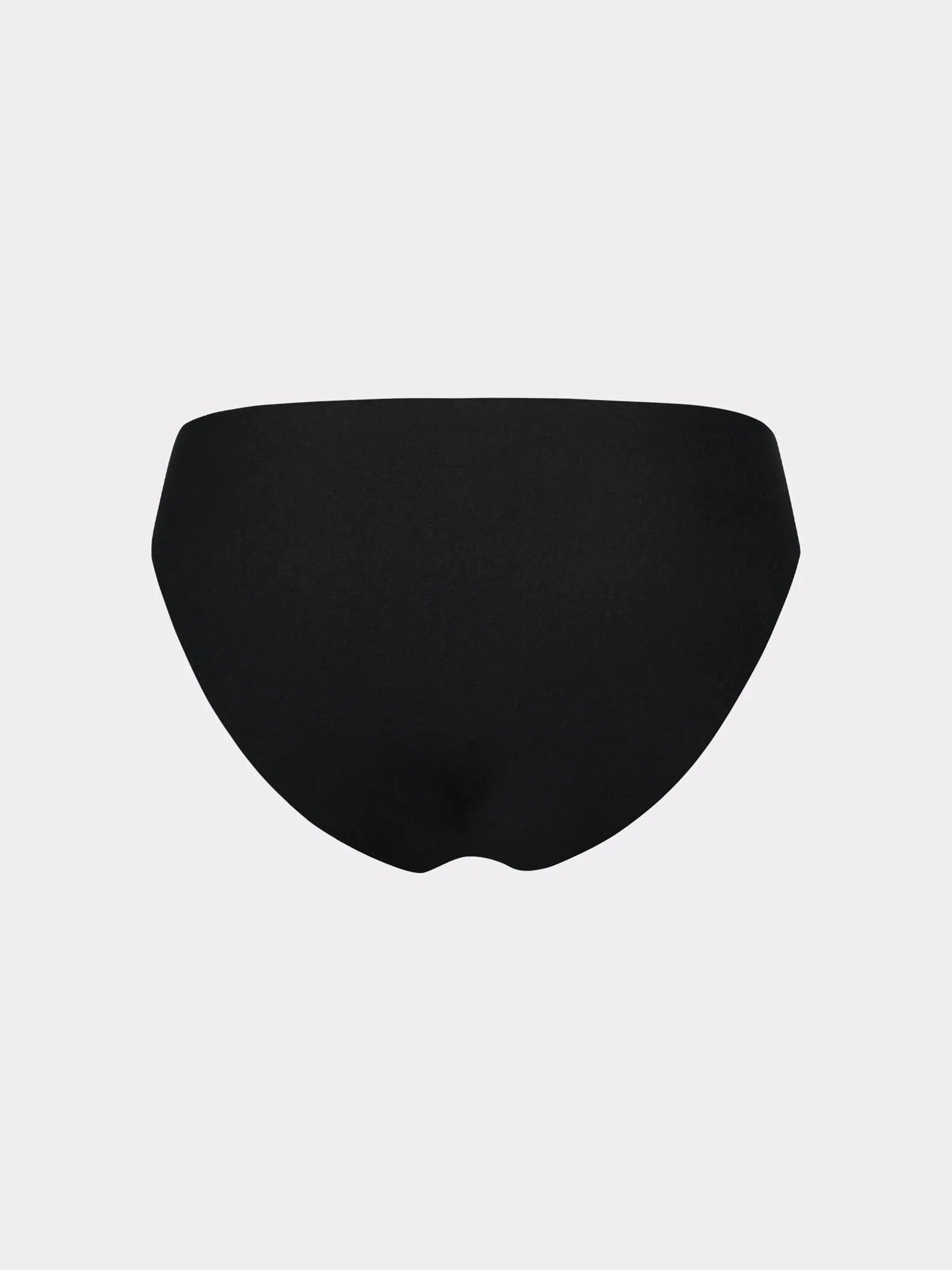
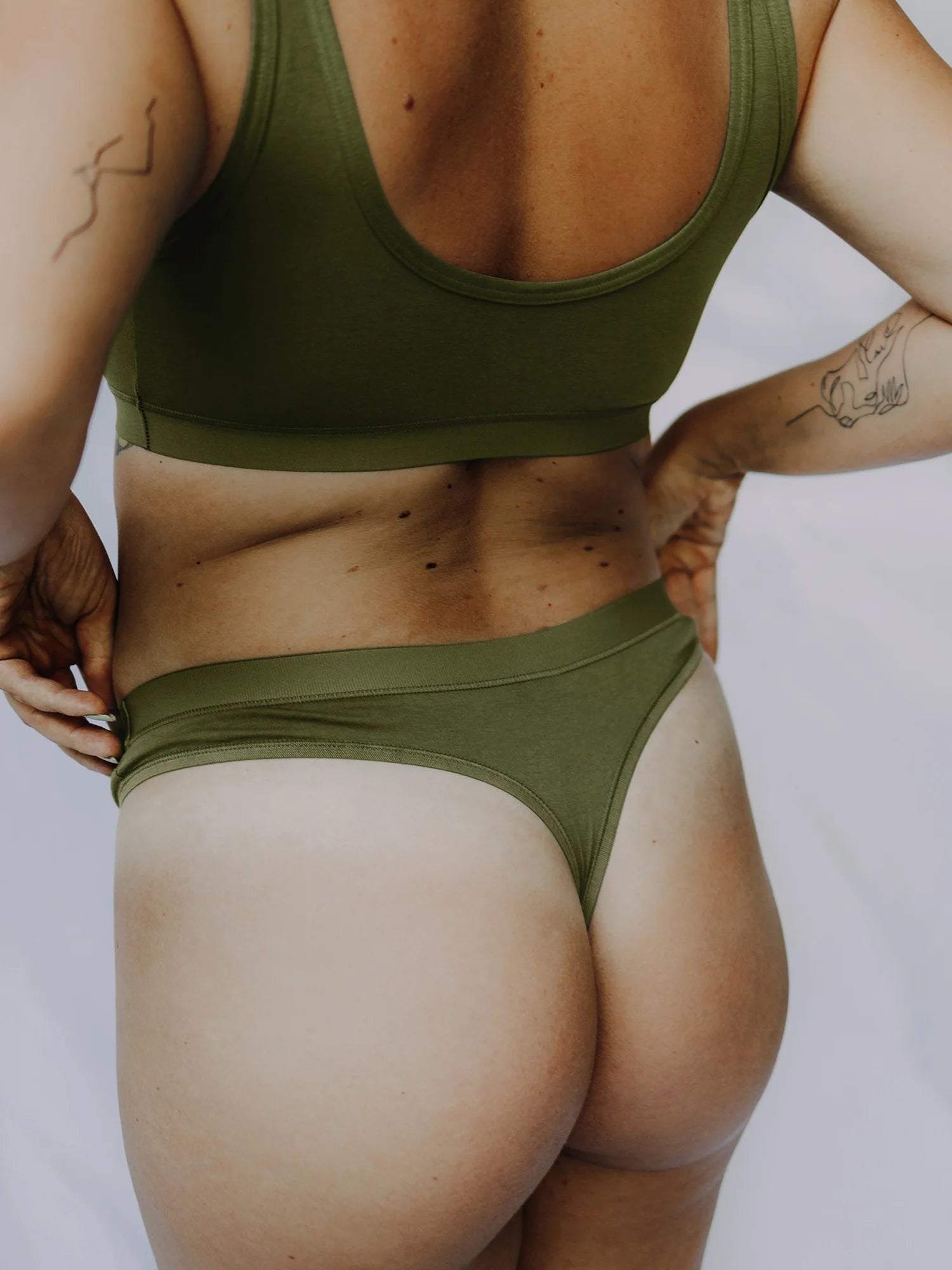
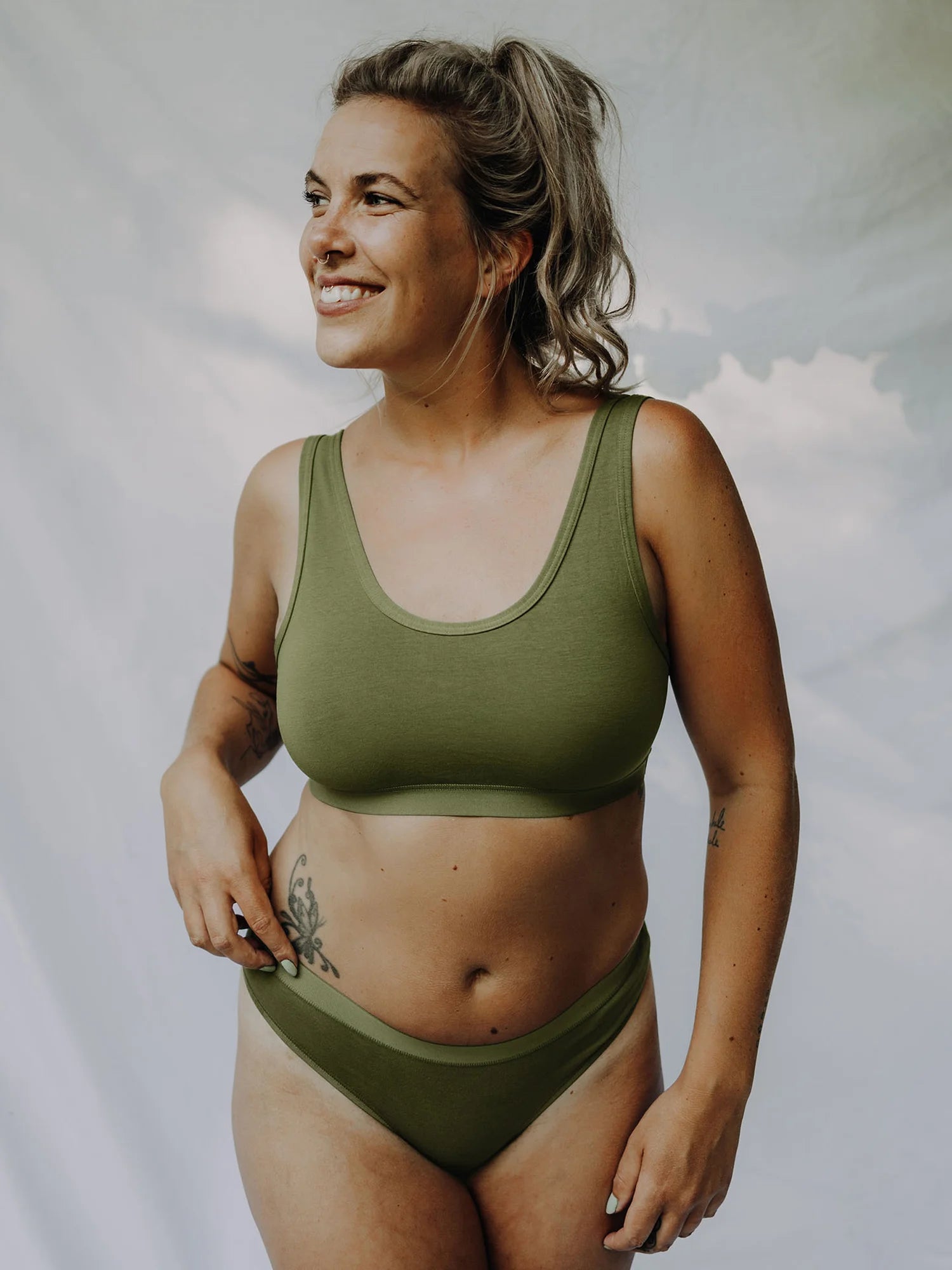
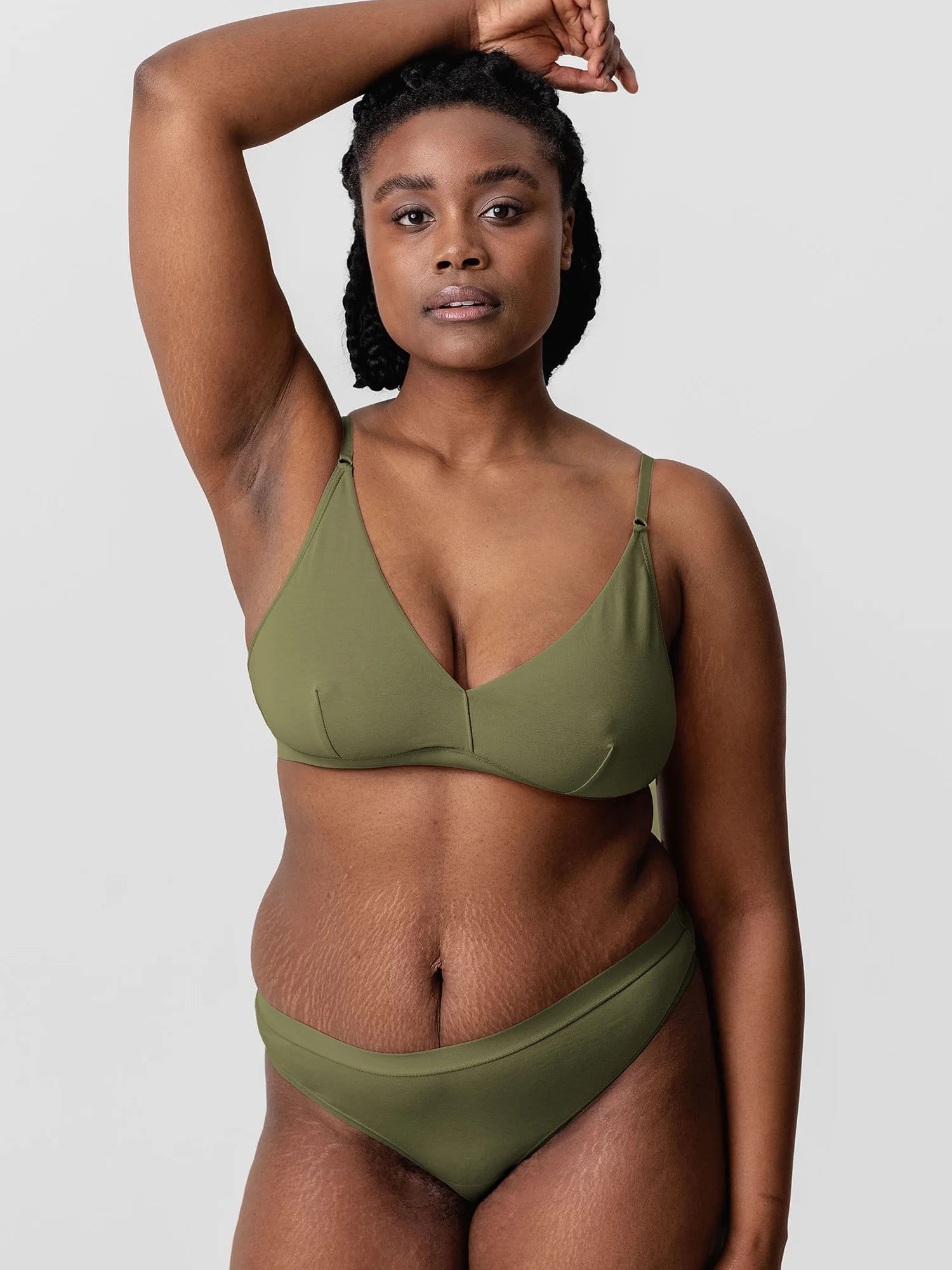
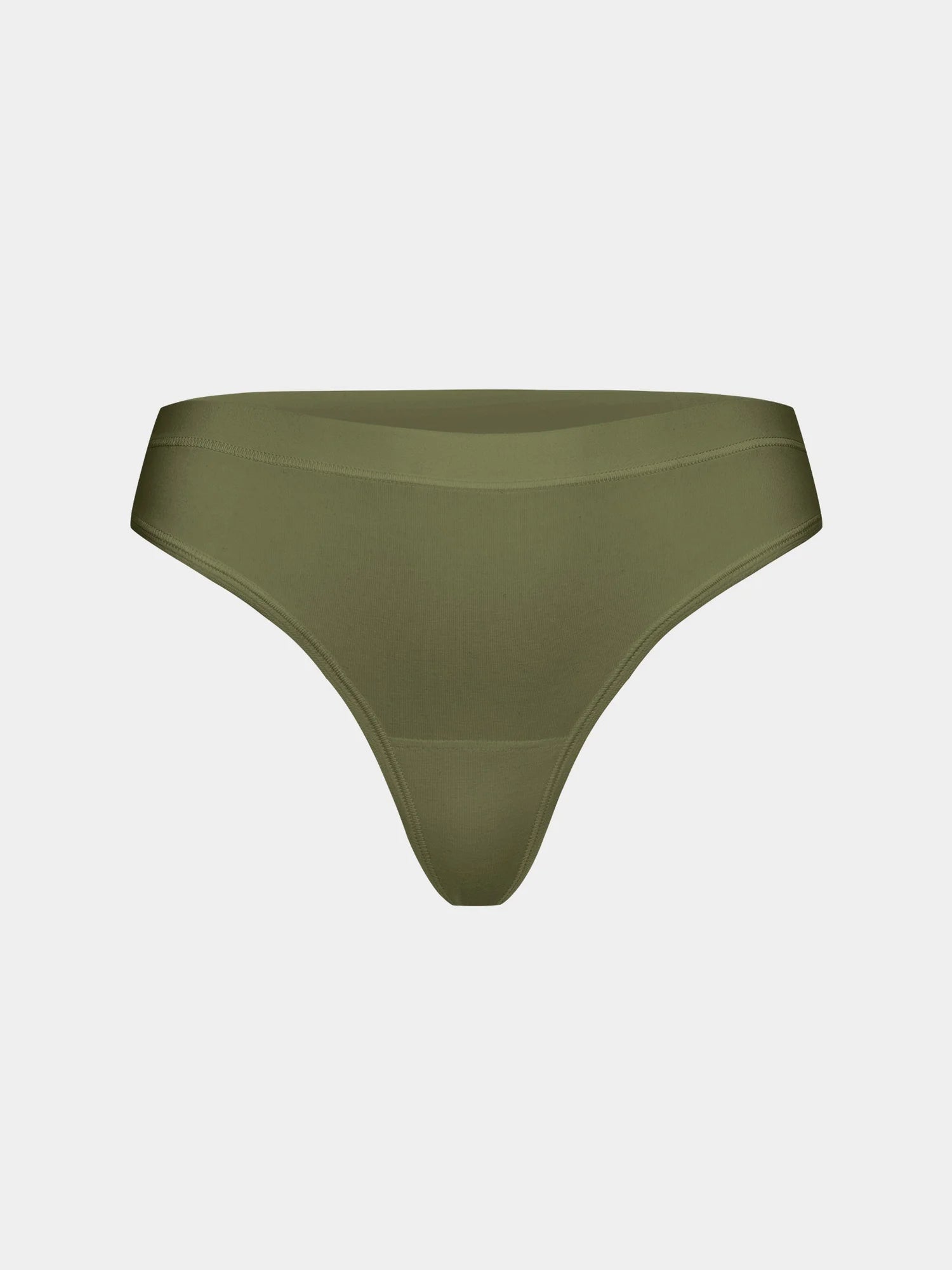
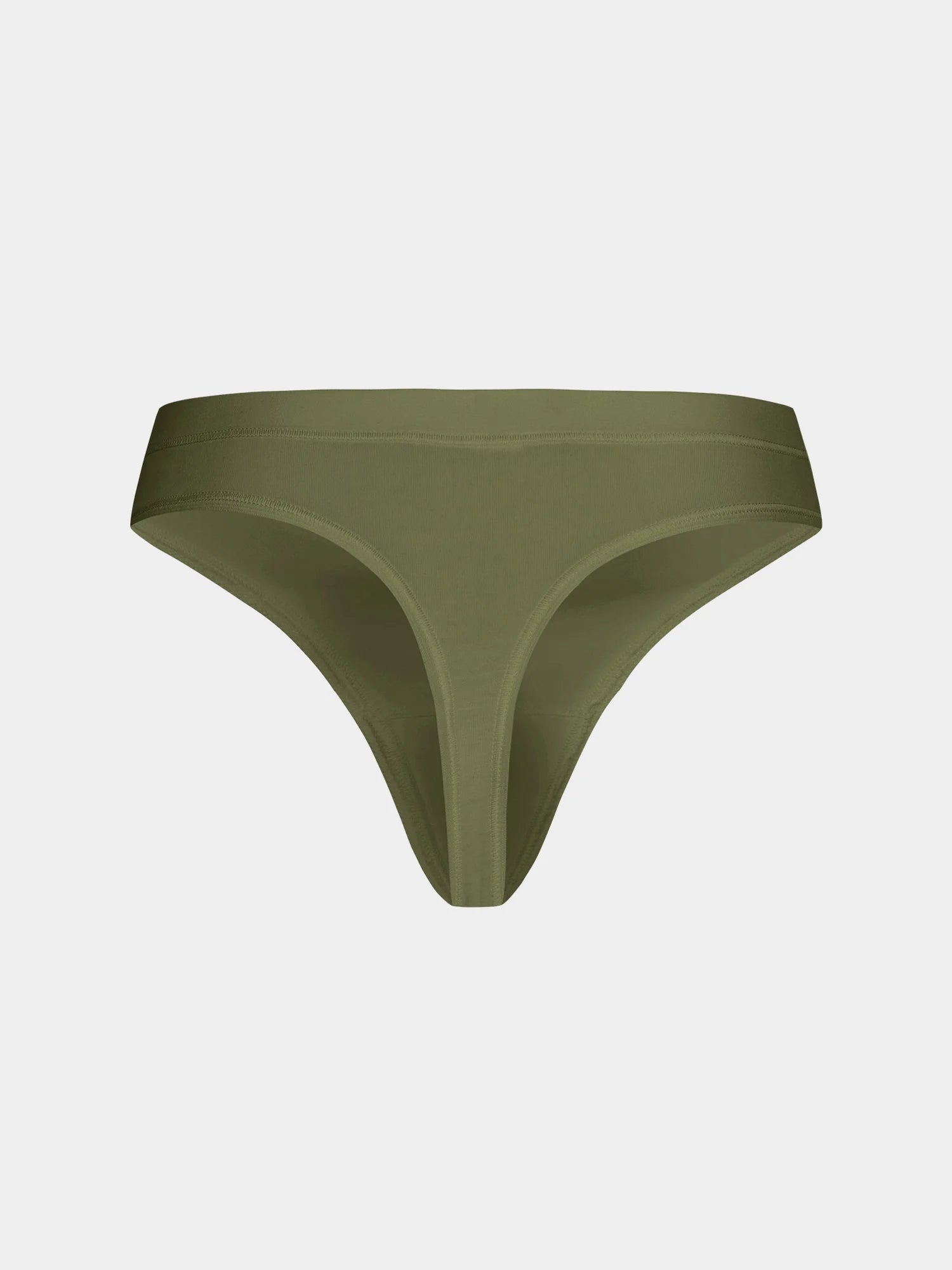
This makes cotton the perfect material for underwear, basics, and bed linen.

How sustainable is cotton?
Conventional cotton cultivation is problematic: 11,000 litres of water are used on average for 1 kg of cotton. The plants grow in dry regions and require constant external irrigation – often at the expense of the local population. This is compounded by monocultures, synthetic pesticides and toxic fertilisers that pollute soils, groundwater and the health of farmers.
With cotton from controlled organic cultivation (kbA), things are different: no genetically modified seeds, no chemical pesticides, no artificial fertilisers. Due to the higher humus content in the soil, up to 40% water can be saved. Crop rotation reduces pest pressure and improves soil fertility.
kbA and Cotton in Conversion at erlich textil
For all our cotton products, we use cotton from controlled organic cultivation (kbA) or Cotton in Conversion (CiC). kbA cotton is produced according to the guidelines of organic farming and certified annually by independent bodies.
Cotton in Conversion is cotton in the three-year transition phase from conventional to organic farming. During this time, it is already organically cultivated, but the official organic certification is still pending. By purchasing CiC products, you directly support farmers in their transition.
Good to know: The terms "bio," "eco," and "kbA" are legally protected and guarantee organic farming. However, they do not automatically cover social standards or further processing – this requires additional seals. Nevertheless, the renunciation of chemicals has a positive effect on the health and quality of life of the farmers.
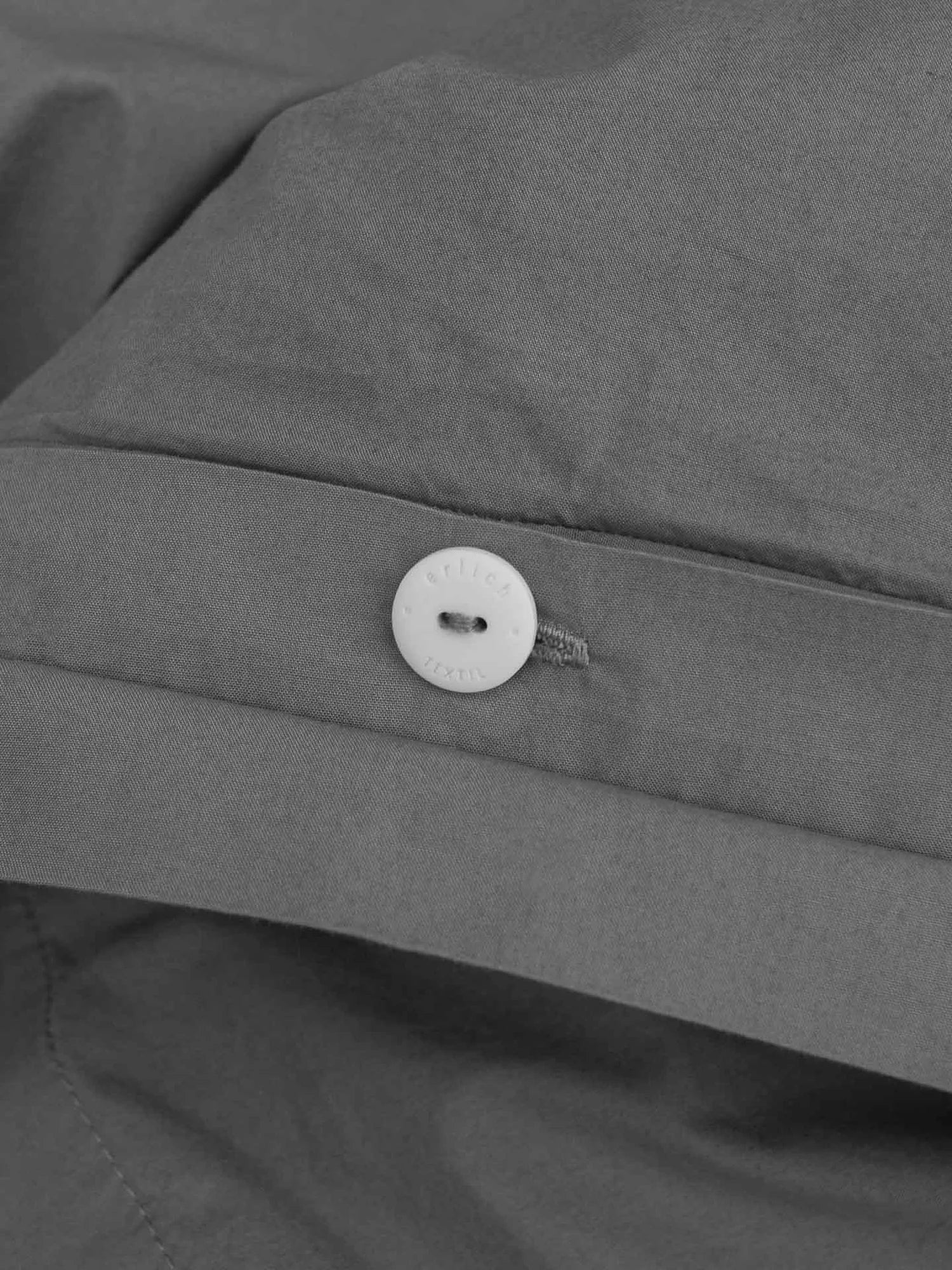
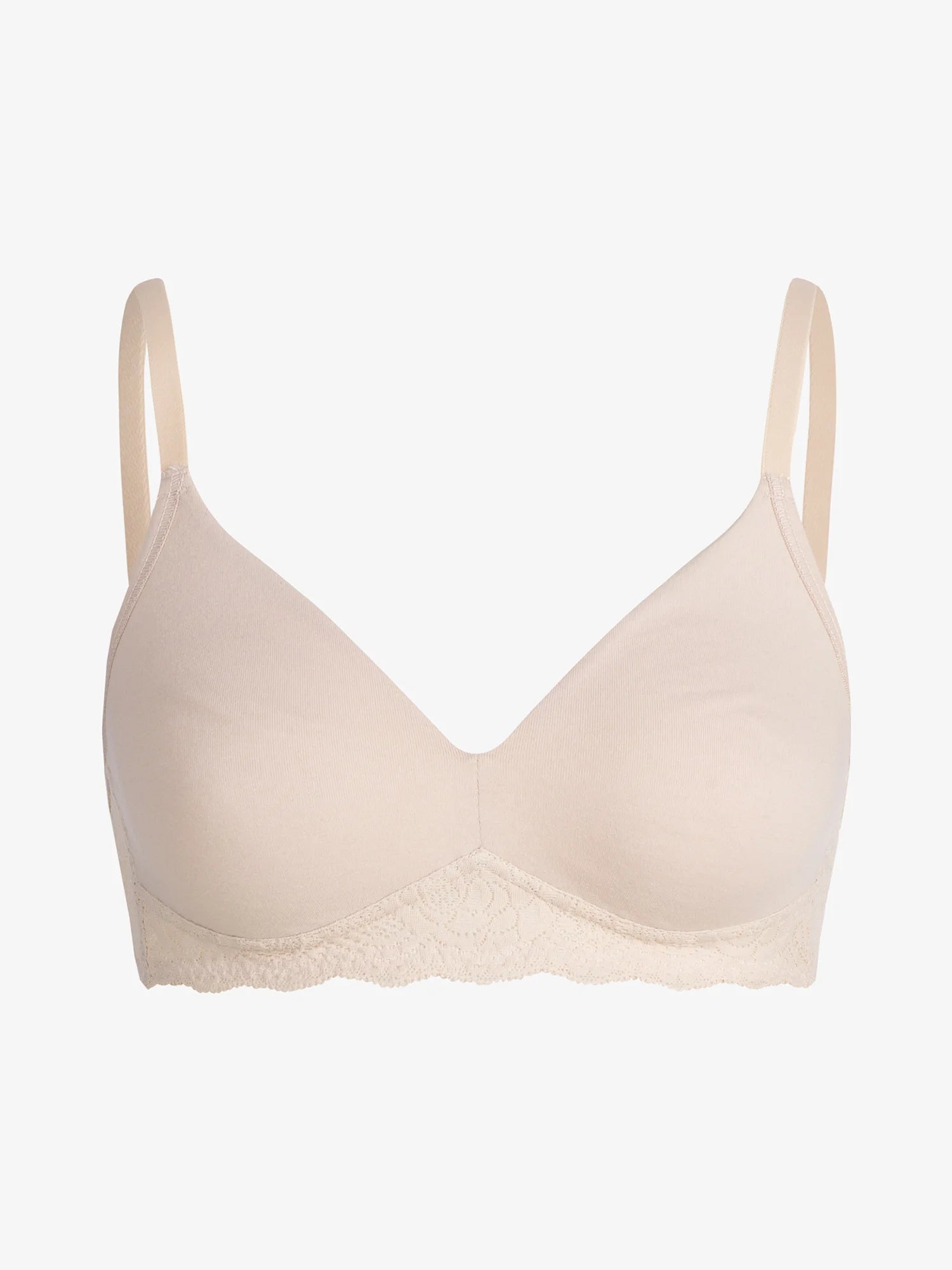
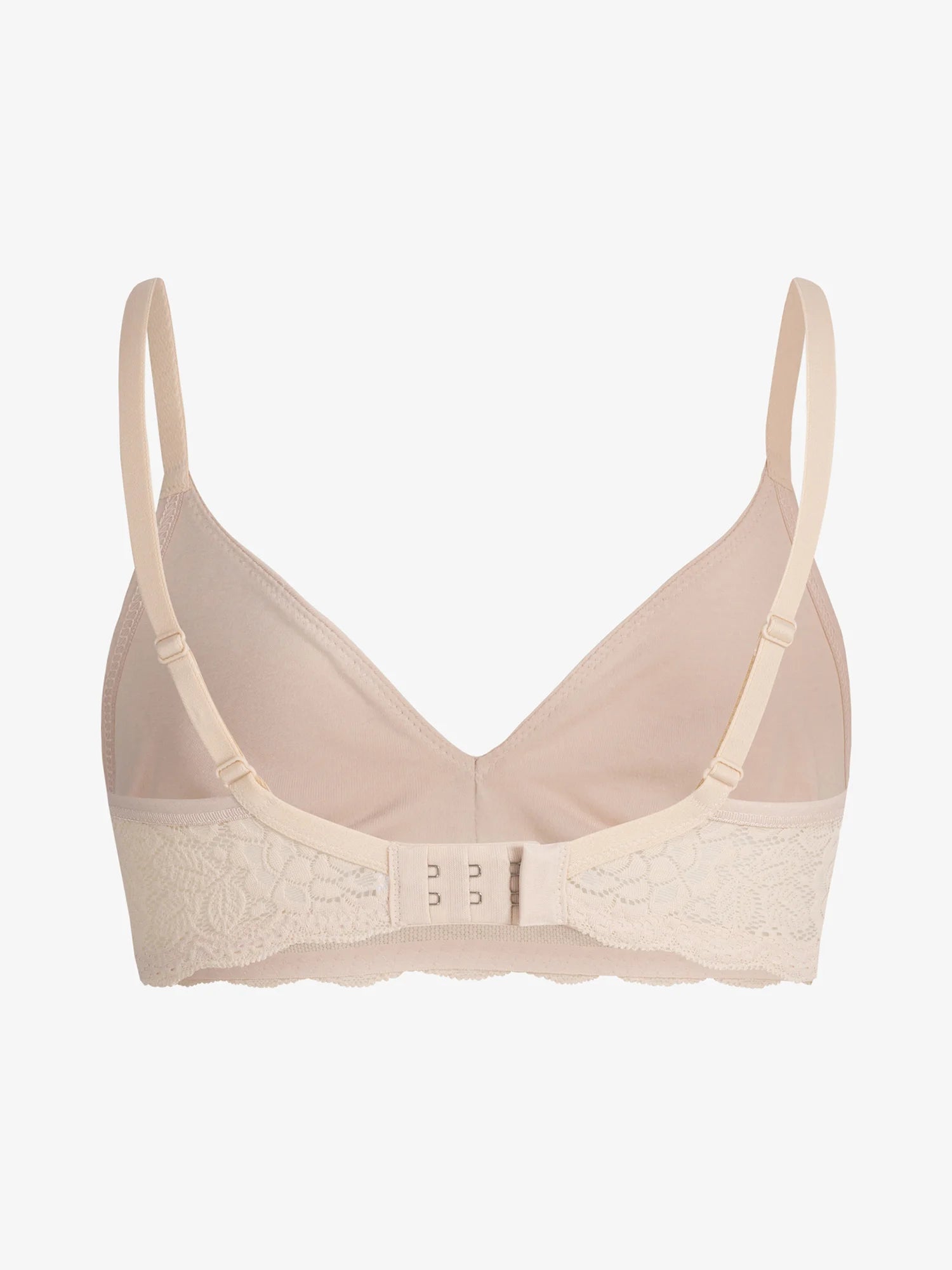
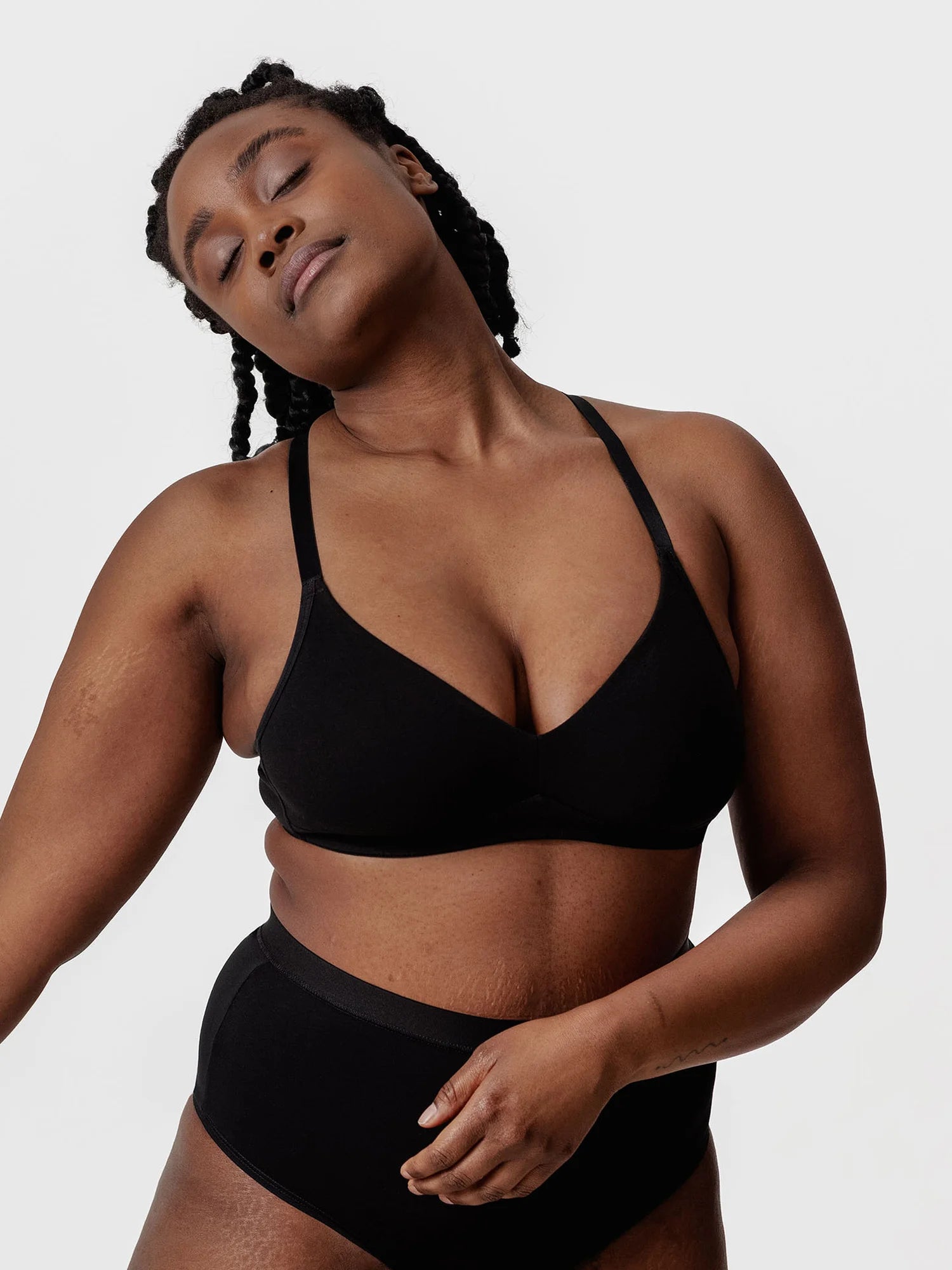
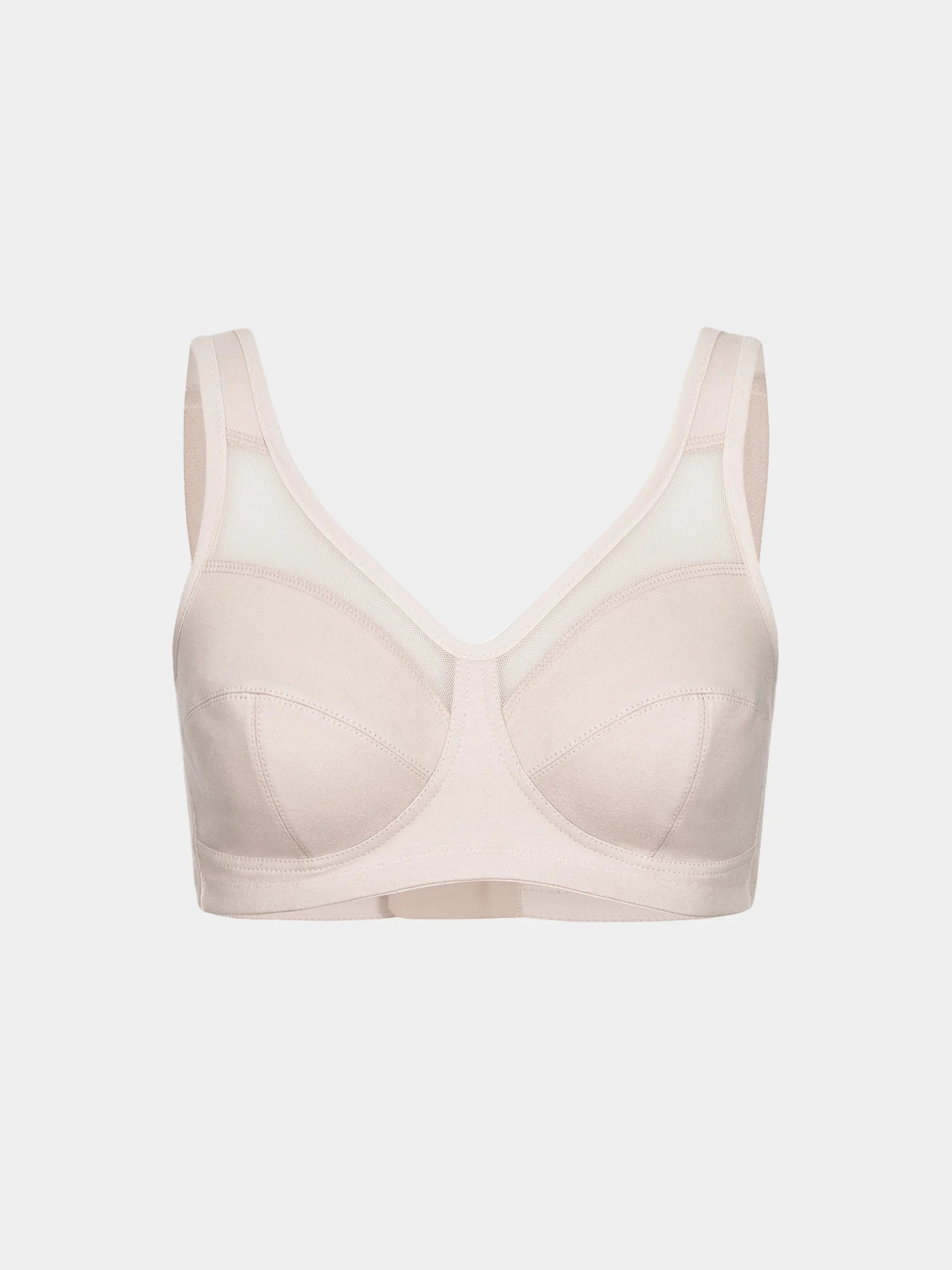
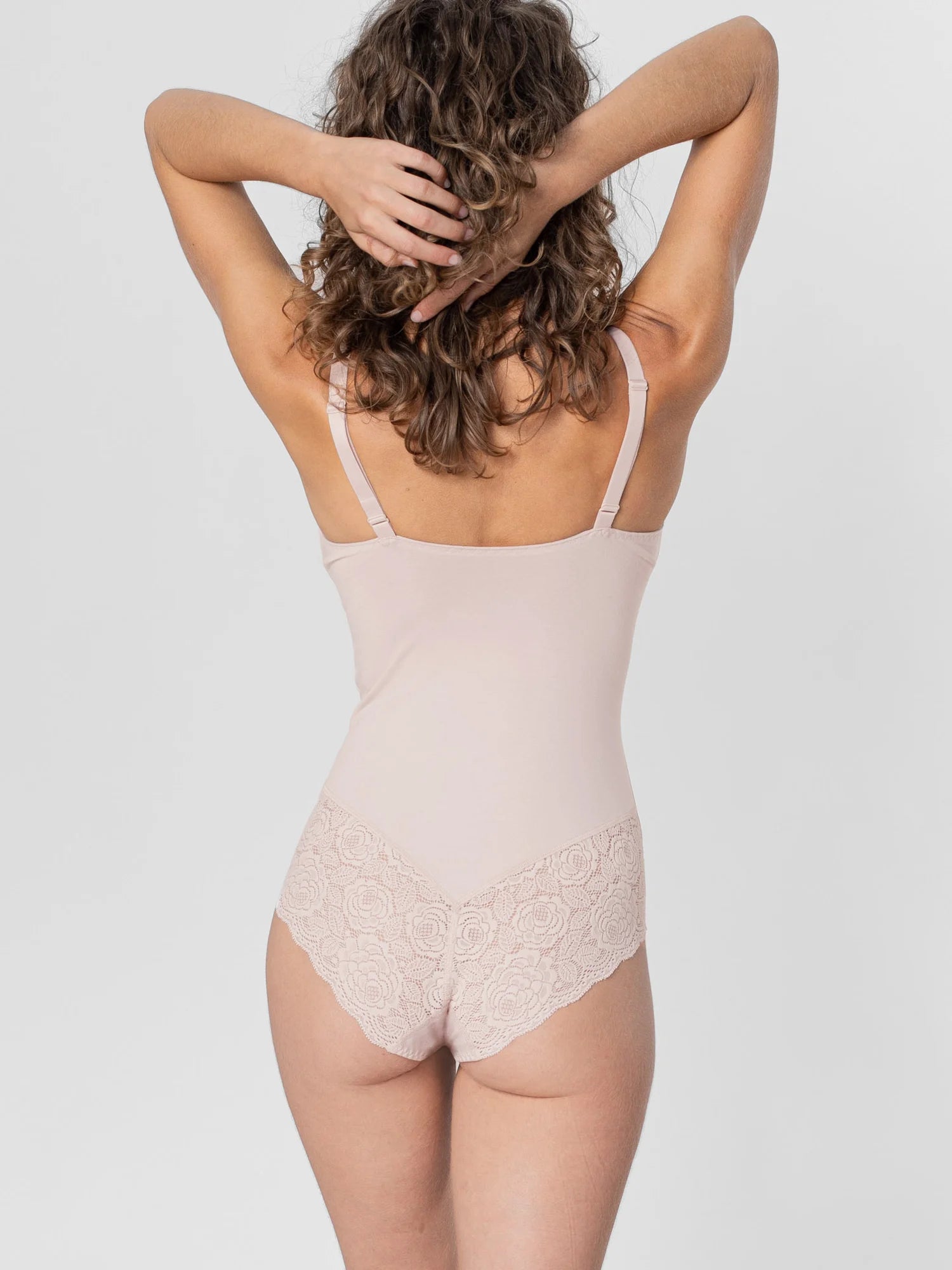
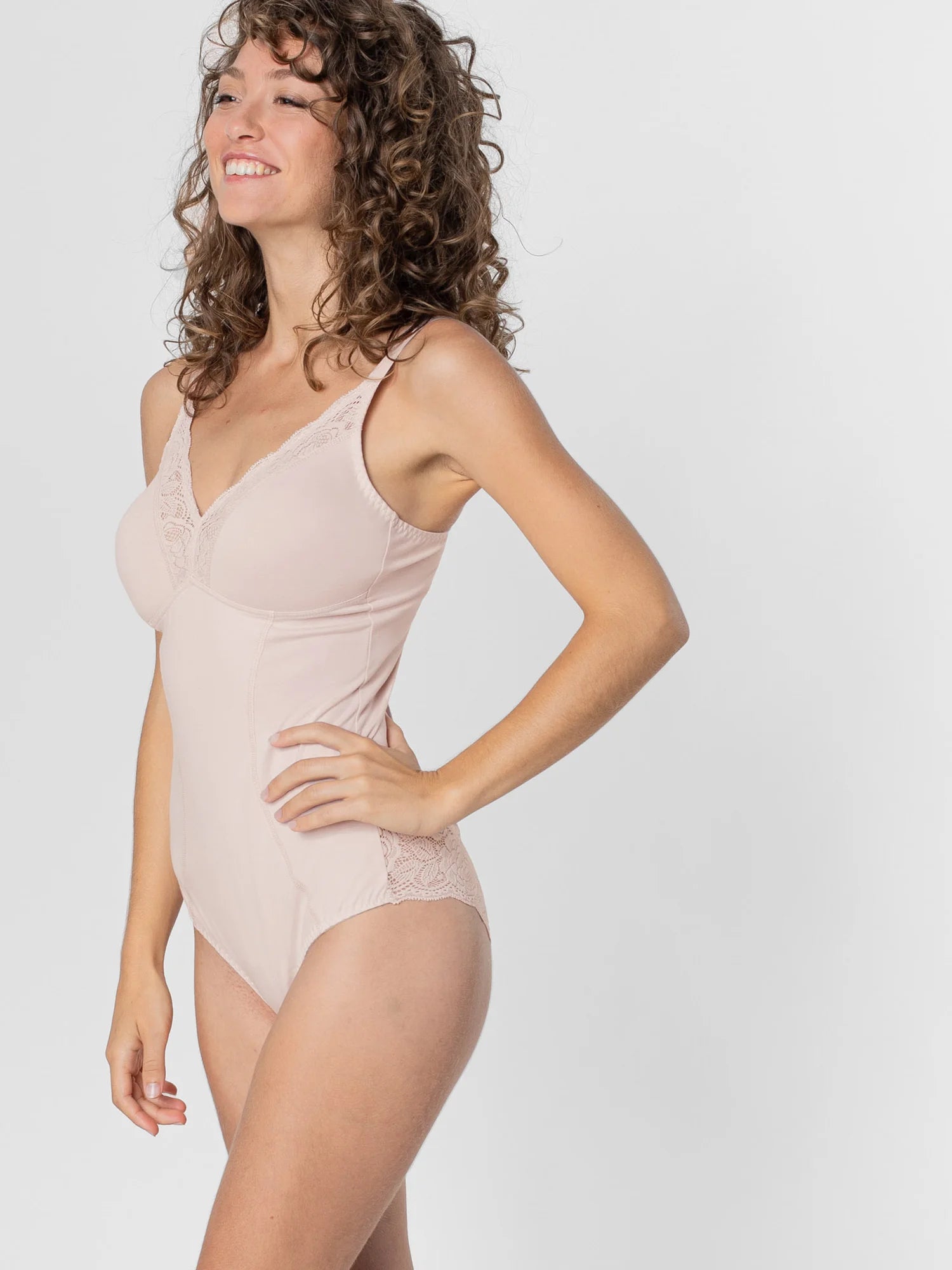
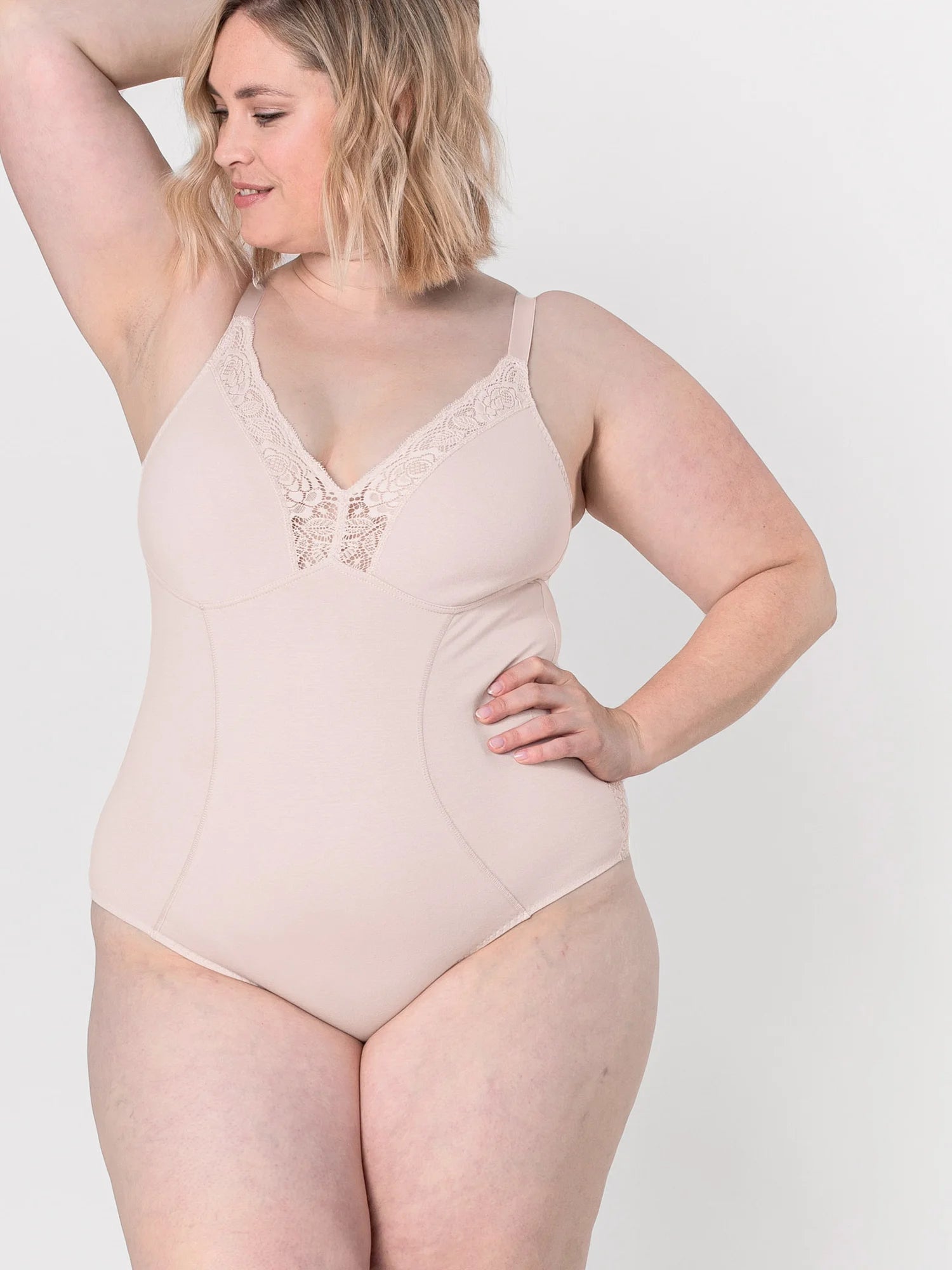



Properly caring for cotton
Washing:
Cotton can be washed at up to 60 °C, but we recommend a maximum of 40 °C – this way, nothing will shrink and the material will be preserved. Your clothes will be just as clean, we promise. Expect slight shrinkage of 3-5% on the first wash.
Drying:
Cotton can be tumble dried, but air drying is gentler. Strong friction in the dryer can lead to pilling. Tip: Laundry dries best in the wind, not in the sun. Wind smooths out wrinkles, sun bleaches – so for colored items, it's better to dry them in the shade.
Ironing:
Cotton wrinkles a little more than other fibers. It is best to spray the garment with a little distilled water before ironing – this makes smoothing easier and you don't need a high temperature. Folding clothes immediately after drying helps to avoid wrinkles from the outset.
