


Elastane: The Elastic Synthetic Fiber for a Perfect Fit
Elastane is a synthetic fiber with extreme stretch, shape retention, and low weight. Also known as Spandex in America, it has been produced since 1959 and is indispensable for close-fitting clothing. There are no fabrics made of pure elastane – the fiber is always blended with other materials.

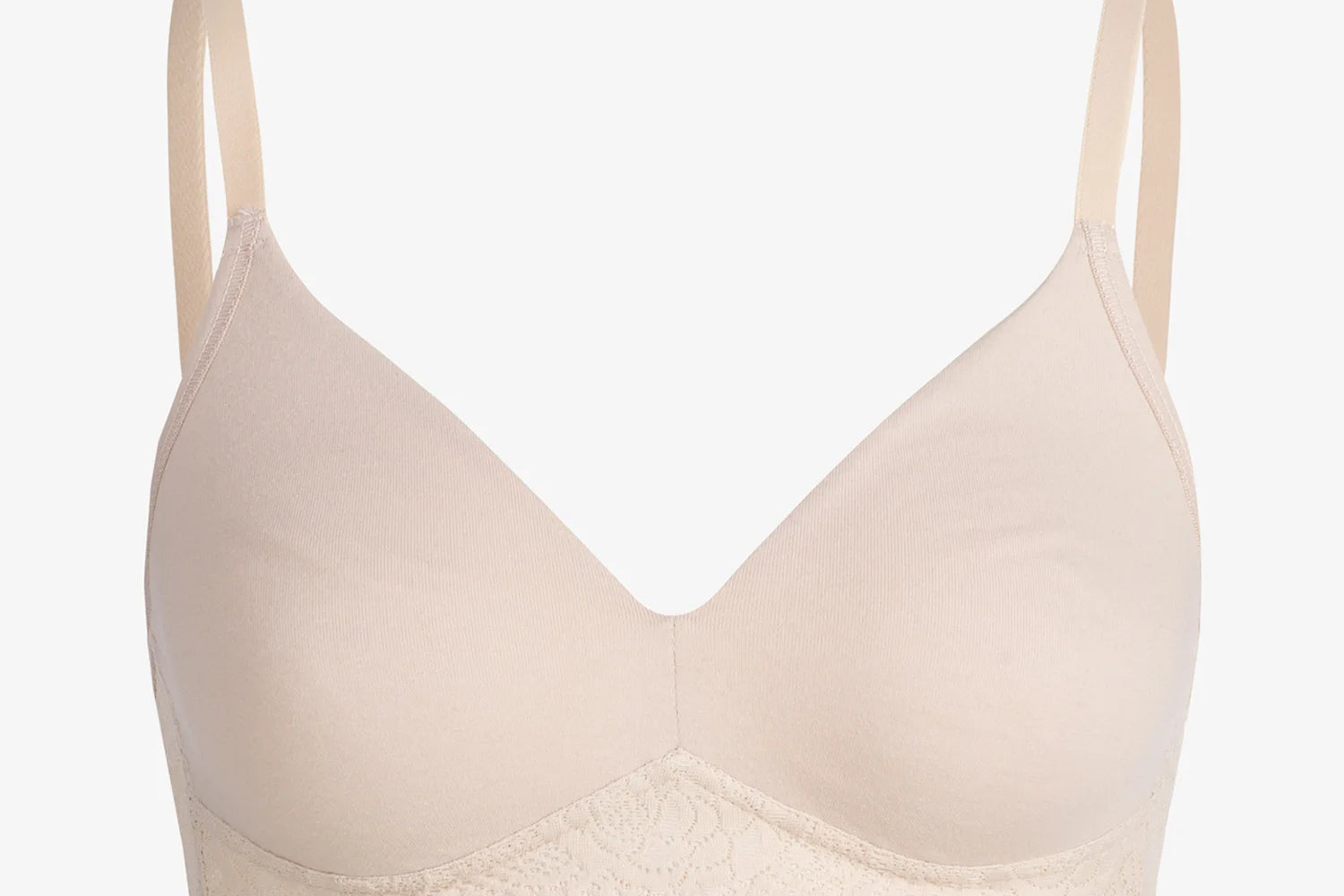
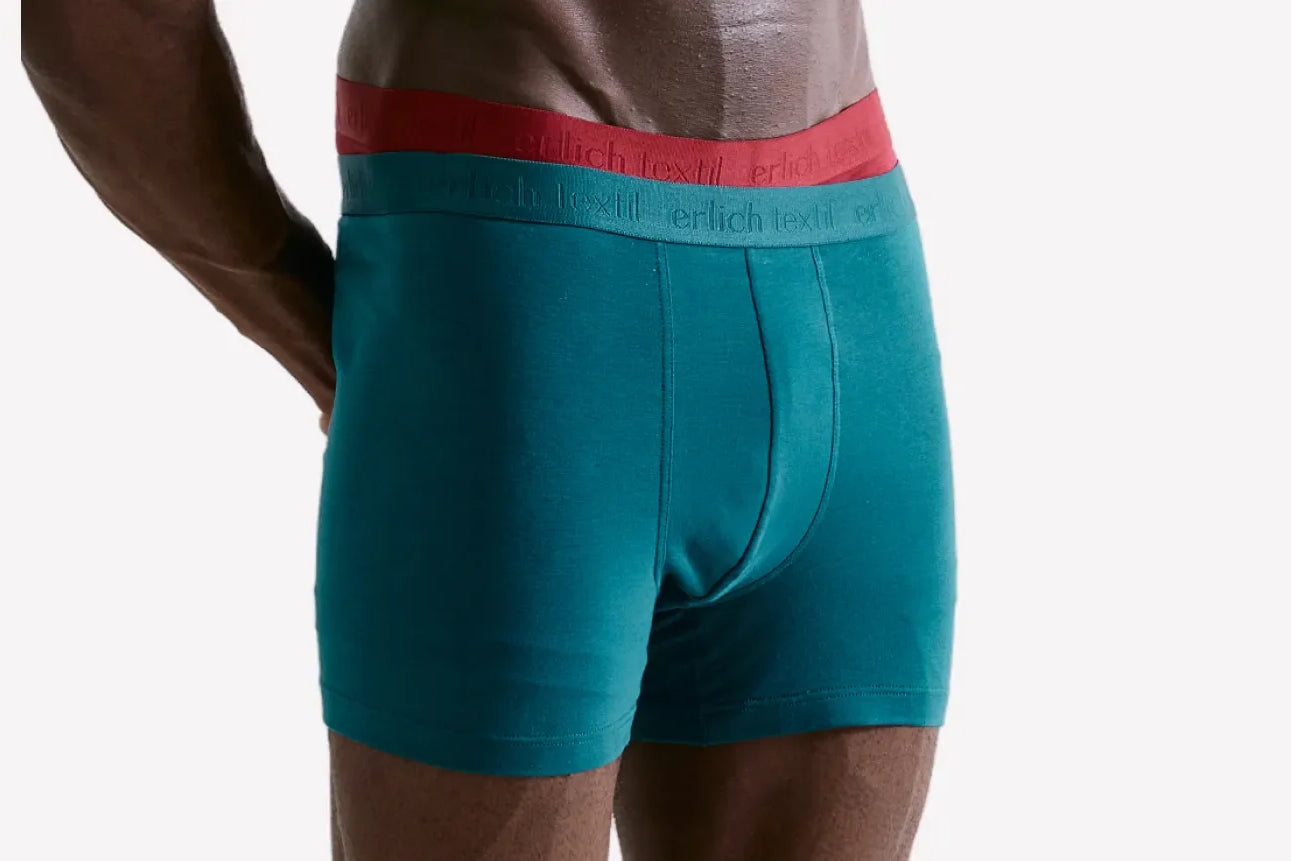
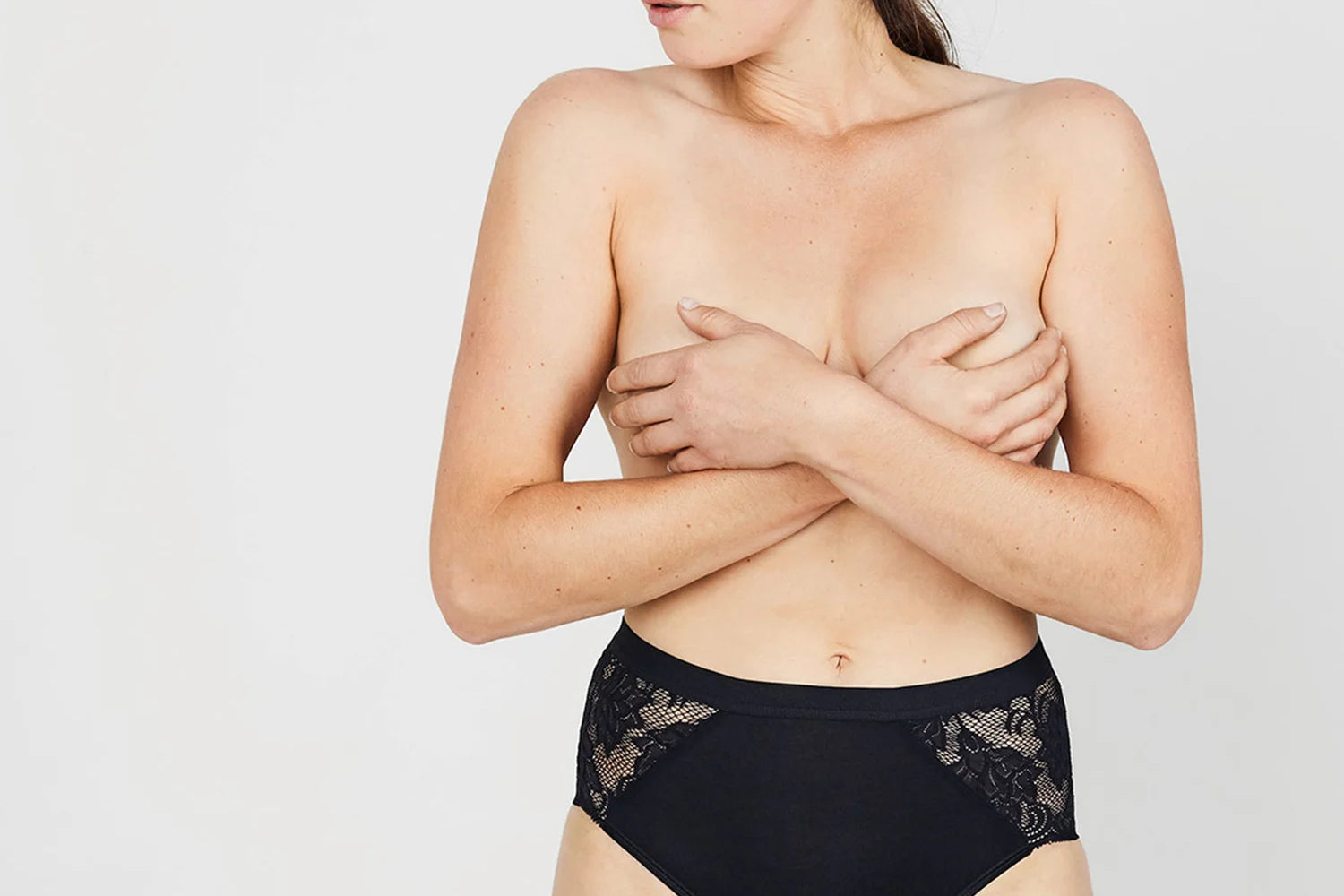
Elastane combines high elasticity with strength. Polyurethane ensures the cohesion of the fibers, while polyethylene glycol provides extreme elasticity. This combination makes elastane the perfect blended fiber for comfortable, dimensionally stable, and perfectly fitting underwear. In clothing, materials with an elastane content are often labeled "stretch."
Properties of Elastane
A small percentage of elastane makes all the difference in our products:
- Extreme stretch – up to 600% stretchable
- High shape retention – always returns to its original shape
- Very low weight
- Low moisture absorption
- Comfortable to wear due to perfect fit
Together with cotton or modal, a small amount of elastane provides the necessary elasticity in almost all our material blends.

How sustainable is elastane?
To be honest, conventional elastane is not sustainable. Its production requires high energy consumption and non-renewable resources. For a long time, there was no sustainable alternative on the market. Due to the growing demand for more environmentally friendly fibers, recycled and biodegradable alternatives are now available – but the transition is a complex process.
Elastane at erlich textil
We keep the use of elastane in our products as low as possible. A small proportion is necessary to offer you a minimum level of elasticity and a good fit. At the same time, we are testing more sustainable stretch alternatives such as ROICA™ – the first 100% circular stretch fibre, which we already use in our Smooth Seam collection.
How to care for elastane properly
Washing:
Do not wash products containing elastane at temperatures hotter than 40 °C – excessive heat will damage the fibers. Select a gentle cycle, as spinning can distort garments. Tip: Avoid fabric softener and instead use a few drops of clear vinegar. This maintains the shape, softens the water, and descales the washing machine.
Drying:
Do not hang textiles containing elastane; instead, dry them flat. The weight of the wet material can stress the fibers and stretch the garment. Avoid using clothes pegs.
Ironing:
Elastane is virtually crease-free and quickly returns to shape after washing. If ironing is necessary, choose a low temperature.
