


Linen: The cooling natural fiber from flax
Like cotton and hemp, linen is a natural plant fiber. The fiber is obtained from the stalks of the flax plant – an annual plant with a height of 20–100 cm. Linen accounts for only 2% of worldwide fiber production, making it a special material.

Flax prefers a maritime climate and thrives best in Northern France, Belgium, and the Netherlands. The plant requires few pesticides and fertilizers – soils in organic farming are particularly well-suited. The harvest is labor-intensive: retting, turning, pressing – many traditional steps are still carried out today in the same way, only with machine support. After harvesting, the fibers are spun into threads and woven into linen fabric.
Properties of Linen
Linen is a fabric with special qualities – especially for bedding and home textiles:
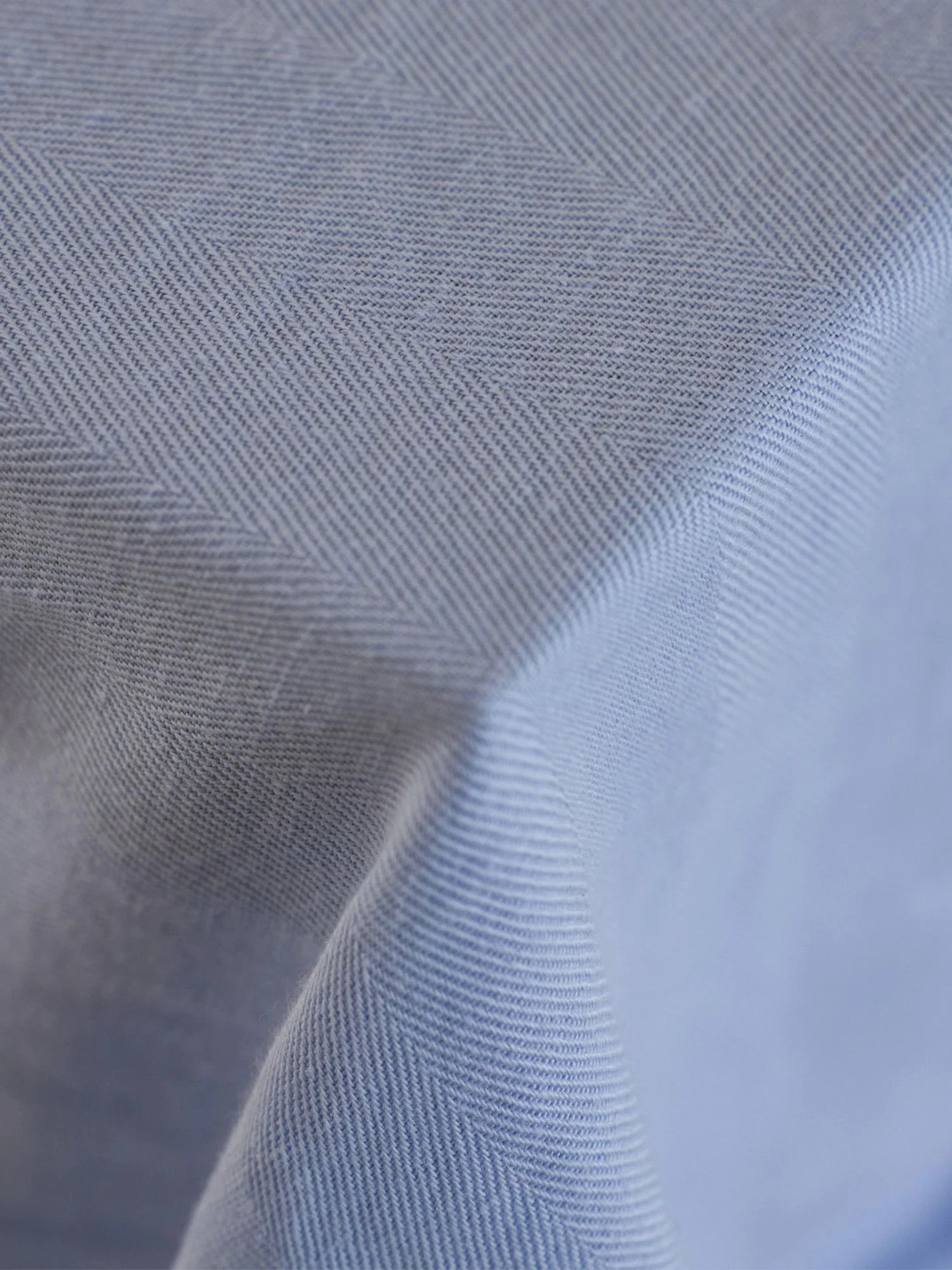
- Finely woven, high-quality, strong, and durable
- Cooling effect due to moisture regulation – ideal in summer
- Smooth fibers = lint-free and dirt-repellent
- Well suited for allergy sufferers
- Breathable, robust, and tear-resistant
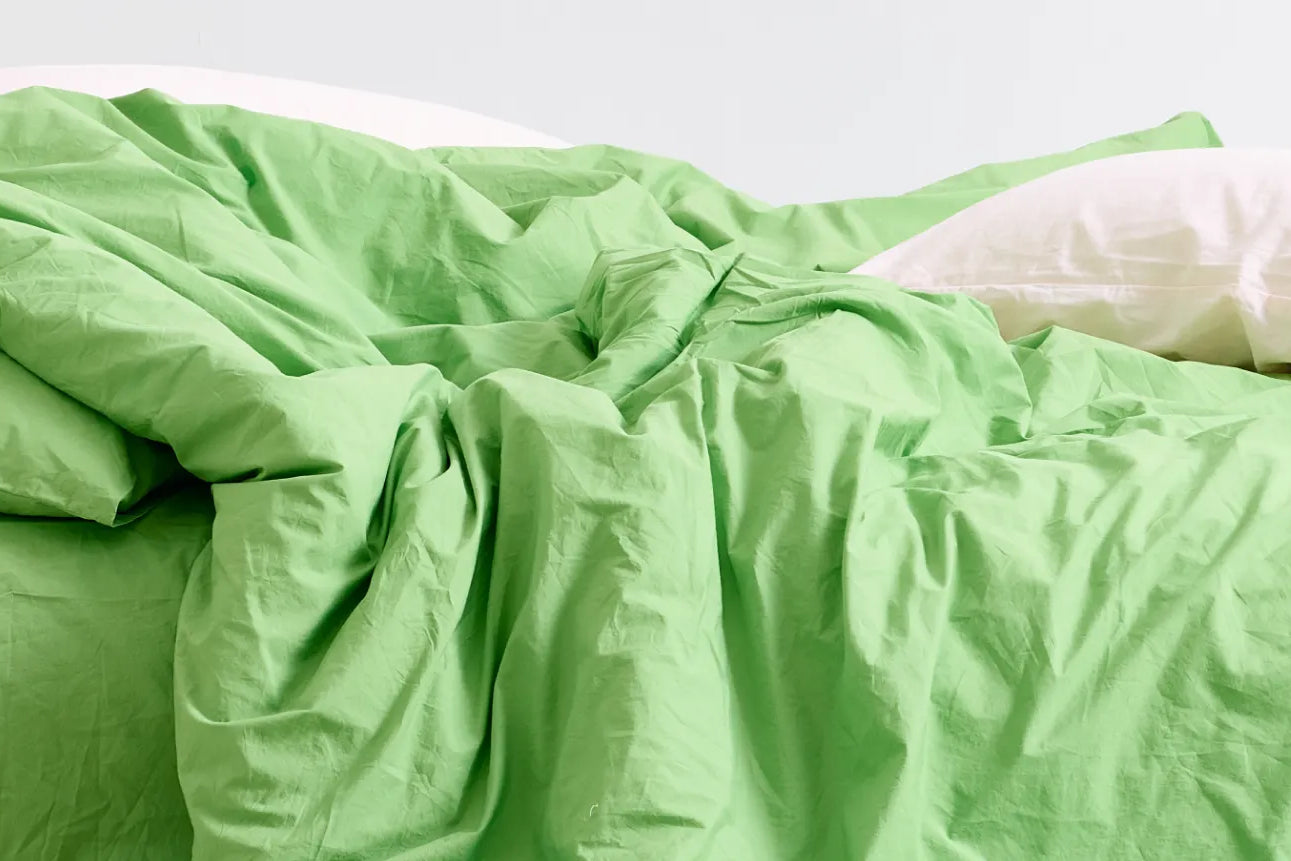
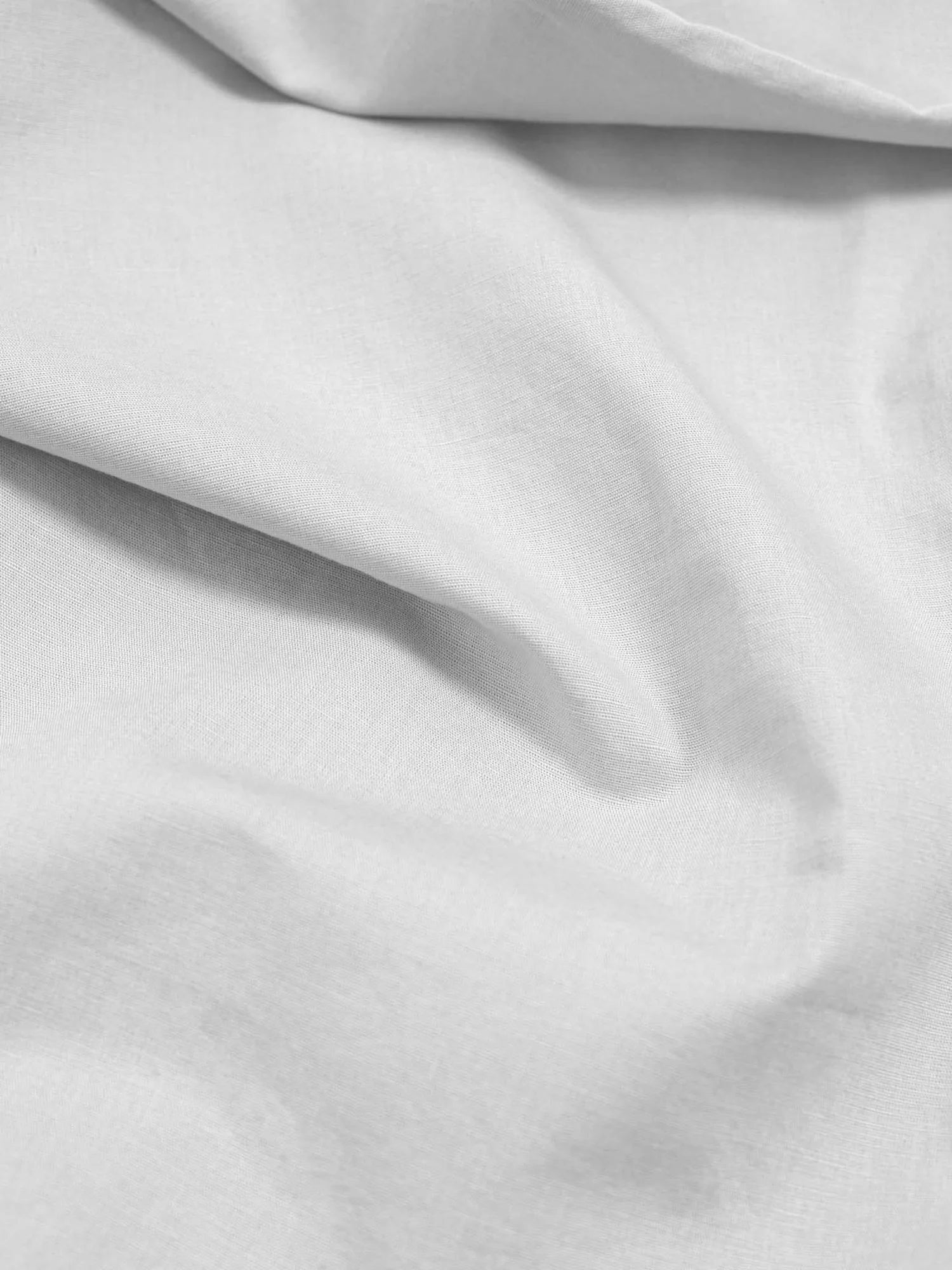
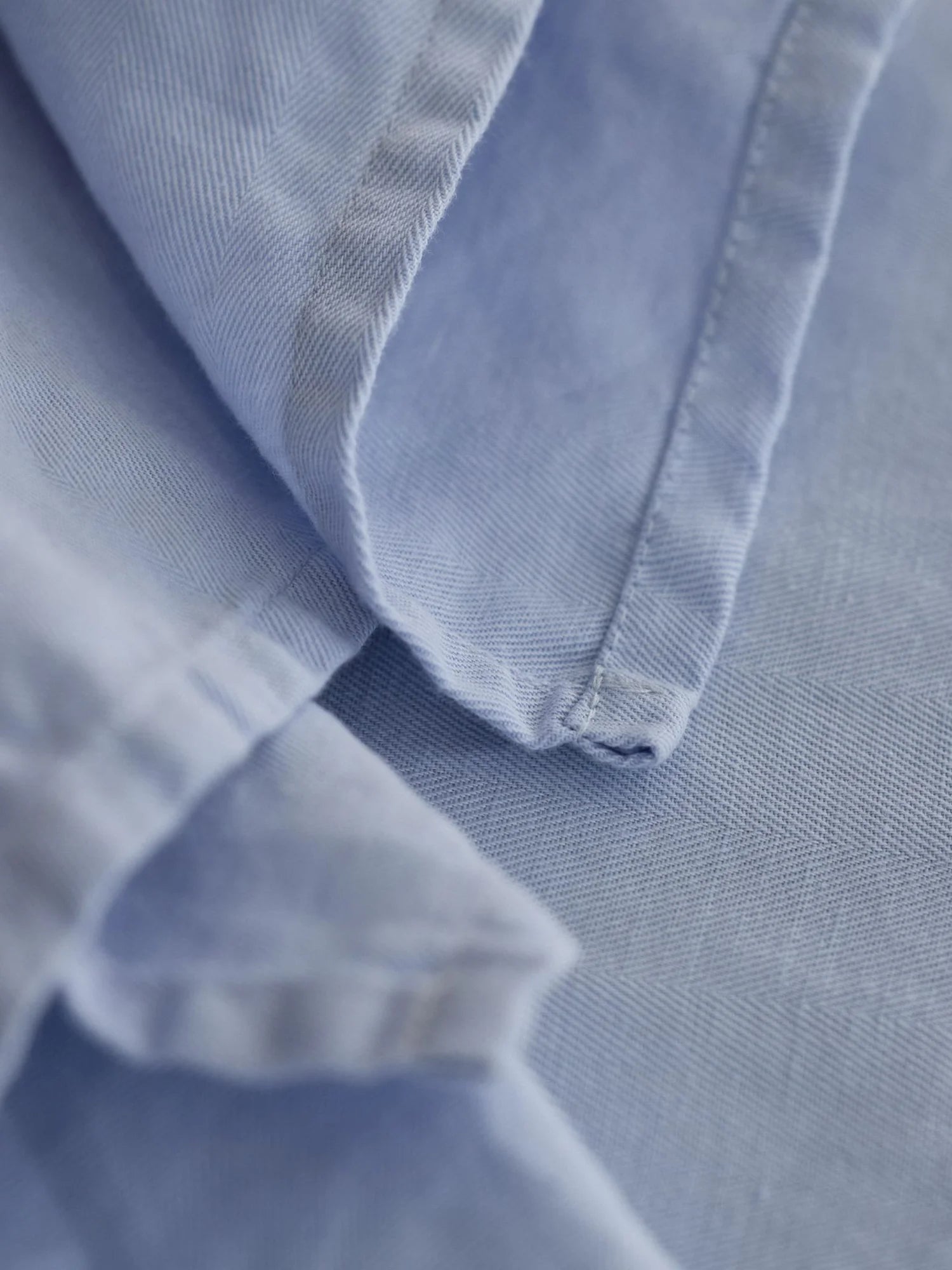
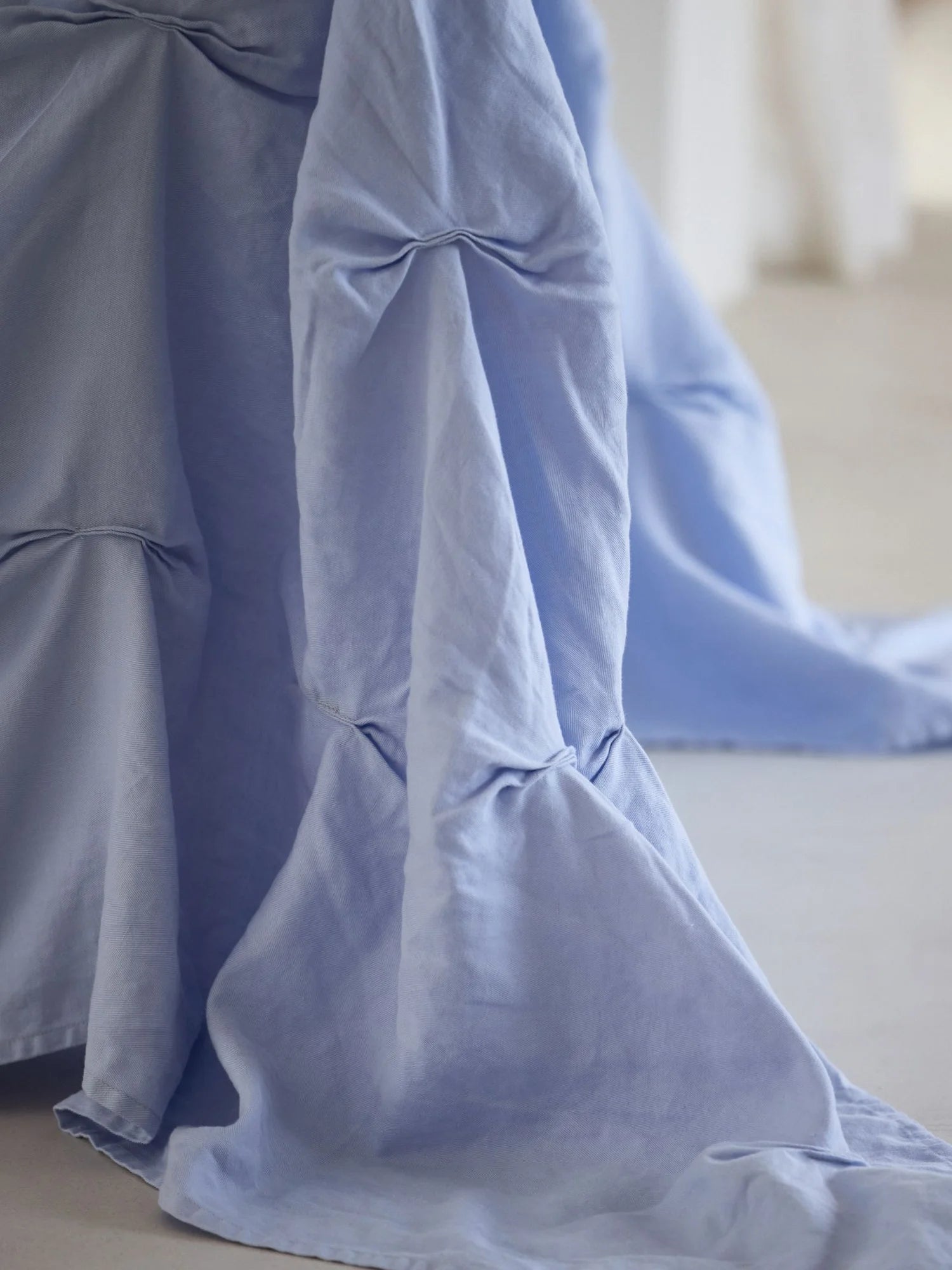
- Low elasticity – therefore prone to wrinkling
The cooling effect makes linen the best choice for bedding in warm months.


Growing flax generally requires fewer pesticides and fertilizers than cotton. Dew retting – the most common and environmentally friendly harvesting method – uses natural dew moisture to allow microorganisms to separate the fibers from the plant stalk. This process is used on three-quarters of the world's cultivated areas and requires no chemicals. Under controlled organic conditions, the environmental impact is even lower.

Linen by erlich textil
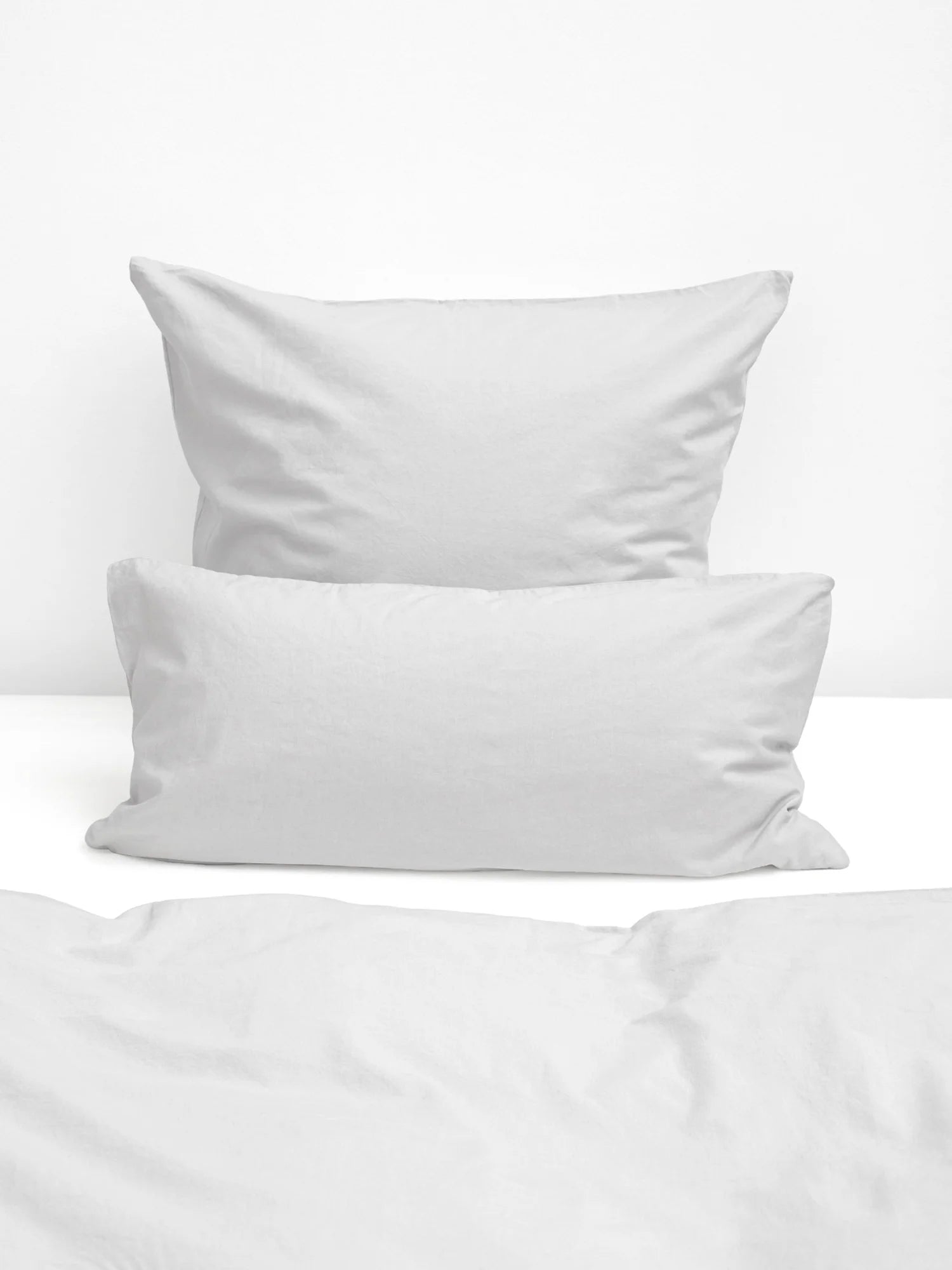
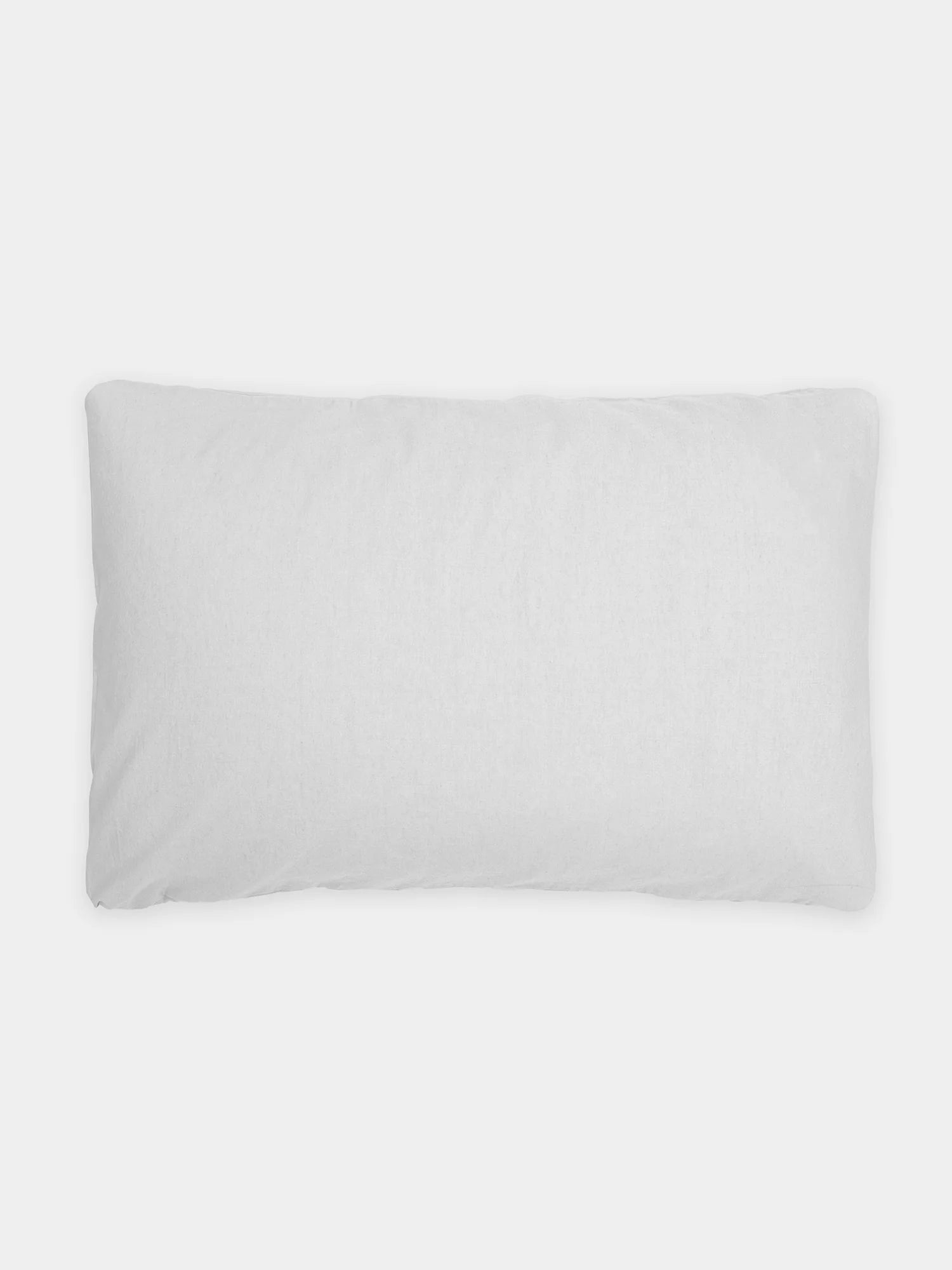
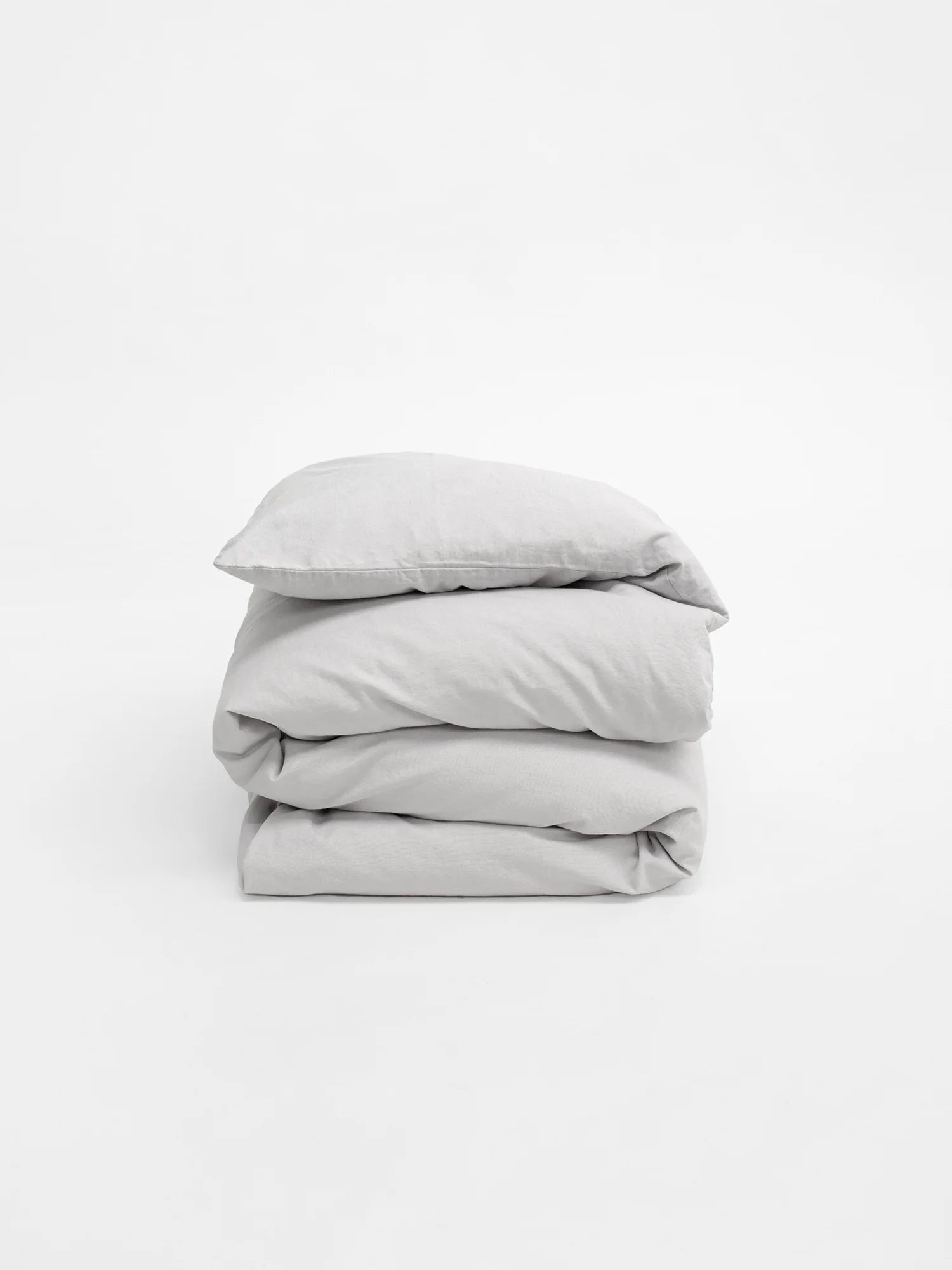
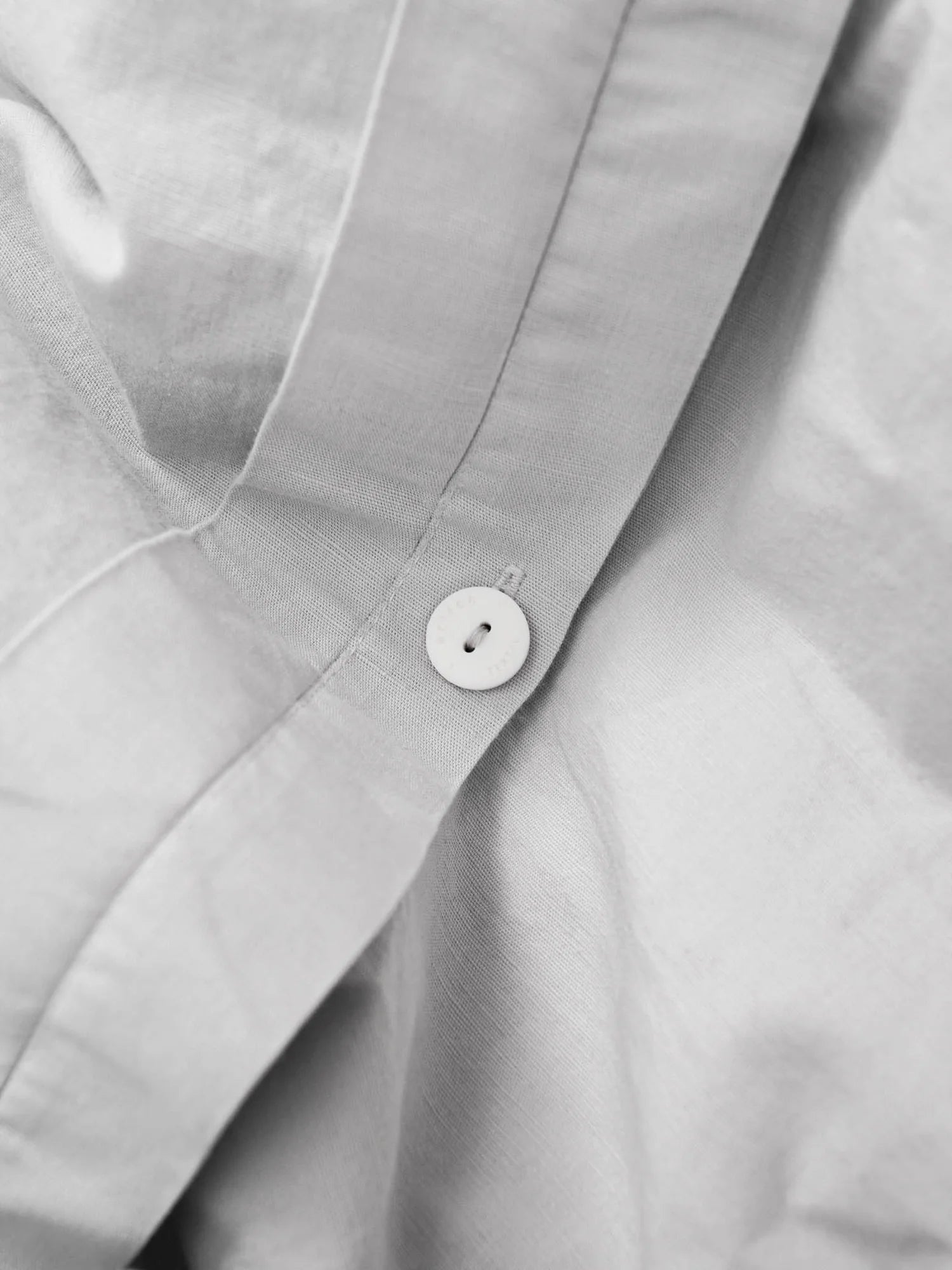
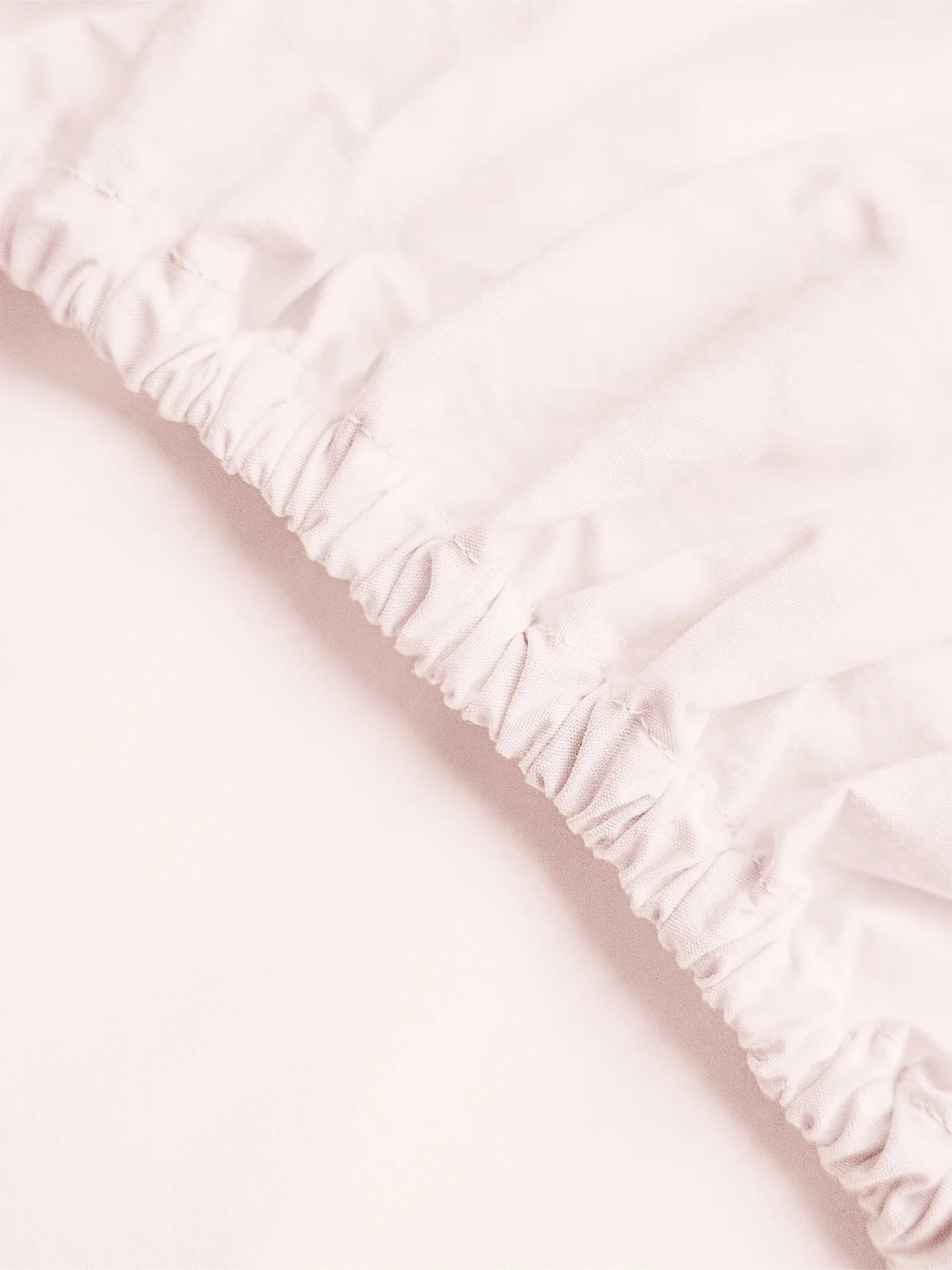
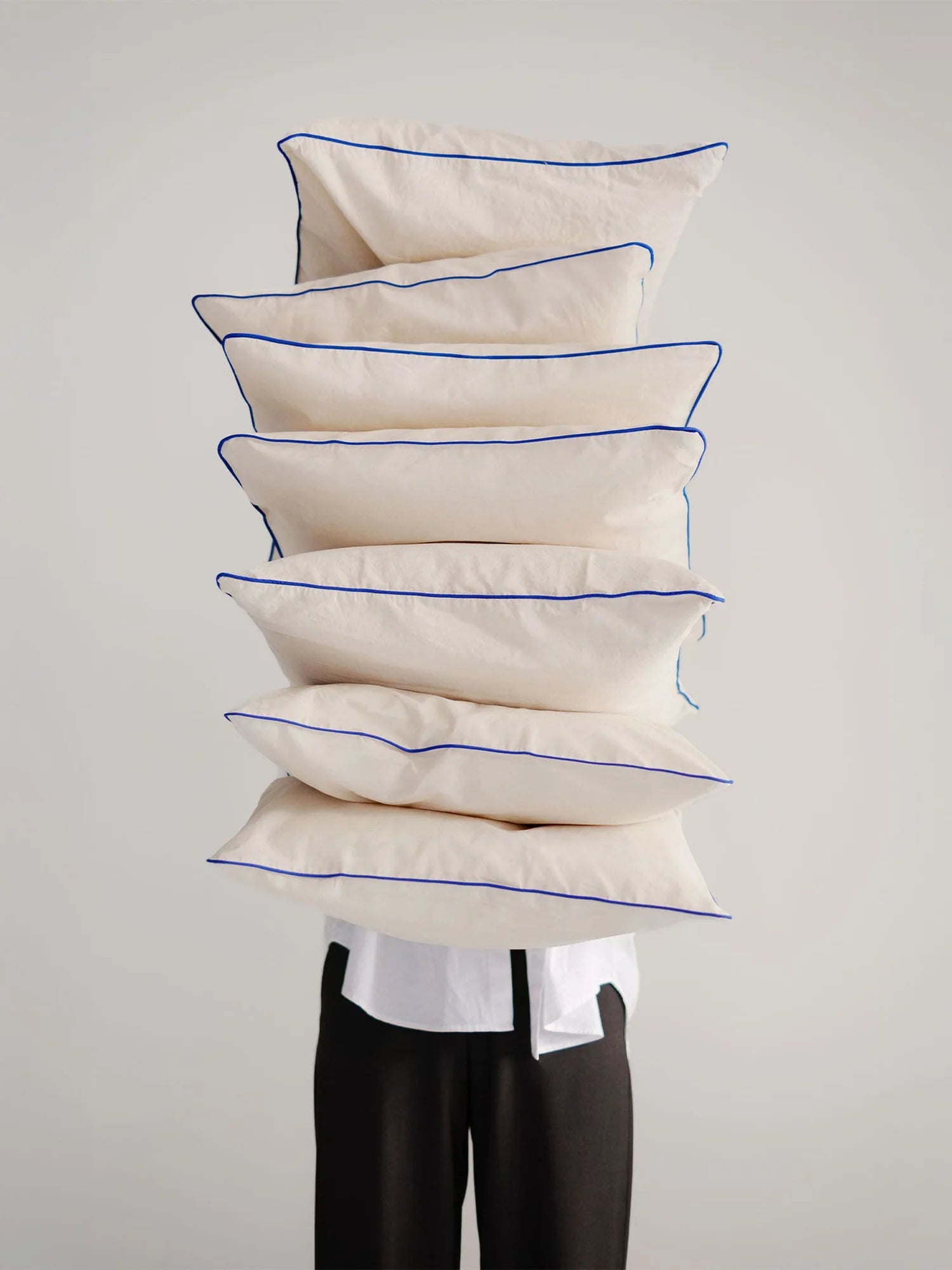
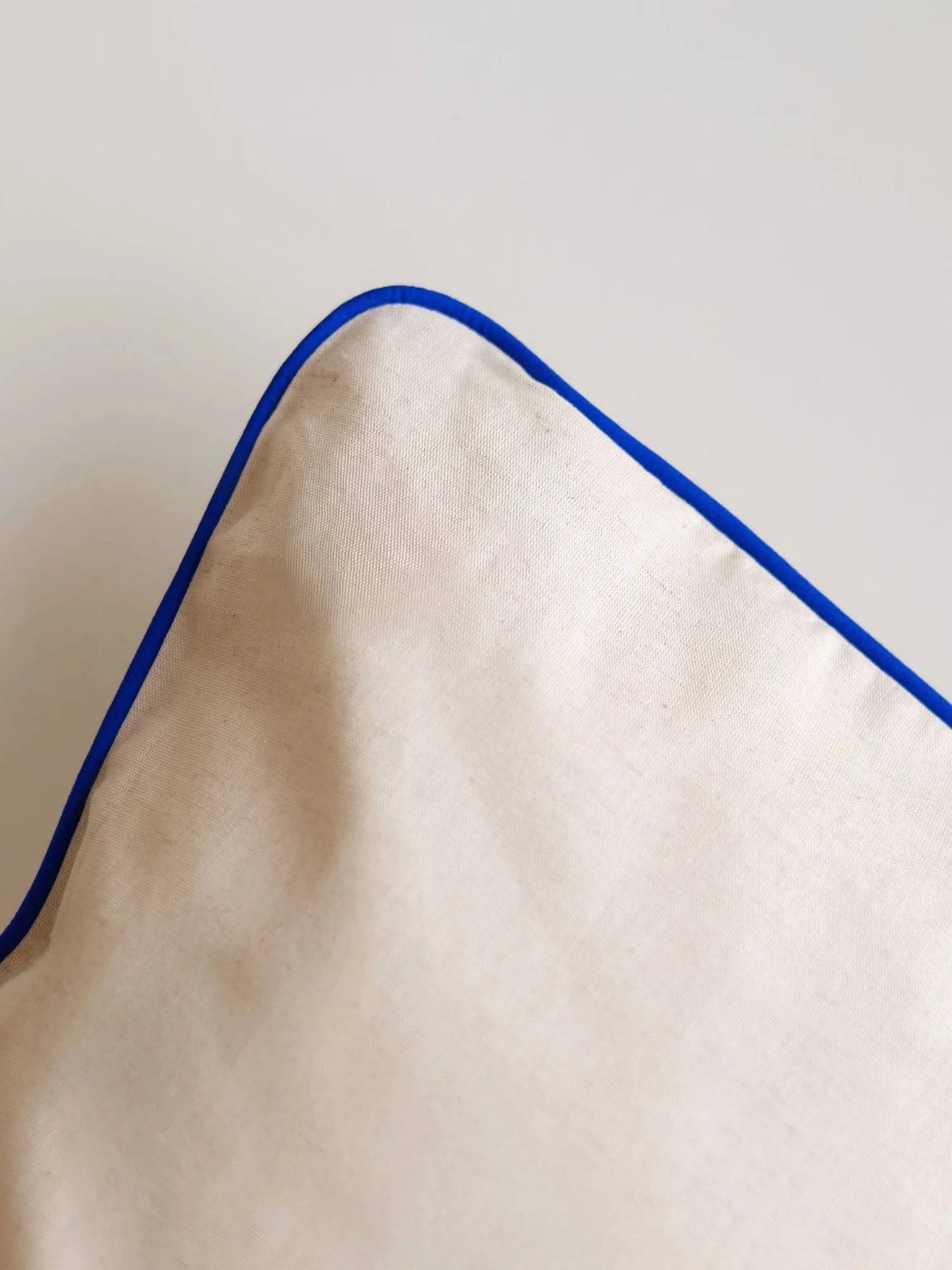
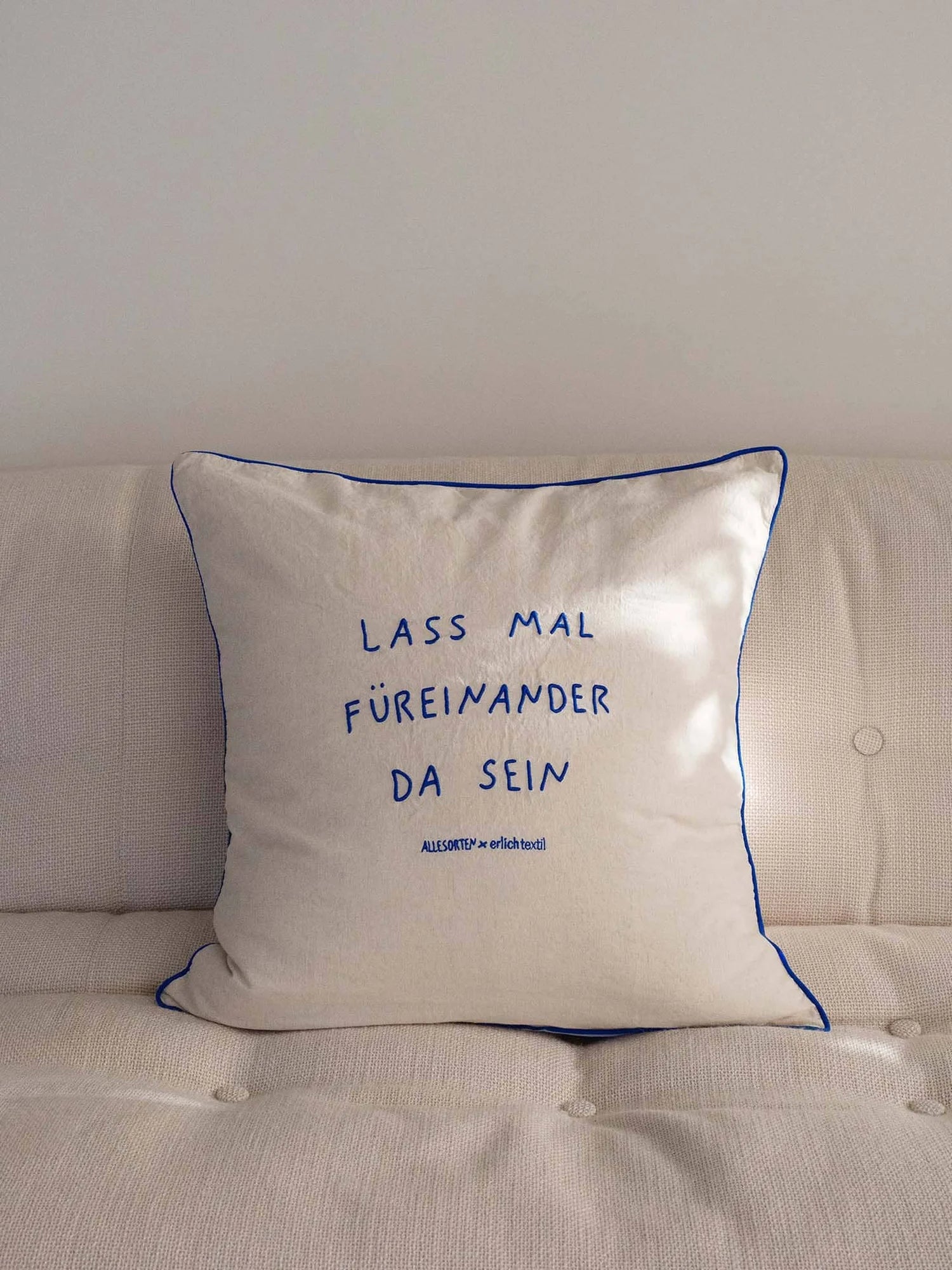
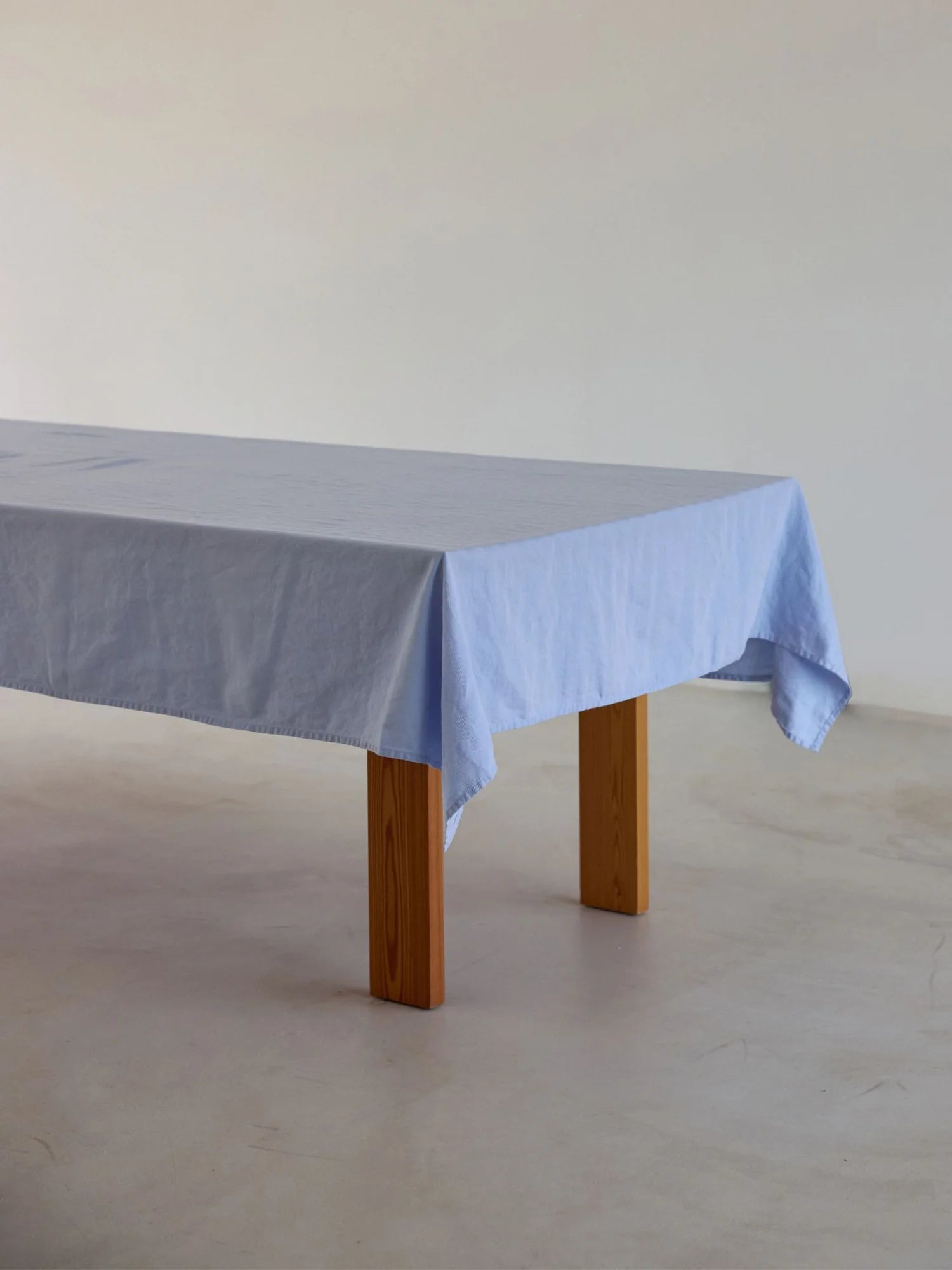
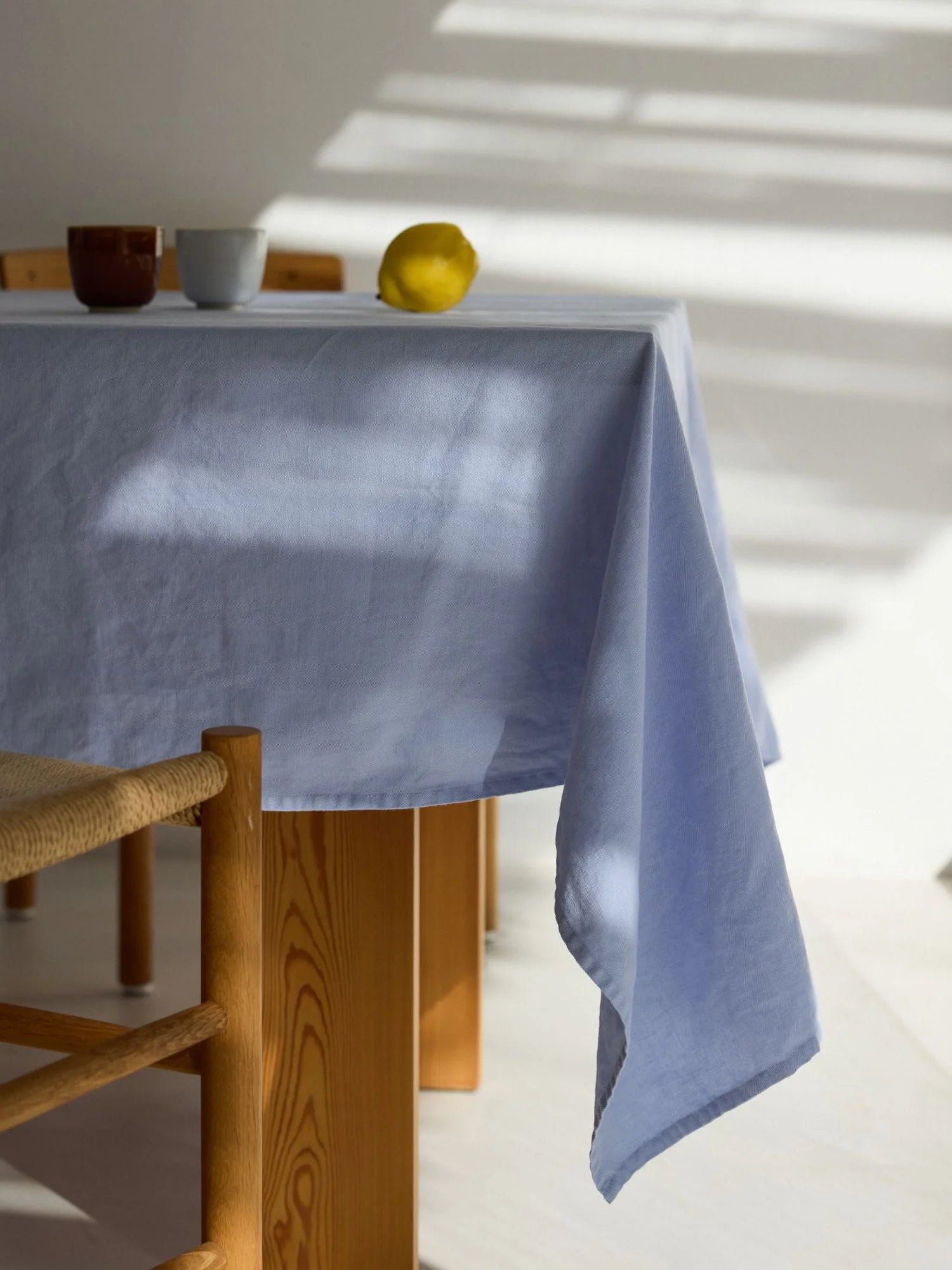
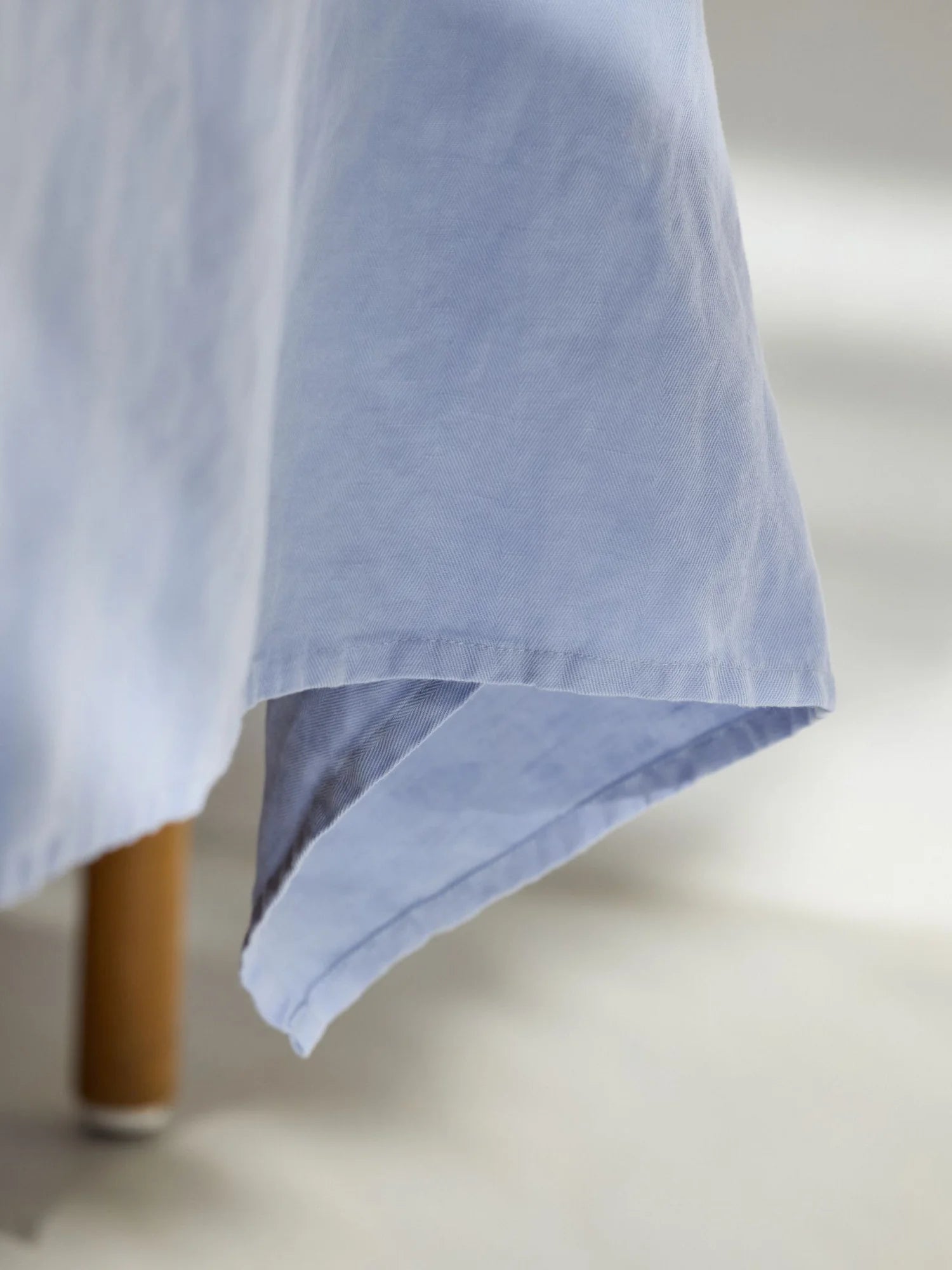
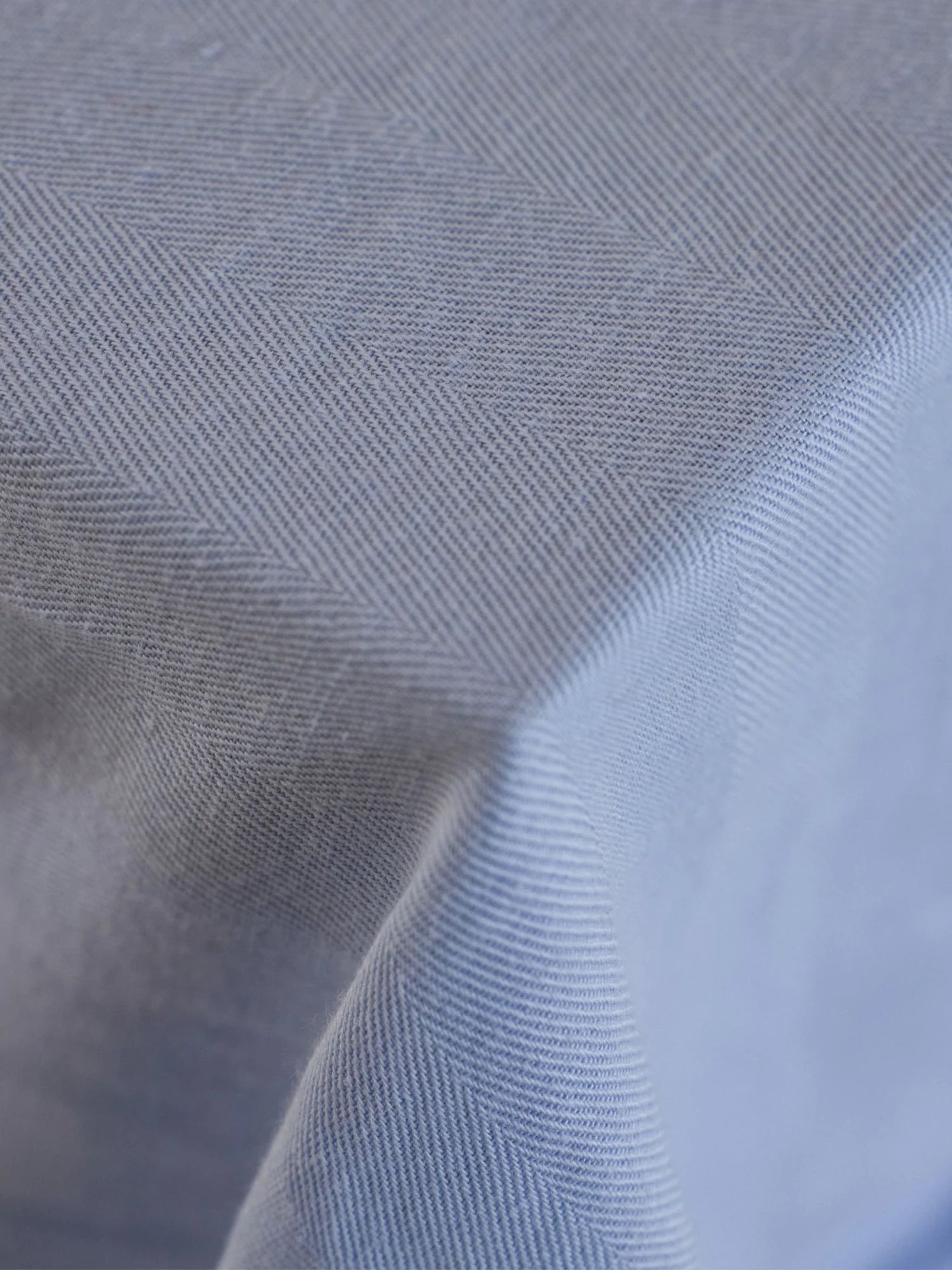
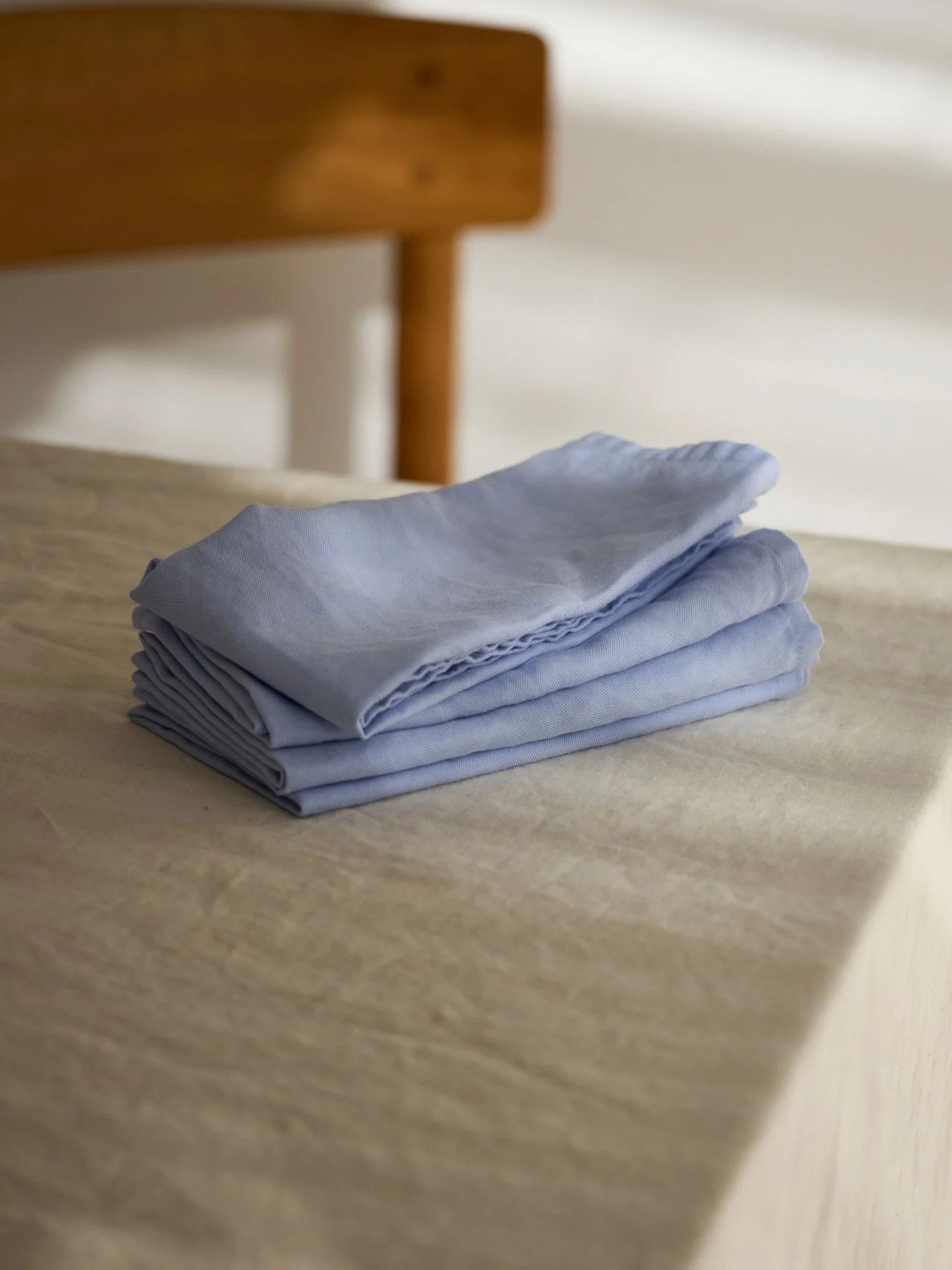
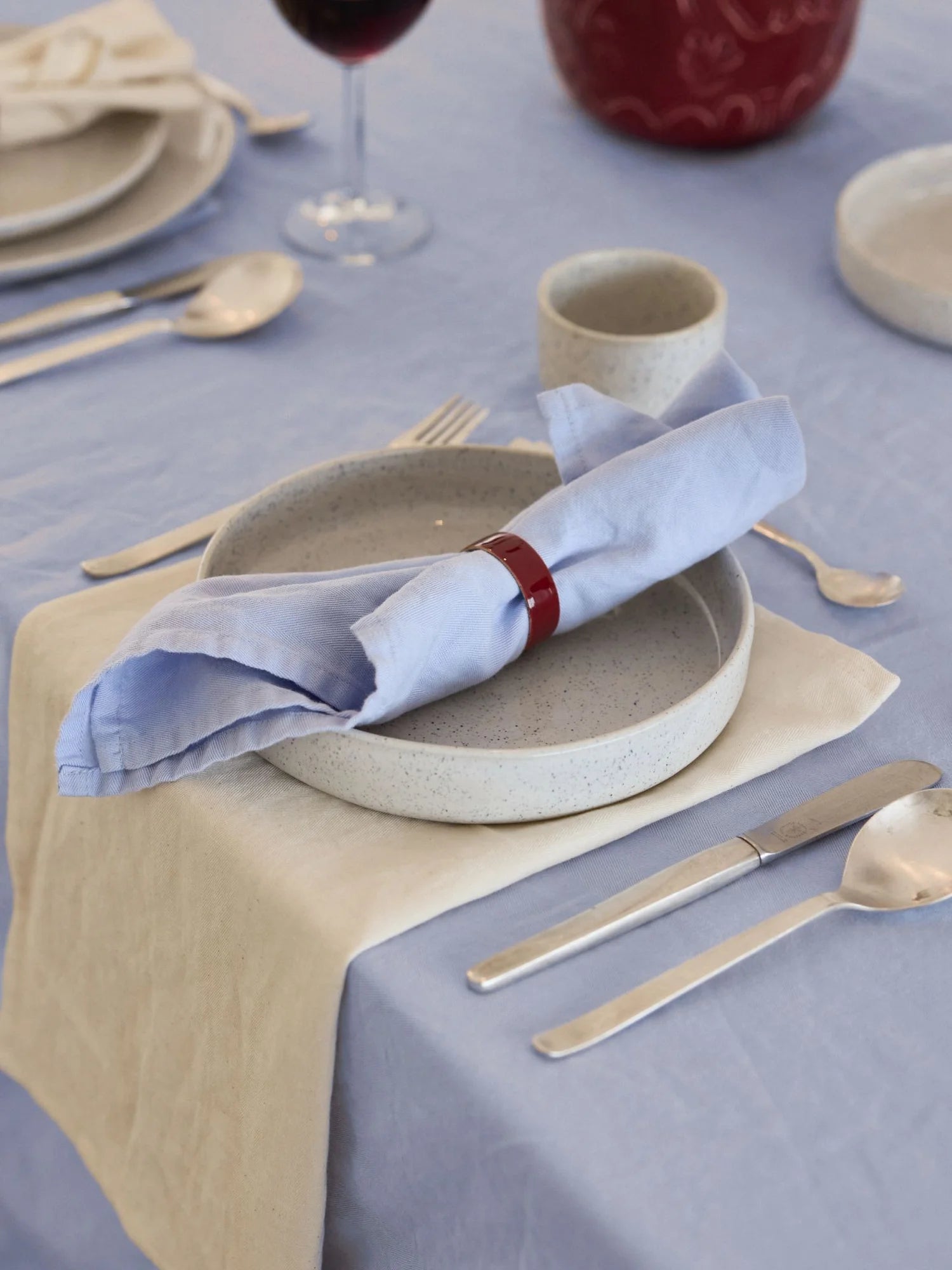
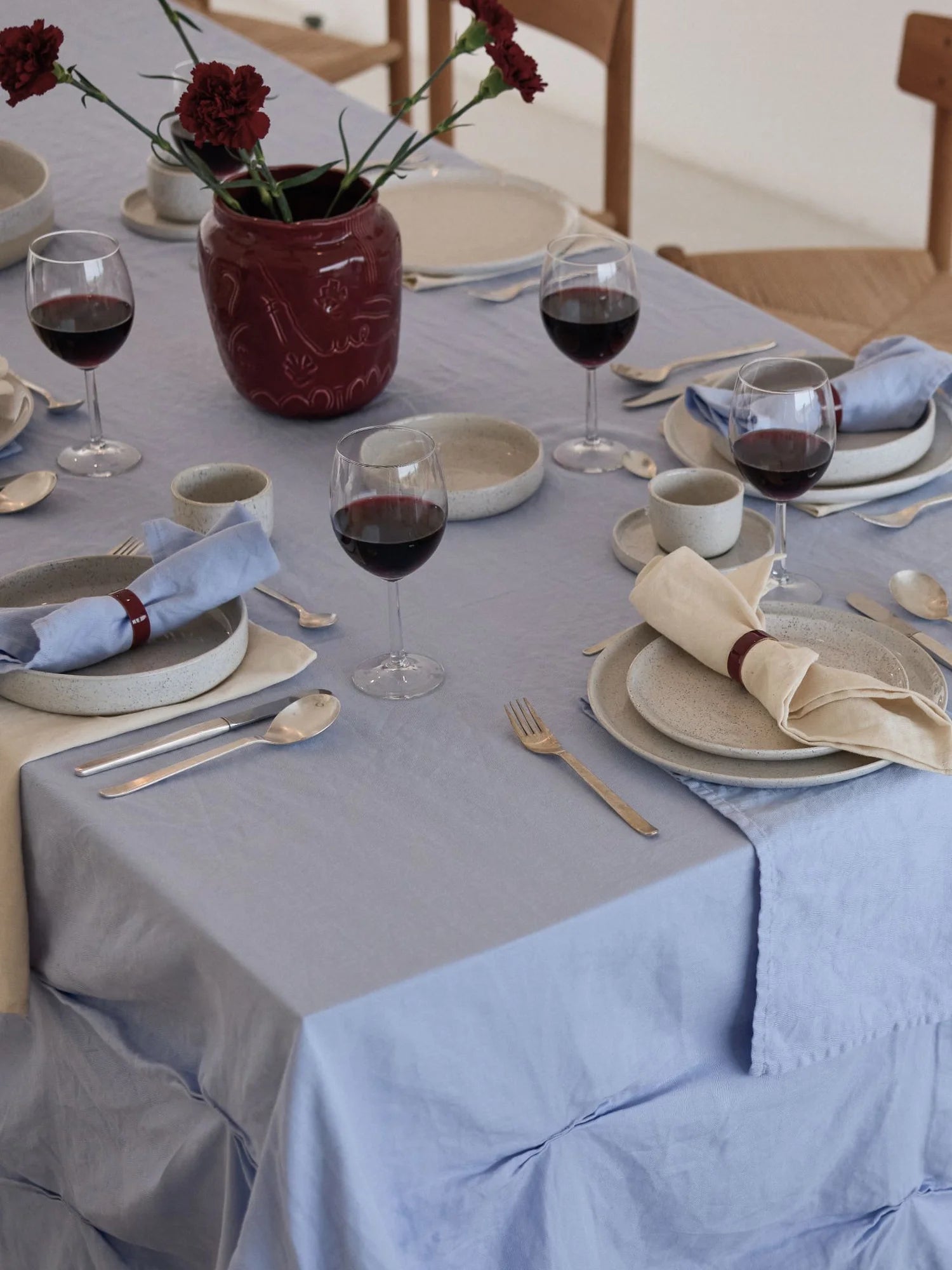
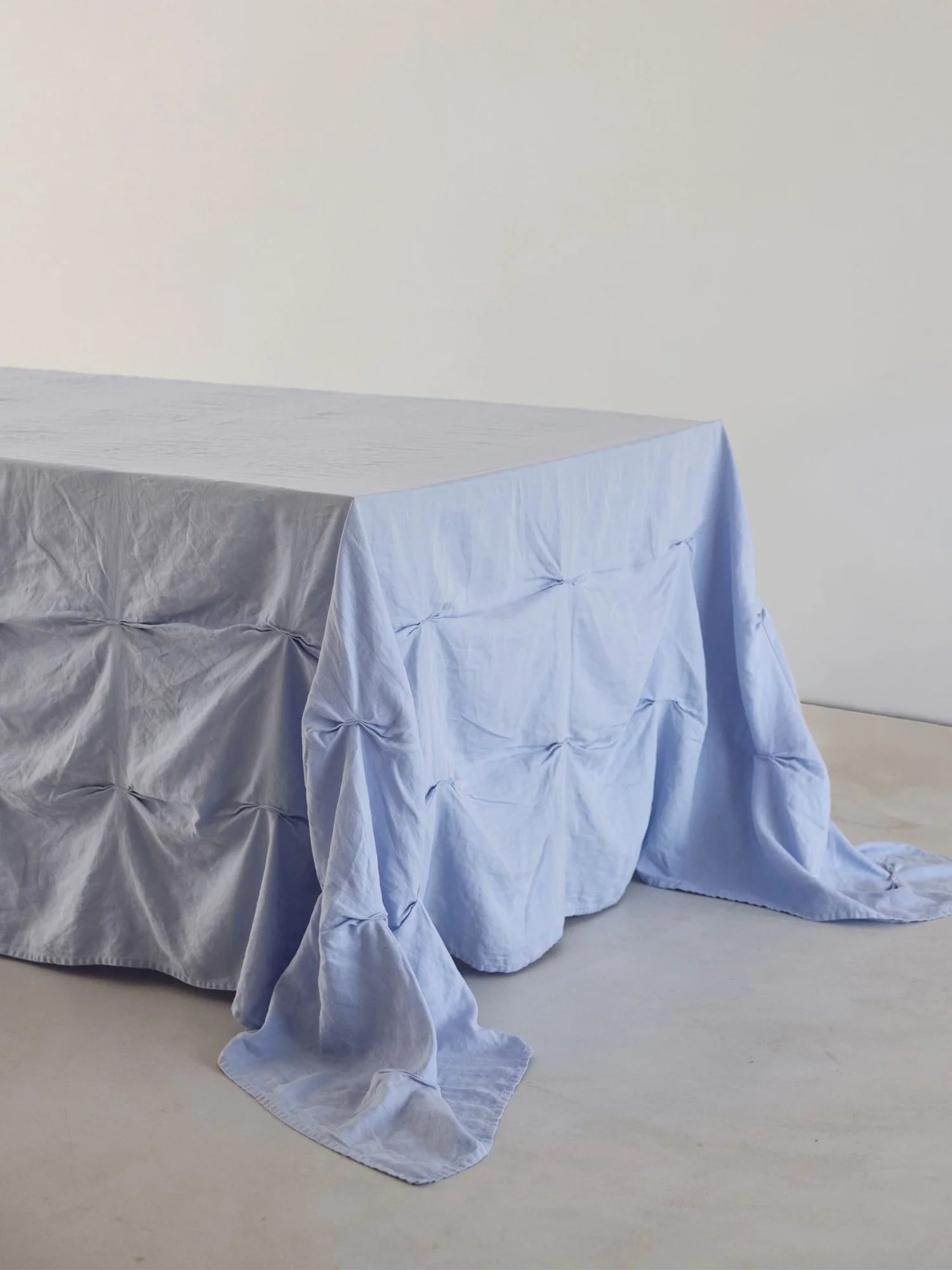
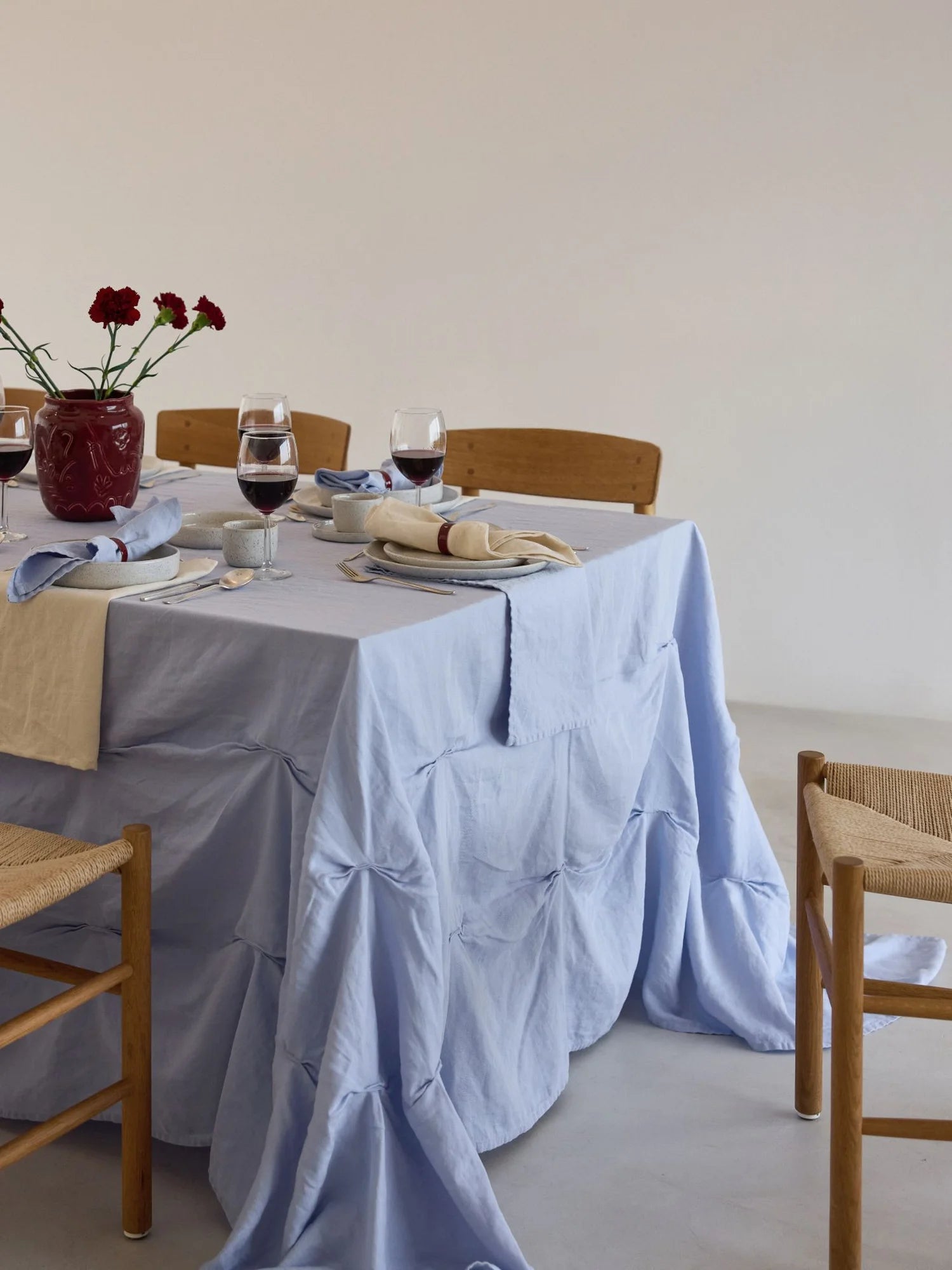
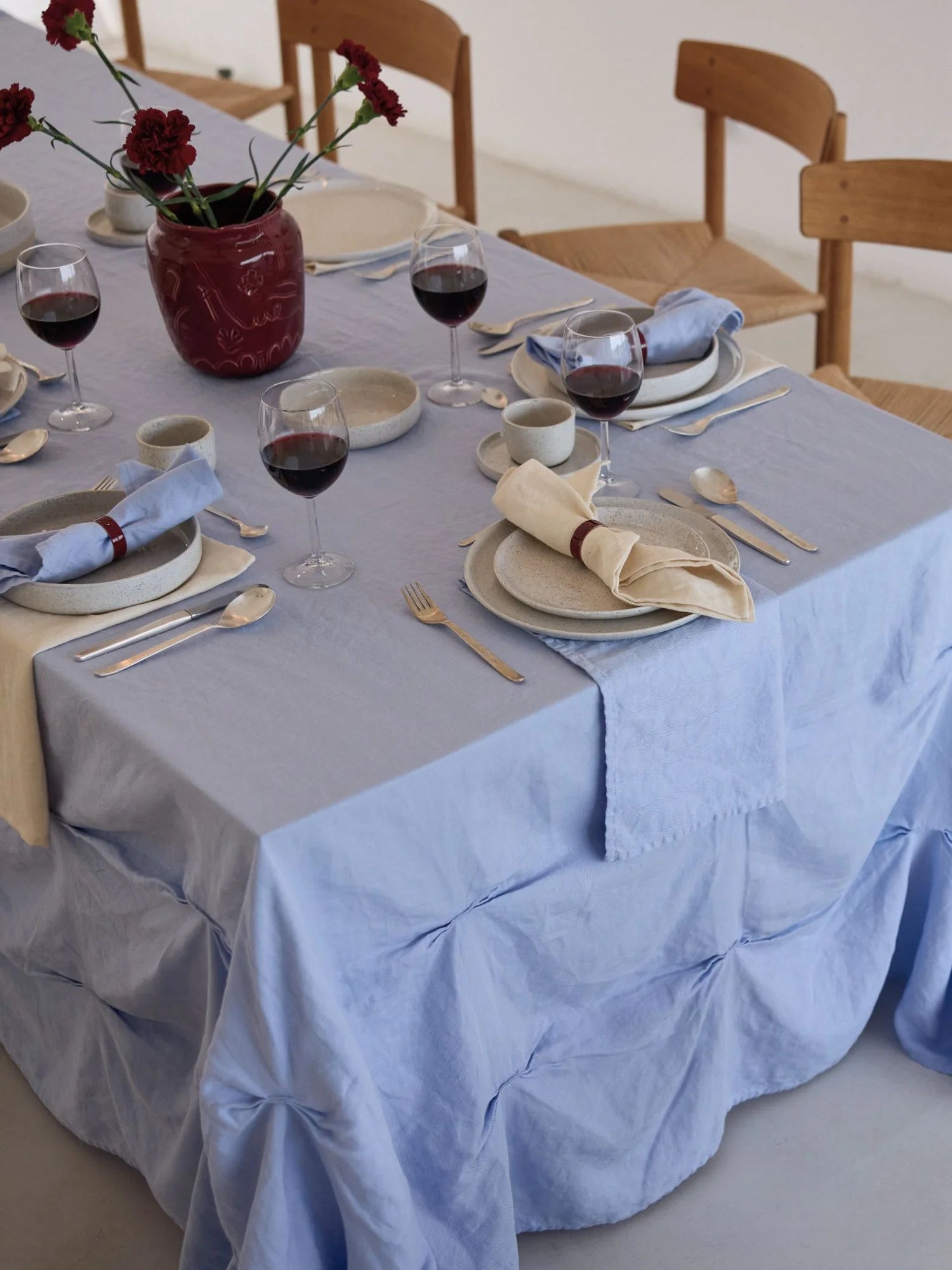
We use European linen, which our producer in Portugal processes into home textiles. This is used to create our tablecloths, napkins, and our bed linen – which is made from linen and high-quality organic cotton.



Proper linen care
Washing:
Undyed linen can withstand temperatures up to 95 °C – good for bedding to combat germs. Do not wash dyed linen fabrics above 40 °C. Gentle cycle with a maximum of 600 revolutions, no fabric softener. Expect up to 5% shrinkage during the first wash – therefore, do the first wash at 30 °C. When handwashing linen, do not rub, only gently squeeze.
Drying:
Do not tumble dry – linen fibers do not tolerate friction. Hang on the clothesline, then you will enjoy your linen products for a long time.
Ironing:
Linen creases naturally. It is best to remove textiles from the line before they are completely dry and iron them immediately. Alternatively, lightly spray them with water before ironing. With bed linen, creases are often even desired – that's part of the linen charm.
