


Q-NOVA®: Sustainable Lace Made from Recycled Nylon
Q-NOVA® by Fulgar is a mechanically manufactured fiber made from recycled nylon 6.6. Production waste, which would otherwise end up in landfill, forms the basis for our sustainable lace lingerie – certified with GRS, EU Ecolabel and OEKO-TEX Standard 100.

Q-NOVA® by Fulgar is made from over 50% recycled nylon 6.6. The starting material consists of scraps from Fulgar's main production in Italy, which are mechanically melted down, regenerated, and returned to polymer form. The result: a silky soft fiber from which our sustainable lace is created.
Properties of Q-NOVA®
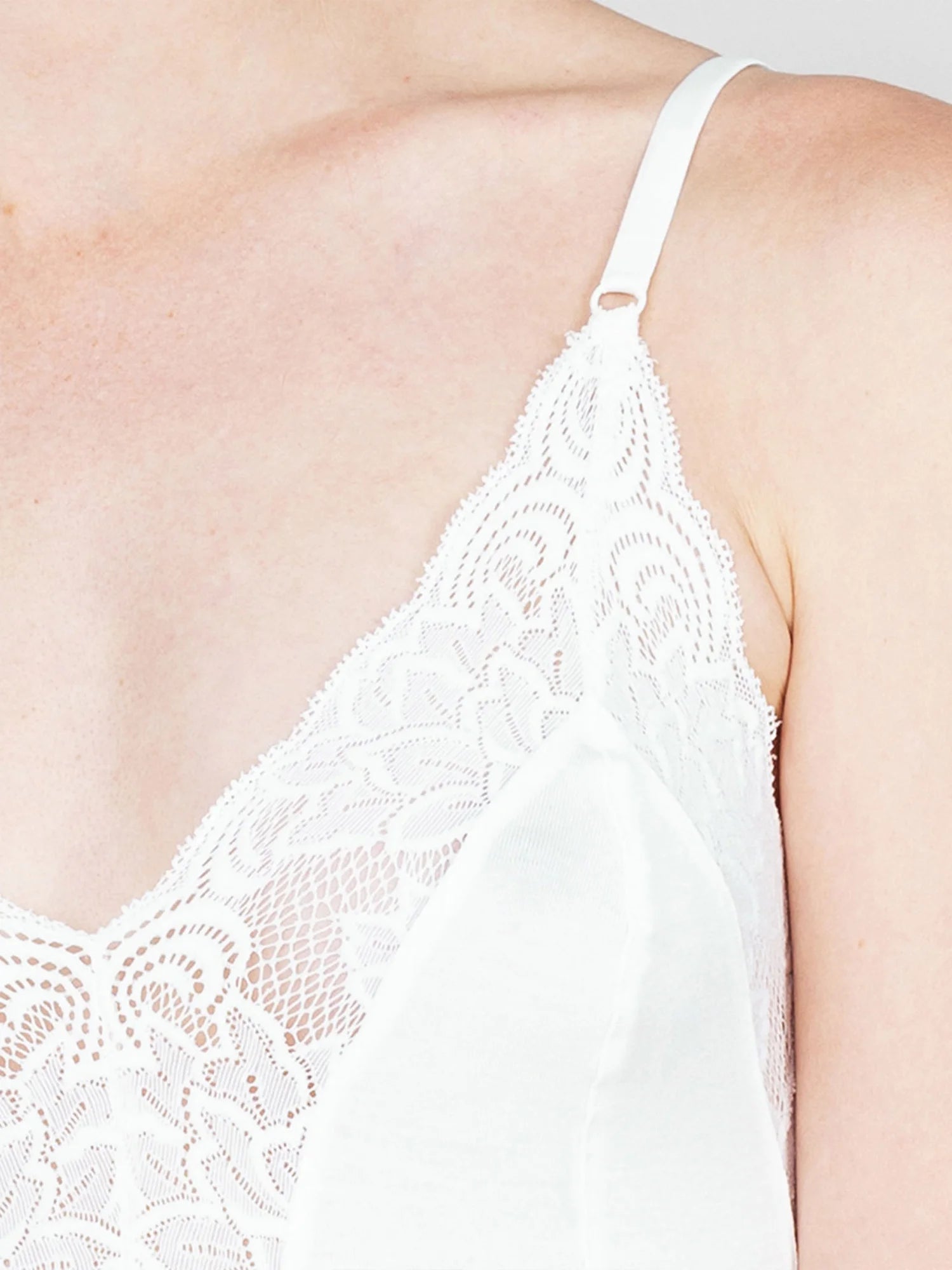
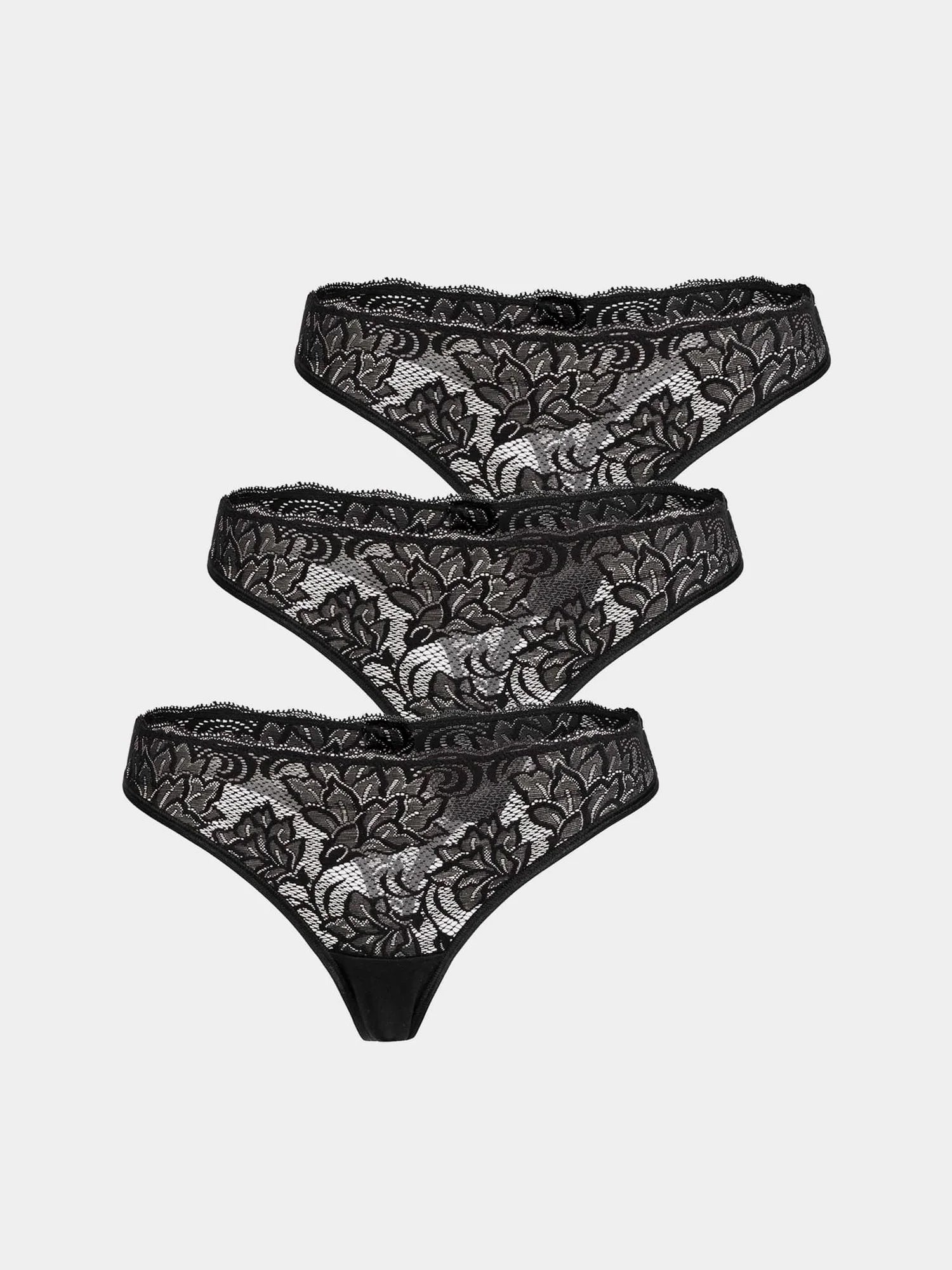
Q-NOVA® is characterized by a silky-soft material surface, which is perfect for lace underwear:
- Silky soft and pleasant on the skin
- Slightly stretchable for an optimal fit
- Breathable and moisture-regulating
- GRS, EU Ecolabel and OEKO-TEX Standard 100 certified

How sustainable is Q-NOVA®?
According to Fulgar, Q-NOVA®'s mechanical regeneration process uses less water and generates fewer emissions than the production of conventional nylon. The fiber consists of over 50% recycled material – production waste that would otherwise be disposed of. The entire cycle, from raw material to finished yarn, is subject to strict controls by Fulgar in Italy.
Q-NOVA® at erlich textil
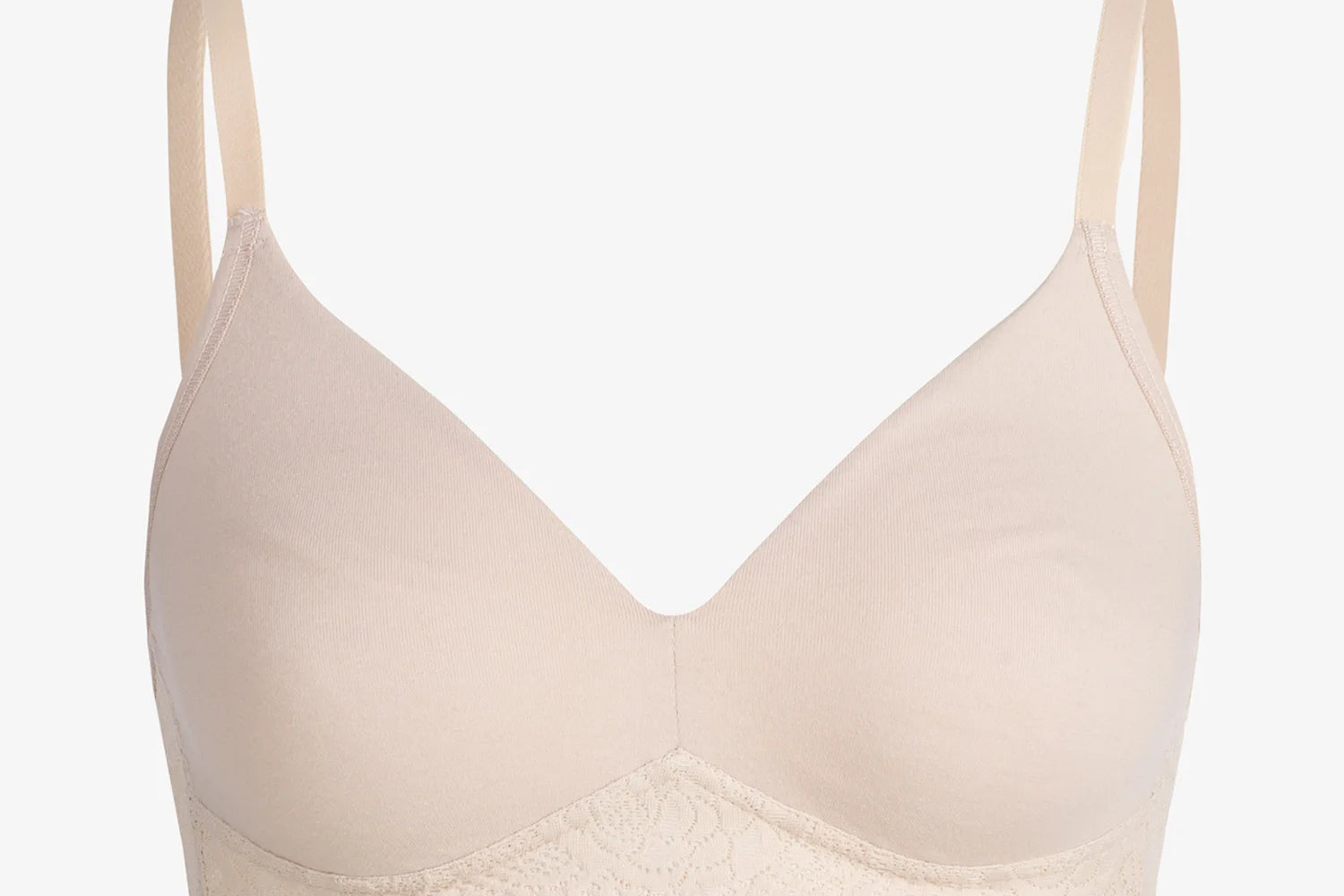
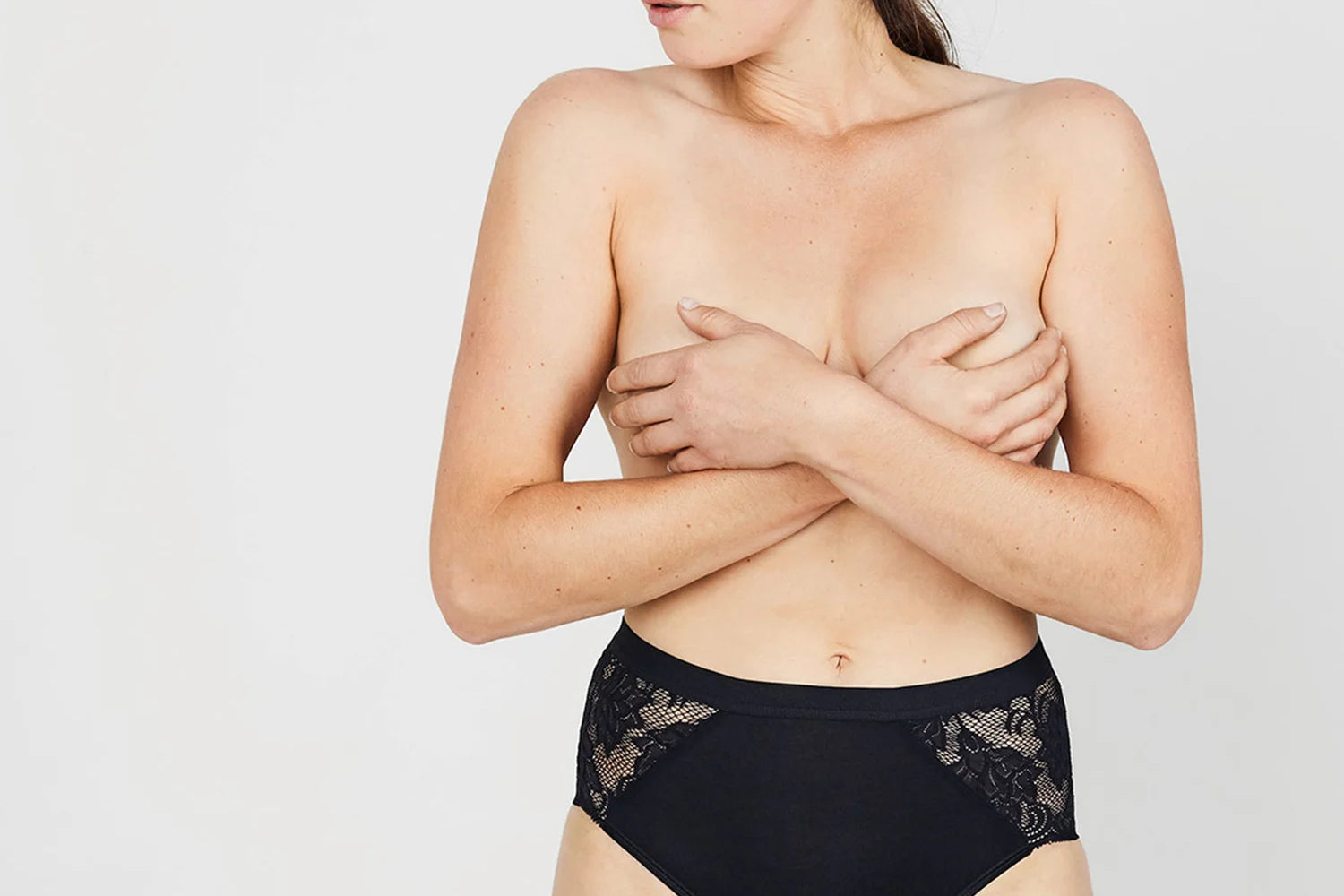
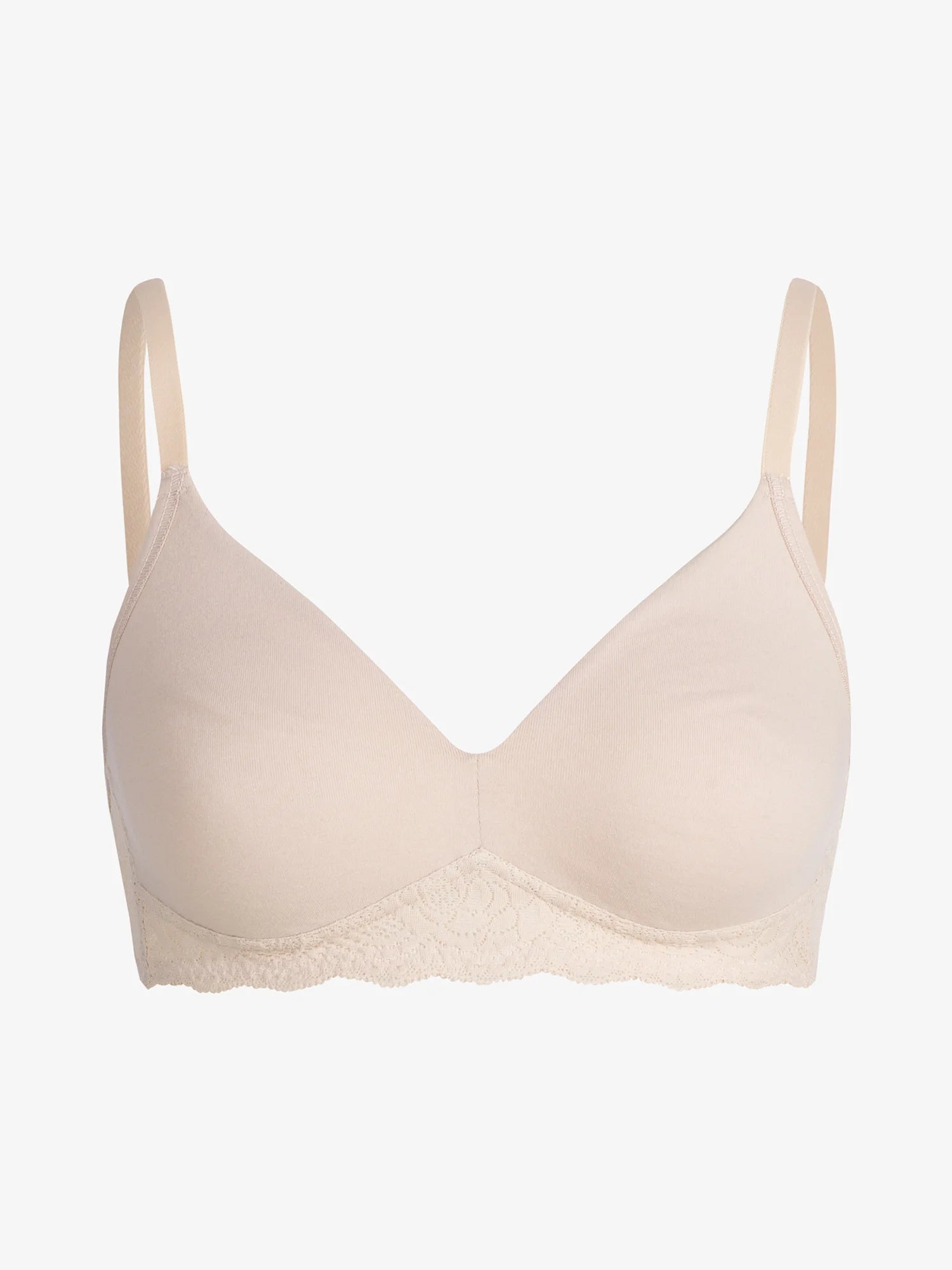
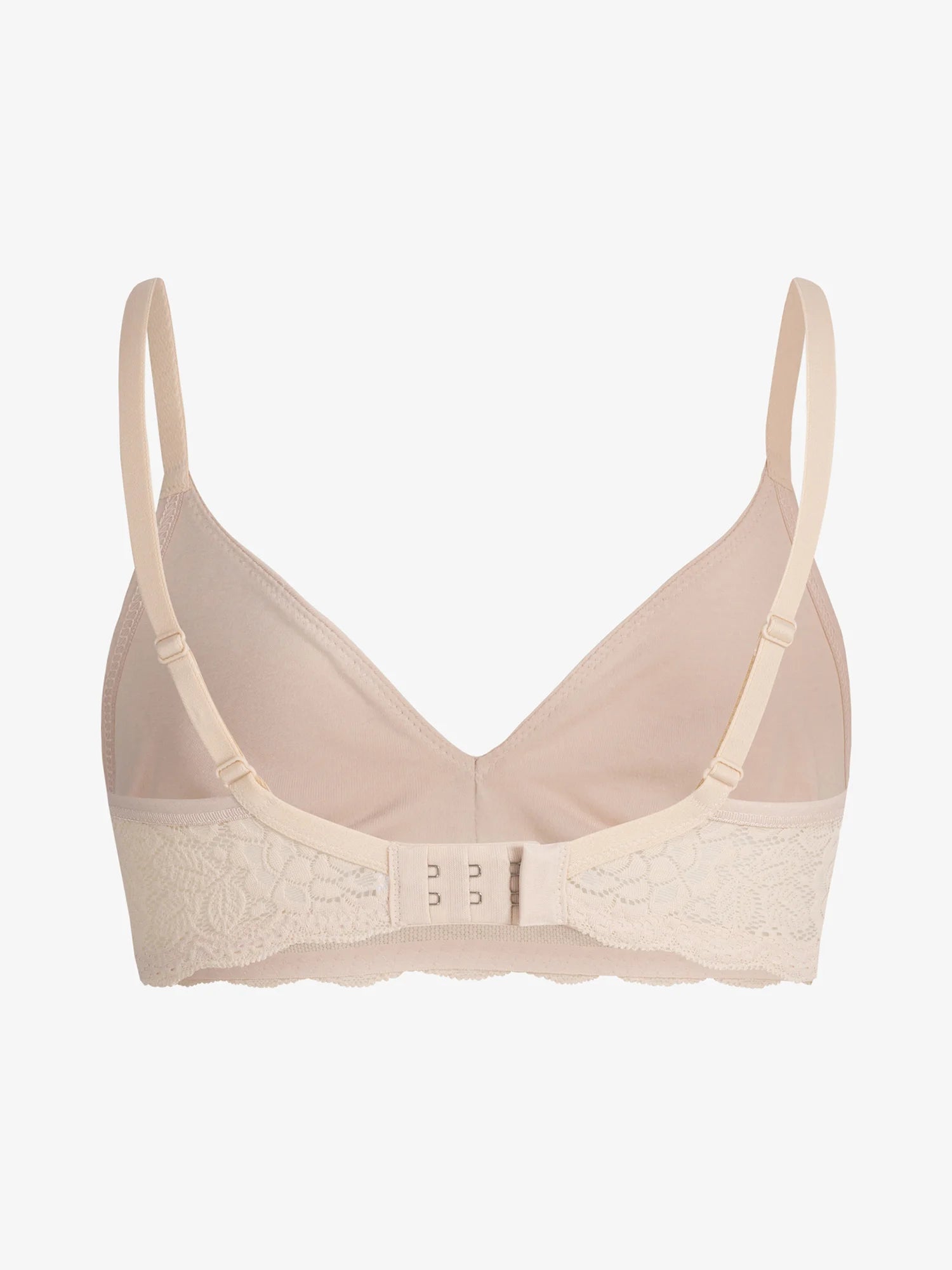
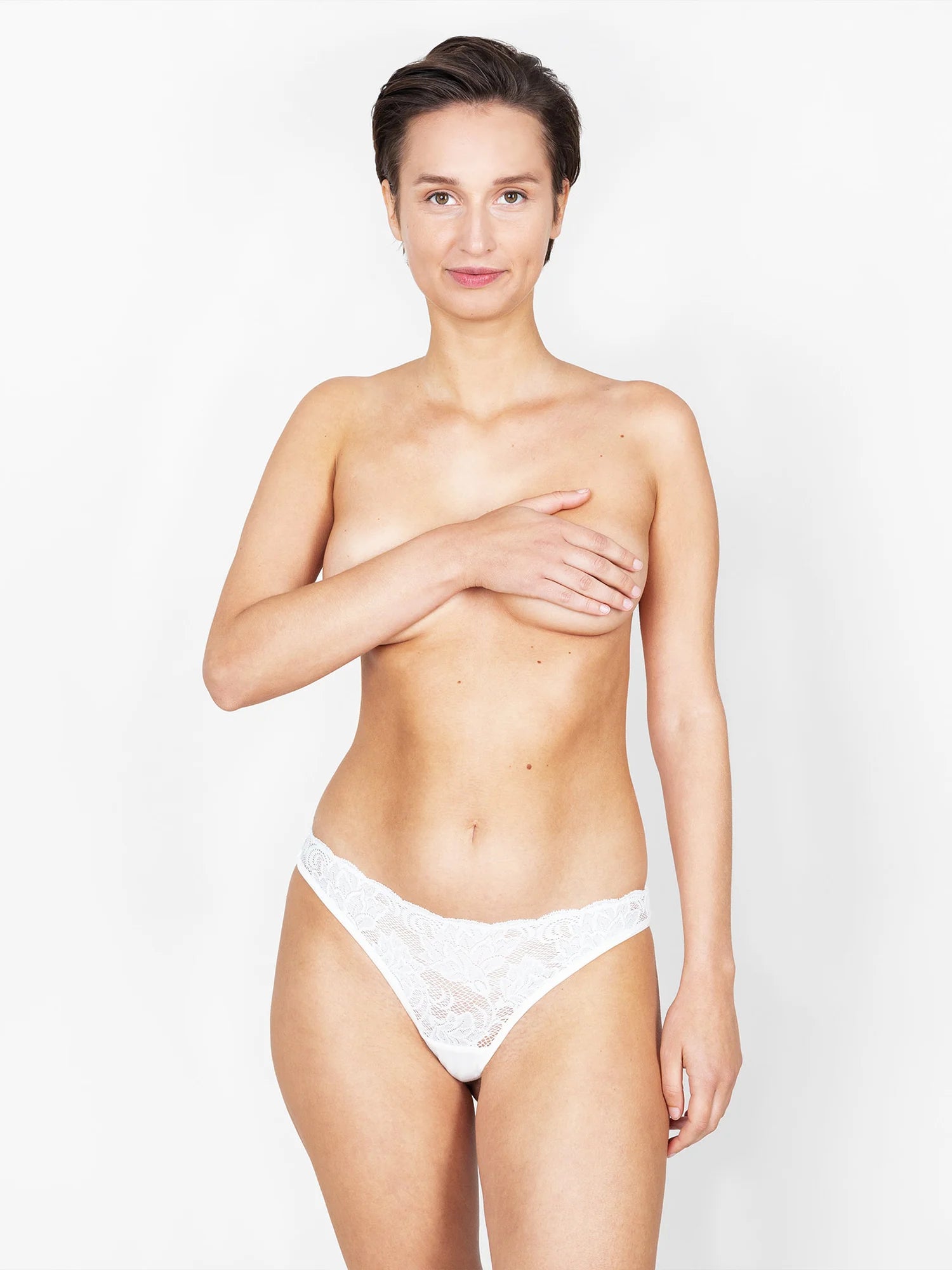
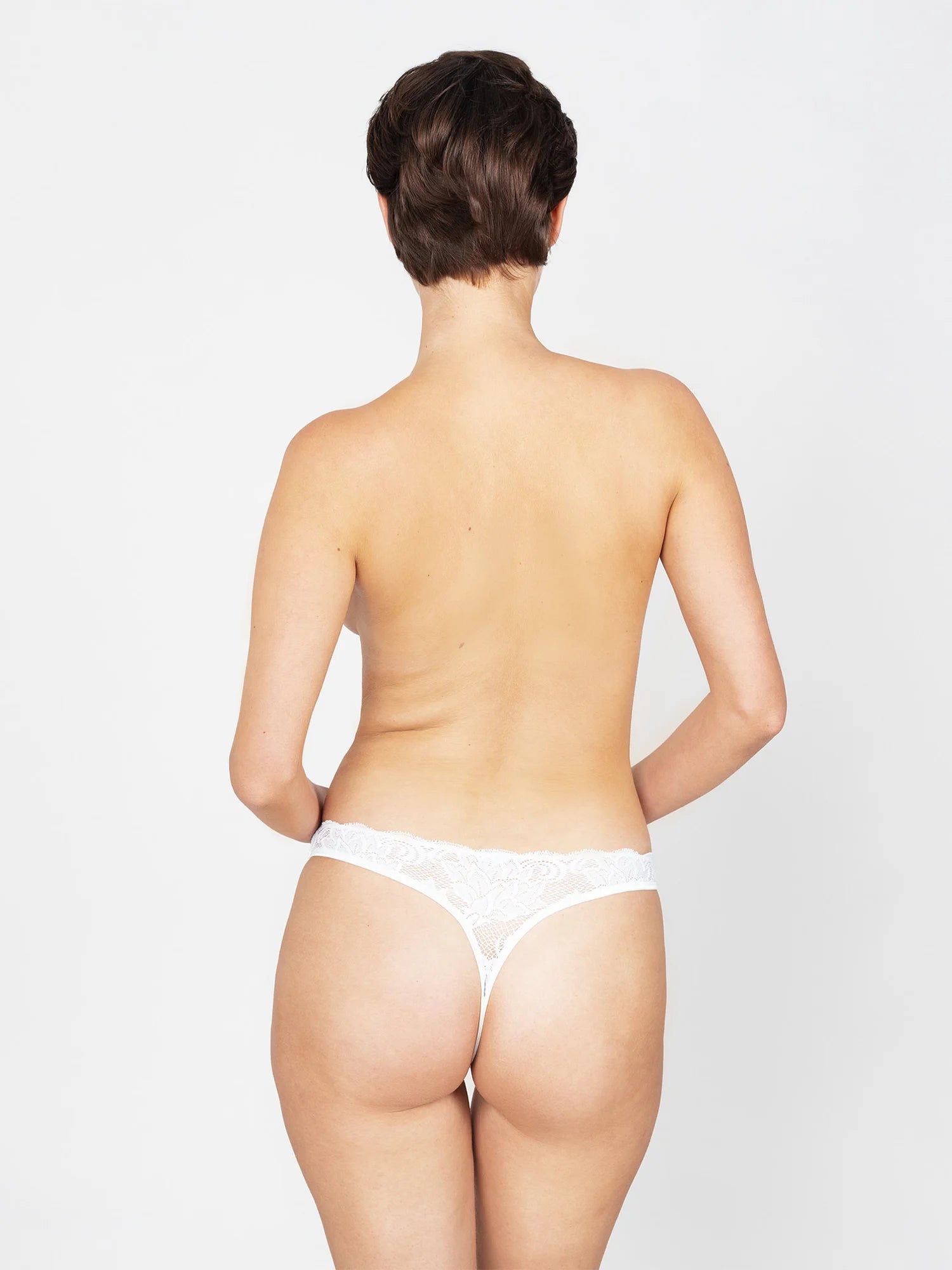
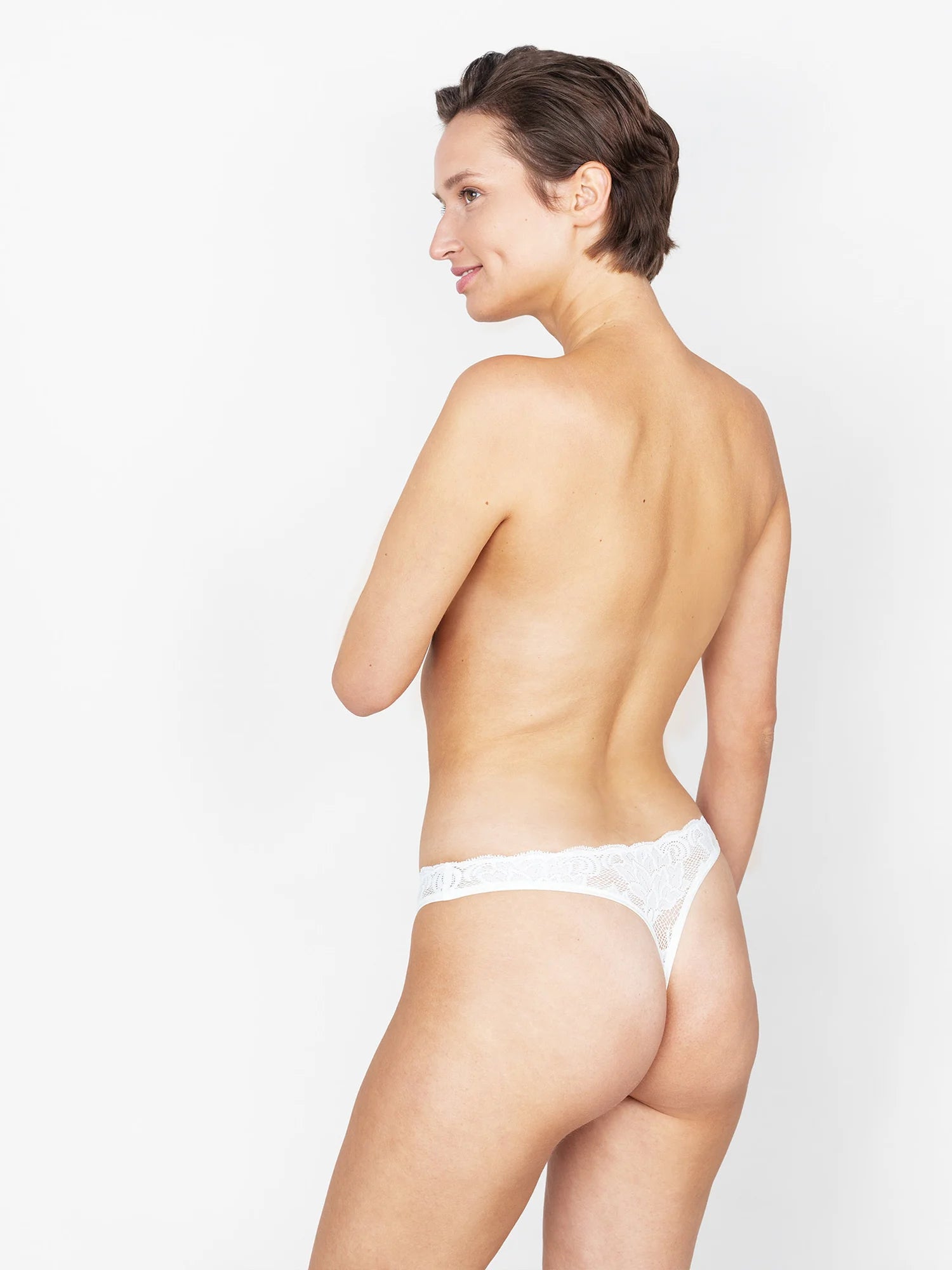
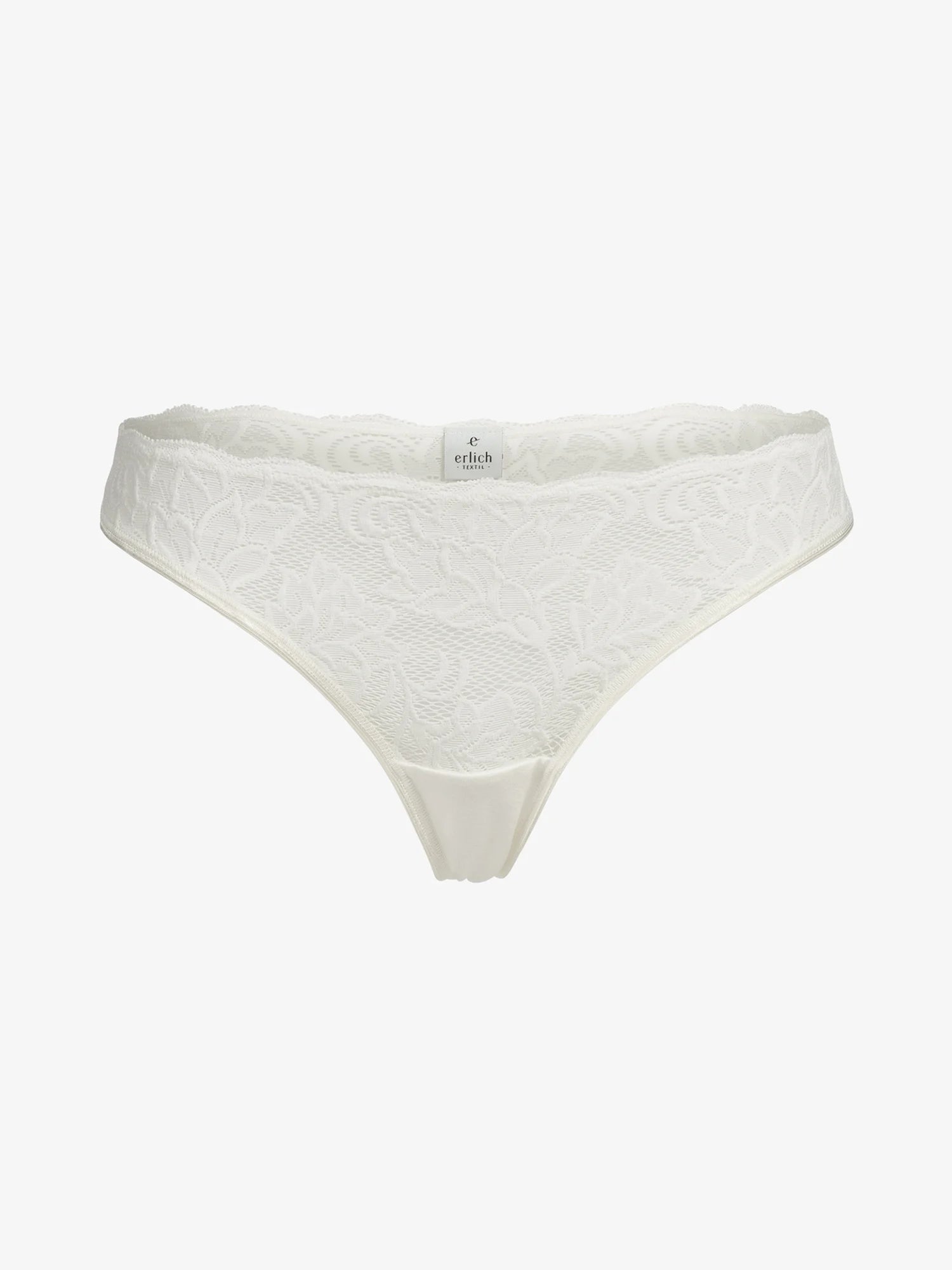
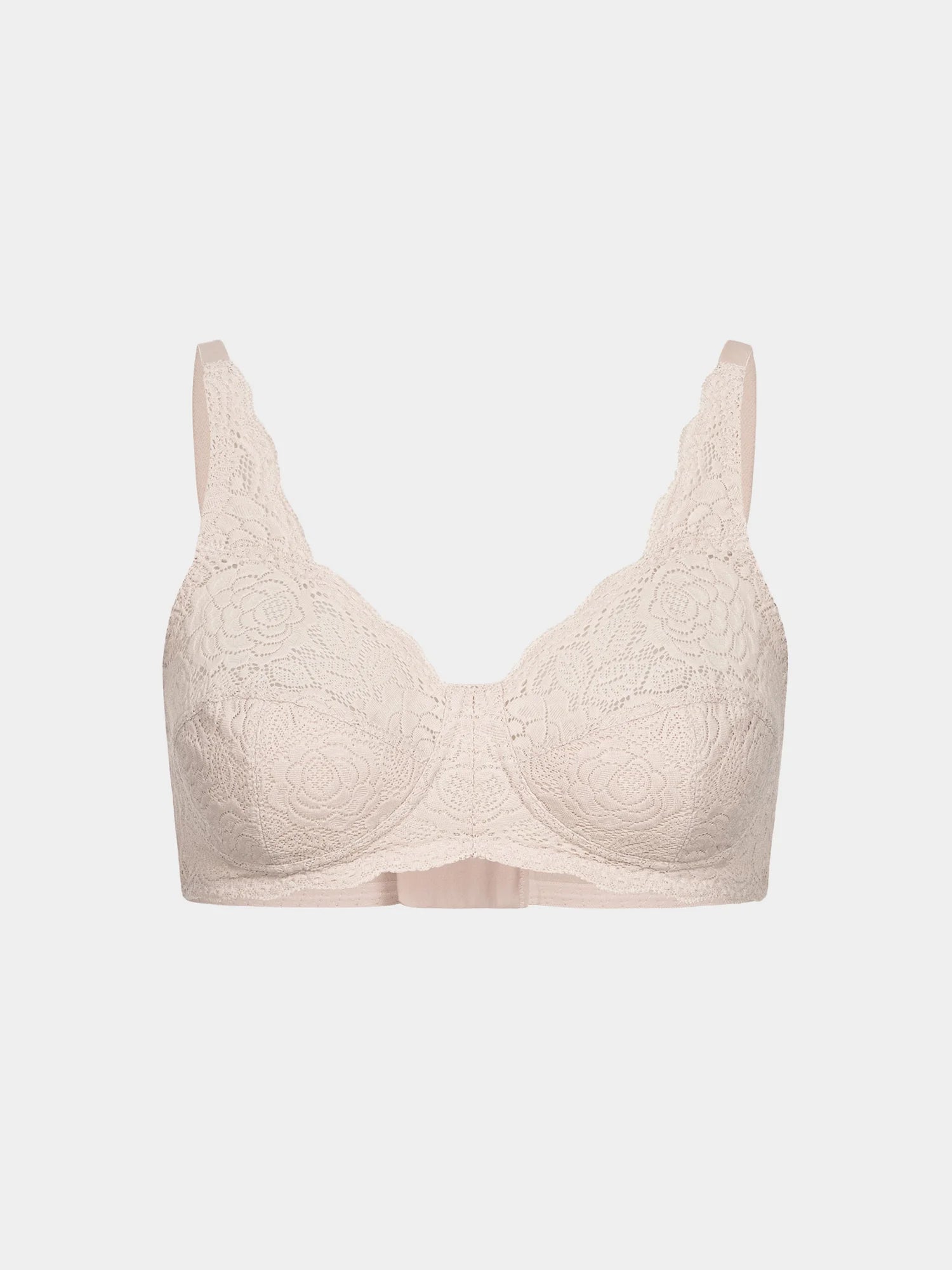
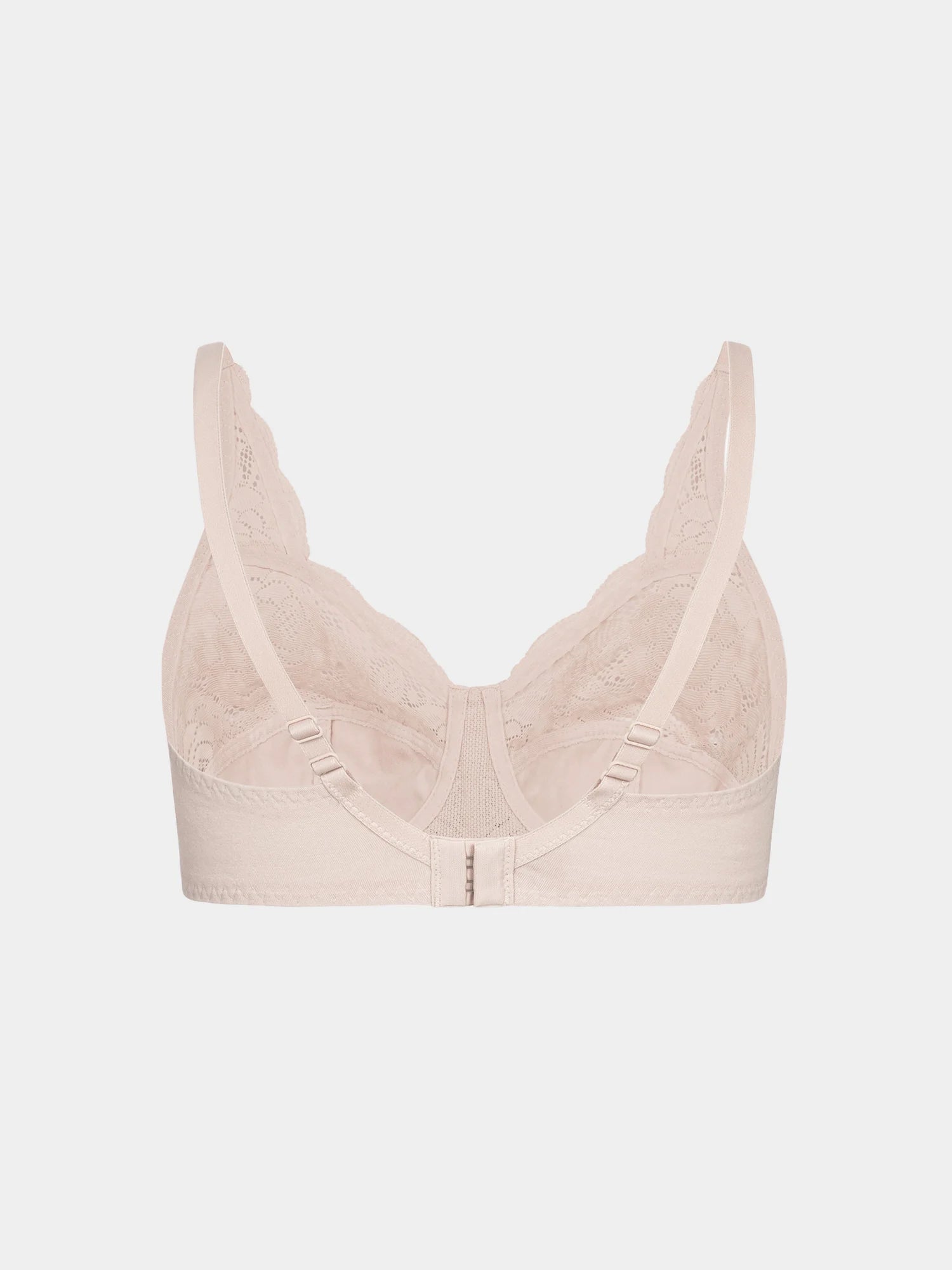
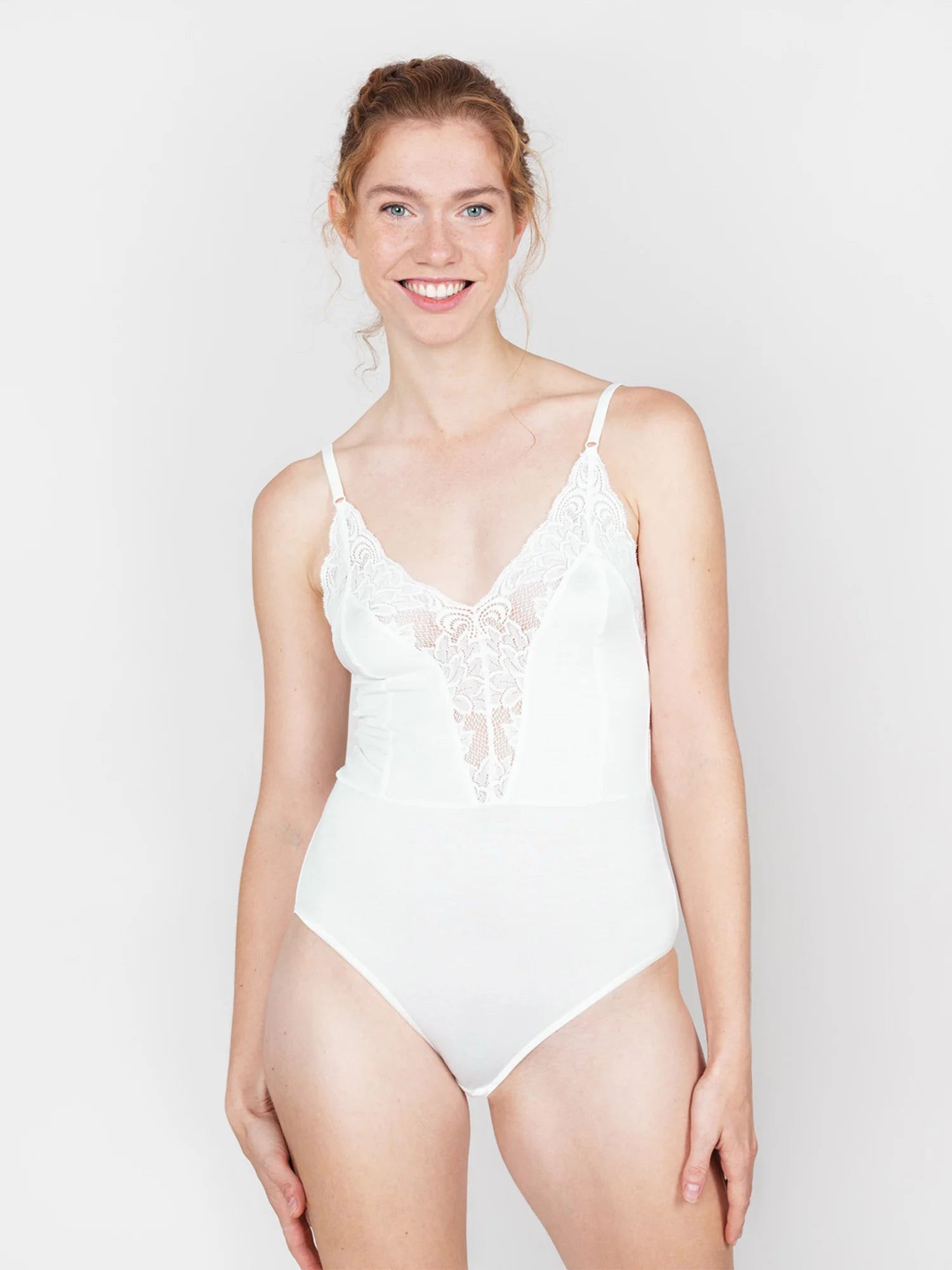
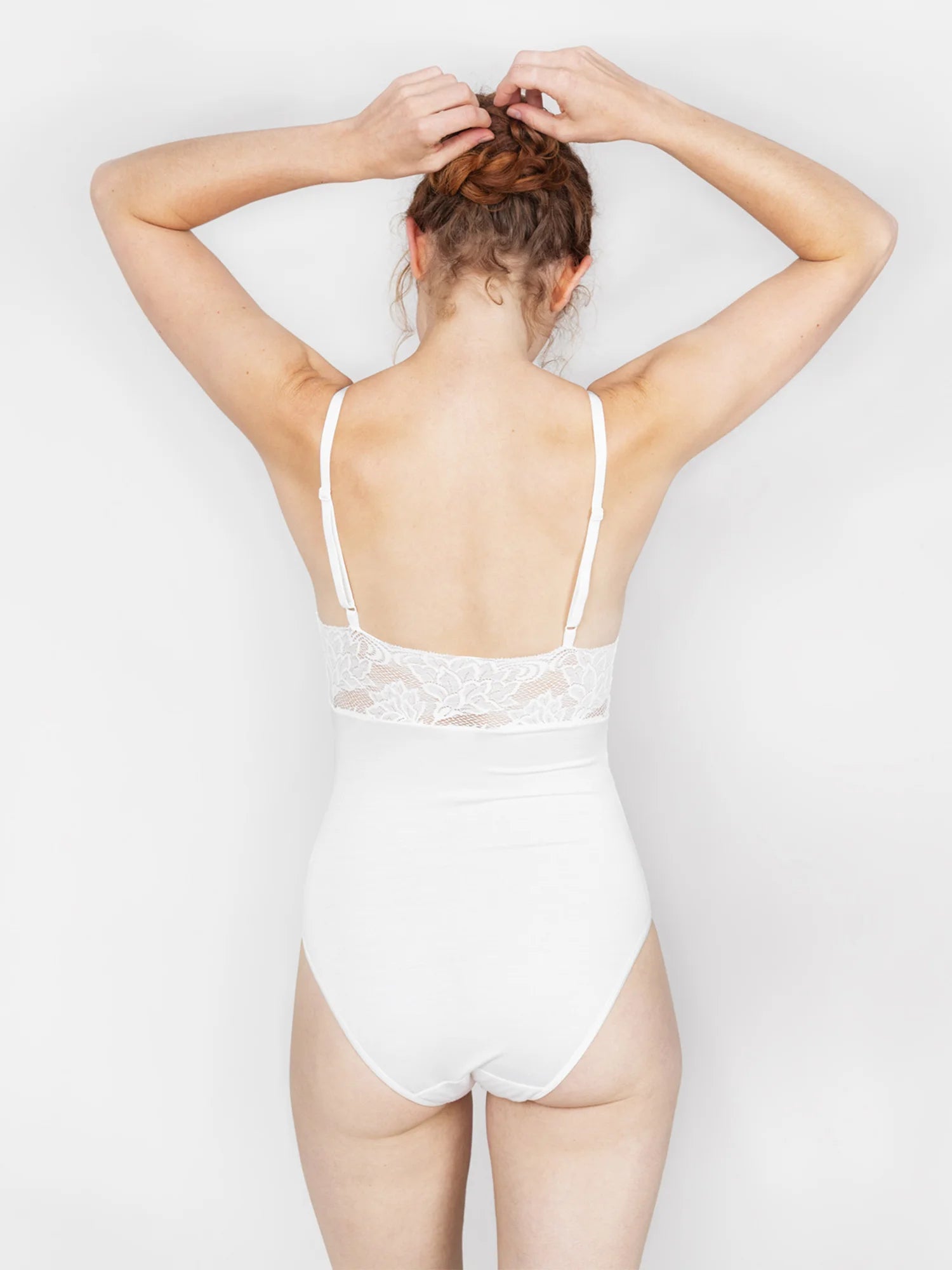
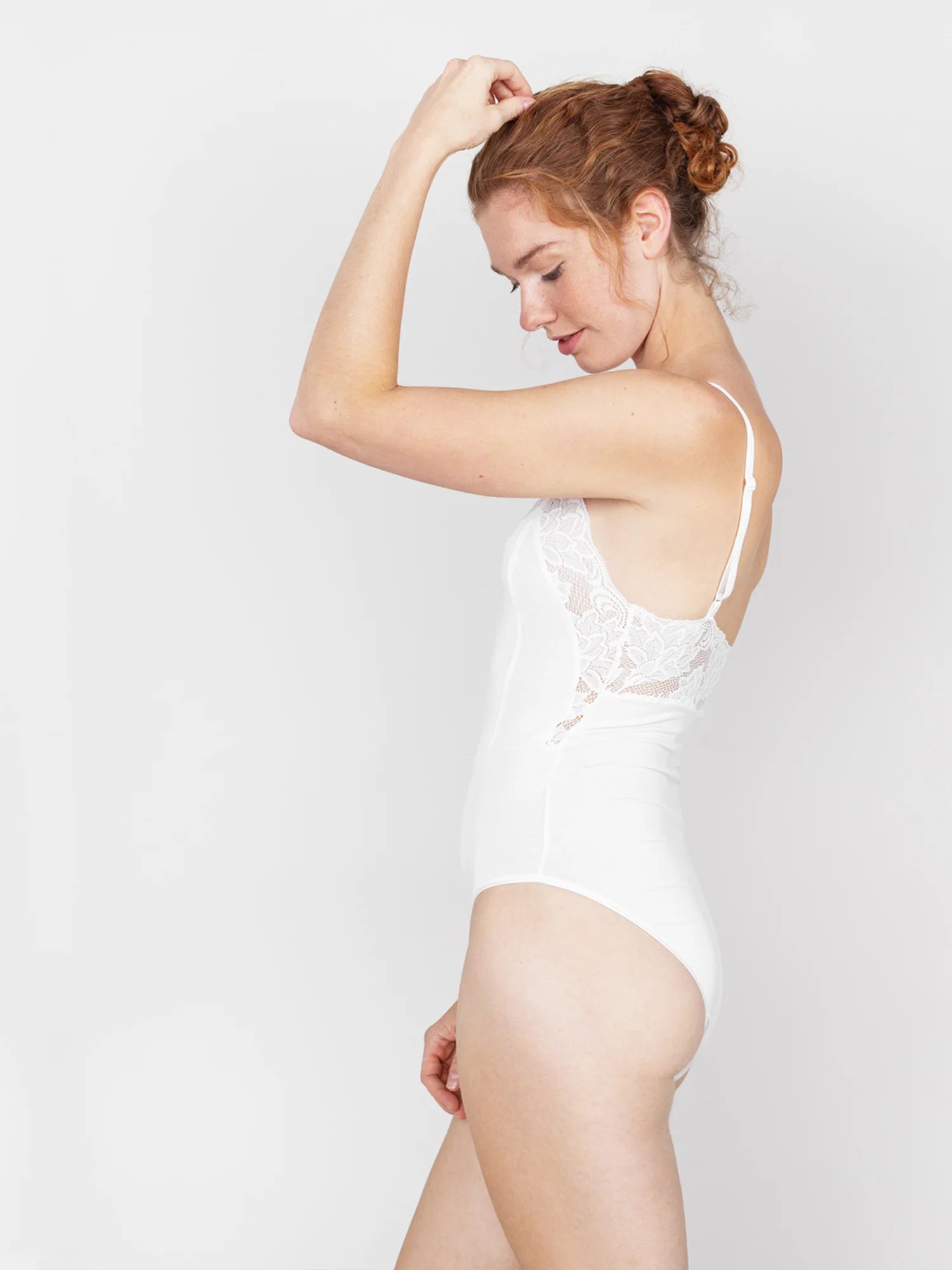
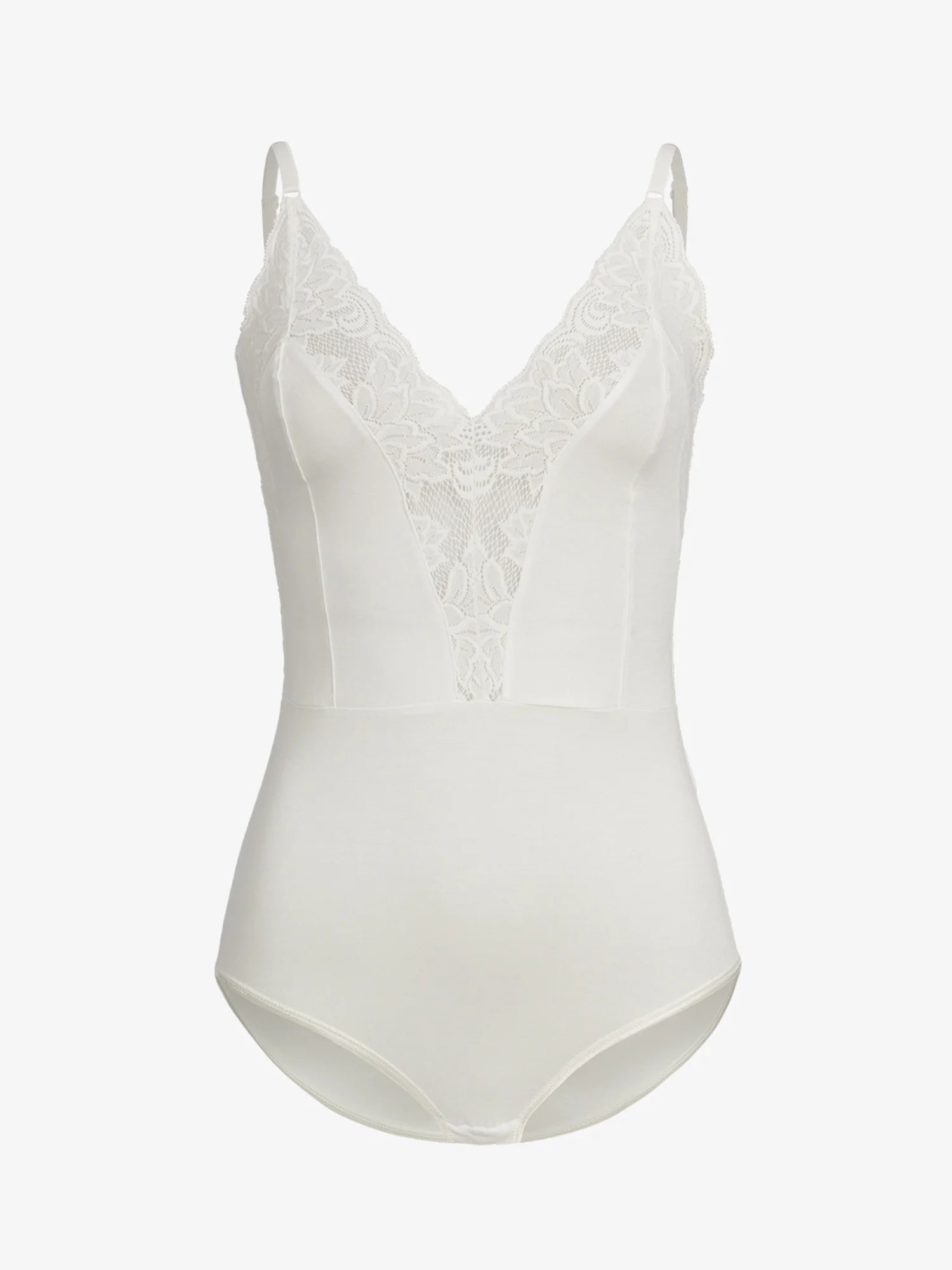
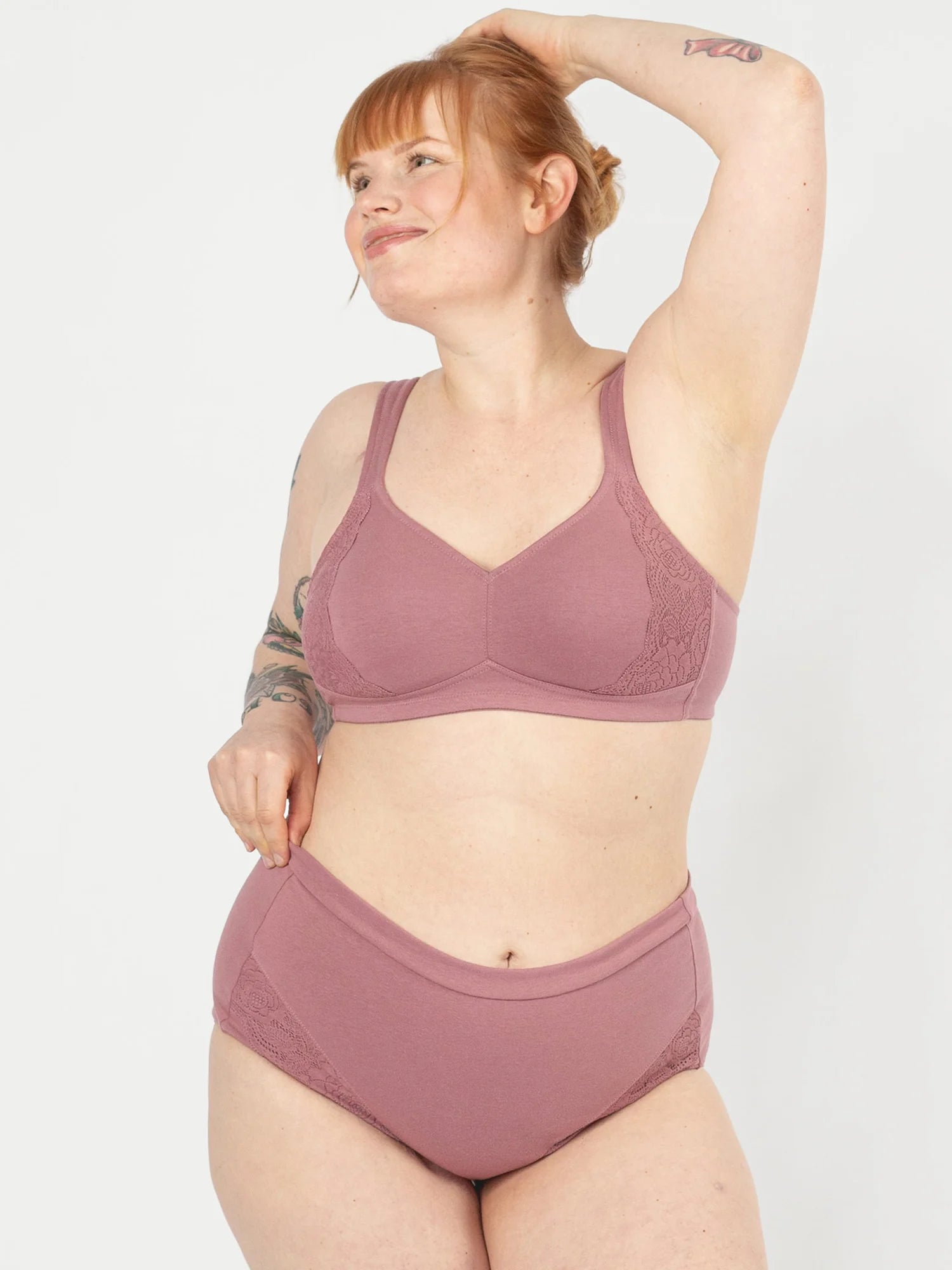
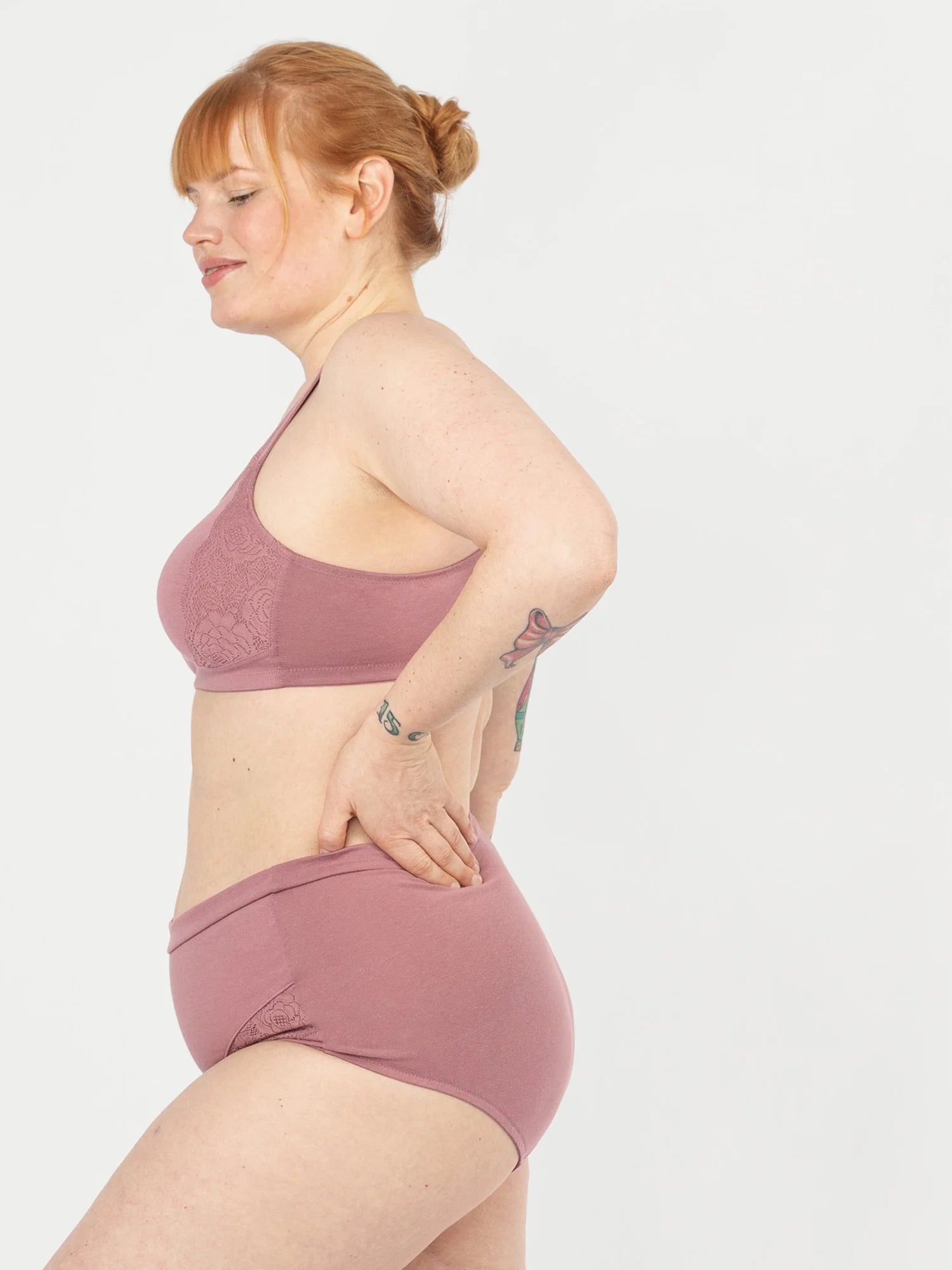
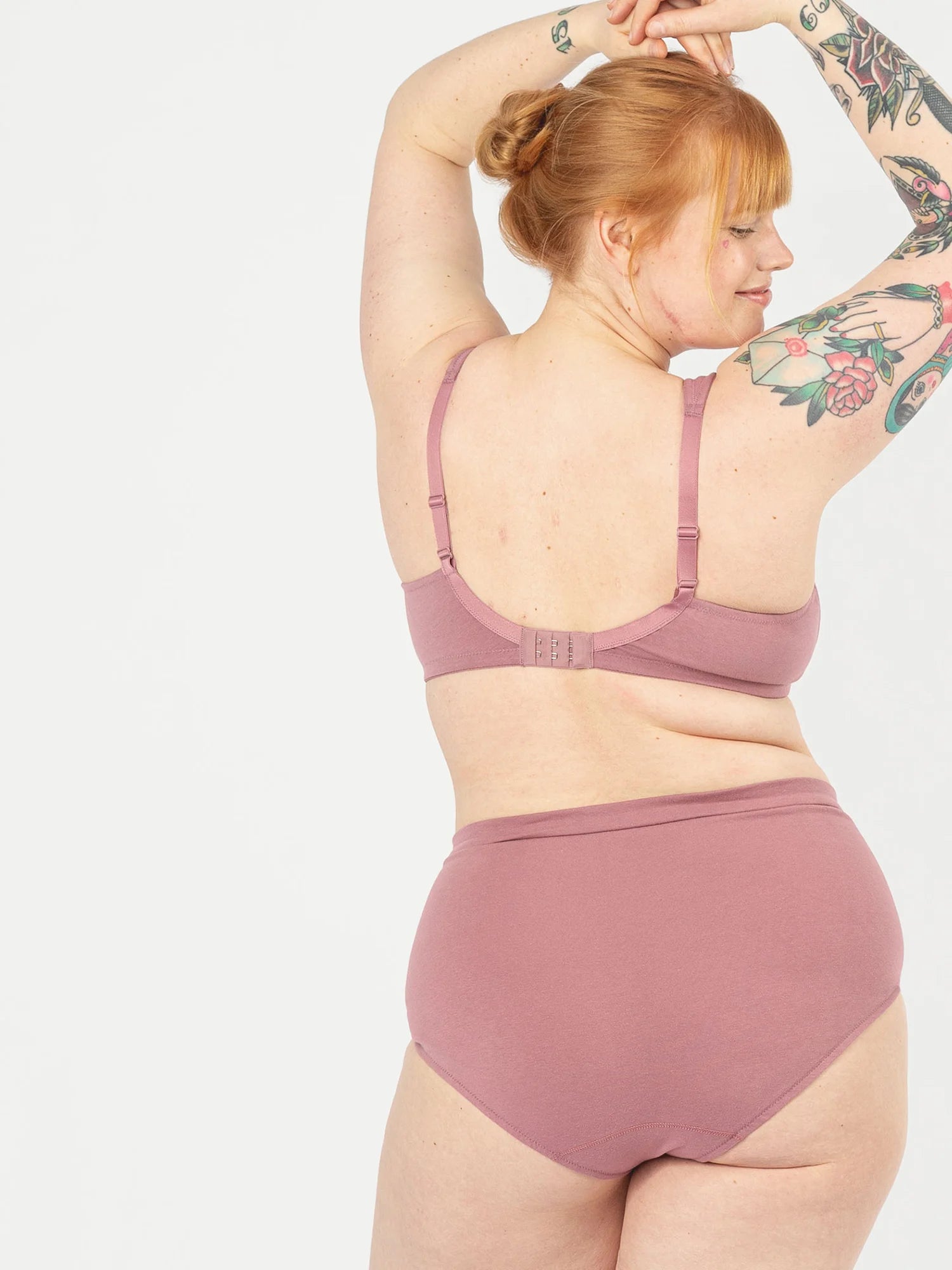
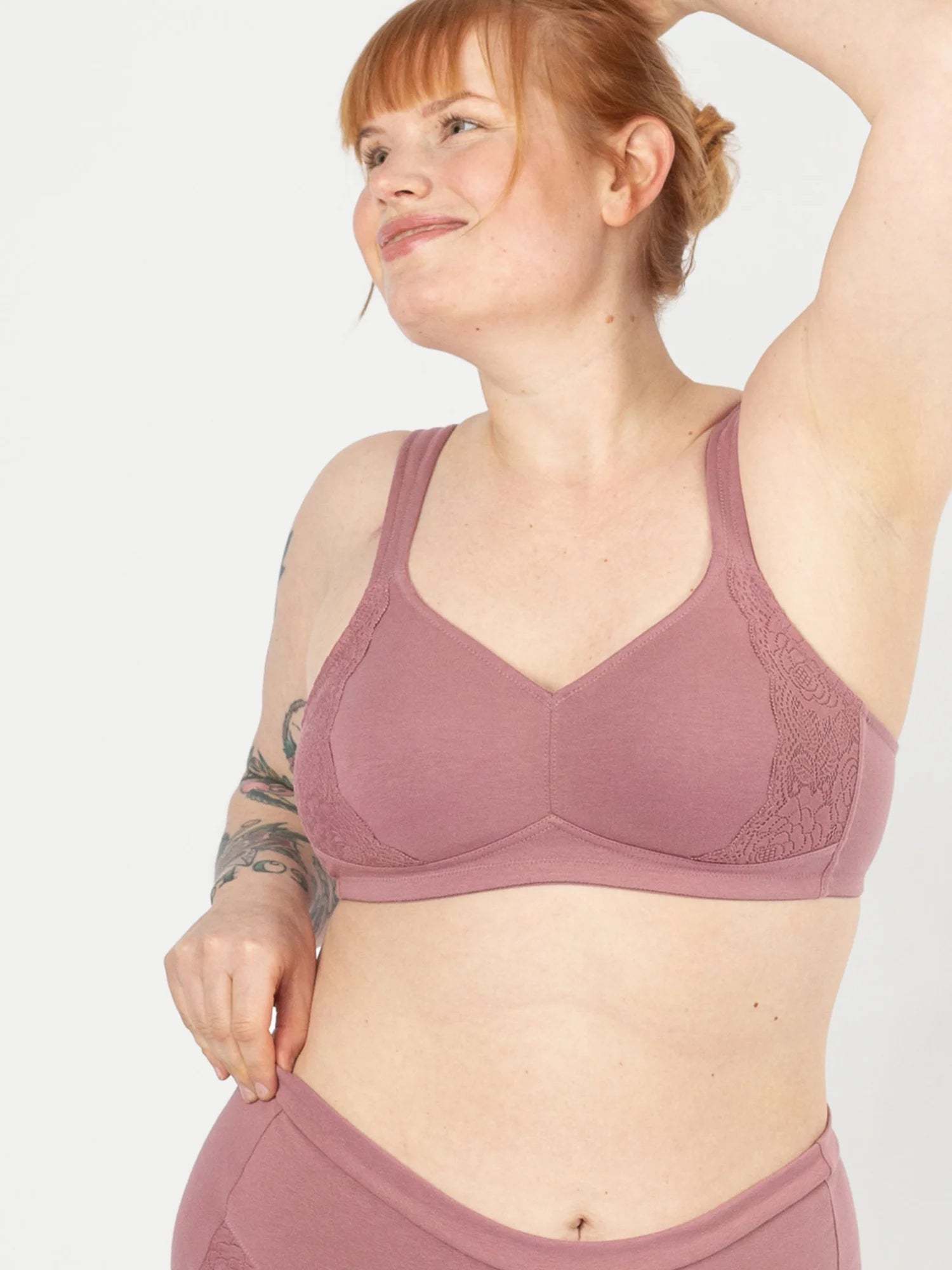
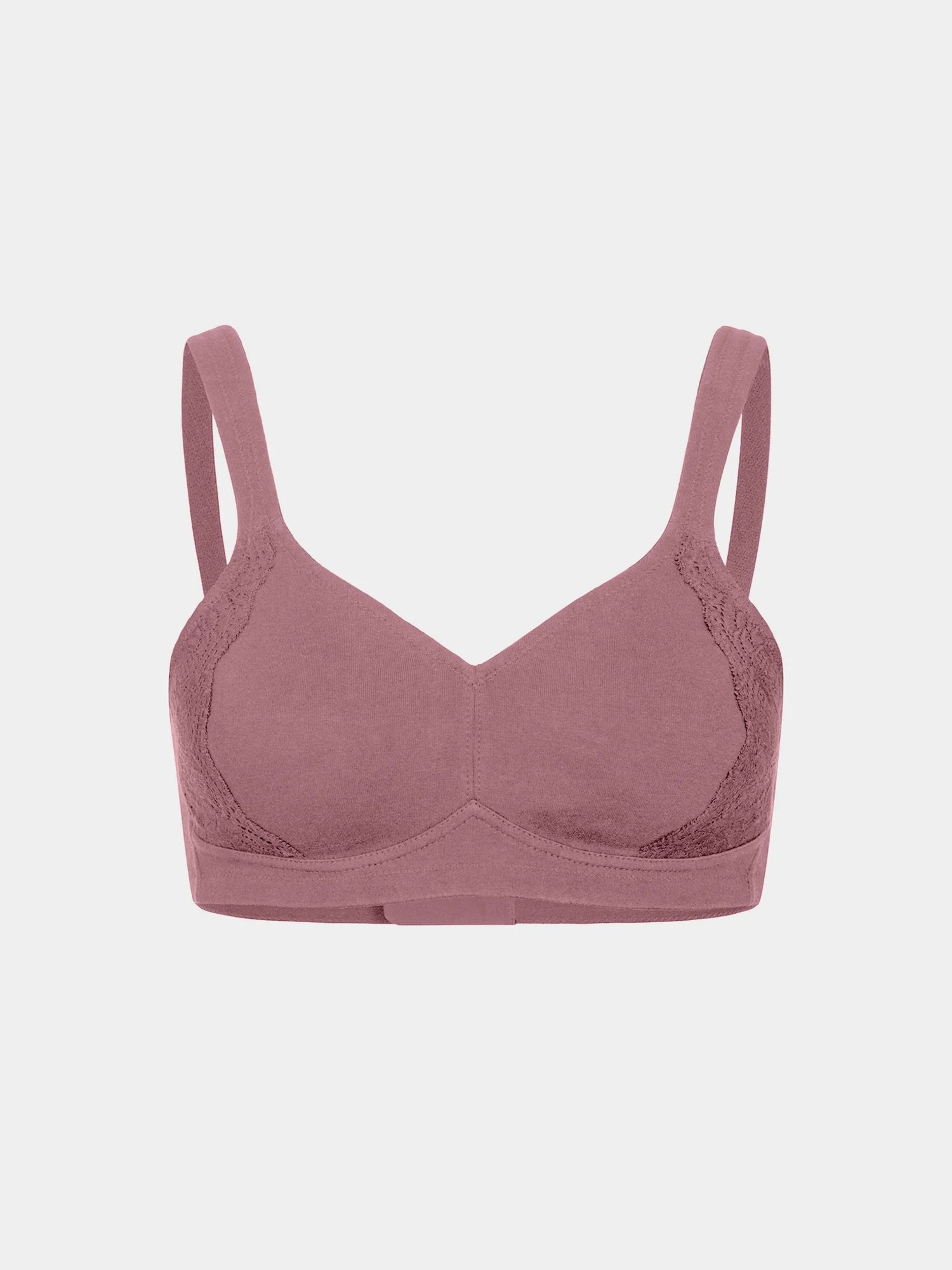
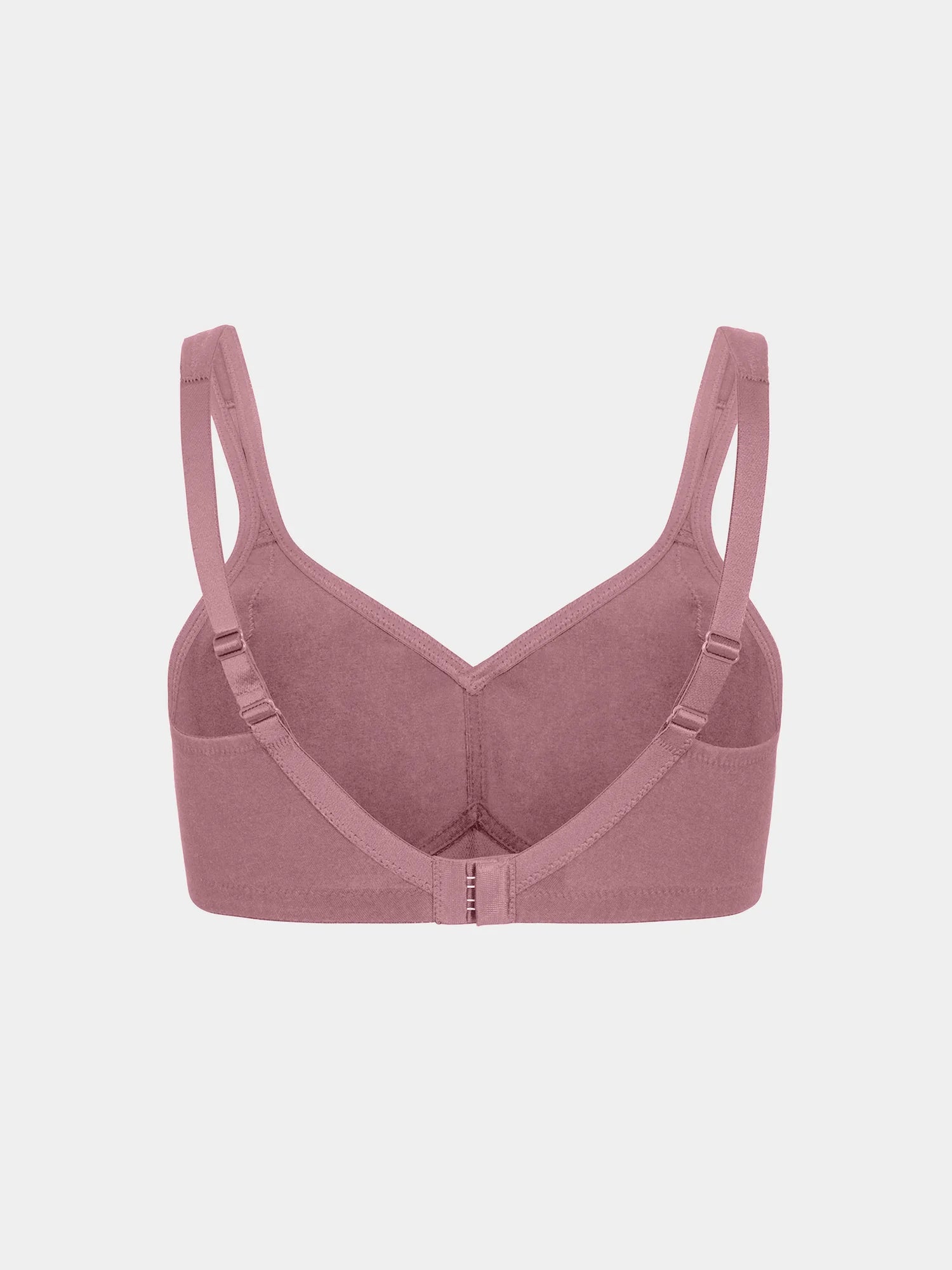
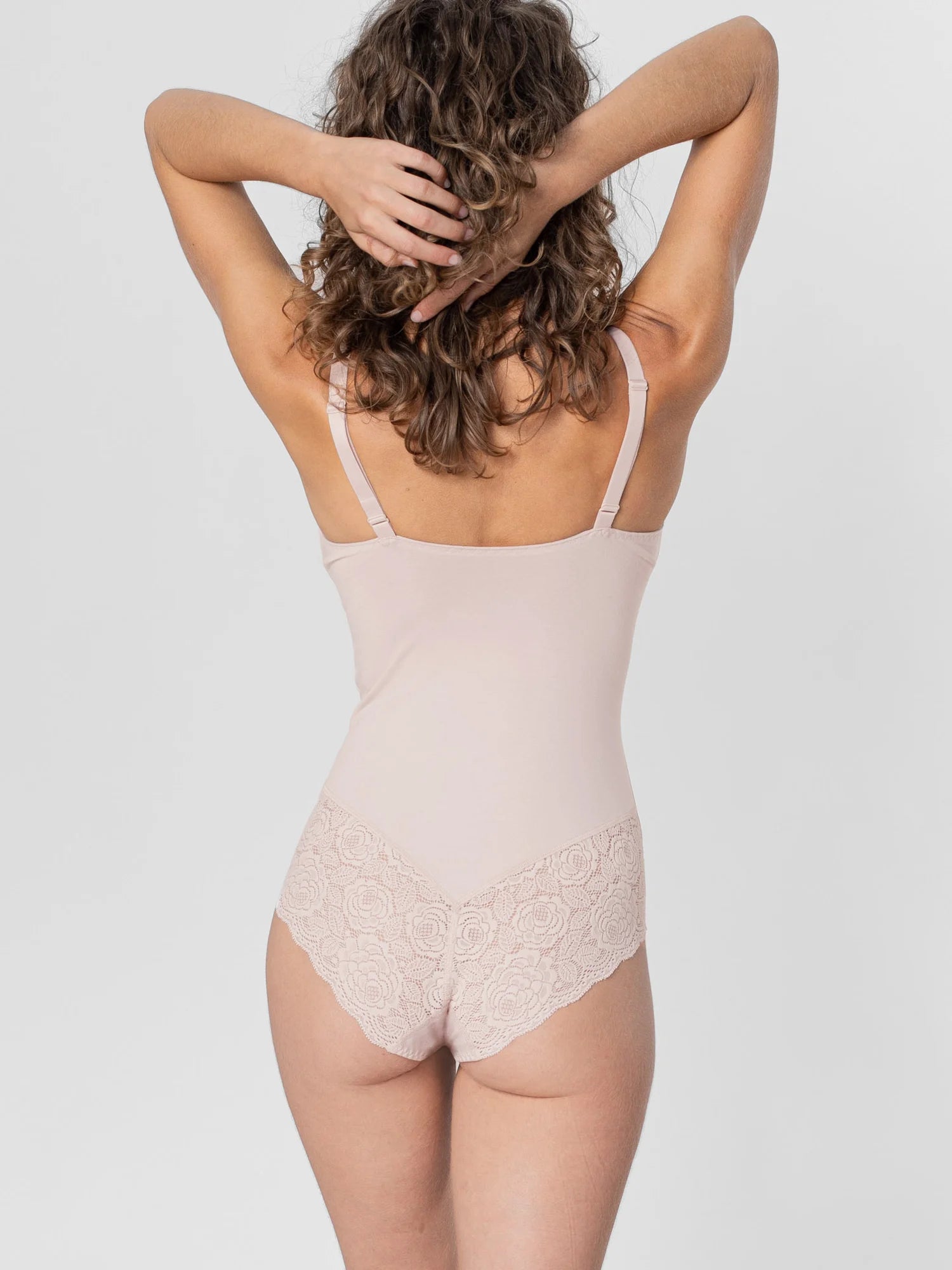
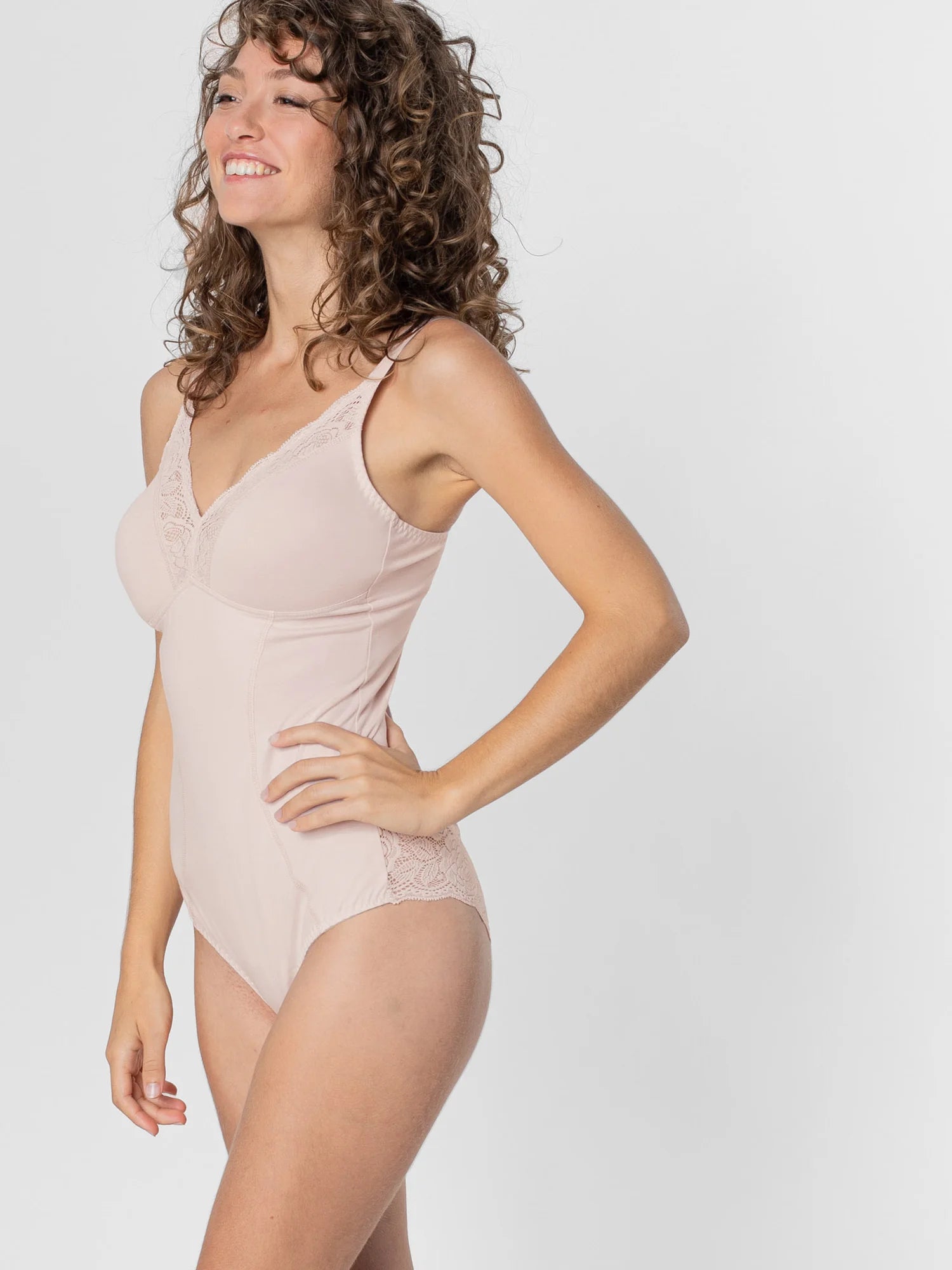
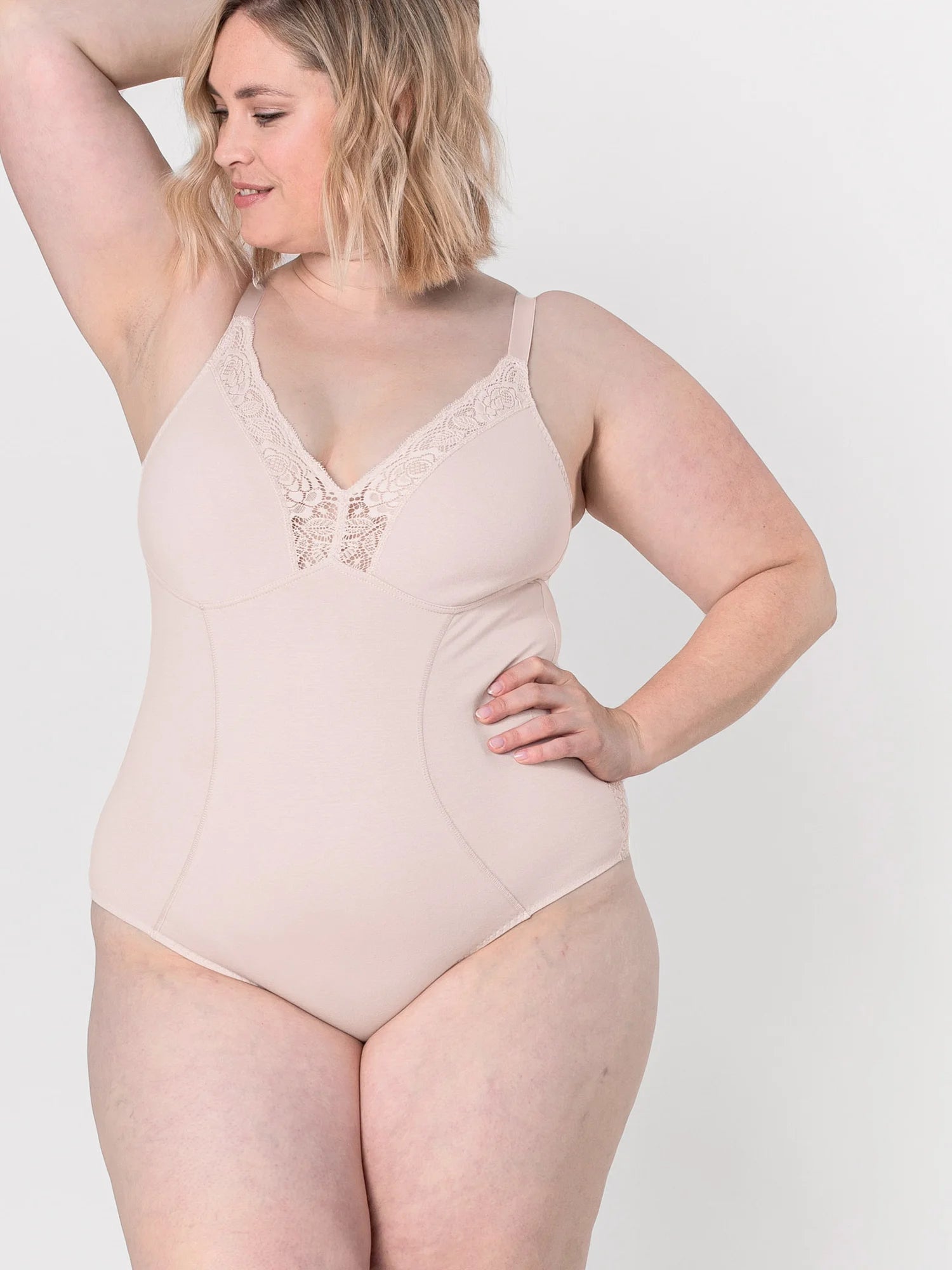
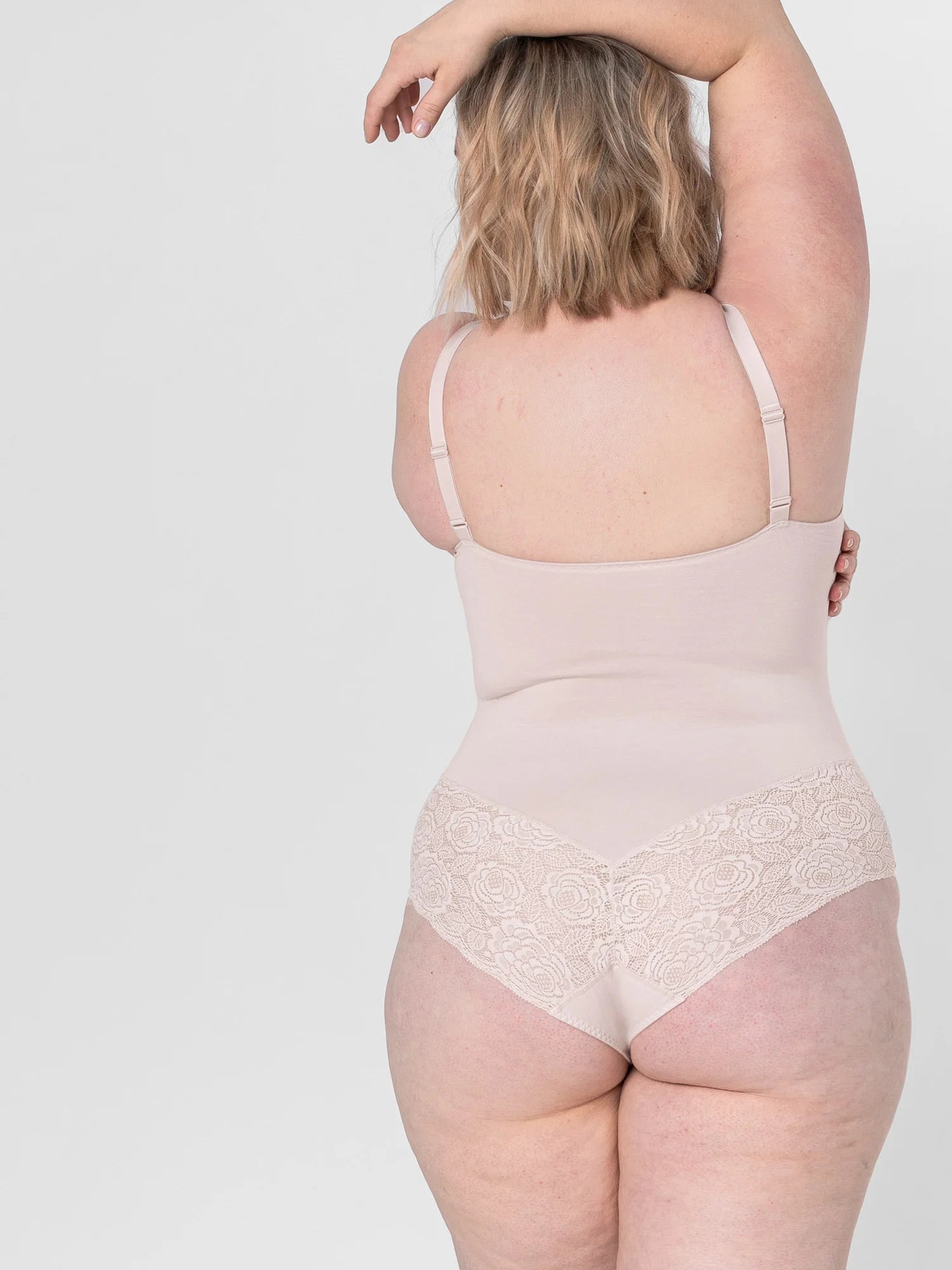
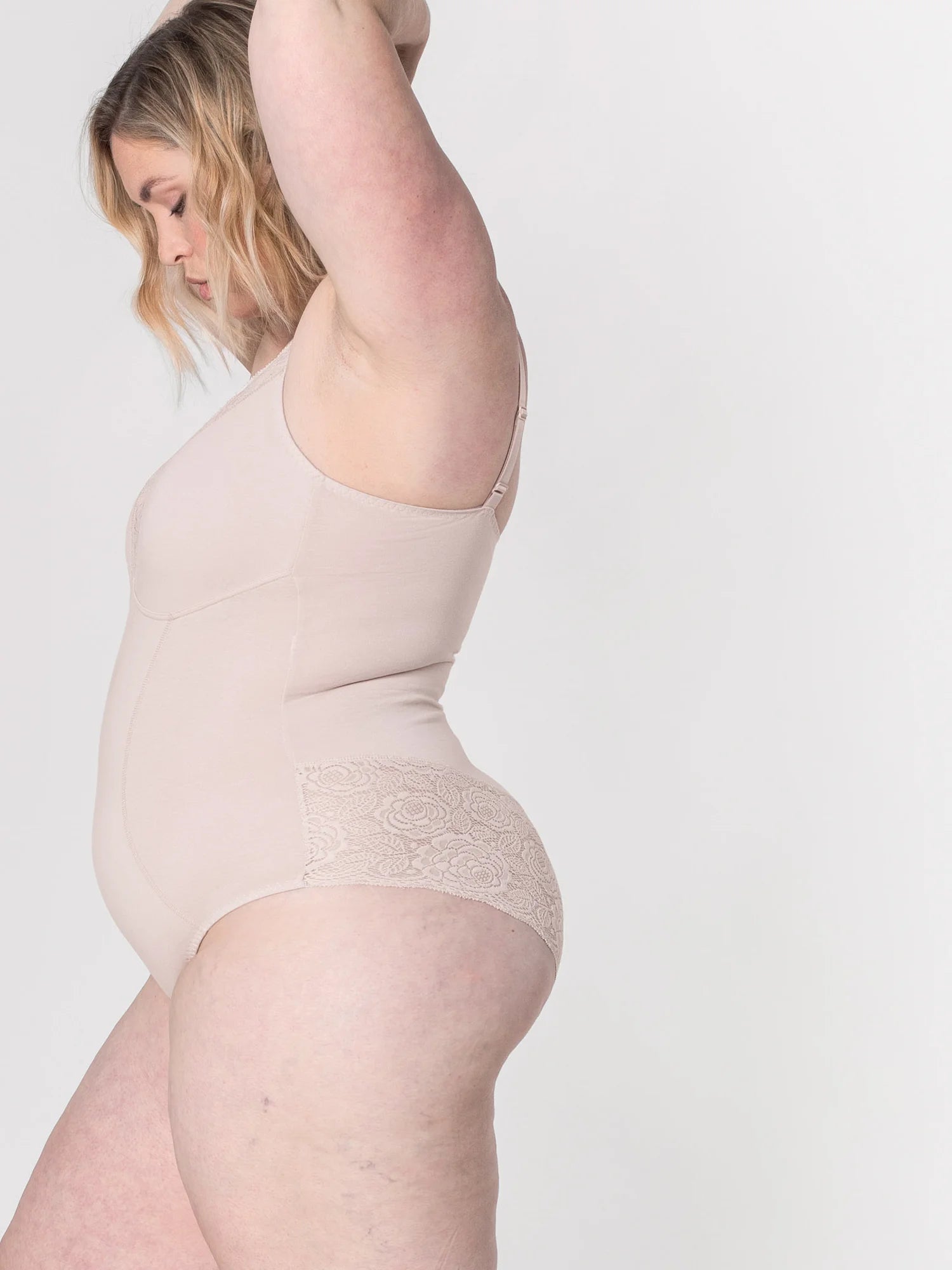
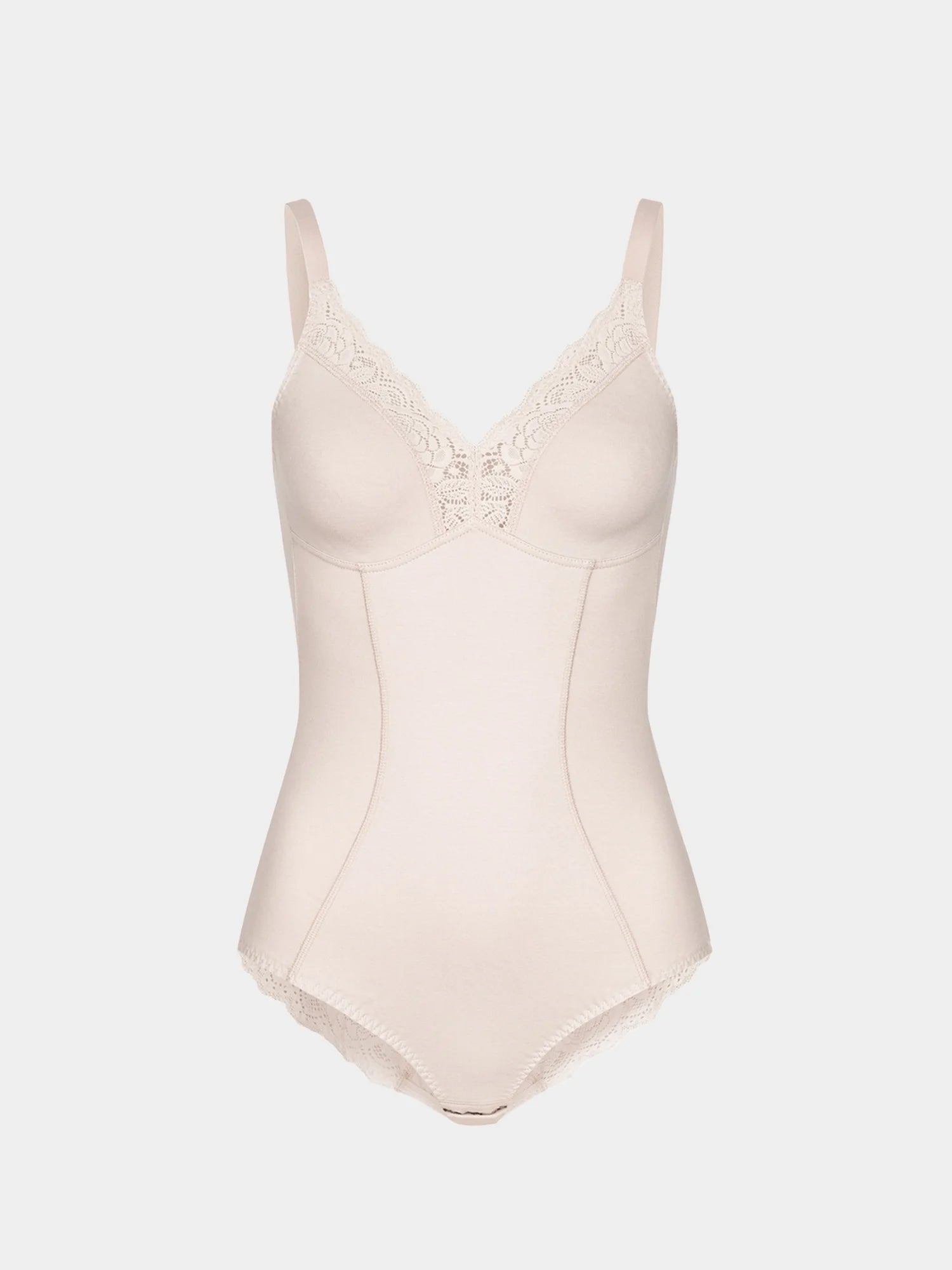
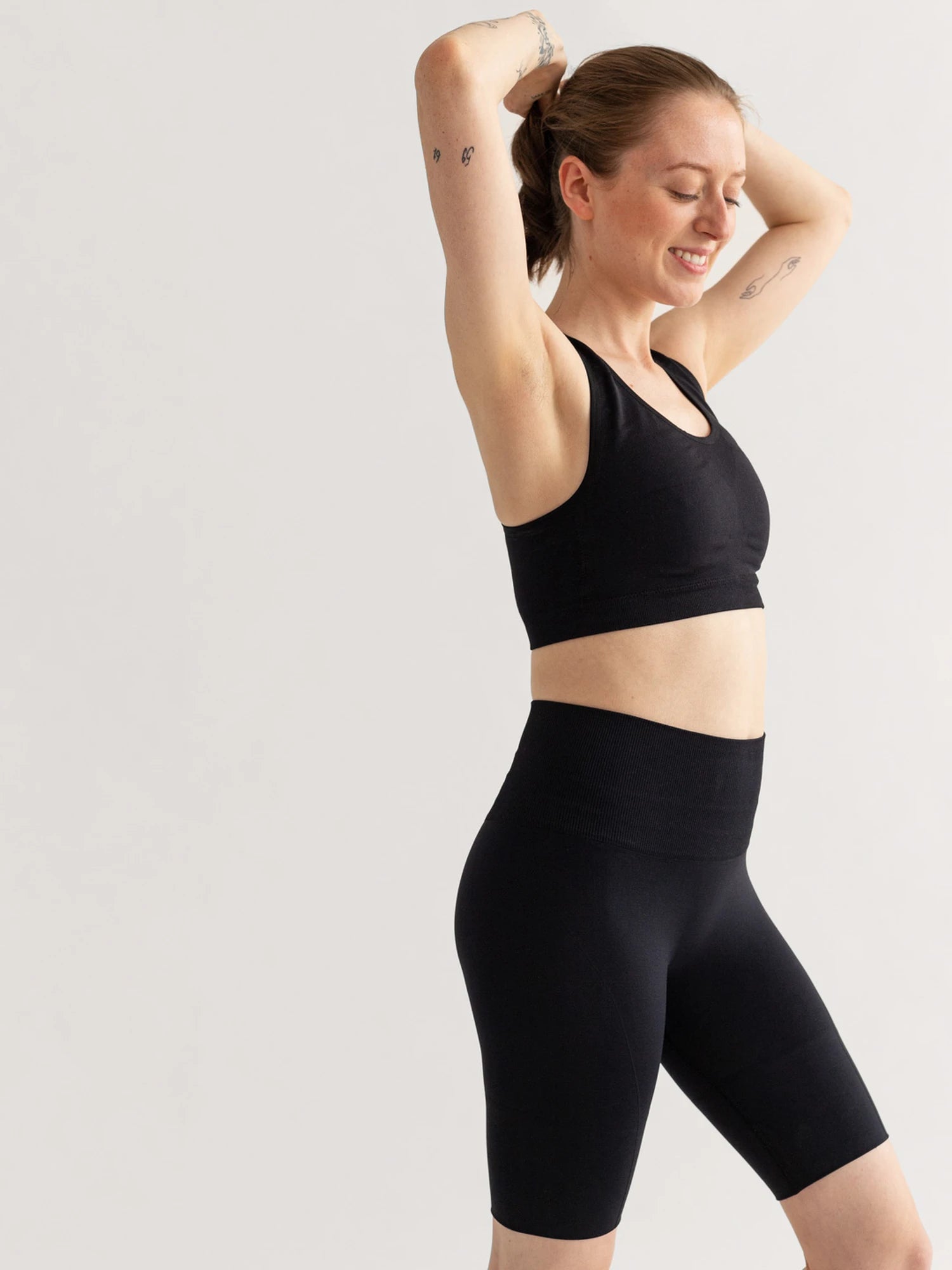
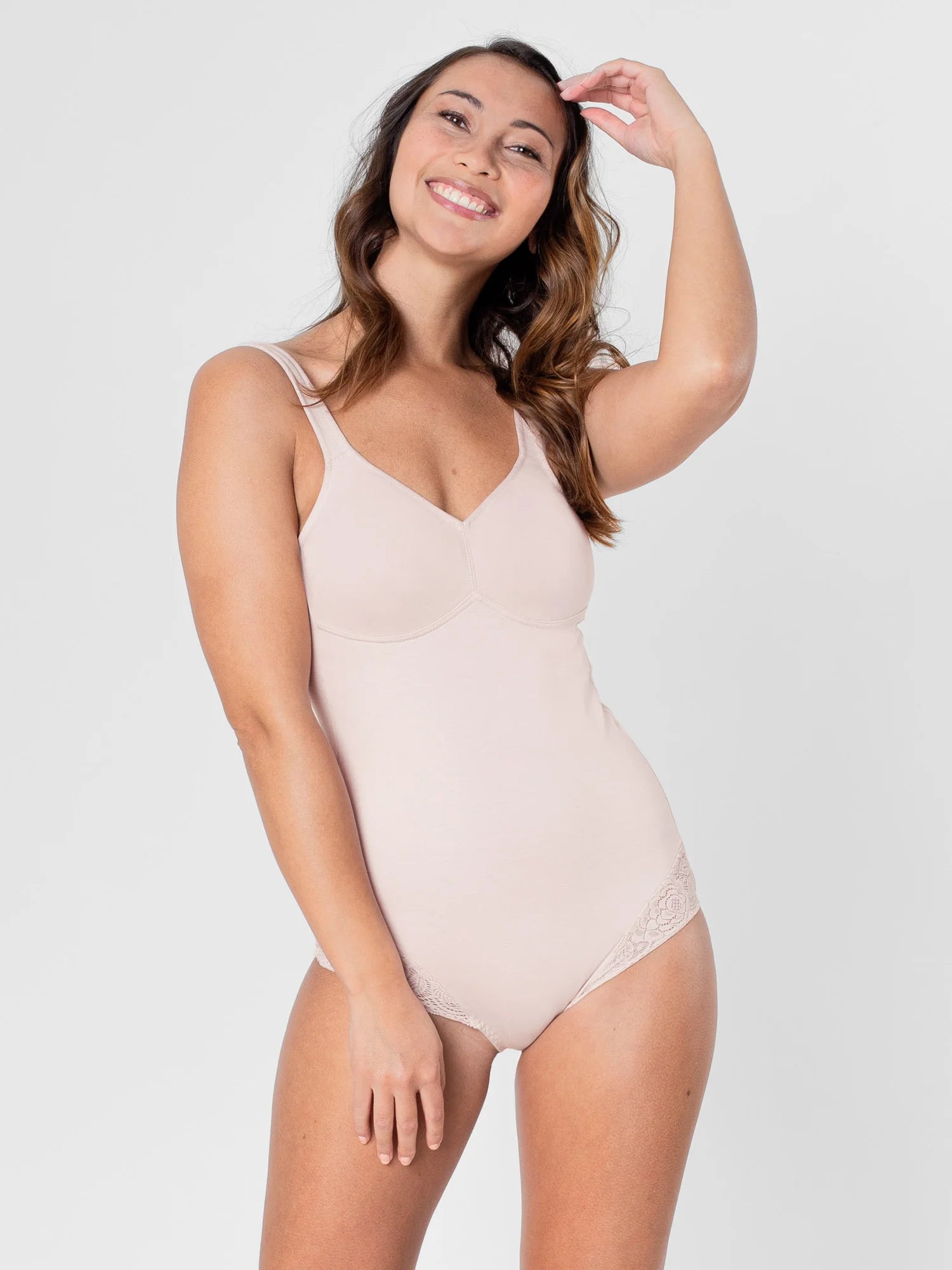
For our premium collection, we use recycled lace made from Q-NOVA® by the Italian company Fulgar. Combined with silky soft Modal, it forms our lingerie with lace details. It is manufactured in Albstadt in the Swabian Alb and in Romania.



How to care for Q-NOVA® tip
Washing:
Wash lace underwear made from Q-NOVA® at a maximum of 40 °C on a delicate cycle with mild detergent. Always use a laundry bag and do not exceed 600 revolutions – this protects the recycled fibers.
Drying:
It is best to air dry lace on the line, not in the dryer. In windy conditions, laundry dries fastest and wrinkles are smoothed out. Protect colored items from direct sunlight.
Ironing:
Usually not necessary for lace underwear. If so, choose a low temperature to avoid damaging the material.
