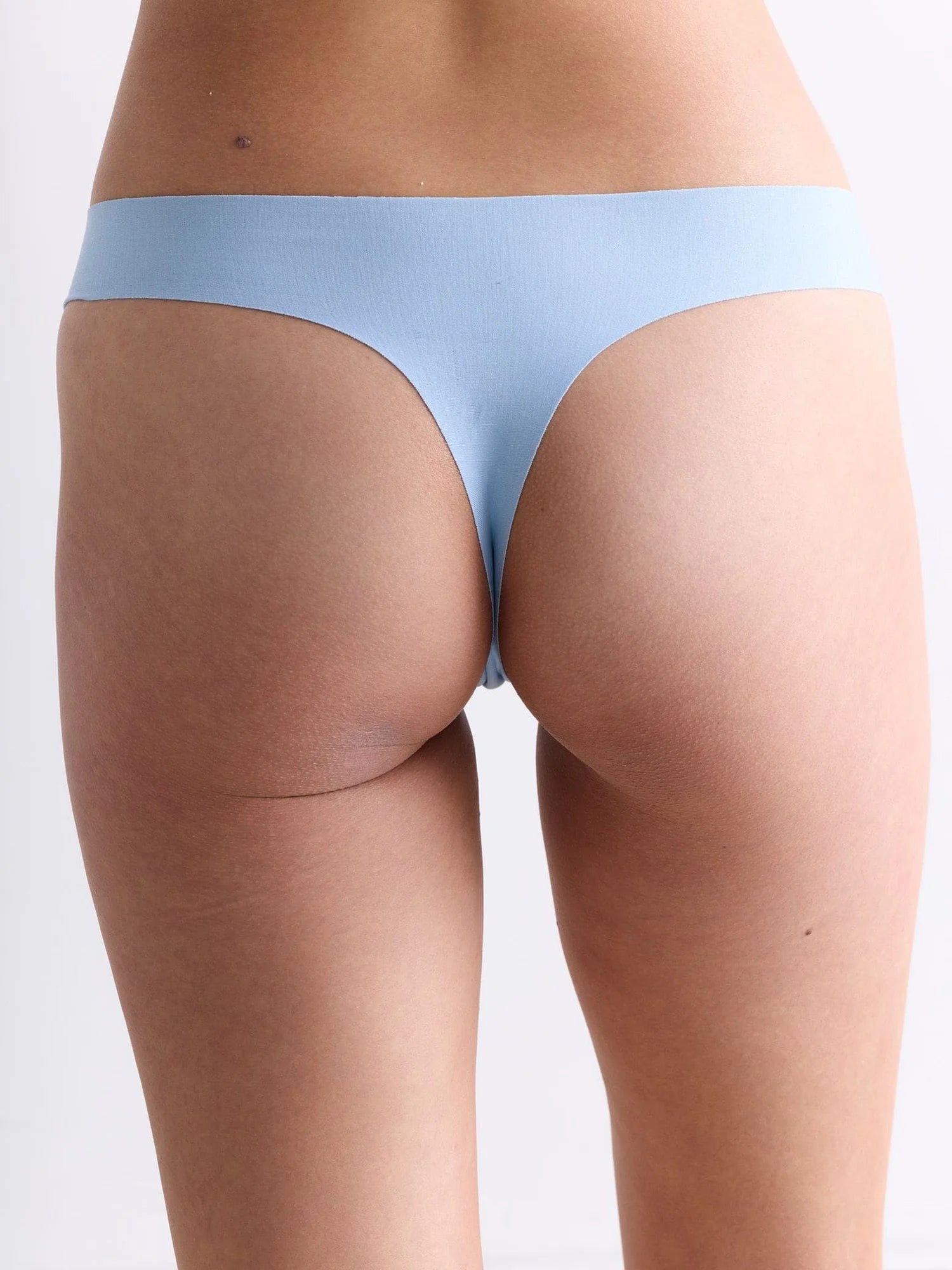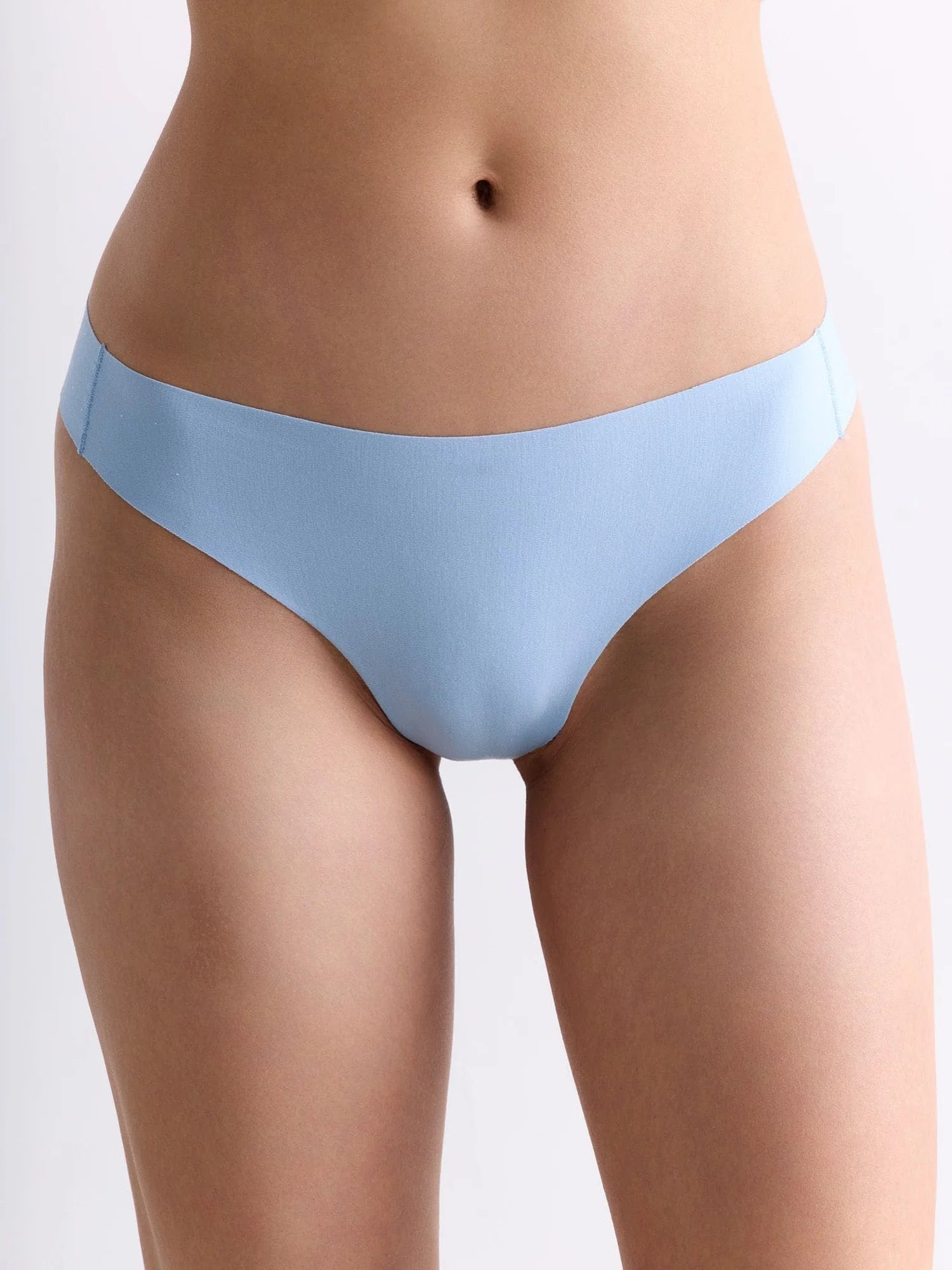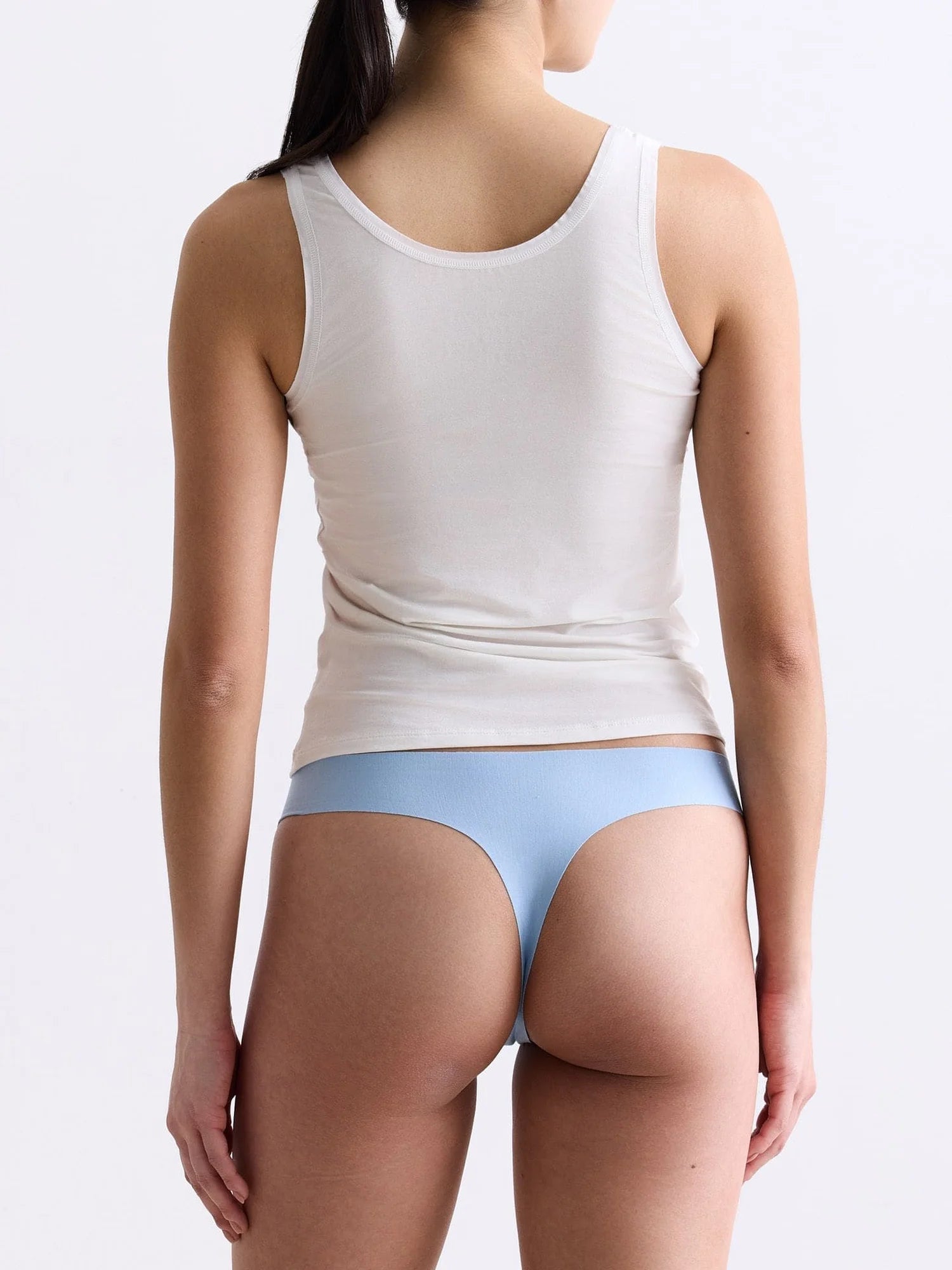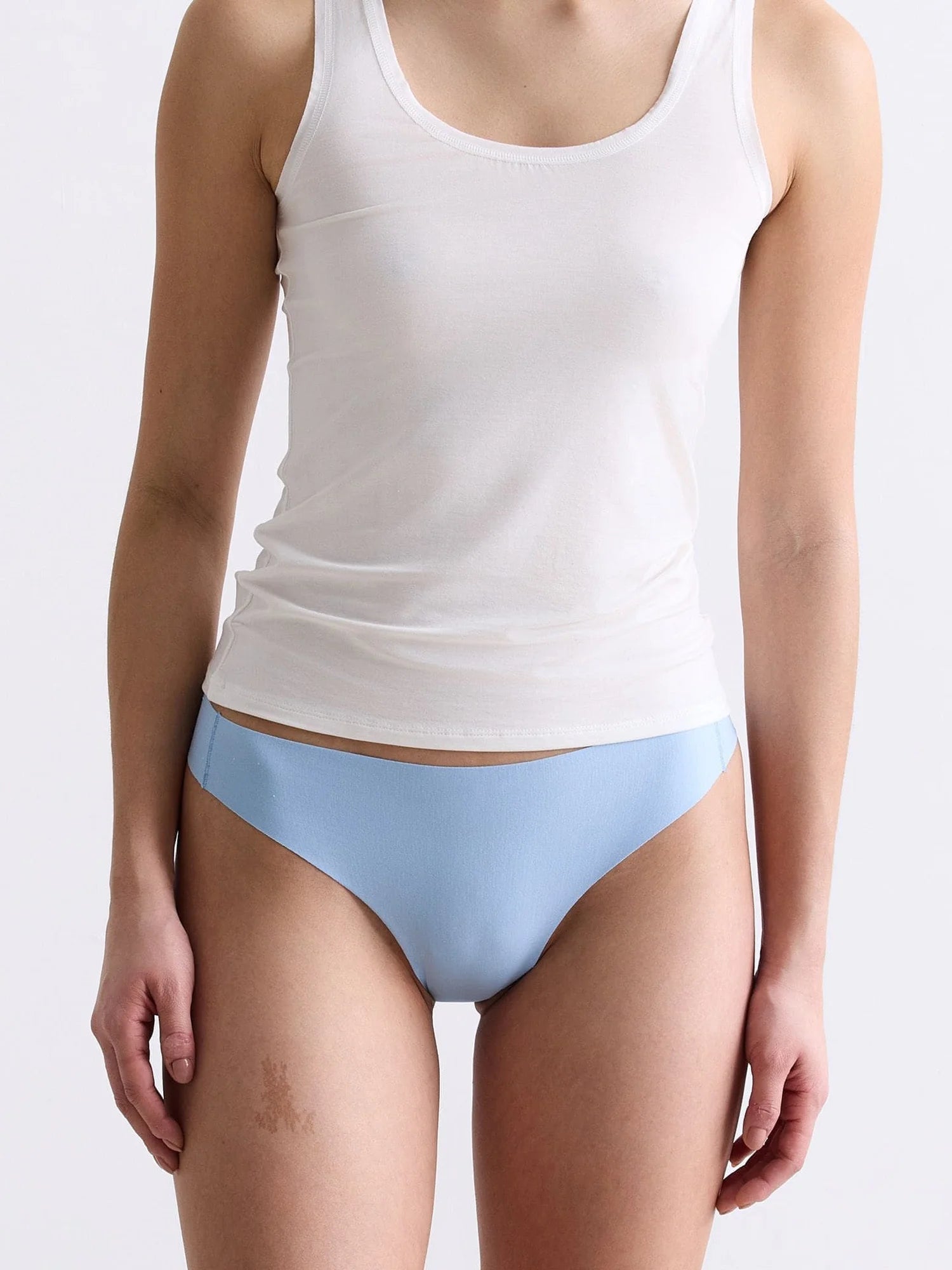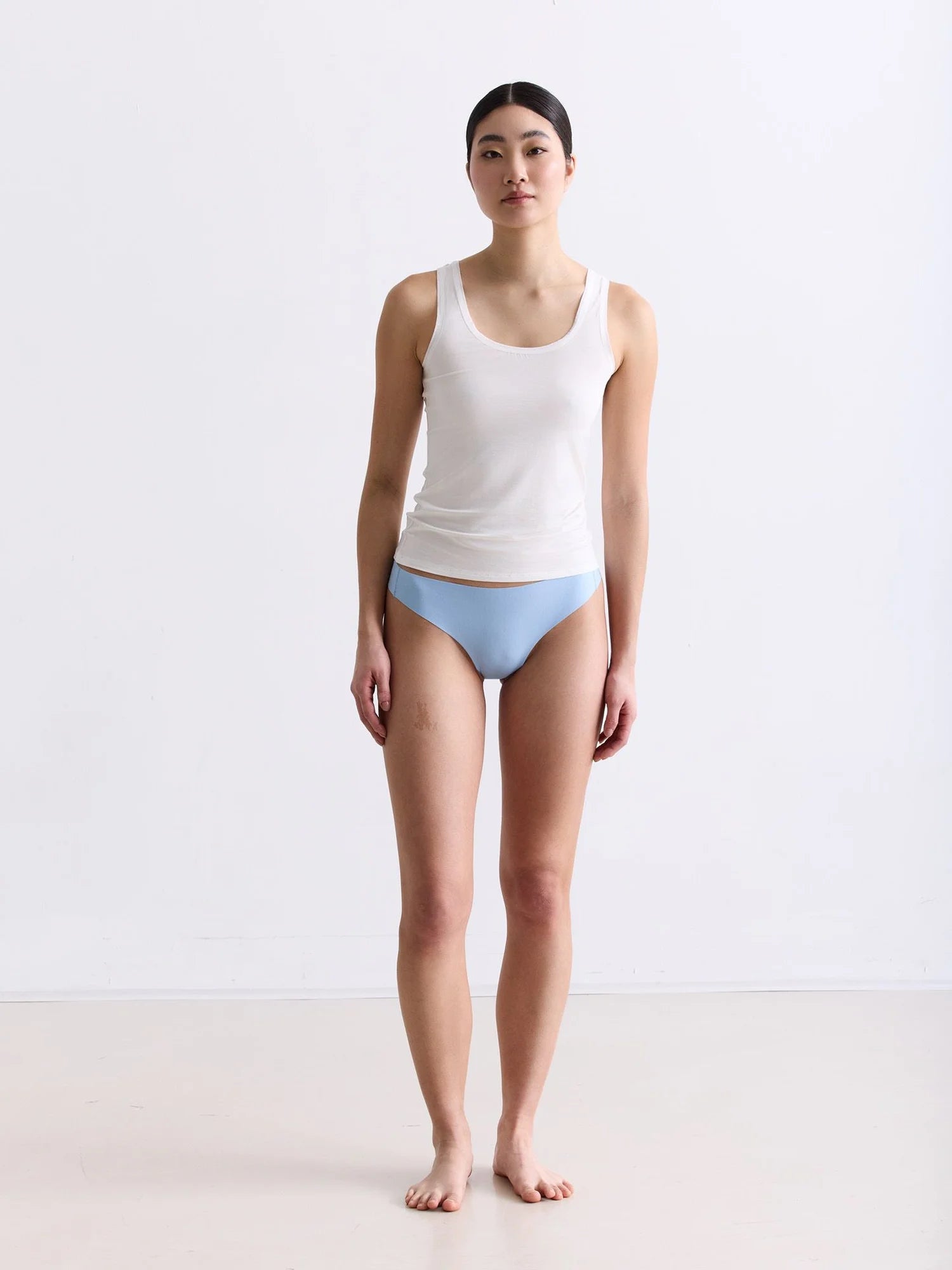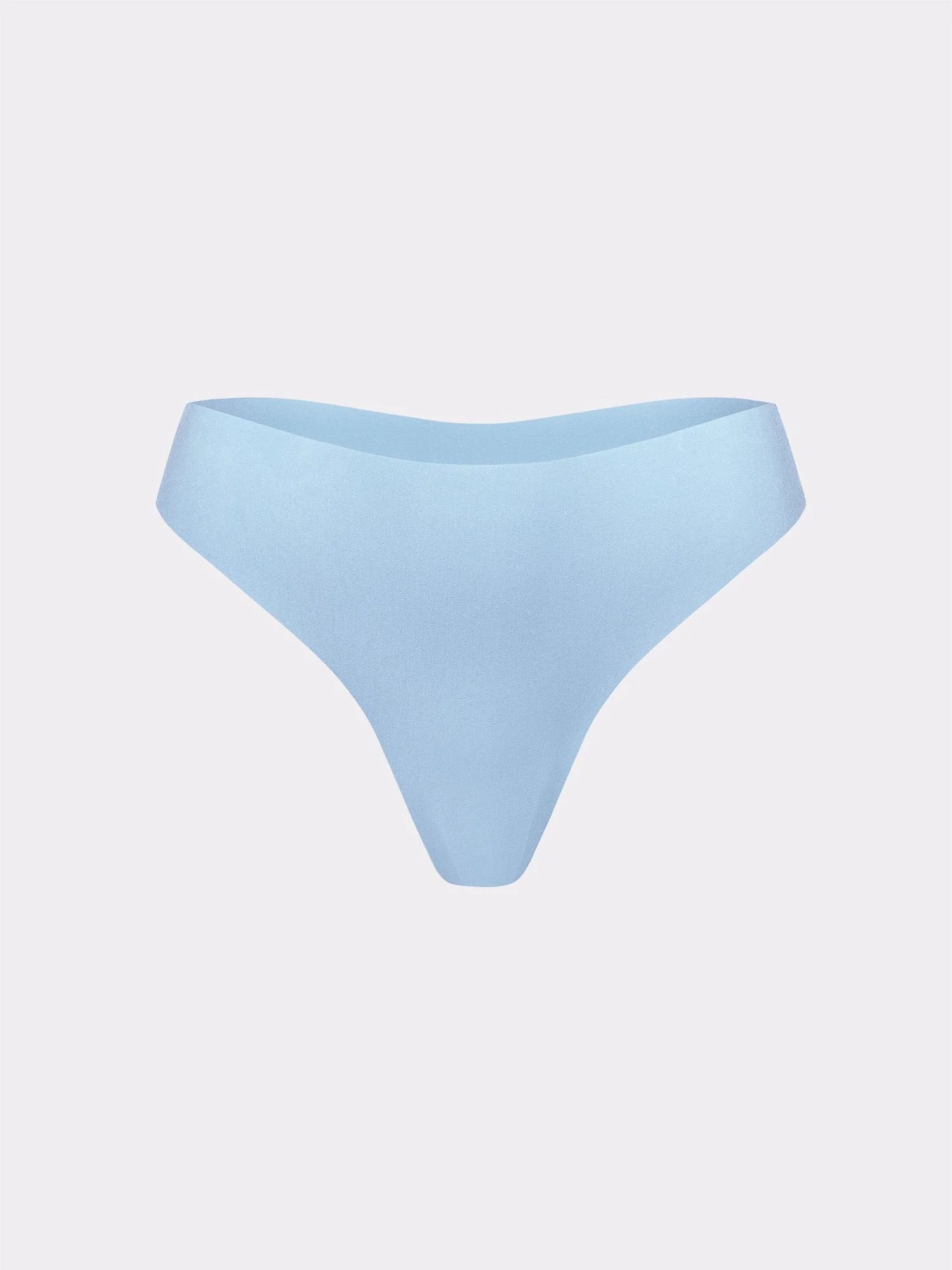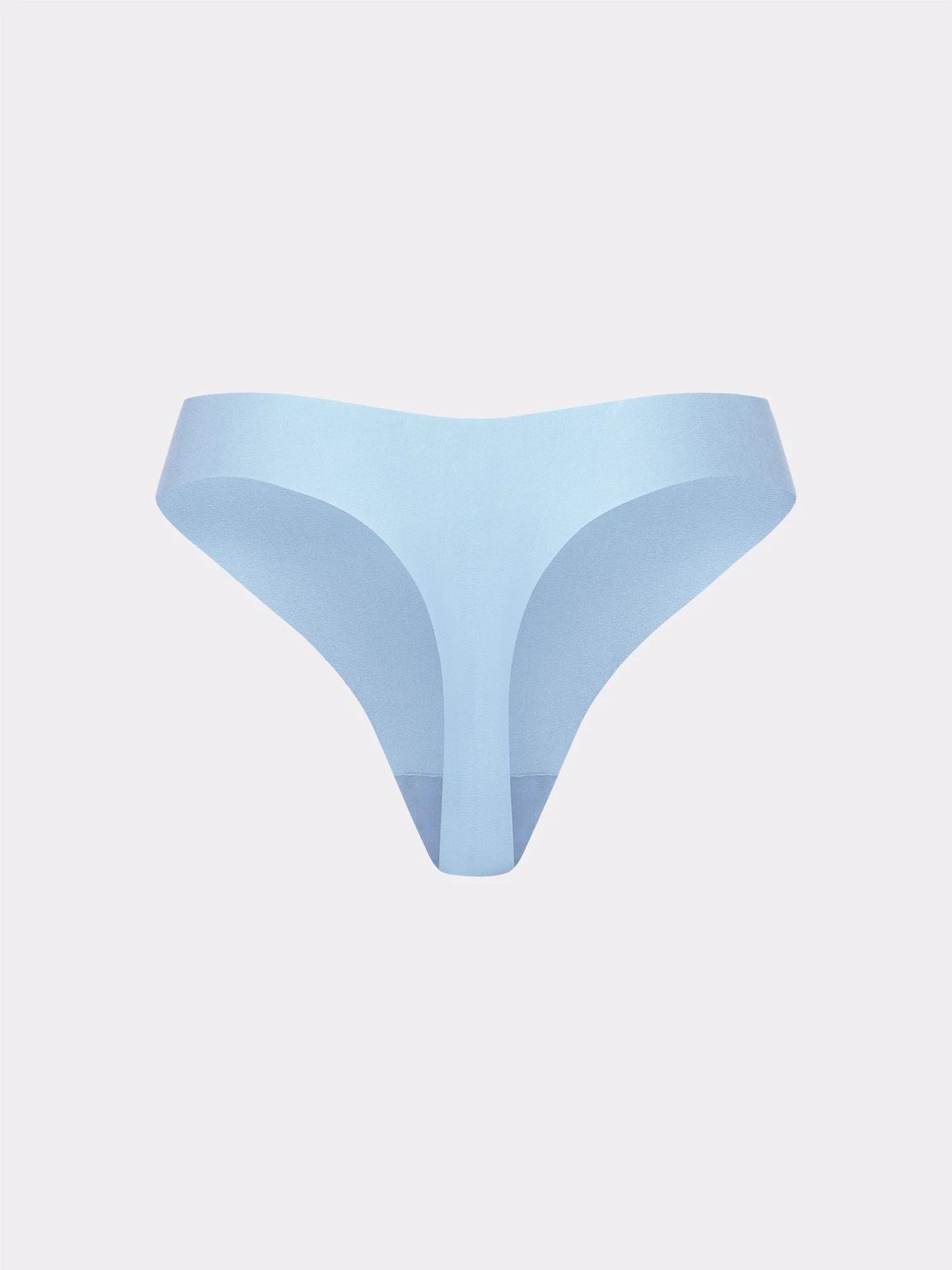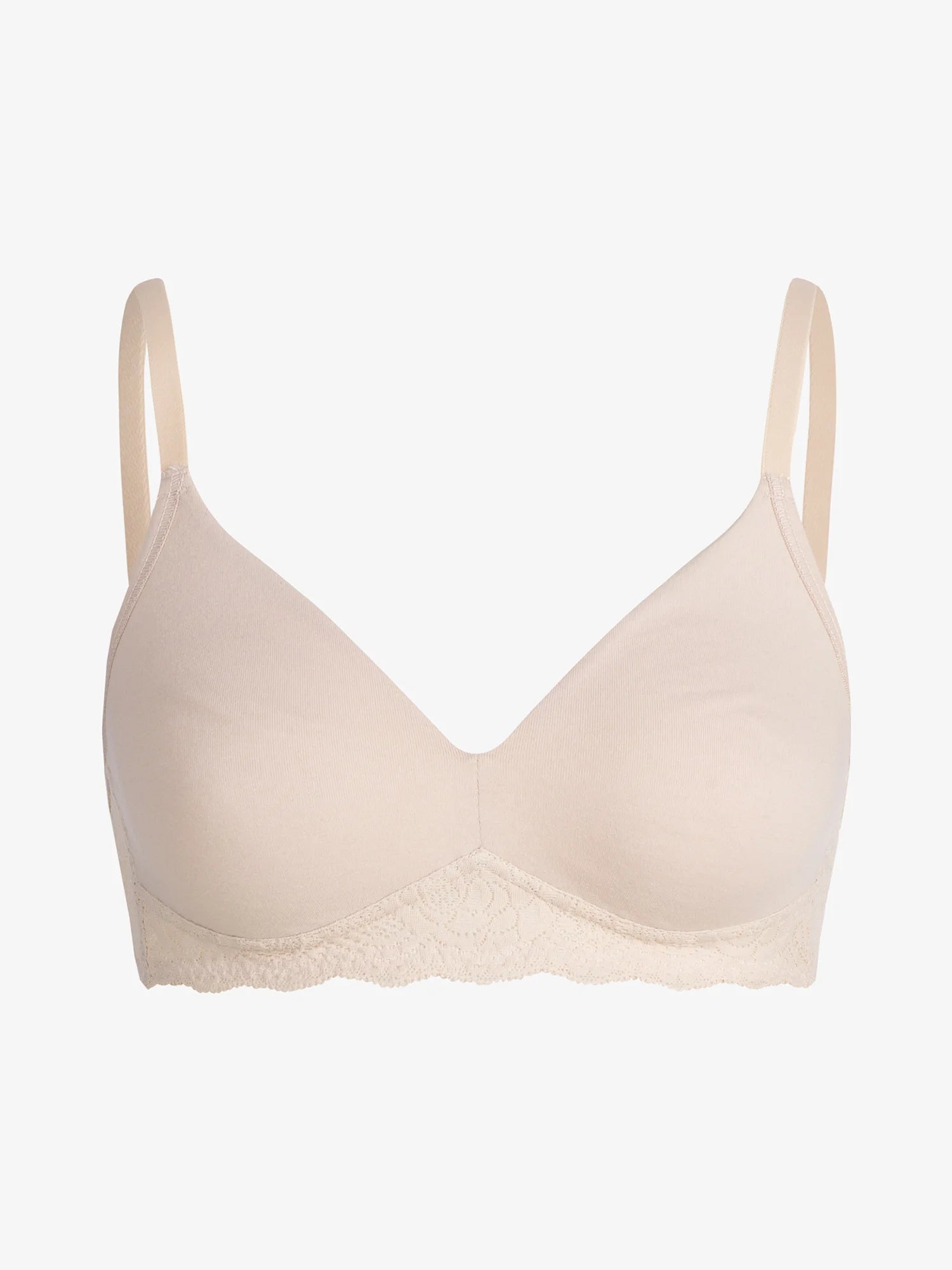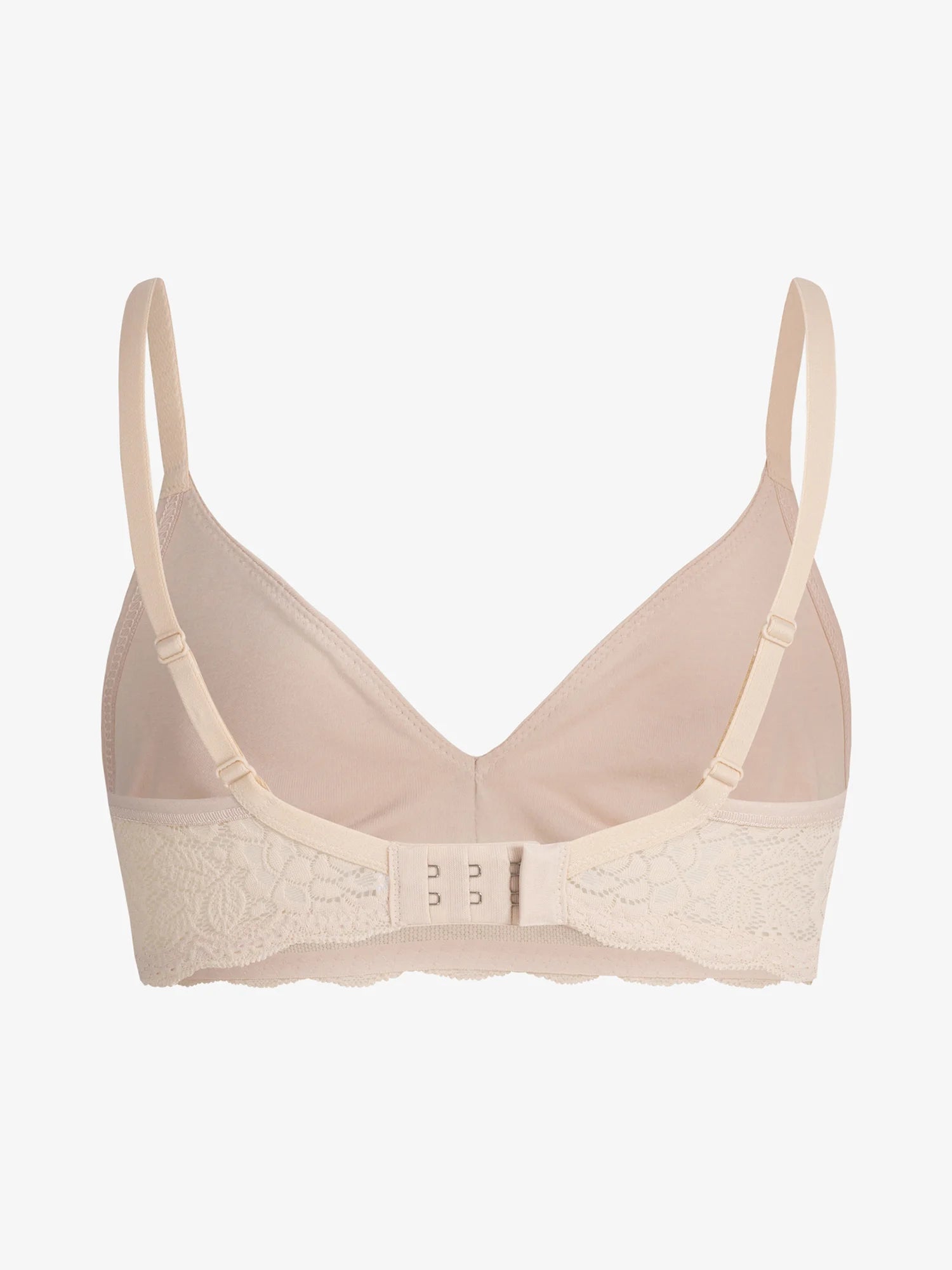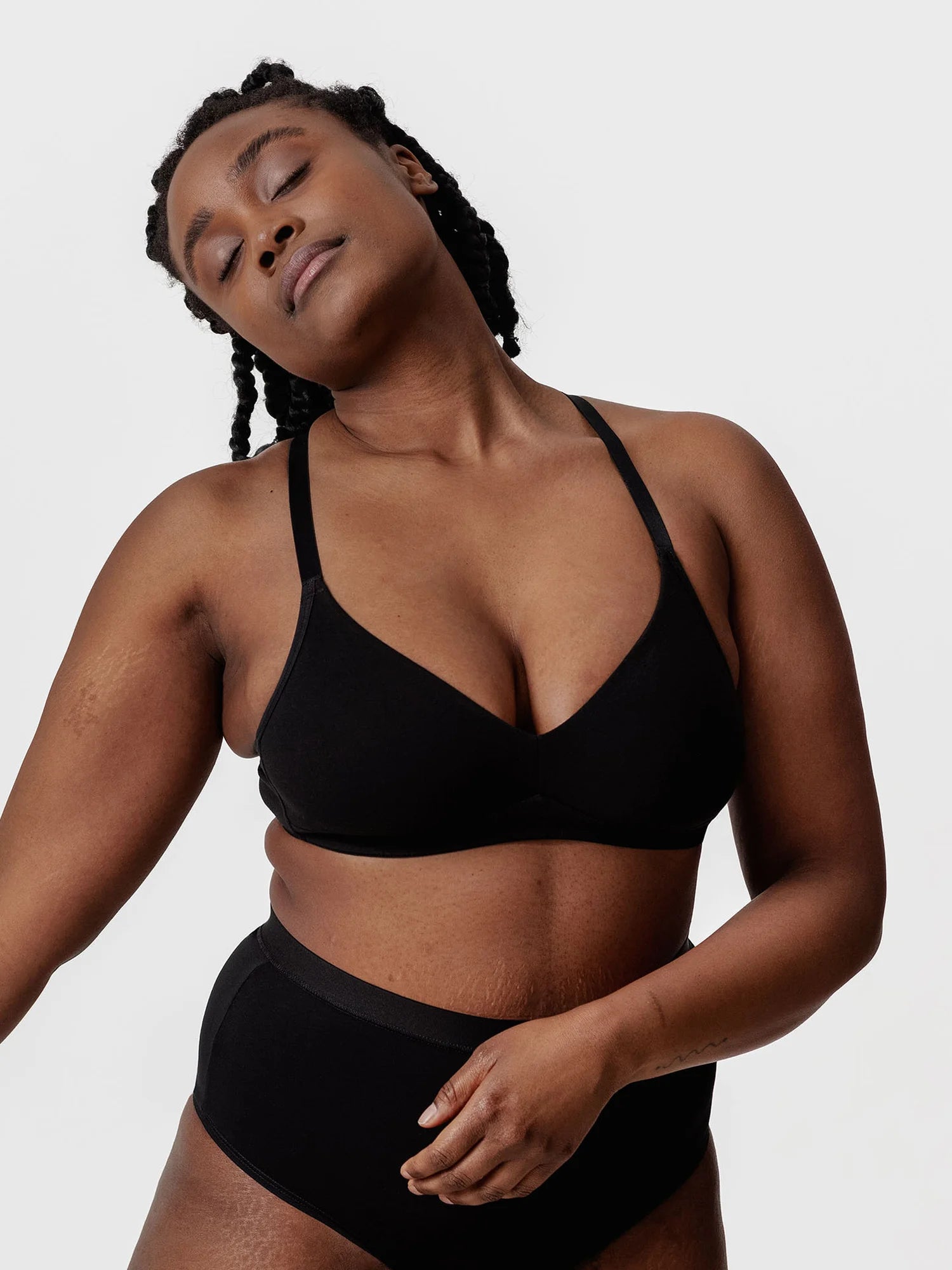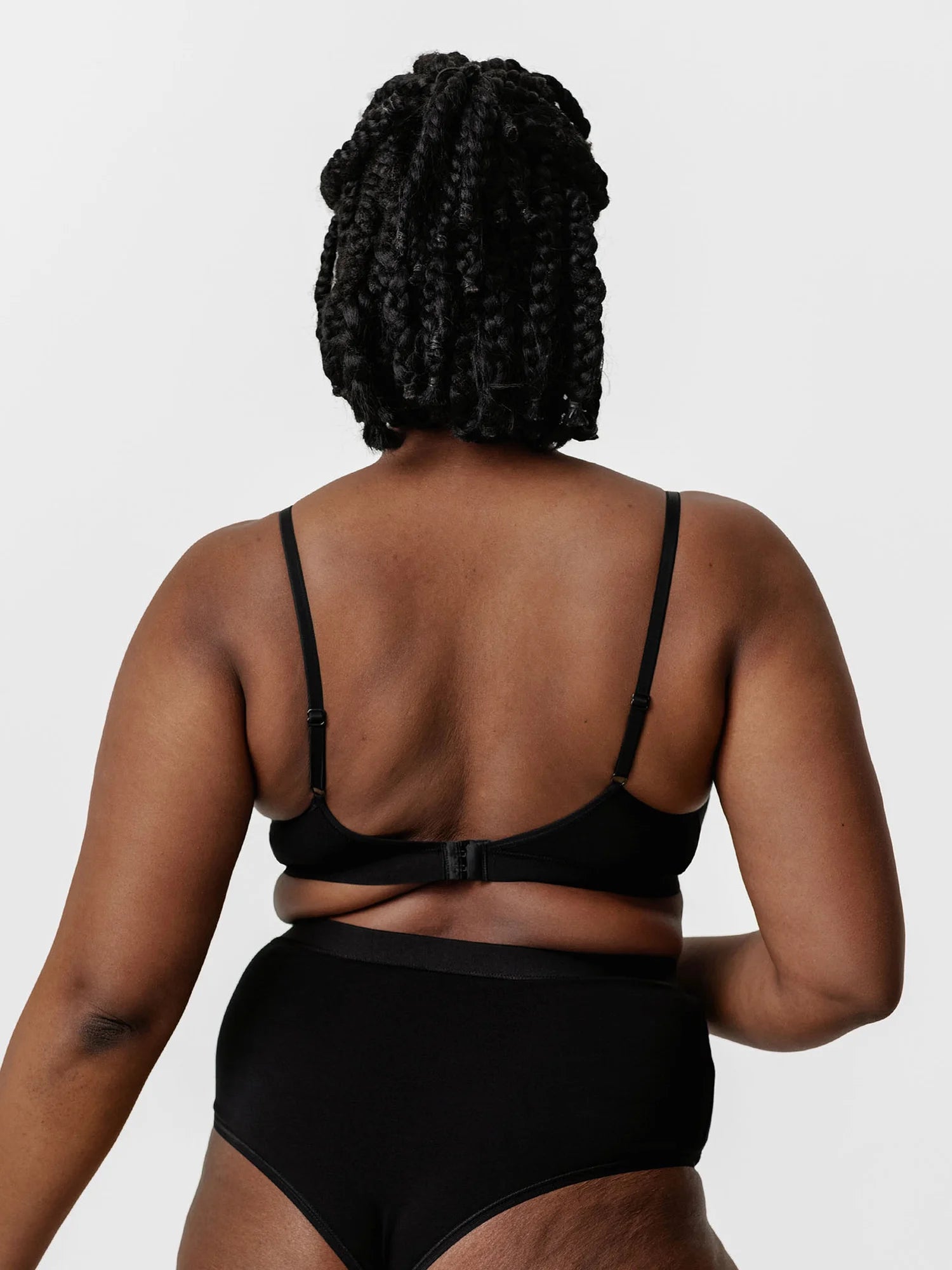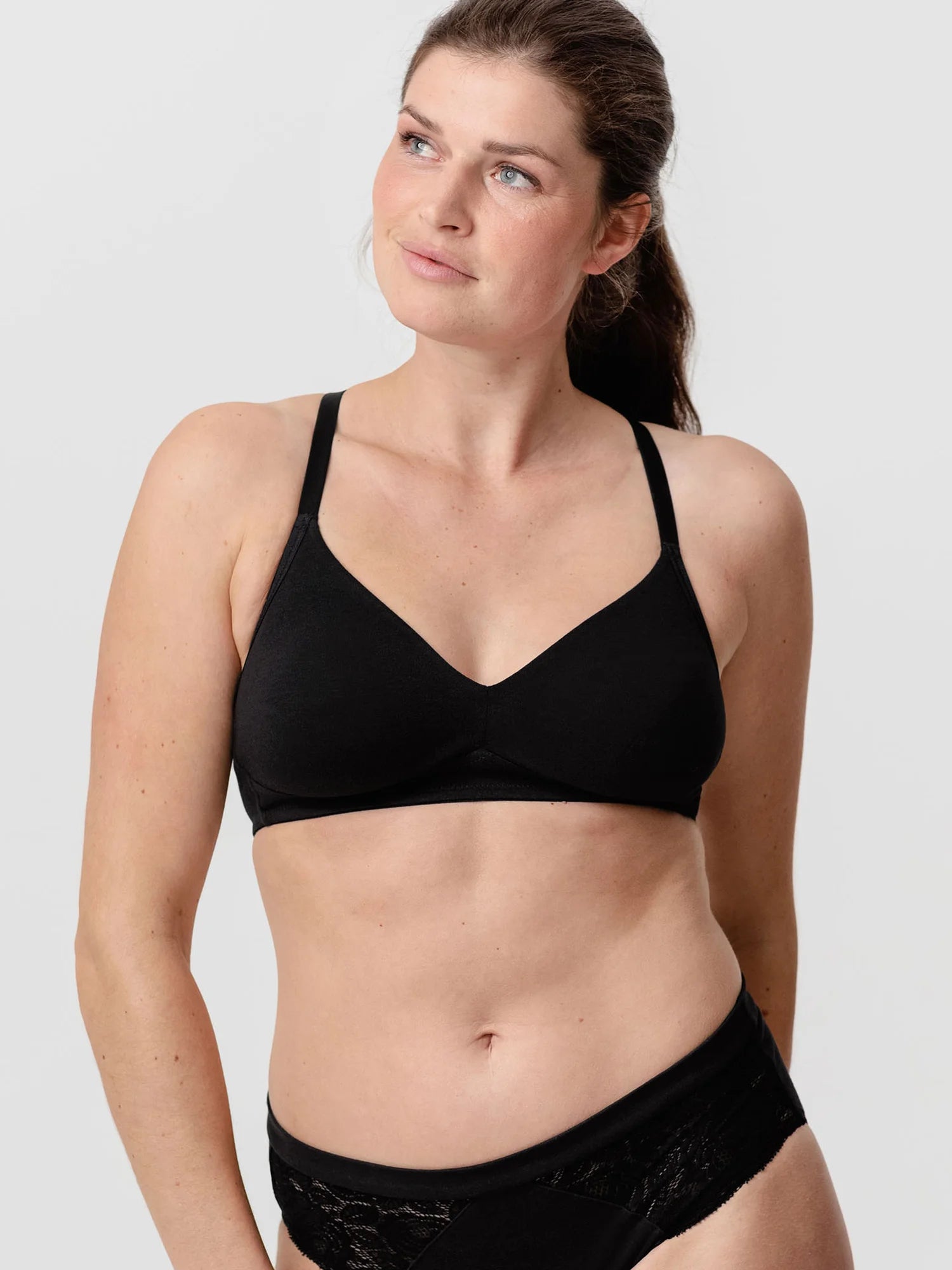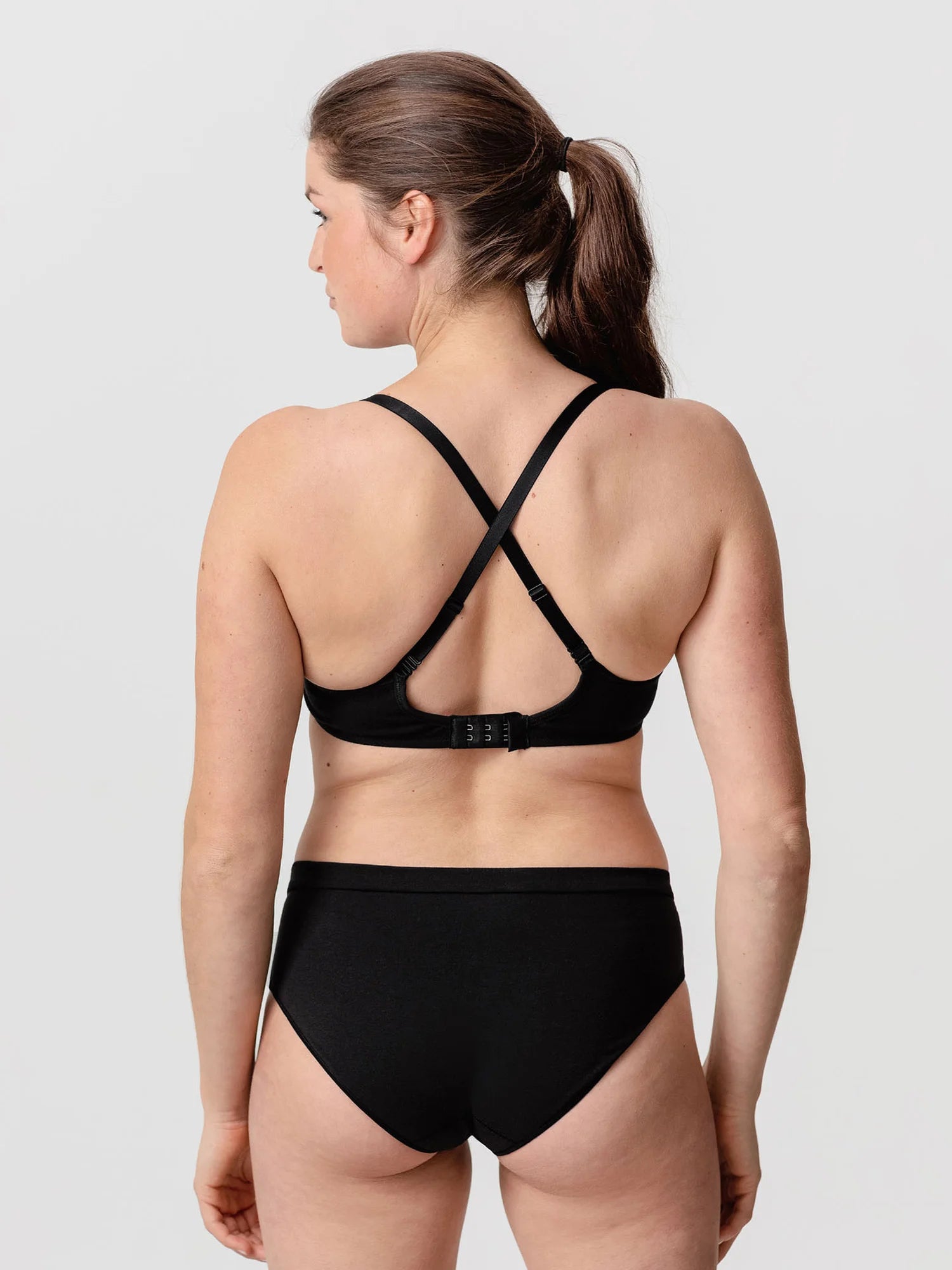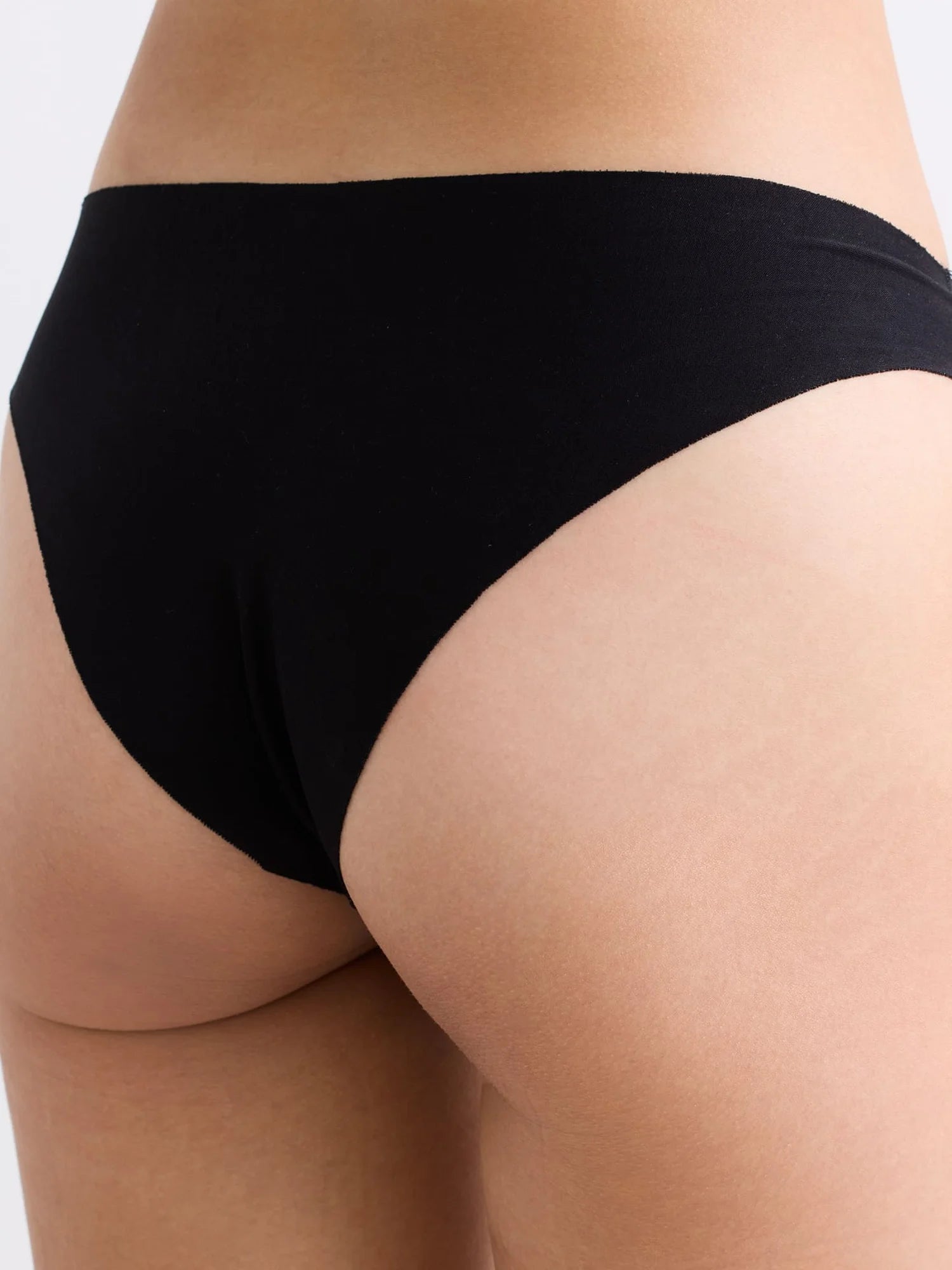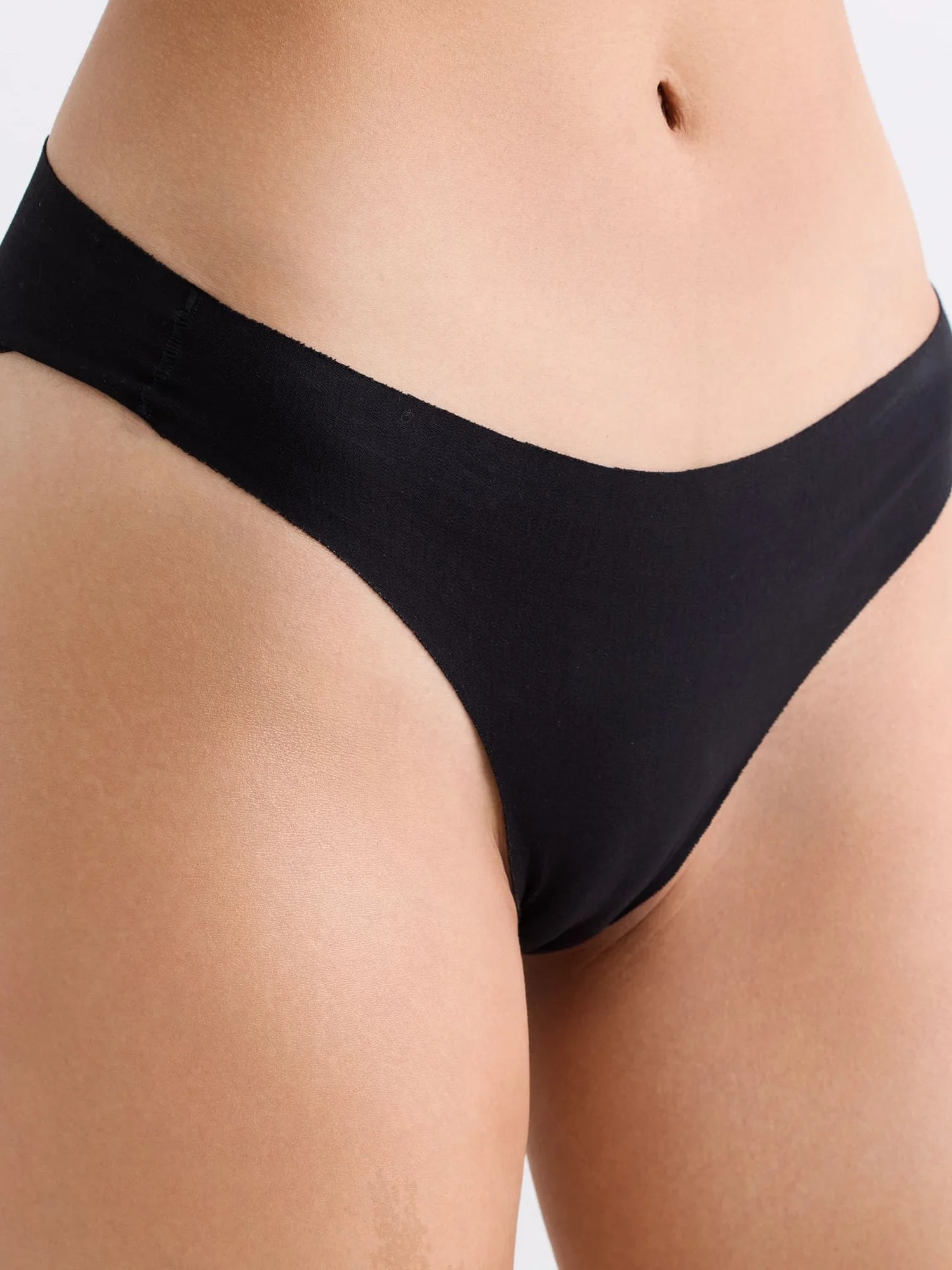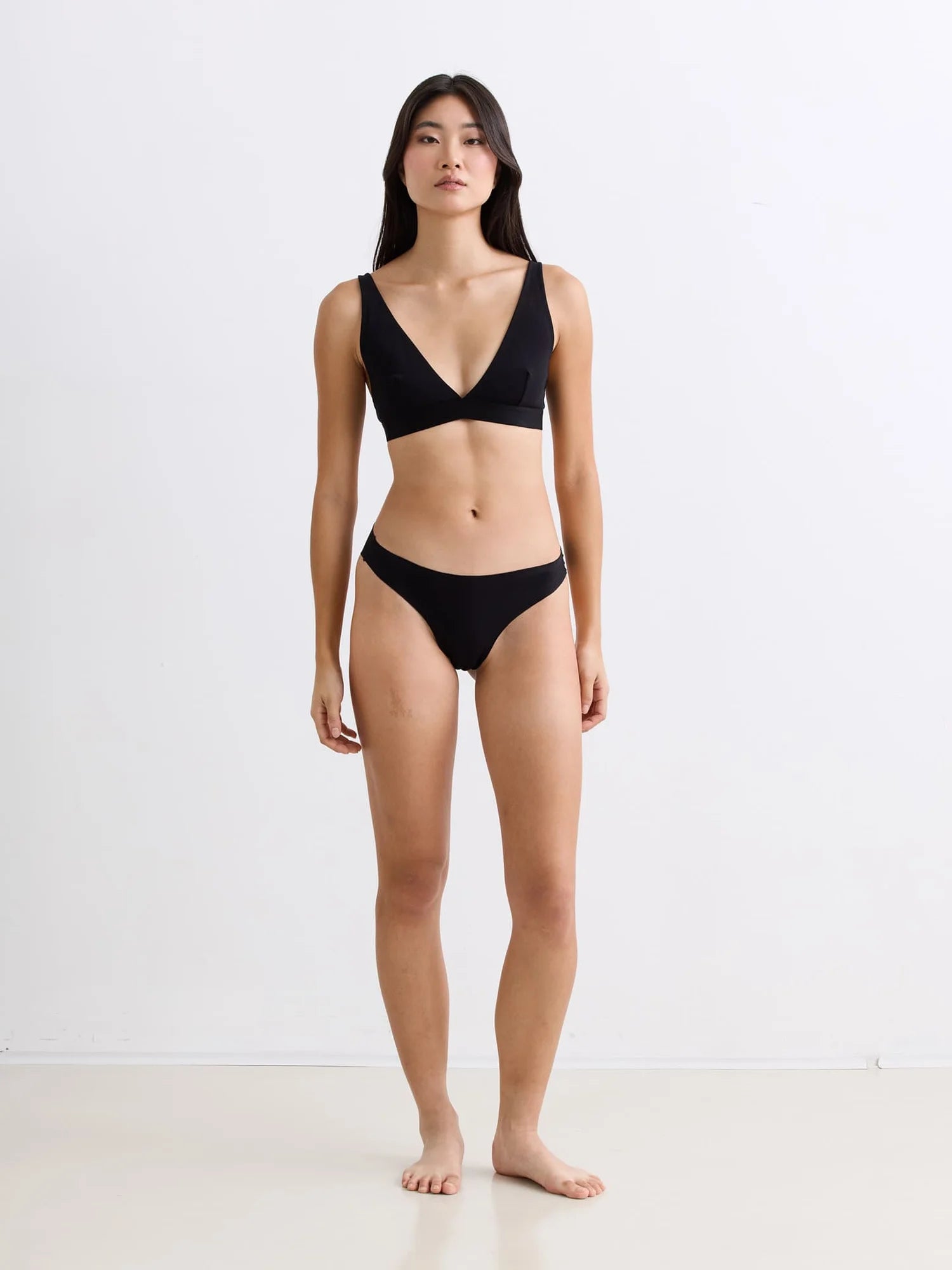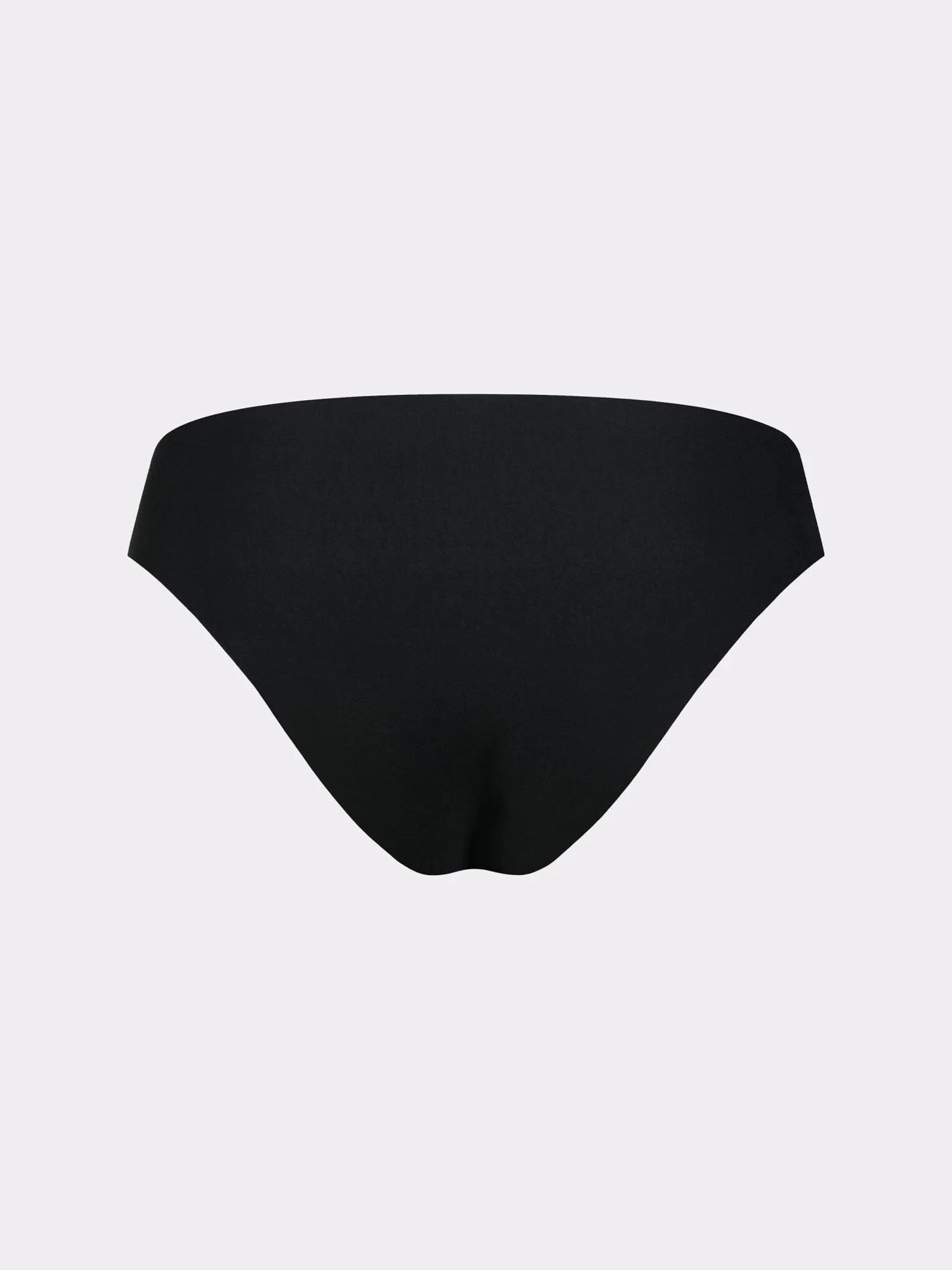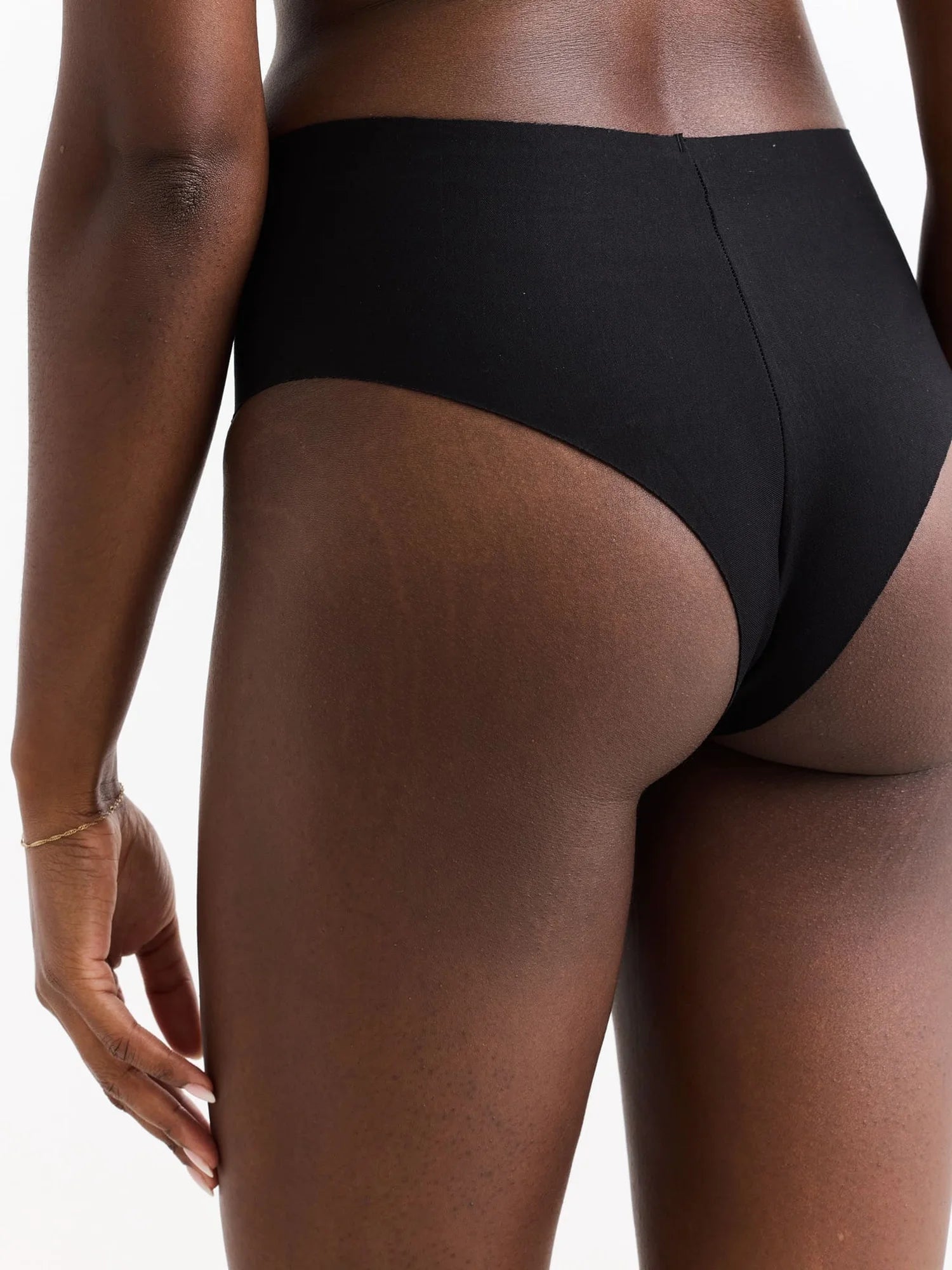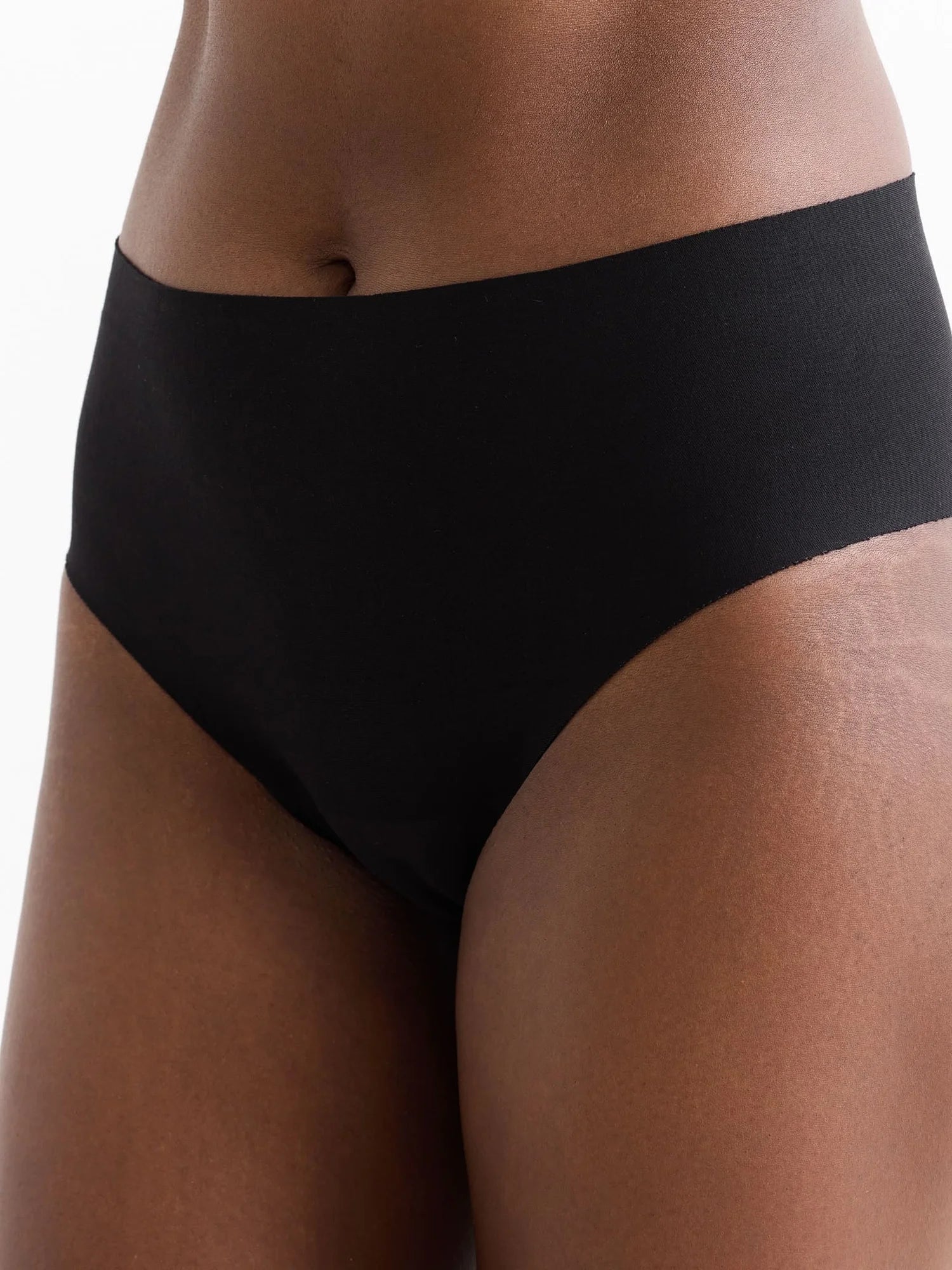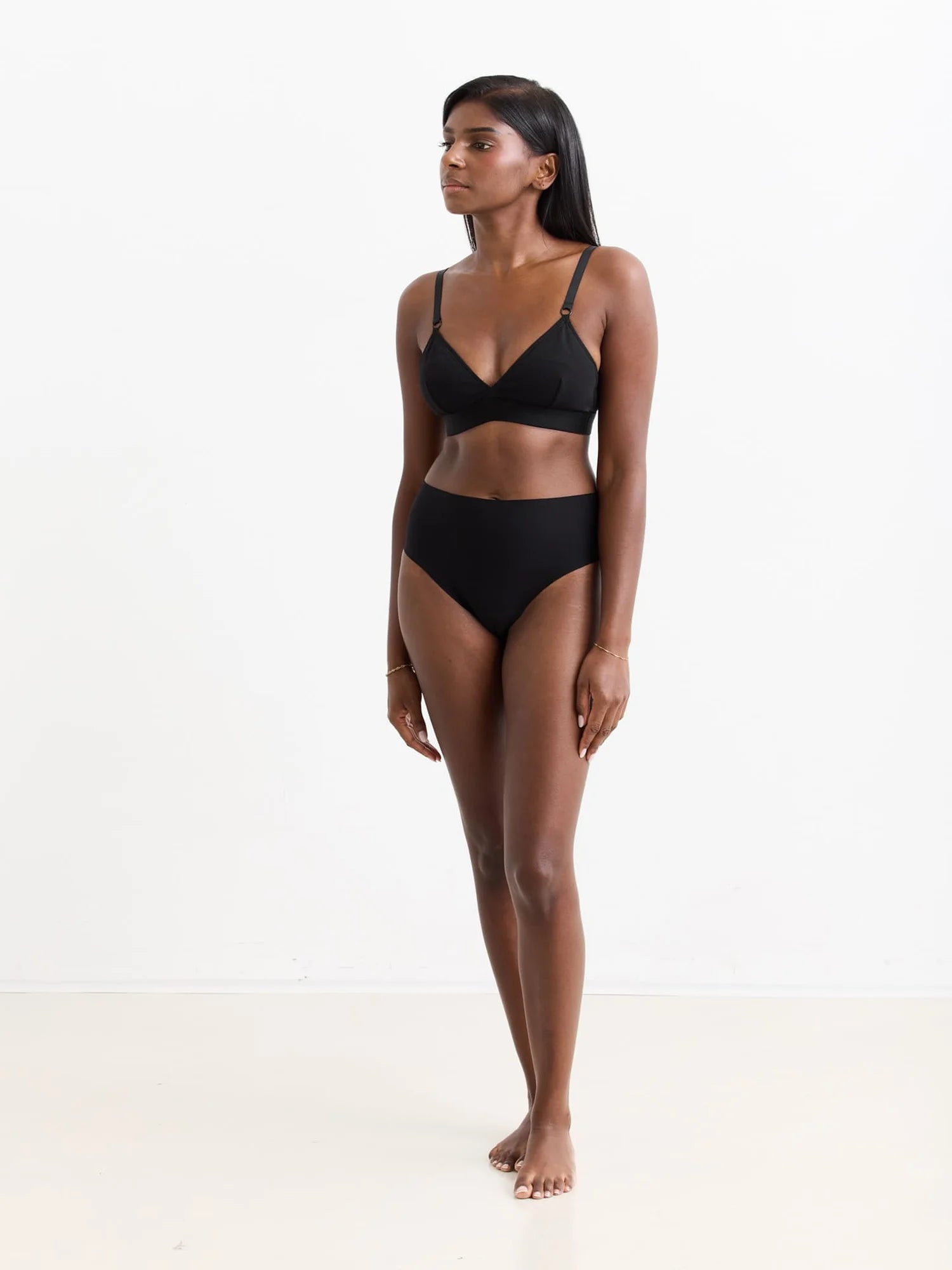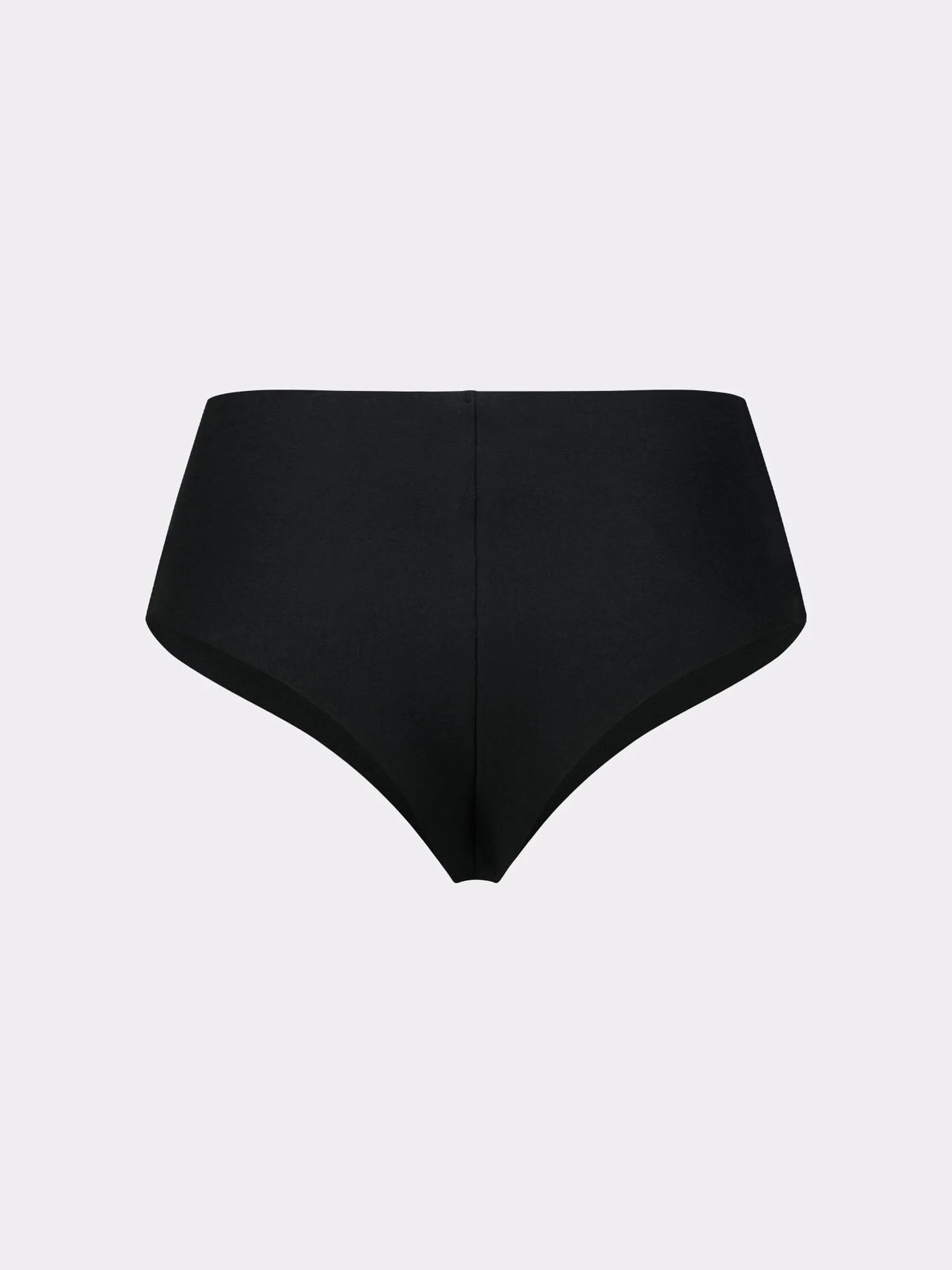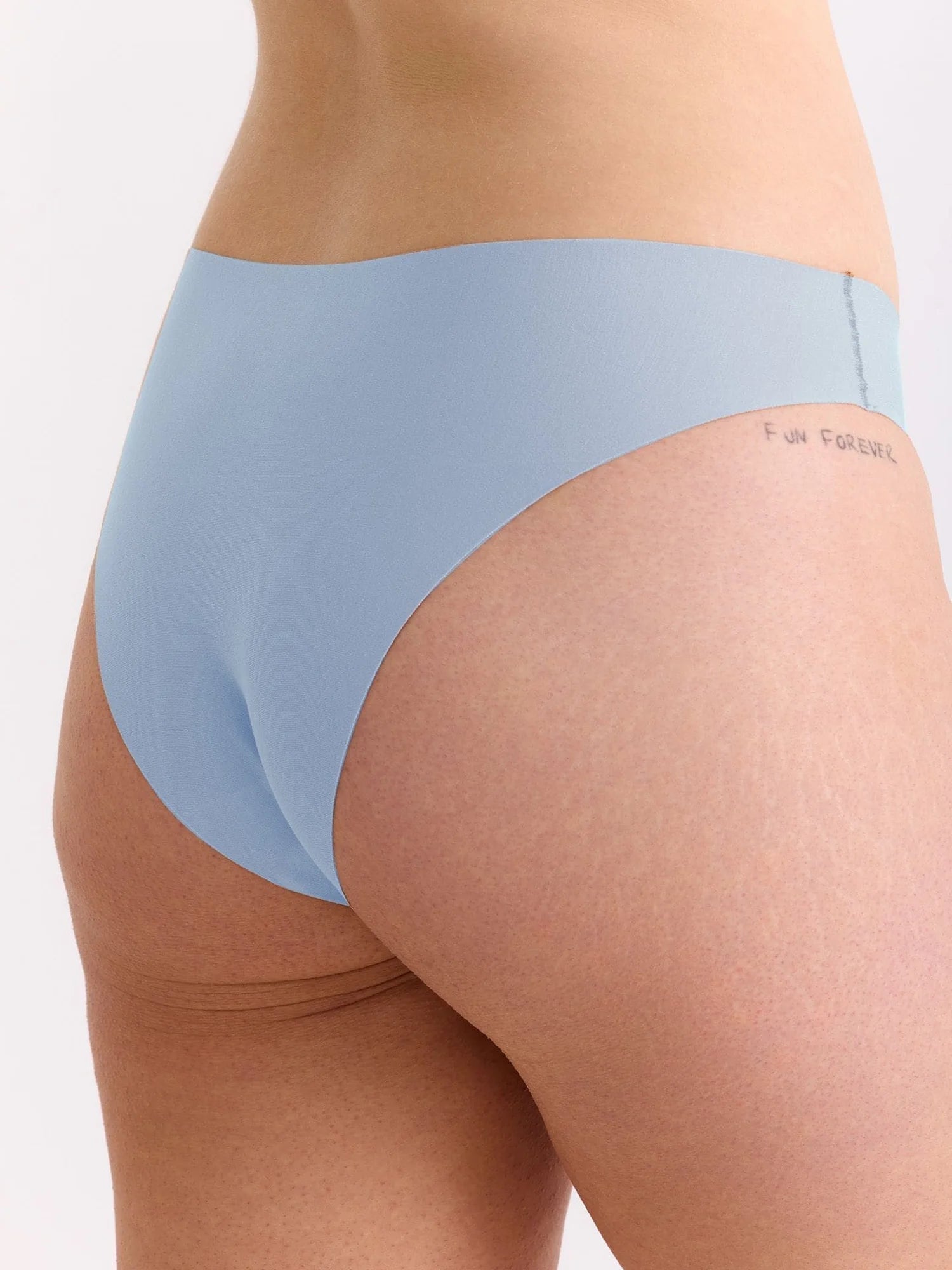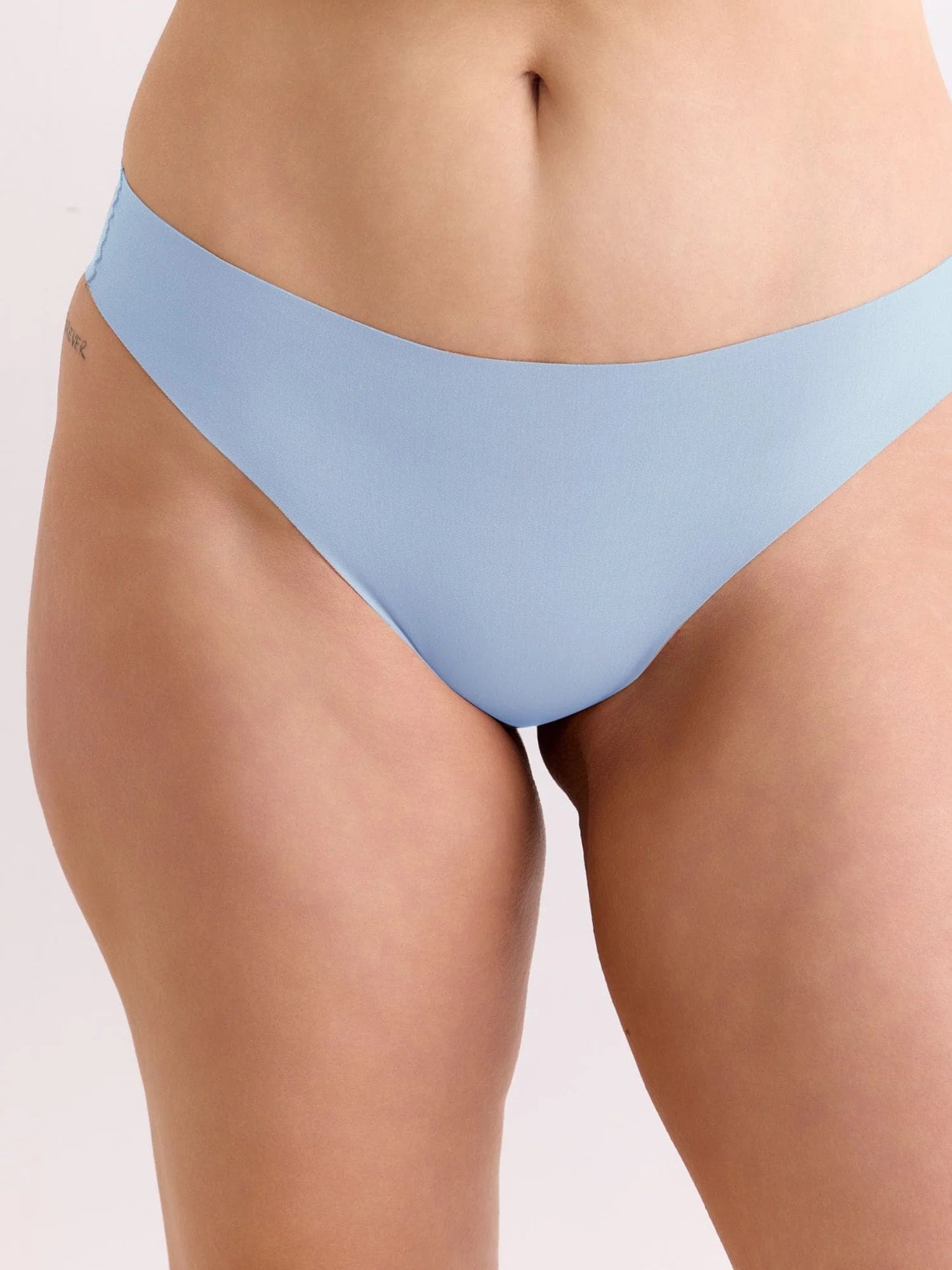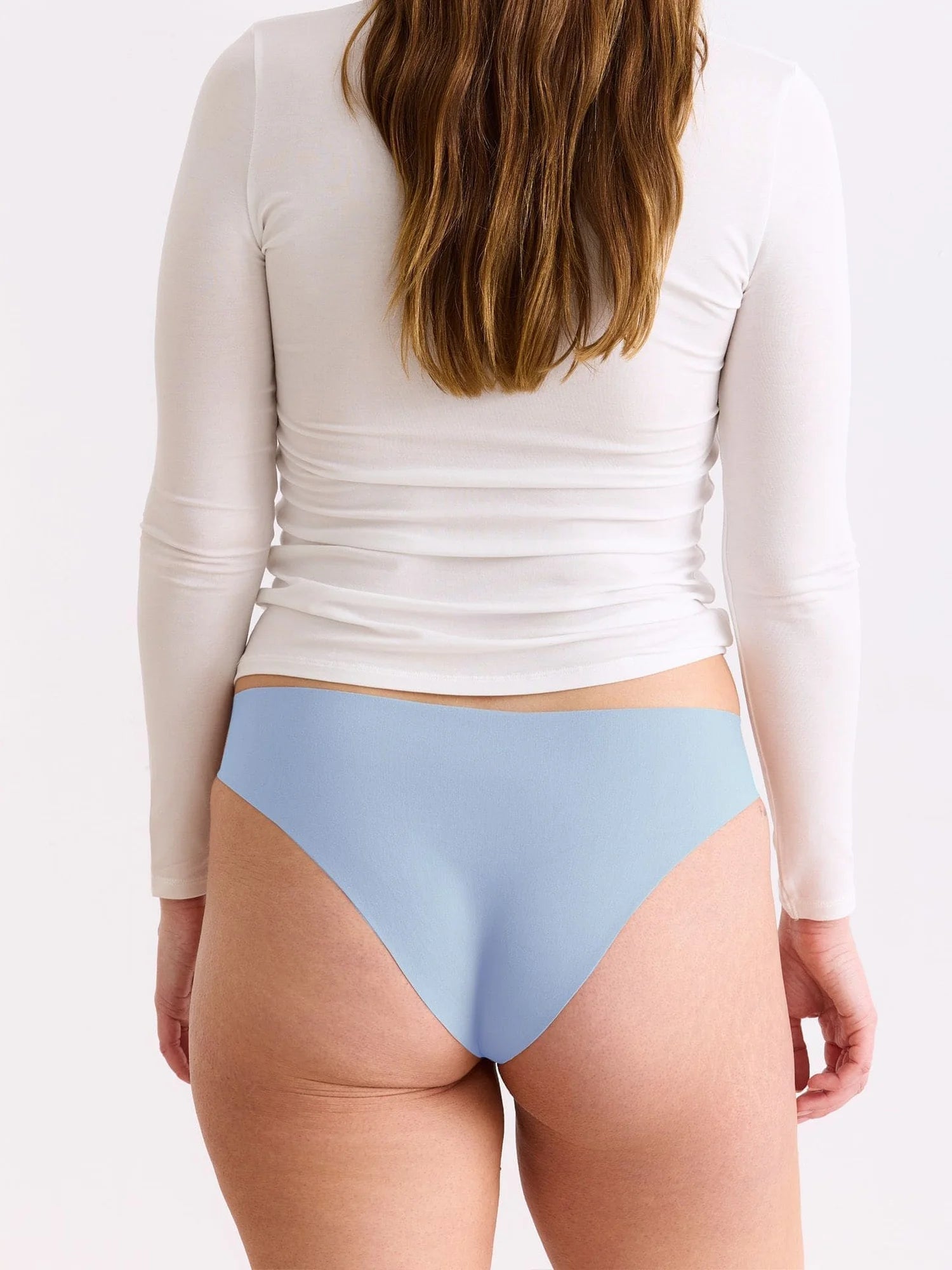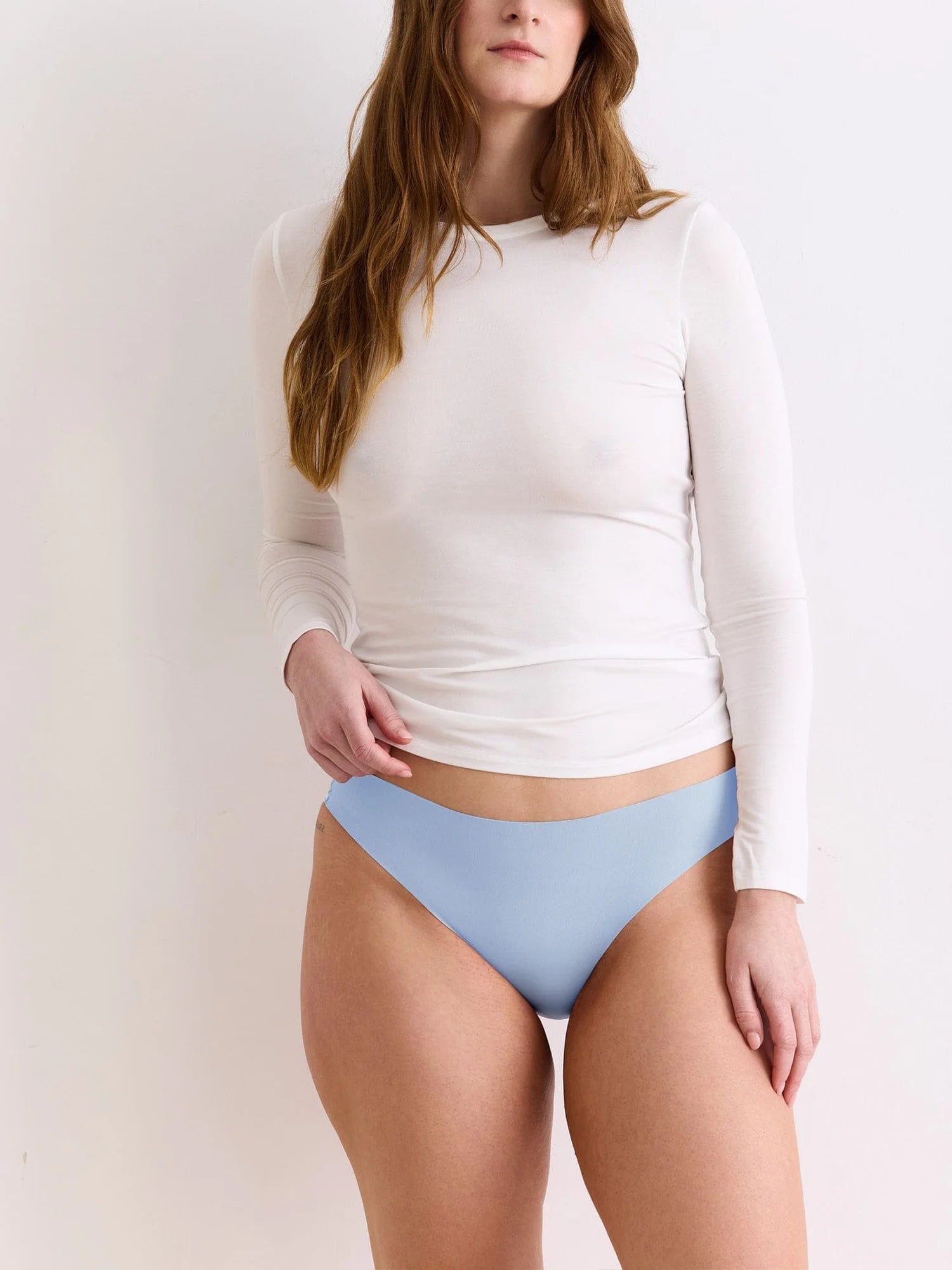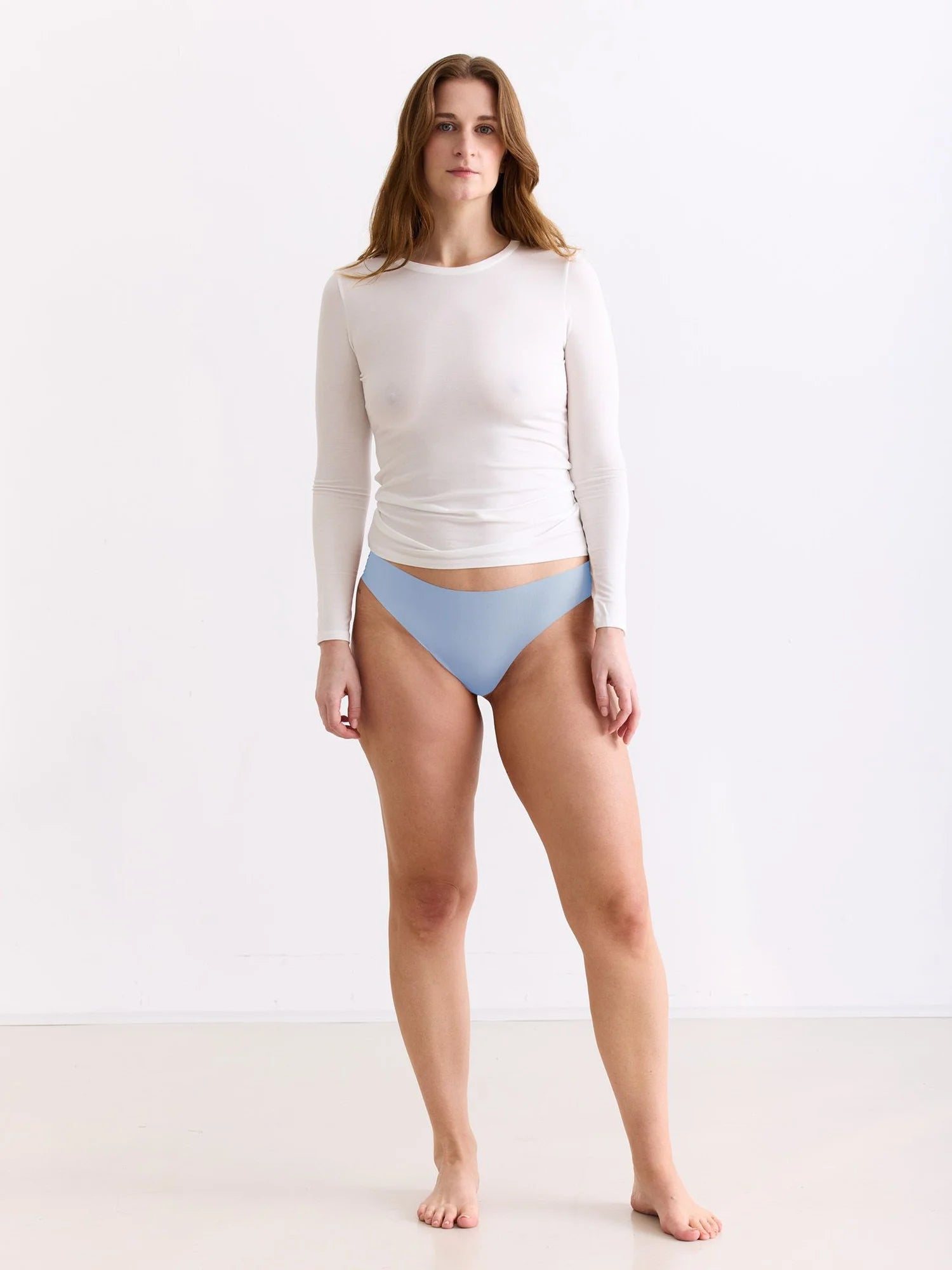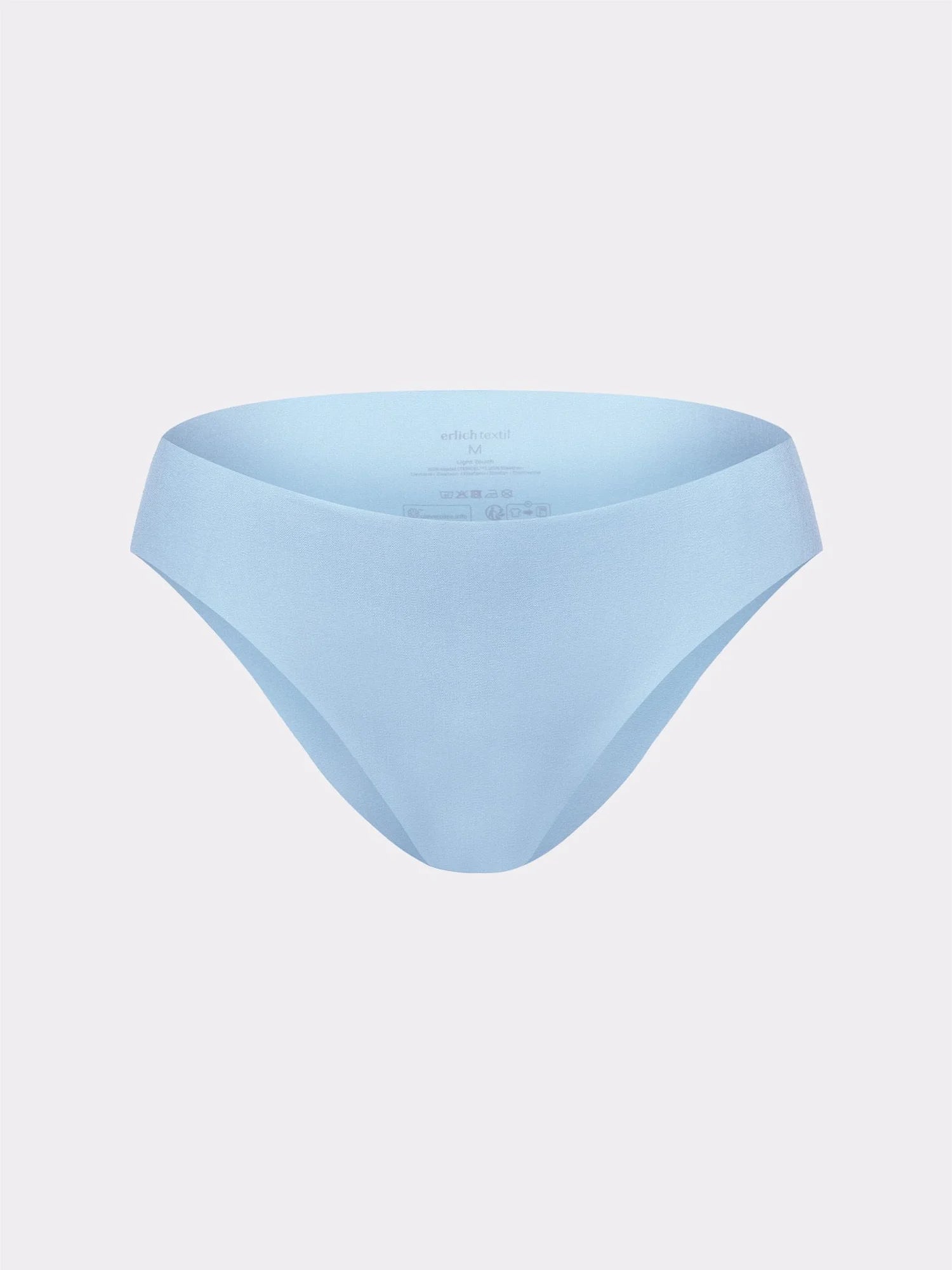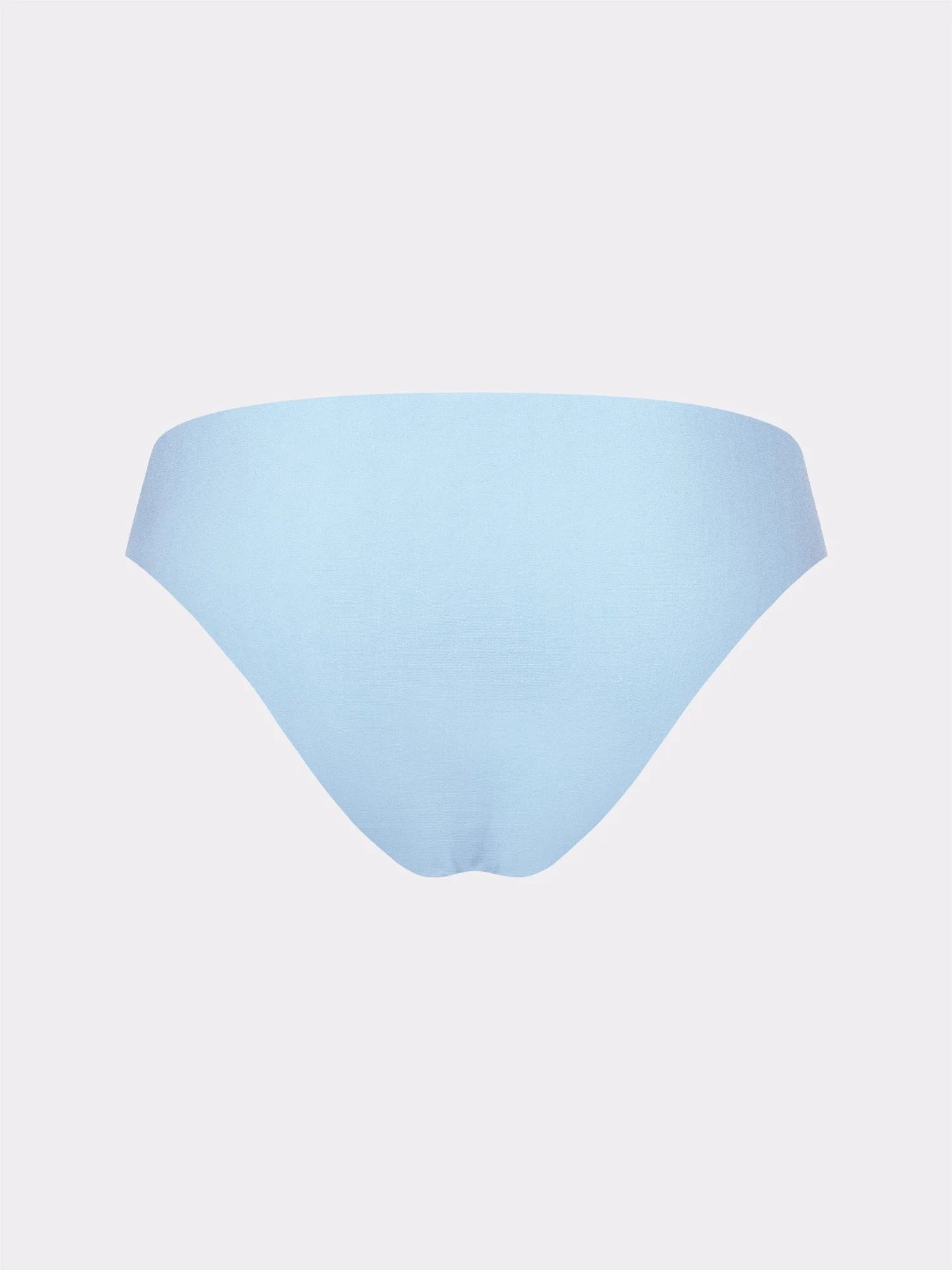


Are you wondering what the difference is between Lyocell and cotton? Which fabric is right for you? We get this question often, and the honest answer is: it depends. Both fabrics have their strengths. Here you will learn everything you need to know.
We are comparing specific fibers here: cotton from certified organic farming (kbA) and TENCEL™ Lyocell from Lenzing. At erlich textil, the cotton comes from certified organic farming or from Cotton in Conversion depending on the item; the exact information is stated on the product.
The search for the perfect underwear shouldn't be complicated. You want a fabric that feels wonderful and whose production you can trace. The problem: Lyocell and organic cotton are both great, and both have different advantages.
In this article, we explain to you honestly and without marketing promises what matters with both fabrics so you can make the best decision for yourself.
What is Lyocell (TENCEL)?
Lyocell is a regenerated cellulose fiber obtained from wood, usually from certified forestry. This is important: the raw material is wood, not crude oil as in synthetic fibers.
Do you just want to know exactly what Lyocell is without a direct cotton comparison? Then read our detailed material guide to Lyocell.
Wood fiber: The special feature of Lyocell is the production process. According to Lenzing, over 99% of the solvent is recovered during production. TENCEL is the brand for Lyocell fibers from Lenzing.
Lyocell: The advantages
- Incredibly soft, silk-like
- Smooth surface, less friction
- Absorbs moisture and releases it again quickly
- Pleasantly smooth, even on sensitive skin
Lyocell: The disadvantages
- Higher price
- Less robust than cotton
- Requires more careful care
What is organic cotton?
Organic cotton (kbA in German, short for cotton from controlled organic cultivation) is cotton grown without synthetic pesticides and fertilizers. Strict standards apply to organic cotton: no genetic engineering, no chemical fertilizers, no use of problematic pesticides.
Plant fiber with organic cultivation: Unlike conventional cultivation, synthetic pesticides and artificial fertilizers are not permitted.
Organic cotton: The advantages
- Robust
- Becomes softer with every wash
- Uncomplicated care
- Better value for money
Organic cotton: The disadvantages
- Absorbs sweat more strongly, dries slower
- Slightly more textured feel
- Not quite as silky soft
Lyocell vs. cotton in direct comparison
| Feature | Lyocell (TENCEL) | Organic cotton |
|---|---|---|
| Feel | Silk-like soft, smooth surface | Warmer, more textured, gets softer over time |
| Moisture management | Excellent, absorbs moisture quickly | Good, but absorbs sweat more |
| Robustness | Good, requires gentle treatment | Very robust |
| For sensitive skin | Smooth fiber surface, low friction | Well-tolerated, but rougher fiber surface |
| Cultivation & production | Over 99% solvent recovery according to Lenzing | Without synthetic pesticides, requires water for cultivation |
| Price | Higher | Moderate to medium prices |
| Care | Wash gently, do not spin | Simple, robust in the wash |
Result: There is no clear winner. Lyocell scores with its feel on the skin and moisture management, cotton with its robustness and price. It depends on your priorities.
Which fabric is better for sensitive skin?
Many people with sensitive skin find Lyocell more comfortable. The smooth surface creates less friction on the skin.
But: Organic cotton is also a solid option, and many people with sensitive skin enjoy wearing underwear made of organic cotton. The decisive point is often not the fabric alone, but also the craftsmanship. Flat seams, no annoying labels, and high-quality workmanship make the difference.
Cultivation and production compared
This is where it gets interesting, because both fabrics have their advantages:
Lyocell
The special thing is the production process: Lenzing states a solvent recovery rate of over 99% for TENCEL Lyocell. However: the raw material (wood cellulose) must be transported. The footprint also depends on where the wood comes from.
Organic cotton
Organic cotton is grown without synthetic pesticides, without artificial fertilizers, and without genetic engineering, regulated by EU Regulation 2018/848. However, organic cotton cultivation still uses a lot of water. The difference to conventional cotton lies primarily in the avoidance of synthetic pesticides and artificial fertilizers.
Bottom line: If the production process is more important to you, choose Lyocell. If the cultivation is more important to you, choose organic cotton. Even better: combine both in your underwear mix.
Choose the fabric that suits you
Lyocell and organic cotton are both good materials for underwear. There is no clear winner; it depends on your personal priorities:
Choose Lyocell
If you want maximum softness, have very sensitive skin, or sweat a lot at night.
Choose organic cotton
If you prefer robust, uncomplicated underwear and your budget is tighter.
Choose a mix
If you are not sure, you can test both fabrics and find out what you like better.
Both materials at erlich textil
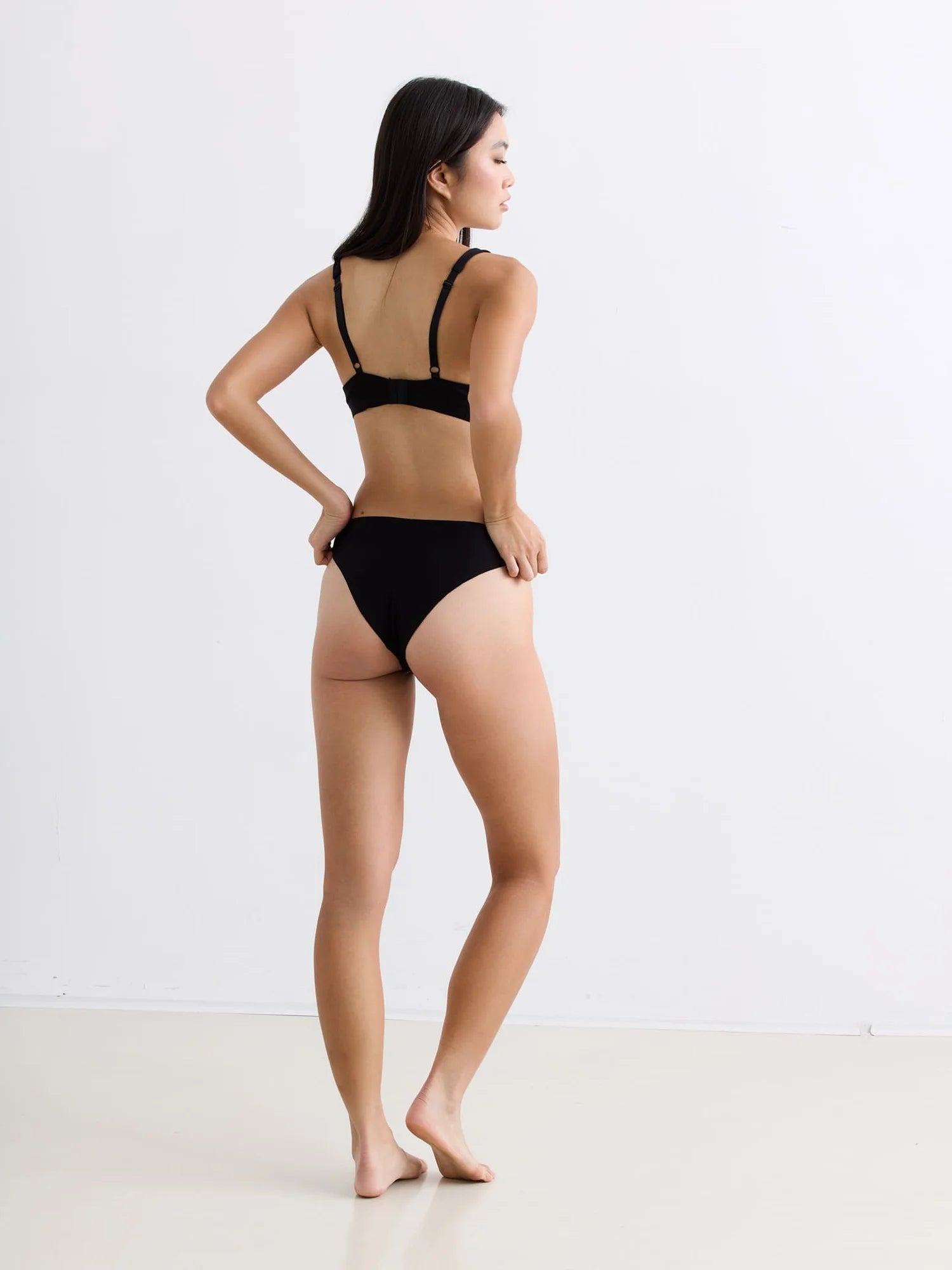
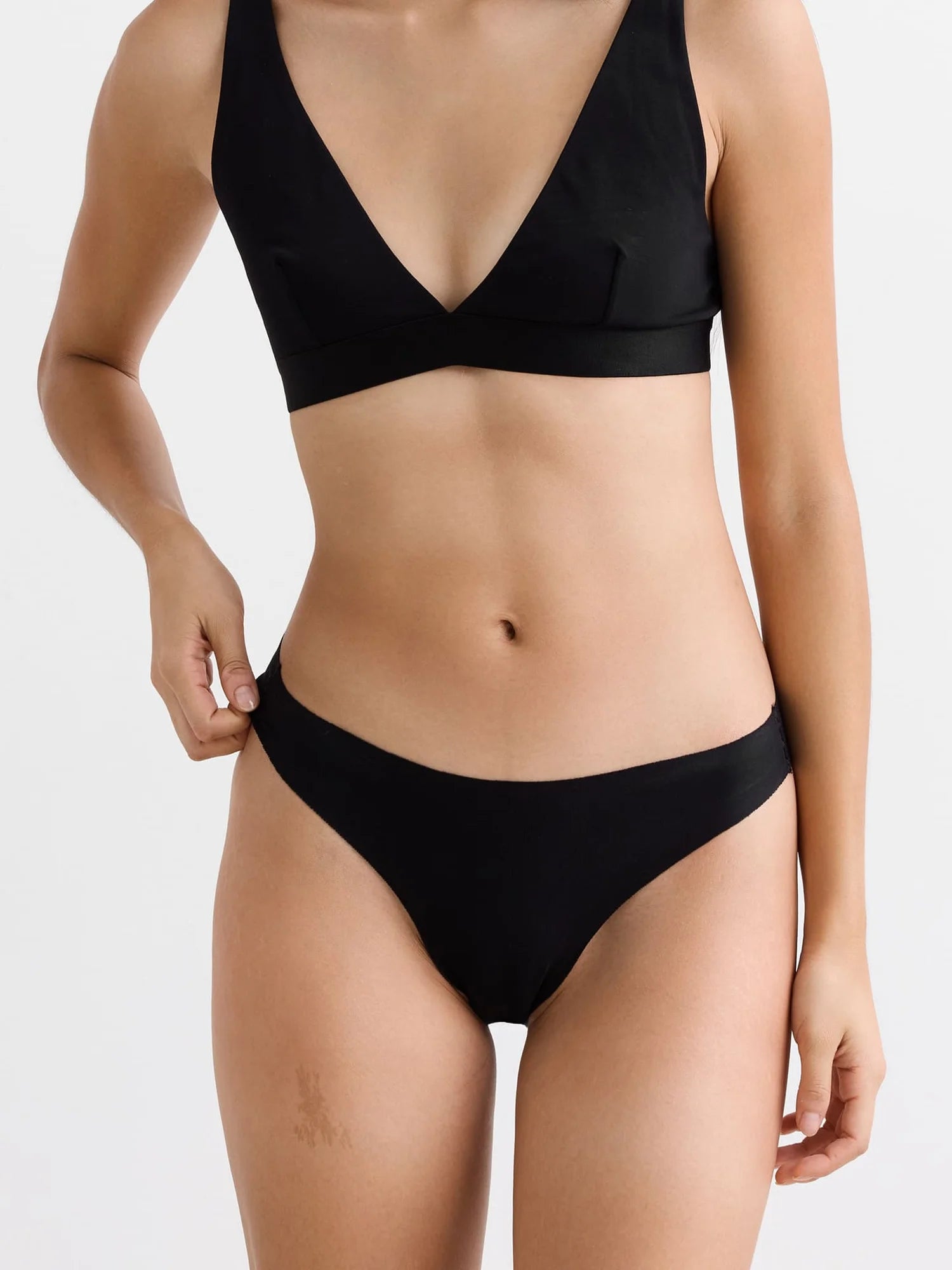
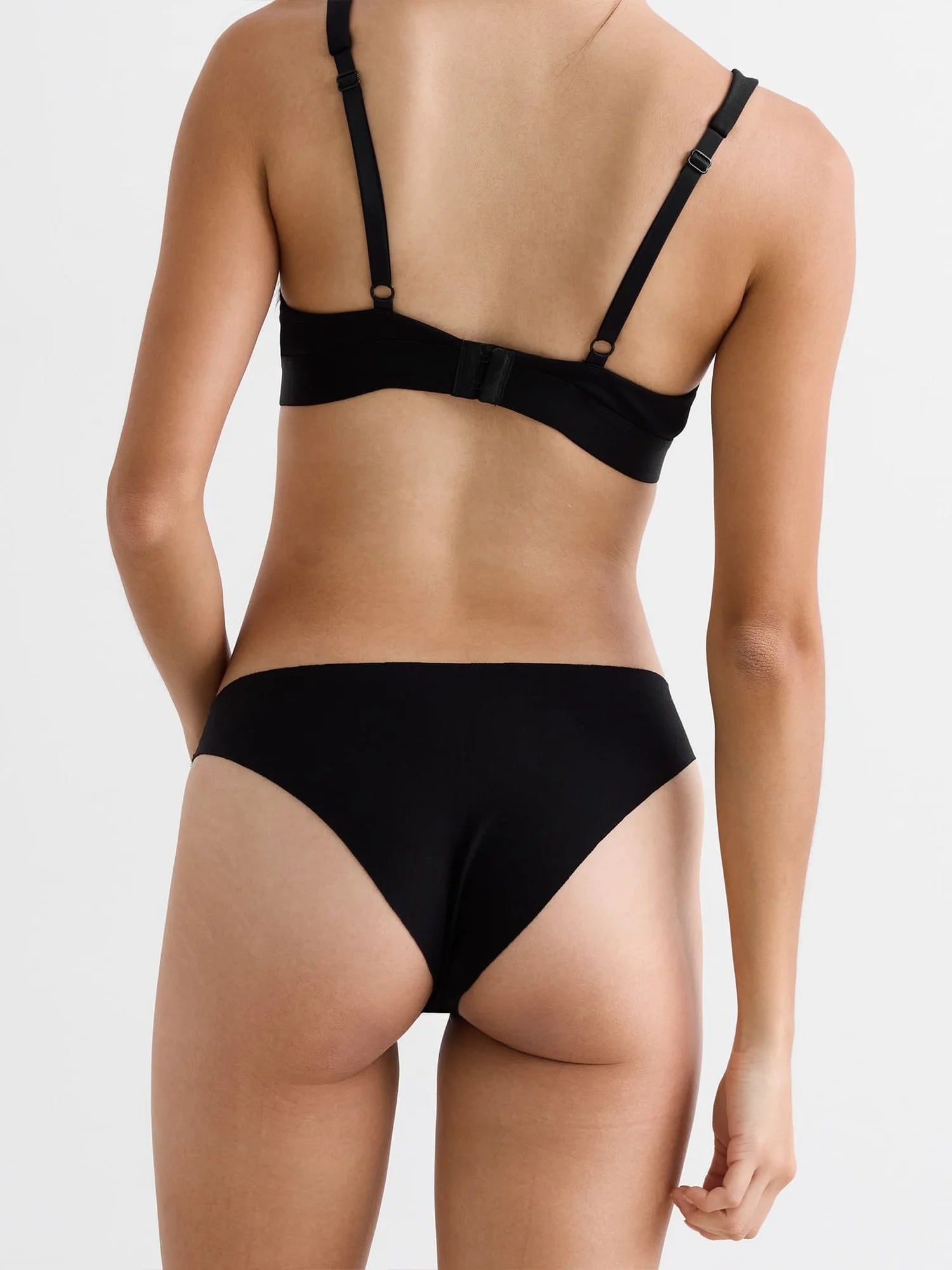
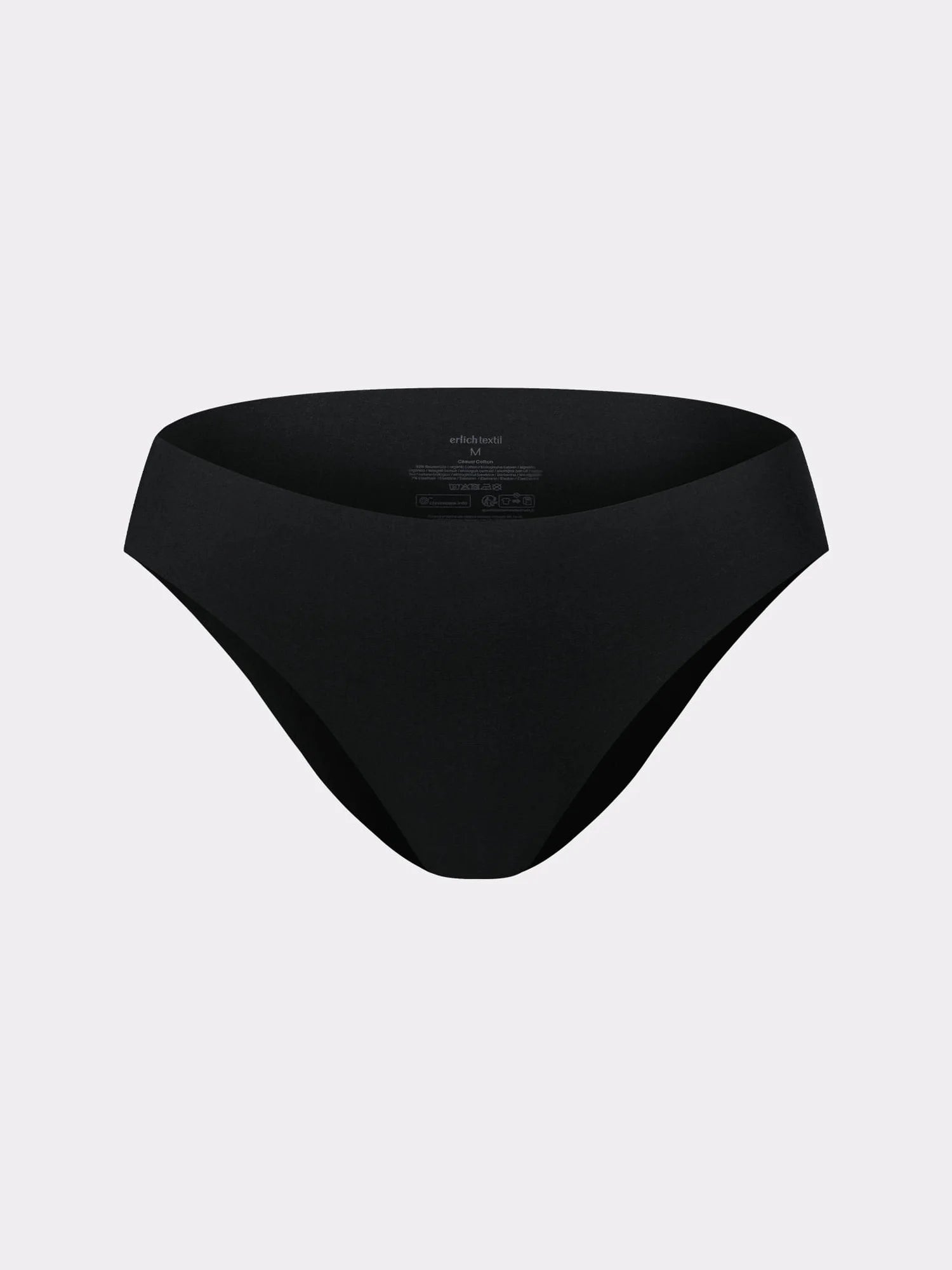
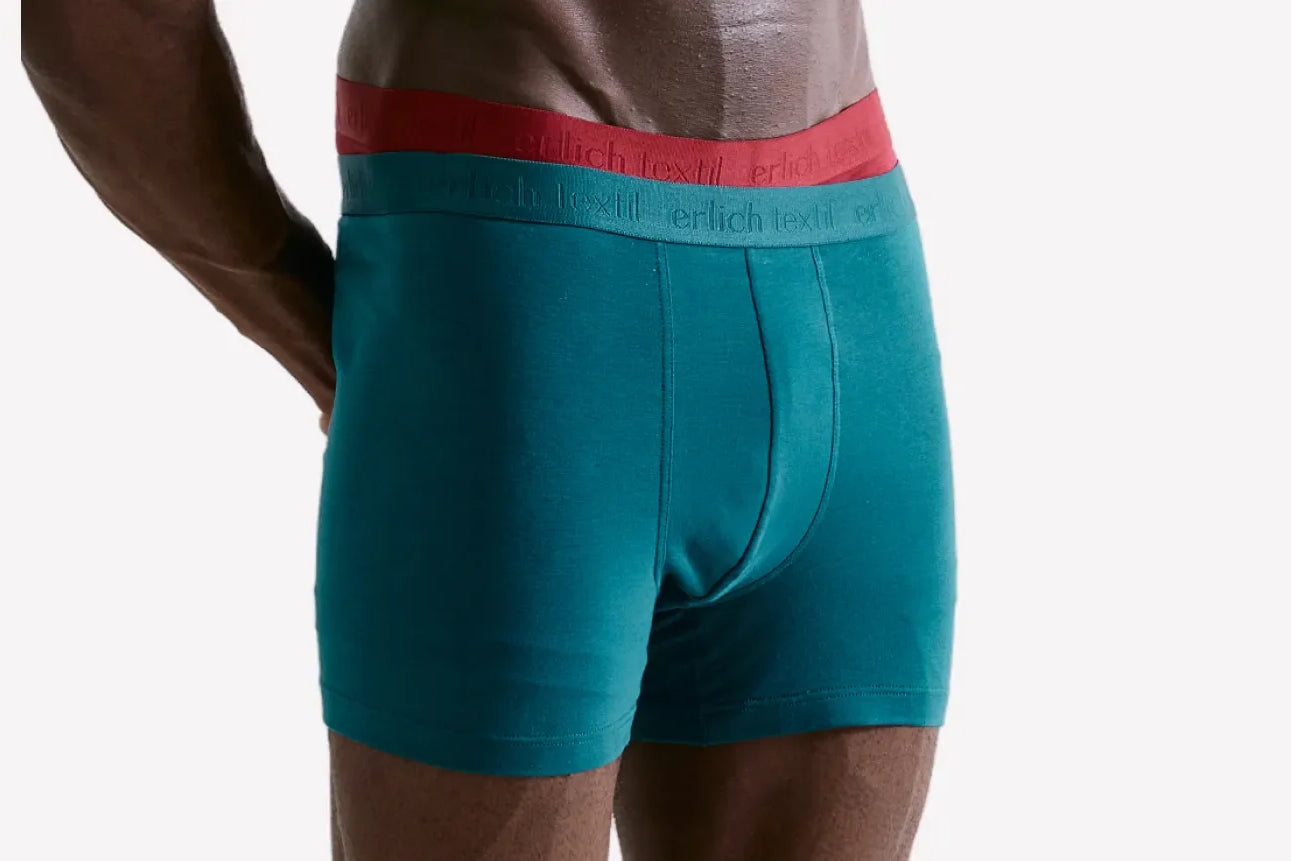
At erlich textil, you will find high-quality underwear made from both materials. Lyocell is used in our Light Touch Basics for men, among others, and cotton (from organic farming depending on the item) in the Casual Cotton Basics. Choose for yourself which fabric feels better to you.
There is no "best", only what feels best to you.
Frequently asked questions
Lyocell or cotton: which is better for underwear?
There is no universal winner. Lyocell scores with a silky-smooth surface, good moisture management, and suitability for sensitive skin. Organic cotton is more robust, becomes softer with every wash, and is usually cheaper. For everyday wear, organic cotton is strong; for maximum comfort on the skin, Lyocell.
Which fabric is better if you sweat easily?
Lyocell absorbs moisture and releases it quickly, feeling dry in the process. Organic cotton absorbs sweat more heavily and dries slower. If you sweat a lot at night or during the day, you are usually better off with Lyocell.
Is Lyocell more sustainable than cotton?
There is no blanket answer. According to Lenzing, Lyocell is produced with over 99% solvent recovery. Organic cotton is grown without synthetic pesticides but requires water for cultivation. What counts for you depends on whether the production process or the cultivation is more important to you.
Does Lyocell have disadvantages?
Yes. Lyocell is generally more expensive than cotton, slightly less robust, and requires gentler washing. If you are looking for uncomplicated, robust basics, you are often better off with organic cotton.
How do I care for Lyocell and cotton properly?
It is best to wash Lyocell gently at a low temperature and avoid high spin cycles. Organic cotton is more robust and handles normal washing well. When in doubt, always check the care label of the specific model, as fabric blends may have different instructions.