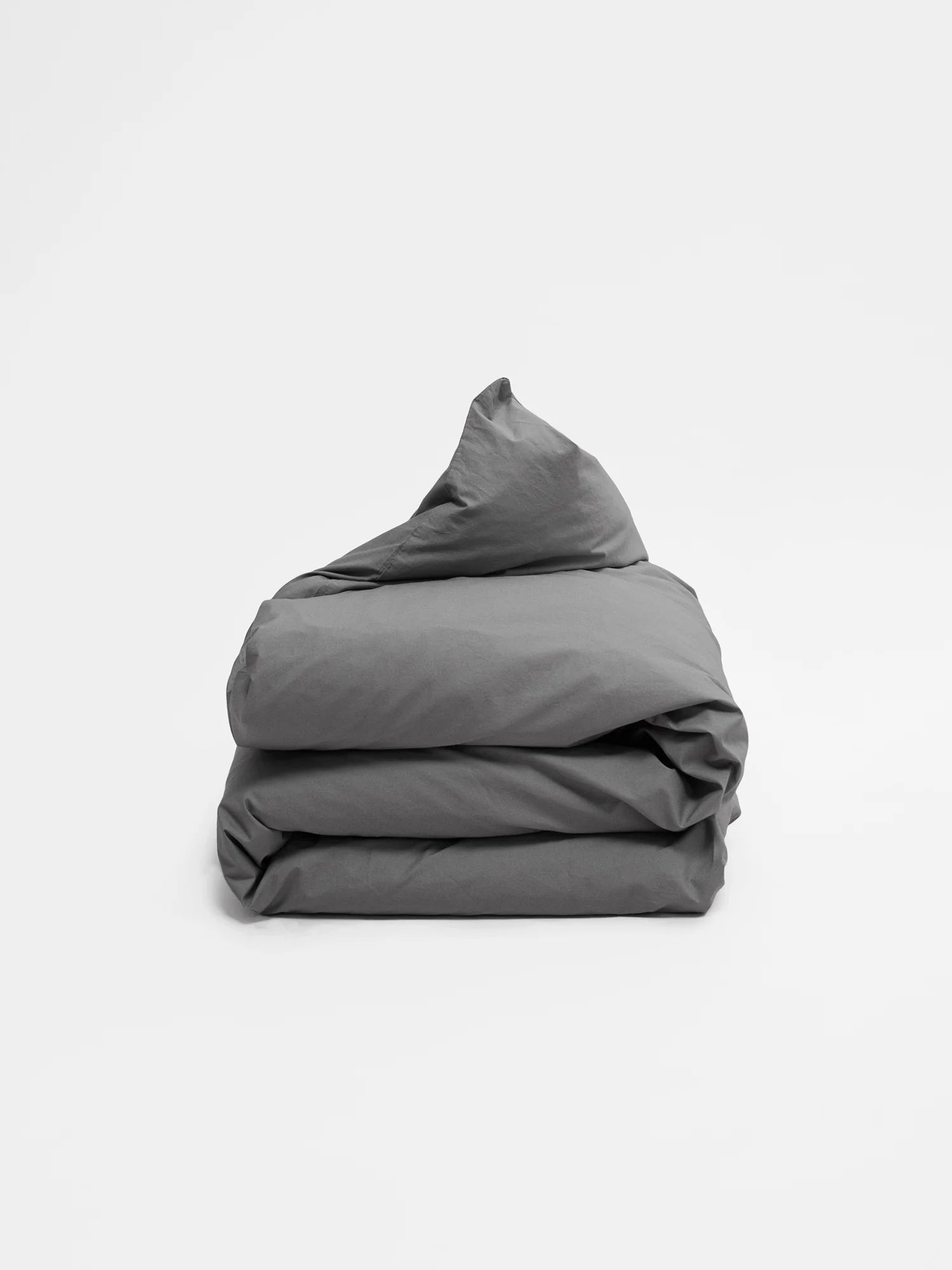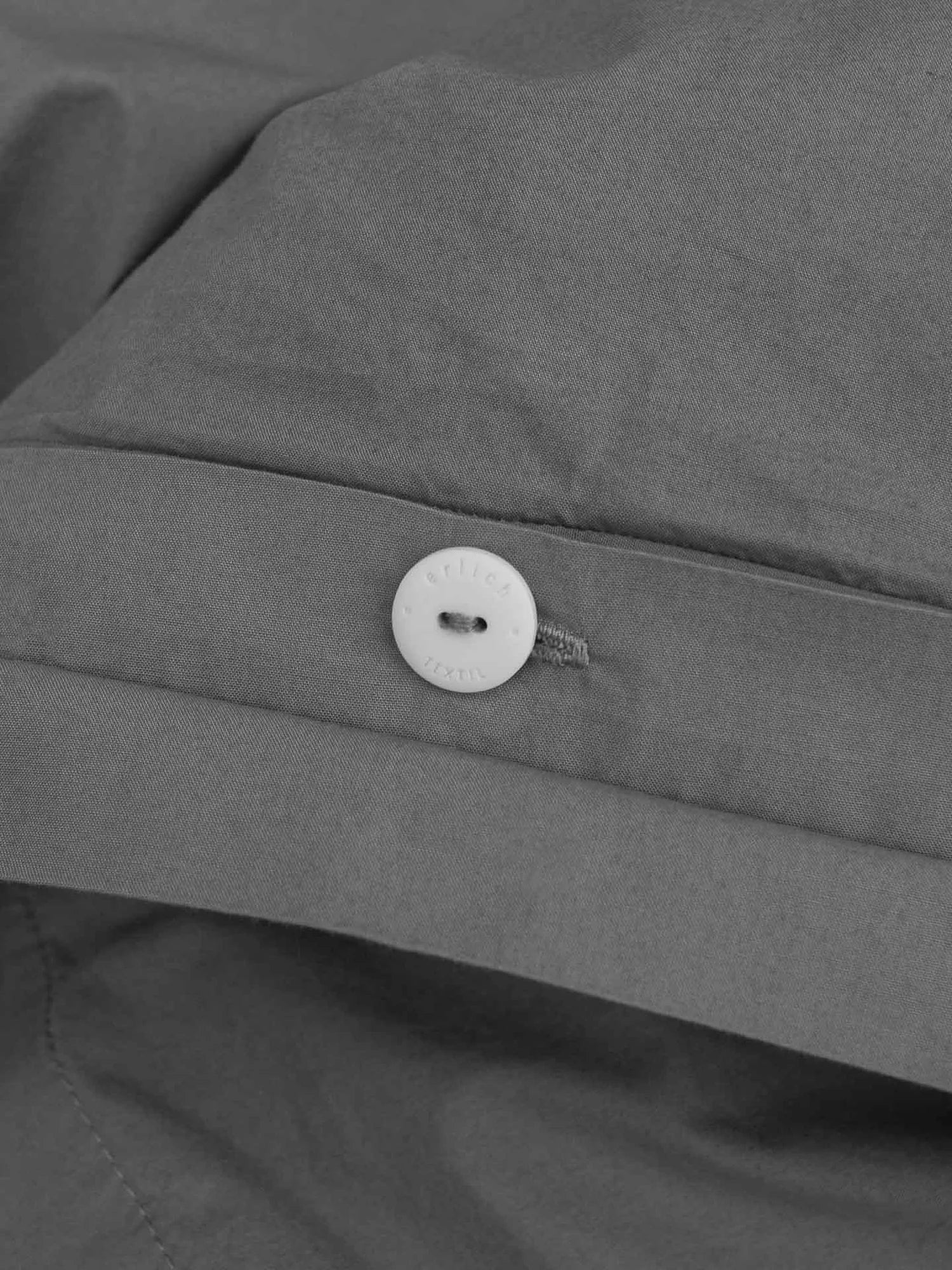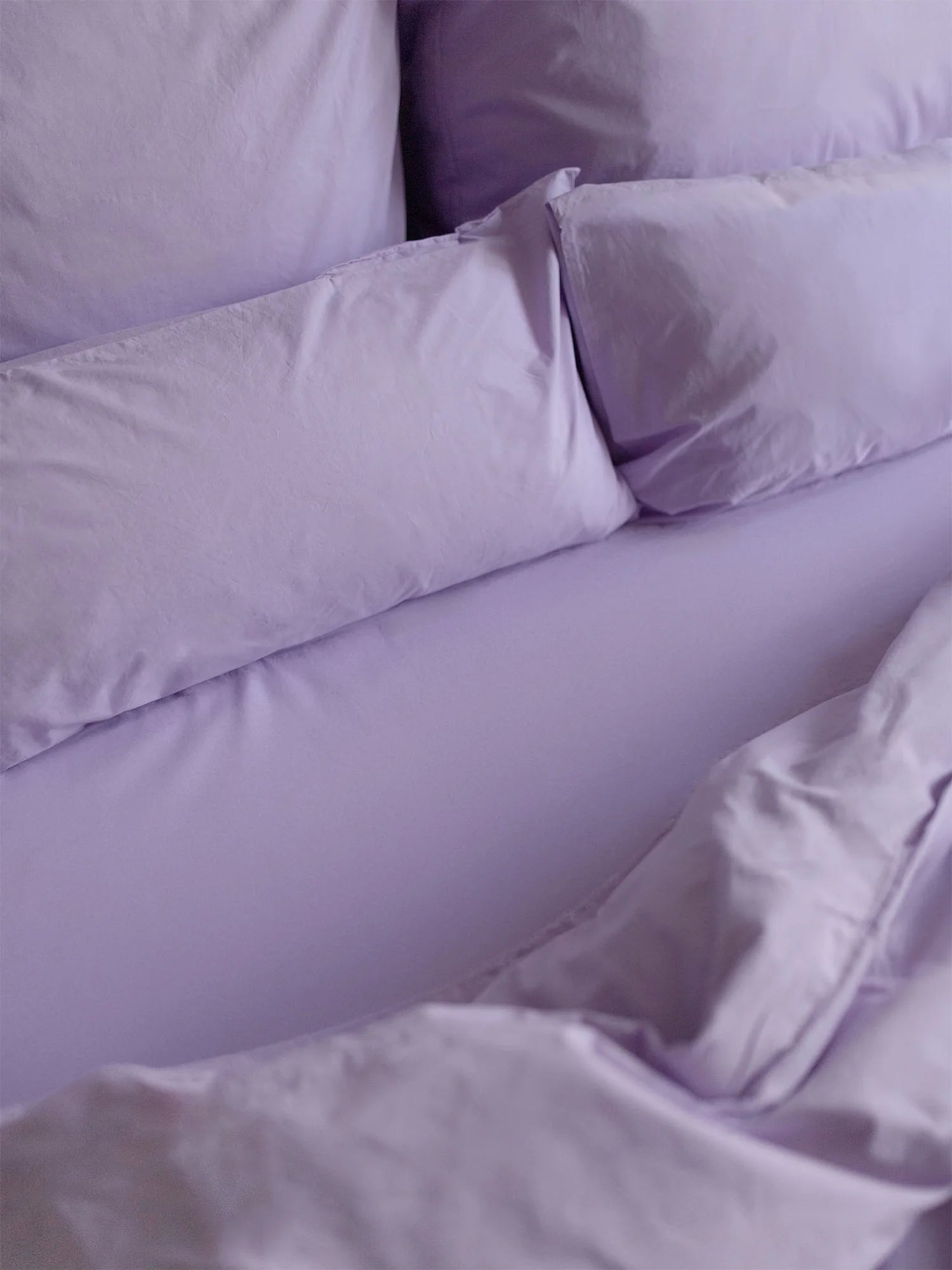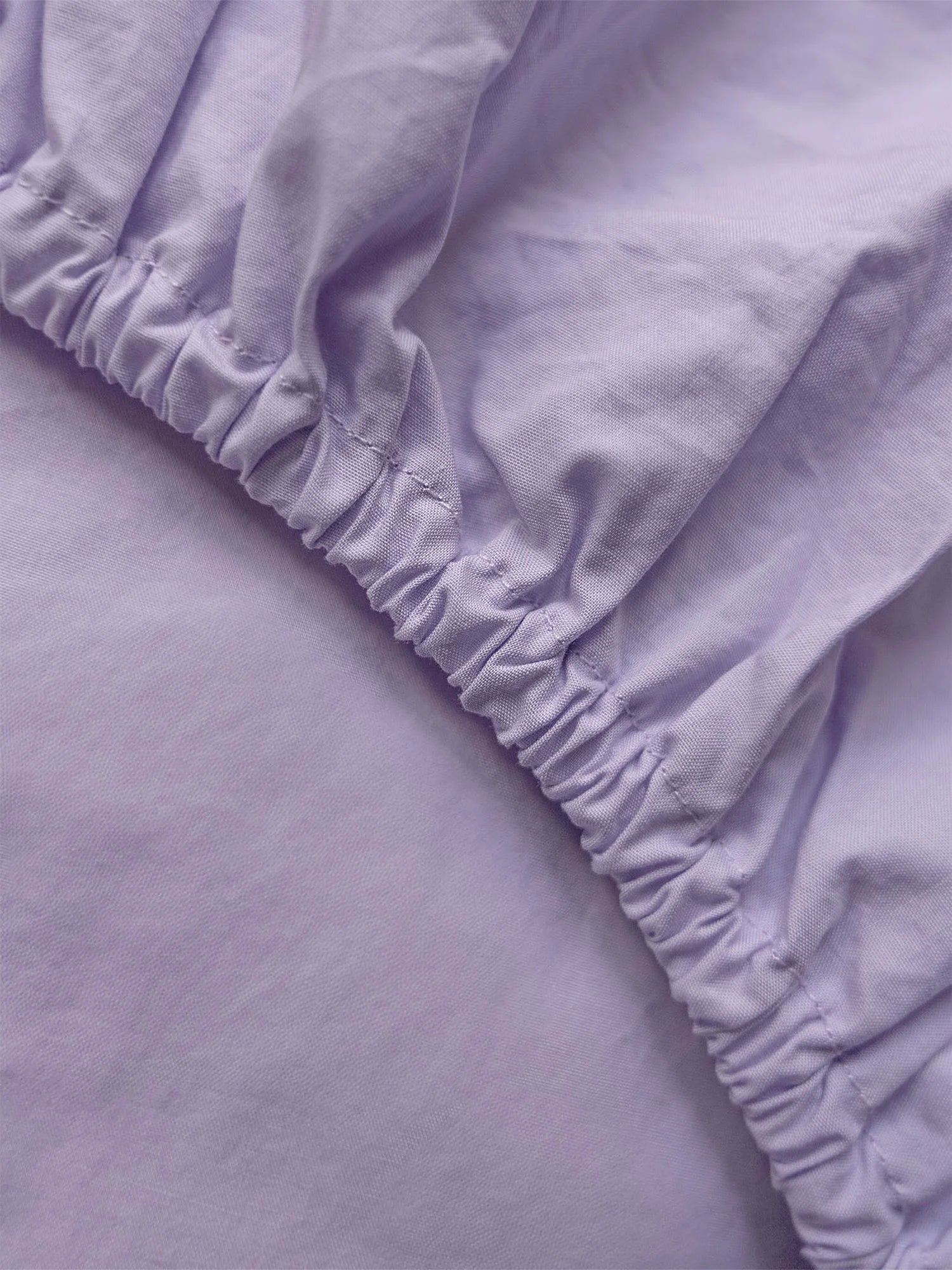


There's hardly a better feeling than getting into a freshly made bed in the evening. But how often should you actually change your bed linen? And how do you wash it properly to keep it fresh for a long time? Here you'll find out everything about caring for your bed linen the right way.
Freshly washed bed linen is simply wonderful. But many people ask themselves: how often should I change it? And what do I need to bear in mind when washing? The good news: with a few simple tips your bed linen lasts longer and always feels pleasant.
How often should you change your bed linen?
Have you ever thought about everything that happens on your bed linen at night? While we sleep we lose about half a litre to a litre of water per night, which is then given off into the bed linen and the mattress. On top of that come skin cells and sweat.
The warm, damp climate is perfect for bacteria, mites and germs, and in the worst case they can lead to skin conditions, allergies or even asthma.
Our recommendation: change your bed linen once or twice a month. That removes dead skin cells, sweat and dirt and is not only more hygienic, it also gives you an even more pleasant feeling while you sleep.
Washing bed linen, this is what to bear in mind
The right wash programme
You choose the right programme for your laundry based on the material. We recommend washing your bed linen on a delicates or gentle wash programme. These programmes have a gentler drum movement and reduce the risk of damage to or distortion of the fabrics. Also make sure you reduce the spin speed, to minimise creasing and save energy.
The right temperature
You can wash most bed linen at 40 degrees Celsius without any problem. This temperature is ideal for removing dirt and bacteria without damaging the fabrics. Thanks to the low temperature you also save electricity and do something good for the environment at the same time.
If you're unsure, however, take a look at the care label attached to your bed linen. Sometimes there are specific recommendations for lower temperatures, especially with delicate materials.
The right detergent
Powder rather than liquid: powder detergents generally manage without preservatives, have better washing performance and put less strain on sewage treatment plants than liquid ones. There are already various alternatives on the market that do without petroleum-based surfactants, fragrances and preservatives.
Heavy-duty detergents contain bleaching agents and are therefore often used for white laundry, because they make the laundry gleam again. A heavy-duty detergent is also suitable for particularly heavily soiled laundry.
For less heavily soiled laundry, delicates detergent is the right choice. It manages without bleaching agents or brighteners and cleans materials gently. Combined with a gentle programme at low temperatures, nothing can go wrong. With this choice you go easy on your bed linen and you'll enjoy it for even longer.
Washing light and colourful bed linen properly
It's best to wash white and light bed linen separately from colourful or dark laundry, because even small amounts of dye can make white fibres go grey over time. So wash light bed linen only with other light textiles and reach for a heavy-duty detergent when needed, which ensures a radiant whiteness.
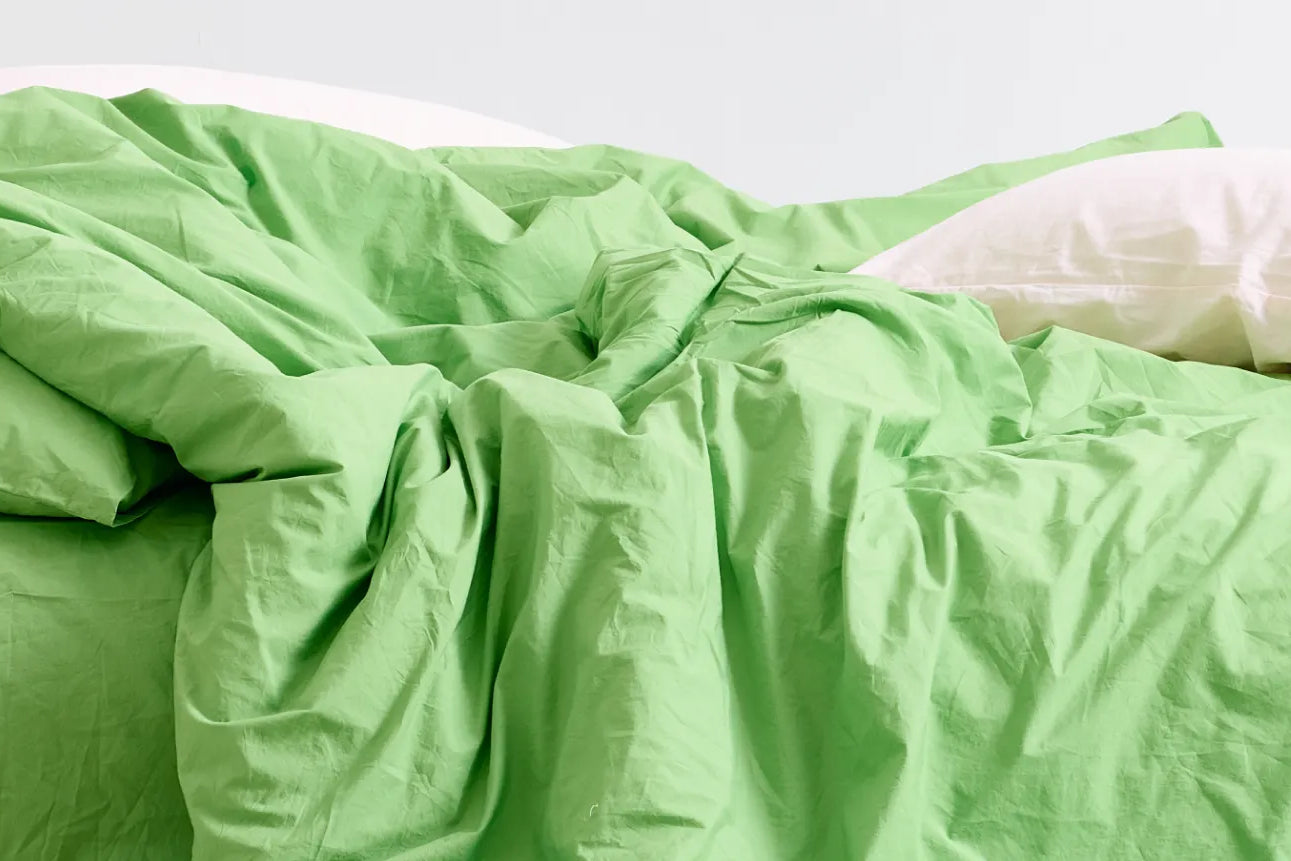
You treat colourful and dark bed linen most gently with a colour detergent without bleaching agents, which protects the colours. Turn the pieces inside out before washing, then the colours fade noticeably more slowly. With new, strong colours it's also worth doing the first few washes separately and at a lower temperature, until the colour has stabilised. To do that, check the care label of your model beforehand so you don't exceed the right temperature. Our colourful bed linen sets are tested for colour fastness, but this caution is still worthwhile with every new, coloured bed linen.
Fabric softener: worthwhile or not?
With bed linen made of cotton or linen we'd rather advise against fabric softener. It settles around the fibres like a fine film, which can reduce absorbency and impair the open structure of the fabric, and that matters at night in particular, when the body gives off moisture. An extra rinse cycle with clear water usually provides enough softness, entirely without additives.
If your bed linen feels too rough to you after washing, a lower spin speed or drying in the fresh air often helps. Should you still not want to do without fabric softener, use it sparingly and check the care label of your model beforehand. Some materials such as linen develop their pleasant softness all by themselves anyway, only after several washes.
Stain treatment
If you have stubborn stains on your bed linen, you can treat them before washing. Simply apply a little detergent directly to the stain and let it work in for a while before you put the whole set of bed linen into the washing machine.
With new bed linen
Have you bought new bed linen? Then wash it before using it for the first time. That removes any residues from manufacturing and packaging. Use the same wash programme and the recommended wash temperature as for future cleaning.
The reason for this is the finishing agents and starch with which textiles are treated during production and for transport, so that they arrive packaged smooth and flawless. These residues can irritate sensitive skin and reduce the absorbency of the fibres at first. Only after the first wash does a natural material such as organically grown cotton or linen unfold its full softness. Wash new, coloured bed linen separately the first time, that way you make sure no colour runs onto other textiles.
Easy-care bed linen: less effort in everyday life
Easy-care bed linen is on trend, and what's meant are fabrics that barely crease, dry quickly and get by with low temperatures. TENCEL Lyocell from Lenzing is a good example of this: the fibre surface is particularly smooth, which creates less friction in the drum and the fabric keeps its shape for longer. In addition, Lyocell feels pleasantly cool on the skin.
Linen bed linen is also one of the easy-care options, even if many people initially think of laborious ironing. Our linen comes from Europe and becomes softer and more supple with every wash, entirely without extra care. A gentle or delicates wash programme at a low temperature is completely sufficient for both materials, but always check the care label of your specific model for the exact temperature.
Drying bed linen properly
The environment and your favourite pieces will thank you if you dry the bed linen outside on the line where possible. In the tumble dryer the bed linen is exposed to strong friction, which can put a strain on the material. If you do use a dryer, choose a low temperature to avoid shrinking, and be sure to check the care label.
Drying tip: when you hang your bed linen on the line, it dries best in wind, and not, as you might assume, in strong sunshine. Make sure there's a good draught, then your laundry dries particularly quickly. The wind also smooths out creases, while the sun is the natural bleaching agent (but only for white cotton textiles).
Frequently asked questions
How often should you wash bed linen?
Change your bed linen once or twice a month and wash it straight afterwards. That reliably removes skin flakes, sweat and dust before bacteria or mites can multiply.
At what temperature is it best to wash bed linen?
For most materials, 40 degrees Celsius on a delicates or gentle wash programme is completely sufficient to remove dirt reliably while saving energy at the same time. With heavy soiling or in cases of illness a higher temperature can make sense, so check the care label of your model beforehand.
Do you have to wash new bed linen before using it for the first time?
Yes, you should definitely do that. It removes finishing agents and residues from production and transport, and the material unfolds its full softness right away. Wash new, coloured sets separately the first time, so that no dye runs onto other laundry.
How do you wash light bed linen properly without it going grey?
Always wash white and light bed linen separately from colourful or dark textiles and reach for a heavy-duty detergent with optical brighteners when needed. A gentle cycle at 40 degrees Celsius is usually enough, and for laundry that has gone greyer you can raise the temperature moderately in line with the care label of your model.
Is fabric softener worthwhile with bed linen?
With cotton and linen rather not, as fabric softener can reduce the absorbency of the fibres. An extra rinse cycle or drying in the air usually achieves a similarly soft result, entirely without additives.
Bed linen at erlich textil
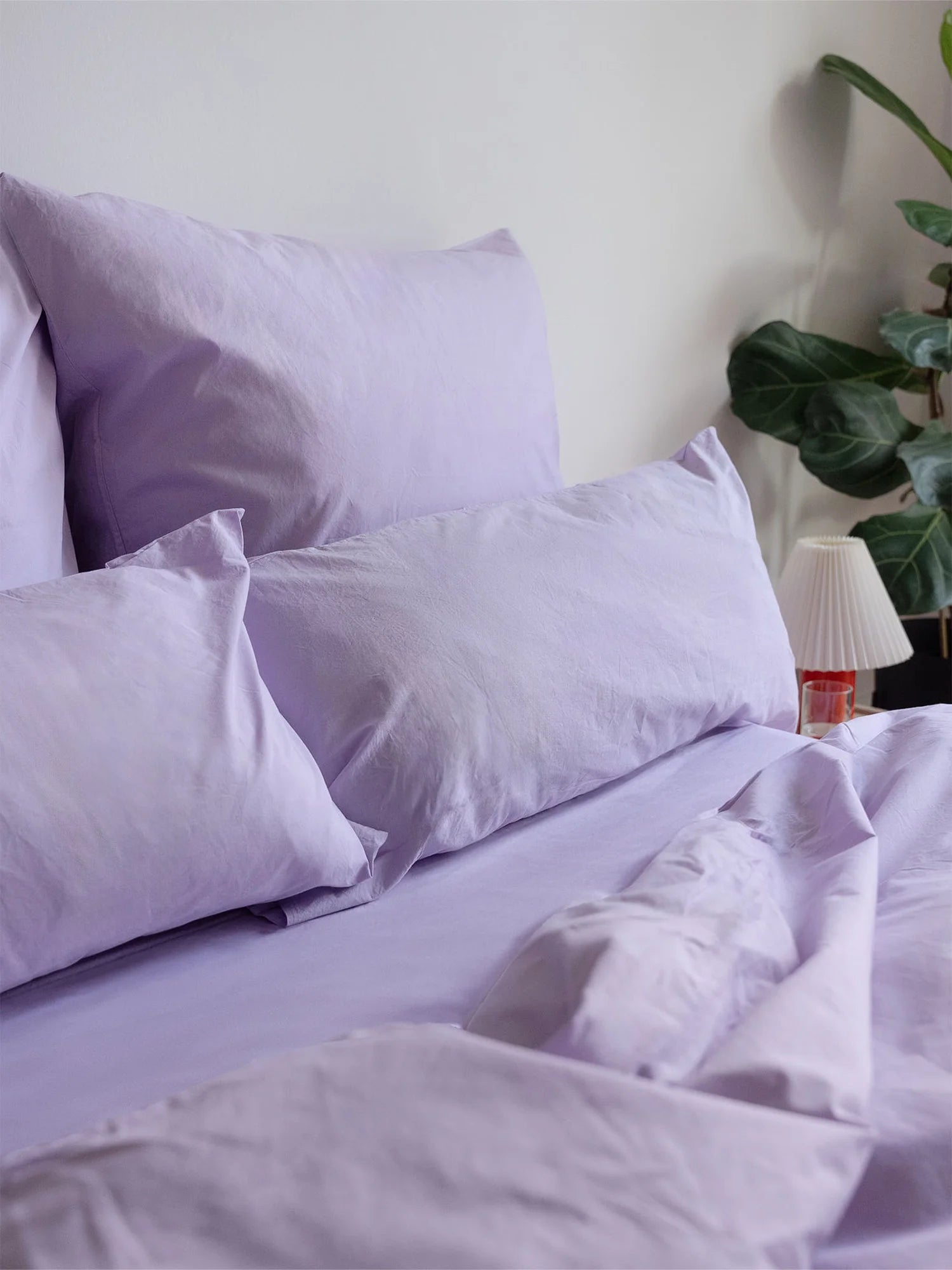
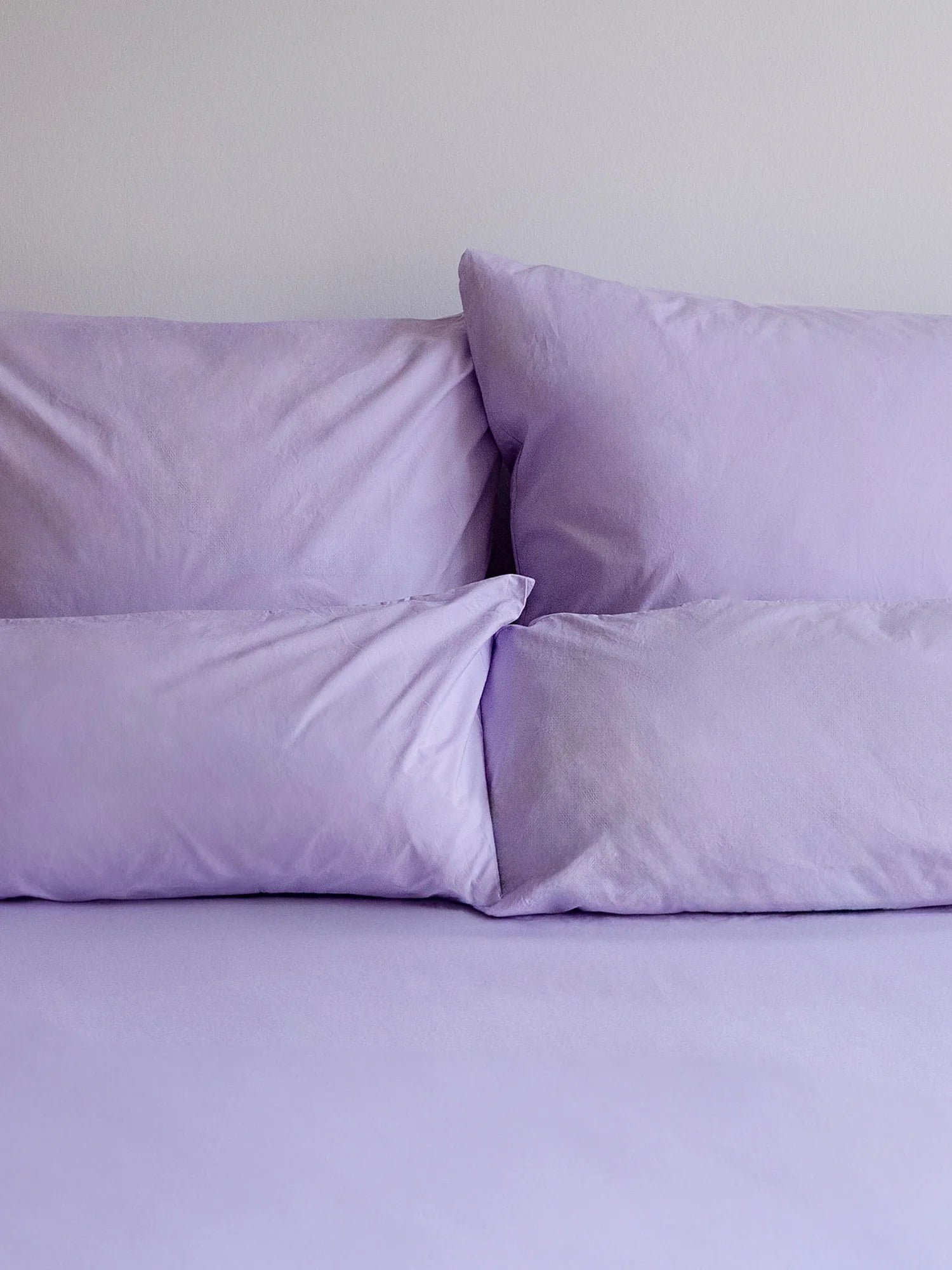
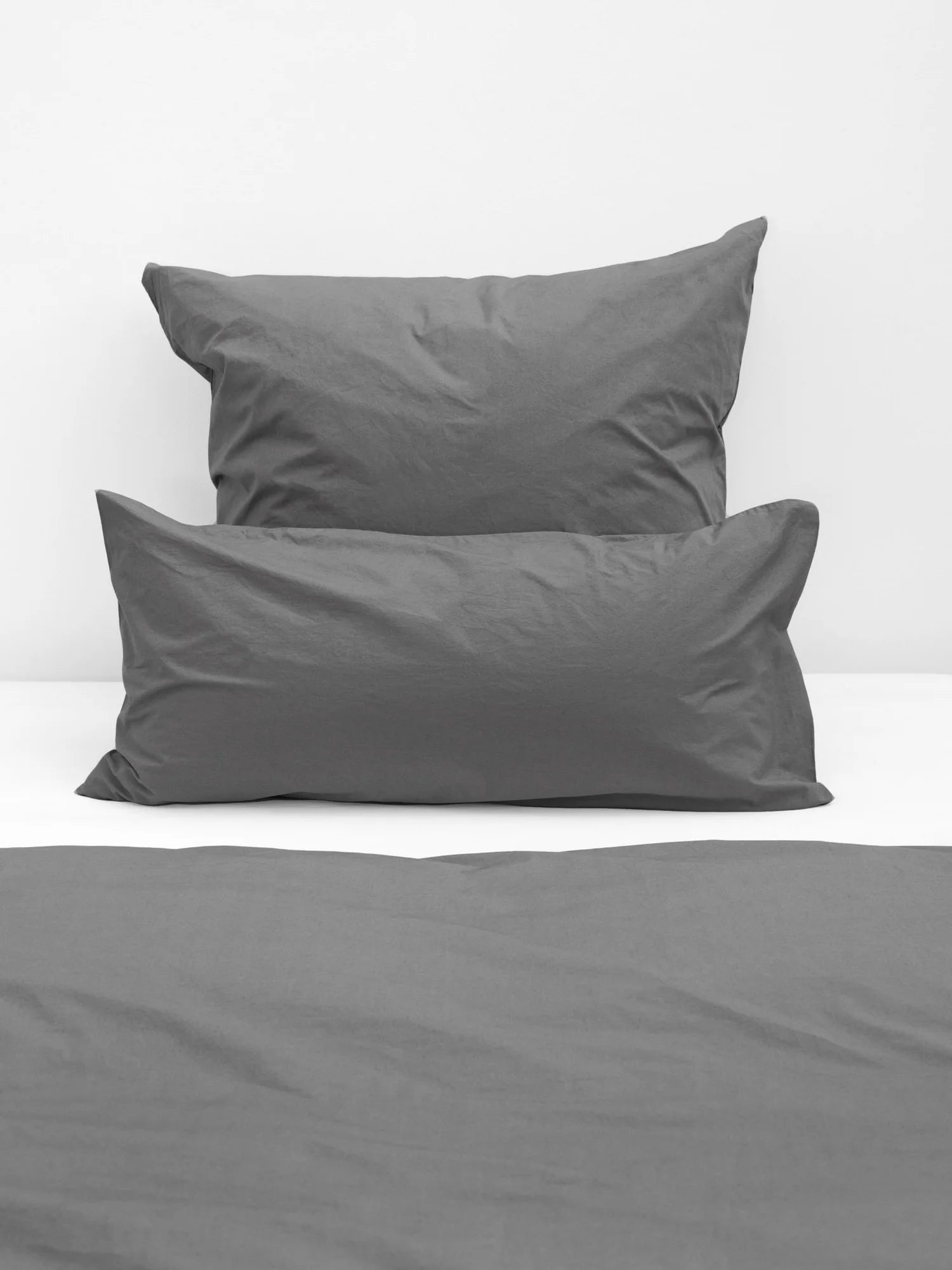
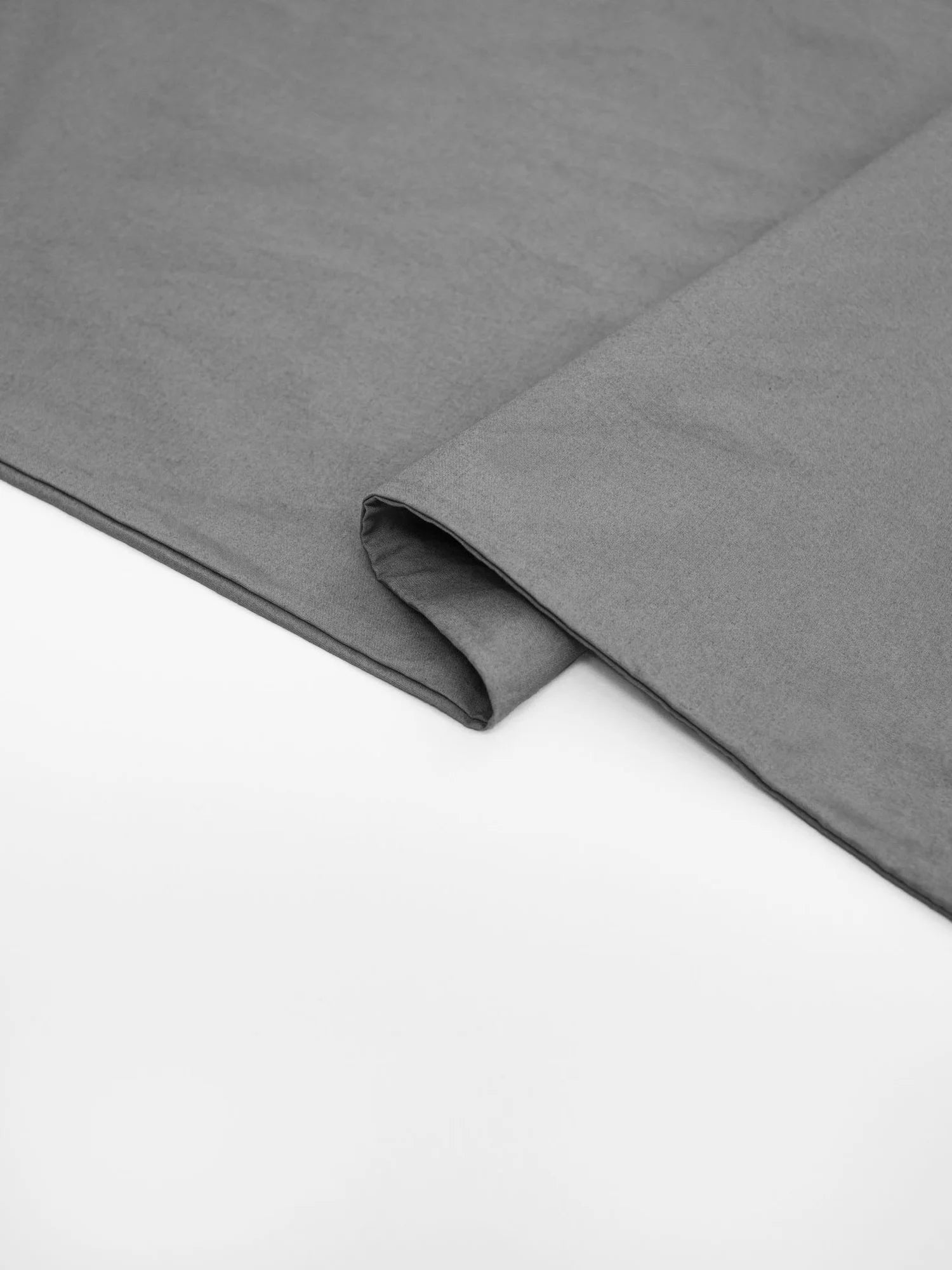
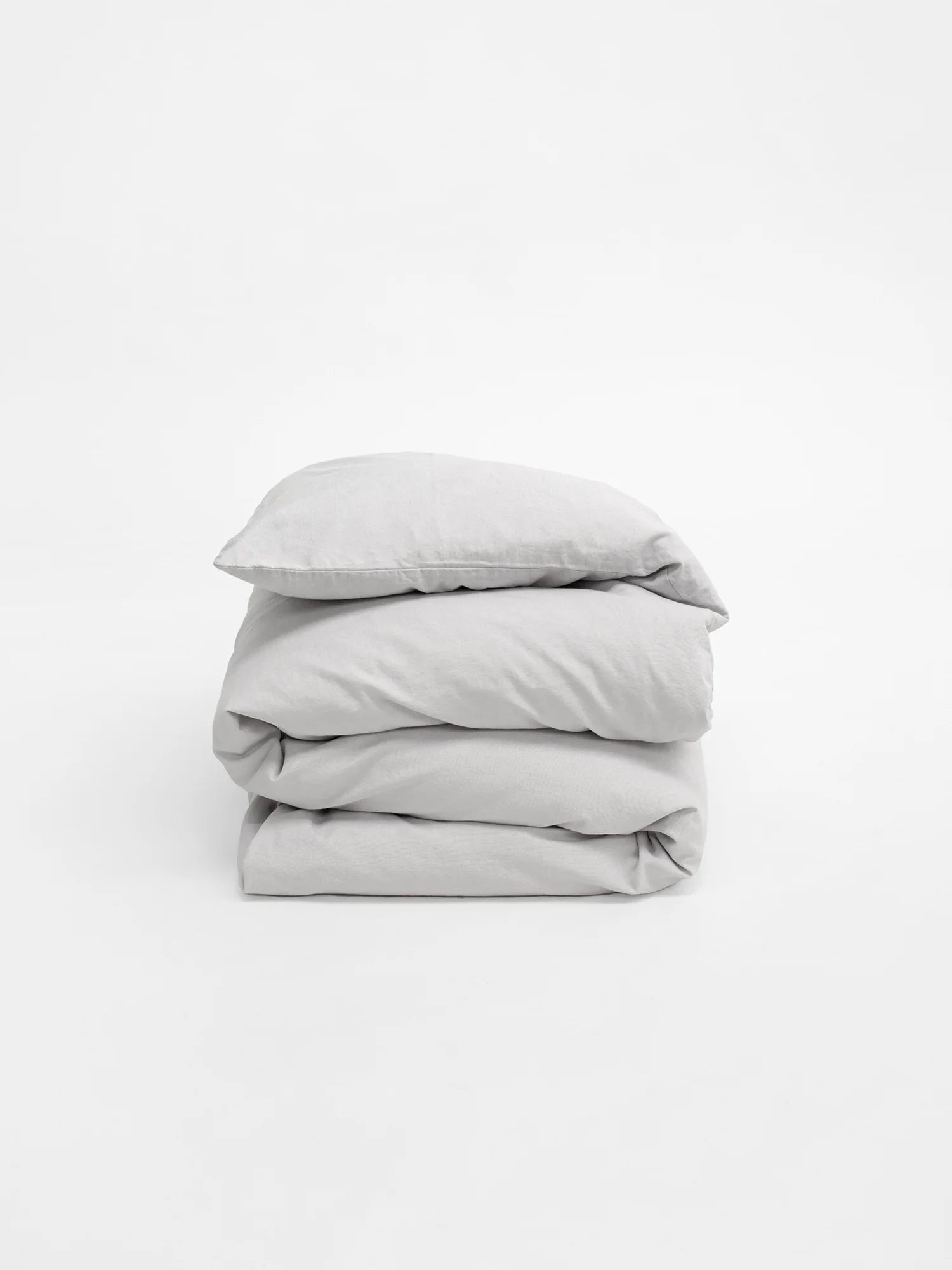
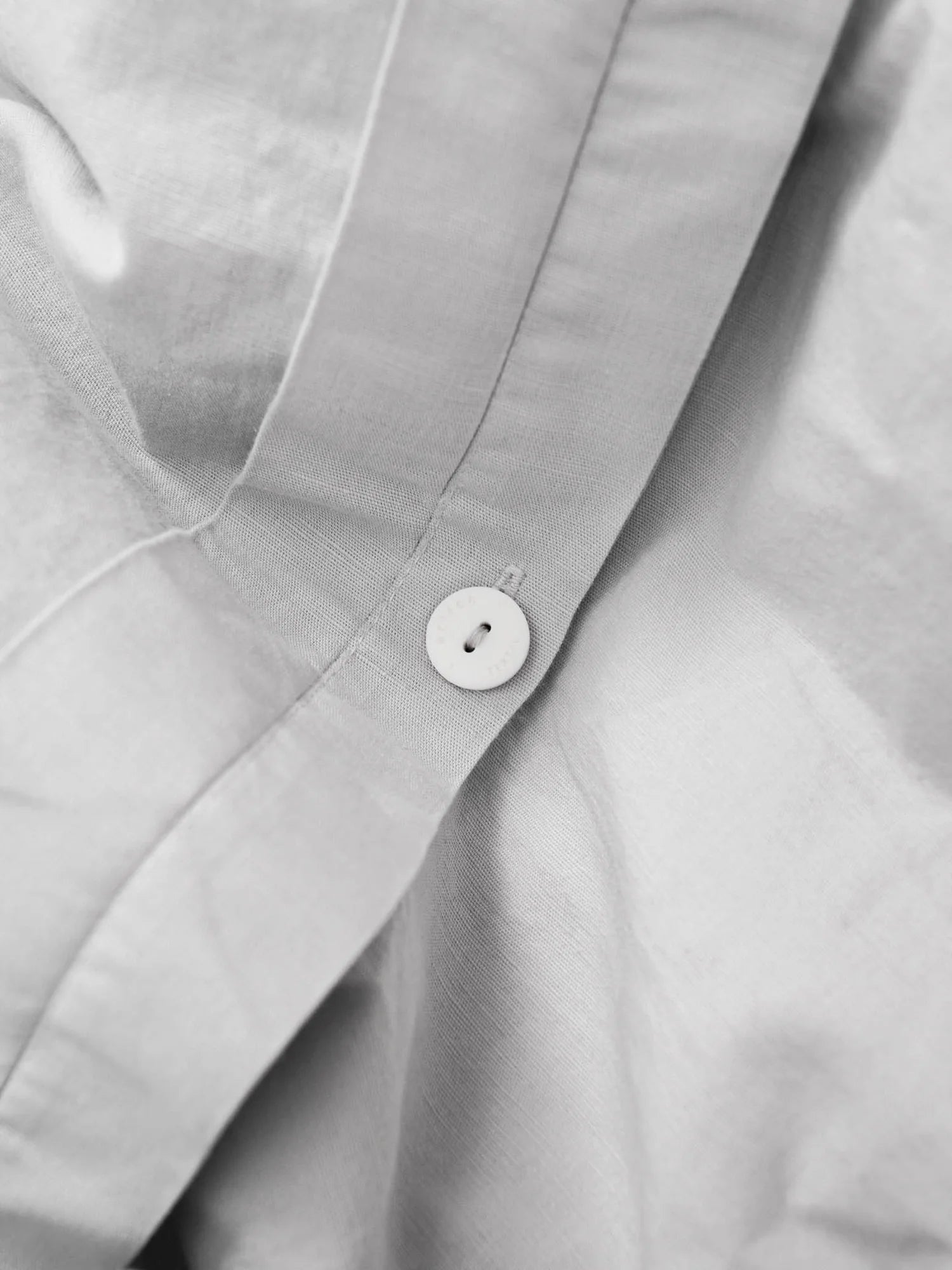
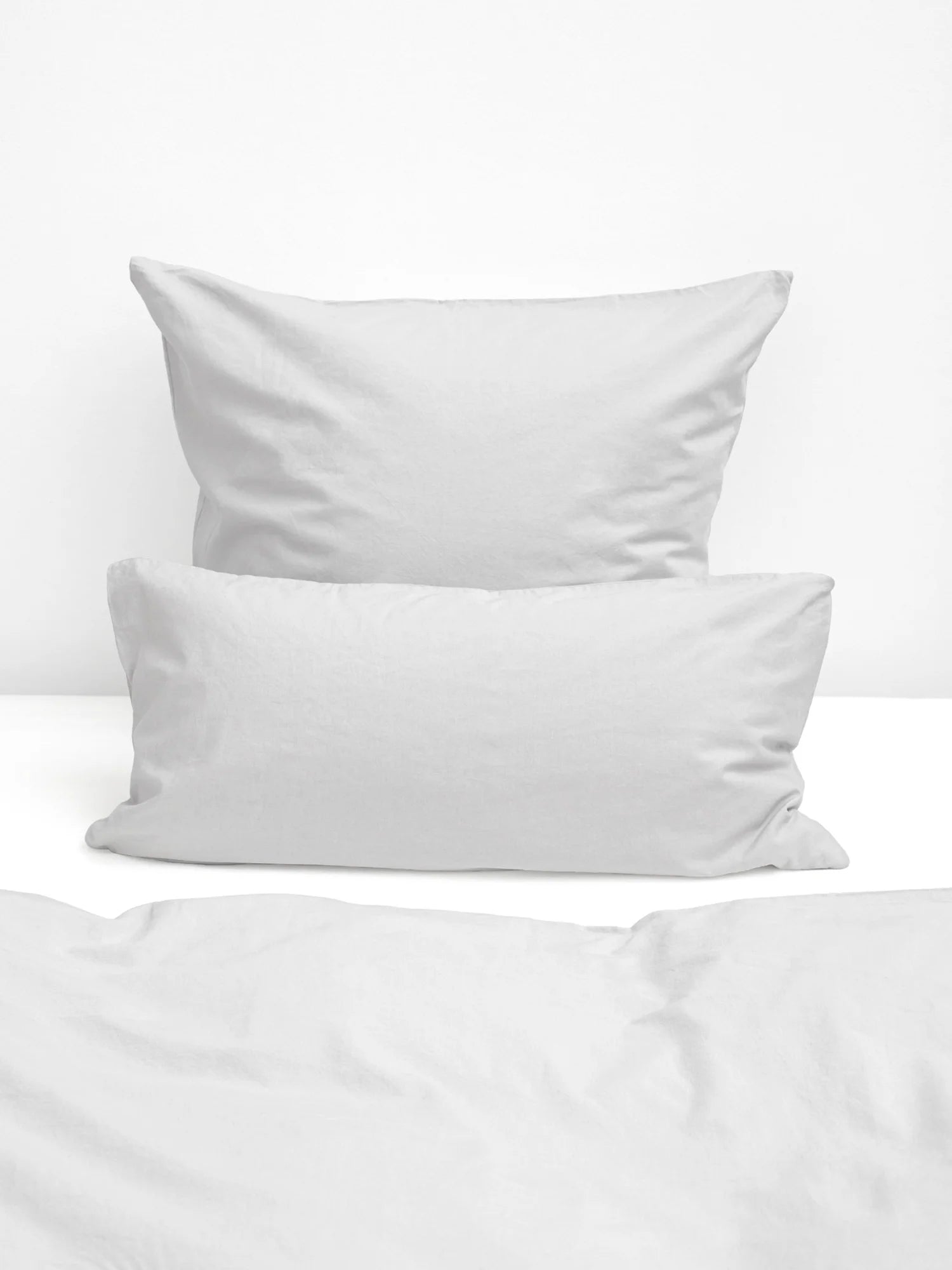
Our erlich bed linen is super cosy. It consists of 100% natural fibres. The bed linen sets made of organically grown cotton or Cotton in Conversion (CiC) and linen are therefore particularly pleasant on sensitive skin. The fabrics have an extremely pleasant surface and so create the perfect erlich feel-good feeling.
Bedding in organically grown cotton and linen
At erlich textil you'll find bed linen made of organically grown cotton and linen, made in Portugal.
Discover bed linen · Our materials
Good bed linen is an investment in your health and your sleep.