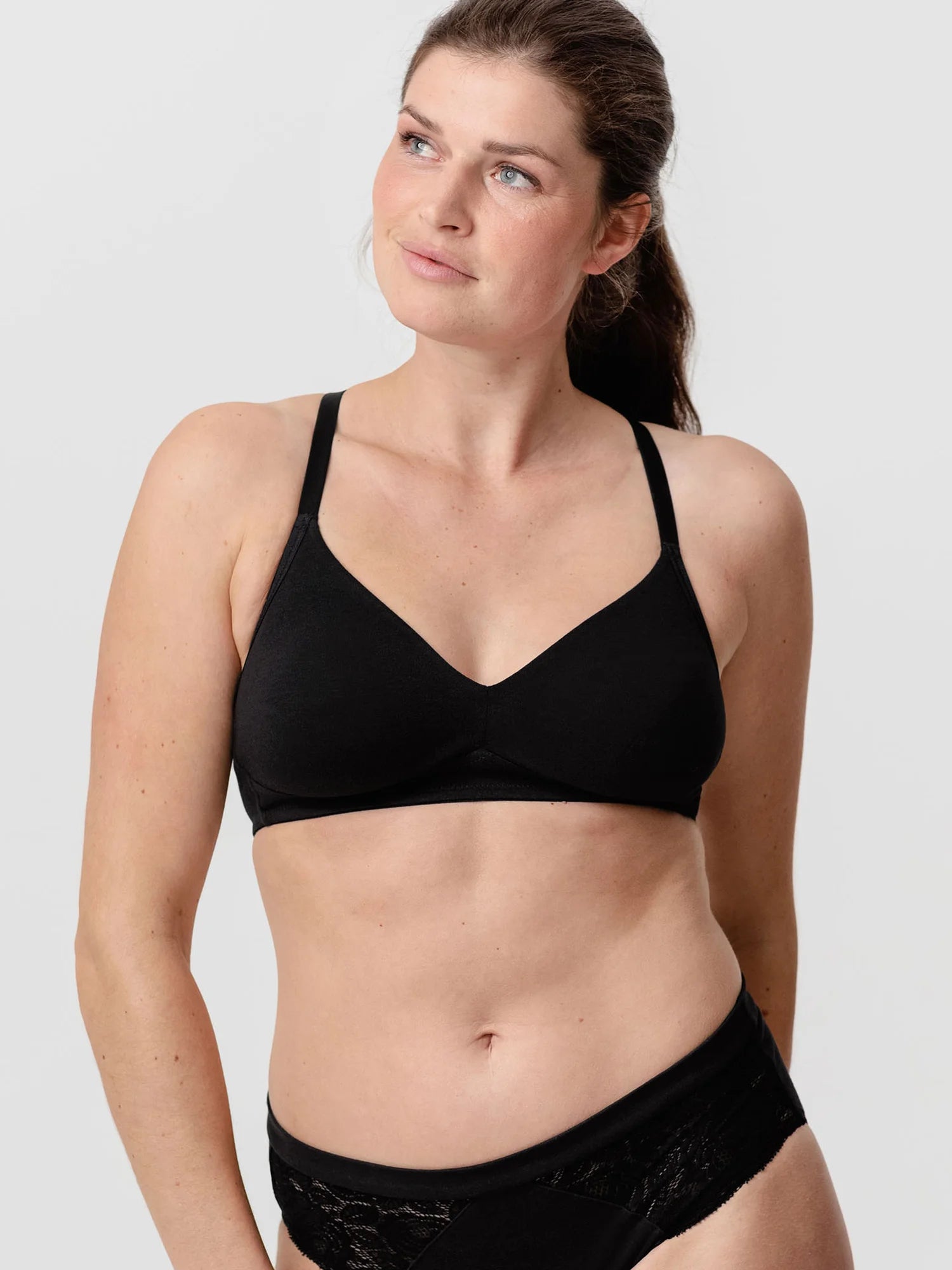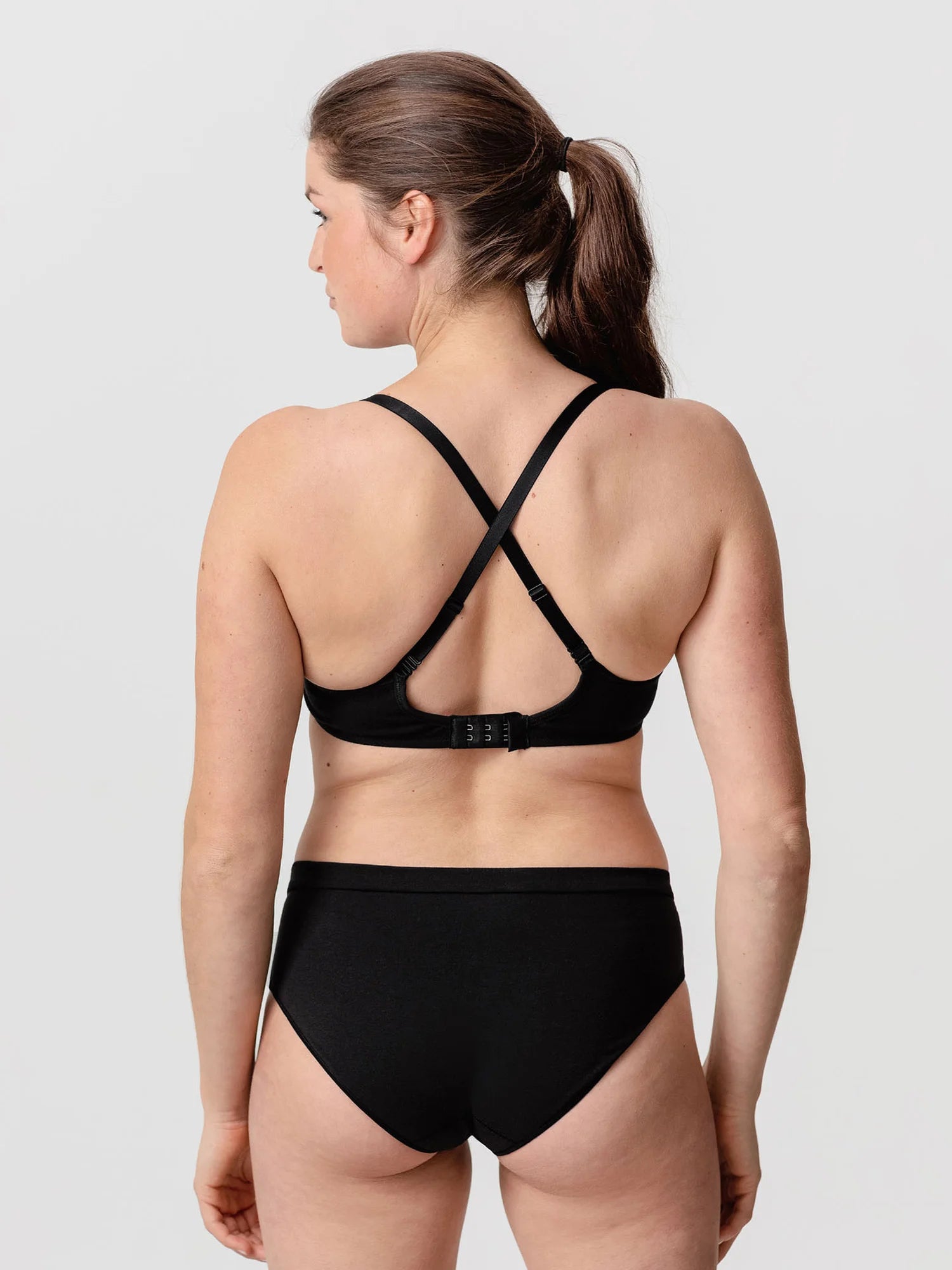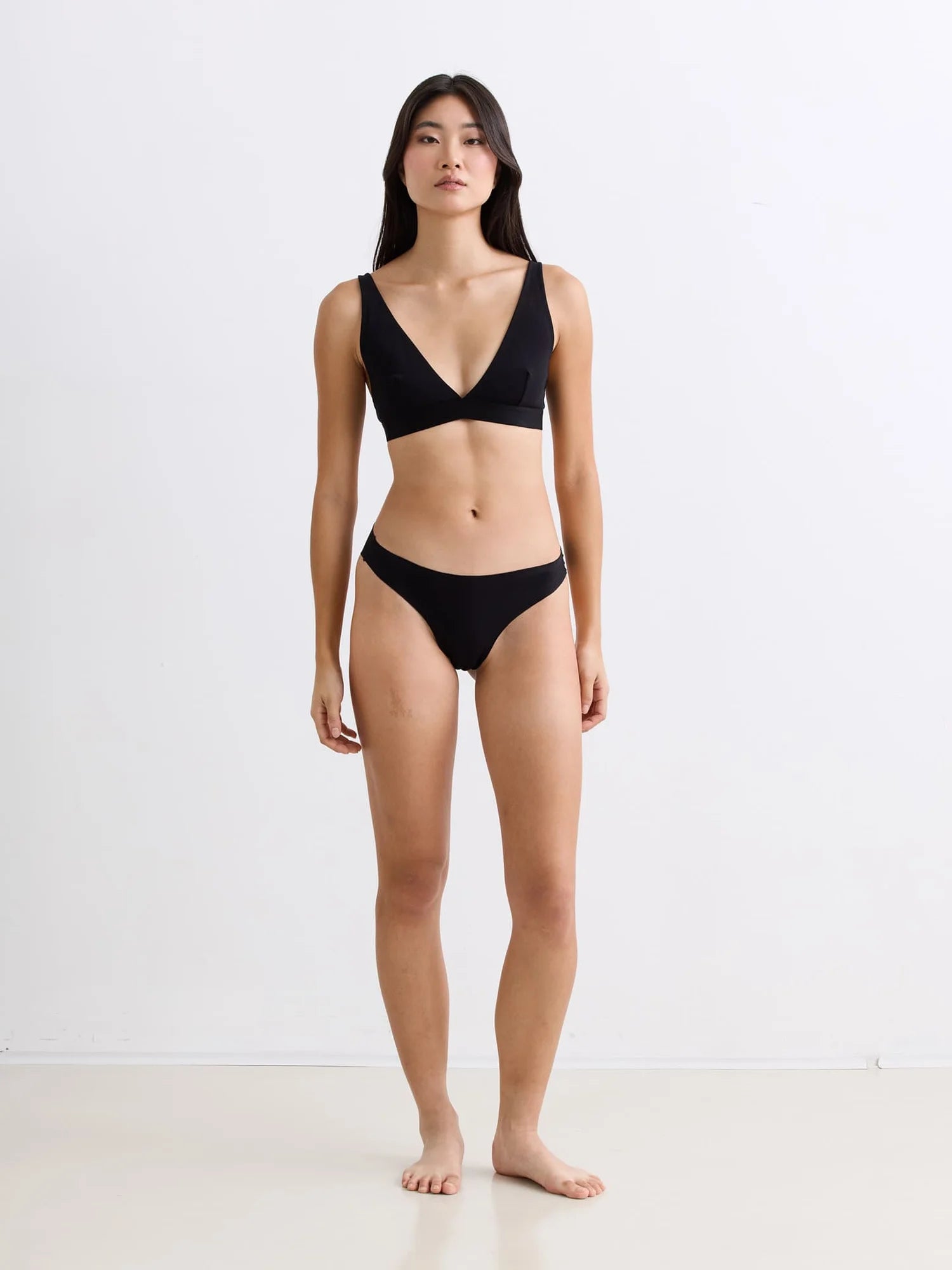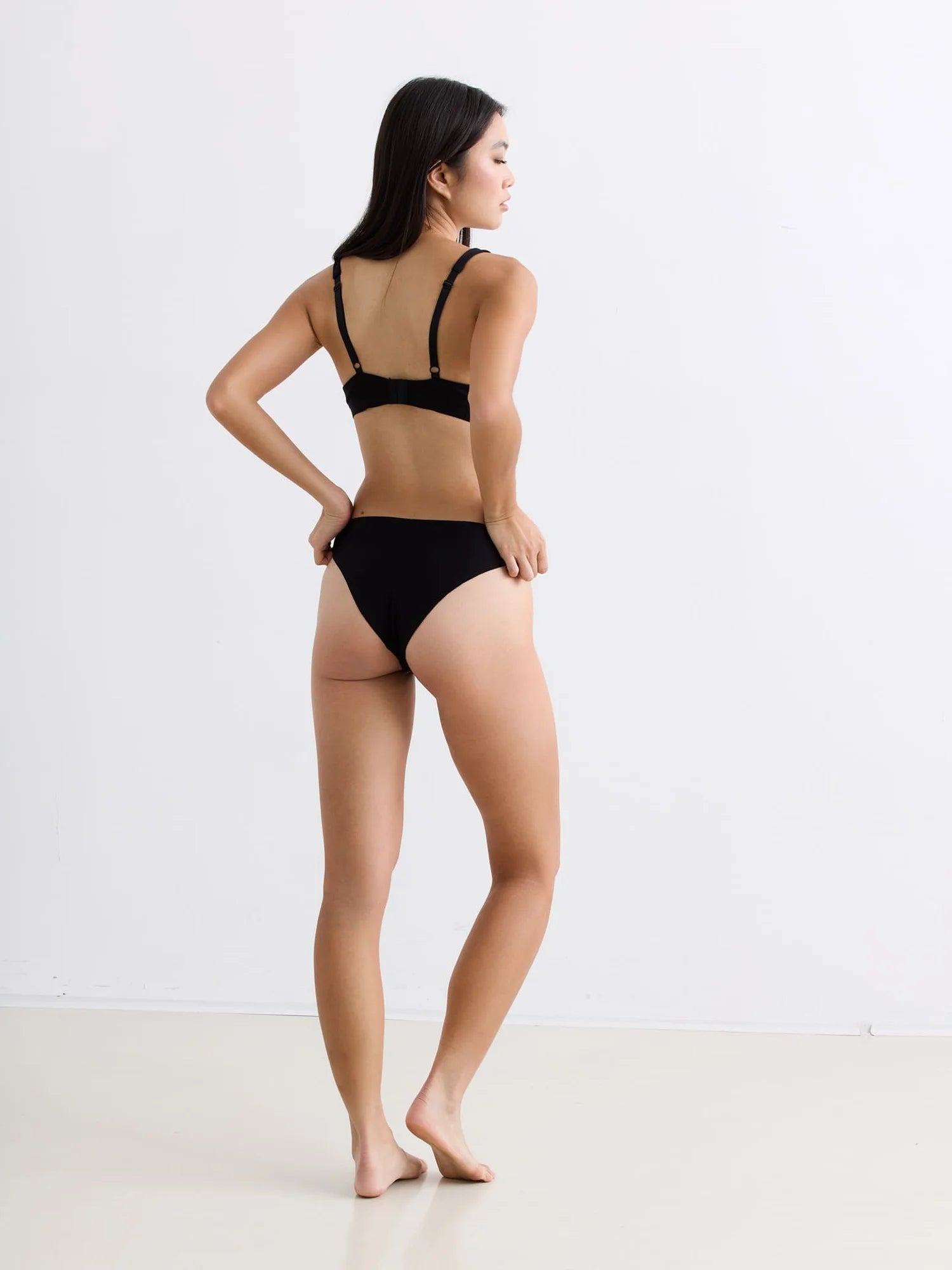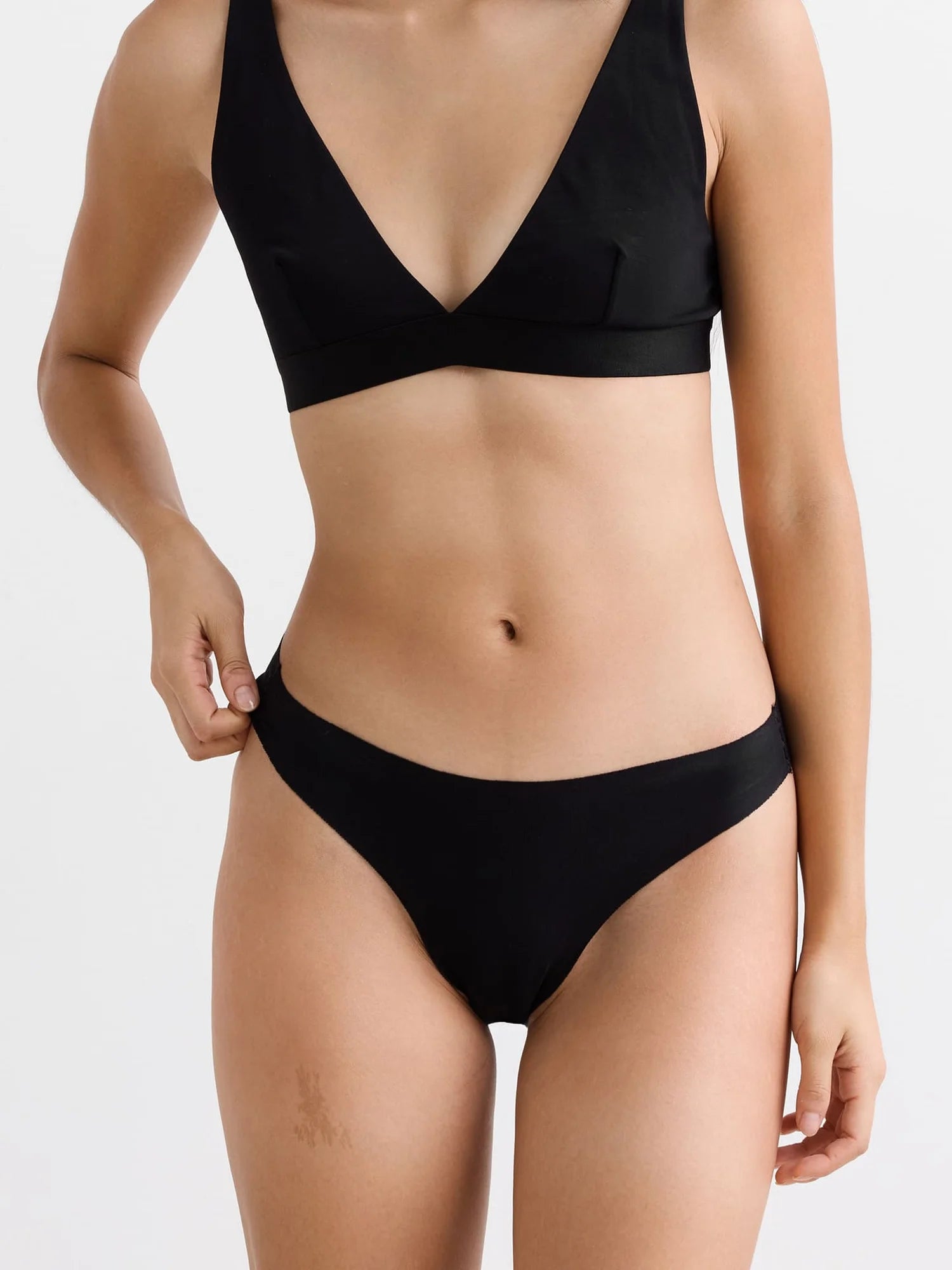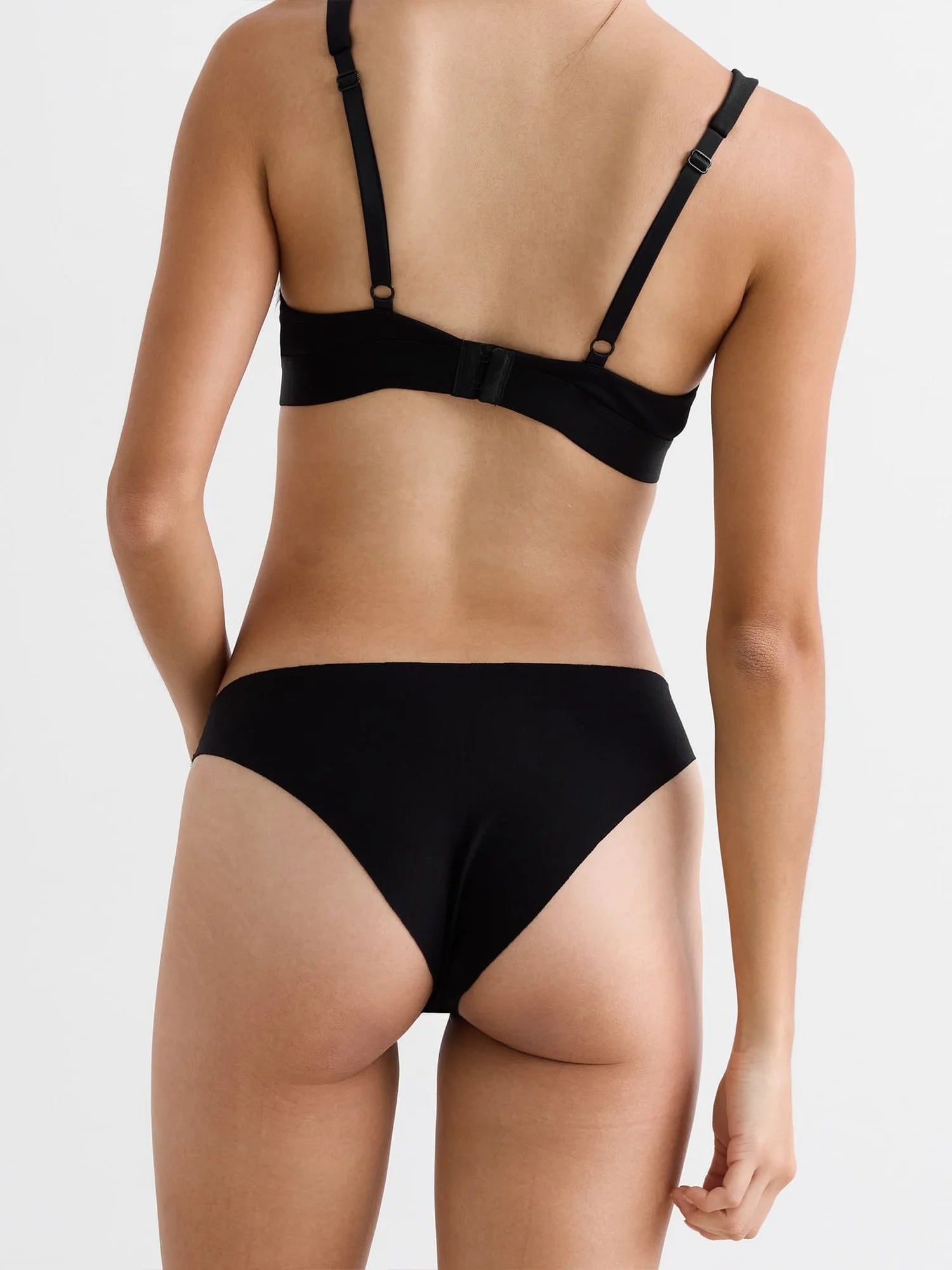



Lace is one of the oldest decorative textiles in Europe and sits in almost every underwear drawer today. Still, few people know what is actually behind the delicate fabric: How does the openwork pattern come about? What is lace made of today? And does it really itch? Here are the answers, from the definition to production and types of lace all the way to proper care.
What is lace?
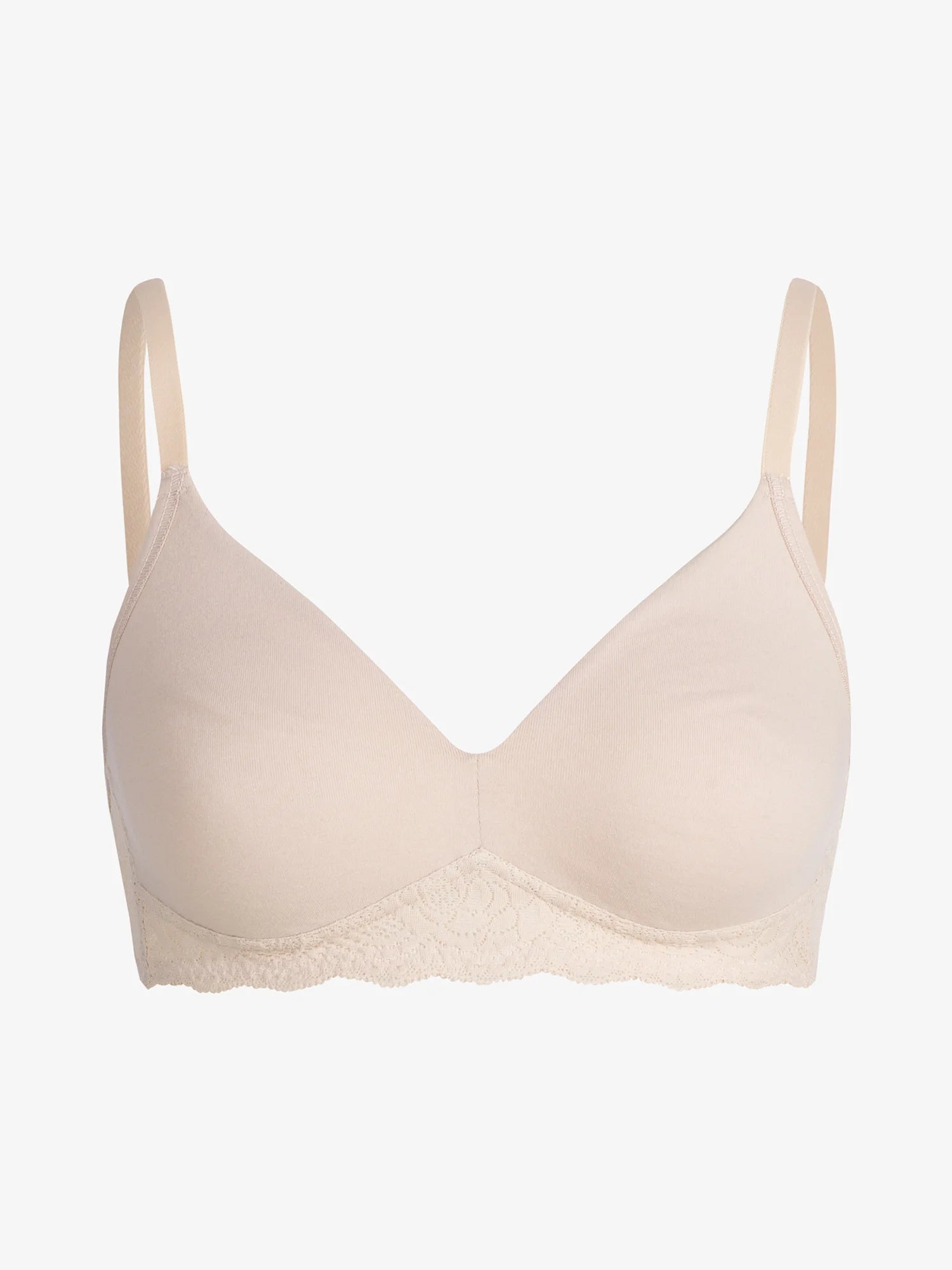
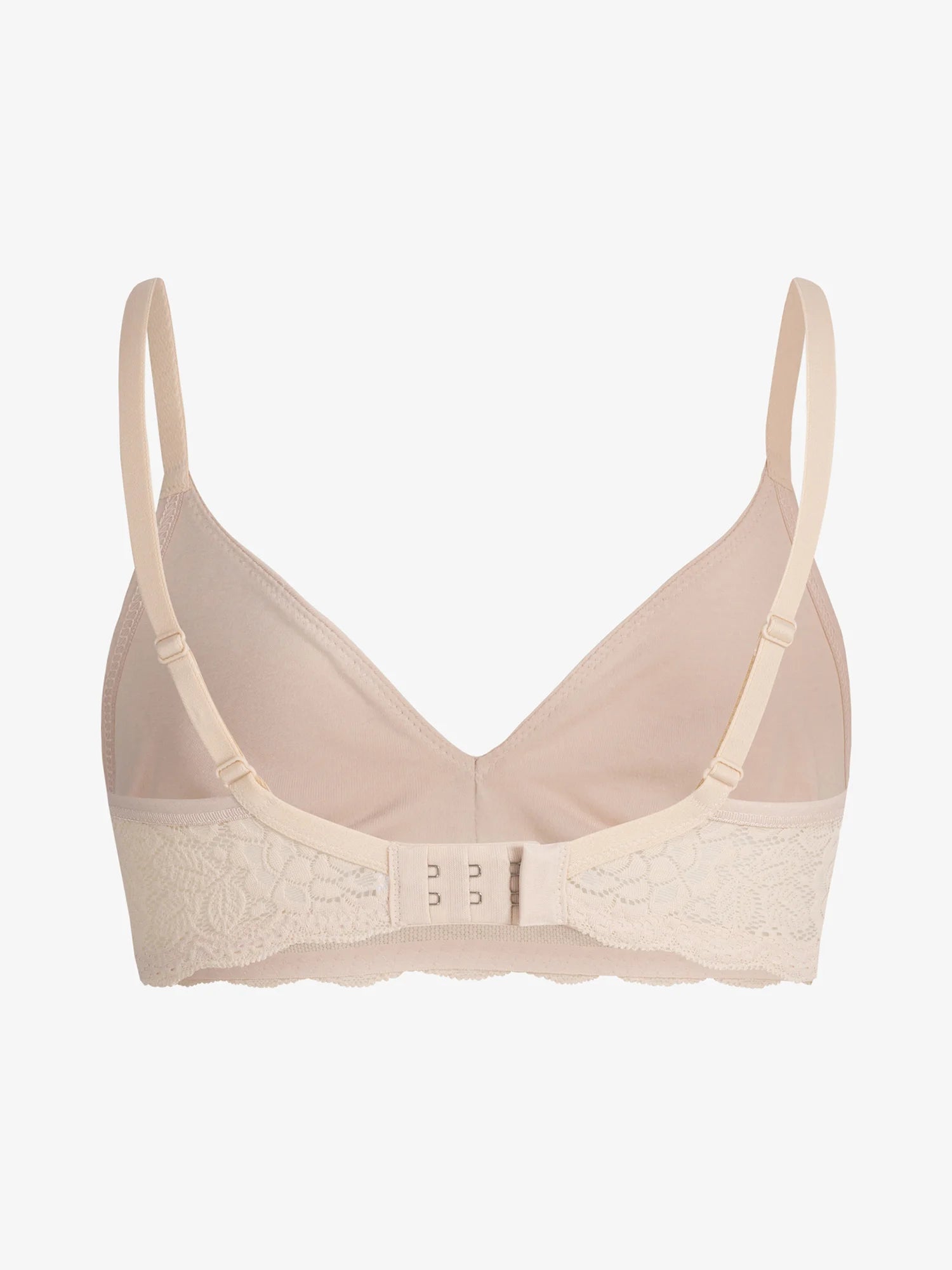
Lace is an openwork, ornamental textile. The pattern is not printed onto a closed fabric but emerges from the interplay of dense motifs and open areas. These openings are exactly what defines lace: flowers, vines or geometric shapes stand out against a transparent ground. The fabric itself is the pattern.
Historically, lace was pure handwork and a status symbol. From the 16th century onwards, the first major lace centers emerged in Italy and Flanders, and their collars and cuffs were coveted at European courts. A single elaborate piece could take months of work, and it was traded at a correspondingly high price. With industrialization in the 19th century, machines took over production, and the luxury good became a fabric many people could afford. Names like Chantilly, Valenciennes or Plauen lace still recall places that became known for this craft. Today you will mostly find lace in underwear, lingerie and festive clothing, as well as in bridal wear and as a detail on tops and dresses.
How is lace made?
For centuries, lace was made by hand: bobbin lace, created by systematically crossing dozens of threads on a pillow, or needle lace, sewn stitch by stitch on a pre-drawn template. Both techniques still exist as crafts today but hardly play a role in clothing anymore.
Modern lace for underwear comes from machines, more precisely from raschel or jacquard warp knitting machines. There, the lace is knitted, meaning it is formed from interlocking loops, similar to hand knitting, only with very fine threads and at high speed. Strictly speaking, this makes lace a warp knit, not a weave. The difference is more than a technicality: loops naturally make a fabric more flexible than rigidly crossed threads. If elastane is worked in directly during knitting, the result is the stretchy, supple lace you know from bras, bralettes and briefs.
What types of lace are there?
Bobbin lace and needle lace
The two great historical techniques. Bobbin lace is created by crossing and twisting many individual threads wound on small spools, the bobbins. Needle lace is built up with just needle and thread and is considered the most elaborate form of all. Today, both are mainly found in traditional costume, collector's pieces and artisan crafts; for underwear they no longer have any practical relevance.
Elastic raschel lace
The standard for modern underwear. It is knitted on raschel machines, usually with elastane worked in directly. This combines the ornamental pattern of classic lace with the stretch that everyday underwear needs: it adapts to your movements without losing its shape and rests lightly on the skin. Jacquard technology also allows complex motifs, from fine flowers to graphic patterns.
Lace or mesh?
Both fabrics are transparent and light, but they are often confused. The difference lies in the pattern: mesh is an evenly fine net without ornamental motifs, while lace lives from exactly these motifs. Mesh therefore looks simple and smooth, lace playful and structured. You can read what mesh is and how it is made in our article What is mesh?
What is lace made of today?
In the past, lace was made from linen, silk or fine cotton yarn. Modern lace, on the other hand, mostly consists of polyamide combined with a share of elastane for stretch. There are practical reasons for this: polyamide can be processed into extremely fine, even threads, it is tear-resistant and keeps its shape even after many washes. That is ideal for the filigree patterns of a knitting machine.
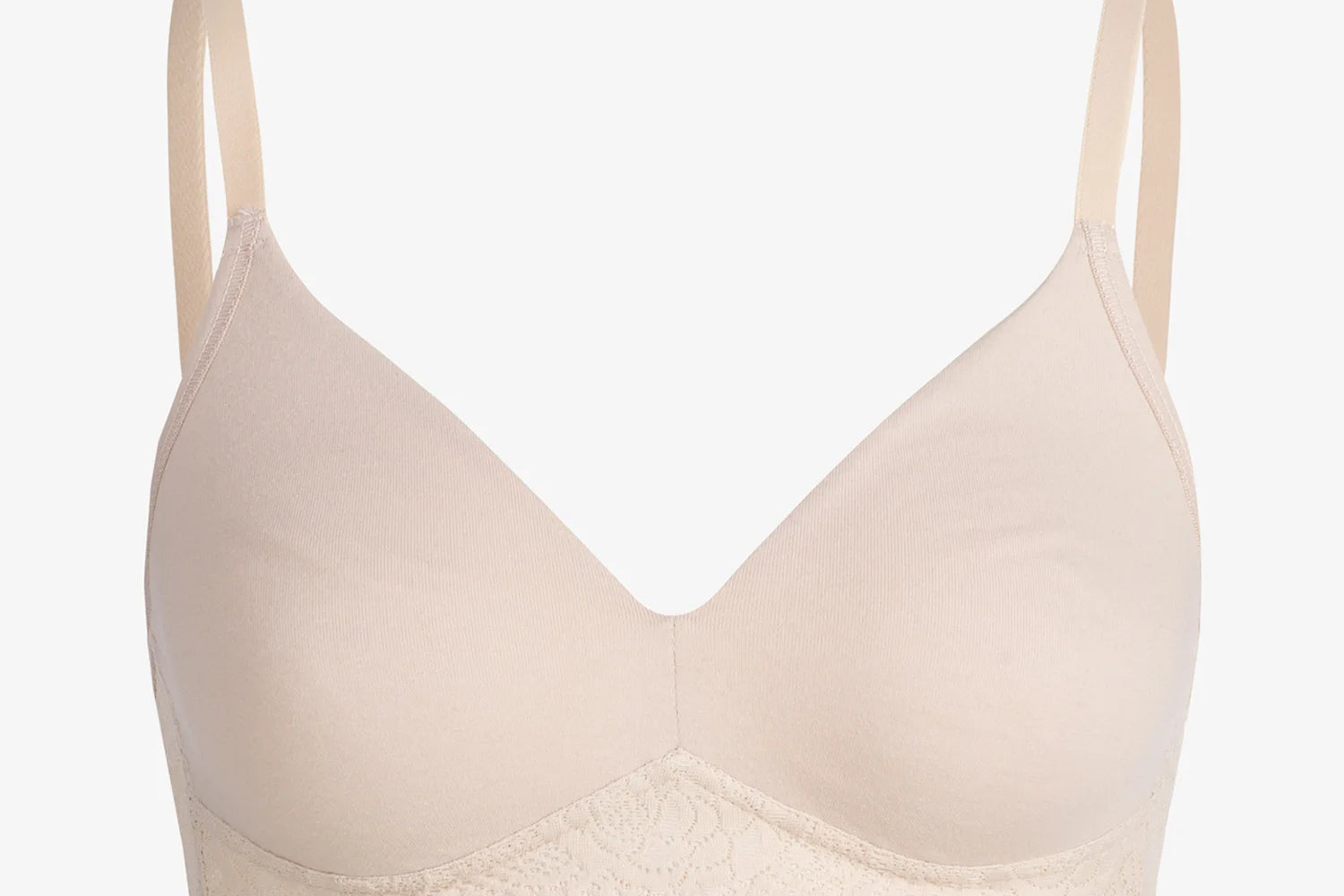
A concrete example: our Iconic Lace collection works with 88% polyamide and 12% elastane, while the gusset is made of 95% organically grown cotton and 5% elastane. Part of the polyamide is the Amni Soul Eco® fiber by Fulgar, and the elastane used is Roica™ V550 by Asahi Kasei. The cotton gusset sits where the fabric rests directly on sensitive skin and needs to absorb moisture.
How do you recognize good lace? By its feel and its pattern: high-quality lace feels supple, not wiry, the motifs are cleanly and evenly worked, and the edges do not fray. Recovery matters too: if you stretch the fabric slightly and let go, it should return to its shape instead of sagging.
Lace at erlich textil
The lace of our Iconic Lace and Dreamy Lace collections is made in Italy, and the pieces are sewn in Hungary. For other lace collections such as Classy Lace and Fluid Lace, the lace comes from Italy or Türkiye. Good to know: collection names are not materials. You will always find the exact composition of your model on the respective product page.
Whether you wear lace, when and how much of it, is up to you. Some wear it as a contrast to everyday life, others simply because they like the pattern, and others not at all. All of that is fine, because underwear is there for you first. If you want to browse: our lace underwear ranges from bras to bralettes and bodysuits to briefs.
Does lace itch?
The honest answer: it depends on quality, elastane content and workmanship. Cheap, stiff lace with hard edges can feel uncomfortable on the skin, especially where the fabric is under tension. Finely knitted, elastic lace with flat seams and soft bands, on the other hand, is barely noticeable to most people. What you can look for: flat or cleanly finished seams, soft edges at the waistband and leg openings, and an elastane content that makes the fabric supple rather than rigid. And just as honestly: if you have very sensitive skin, you might reach for smooth fabrics in everyday life and wear lace when it suits you.
How do you care for lace?
Lace is finer than most other underwear fabrics, and the open loops can catch on hooks or zippers. With a few simple steps, it will stay beautiful for a long time:
- Wash lace at 30 °C on a gentle cycle with a mild detergent.
- Use a laundry net so the fine loops do not catch on hooks or fasteners of other garments.
- Do not put lace in the dryer, as the heat damages the elastane.
- Dry it flat so it keeps its shape.
And if in doubt, check the care label of your specific model, it always has the final say. A small side effect of gentle care: it saves energy and extends the life of your underwear, and a piece you wear longer needs replacing less often.
Frequently asked questions
Does lace itch on the skin?
That depends on quality and workmanship. Finely knitted, elastic lace with flat seams and soft bands is barely noticeable to most people. Stiff lace with hard edges, however, can feel uncomfortable. If you have very sensitive skin, you may prefer smooth fabrics for everyday wear.
What chemicals are in lace?
Modern lace mostly consists of synthetic fibers such as polyamide and elastane. If you want to know what is in a specific product, you will find the exact material composition on every product page.
What is the difference between lace and mesh?
Lace shows an ornamental pattern of dense motifs and open areas. Mesh is an evenly fine net without a pattern. Both are transparent but look very different: lace playful and structured, mesh simple and smooth.
How do you wash lace?
At 30 °C on a gentle cycle, ideally in a laundry net. Do not put it in the dryer; dry it flat instead. Also check the care label of your model.
Is lace sustainable?
That depends on the fibers, the production and how long you use it; there is no blanket yes or no. At erlich, the lace of Iconic Lace and Dreamy Lace is made in Italy, sewing takes place in Hungary, and the gusset is made of organically grown cotton. The longer you wear a piece, the better its balance becomes.