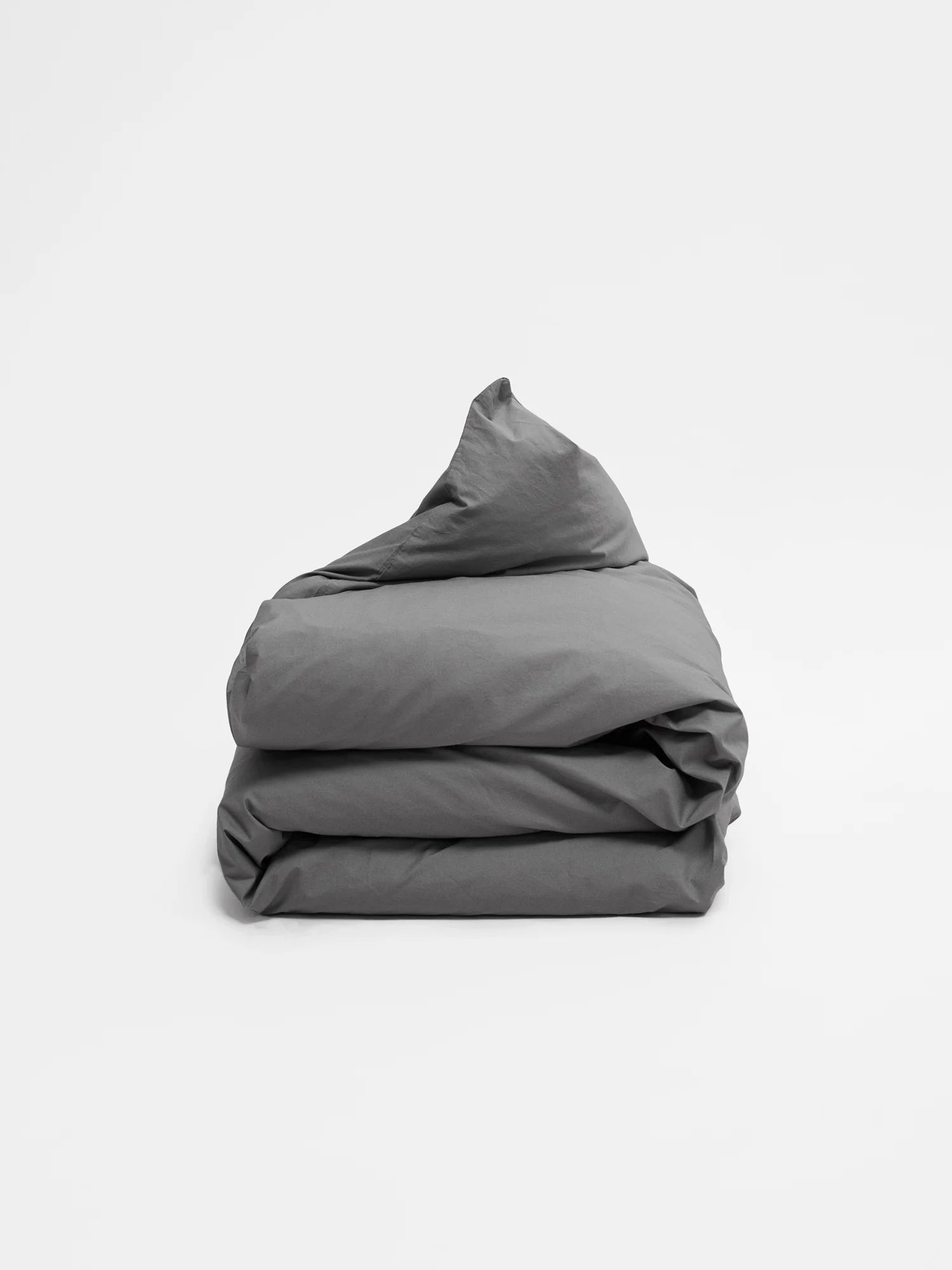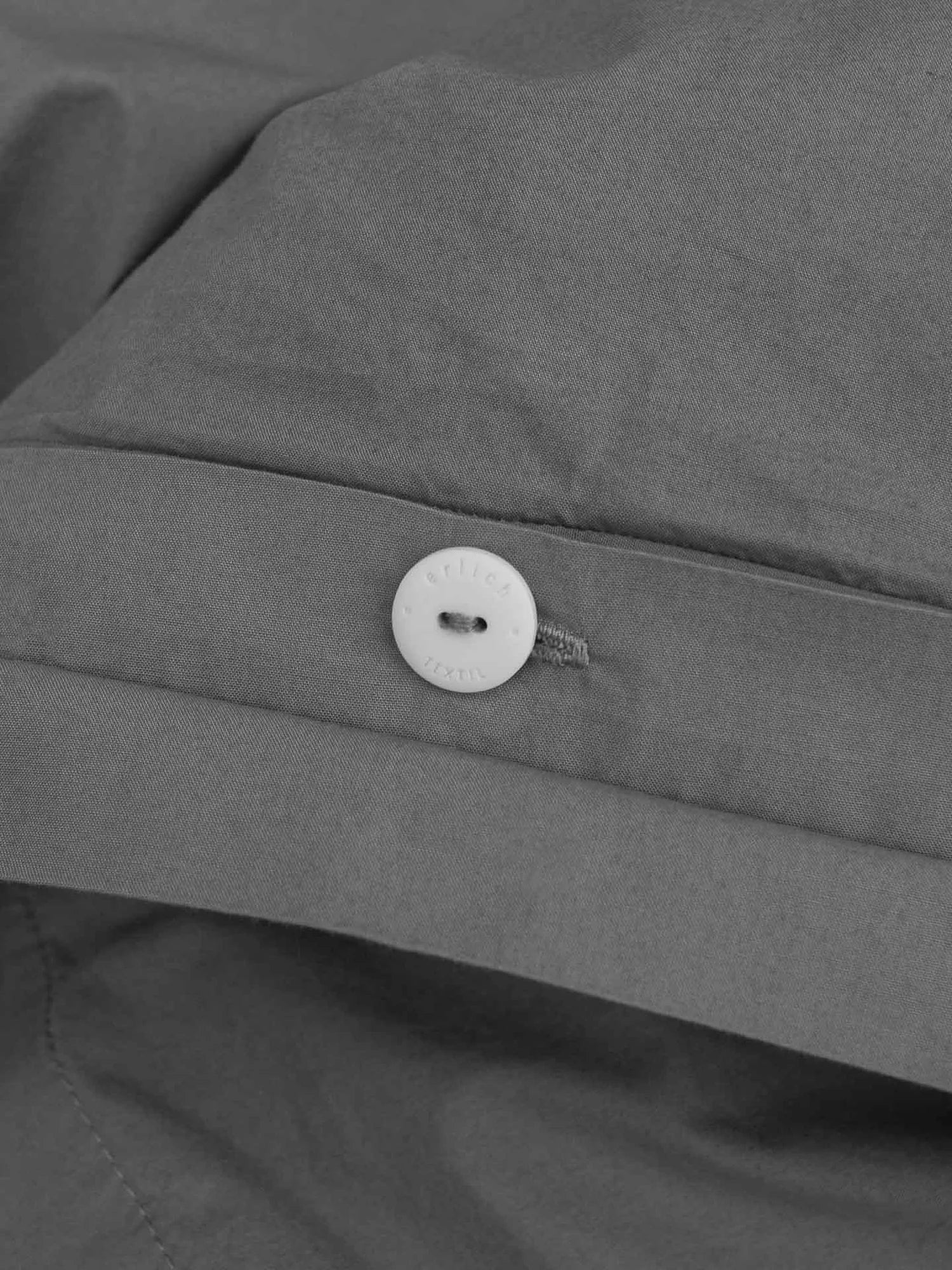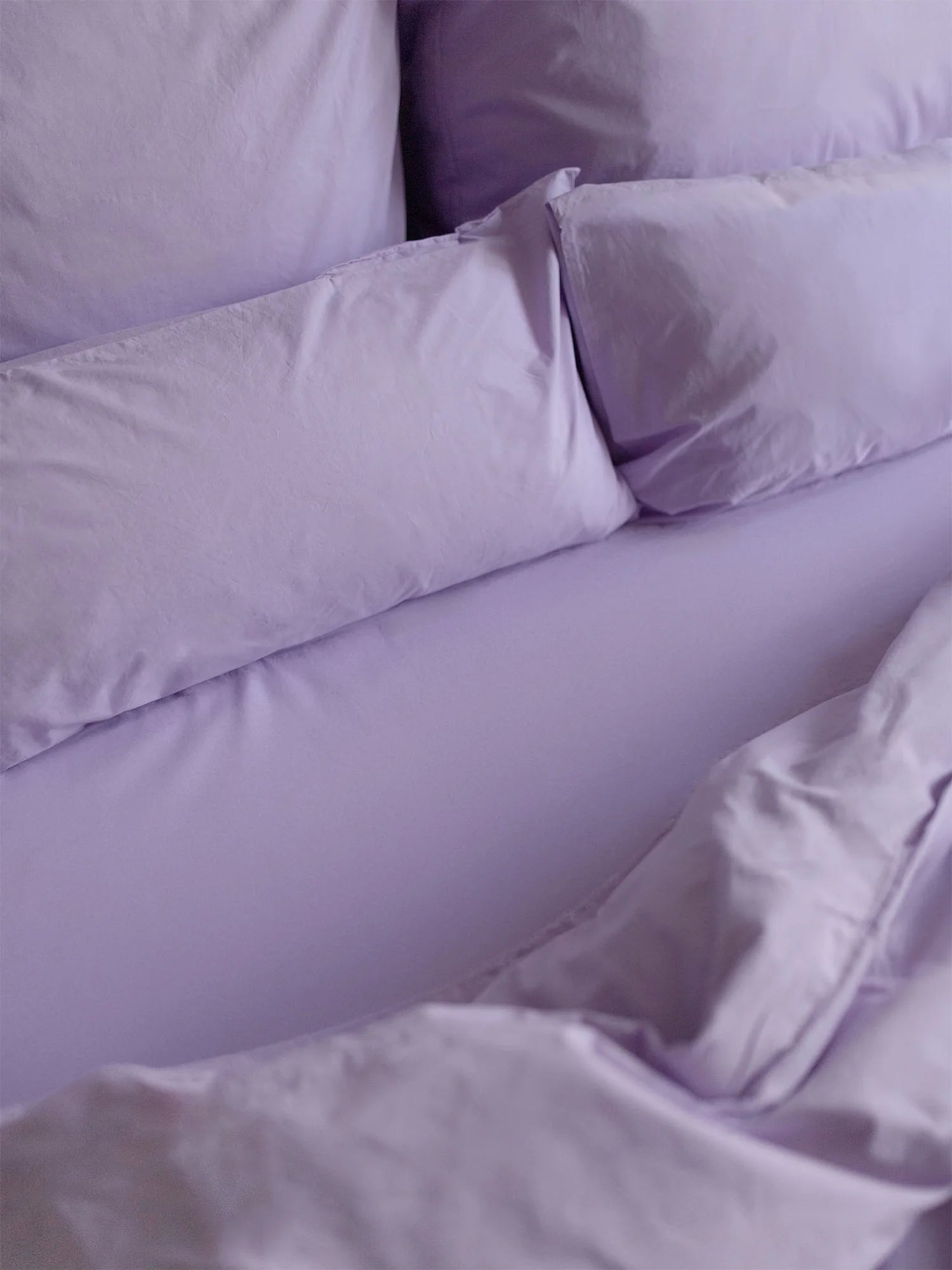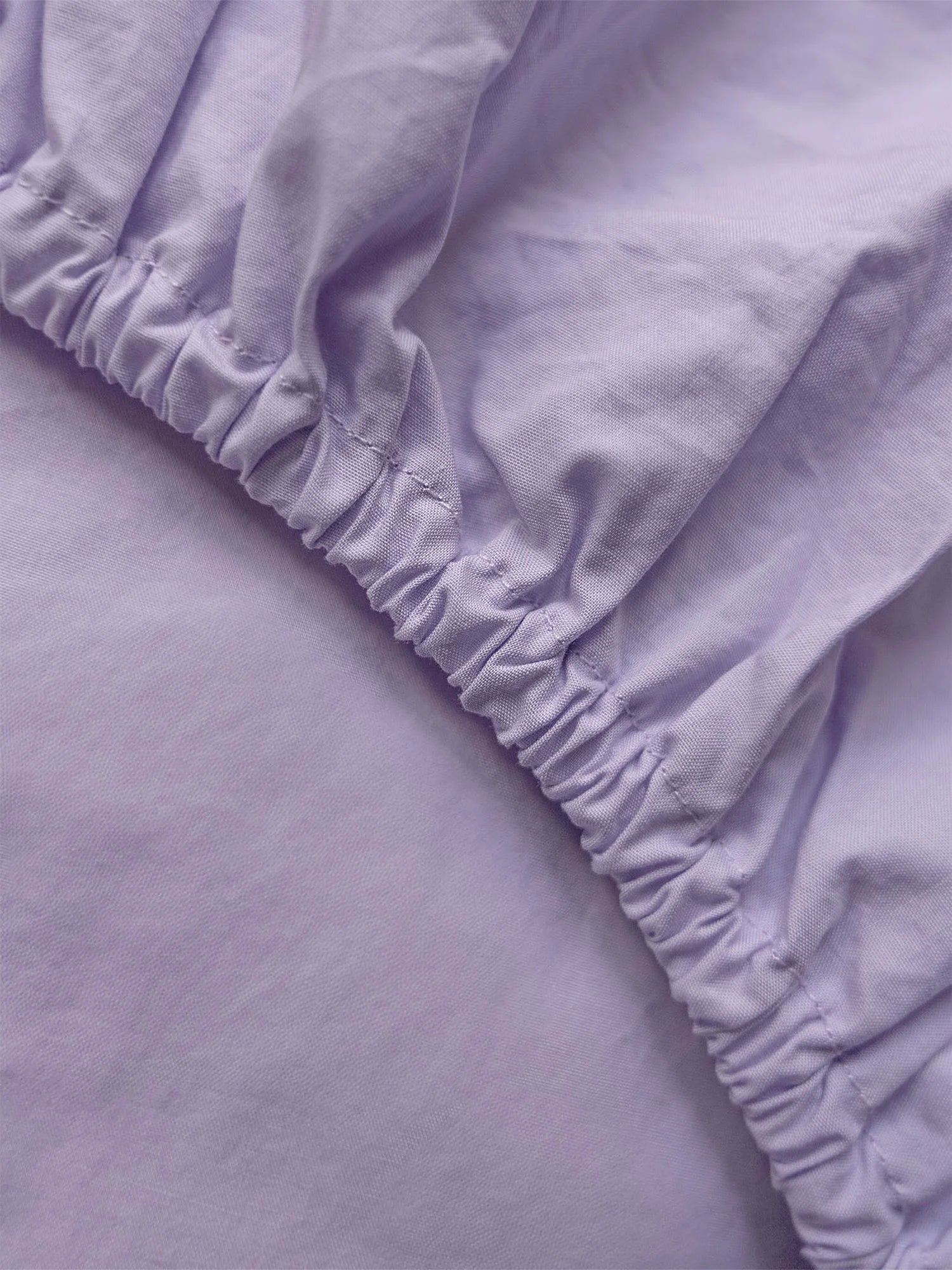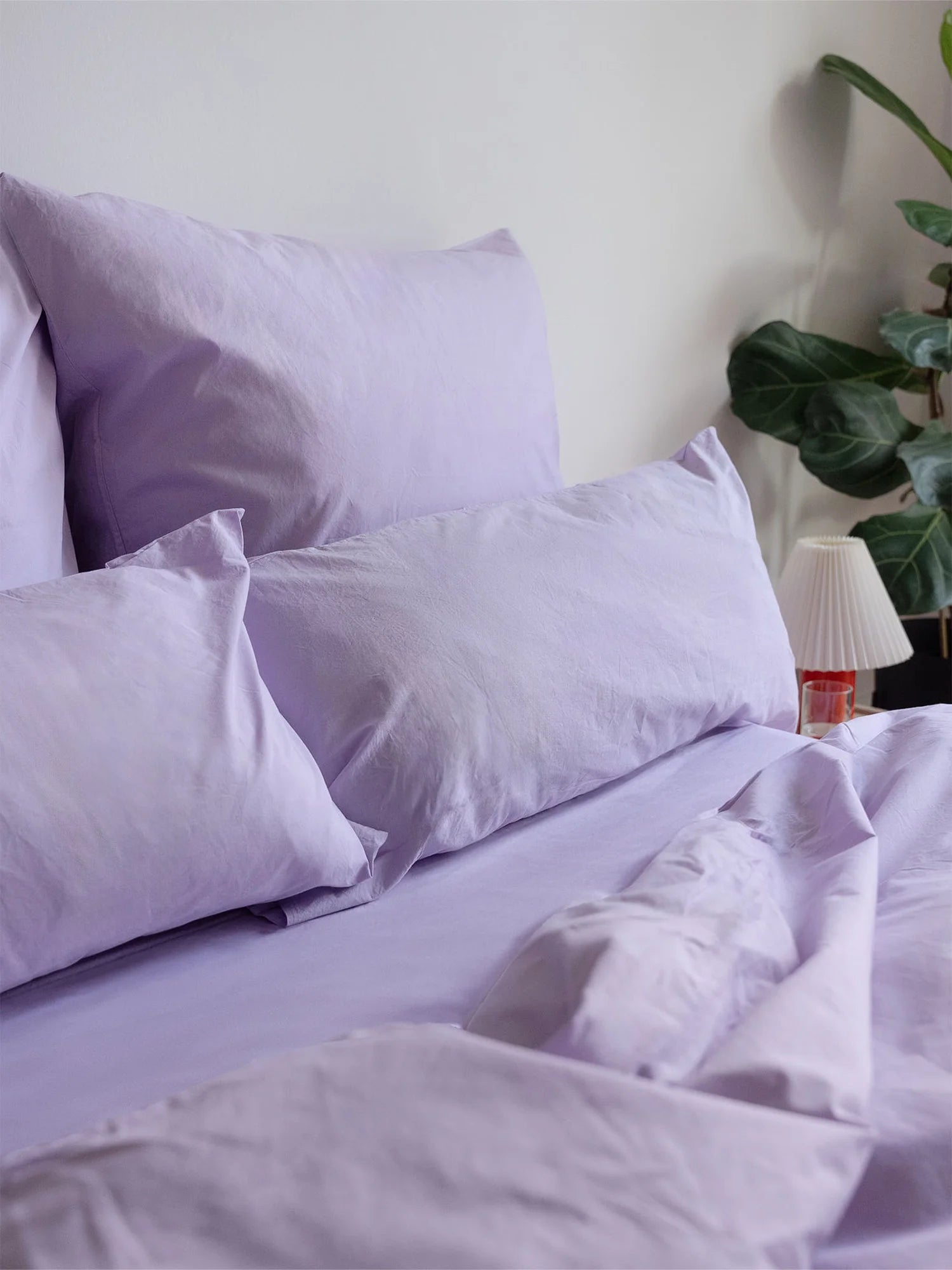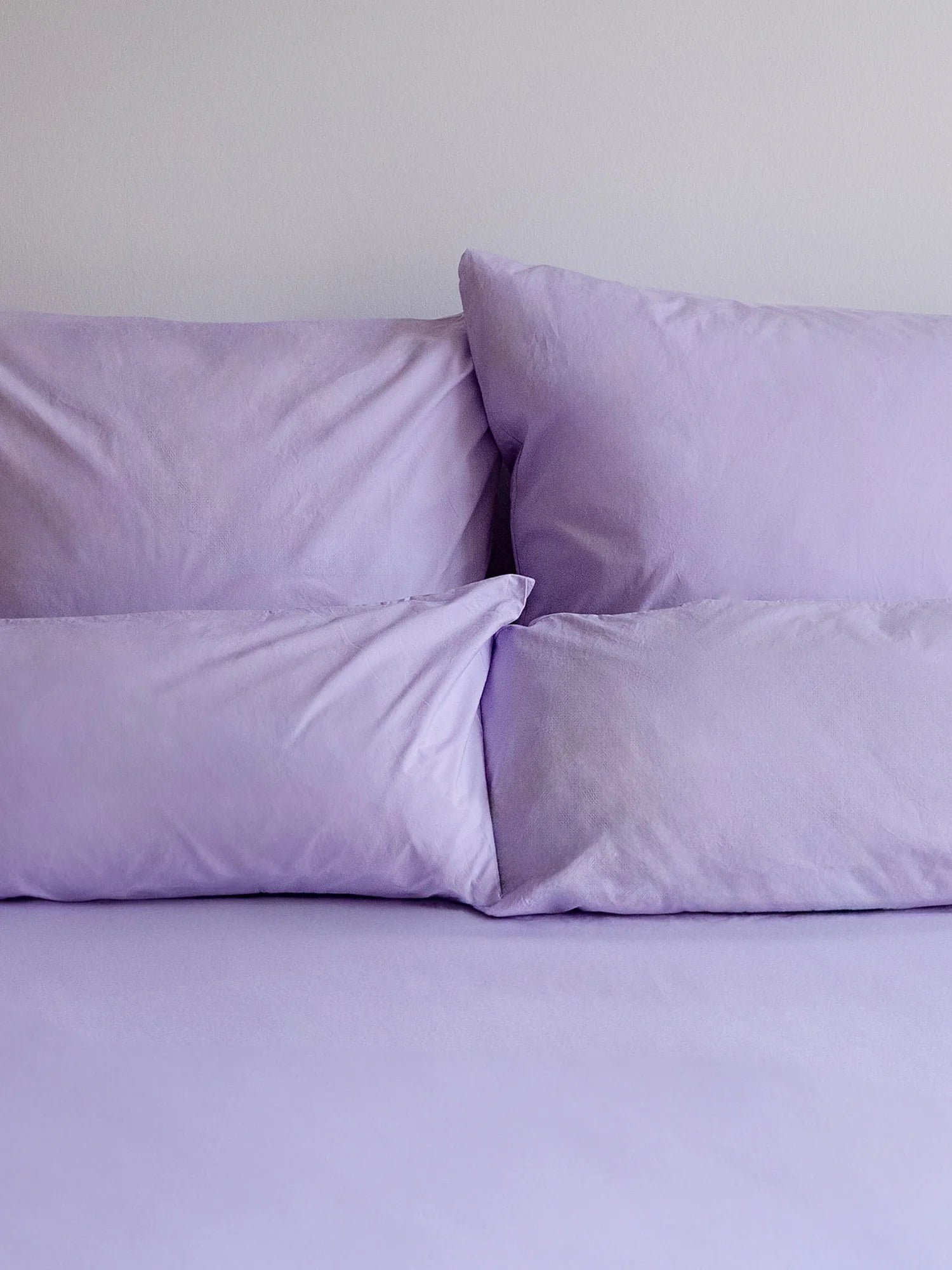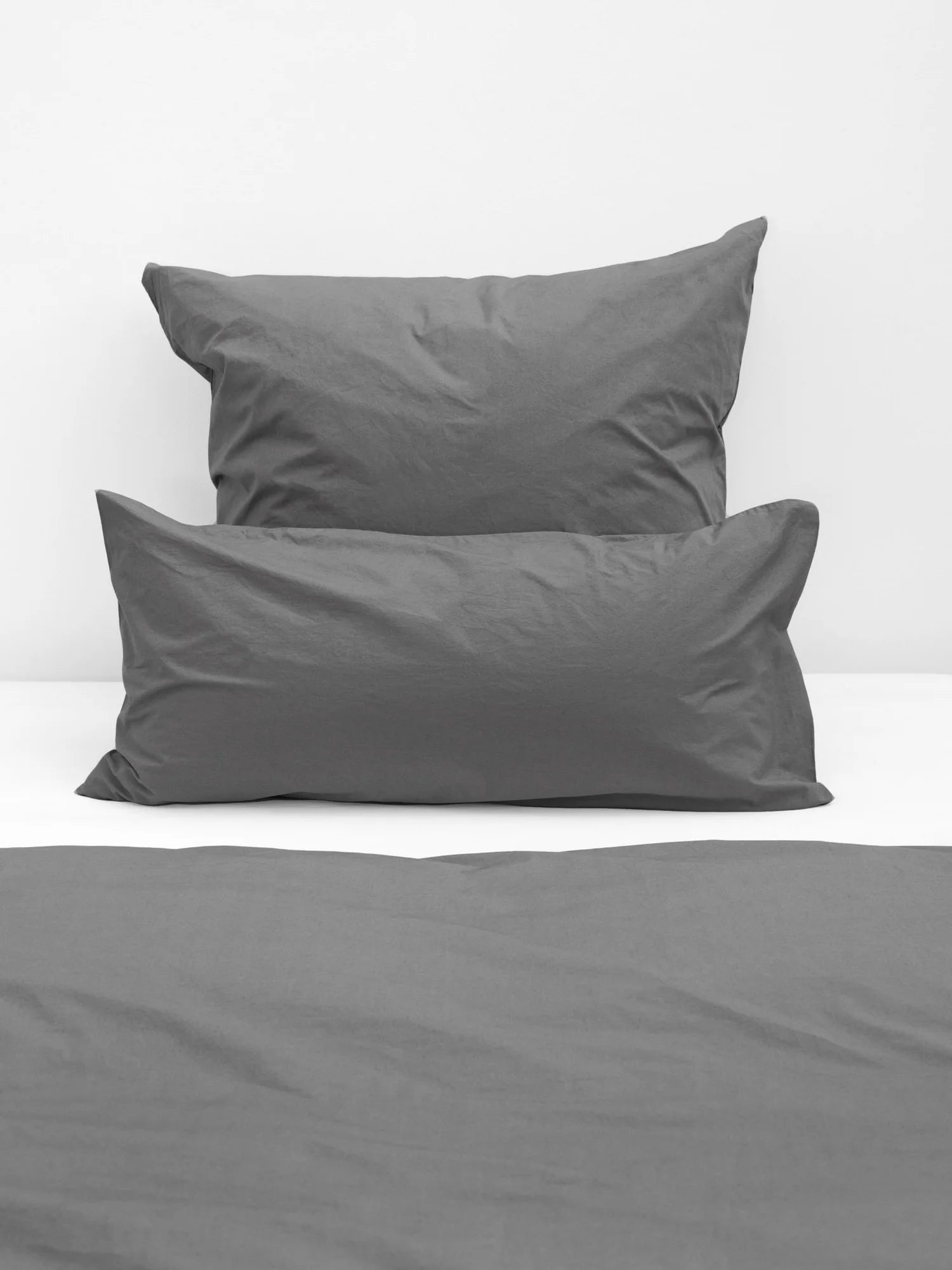
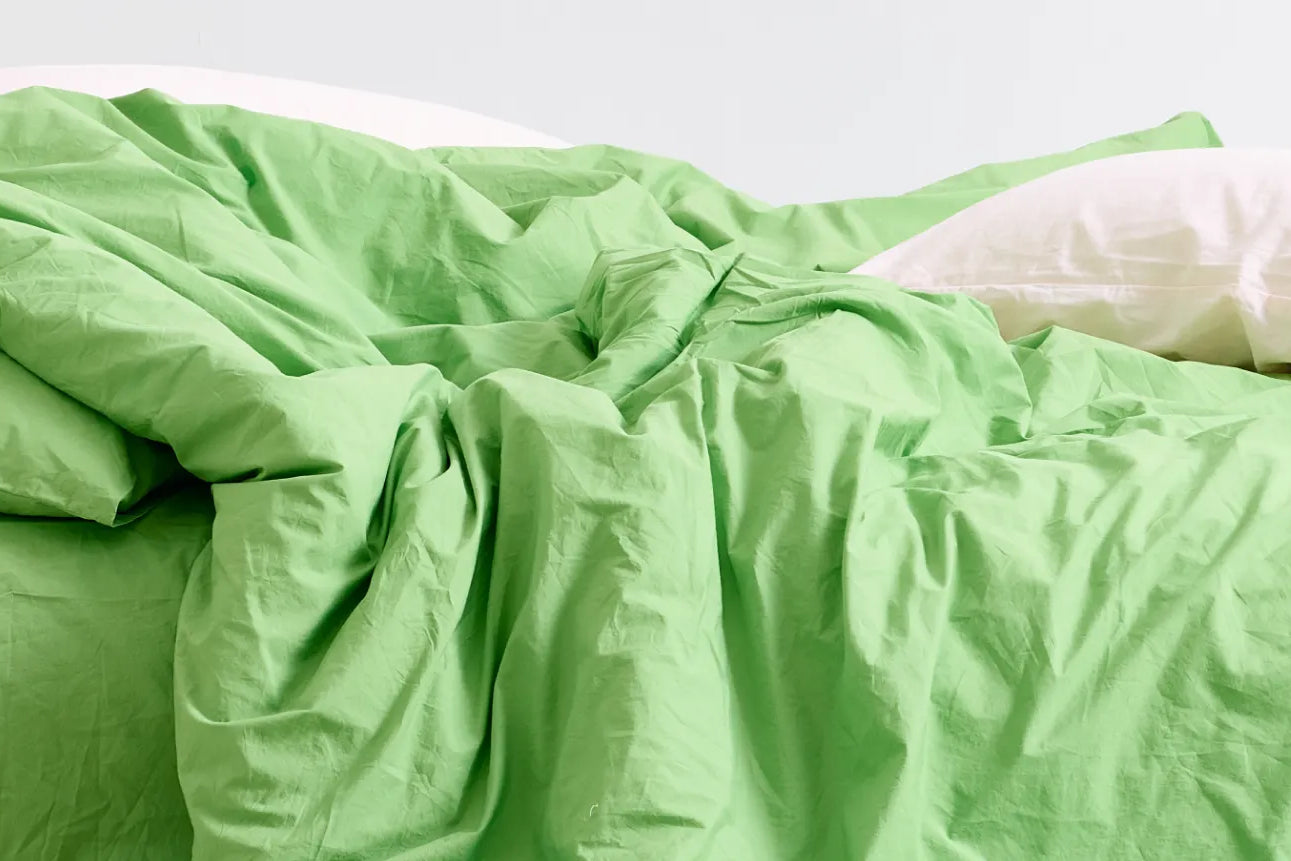


You spend about a third of your life in bed. That means your bedding is one of the things your skin is in contact with for the longest time. Which material suits you best? This guide answers all your questions.
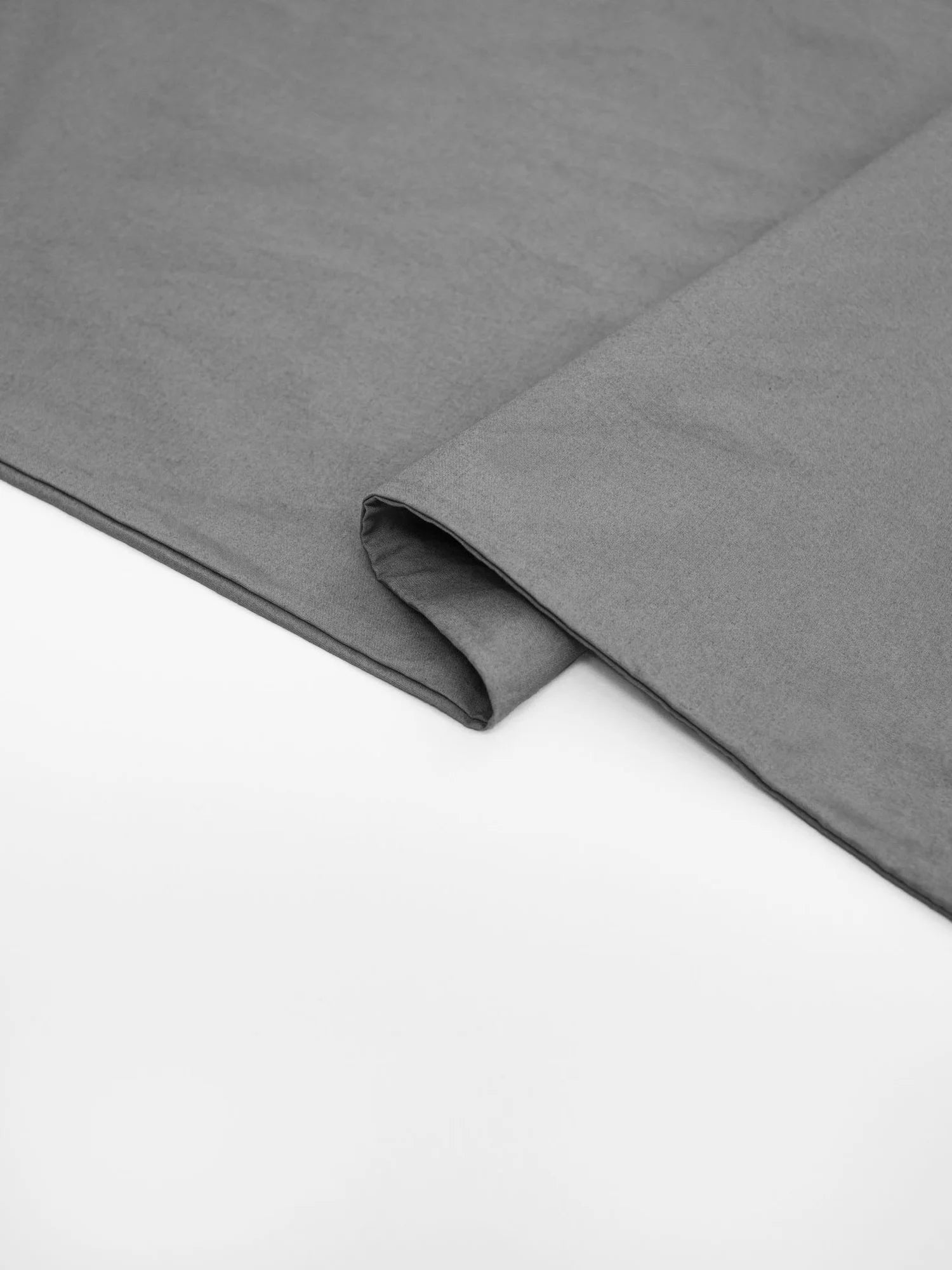
Our bedding is made of cotton or a cotton and linen blend and is manufactured in Portugal. Depending on the item, the cotton is either certified organic (kbA), from the transition to organic farming (Cotton in Conversion, CiC), or conventionally grown. The quality of each specific item can be found on its respective product page.
What to look for when buying
First: The cultivation. Certified organic cotton (kbA) is grown without synthetic pesticides, without artificial fertilizers, and without genetic engineering, as regulated by the EU Organic Regulation (EU) 2018/848. The type of cotton used in an item should be stated in the material specifications.
Second: The material. Cotton, linen, and flannel feel very different. Which material suits you depends on whether you tend to get cold or sweat at night. The comparison below will help you choose.
Third: Care. How long your bedding stays looking beautiful depends largely on how you wash and dry it. You can find tips for this further down.
Fourth: Origin. Check where your bedding is made. Our bedding is manufactured in Portugal. Our production facilities are tracked via Retraced and are evaluated before being onboarded.
Material comparison: Organic cotton, linen & flannel
An overview of the three materials. Each material has its strengths, and the choice depends on your personal preferences:
Organic cotton
Plant fiber · Organic cultivation
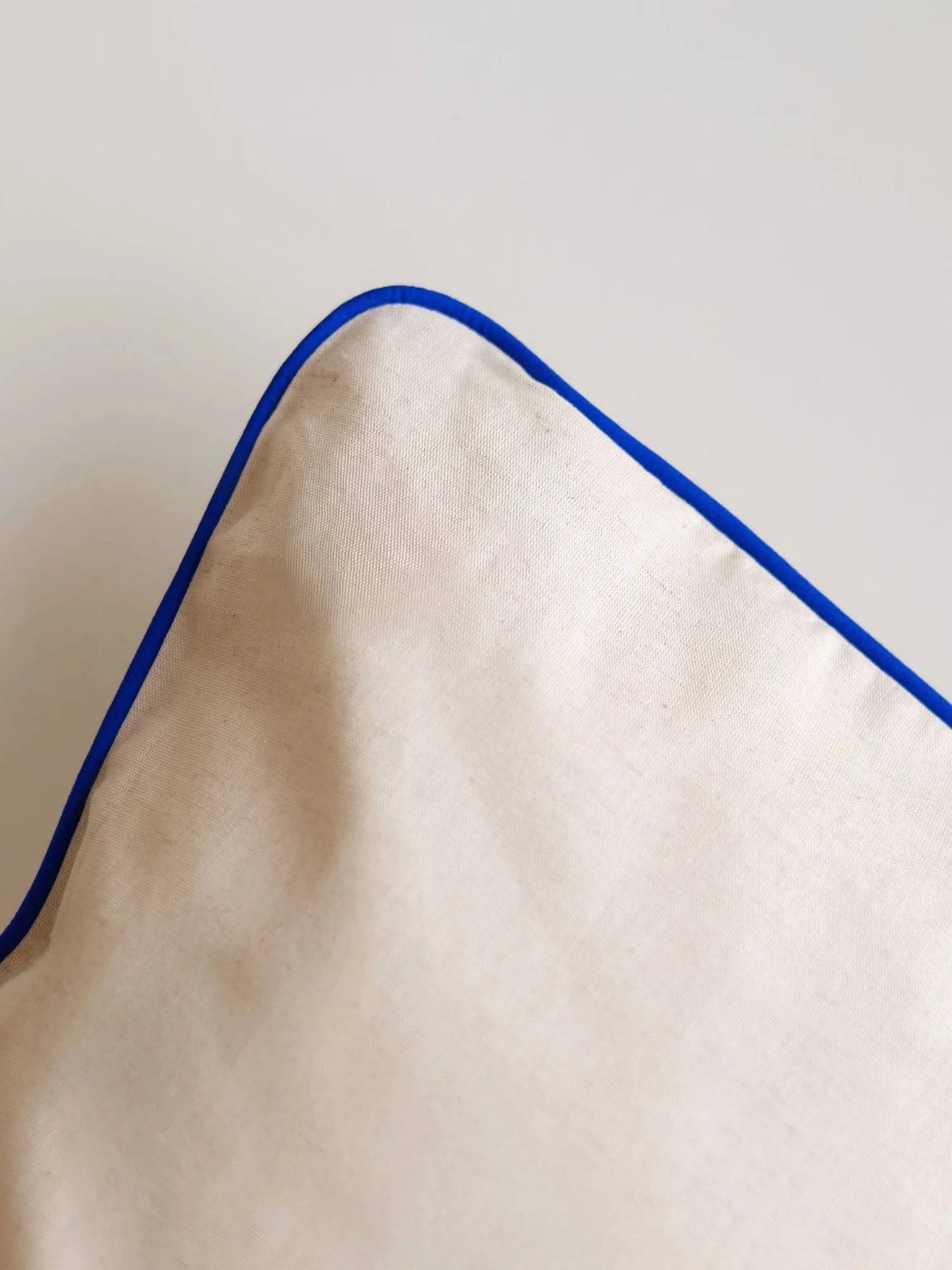
Cotton that is grown without synthetic pesticides and fertilizers. Soft, comfortable, classic, just like conventional cotton. Organic cotton is durable and becomes softer with every wash.
- Feel: Soft, classically comfortable
- Durability: Very durable
- Price: Moderate, good value for money
Linen
Plant fiber · Flax plant
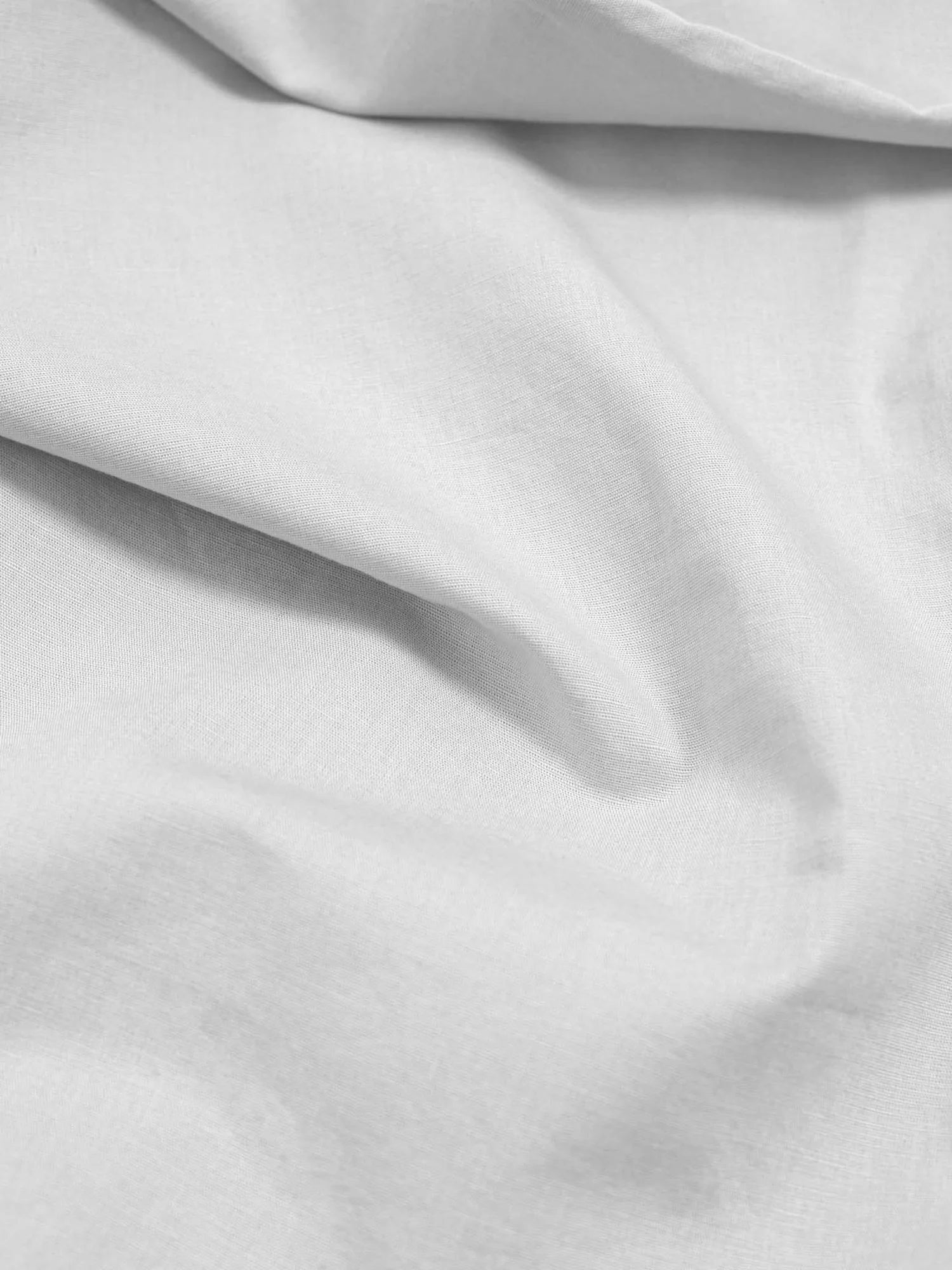
Linen is made from the flax plant, one of the oldest fibers in existence. It feels a bit firmer to the touch than cotton at first, but it becomes softer with every wash and develops a characteristic texture that many love.
- Feel: Firm, becomes silky soft over time
- Temperature: Cool touch, dries extremely quickly
- Durability: Extremely durable
- Price: Higher
Flannel
Cotton · Brushed surface
Flannel is cotton with a brushed surface, which creates an insulating, warming layer. The result feels snug and cozy. Perfect for those who like to be warm in bed and love that inviting, soft feeling.
- Feel: Cozy soft, velvety surface
- Temperature: Warming, ideal for cold nights
- Durability: Good, slight pilling possible
- Price: Moderate, good value for money
| Criteria | Organic cotton | Linen | Flannel |
|---|---|---|---|
| Softness | Soft, classic (Solid) | Firm, becomes softer | Very soft, cozy (Top) |
| Cooling effect | Moderate | Excellent (Top) | Warming |
| Durability | Very good (Solid) | Extremely durable (Top) | Good |
| Price | Moderate (Top) | High | Moderate (Top) |
| Care | Uncomplicated (Solid) | Very uncomplicated (Top) | Uncomplicated |
| Ideal for | Year-round, classic | Summer, quick-drying | Winter, cozy fans |
Cotton in Conversion: What does that mean?
You may sometimes see the term "Cotton in Conversion" (CiC) on bedding. This means: The cotton comes from fields that are in the process of converting from conventional to organic farming.
The path from conventional to organic
- Conventional: Pesticides & chemicals
- In Conversion: Transition phase, cultivation according to organic farming rules
- Organic (kbA): Full organic certification
The fields are already managed according to organic farming rules, but the cotton cannot yet be labeled as organic. The transition phase usually lasts two to three years.
Is this bad? No. Cotton in Conversion comes from fields in transition to organic farming and is usually cheaper than certified organic cotton.
The right bedding for every season
Bedding is not one-size-fits-all for every season. Here are our recommendations:
Summer: Linen
Linen is the clear winner for hot nights. It absorbs moisture quickly and dries extremely fast, perfect for those who sweat at night.
Winter: Flannel
Flannel is ideal for cold winter nights. The brushed surface creates a warming, cozy layer.
Year-round: Organic cotton
If you don't want to buy different sets, organic cotton is a good compromise for all seasons.
Care tips
The best bedding is useless if it is ruined after three washes. Here is how to keep your bedding beautiful for a long time:
- Wash at 40°C: Washing hot is not necessary and damages the material. 40°C is perfectly sufficient.
- Gentle detergent: Do not use harsh detergents with bleach. A pH-neutral or mild detergent is better.
- Do not wash too often: Bedding can be used for 1-2 weeks before being washed. This is normal and saves water.
- Air dry: Tumble dryers are the enemy of bedding. Air drying is better for the fibers and saves energy.
- No fabric softener: Fabric softener deposits itself on the fibers and makes the bedding dull. Not necessary.
- Linen: Patience pays off: Linen feels firm at first. This is normal; it gets softer and better with every wash.
Conclusion & recommendation: The right investment for good sleep
Our recommendation:
- Tight budget? Start with organic cotton. Durable and affordable.
- Do you sleep warm? Invest in linen. It dries extremely quickly.
- Cozy fan? Try flannel. Warming, soft, and perfect for cold nights.
Bedding from erlich textil
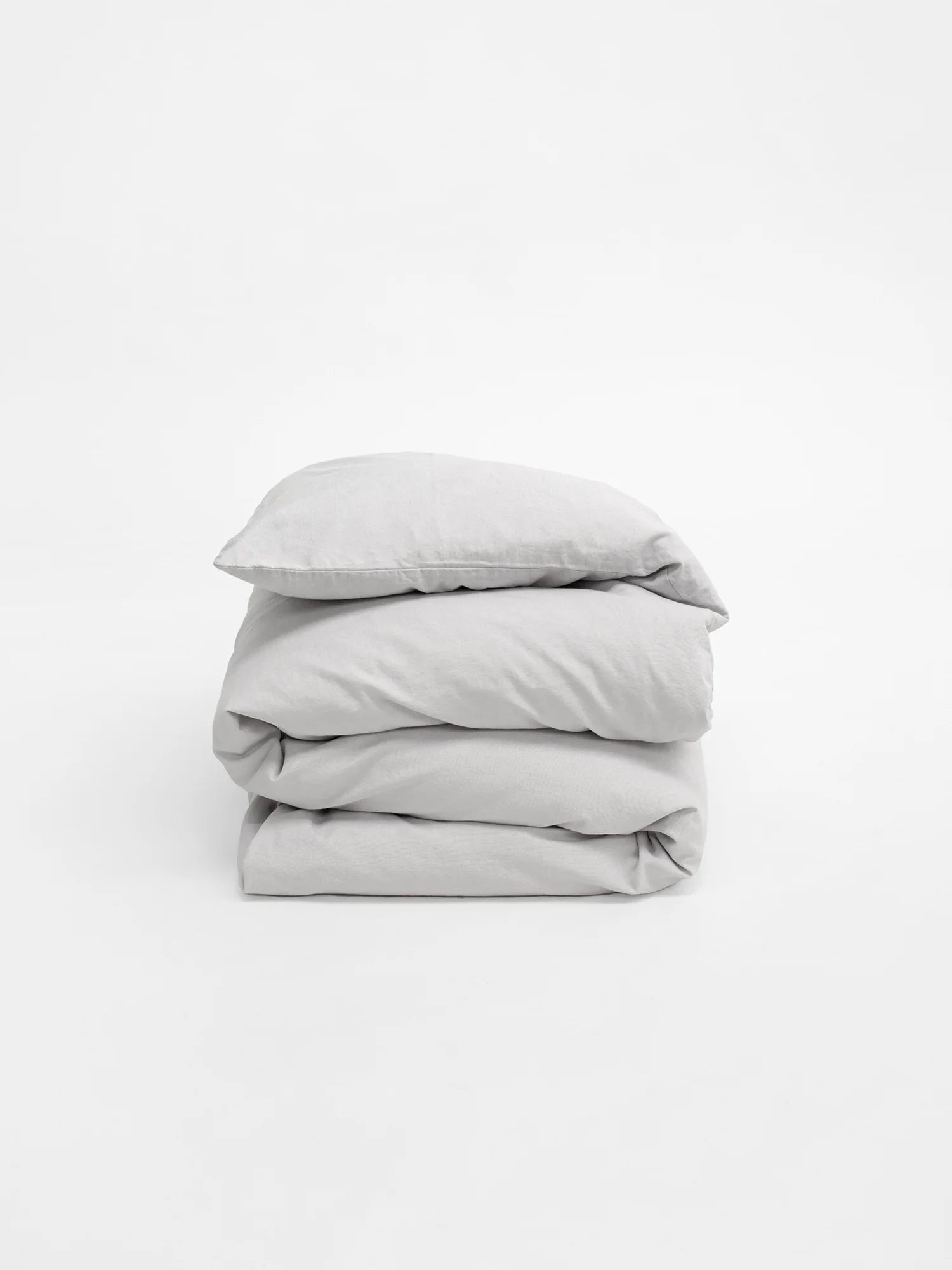
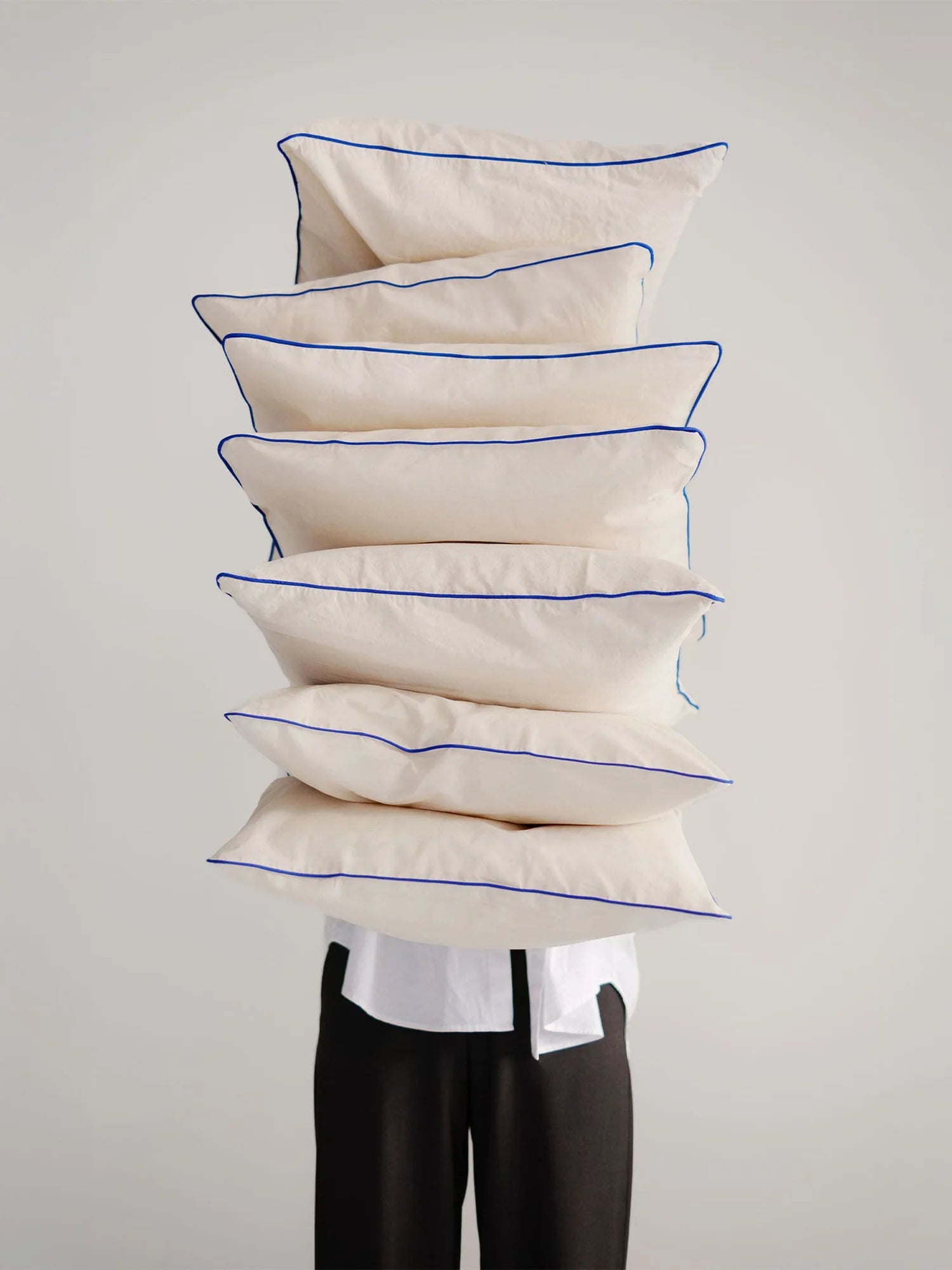
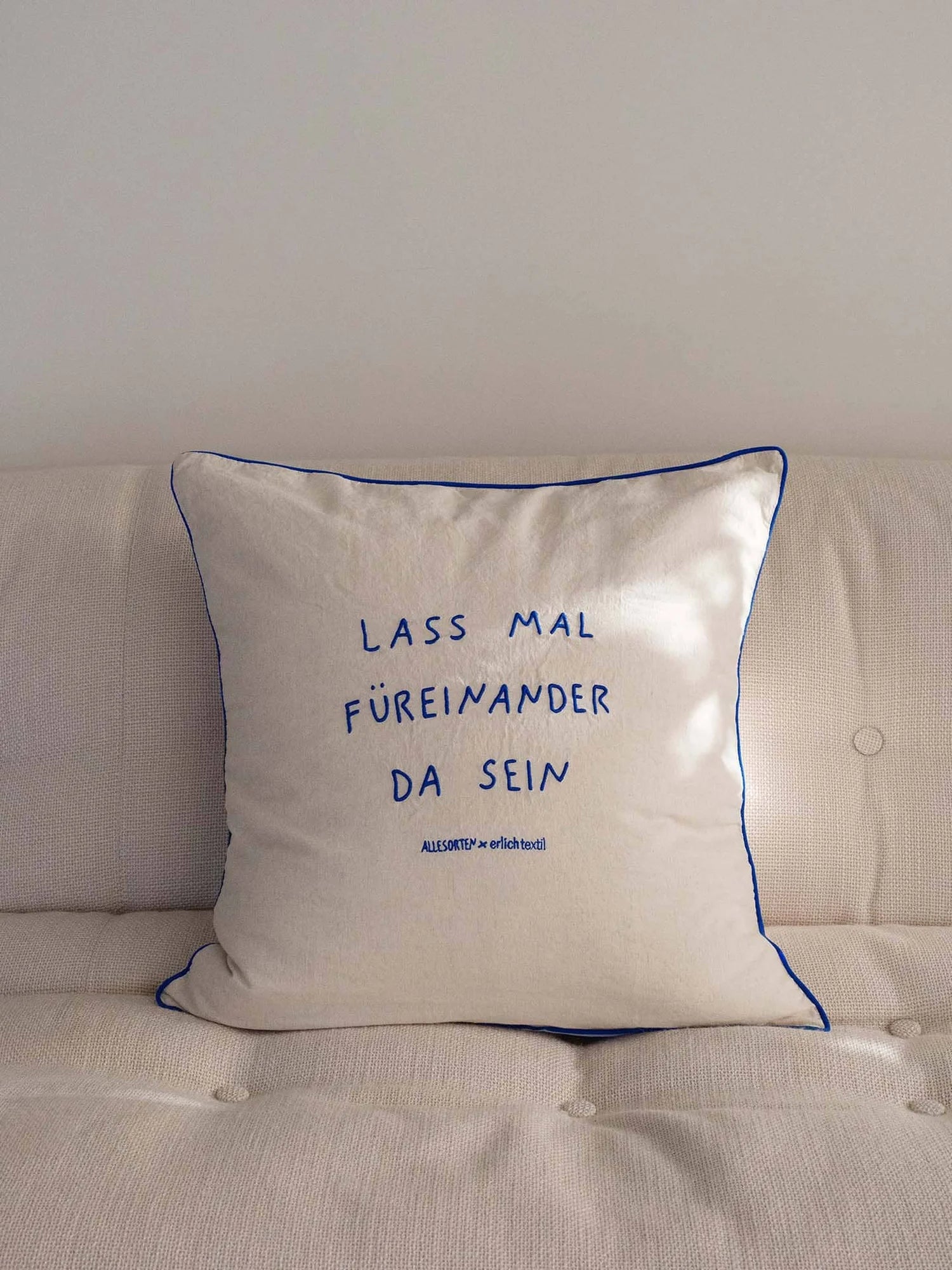
At erlich textil, you will find bedding made of cotton (depending on the item, organic, CiC, or conventional), flannel, and cotton-linen blends. All products are manufactured in Portugal, and we are transparent about where your bedding comes from.
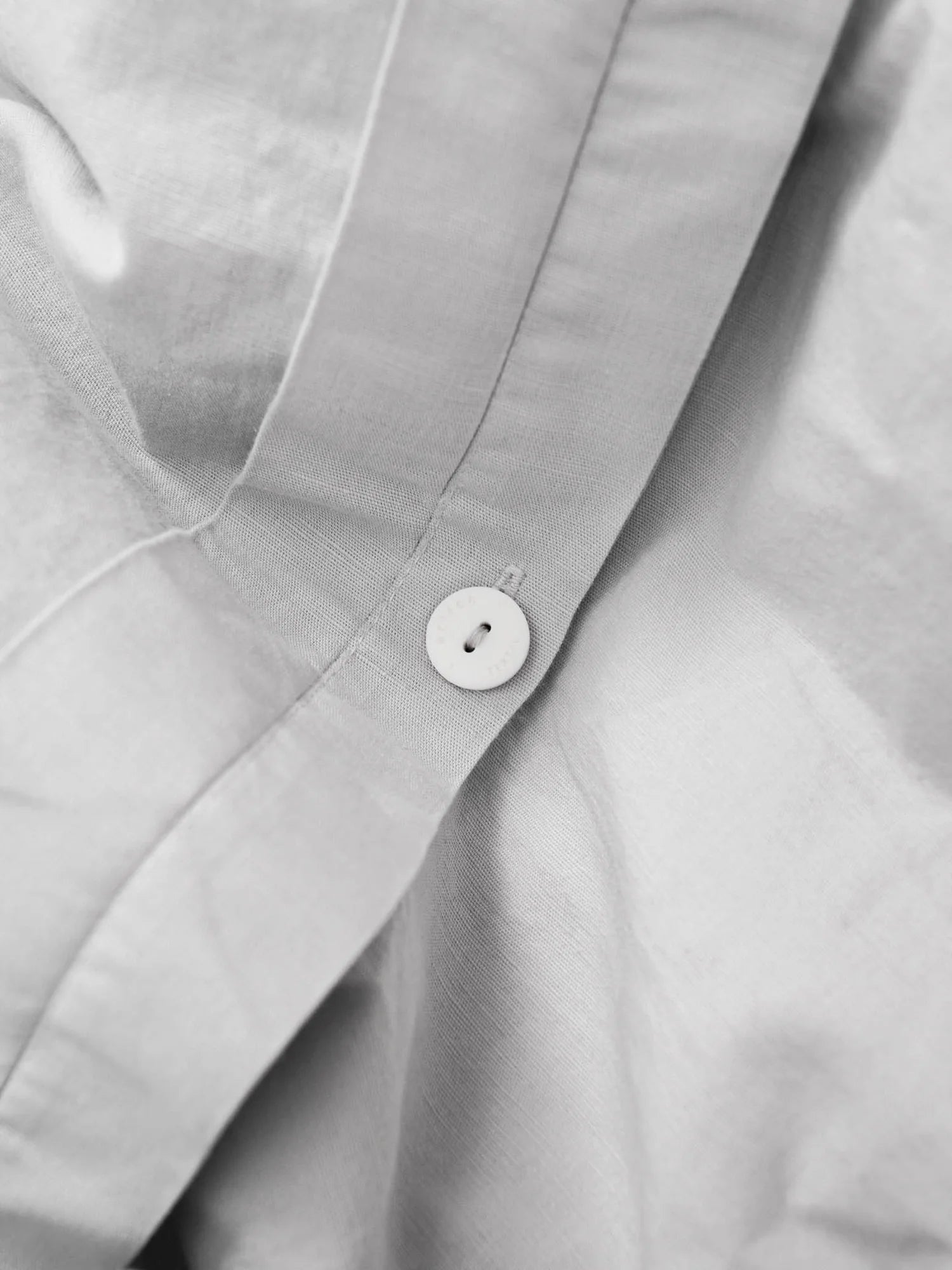
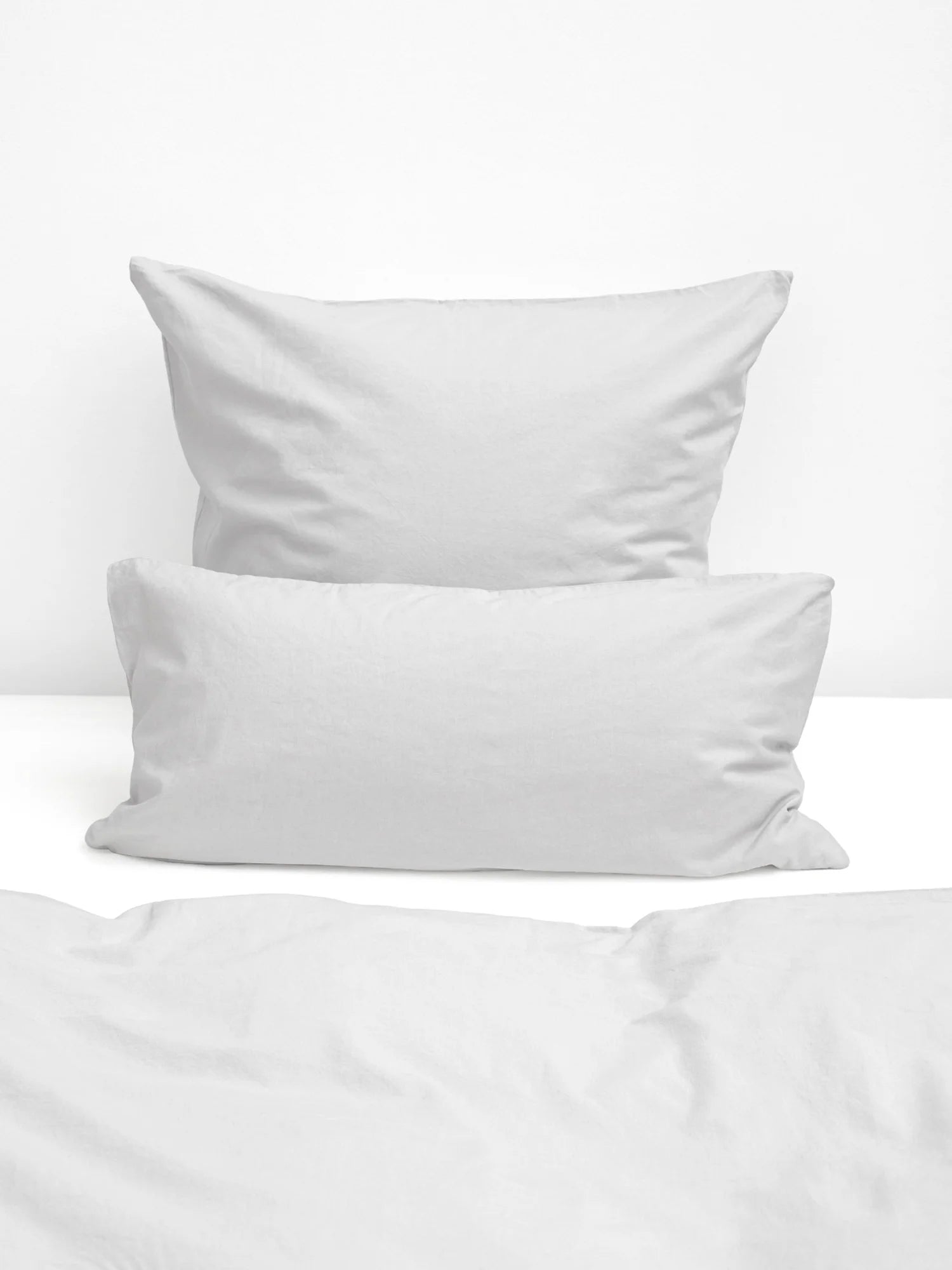
From duvet covers and pillowcases to fitted sheets: find the bedding you love to sleep on.
Good sleep starts with bedding that feels right for you.