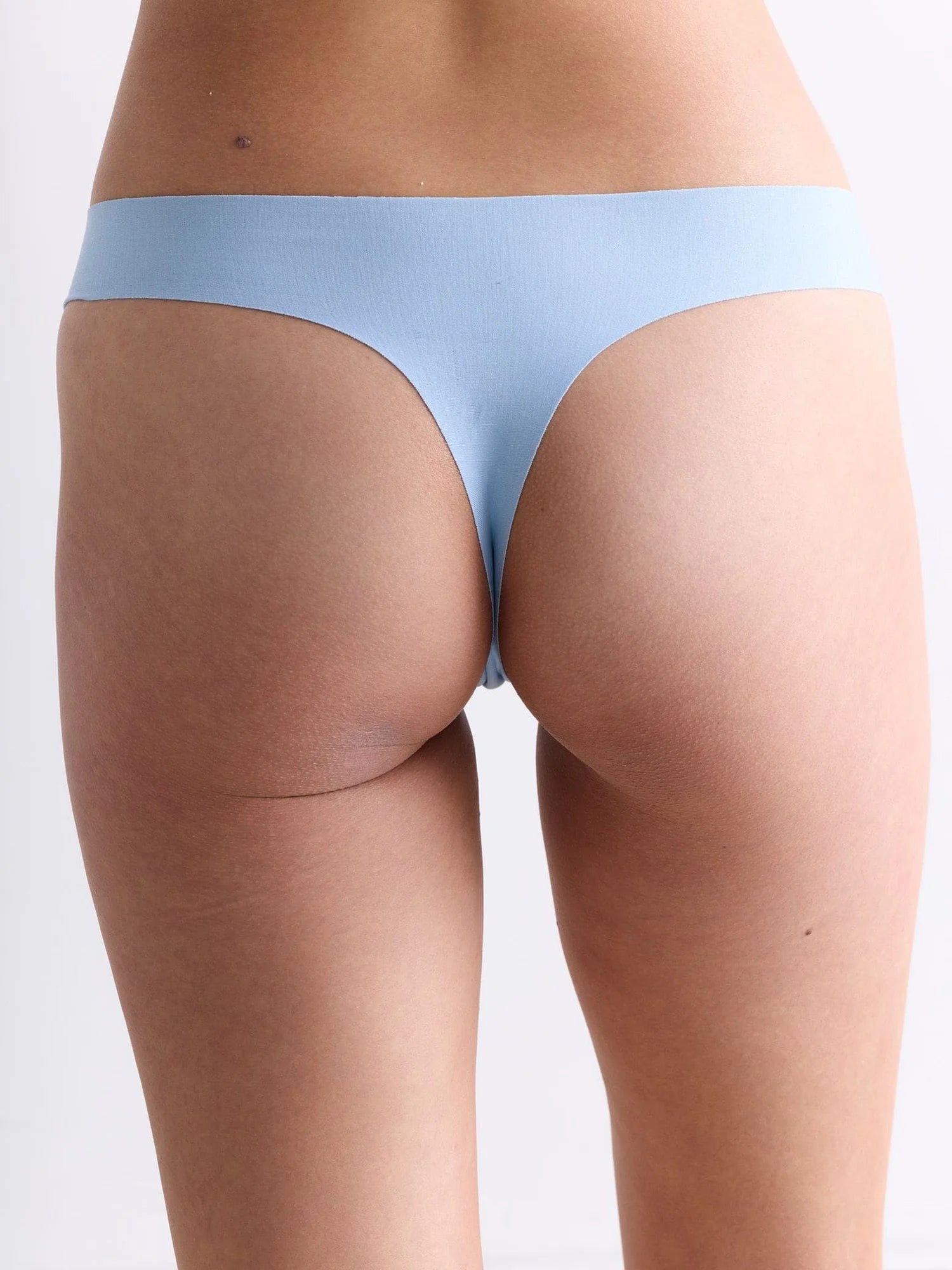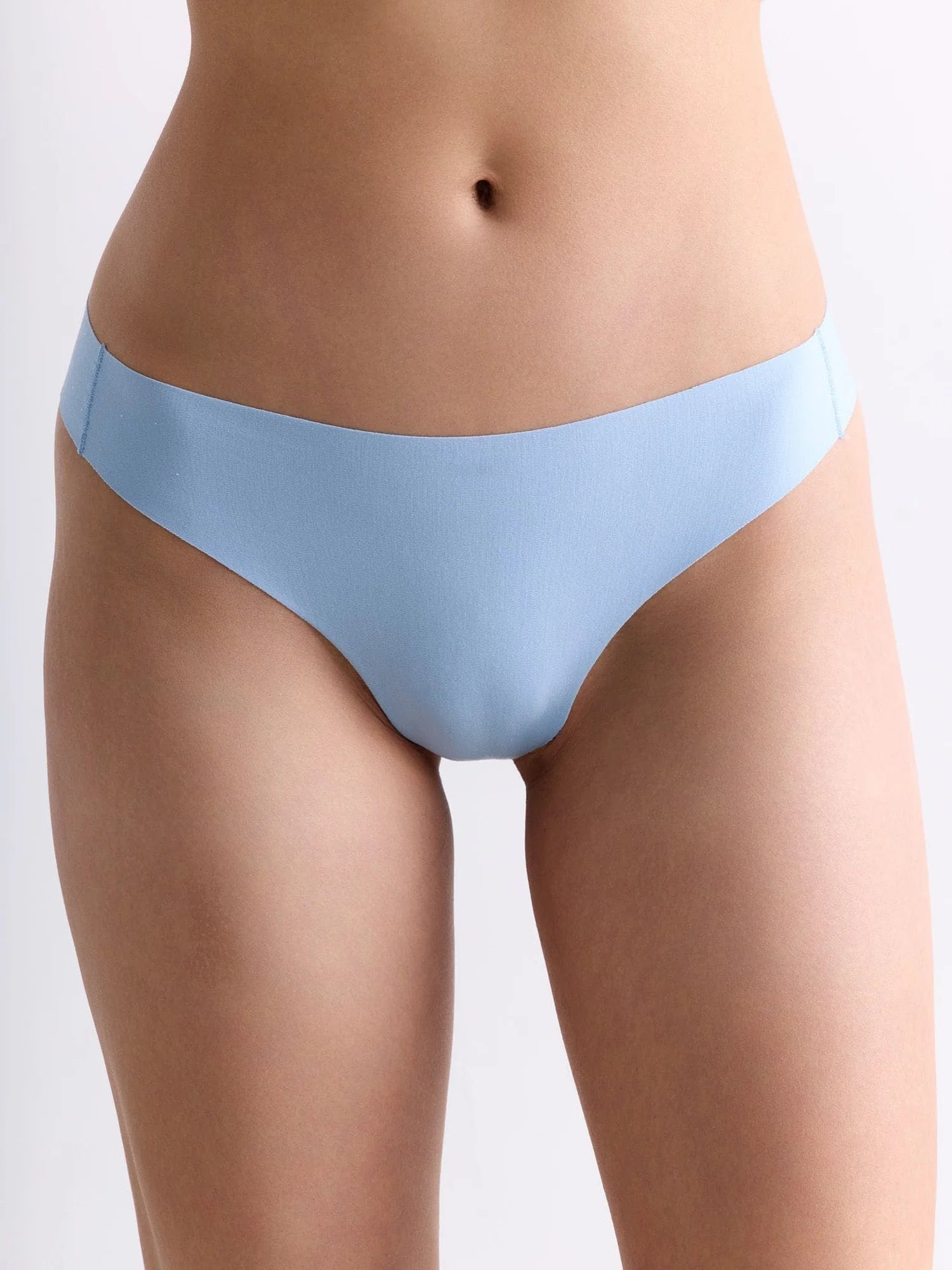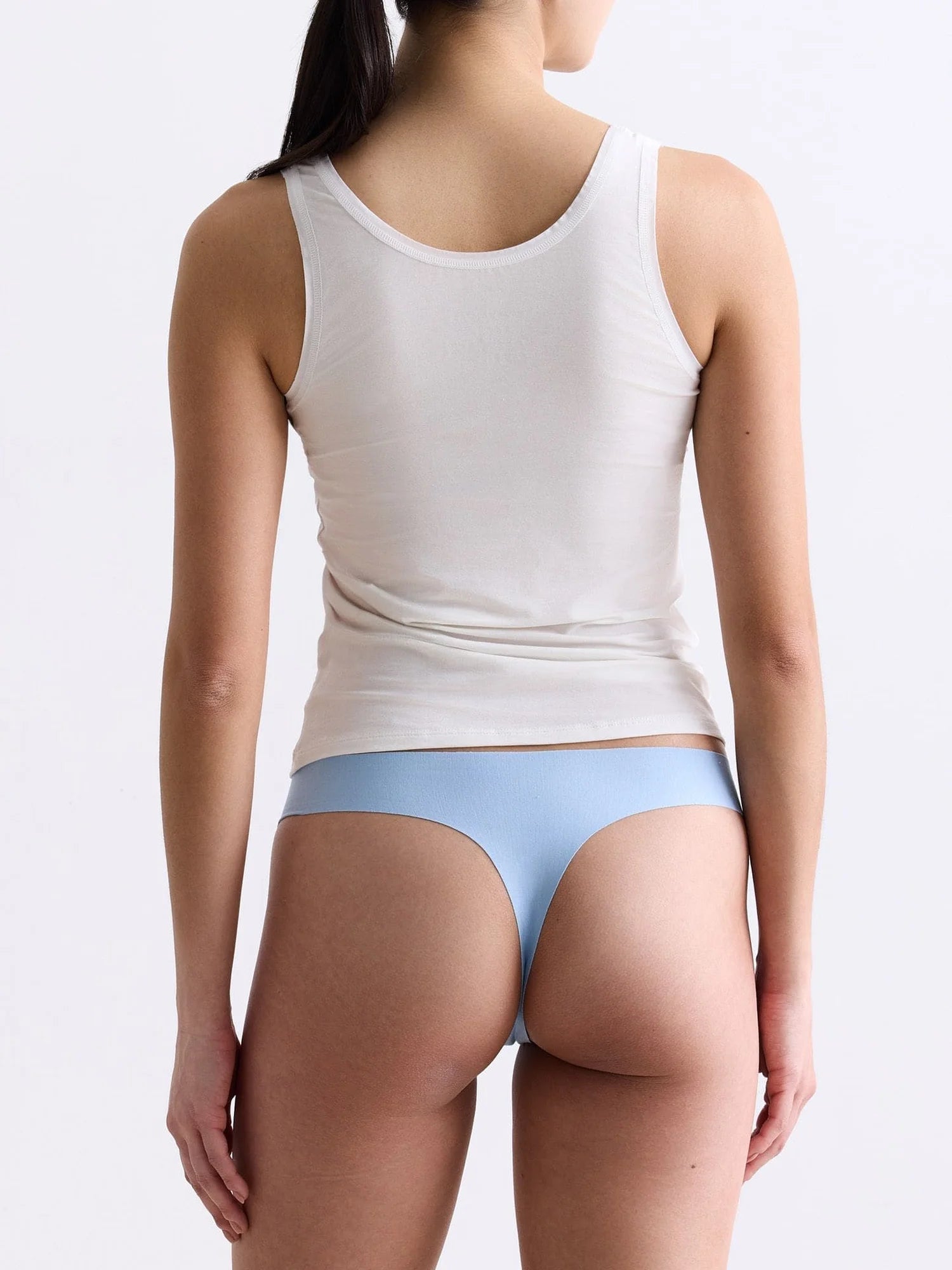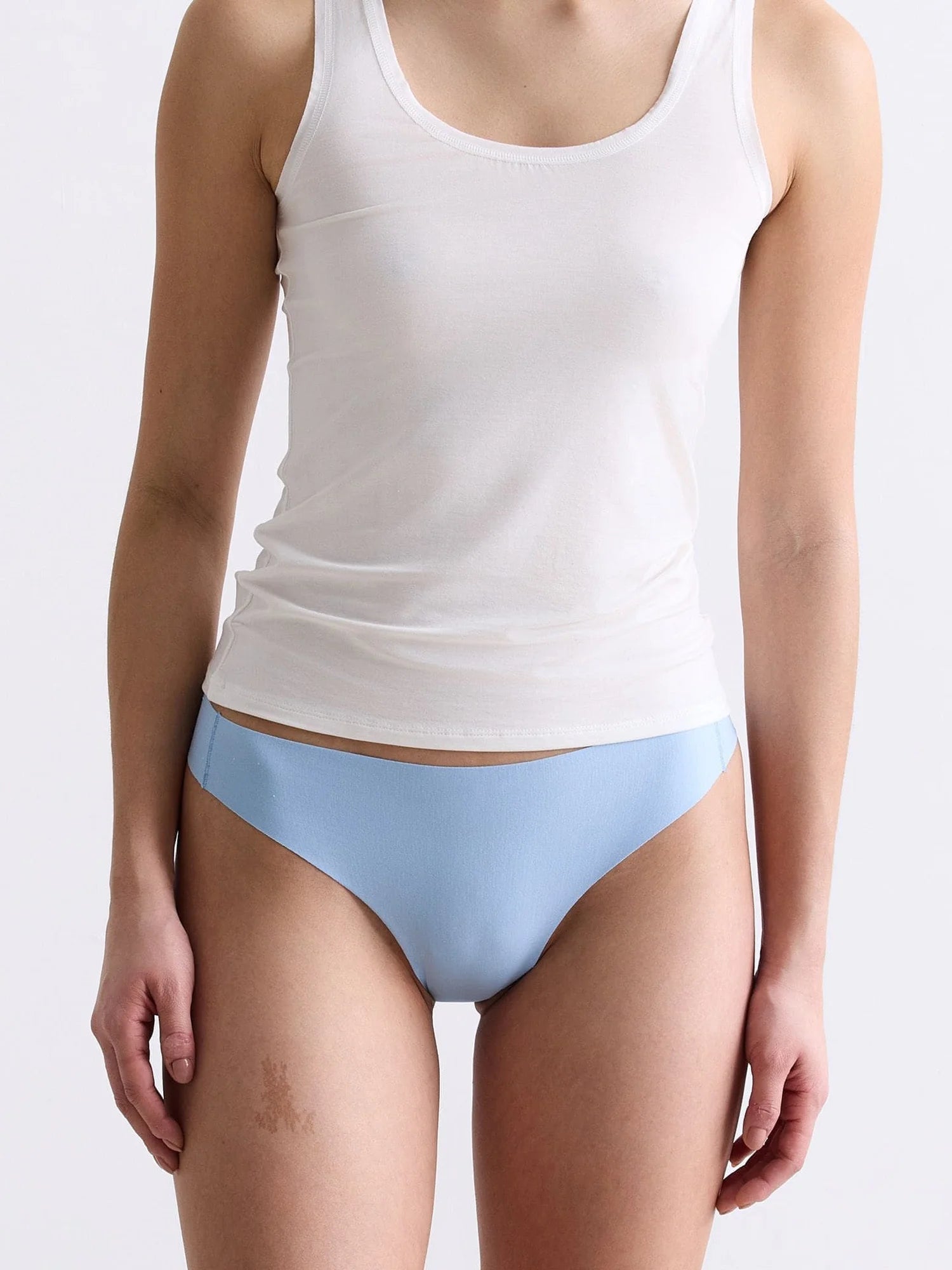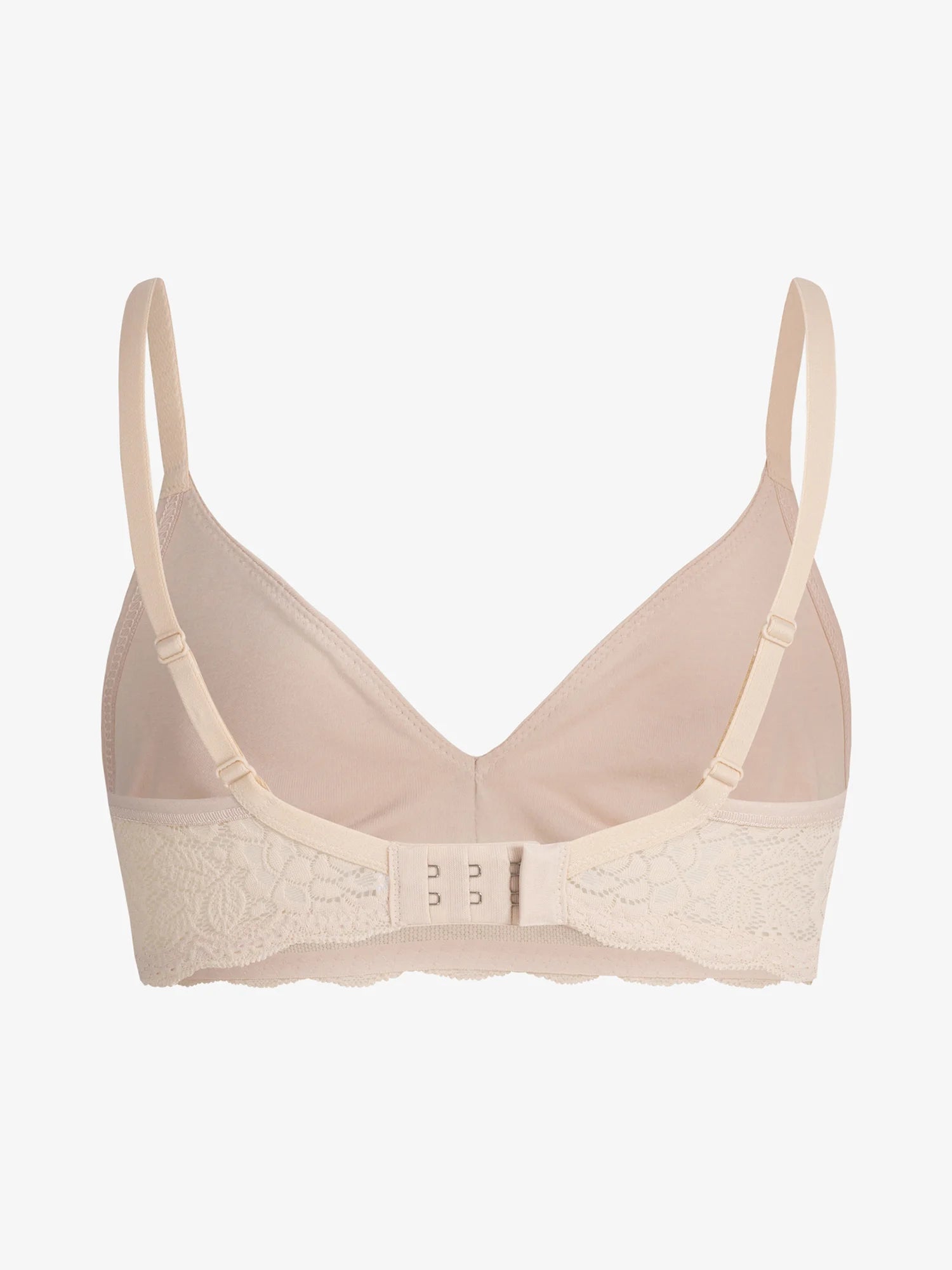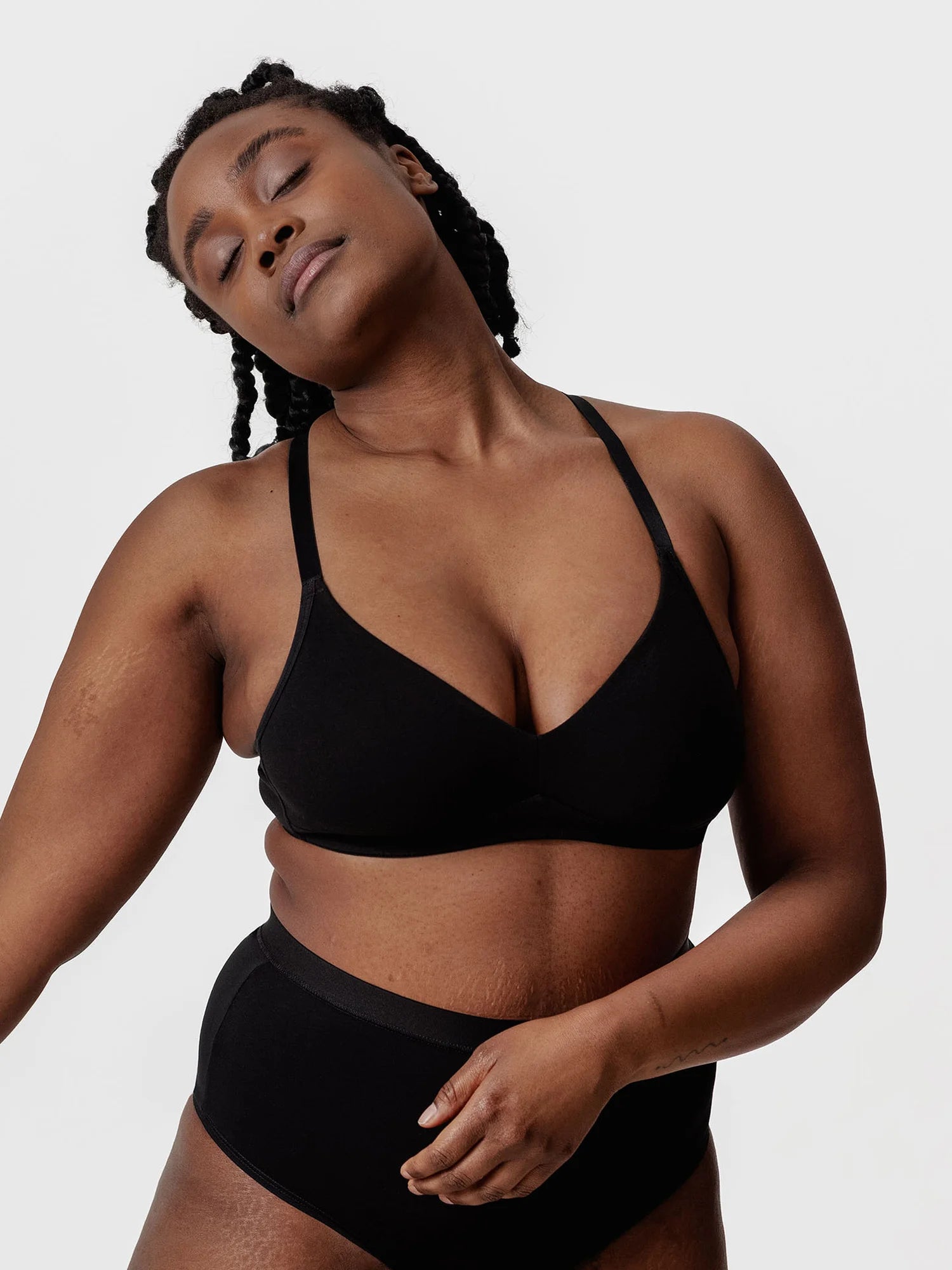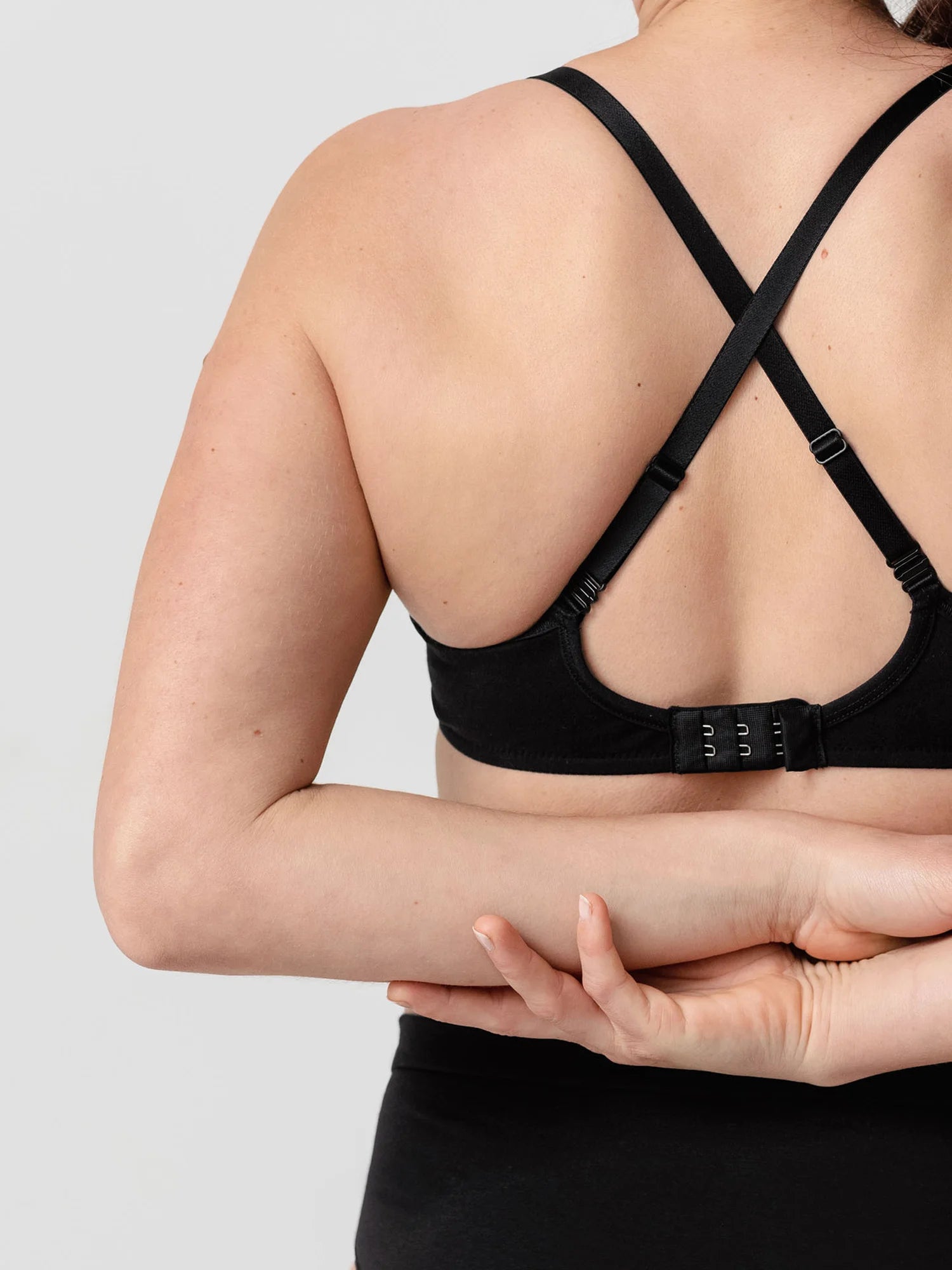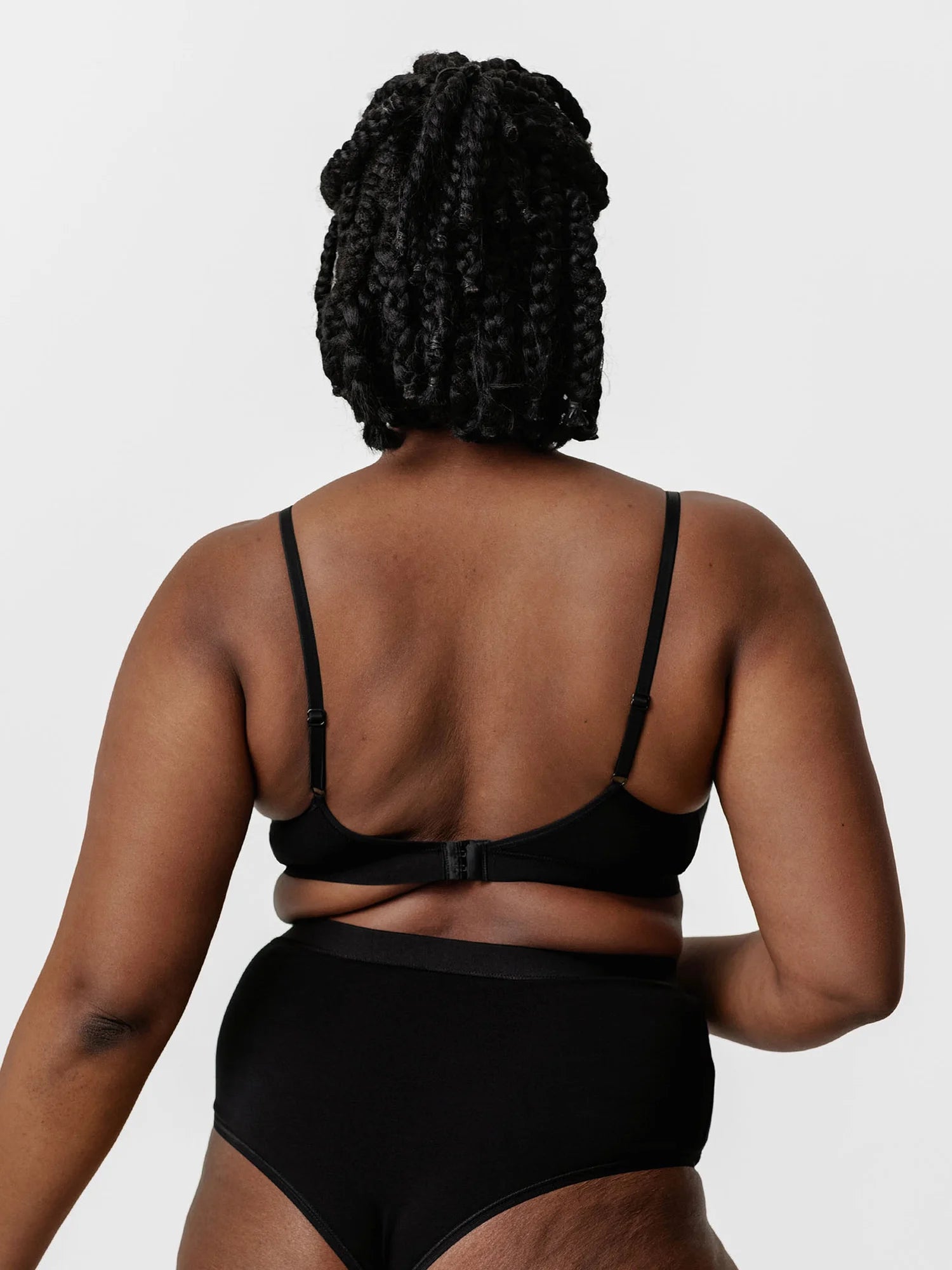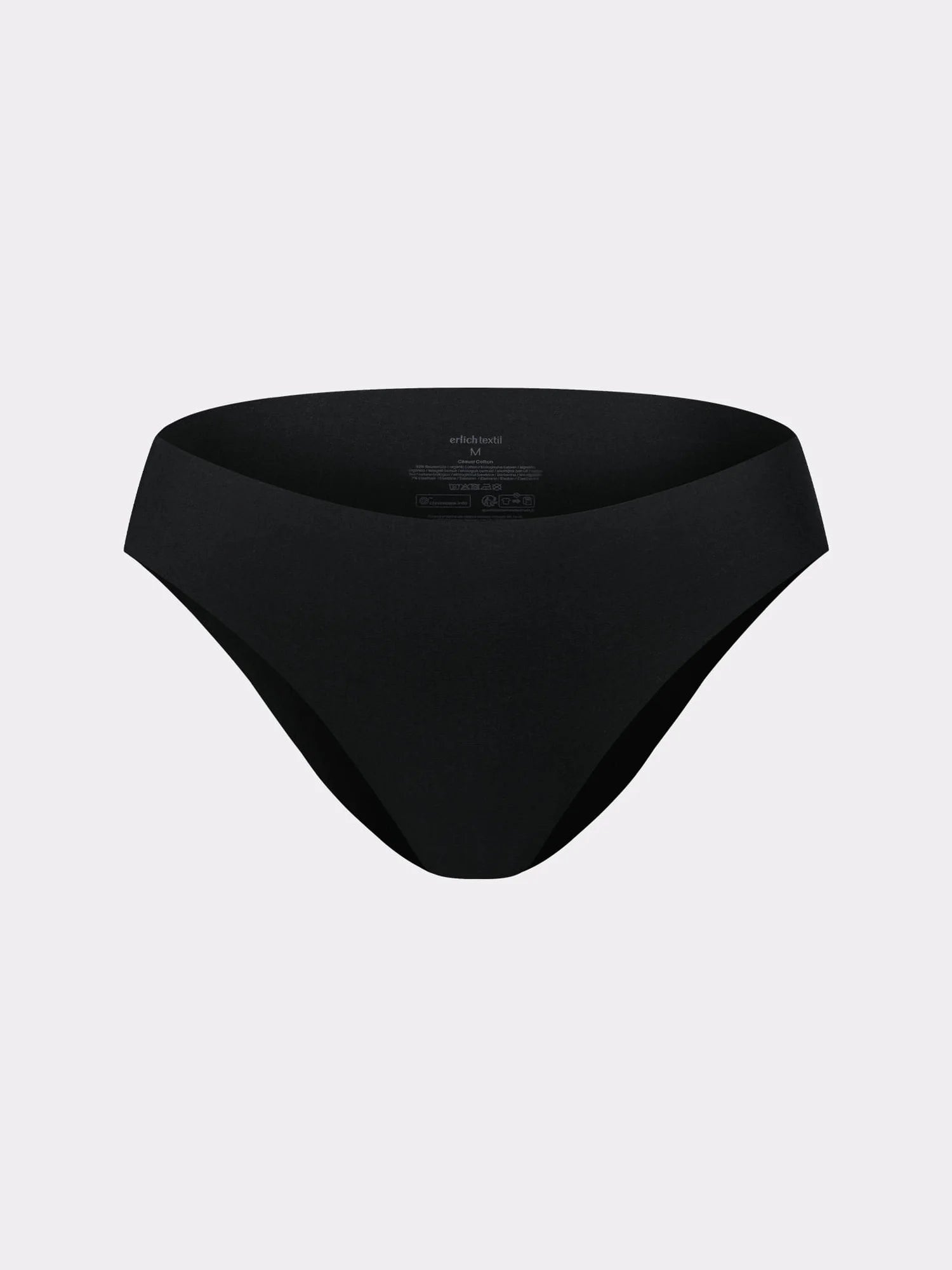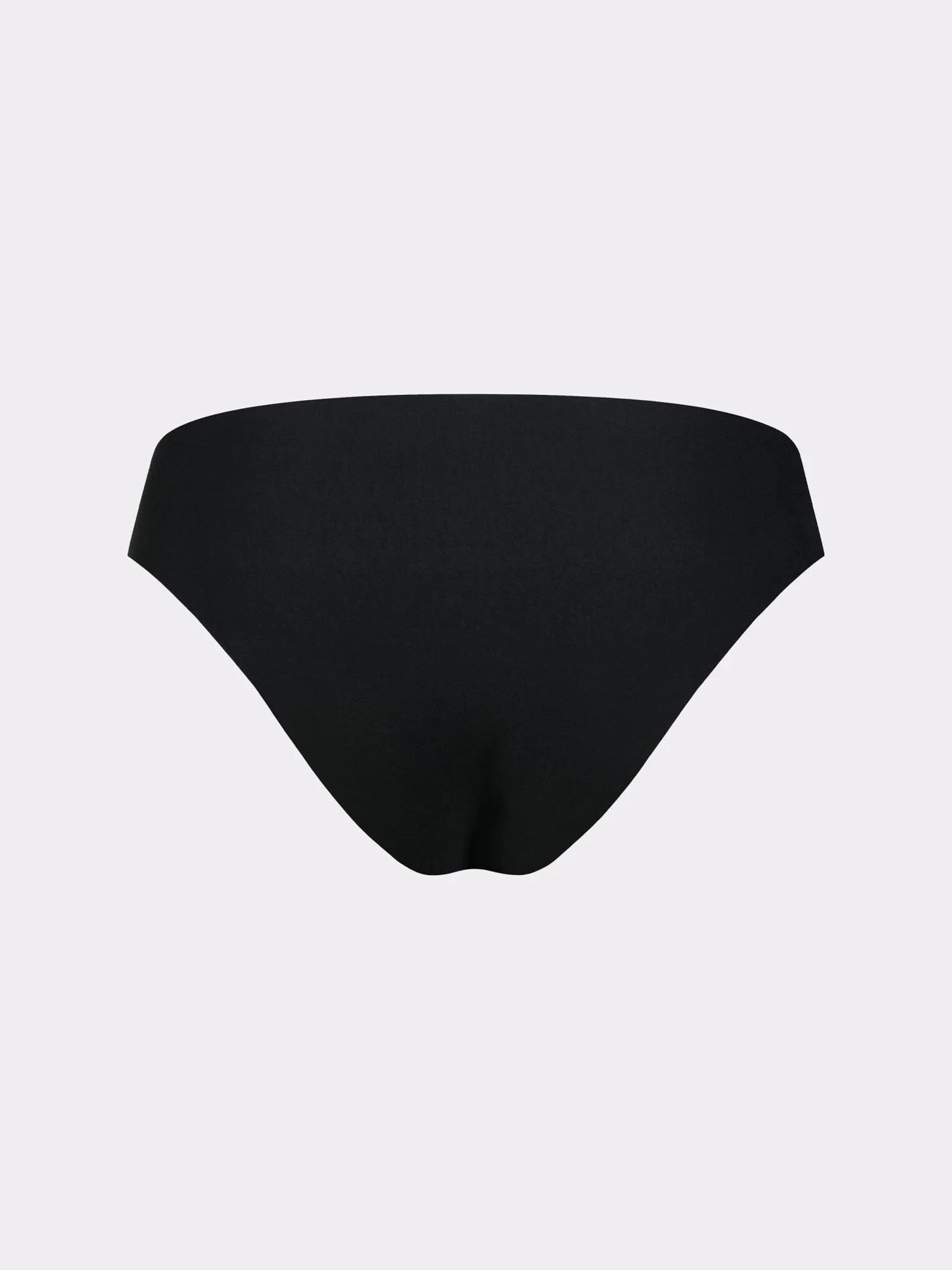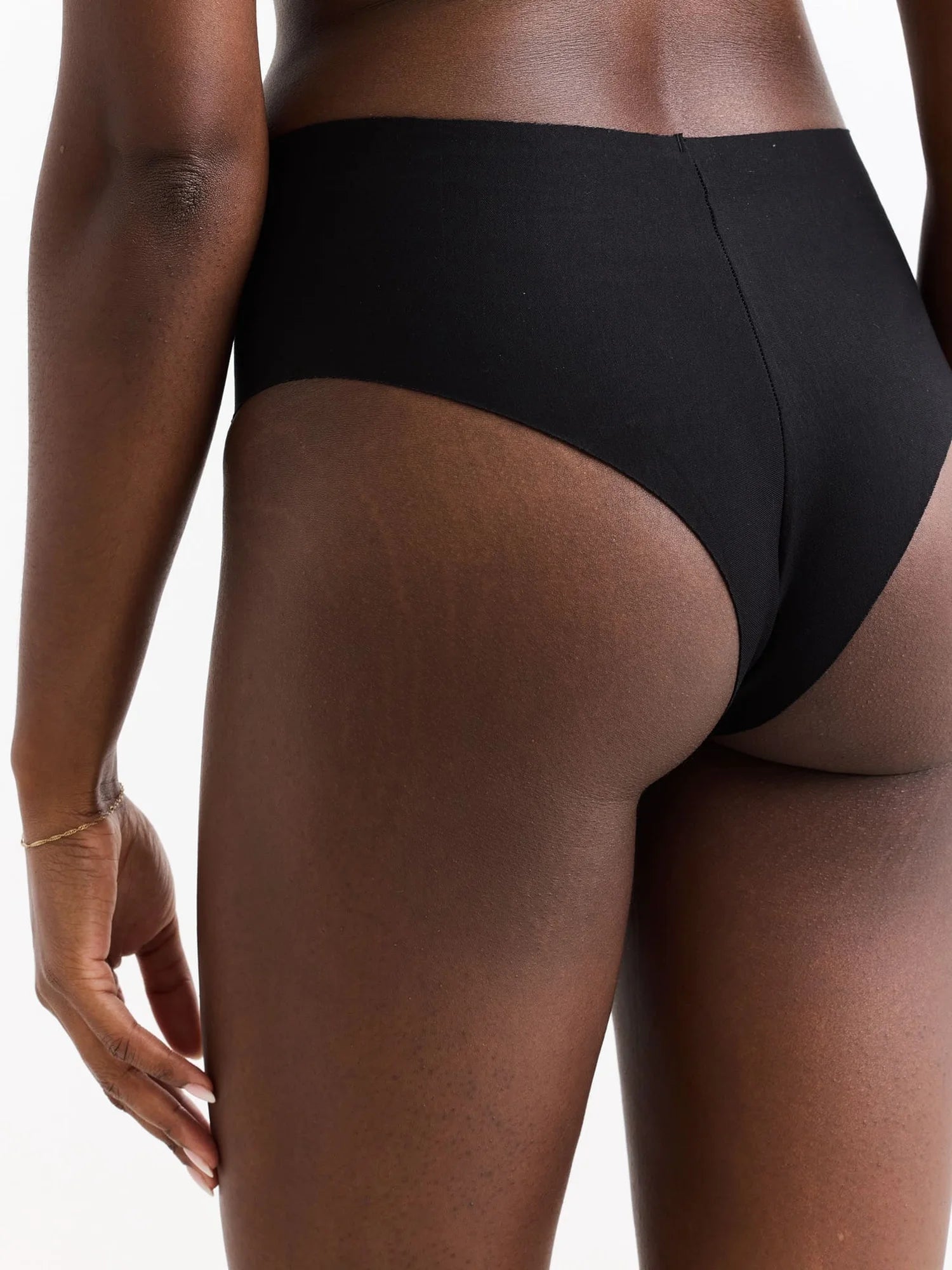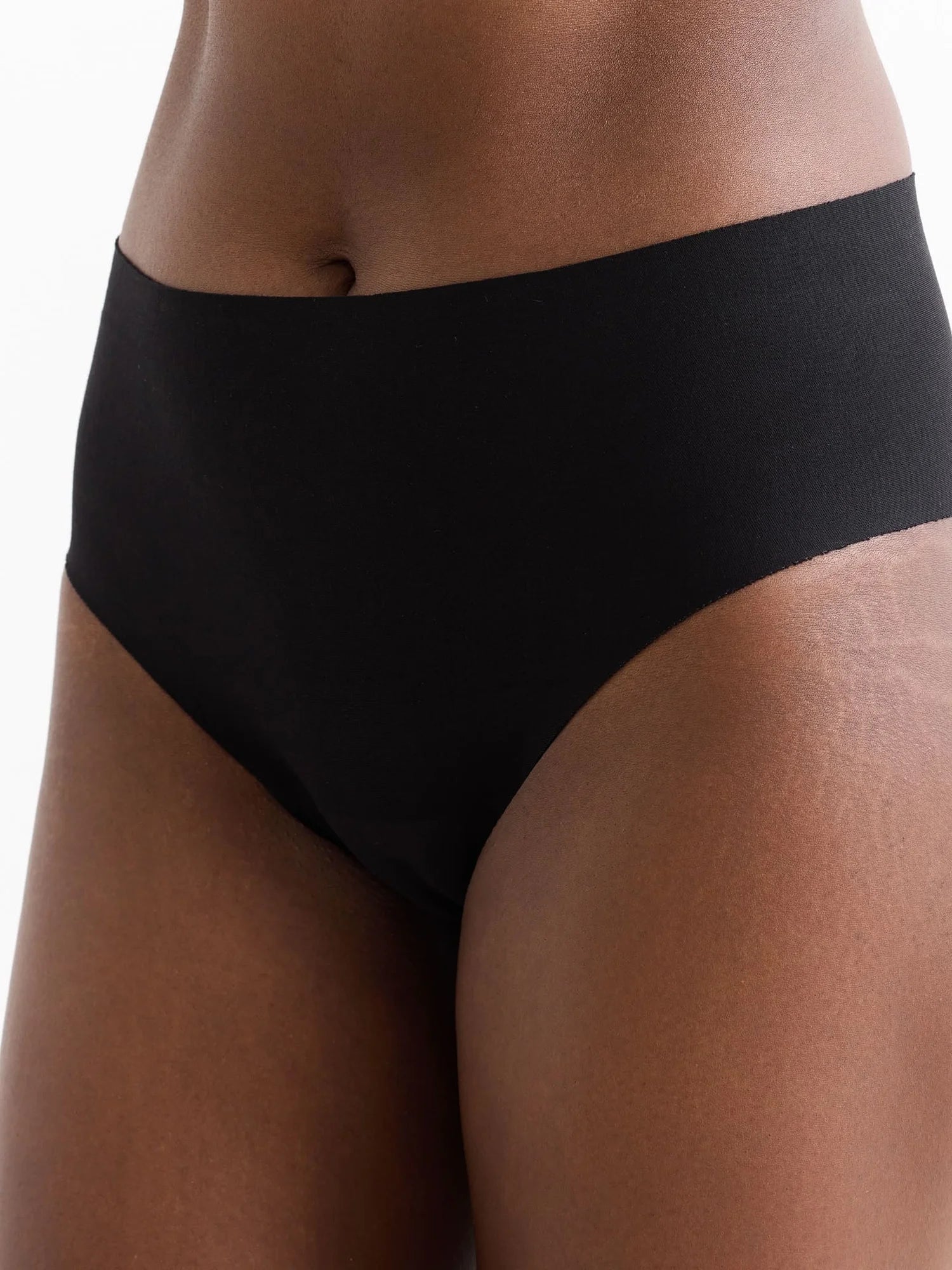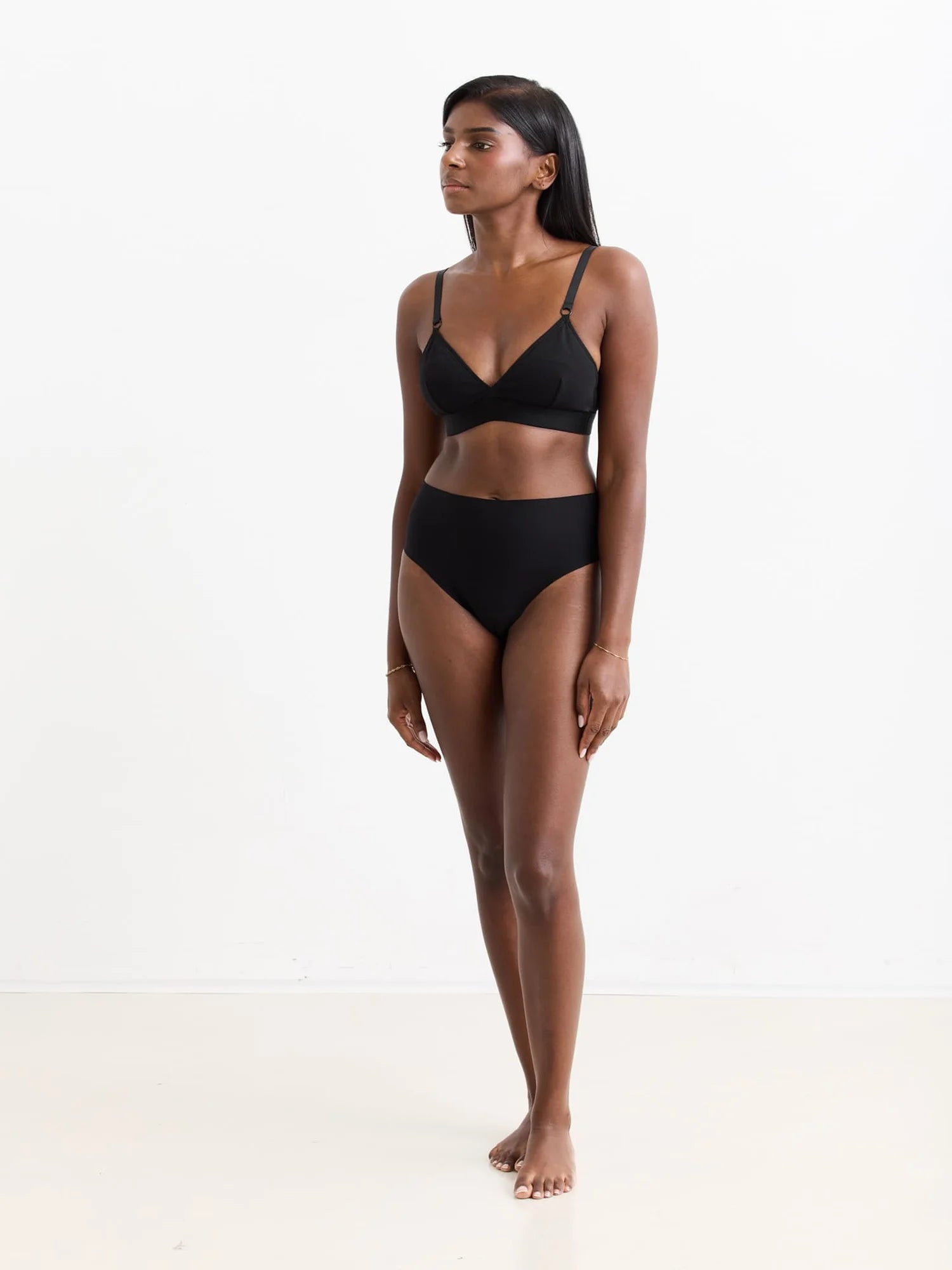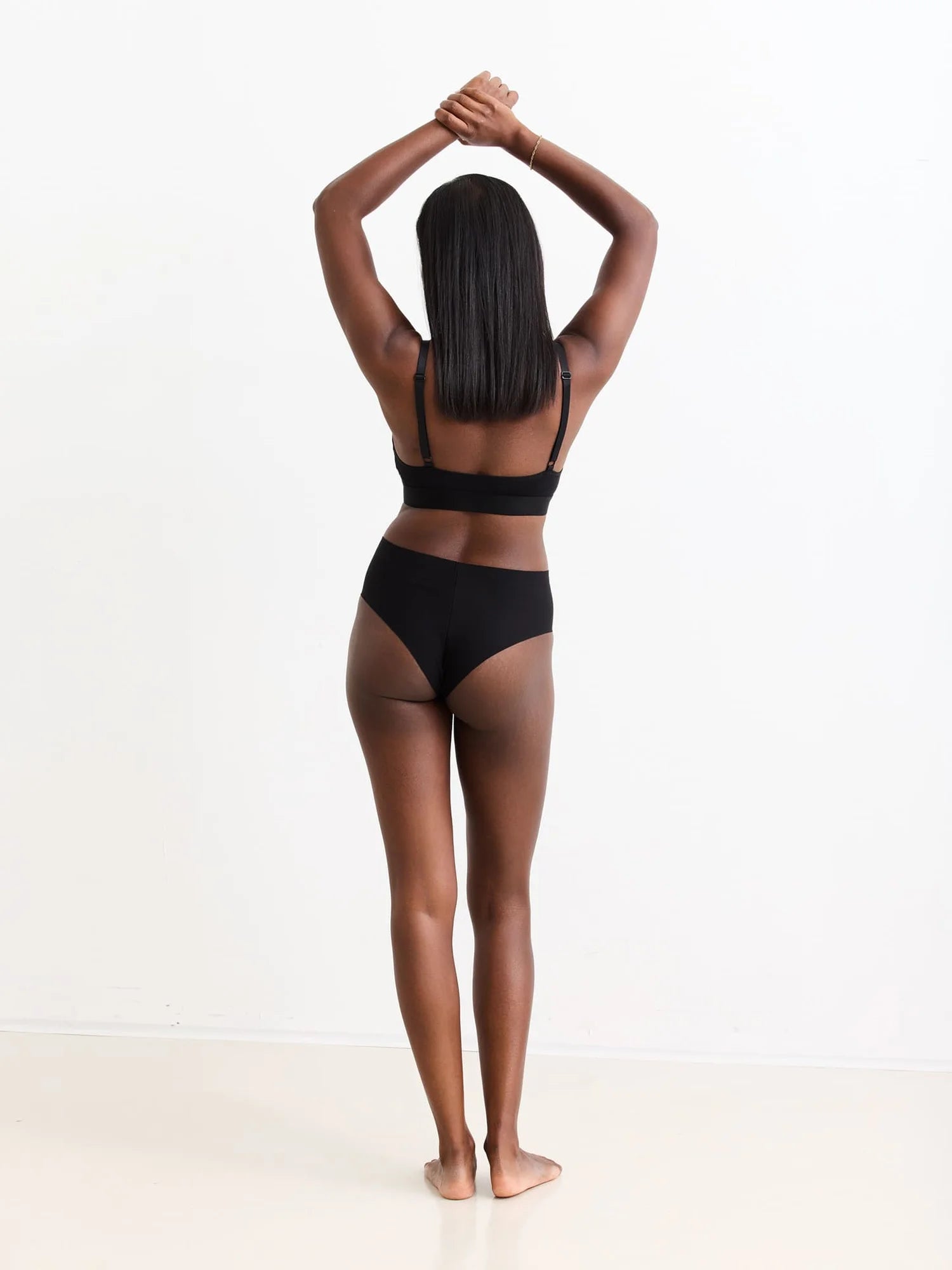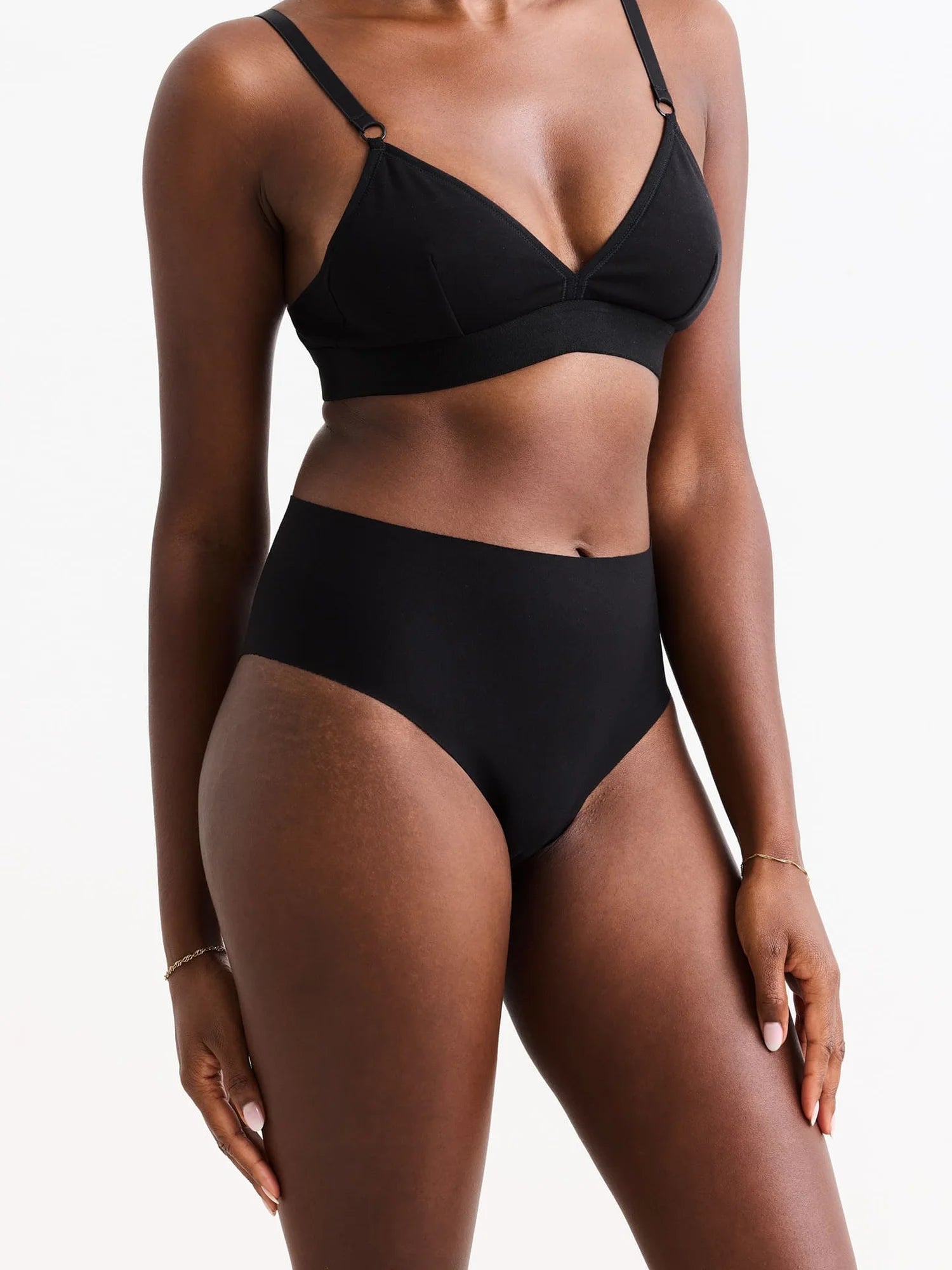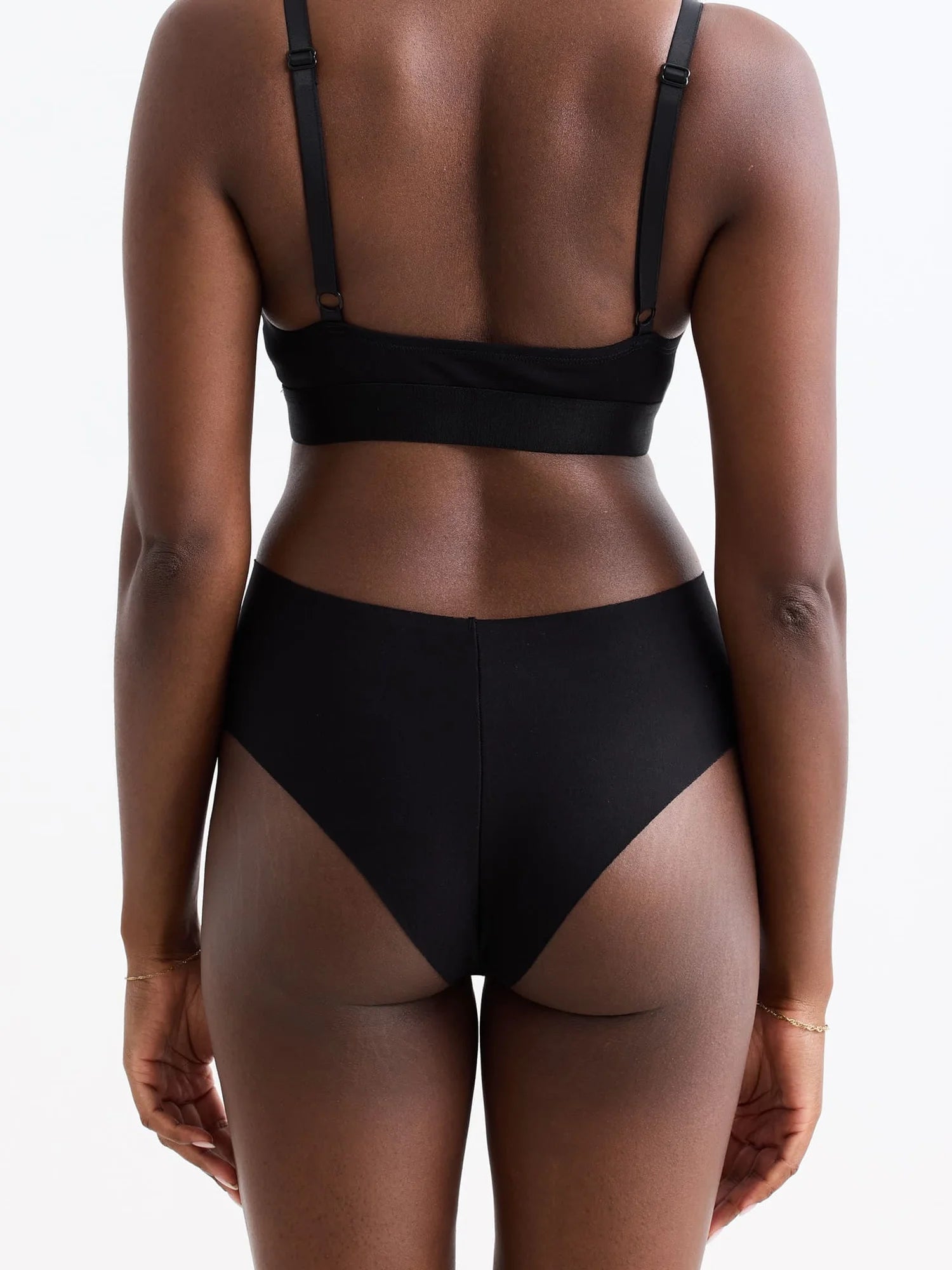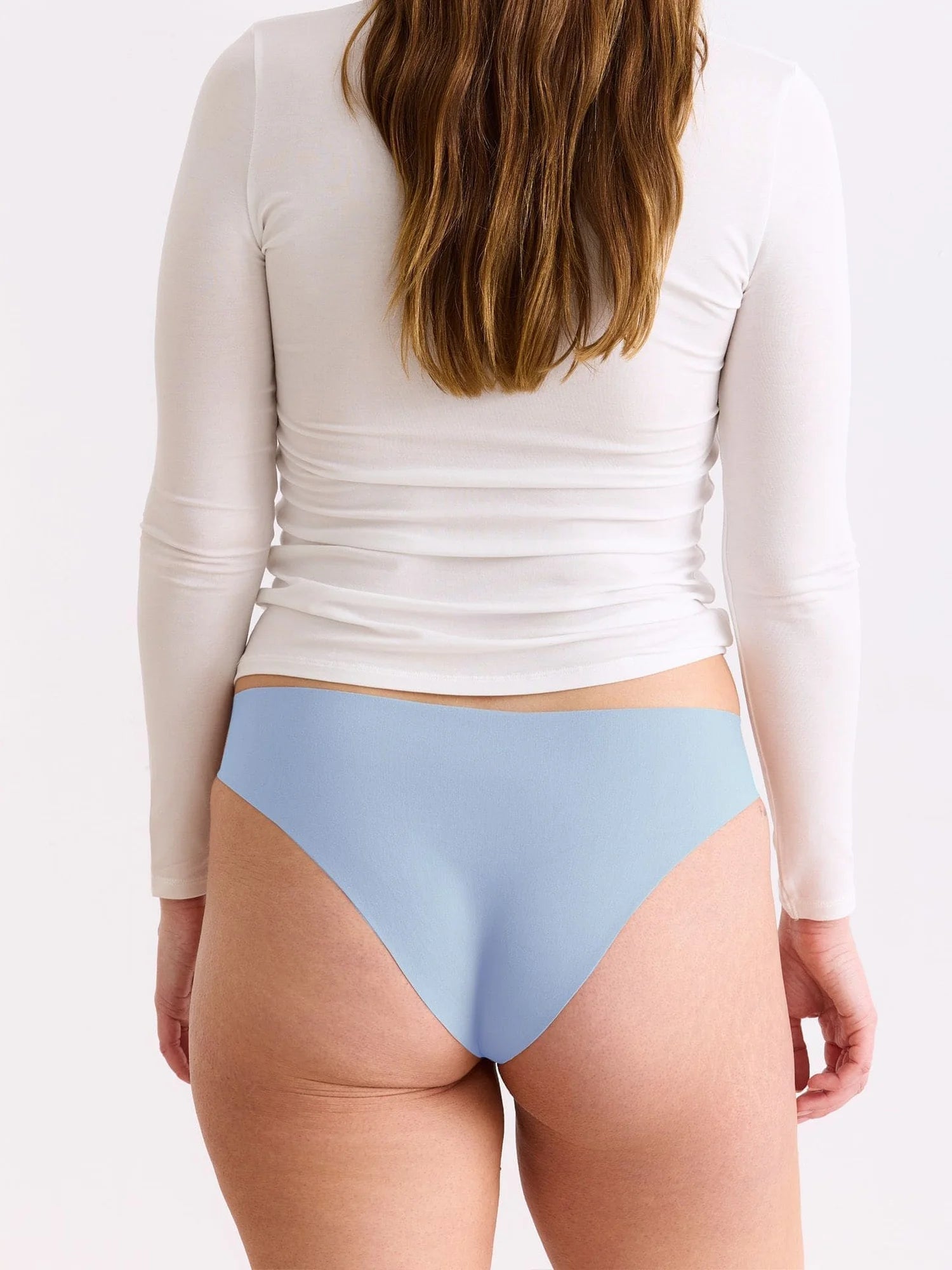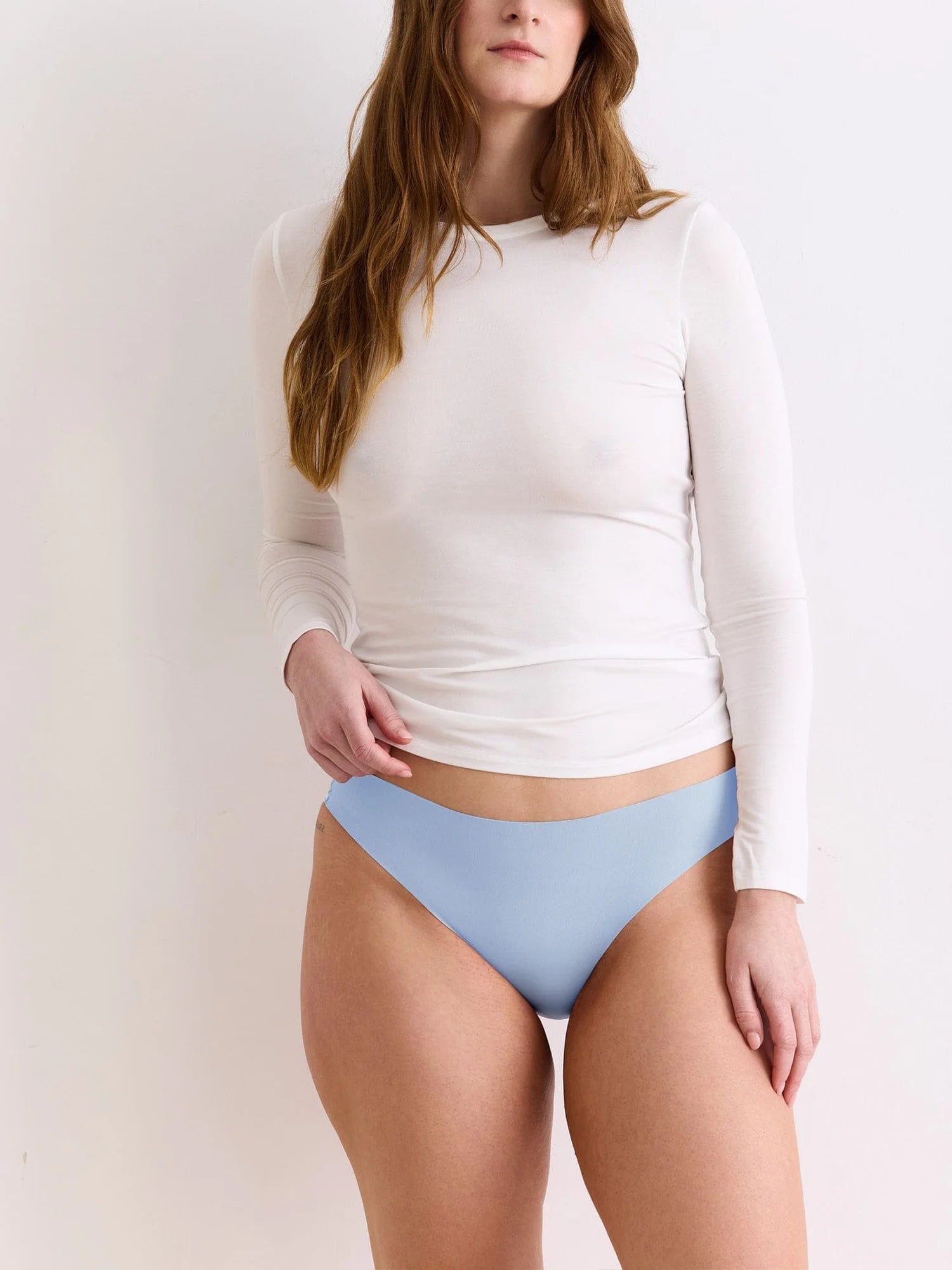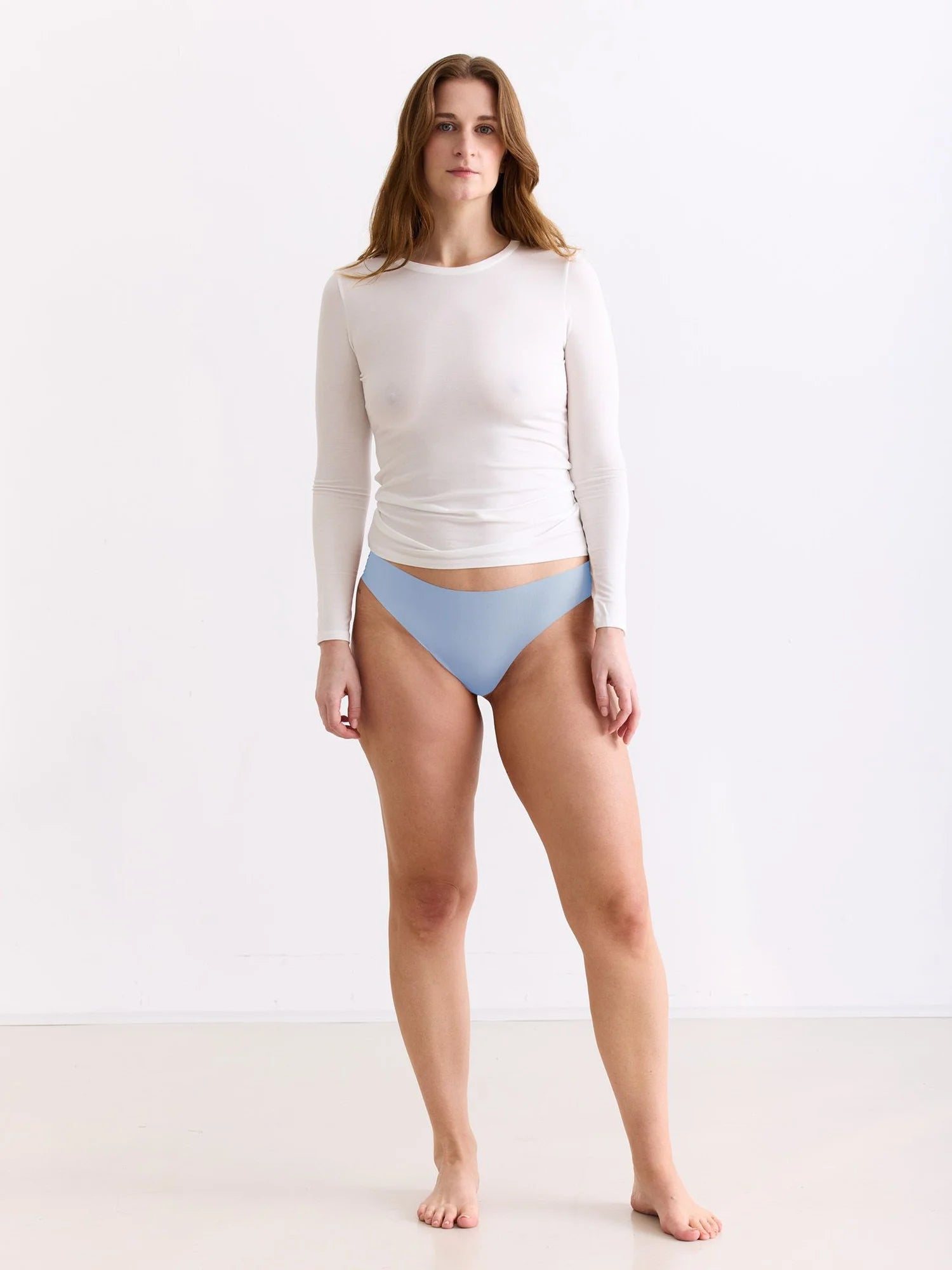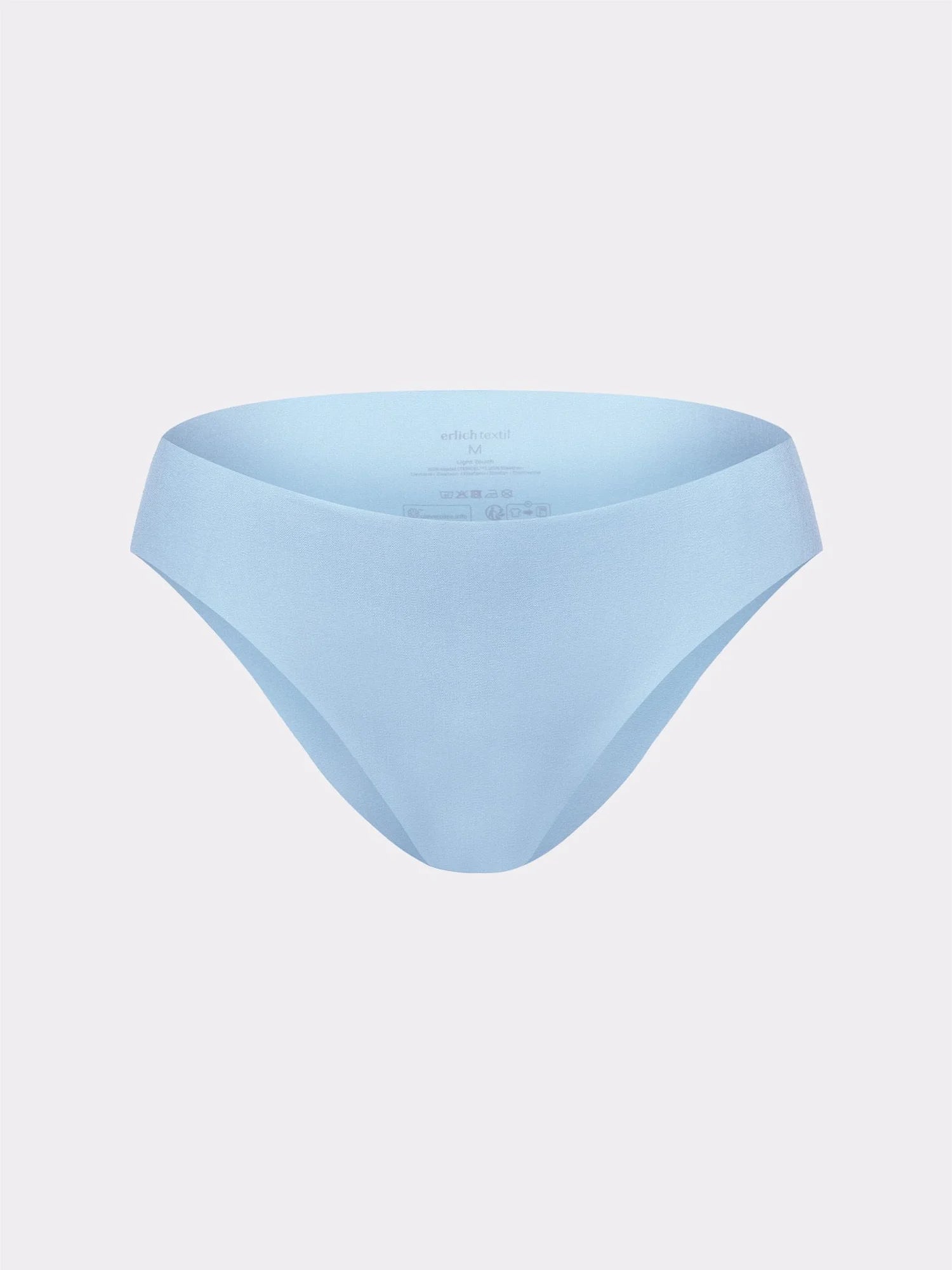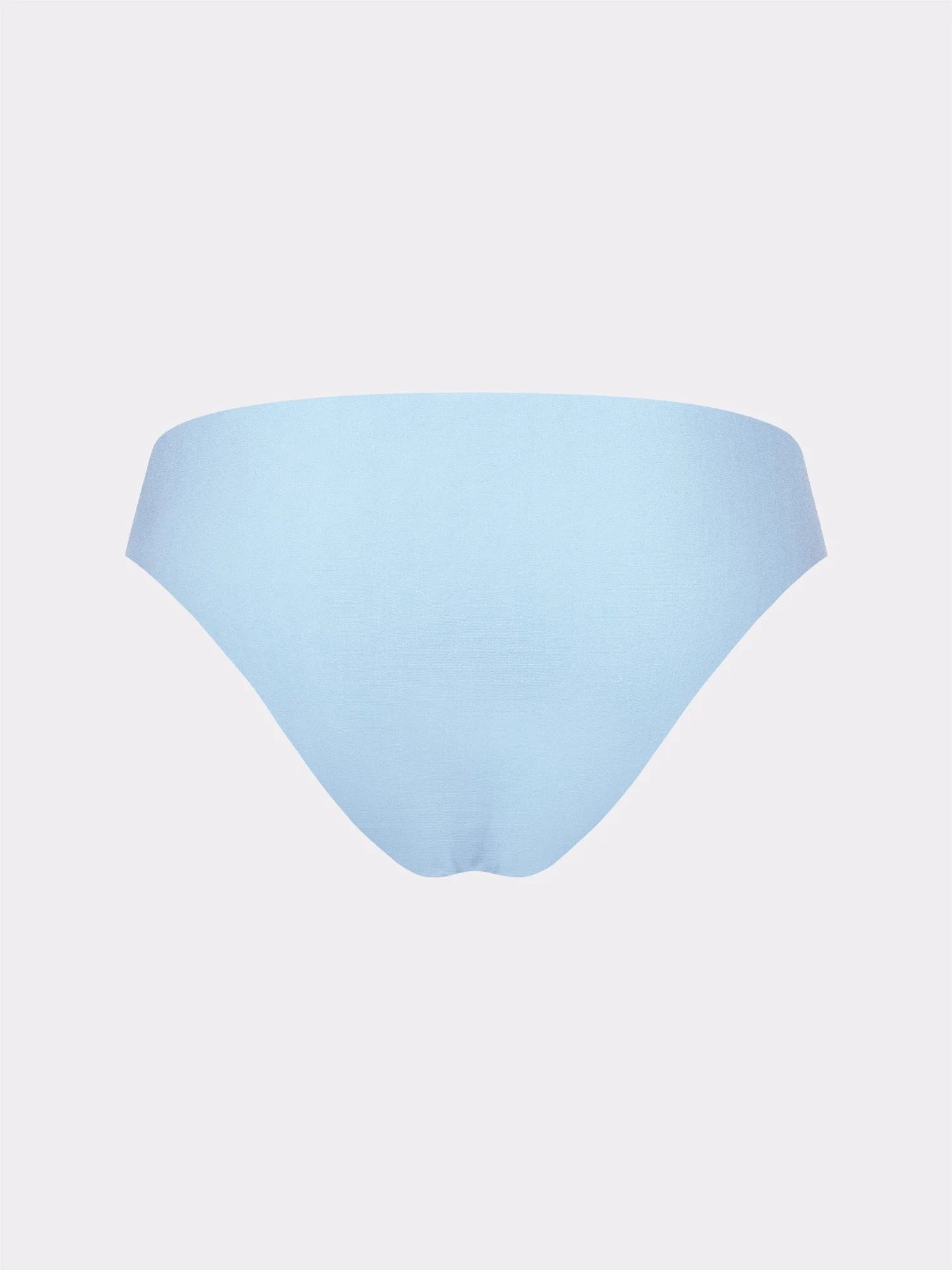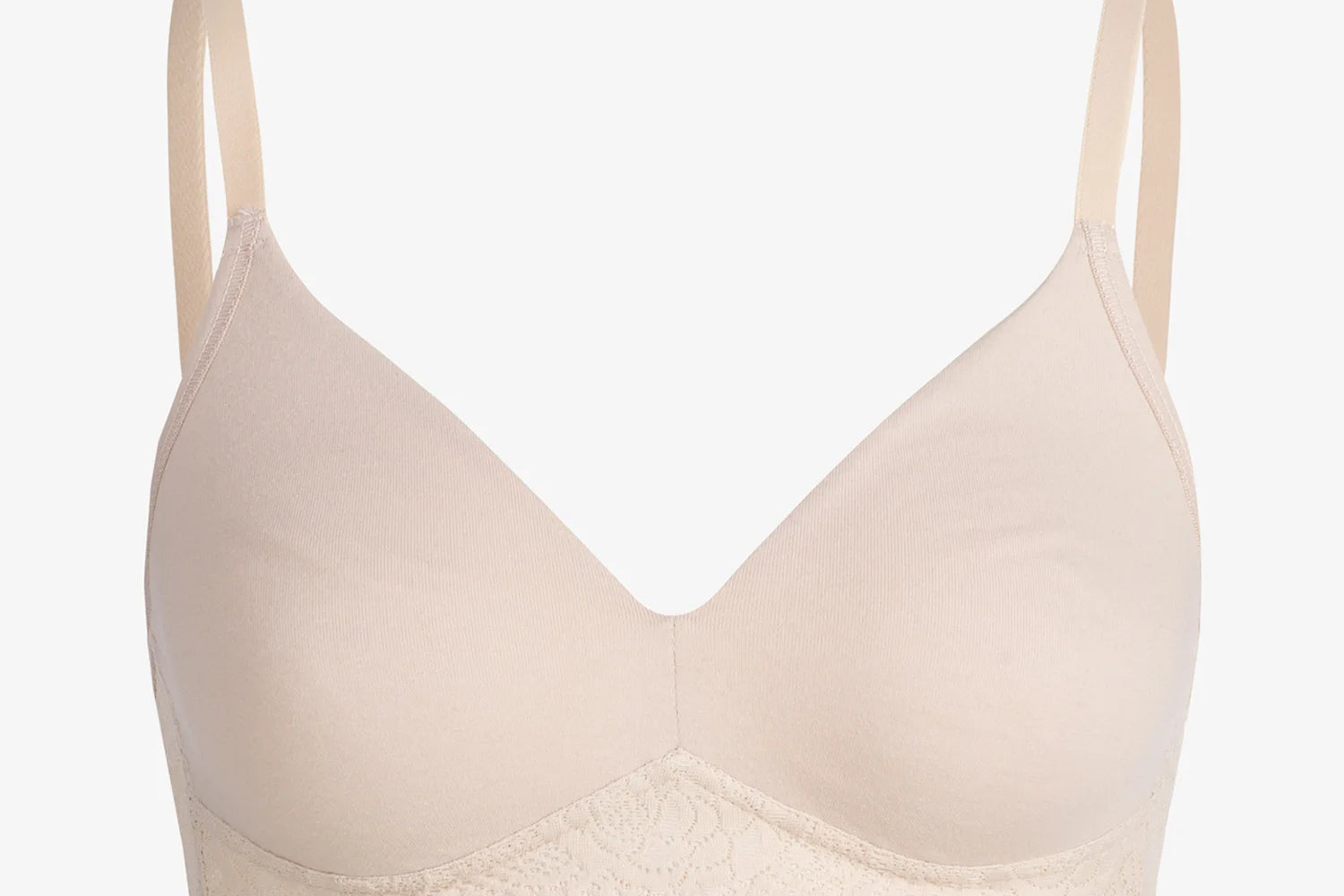
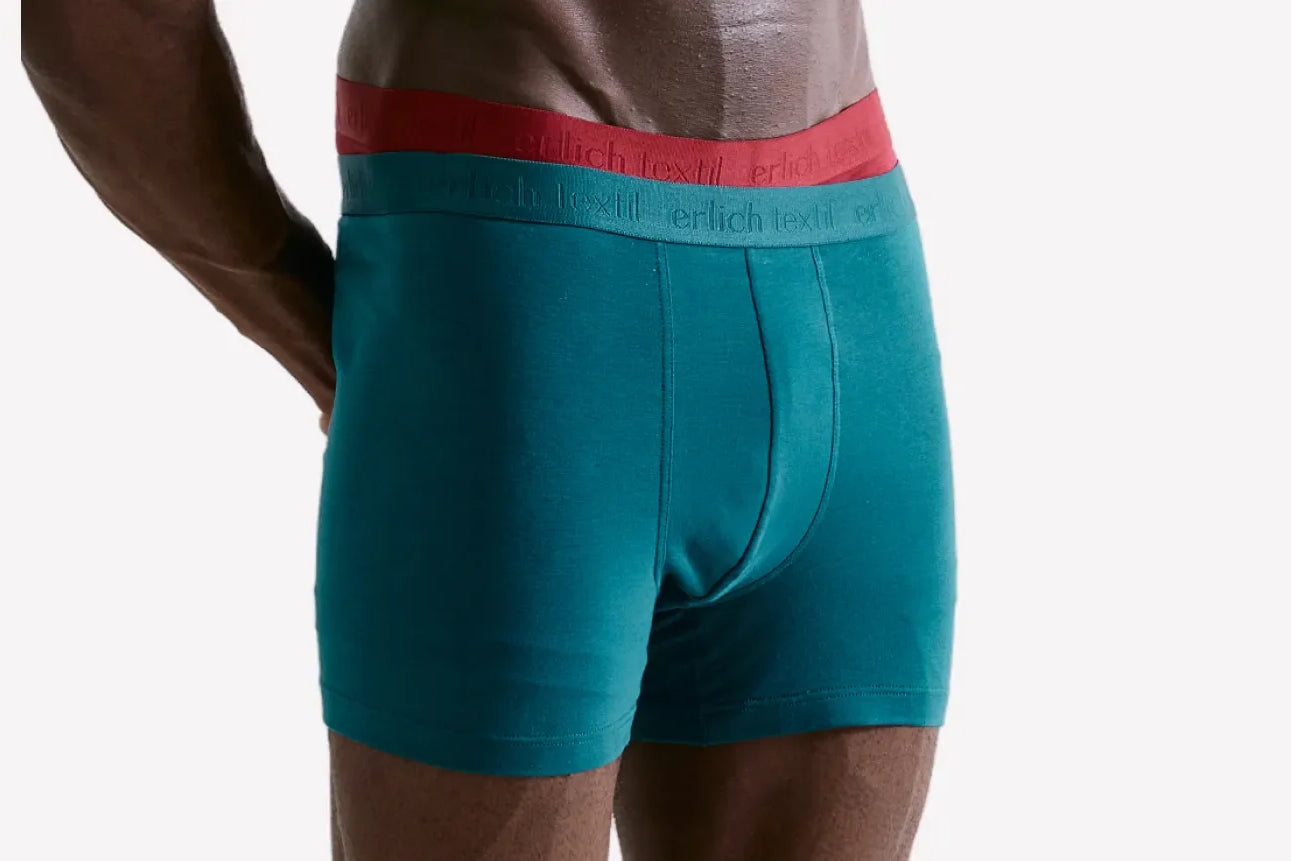
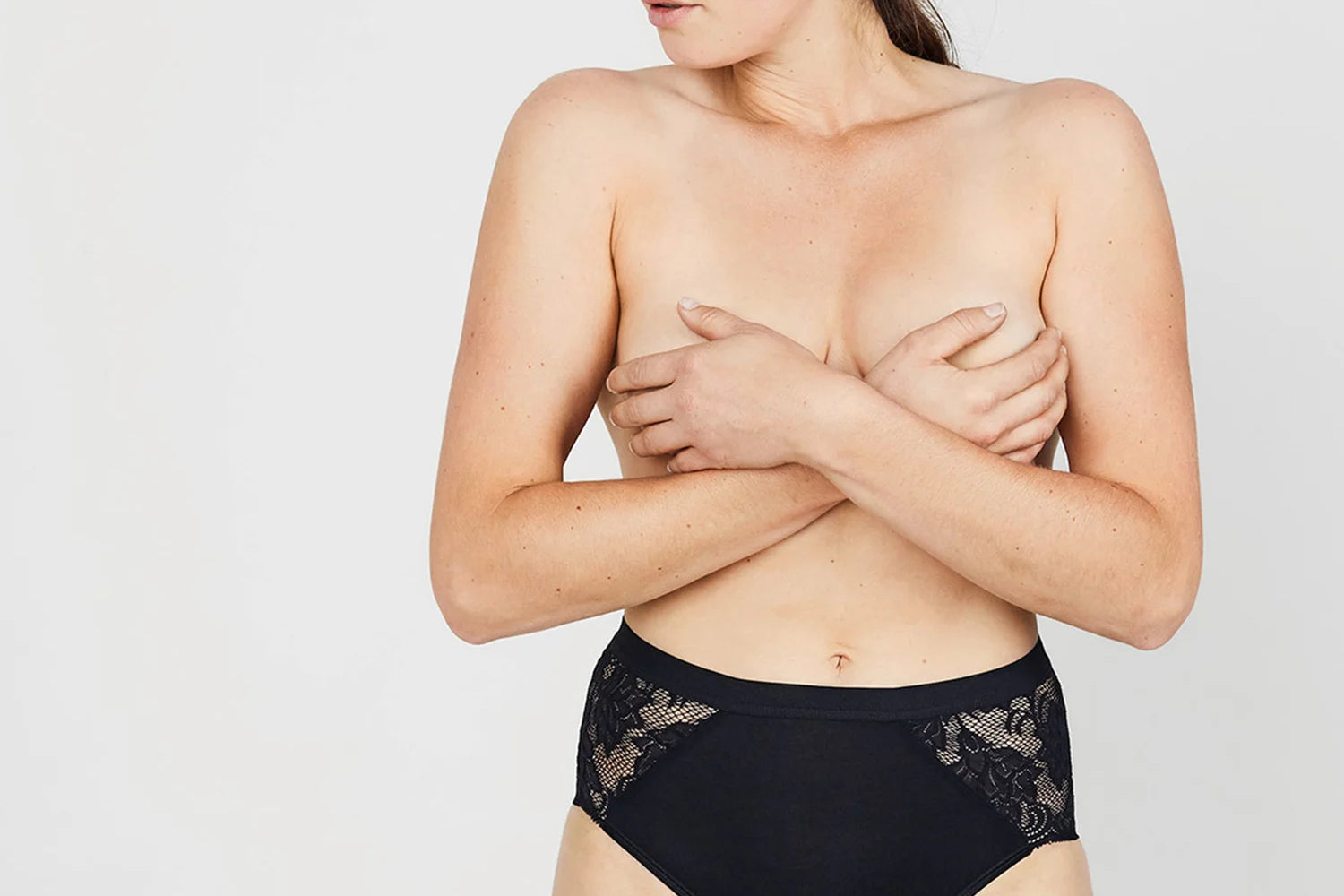


If your skin reacts to underwear with redness, itching, or simply discomfort, you are not alone. Many people have sensitive skin and suffer from poor-quality underwear. But here is the good news: there is definitely underwear that feels good and does not irritate your skin.
Why does skin react sensitively to underwear?
Your skin does not react to underwear for no reason. There are specific causes:
- Substances in the fabric. Dyes, finishing agents, or processing residues can trigger irritation or allergies in some people, especially in delicate areas such as the genital area or under the breasts.
- Surface structure. Rough fabrics create friction and lead to irritation, especially when worn all day. Lyocell, with its smoother surface, causes significantly less friction.
- Sweat and moisture. Poor moisture management creates a damp climate under clothing. This promotes fungi and irritation. The genital area is particularly susceptible.
- Synthetic fibers. Polyester and similar materials barely let air reach the skin. The climate under the underwear becomes damp and warm, which is not ideal for sensitive skin.
- Seams and workmanship. Thick, raised seams can chafe. Labels that feel like sandpaper also contribute to skin irritation.
It is the combination that matters: Sensitive skin often reacts not to a single factor, but to the sum of several. That is why it is not enough to just choose a better material; the workmanship must be right as well.
An overview of materials for sensitive skin
Not every material feels the same. Here is our overview:
Lyocell (TENCEL)
Lyocell feels particularly smooth and creates little friction. Many people with sensitive skin therefore find it comfortable.
- Feel: Silky smooth, minimal friction
- Moisture: Absorbs moisture well and releases it
- Skin feel: Very smooth, low friction
- Price: Higher
Organic cotton
Cotton from controlled organic cultivation is also a good option, provided the quality is right. Breathable and robust. Gets softer with every wash.
- Feel: Soft, classically comfortable
- Moisture: Breathable, absorbs moisture
- Durability: Very robust
- Price: Moderate, good value for money
Modal
Modal is similar to Lyocell and also a good option. It is slightly cheaper than Lyocell, but still not cheap.
Elastane and synthetics
Elastane makes underwear stretchy, but it consists of polyurethane, a petroleum-based synthetic that can act as an irritant for sensitive skin. The same applies to pure polyester. If elastane is used, it should be only a small percentage (5 to 10%), not 30%+.
Underwear for allergy sufferers and those with neurodermatitis
With neurodermatitis, contact allergies, or generally sensitive skin prone to irritation, every detail of the fabric counts. Underwear sits directly on the skin, often for hours, so the choice of material and workmanship can make a noticeable difference in everyday life.
What matters for allergy-prone skin
- Smooth fiber surface. The smoother the individual fiber, the less friction is created on the skin. Lyocell and modal have a significantly smoother surface than coarsely spun cotton or synthetics, which can feel more comfortable on irritated skin. We explain how the fiber is produced in the Lyocell guide.
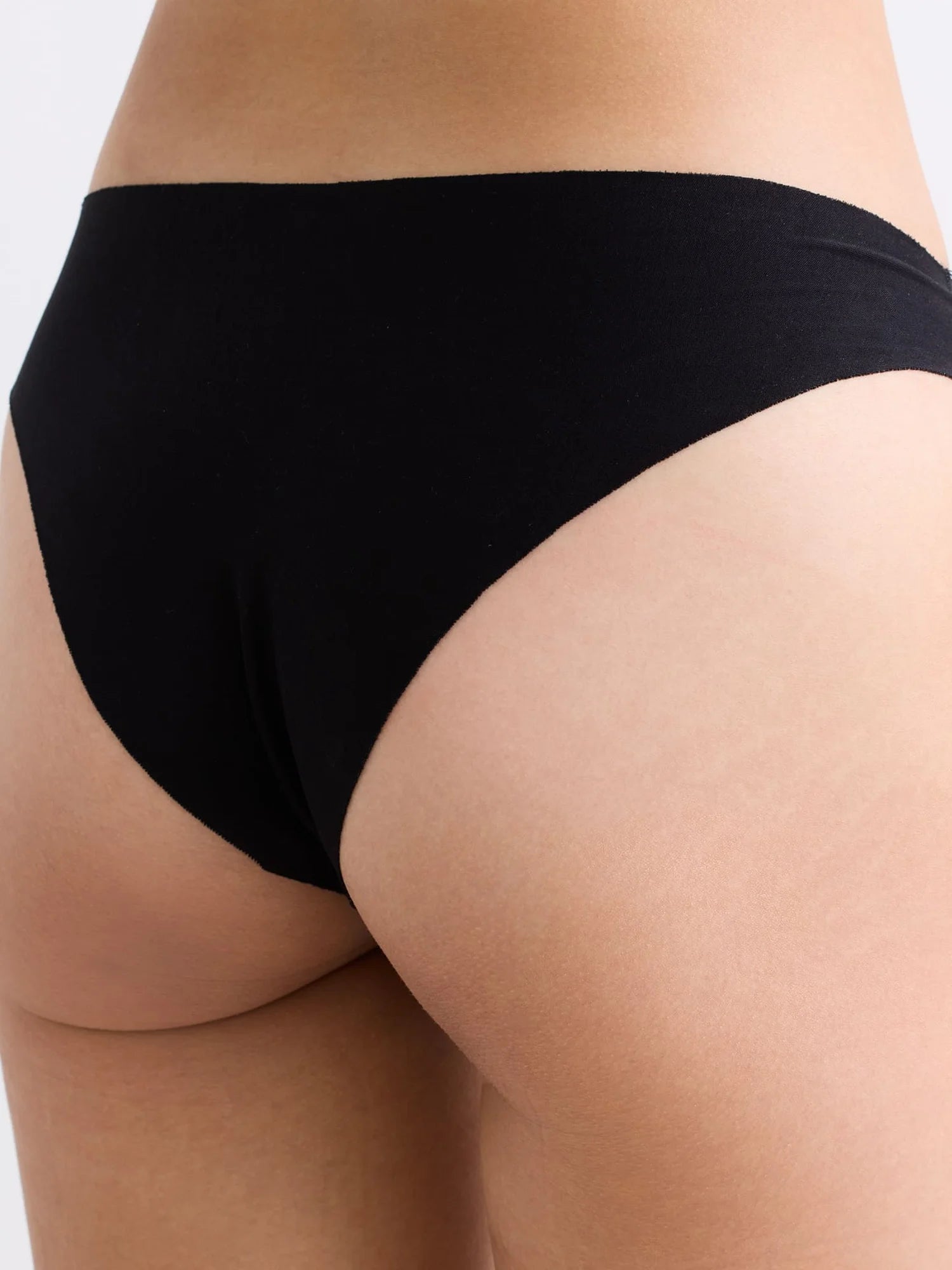
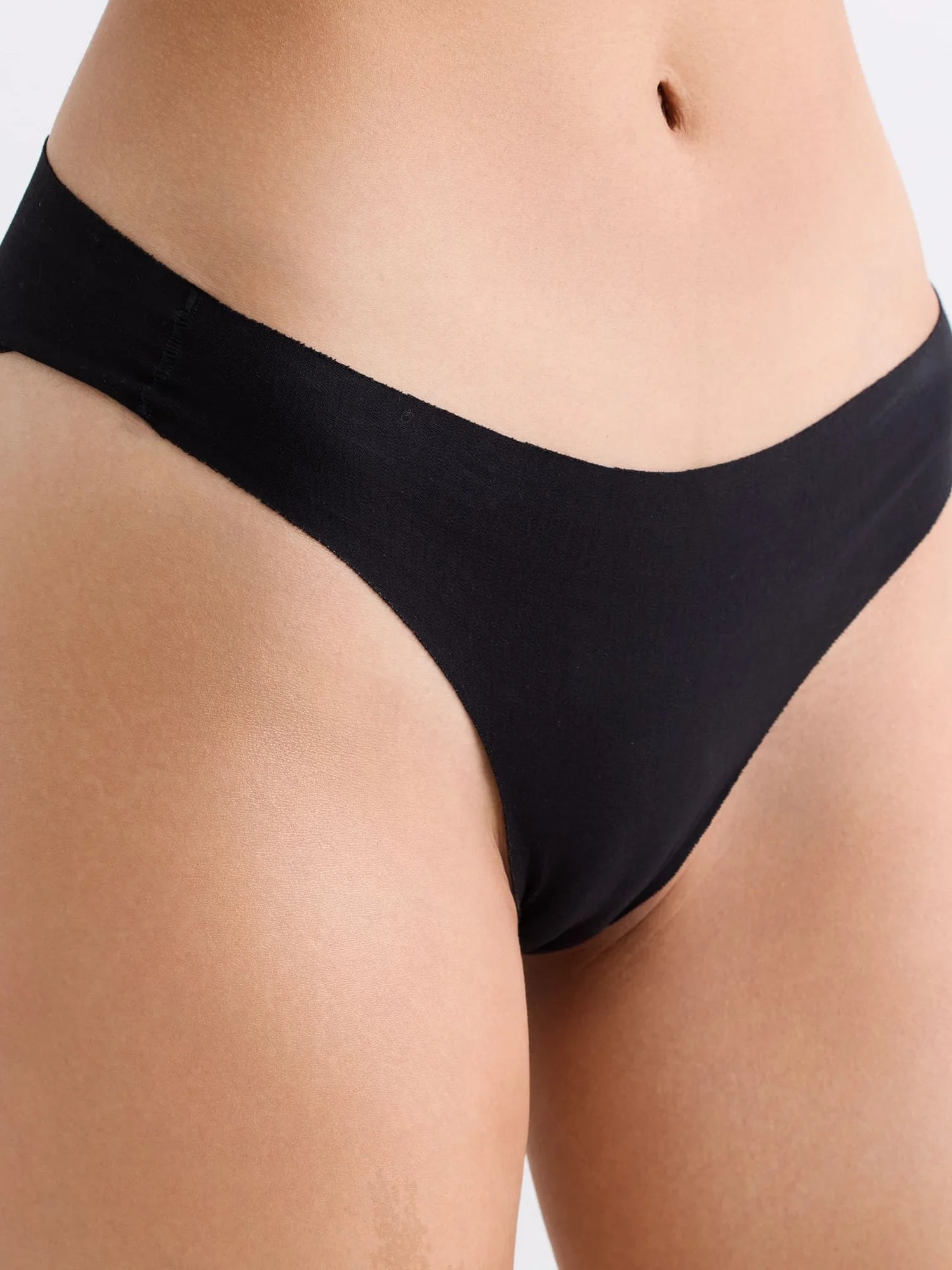
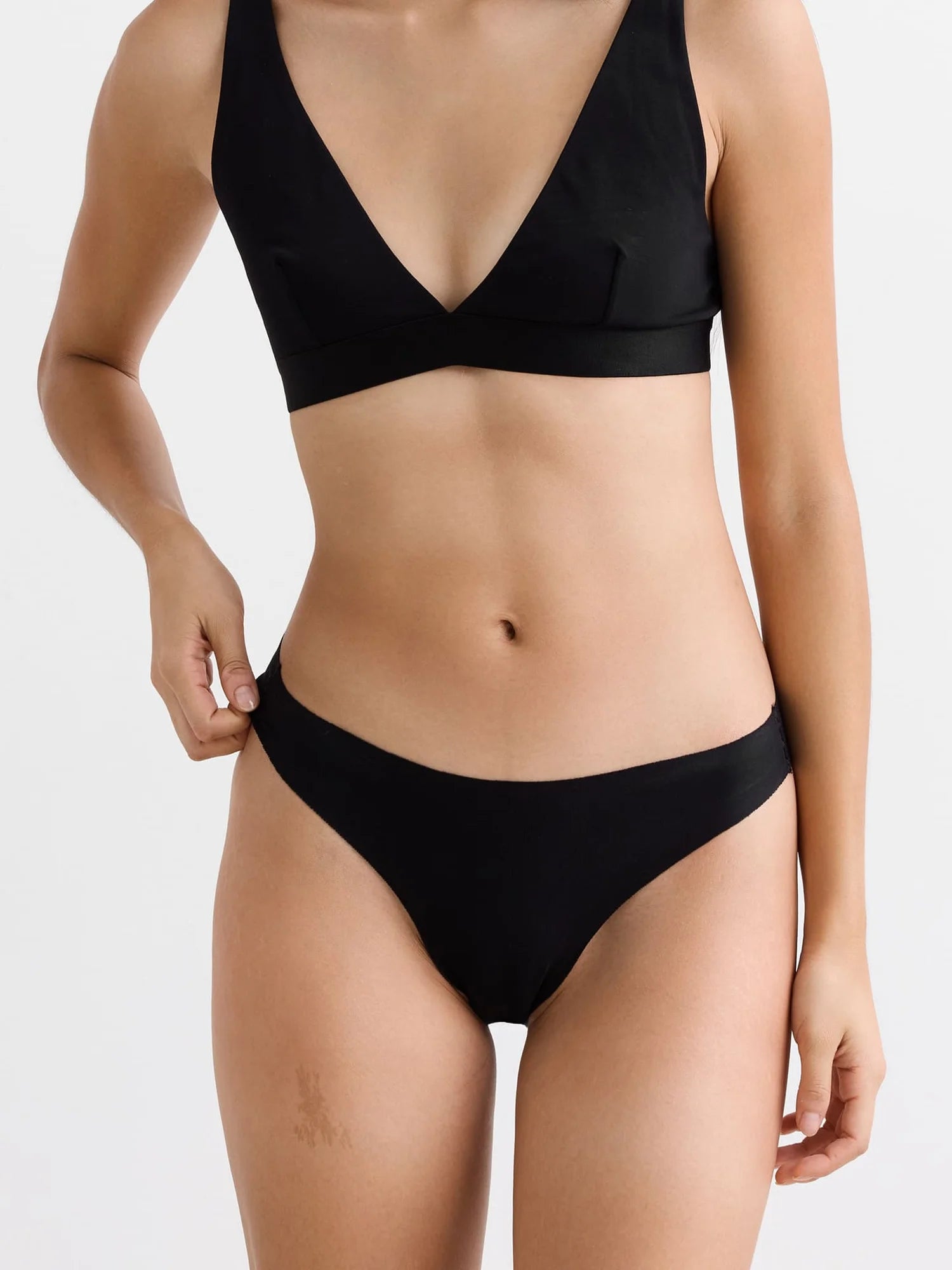
- Flat seams. Raised, thickly sewn edges chafe with every movement. Flat-stitched transitions noticeably reduce this point of irritation, especially at the waistband and leg openings.
- No scratching labels. Sewn-in, rough label edges are among the most common triggers for localized itching. Soft labels, those printed on the outside, or no labels at all are the less irritating choice.
- Breathability. A fabric that absorbs and releases moisture keeps the climate on the skin more balanced. A permanently warm and damp environment can promote additional irritation, especially when the skin barrier is already compromised.
- Testing for harmful substances. Some textiles are tested by independent bodies for a broad spectrum of harmful substances. The brand should specifically state whether this applies to a product.
Those who wish to stick with the classic feel of natural fibers will find an alternative to Lyocell in our cotton bottoms (depending on the item, made of organic or CiC cotton).
Important: These material properties can support a low-irritation wearing experience in everyday life, but they do not replace medical treatment. In the case of diagnosed neurodermatitis, persistent itching, or skin changes, a dermatologist is the right point of contact.
What you should look out for when buying
Good material alone is not enough. Here are five things you should check when buying:
-
Check fabric composition. The label shows you what your underwear is made of. Pay attention to:
- At least 90% natural fibers (organic cotton, Lyocell, modal)
- Maximum 10% elastane for elasticity
- No polyester or other synthetics
- Flat seams and good workmanship. Feel the underwear. The seams should be flat and smooth, not raised. The label should either be hidden inside or very soft. No rough corners or loose threads.
- Color and processing. White or natural-colored underwear is often less chemically treated than dyed varieties. It is a good sign if the brand avoids optical brighteners.
- Size and fit. Underwear that is too tight chafes; if it is too loose, it slips. Both cause discomfort and can irritate the skin. The right size is therefore important, especially for sensitive skin.
- Try it out. You best find real underwear for sensitive skin by trying it out. Every body is different. What fits perfectly on your friend might irritate you. That is okay; try different materials and brands.
Certifications that provide security
These certifications are particularly important if you have sensitive skin:
- Testing of the finished product for harmful substances. The most important criterion for your skin. The finished product is independently tested for harmful substances. Make sure that the testing is specifically stated for the product.
- Controlled organic cultivation (kbA). Controlled organic cultivation means that the cotton is grown without synthetic pesticides. kbA alone says nothing about the processing of the finished fabric.
- Tested for allergens. Some brands have their underwear tested for allergenicity. This is even more specific than a general test for harmful substances and is particularly helpful for severe allergies.
Tip: When in doubt, ask the brand which tests exist for a specific product.
The right underwear for sensitive skin
The summary: suitable material, good workmanship, transparent information.
Our checklist
- Material: Lyocell or organic cotton (90%+), maximum 10% elastane
- Information: Concrete, transparent material and testing details
- Workmanship: Flat seams, soft or hidden label
- Size: Fits correctly, not too tight, not too loose
- Origin: Transparent production, no secrecy
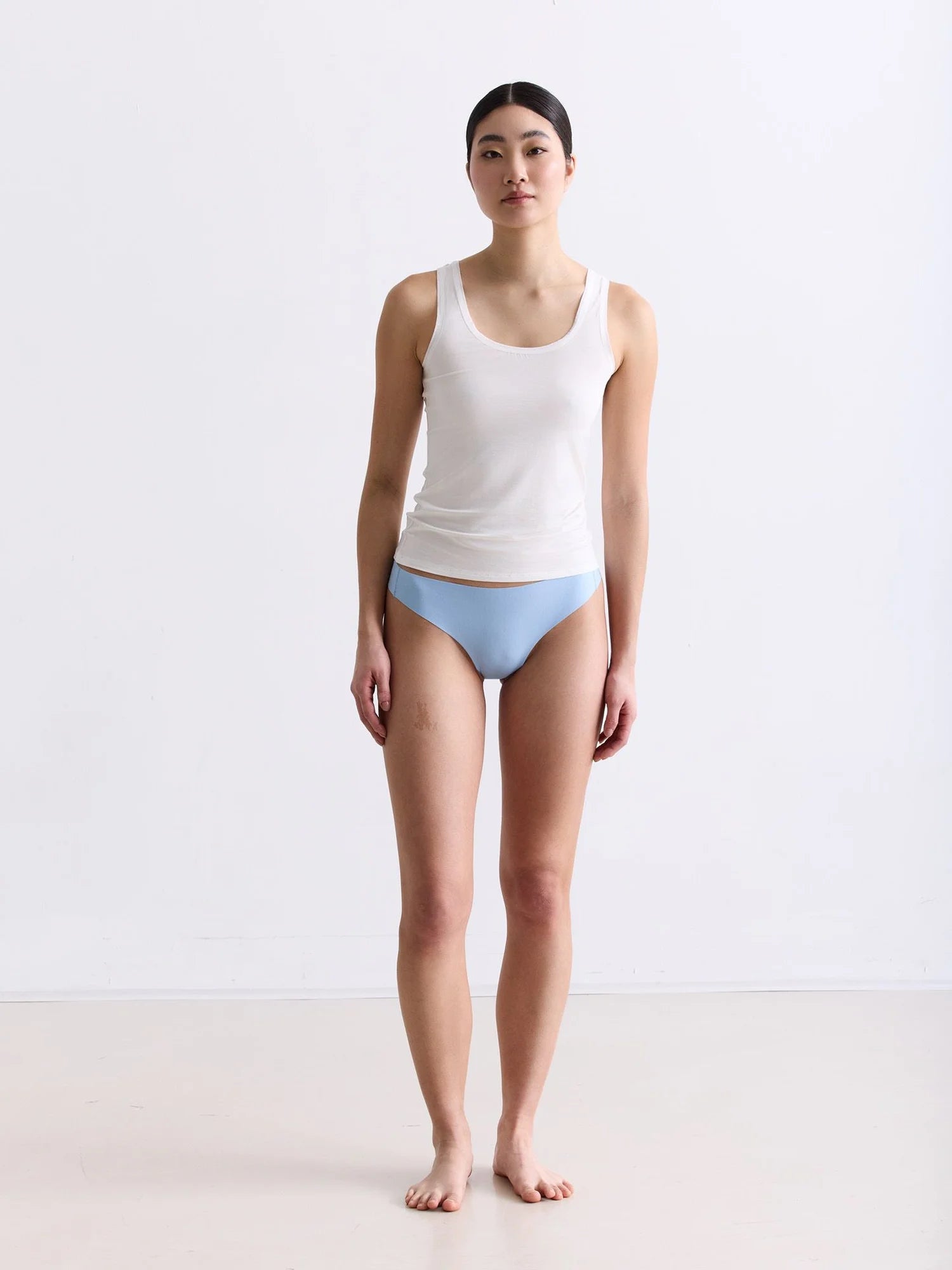
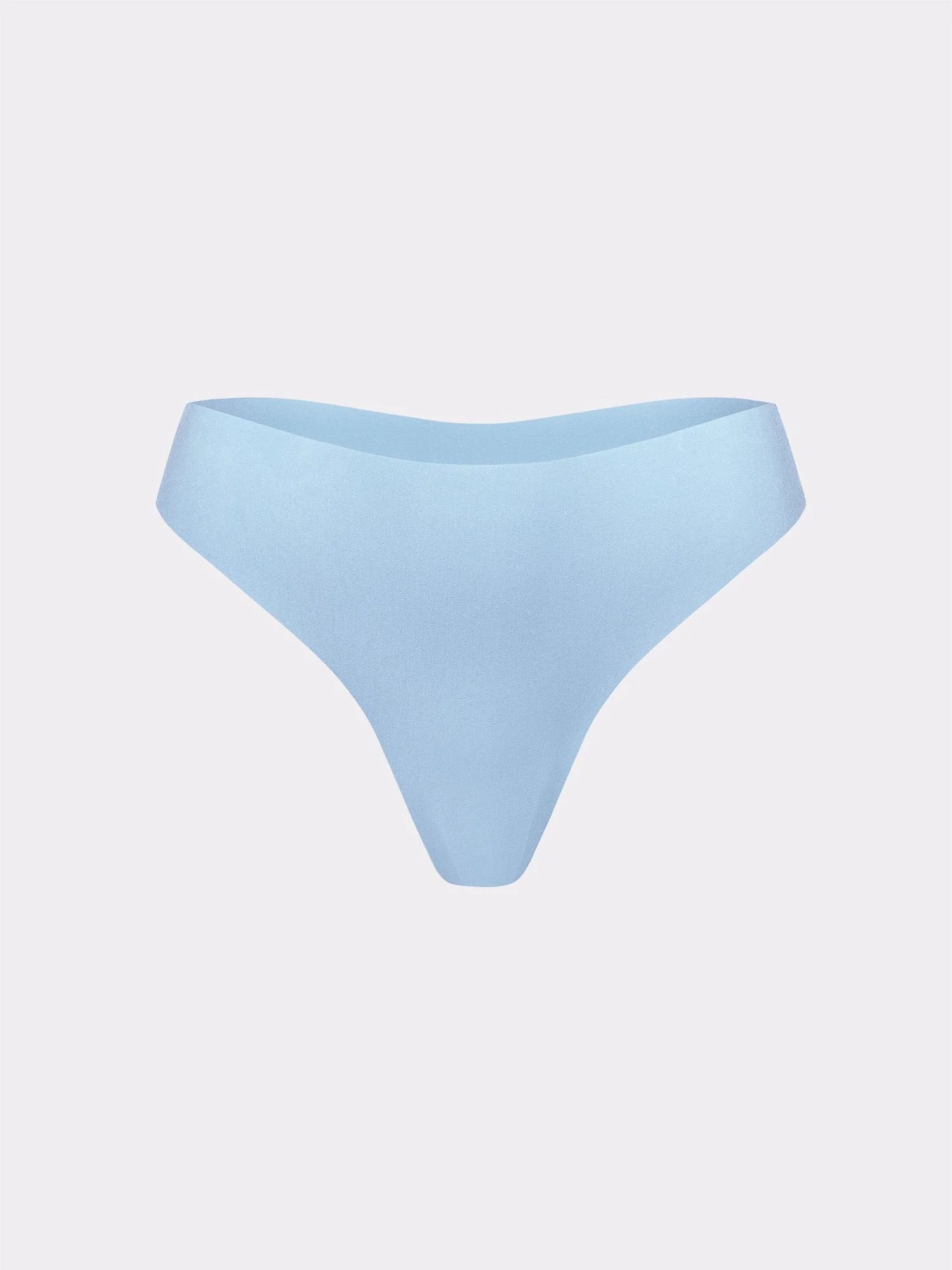
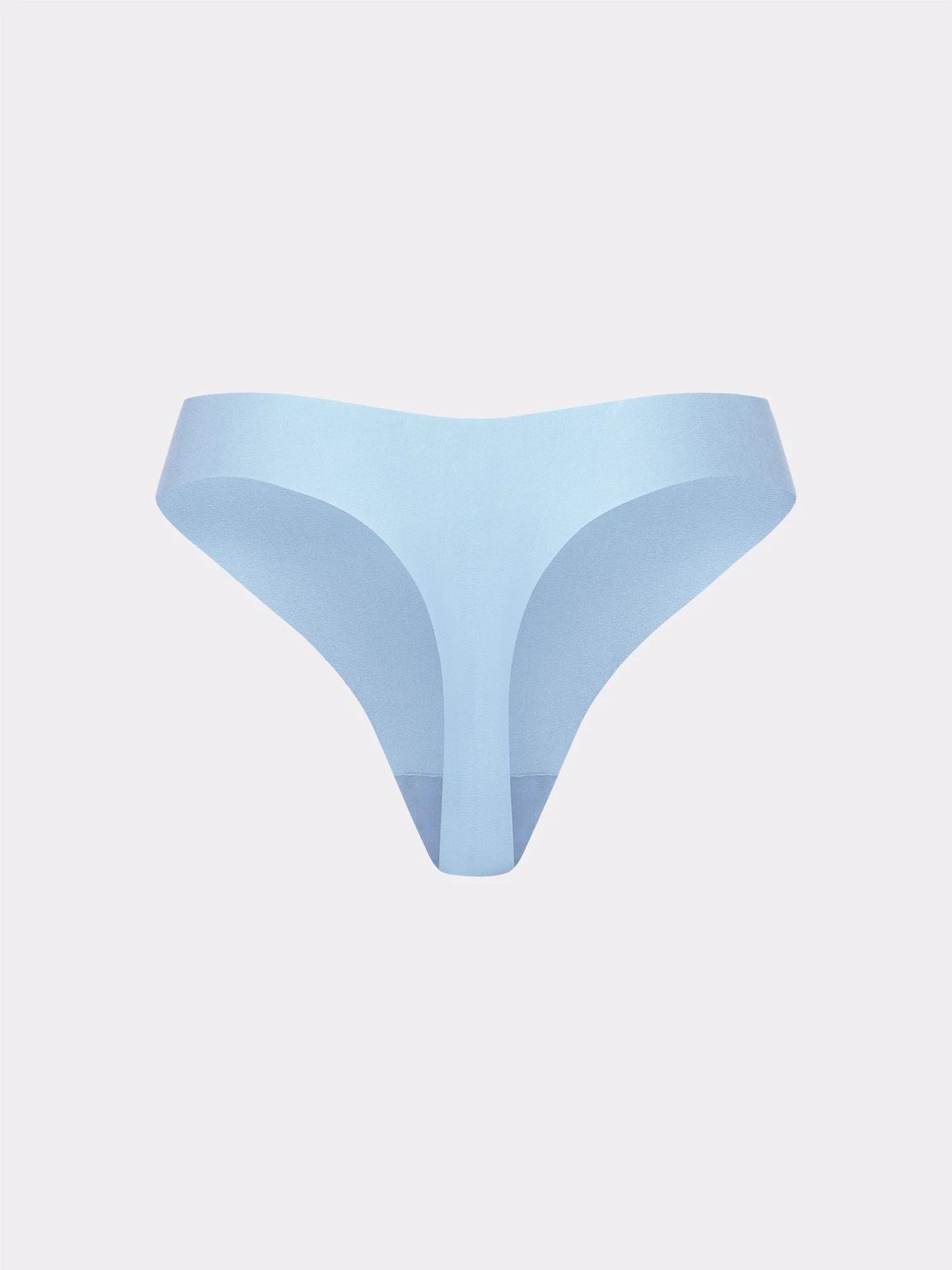
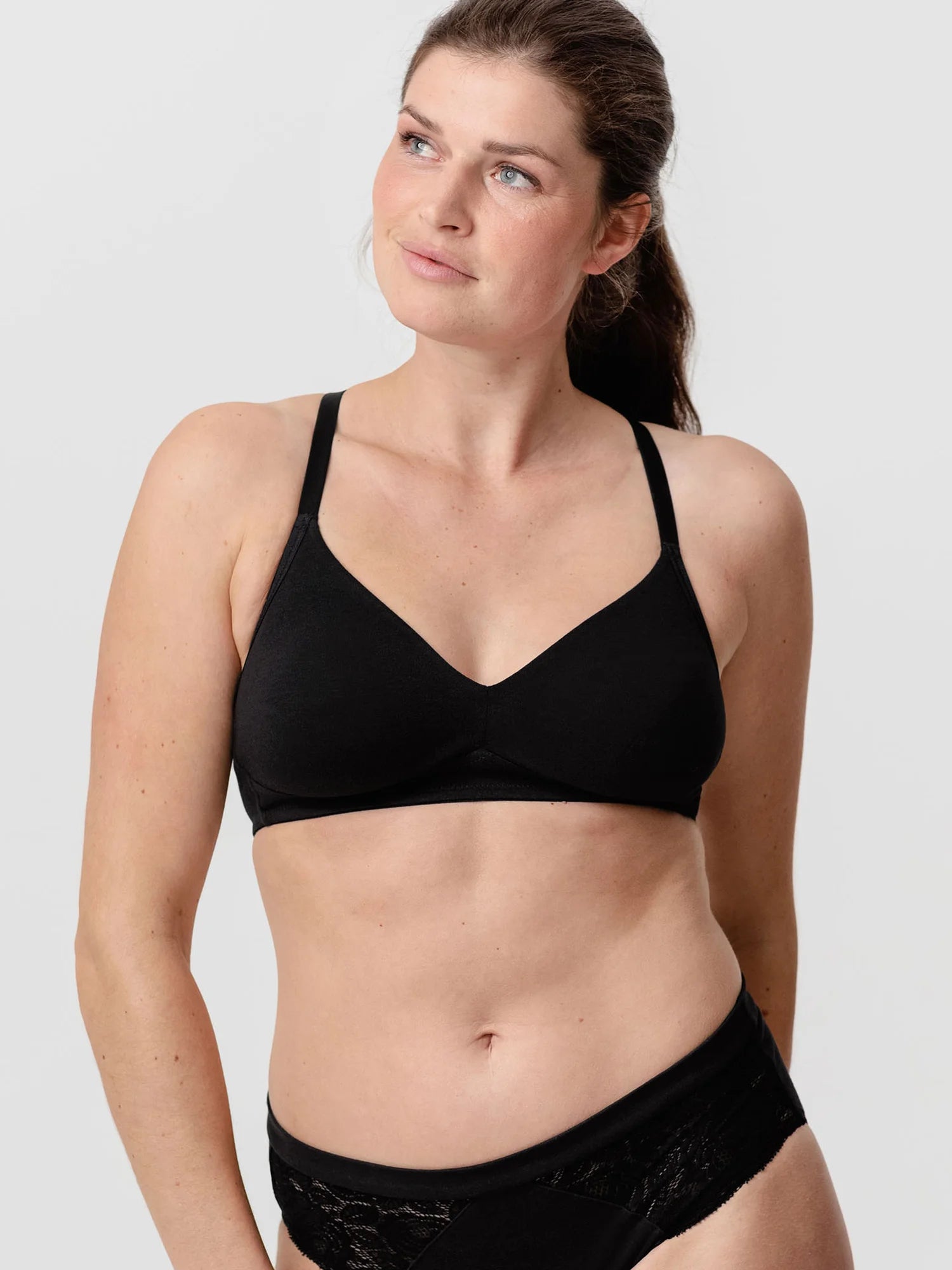
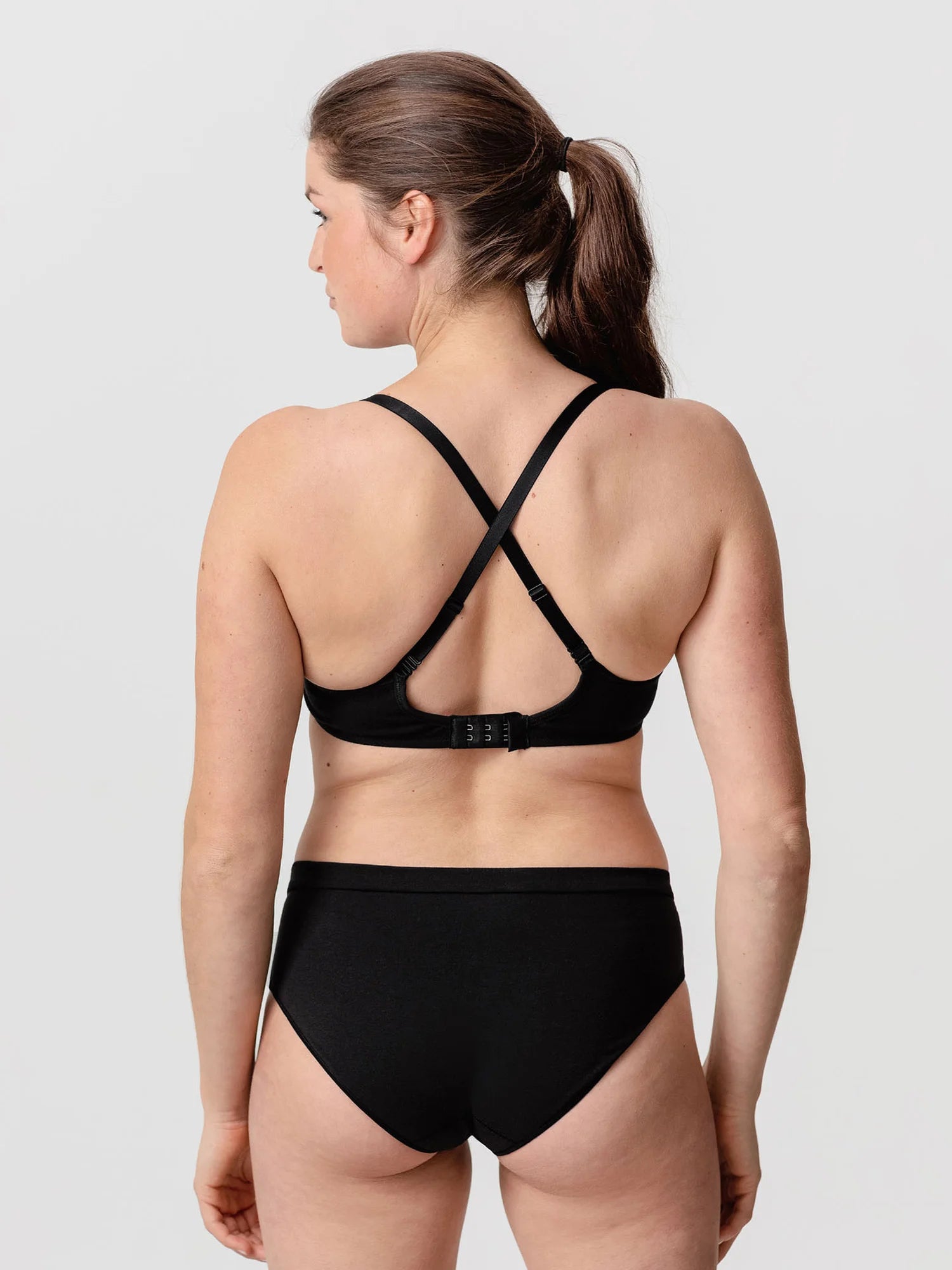
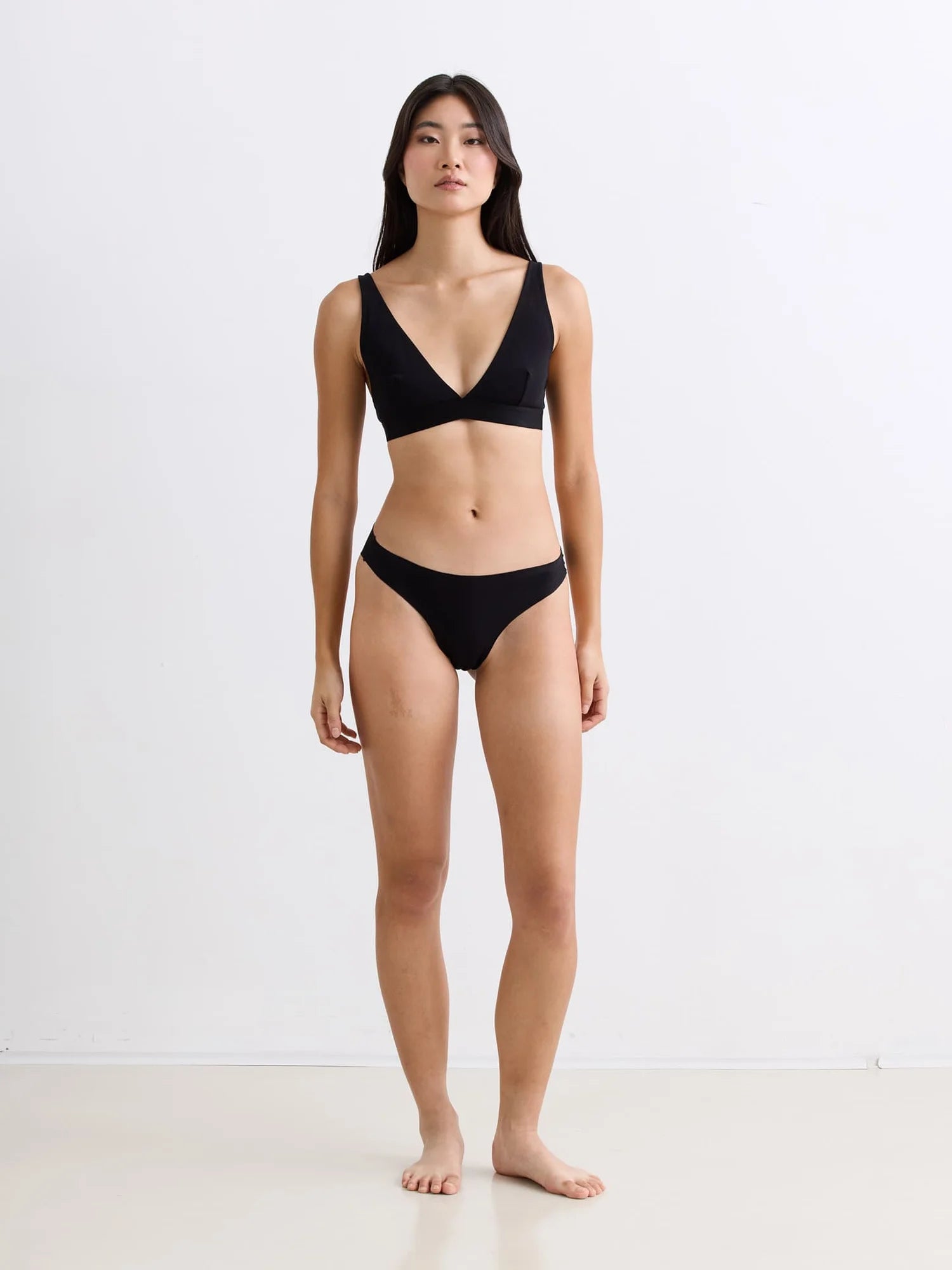
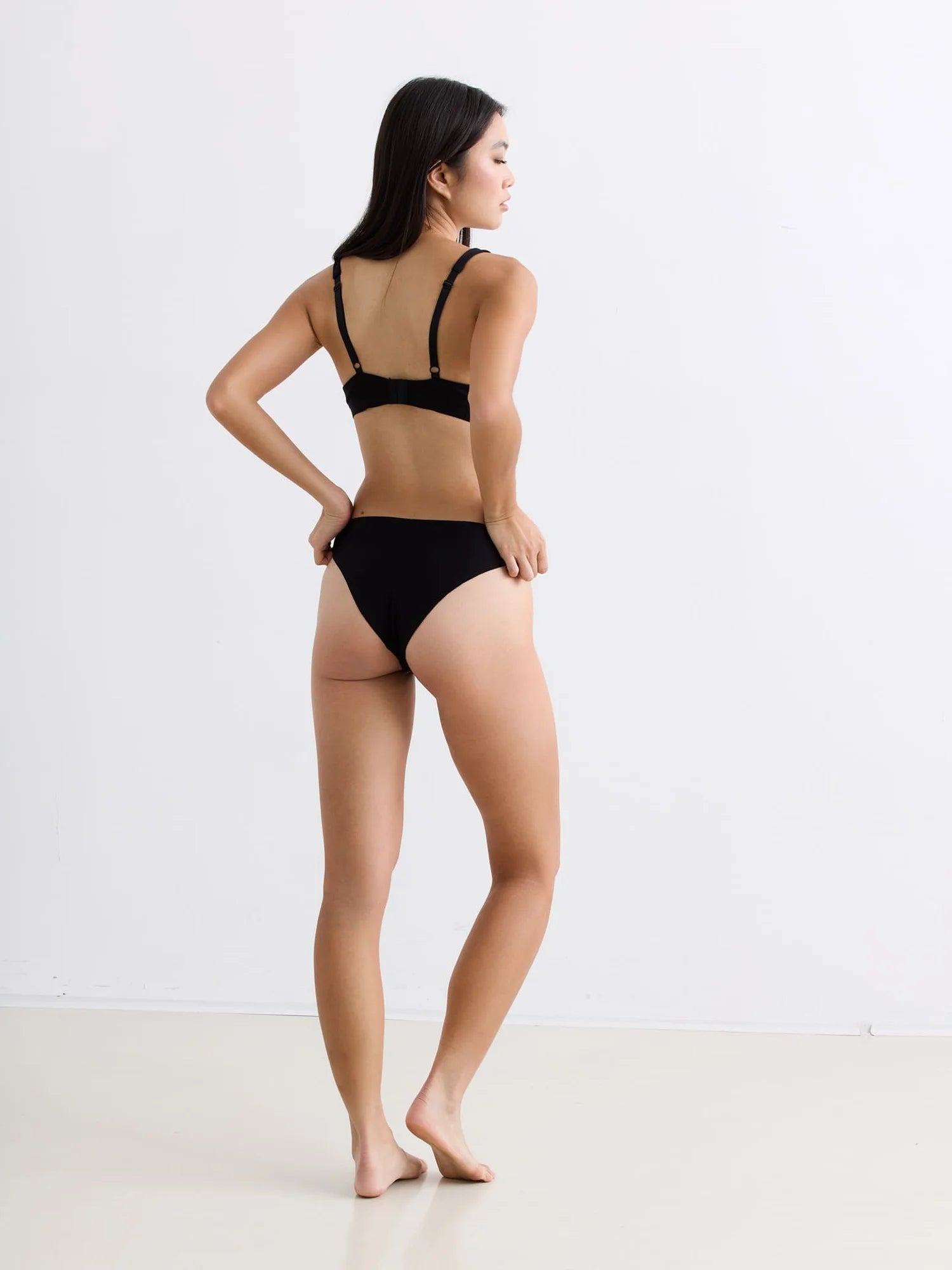
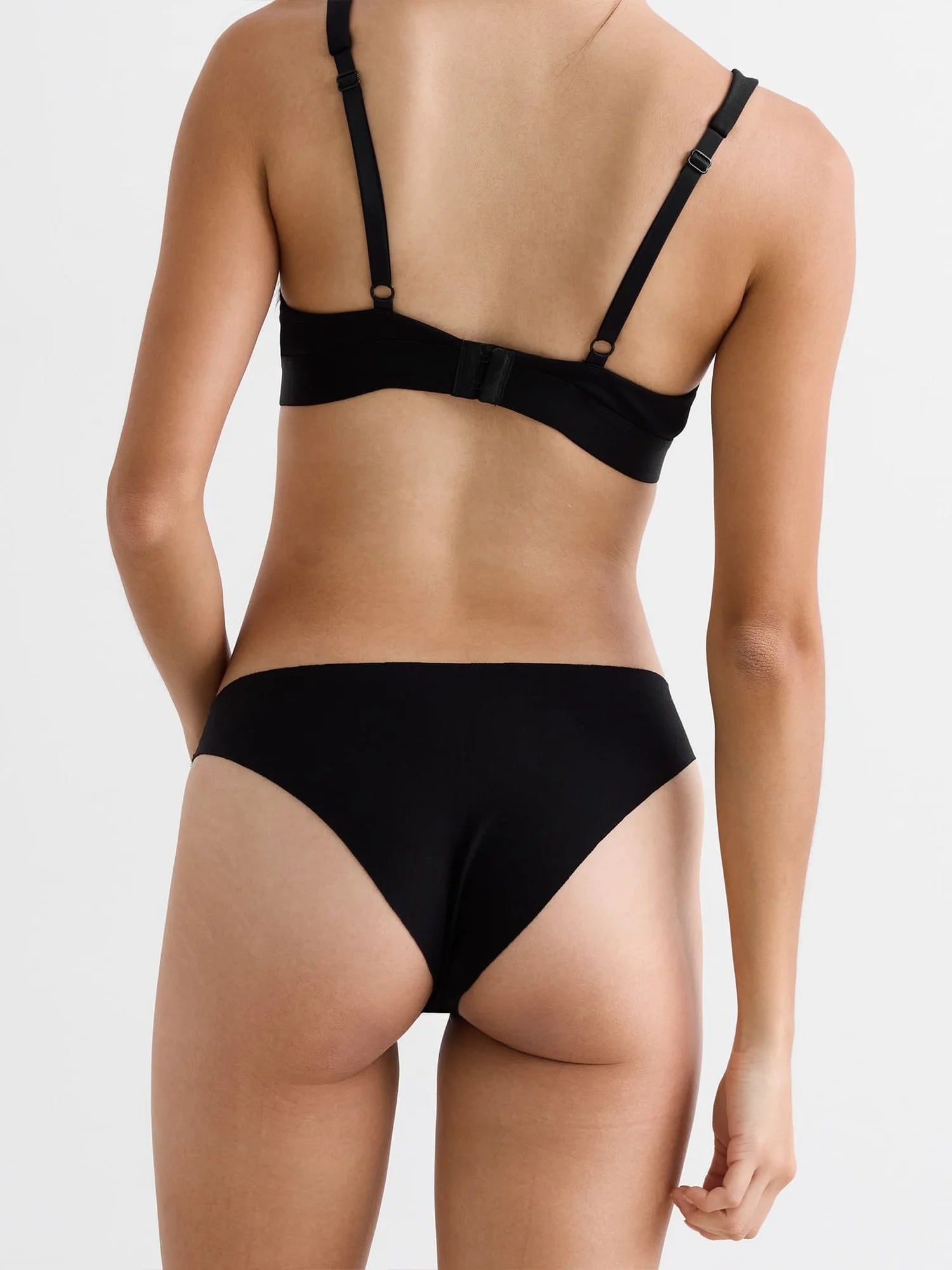
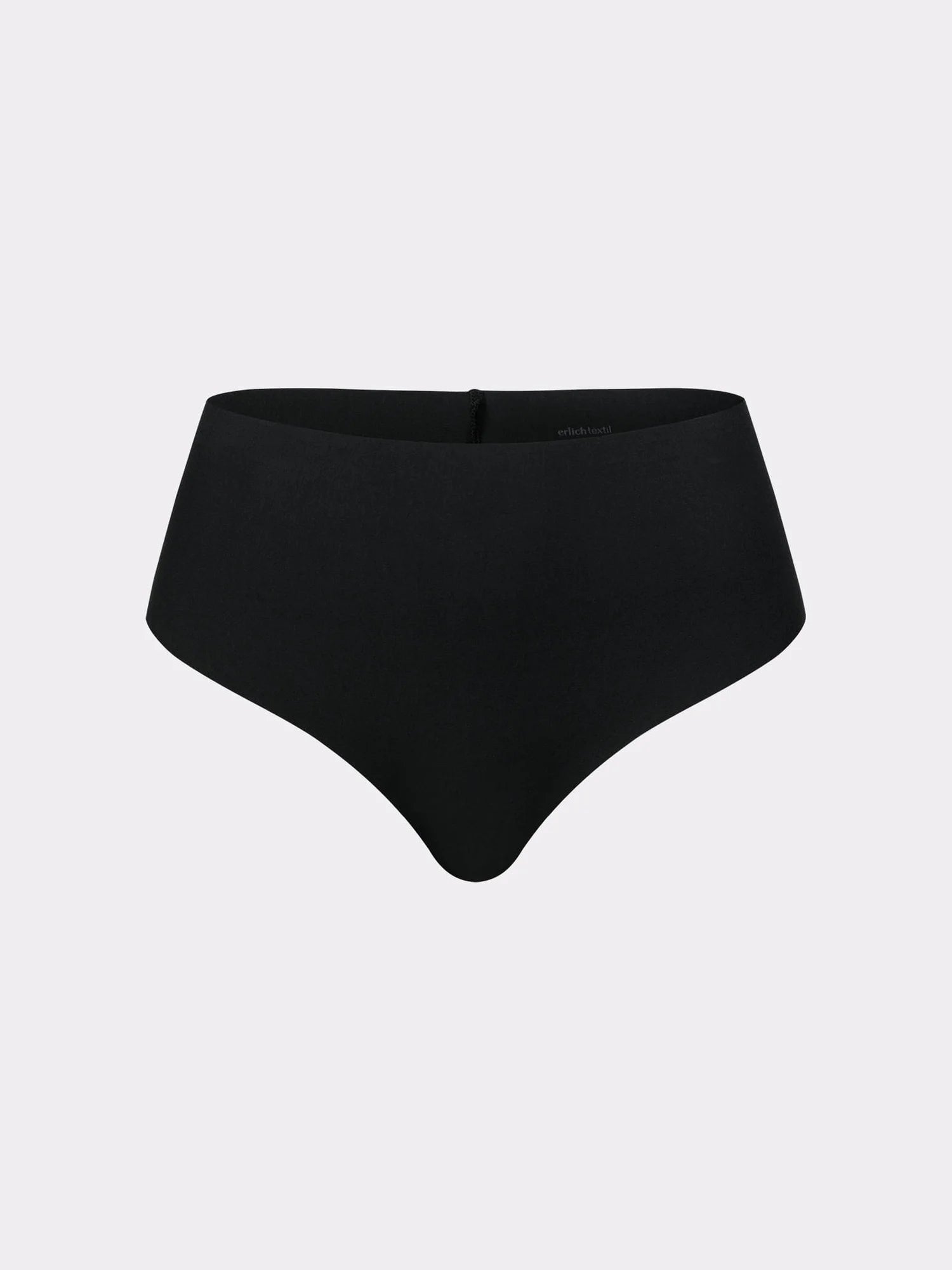
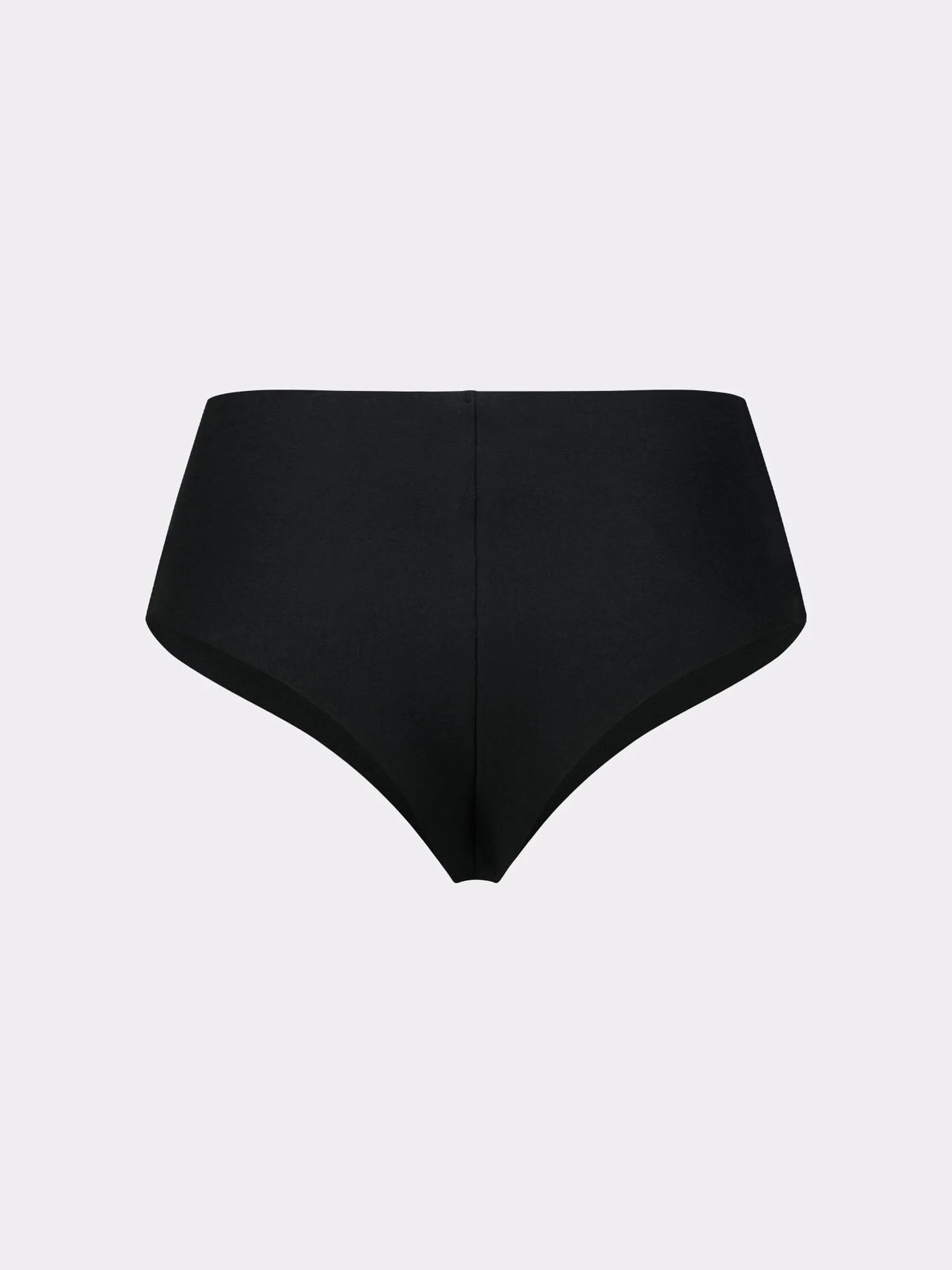
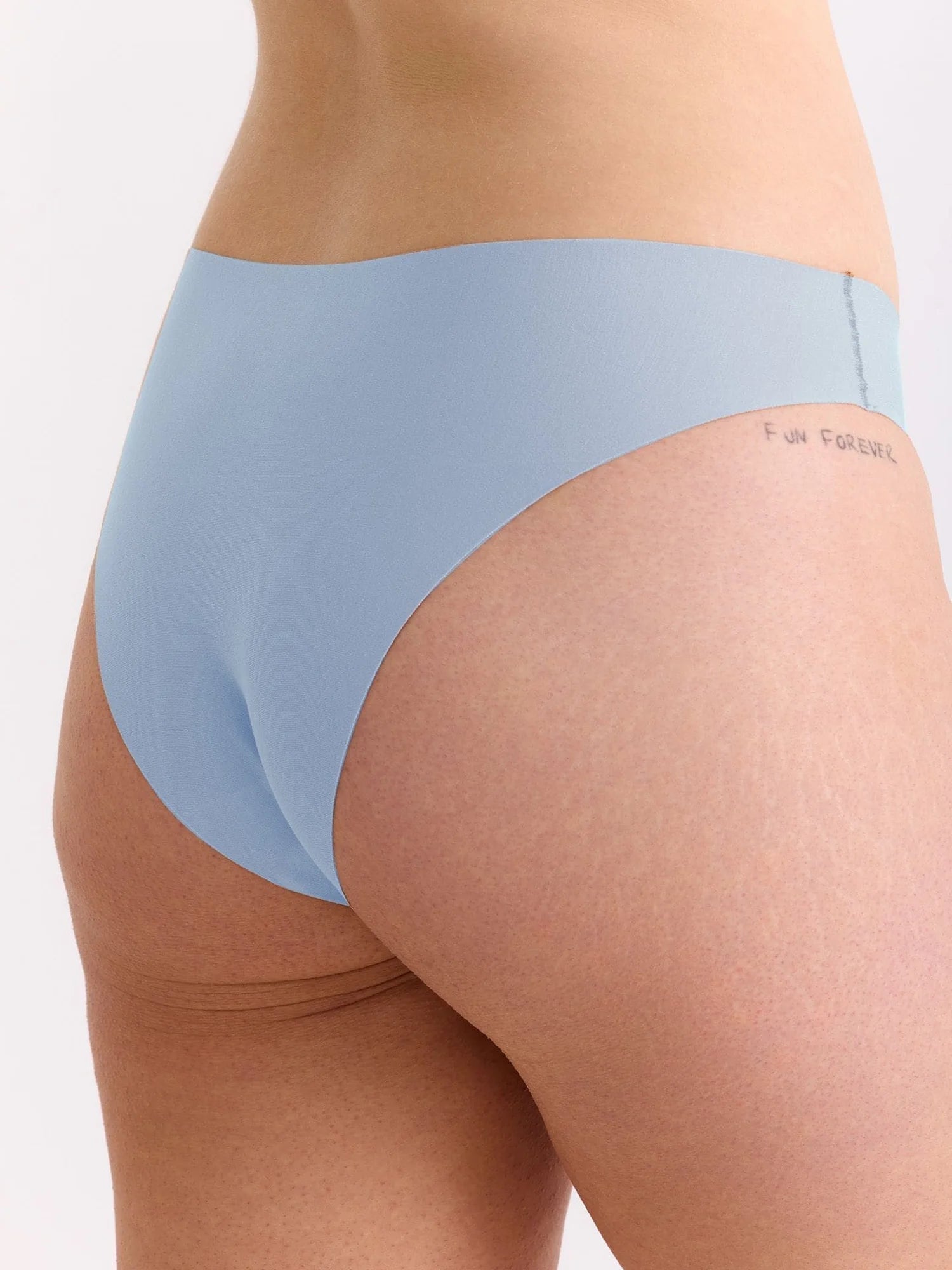
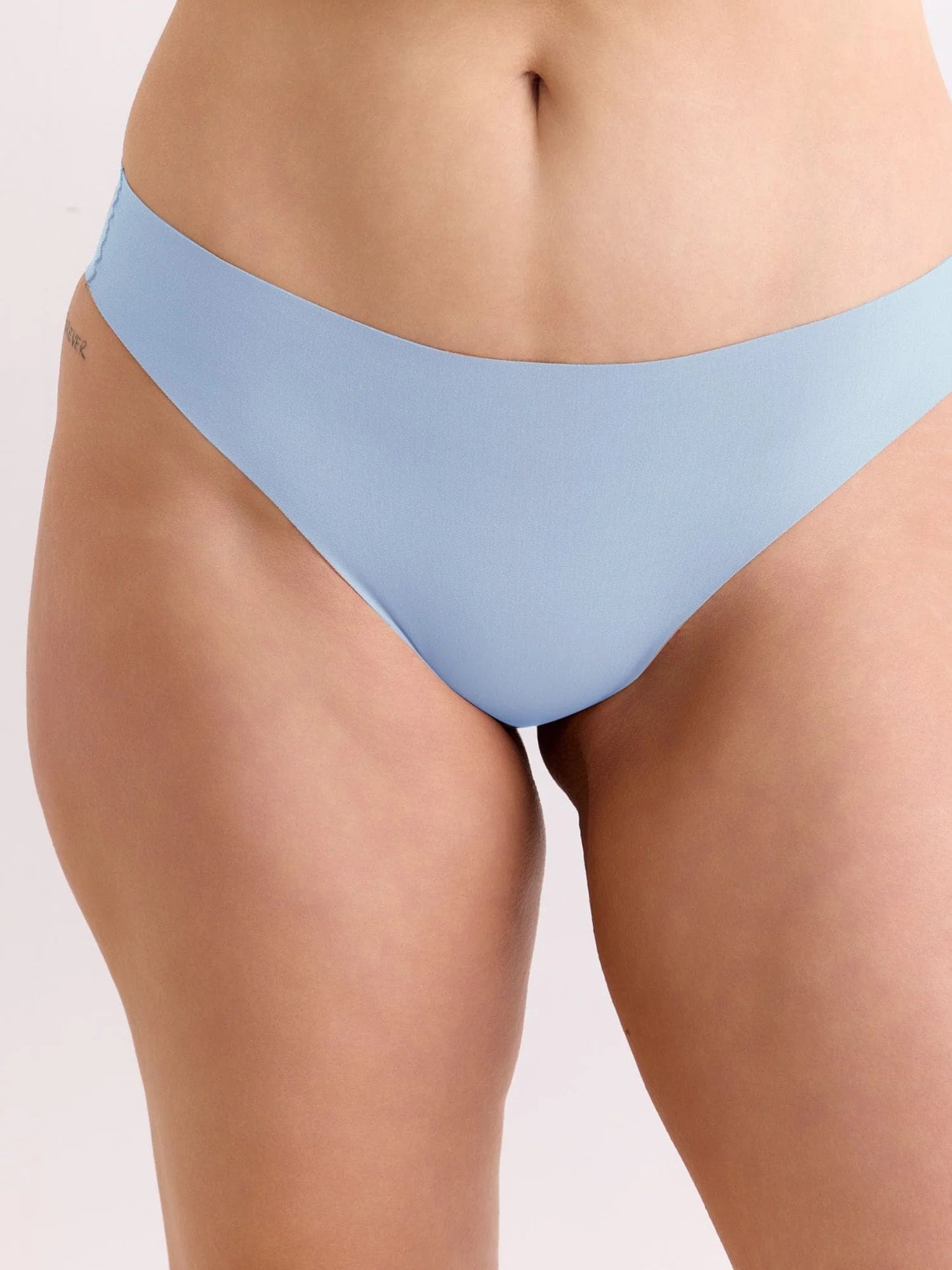
At erlich textil, our TENCEL Modal briefs have flat seams and feel particularly smooth.
If Lyocell is too expensive, our cotton basics are an alternative, depending on the item, made from organic or CiC cotton.
Listen to your body. If your skin is irritated, it is not your fault; it is the underwear. You deserve underwear that feels good.
Frequently Asked Questions
Which underwear is good for allergy sufferers?
For allergy sufferers, underwear made of as pure as possible natural fiber with a smooth surface is best, such as Lyocell or high-quality organic cotton. Also important are flat seams, a soft or absent label, and transparent material information. In the case of known contact allergies to certain fibers or additives, a conversation with a dermatologist helps to narrow down the most individually tolerable materials.
Which material for neurodermatitis?
With neurodermatitis, many people find smooth, breathable natural fibers like Lyocell or soft organic cotton more comfortable, as these materials create little friction and regulate moisture well. Scratchy seams, rough labels, and a high synthetic content can, however, worsen comfort. Since neurodermatitis is an individual skin condition, this guidance does not replace a consultation with your dermatologist.
What to do if skin itches due to underwear?
If underwear itches, it is worth first taking a look at the material, fit, and label. A high proportion of polyester or elastane, rough seams, or a fit that is too tight can be the cause. Switching to smoother natural fibers with flat seams and a soft label can noticeably improve the wearing experience. If the itching persists or skin changes occur, this should be clarified by a doctor.
Is Lyocell or organic cotton better for sensitive skin?
Both materials are considered well-tolerated by sensitive skin, with slightly different properties. Lyocell has a particularly smooth, silky surface and absorbs moisture well, which often makes it the first choice for high sensitivity. Organic cotton is soft, breathable, and robust, a proven alternative with a classic feel. Which material is more comfortable in an individual case often depends on personal preference.
How do I recognize underwear for sensitive skin when buying?
You can recognize underwear for sensitive skin by a high natural fiber content (Lyocell, modal, or organic cotton), flat seams, a soft or absent label, and transparent material information. The right fit also plays a role: underwear that is too tight or too loose can chafe or slip, even if made from the best material.