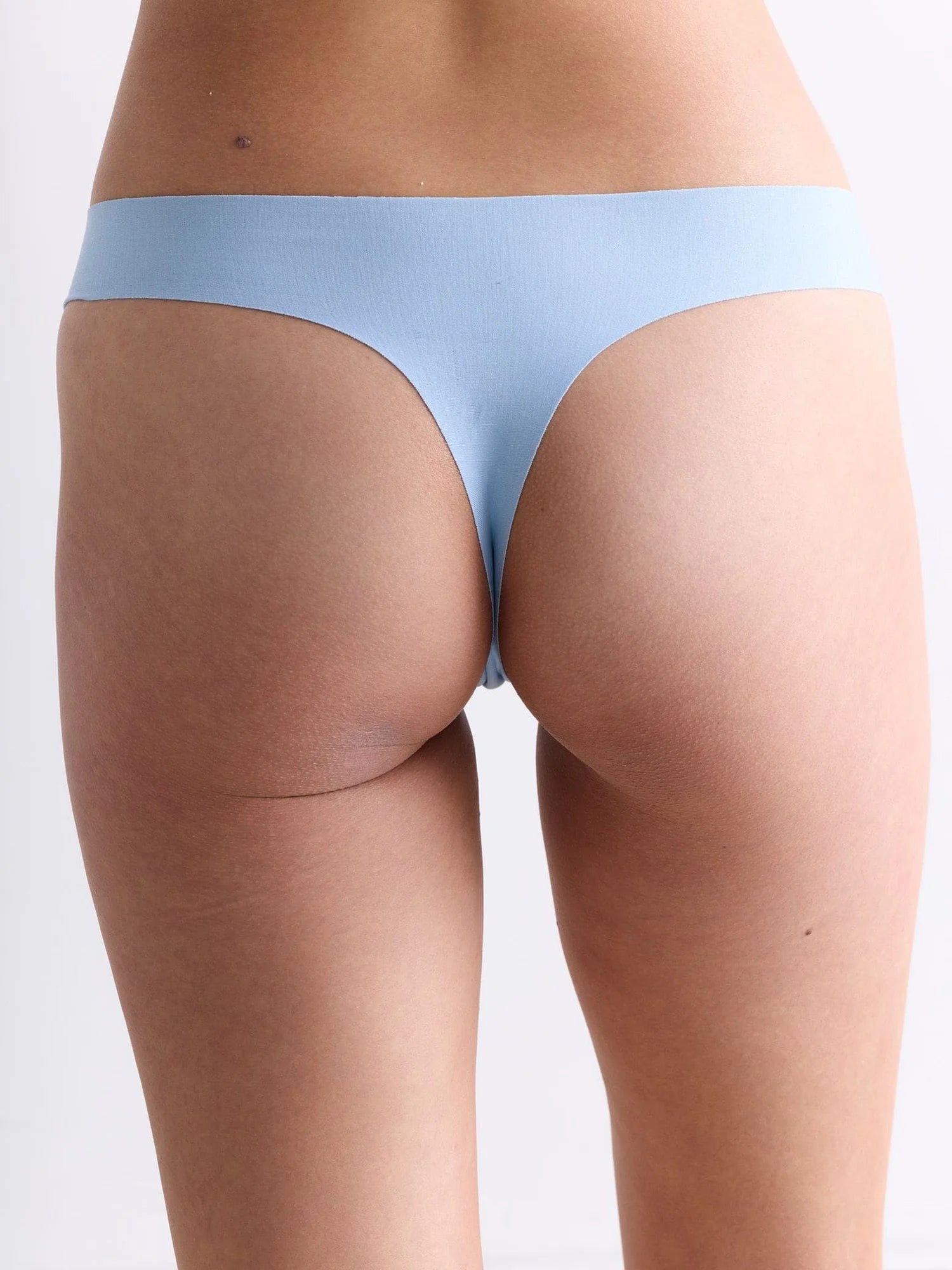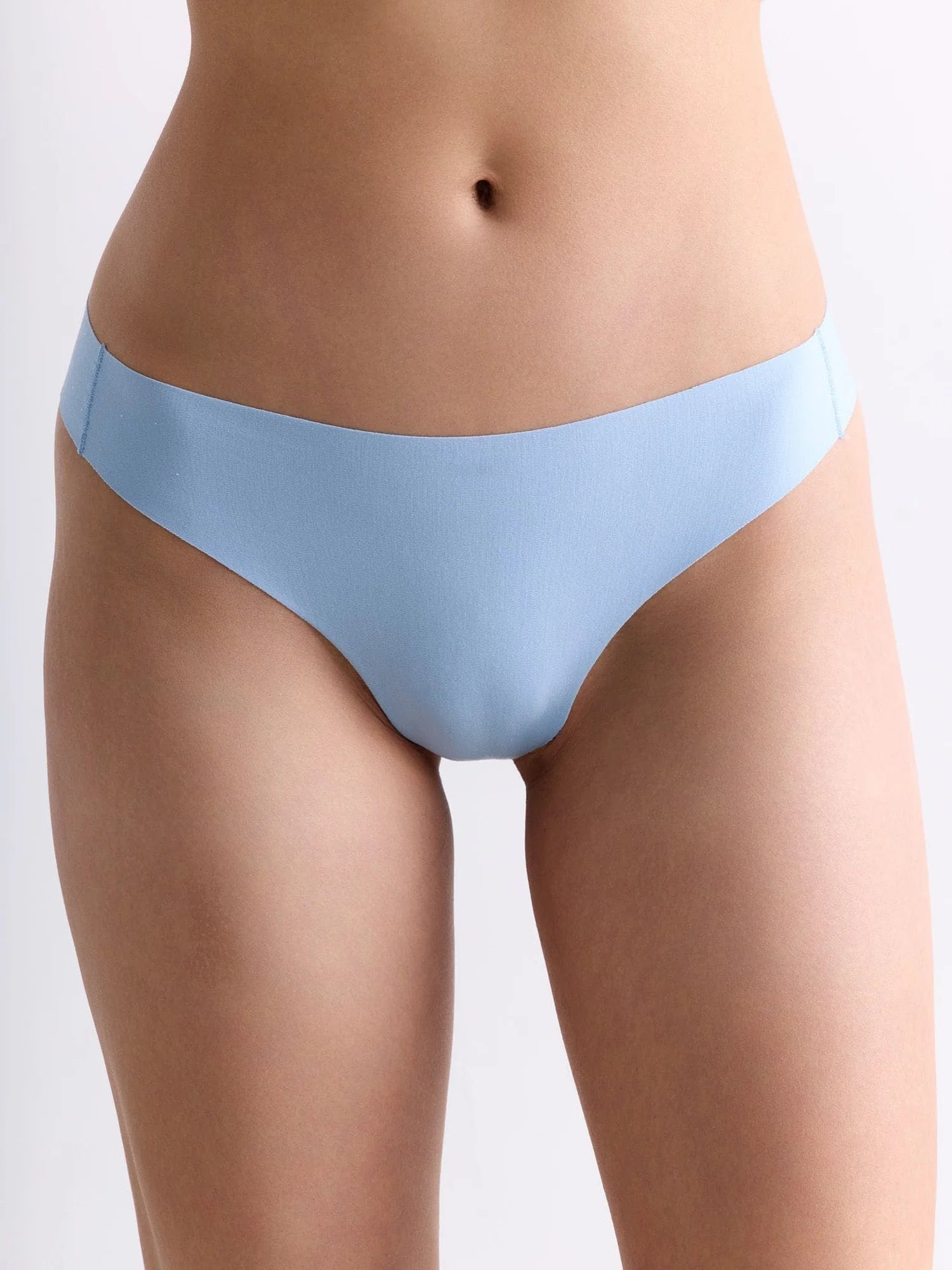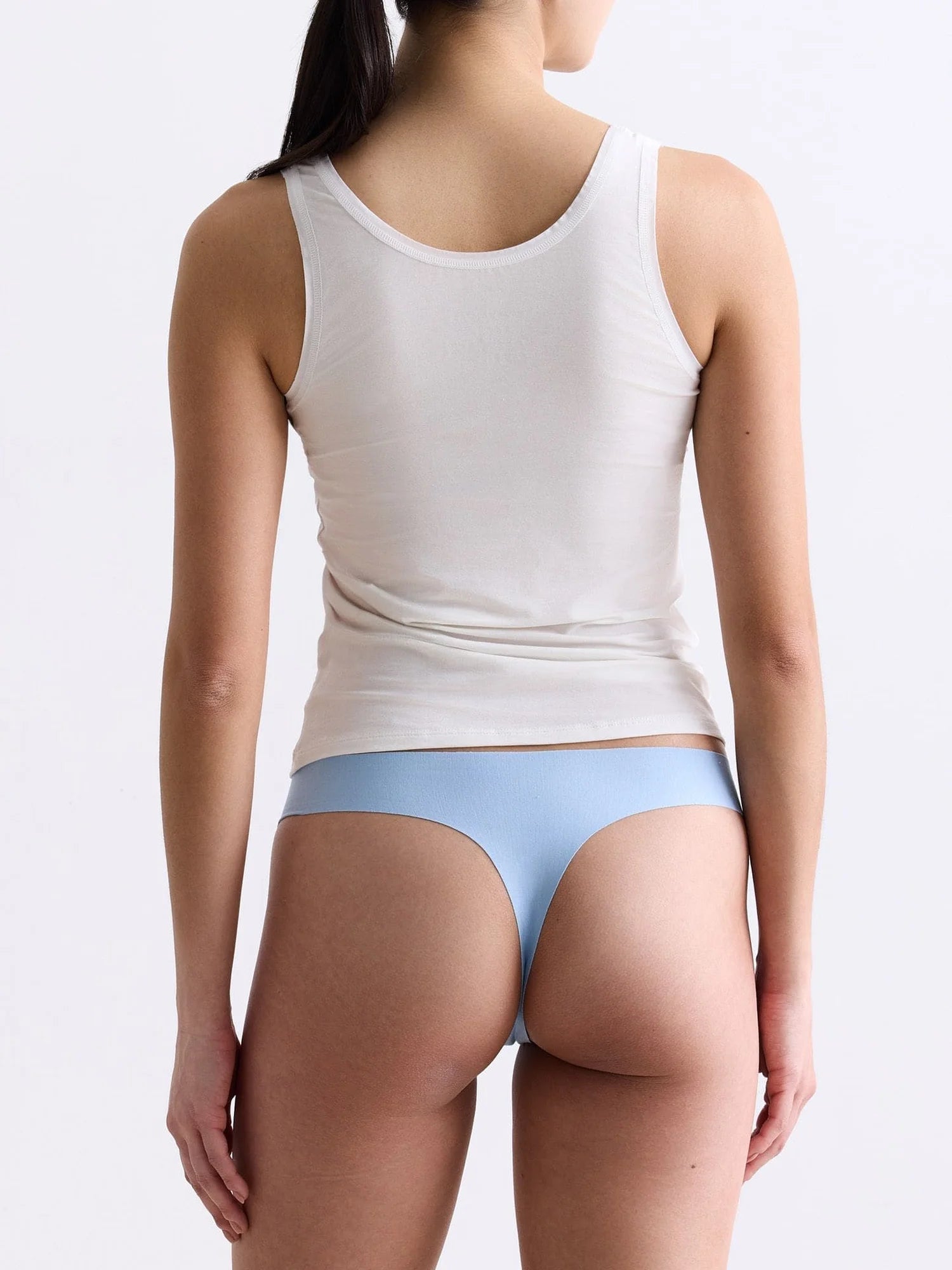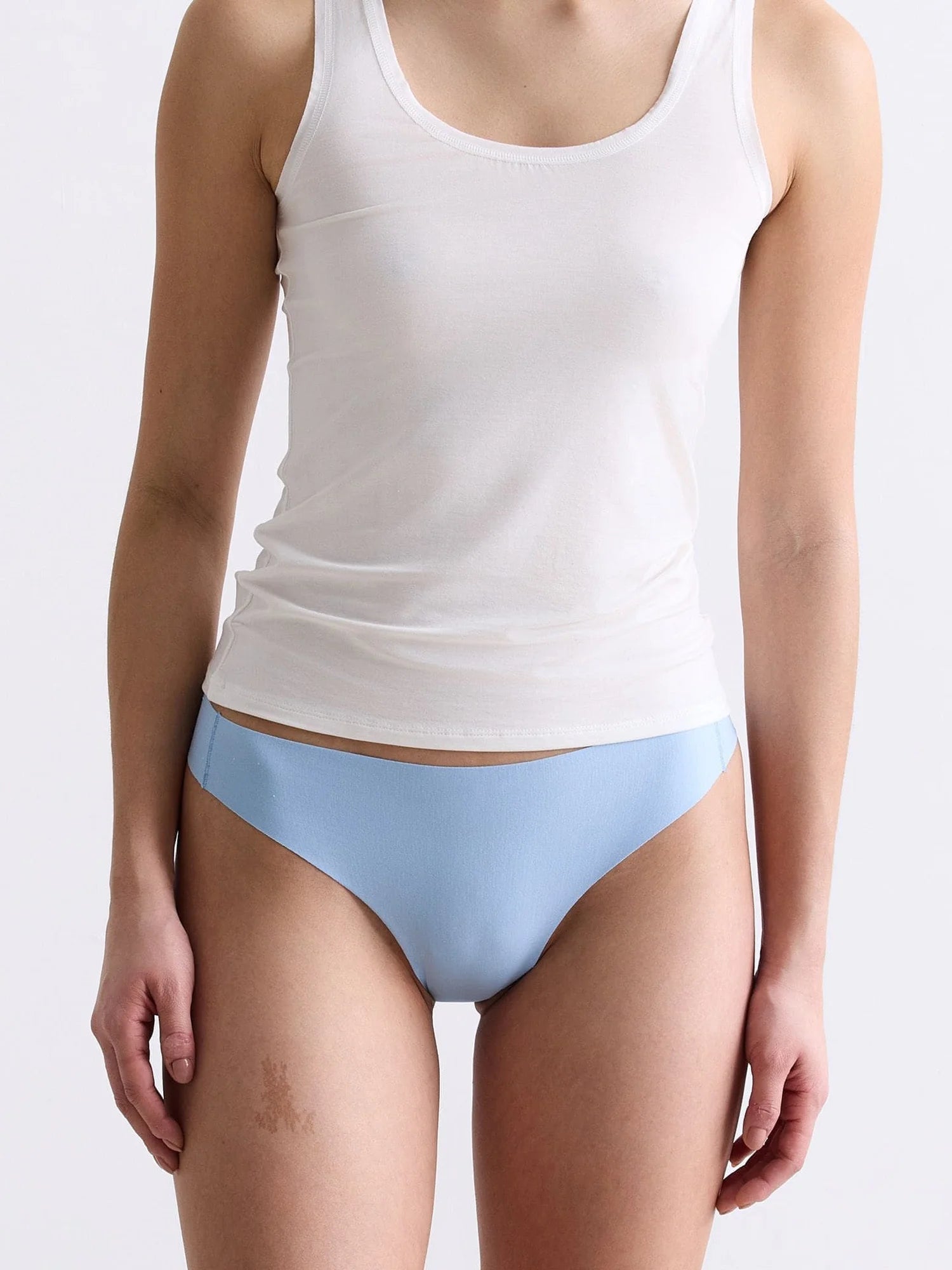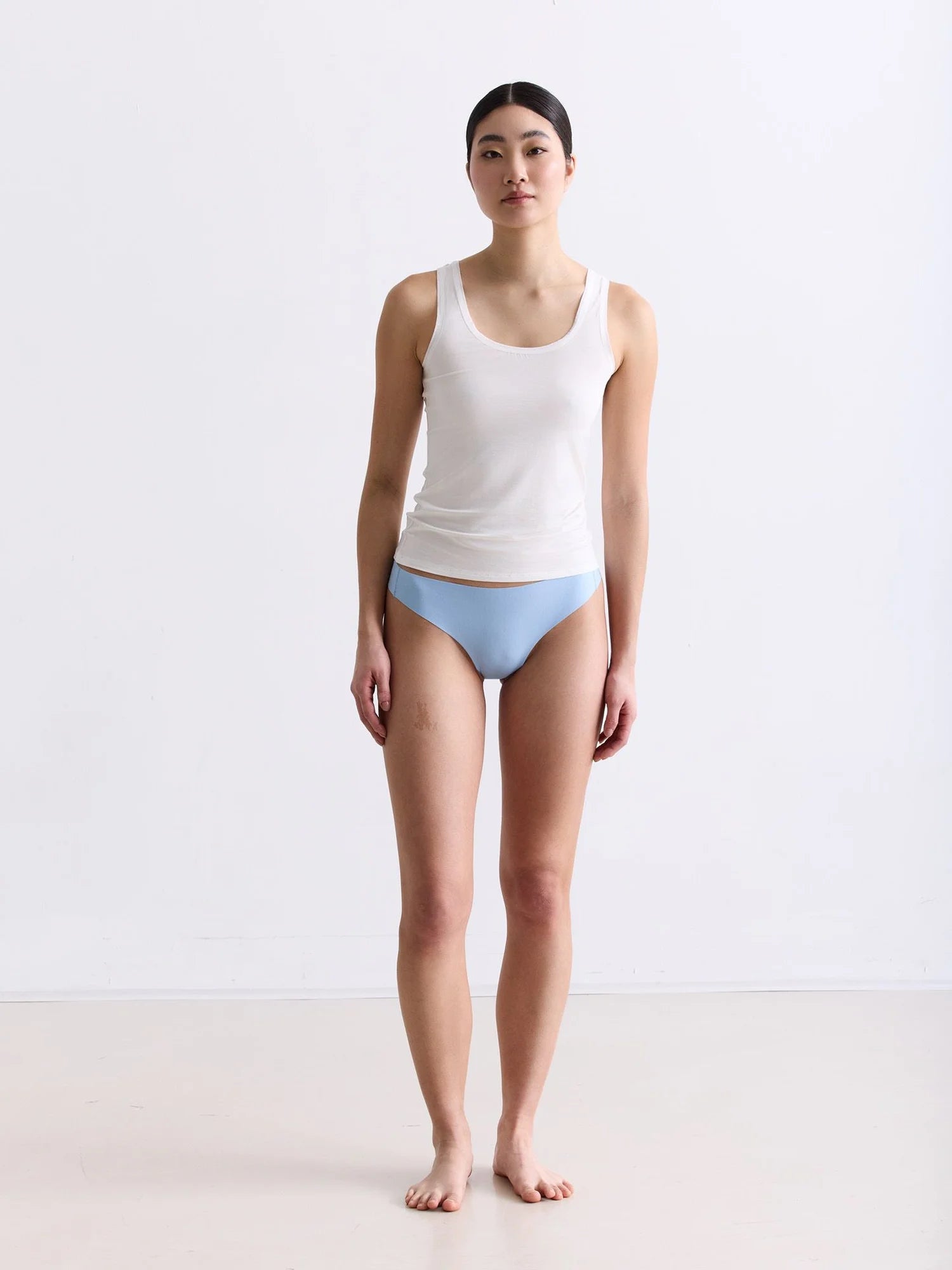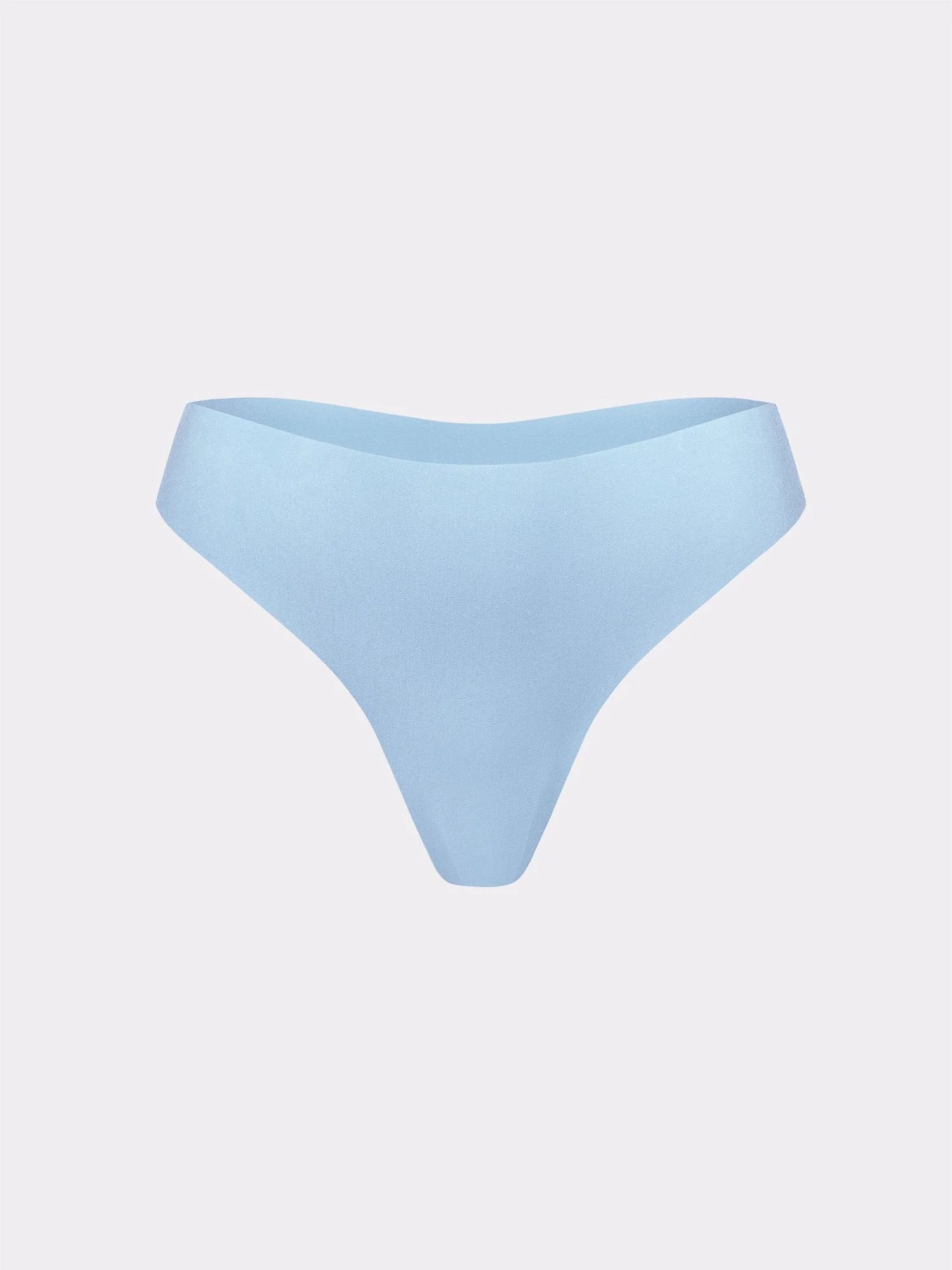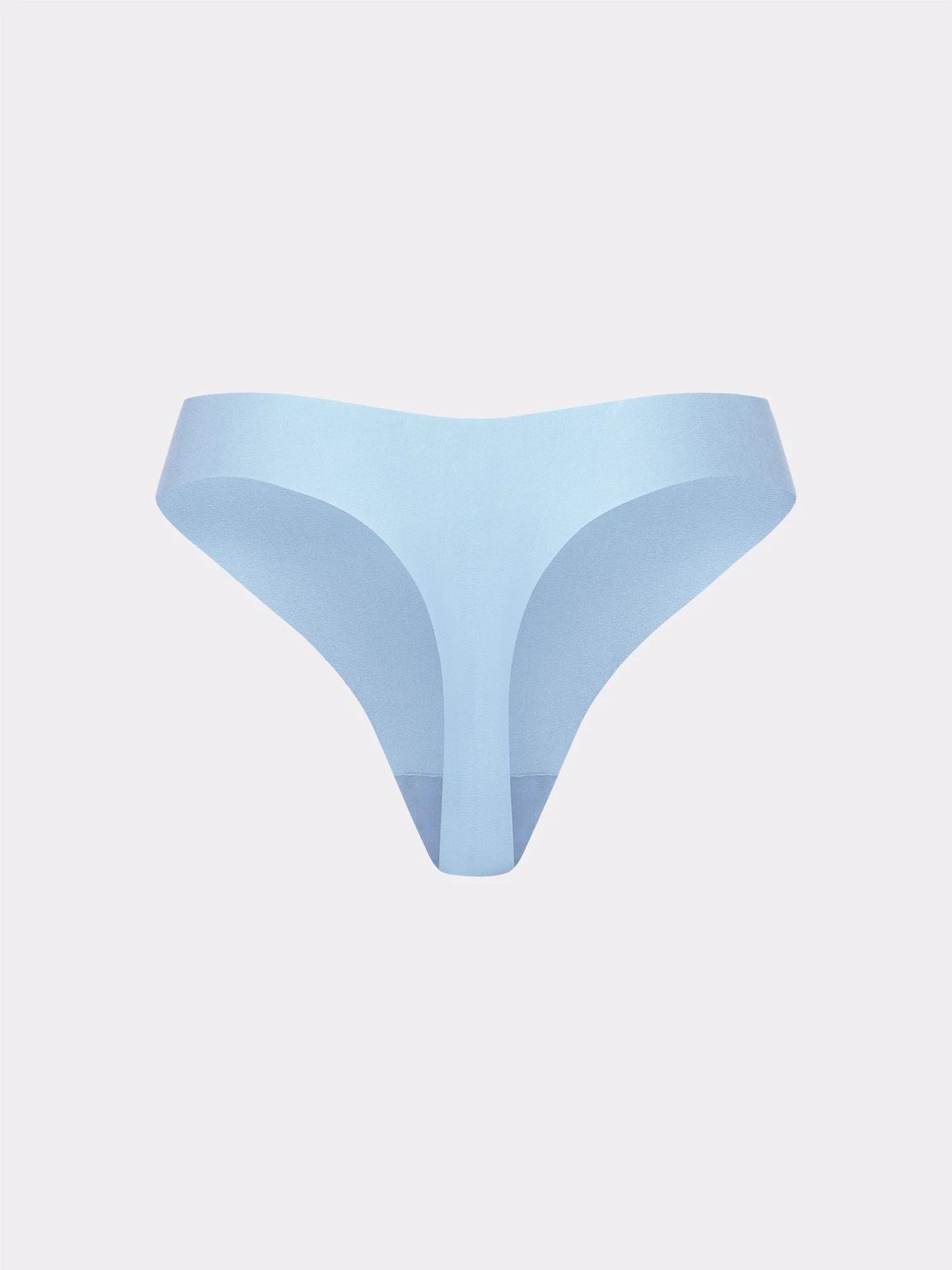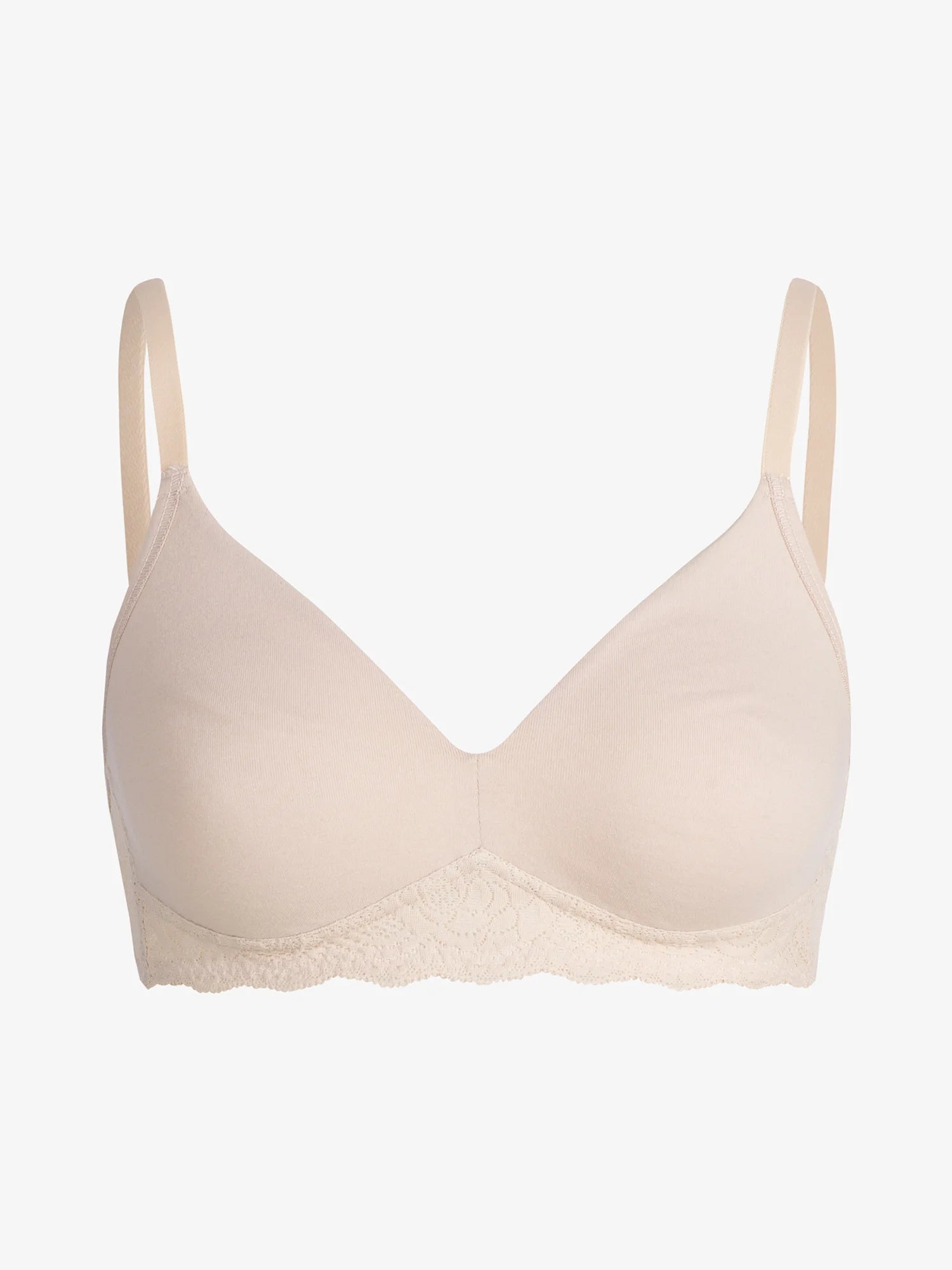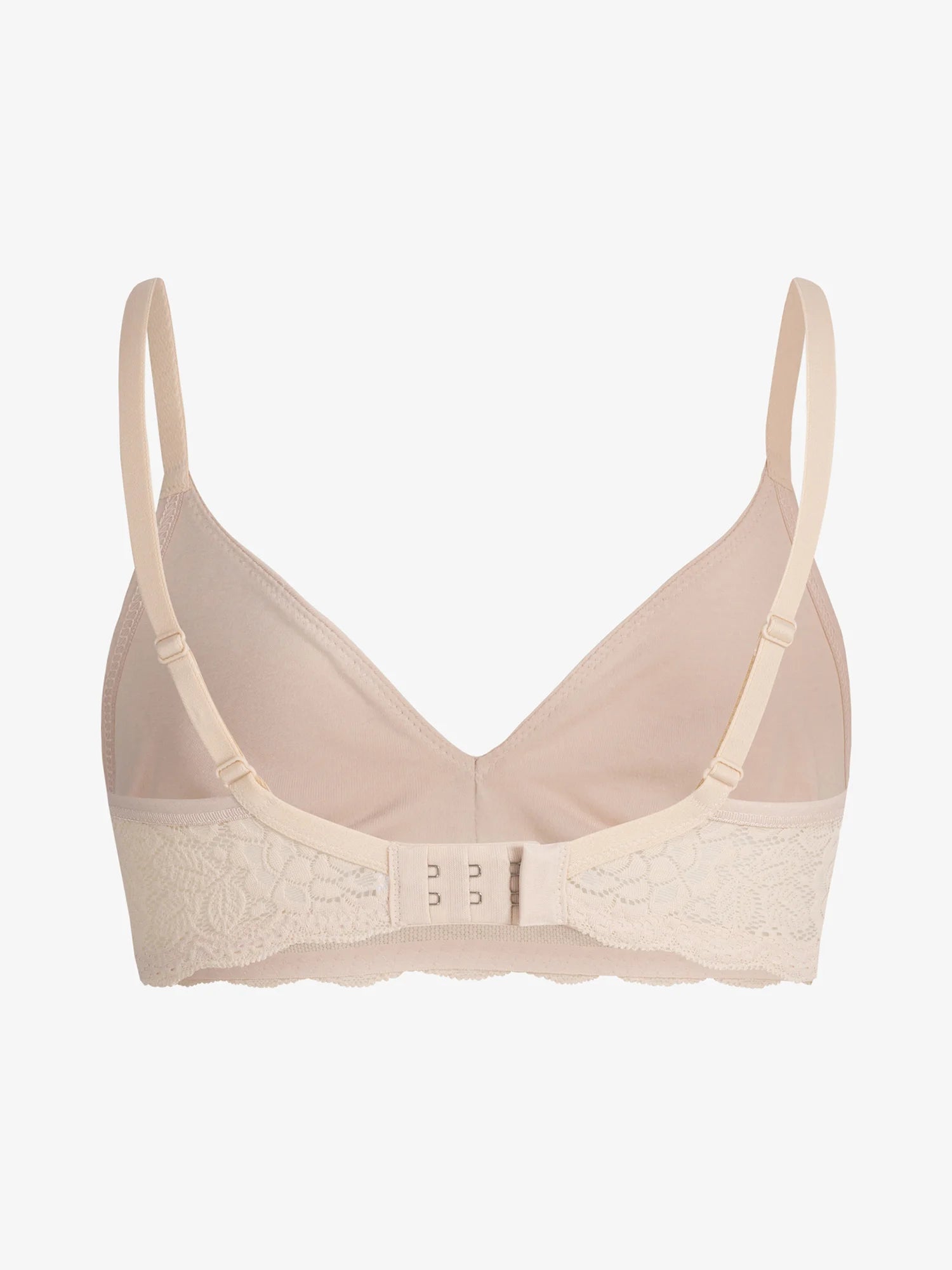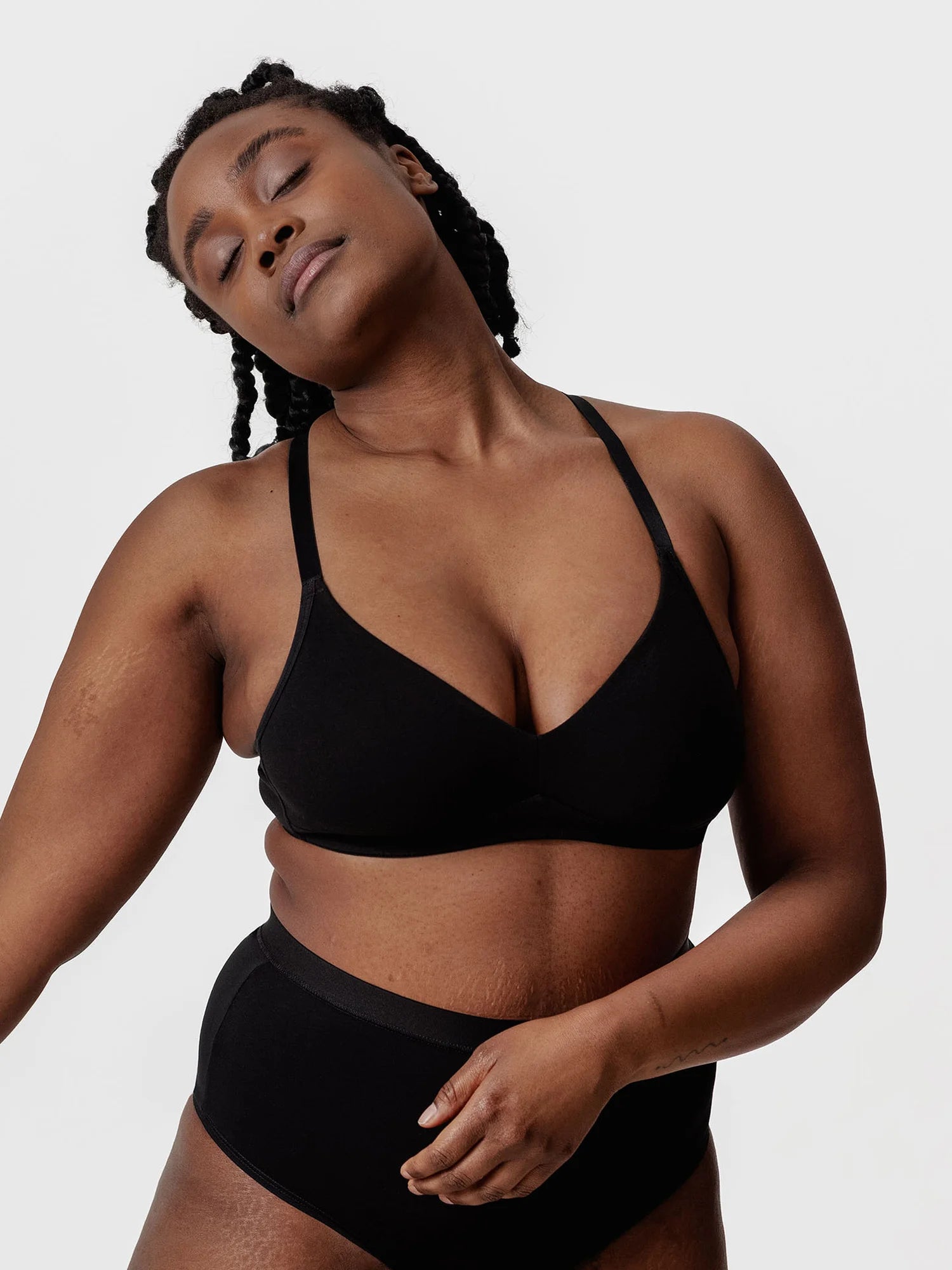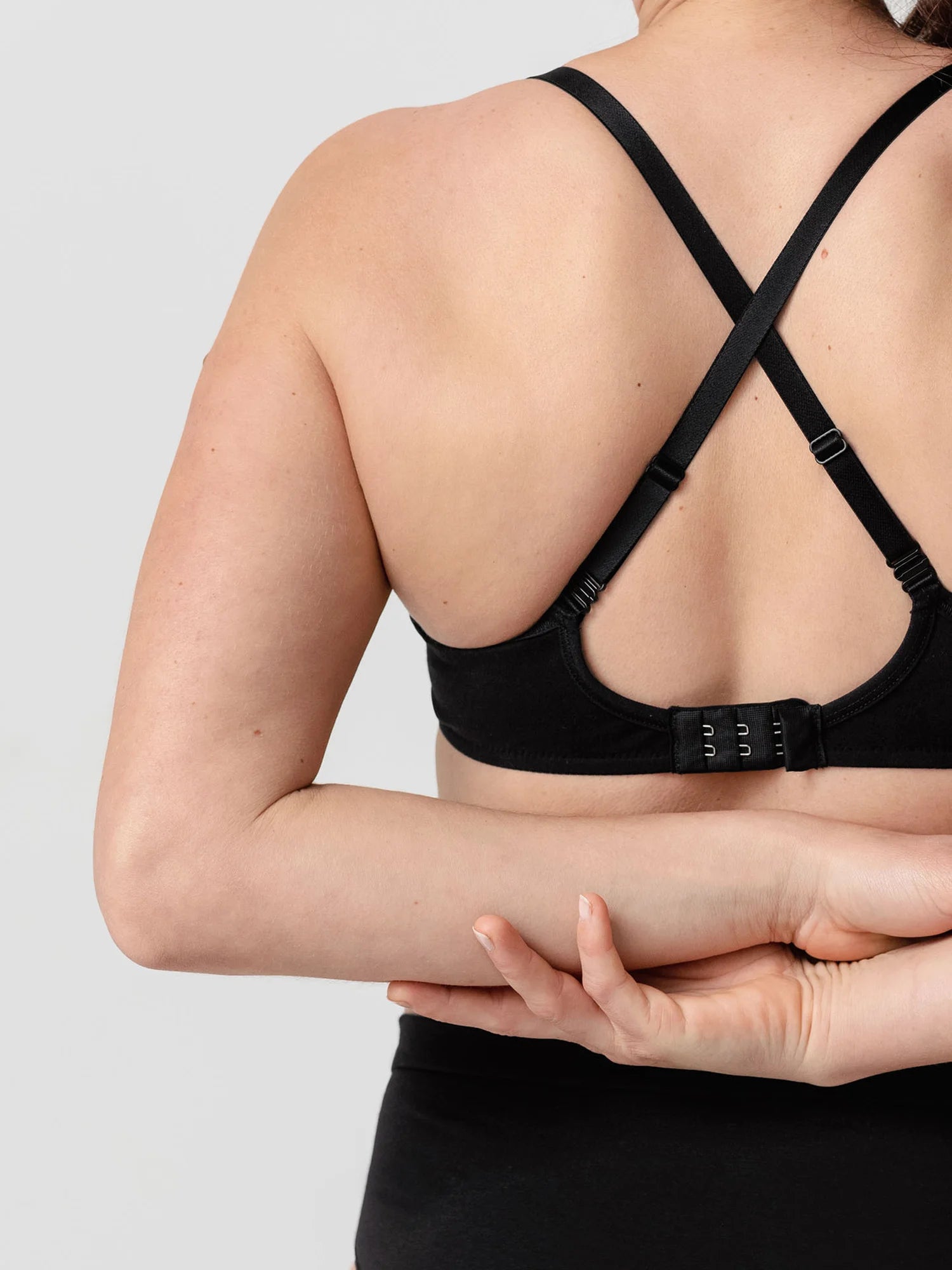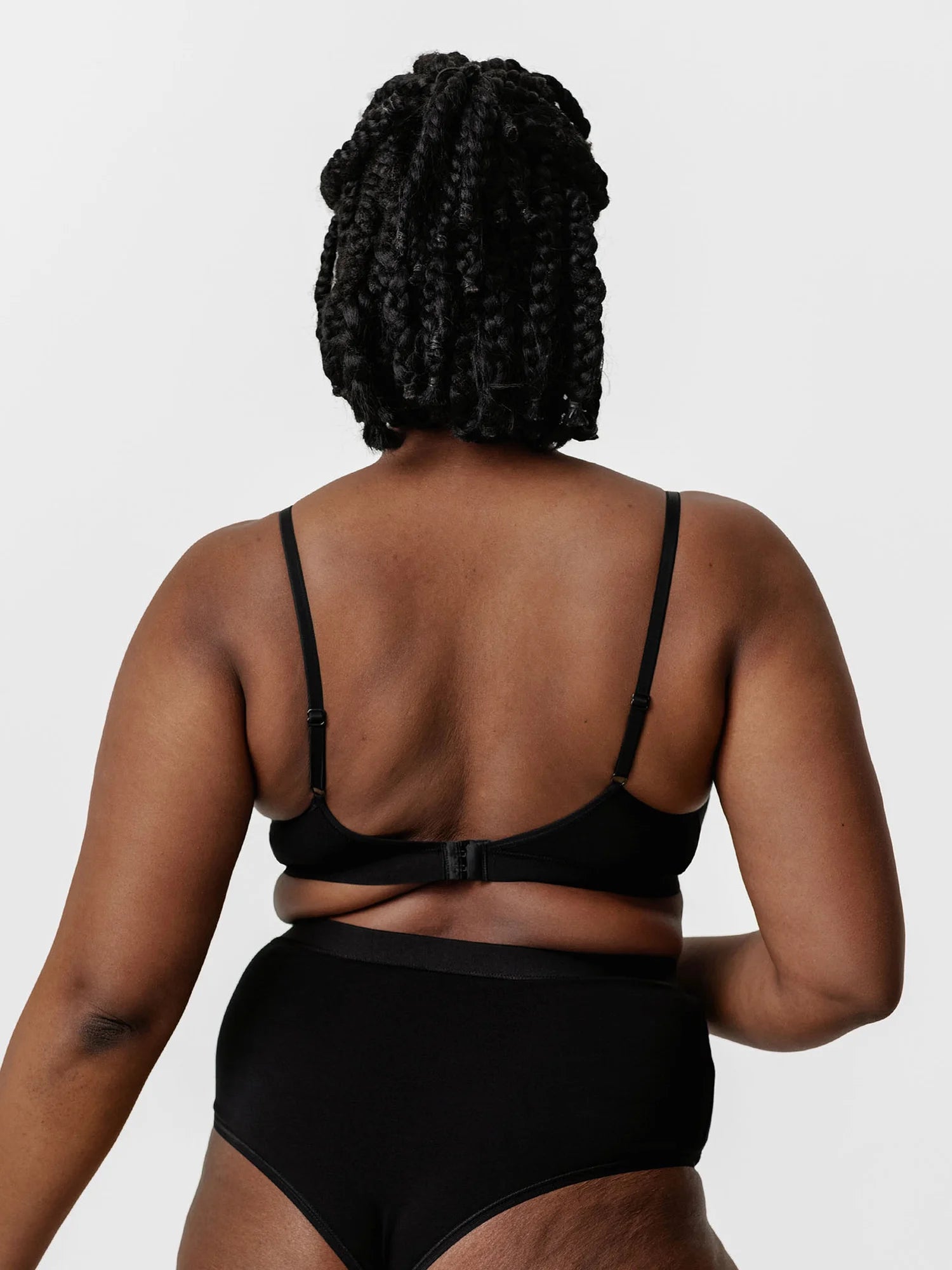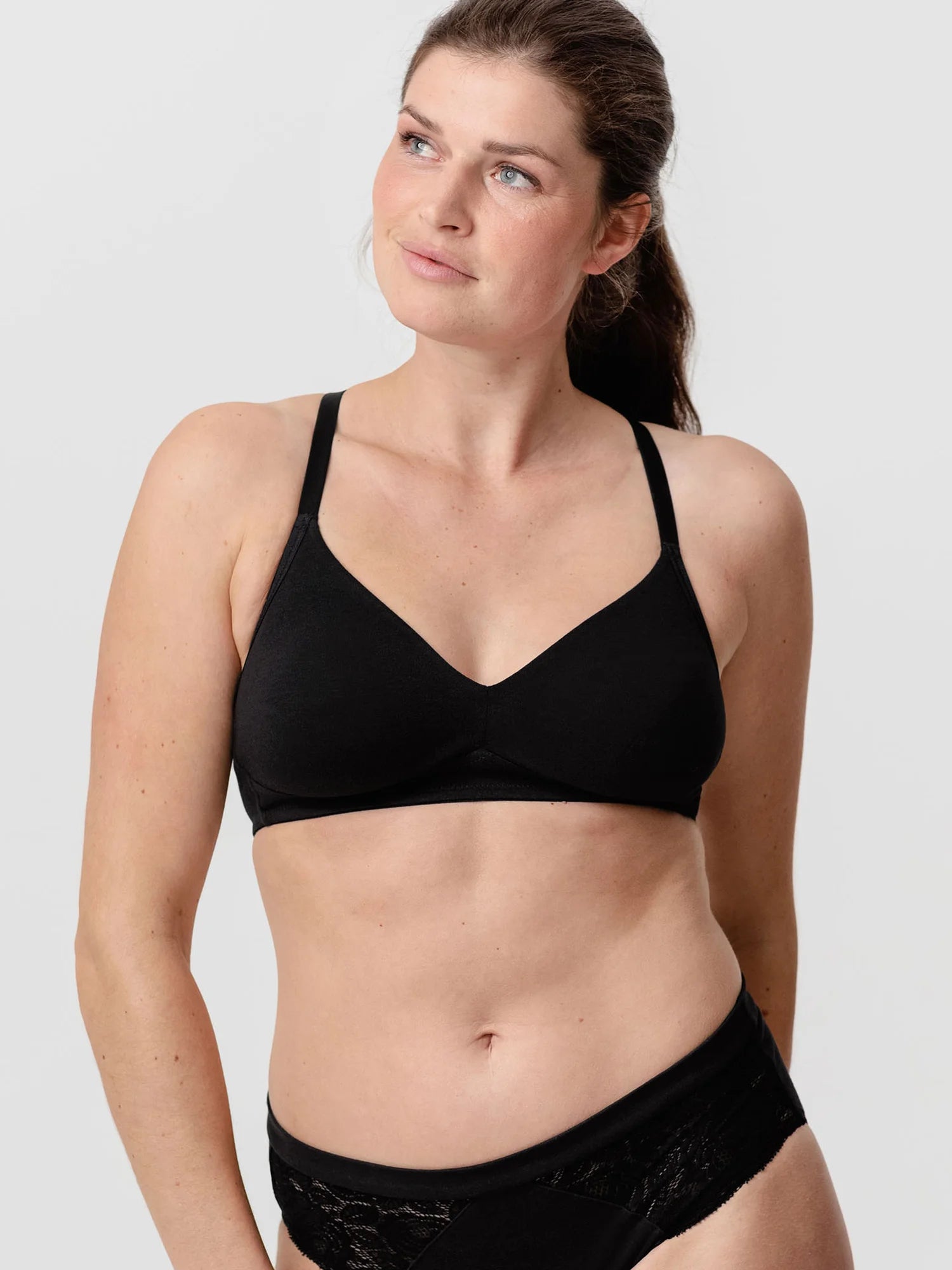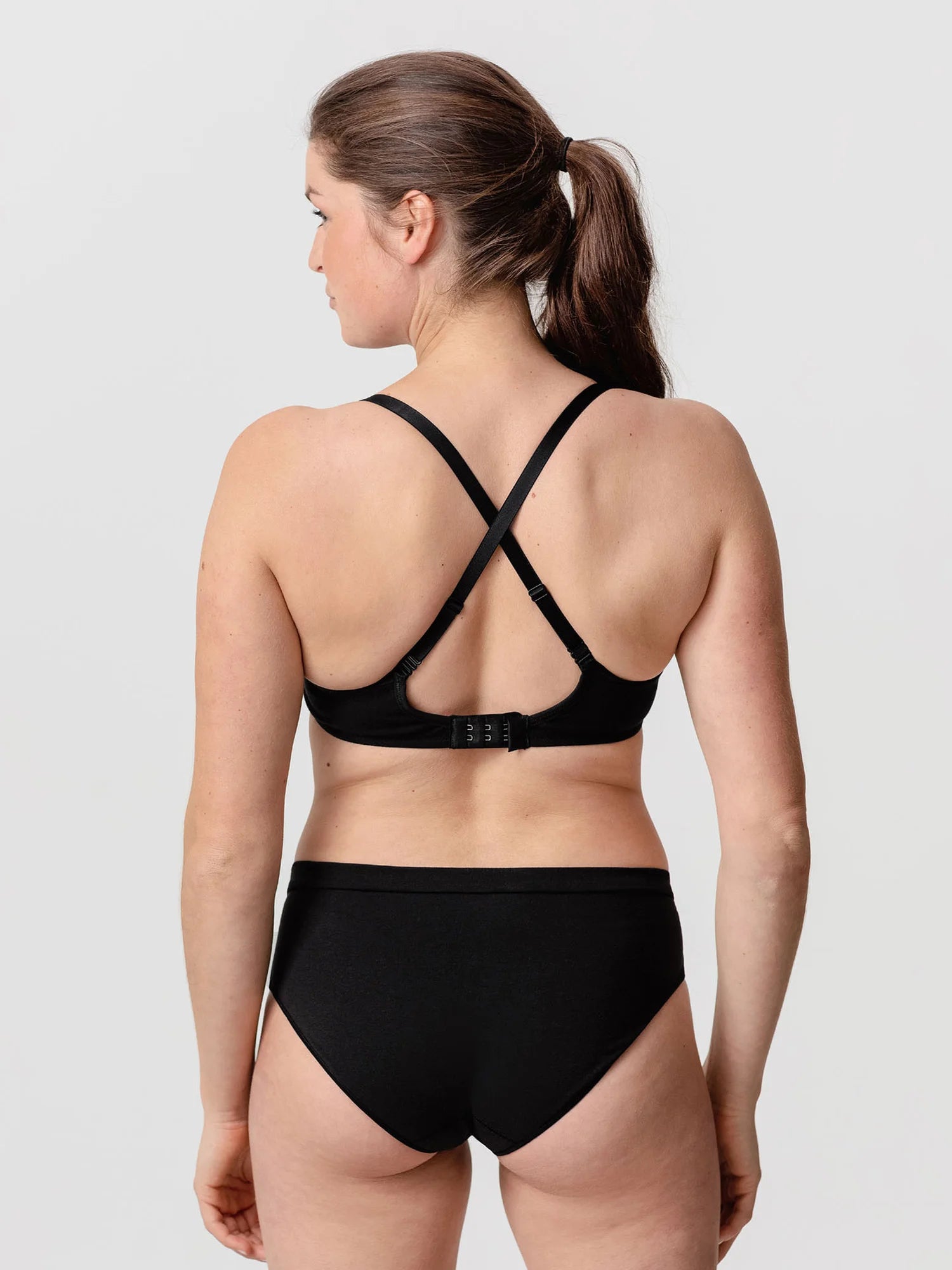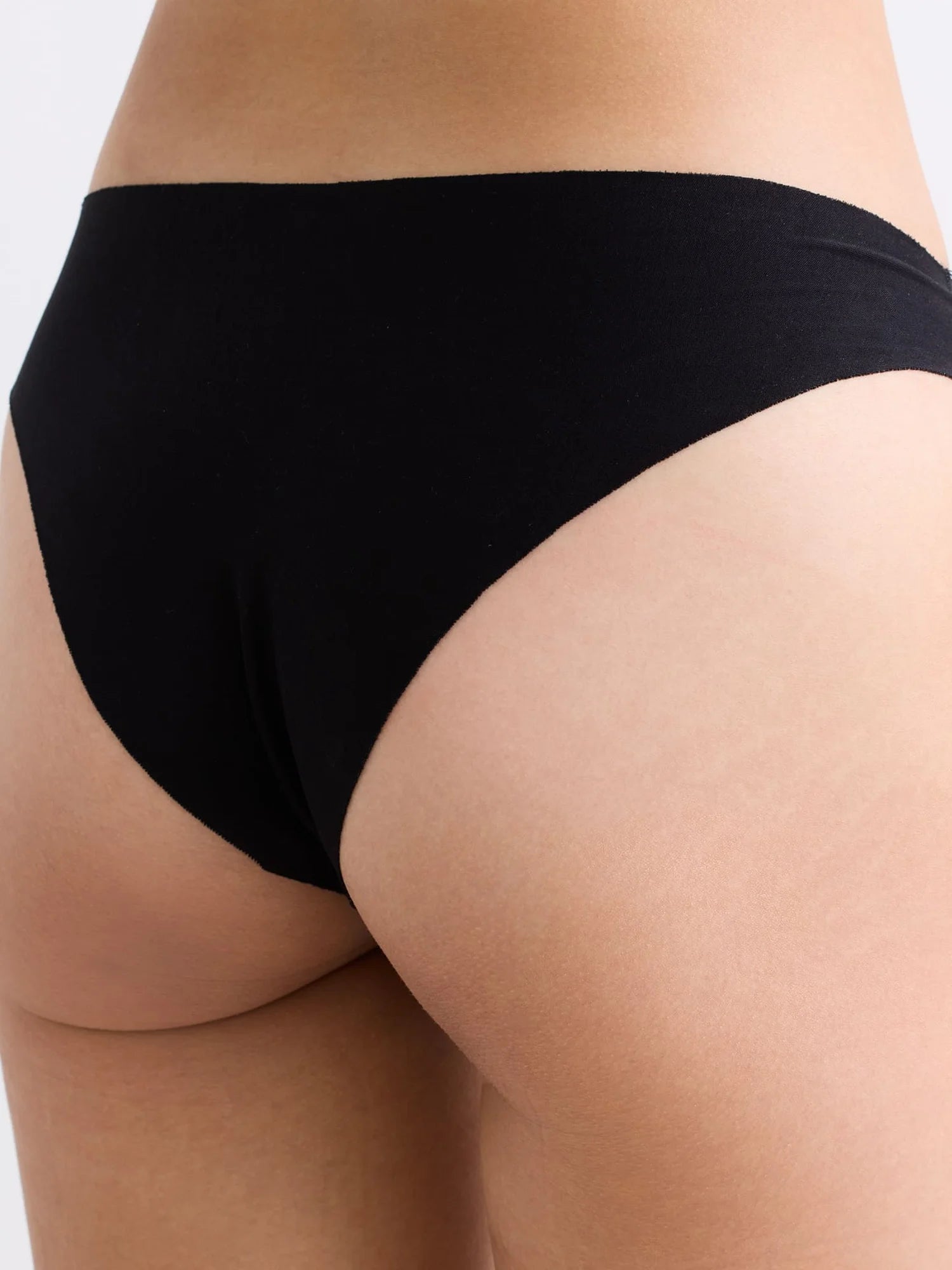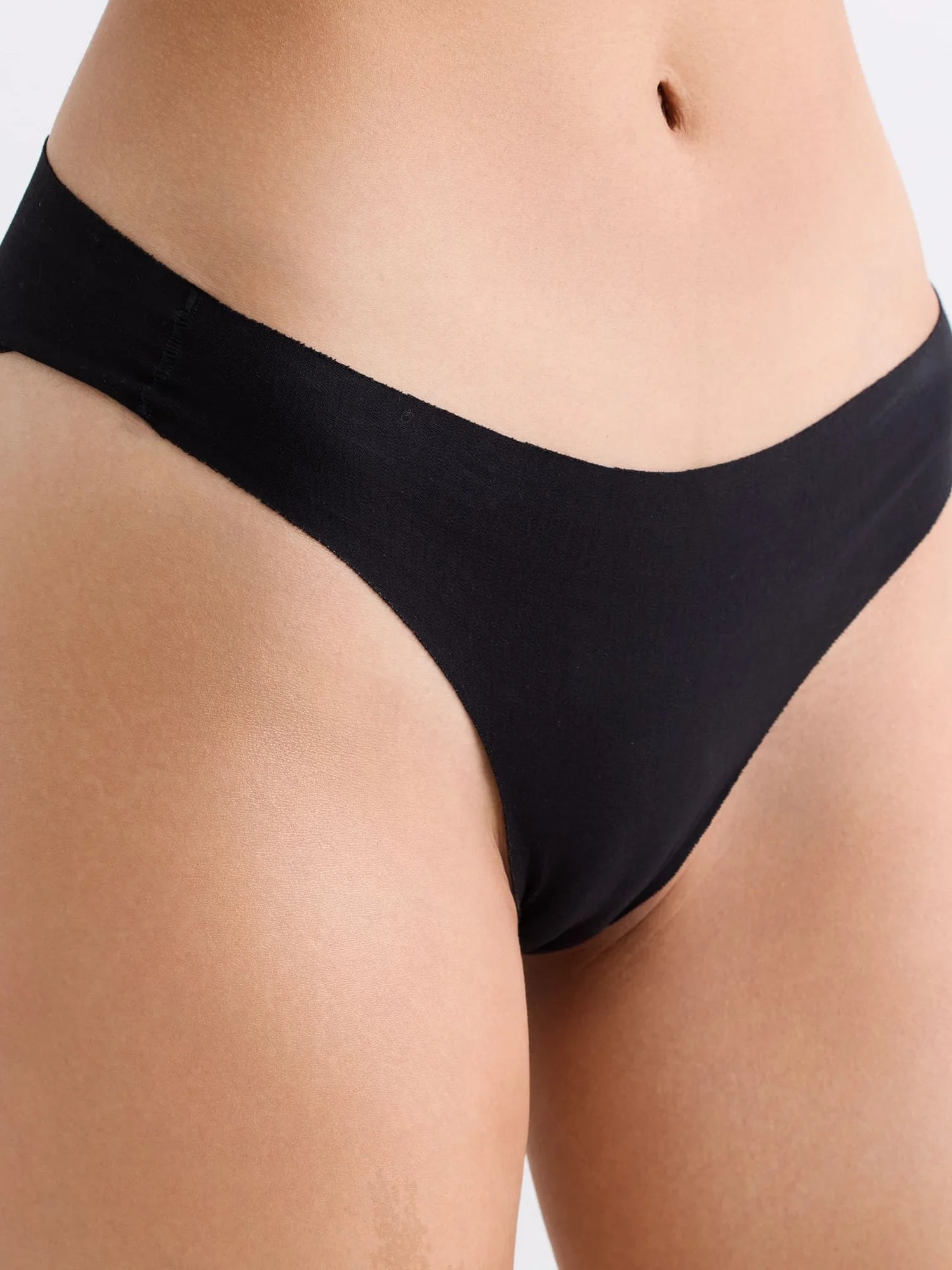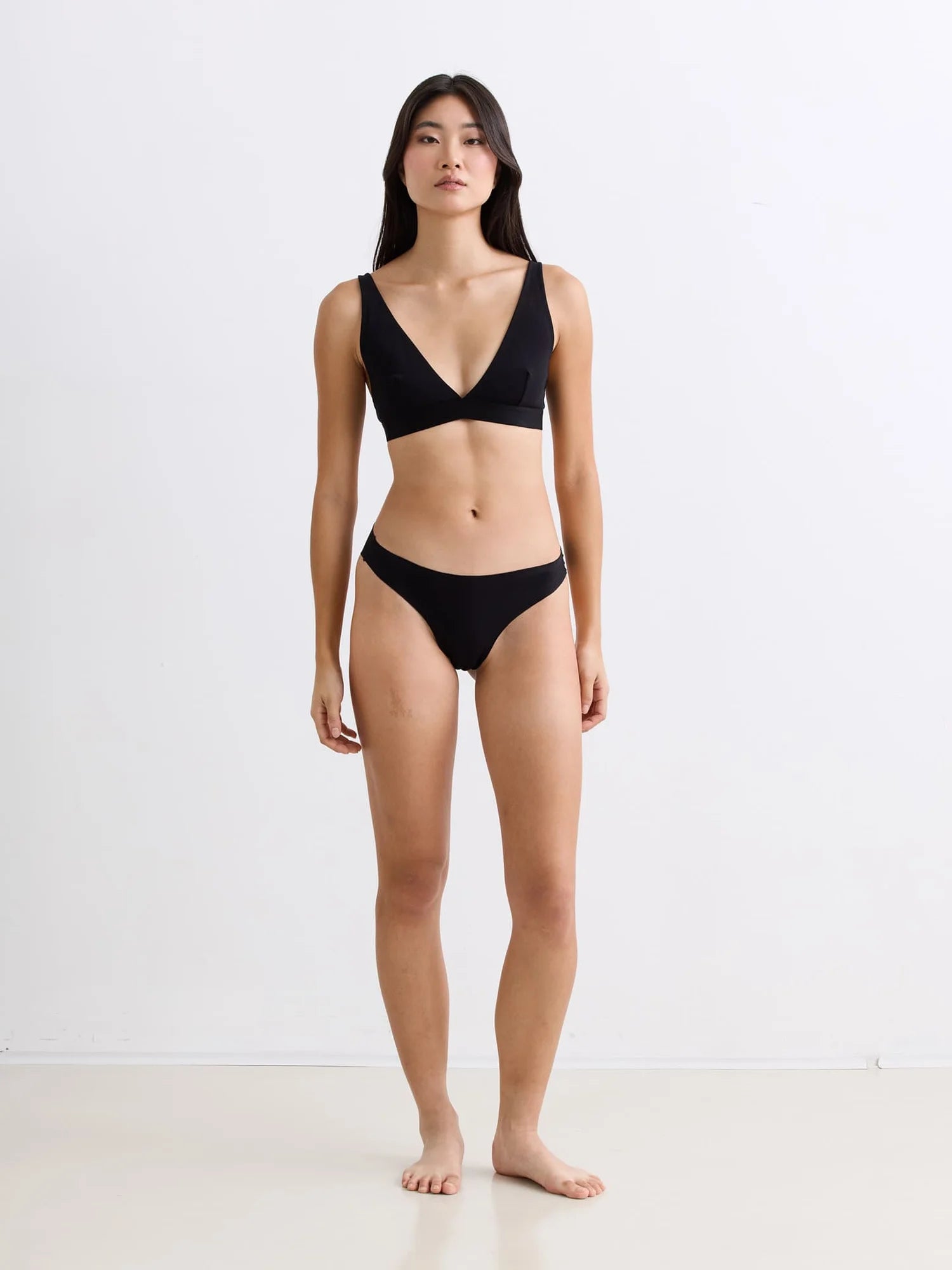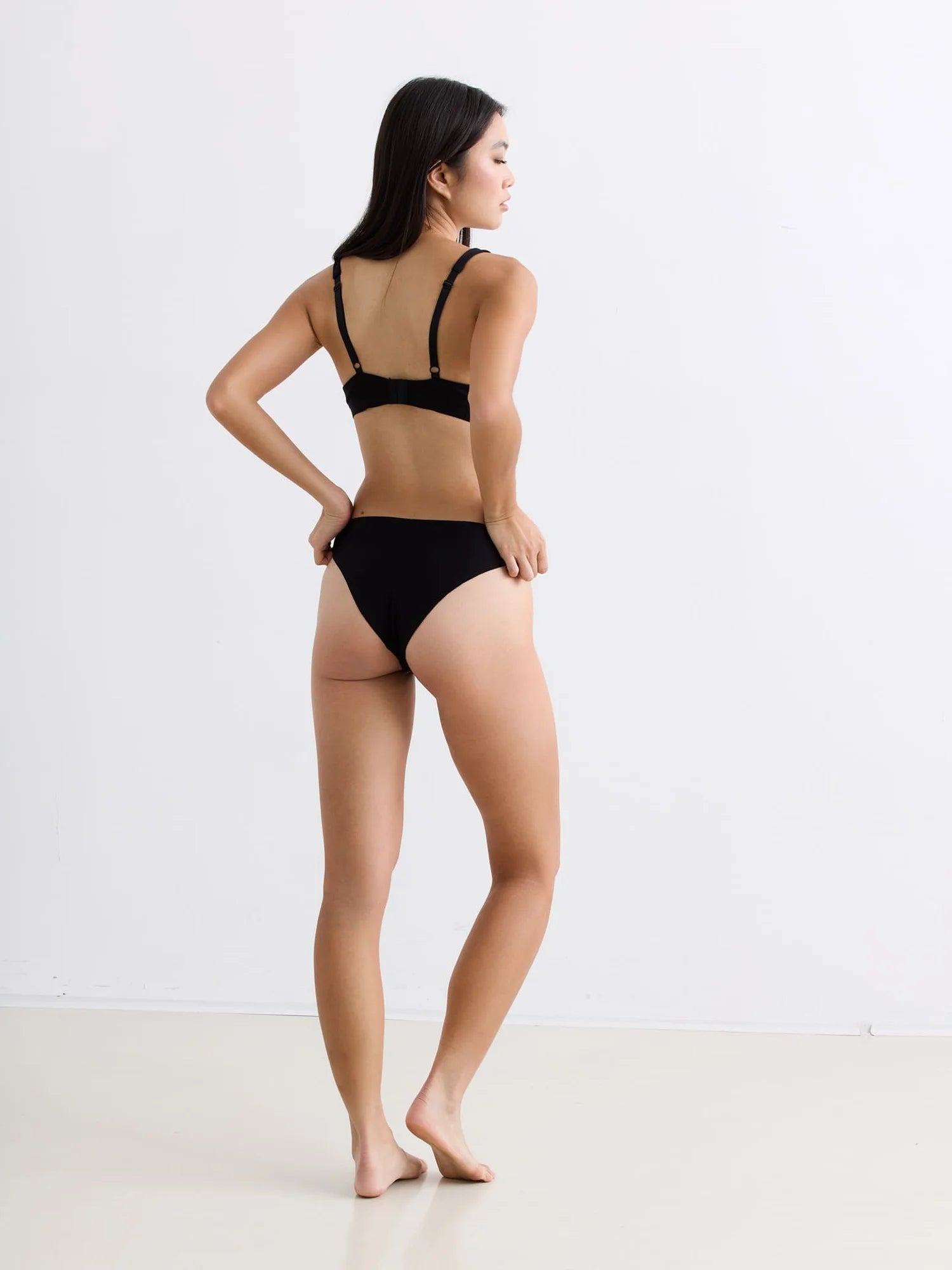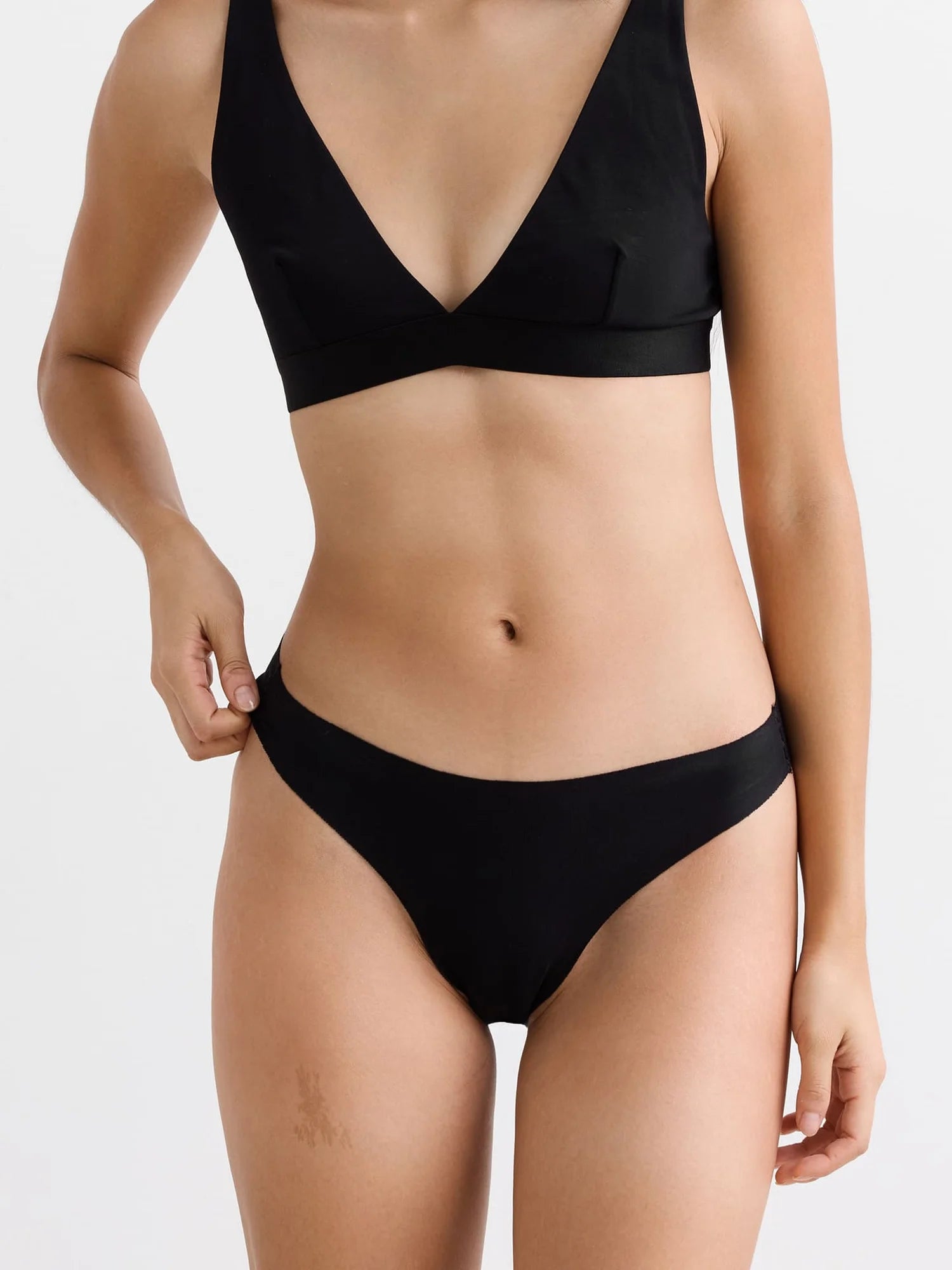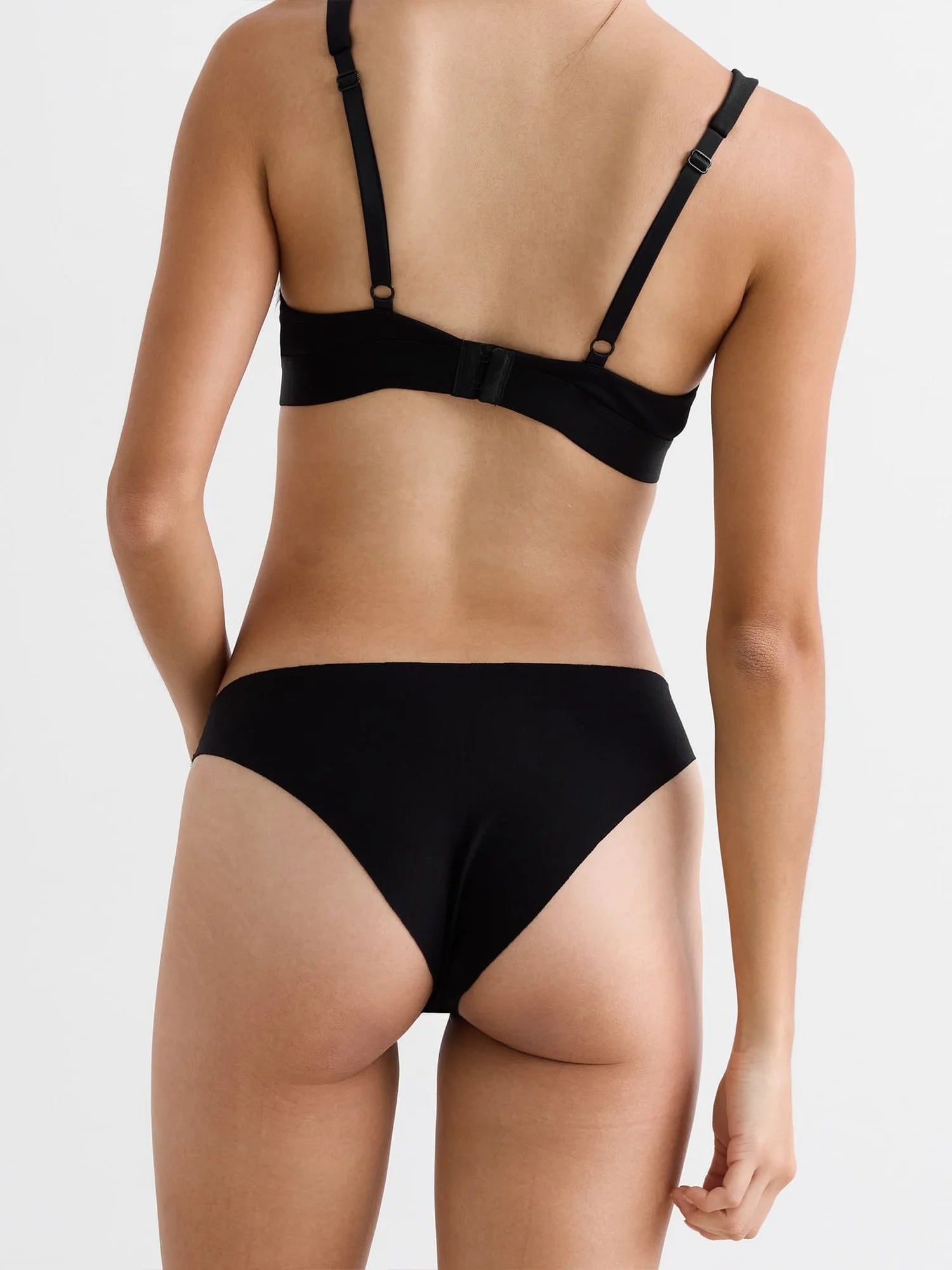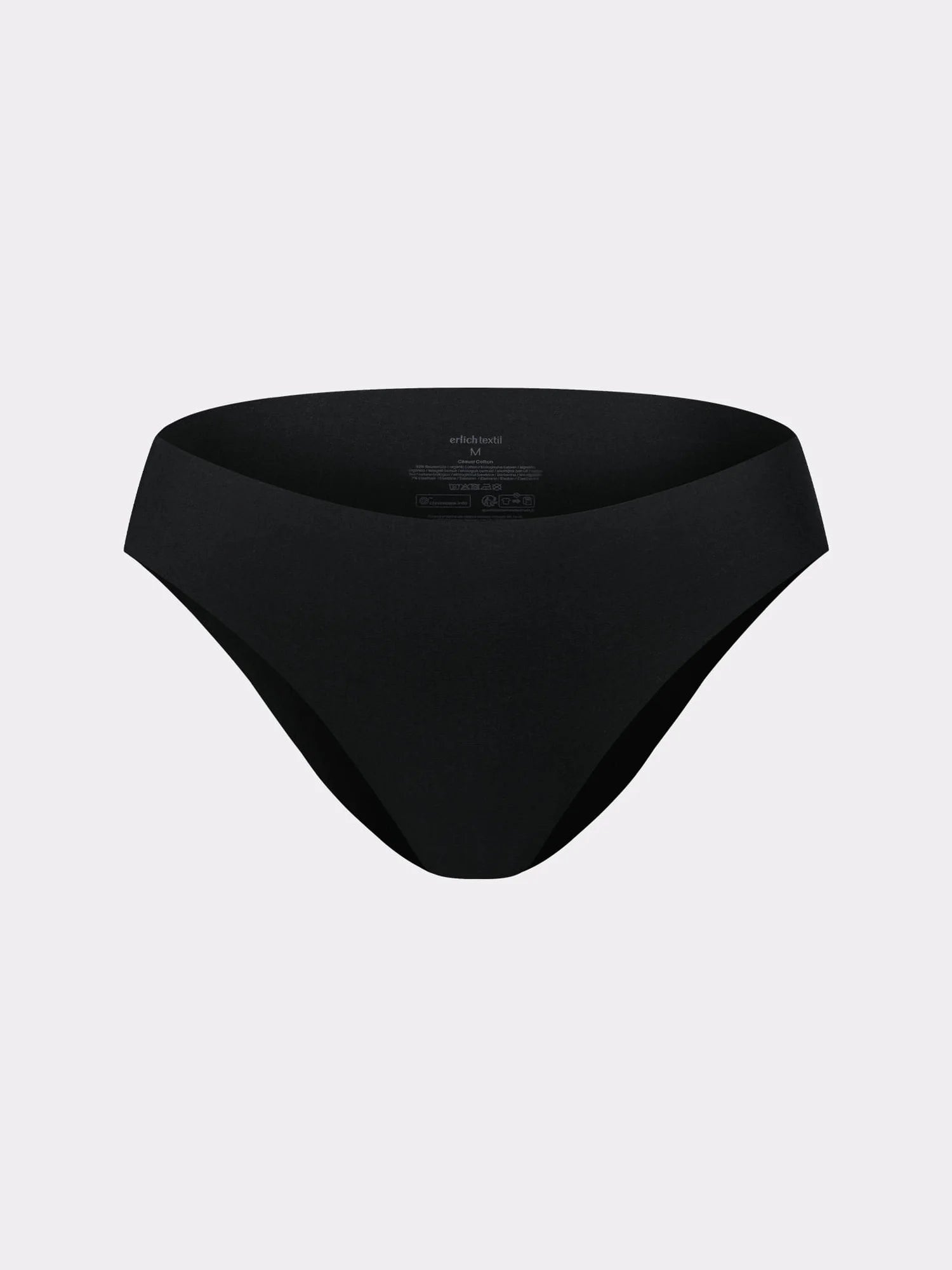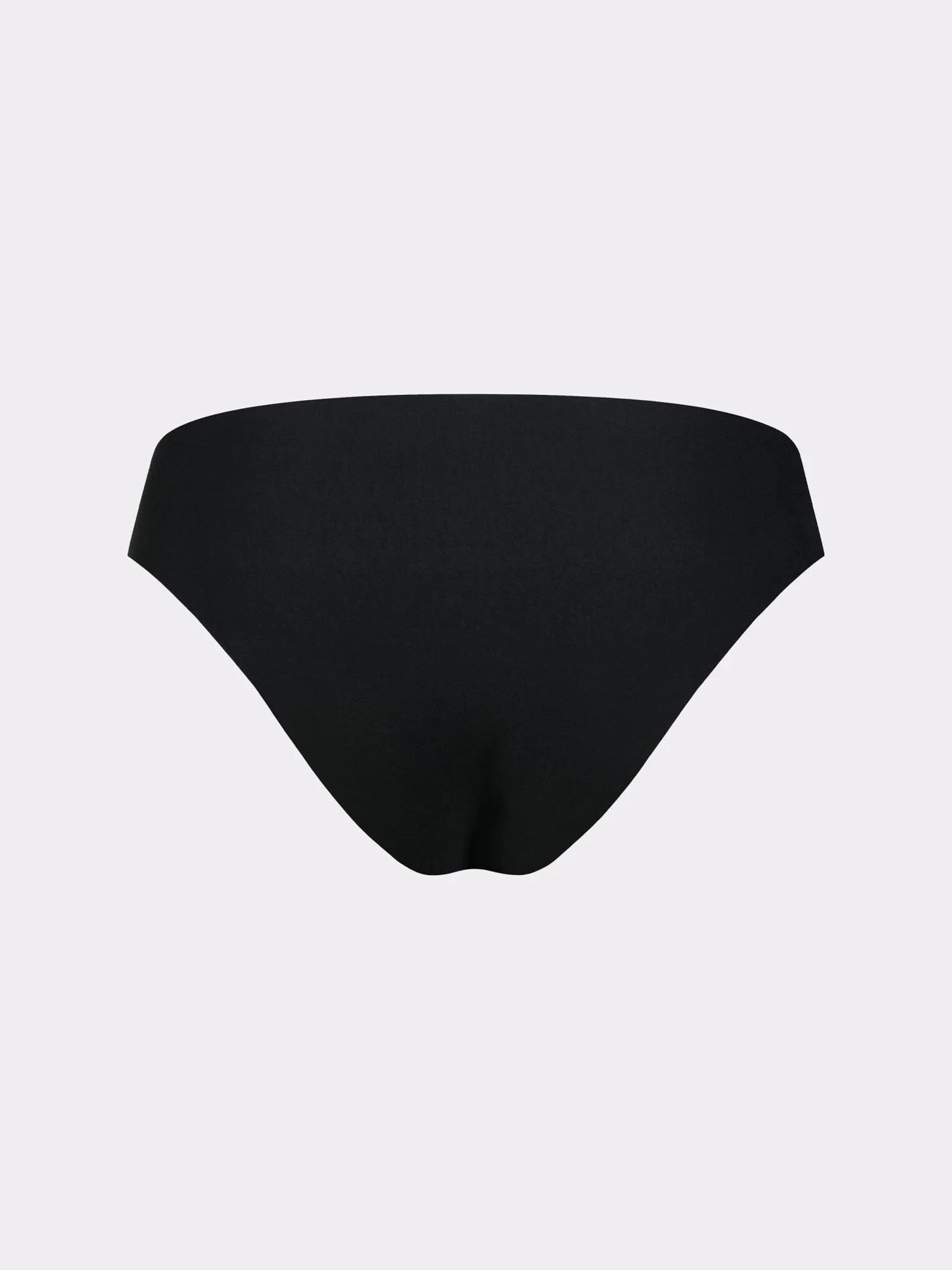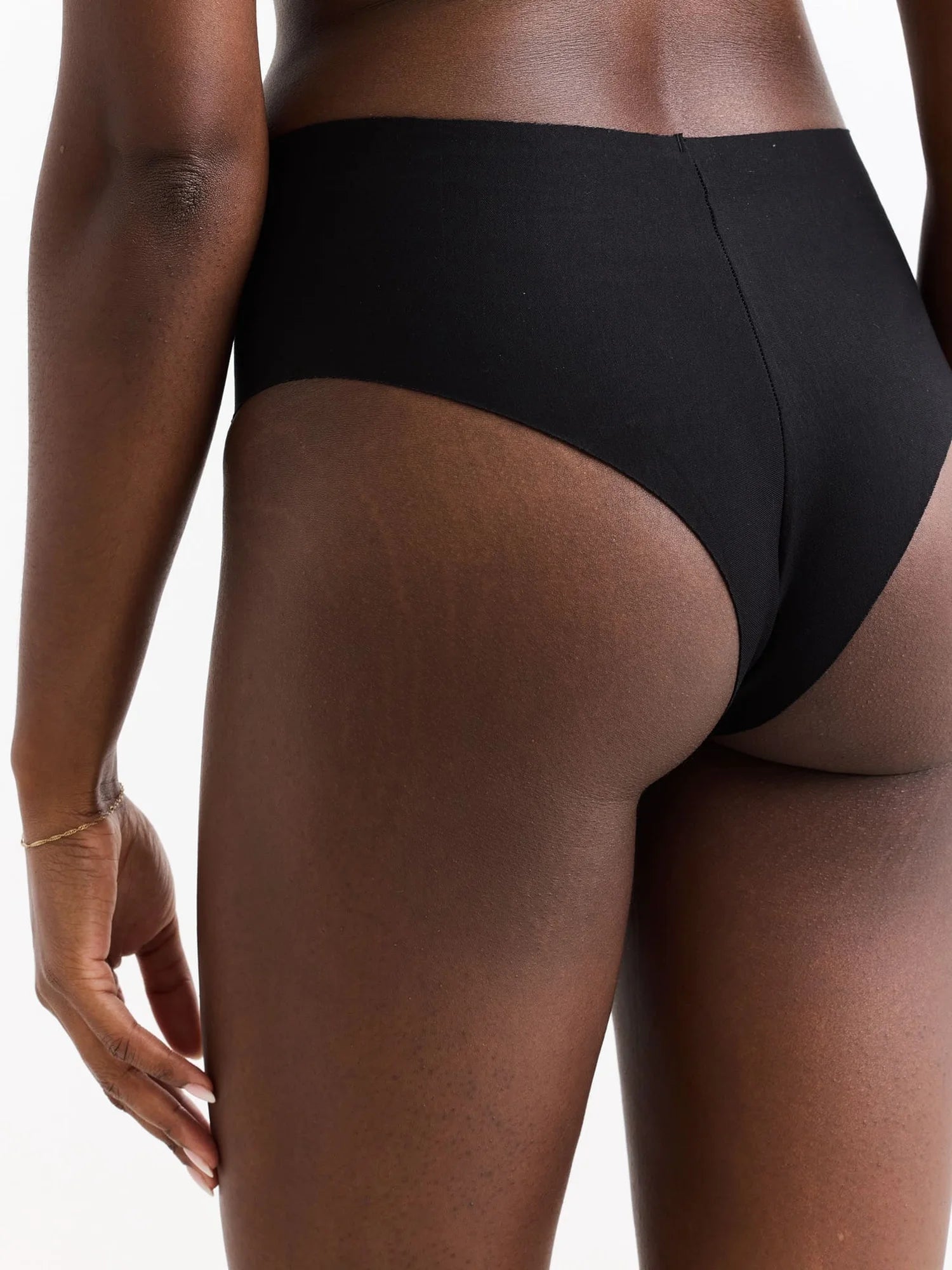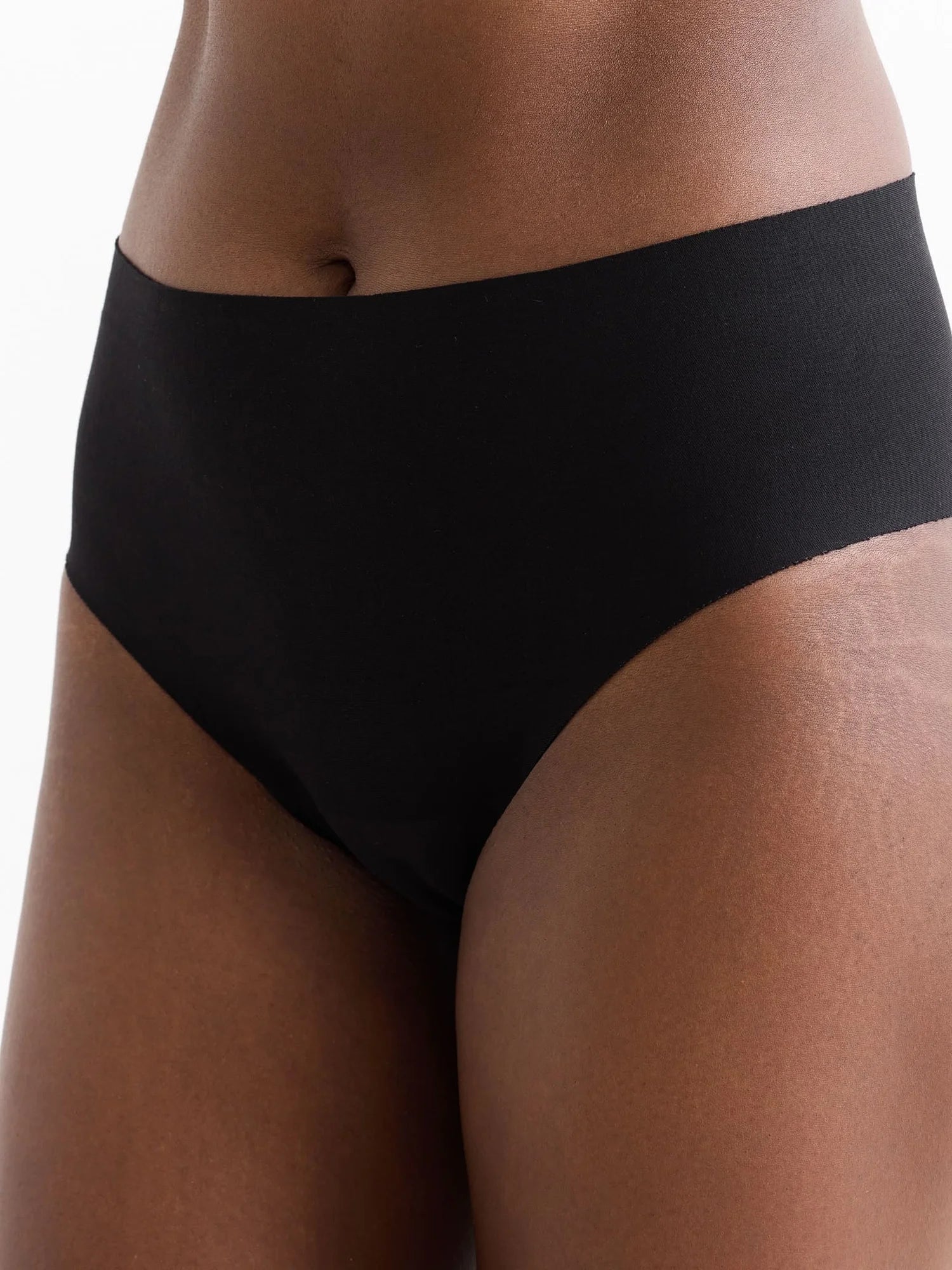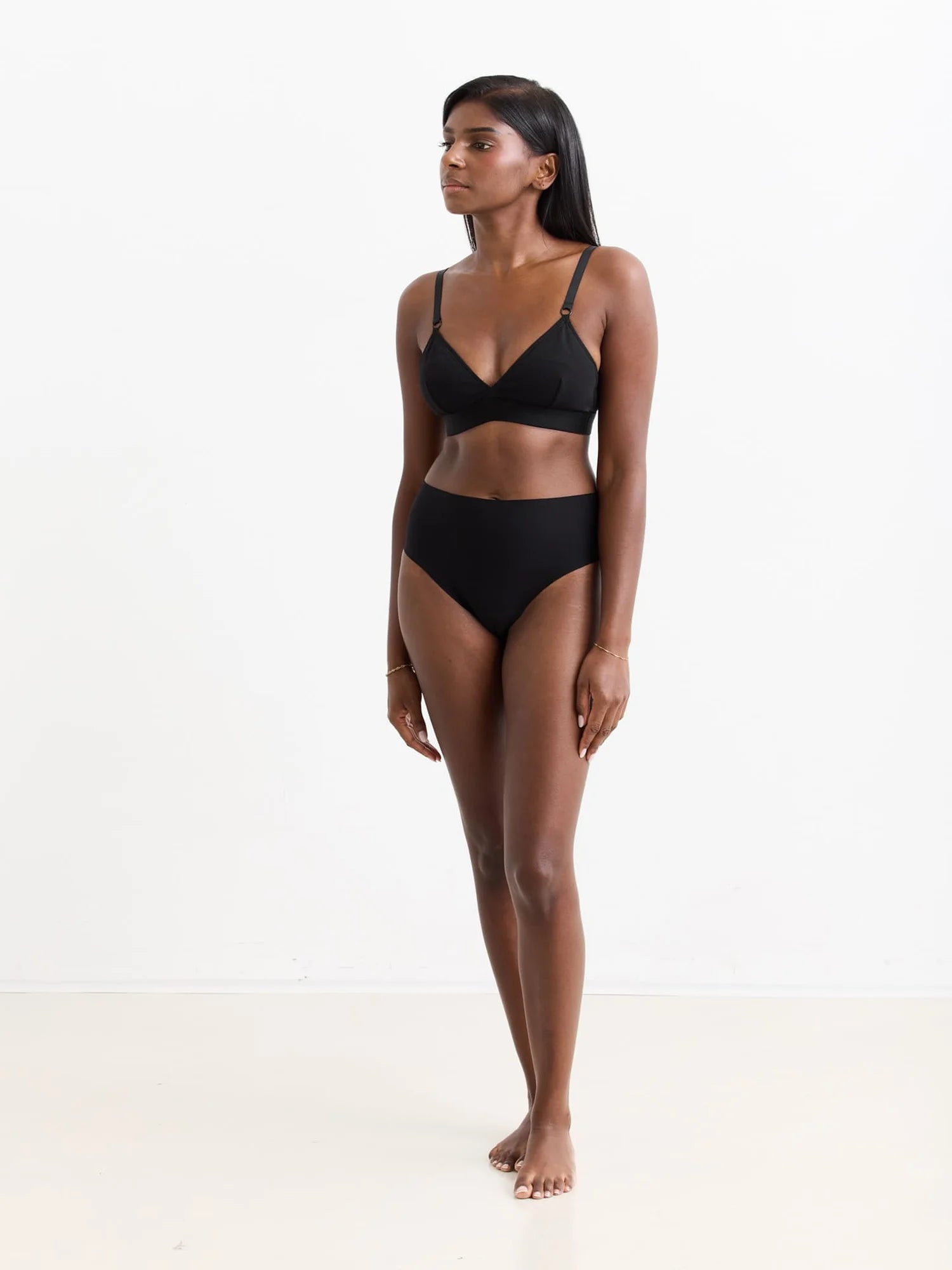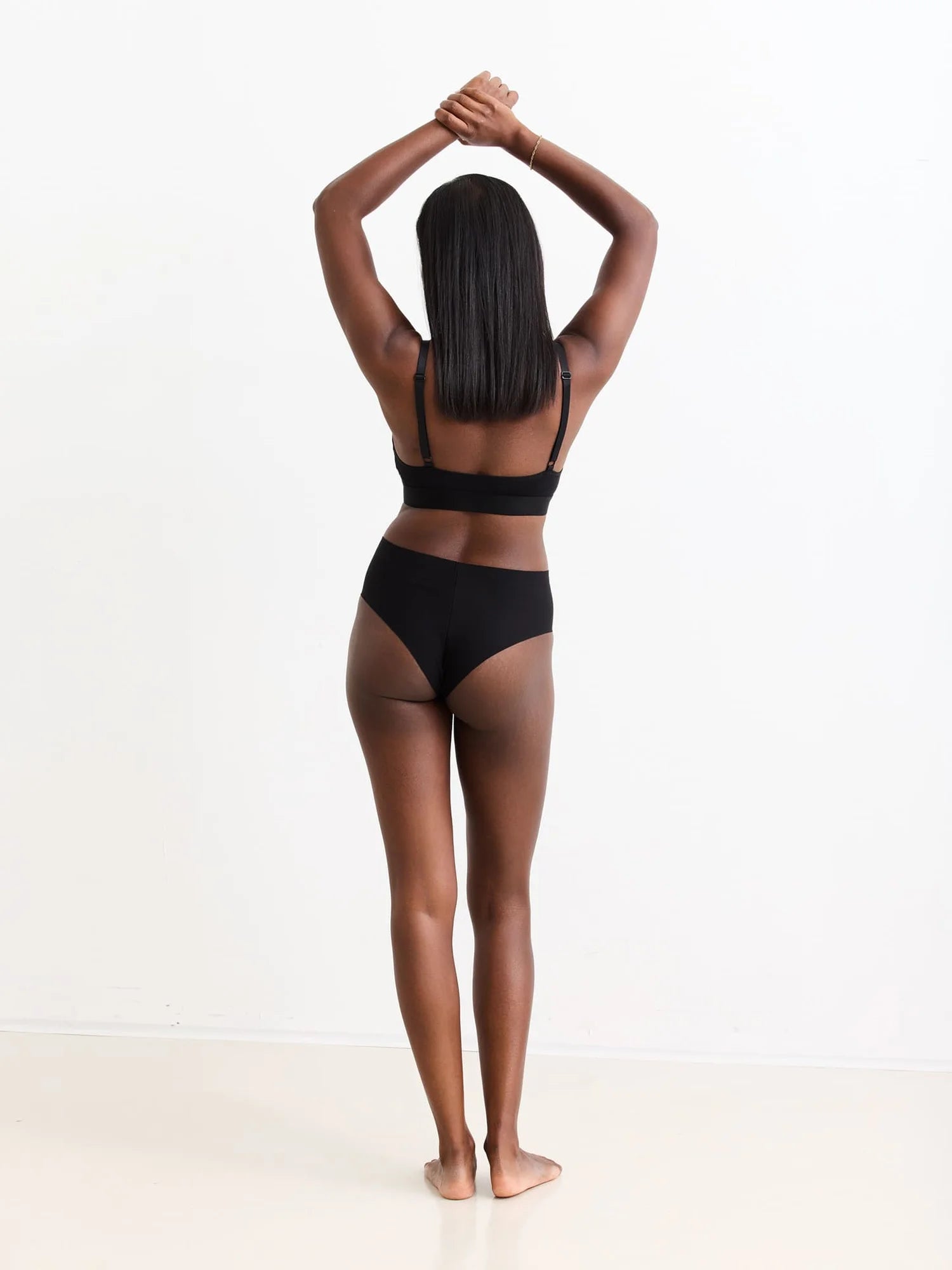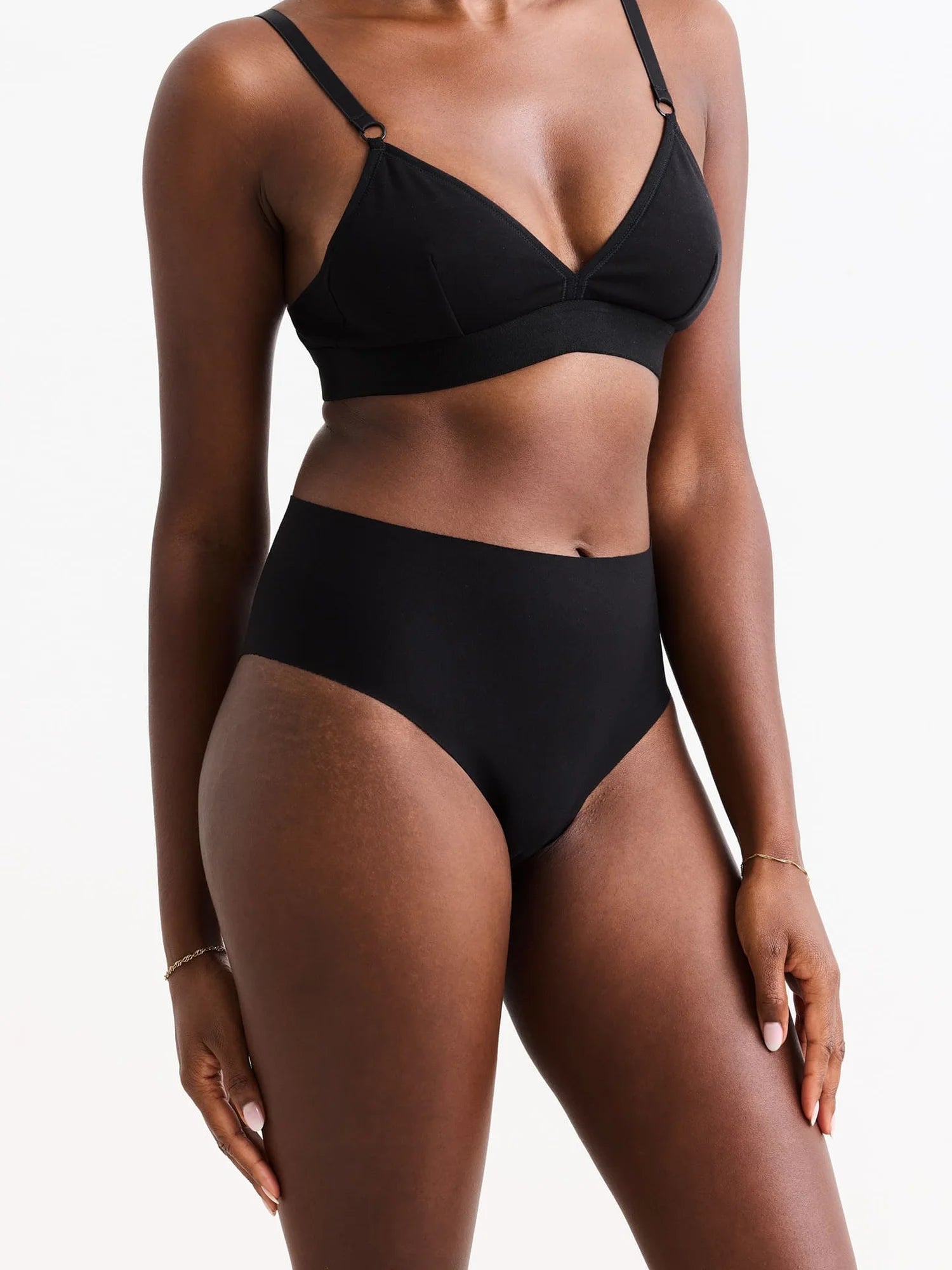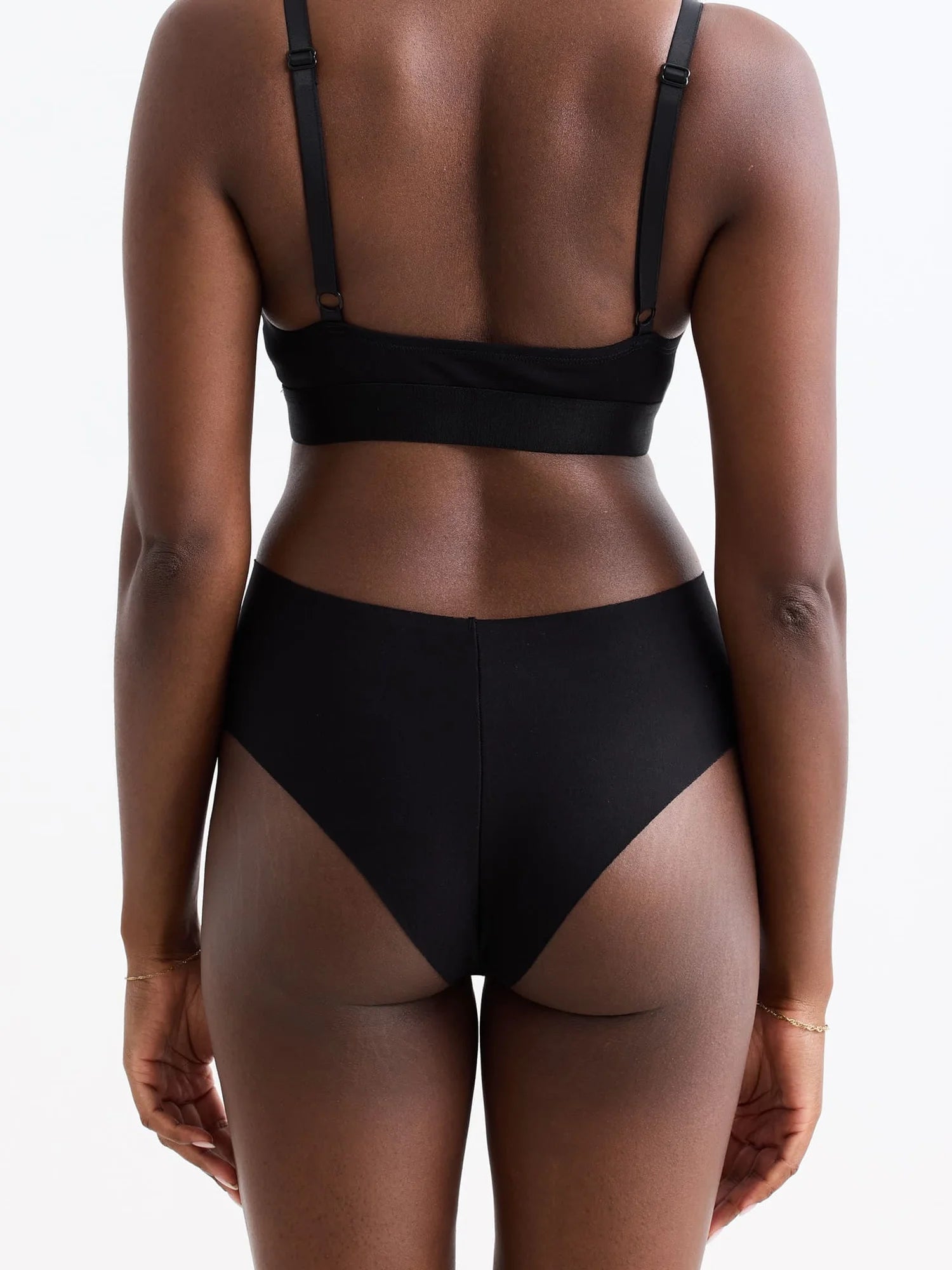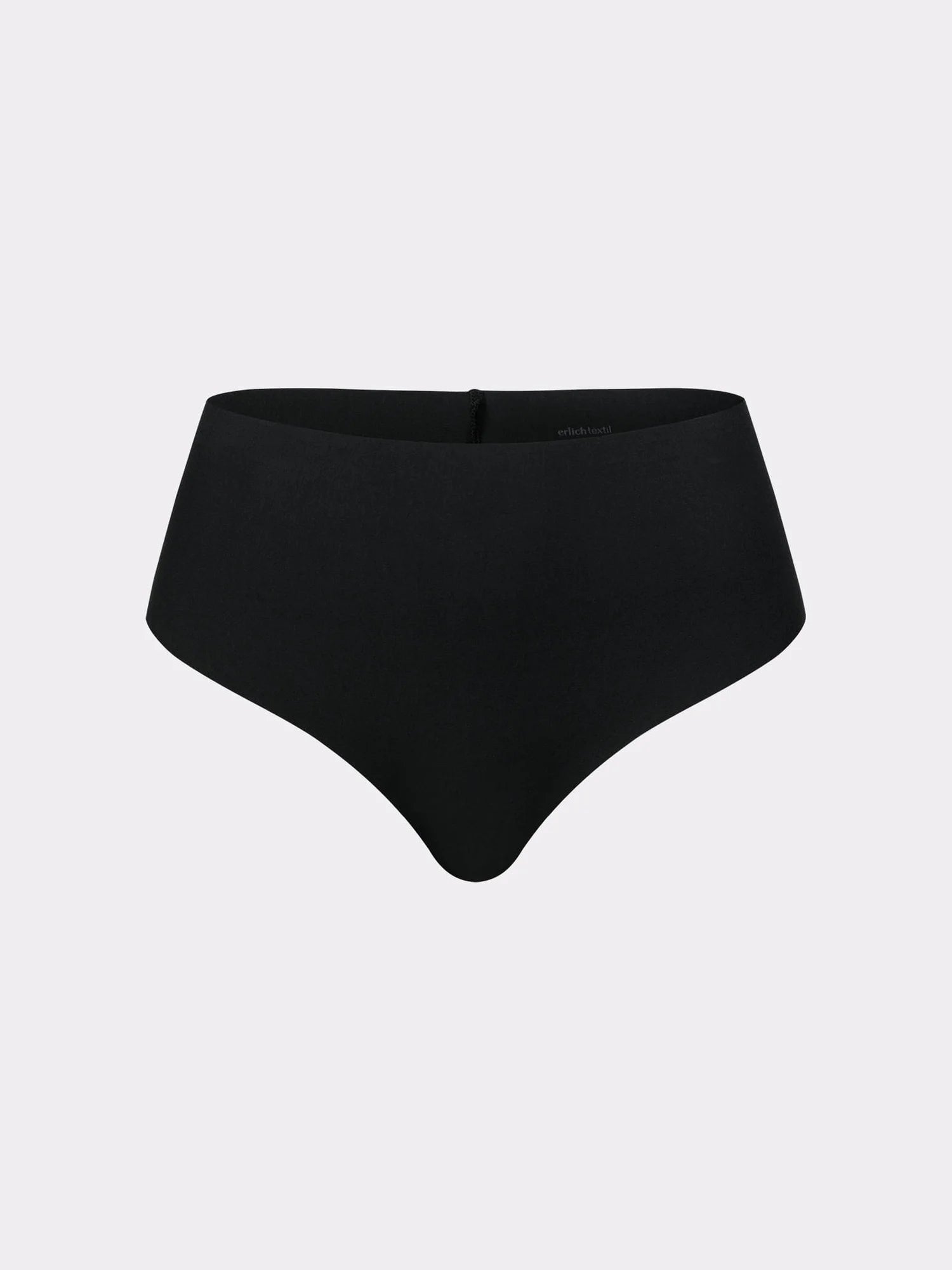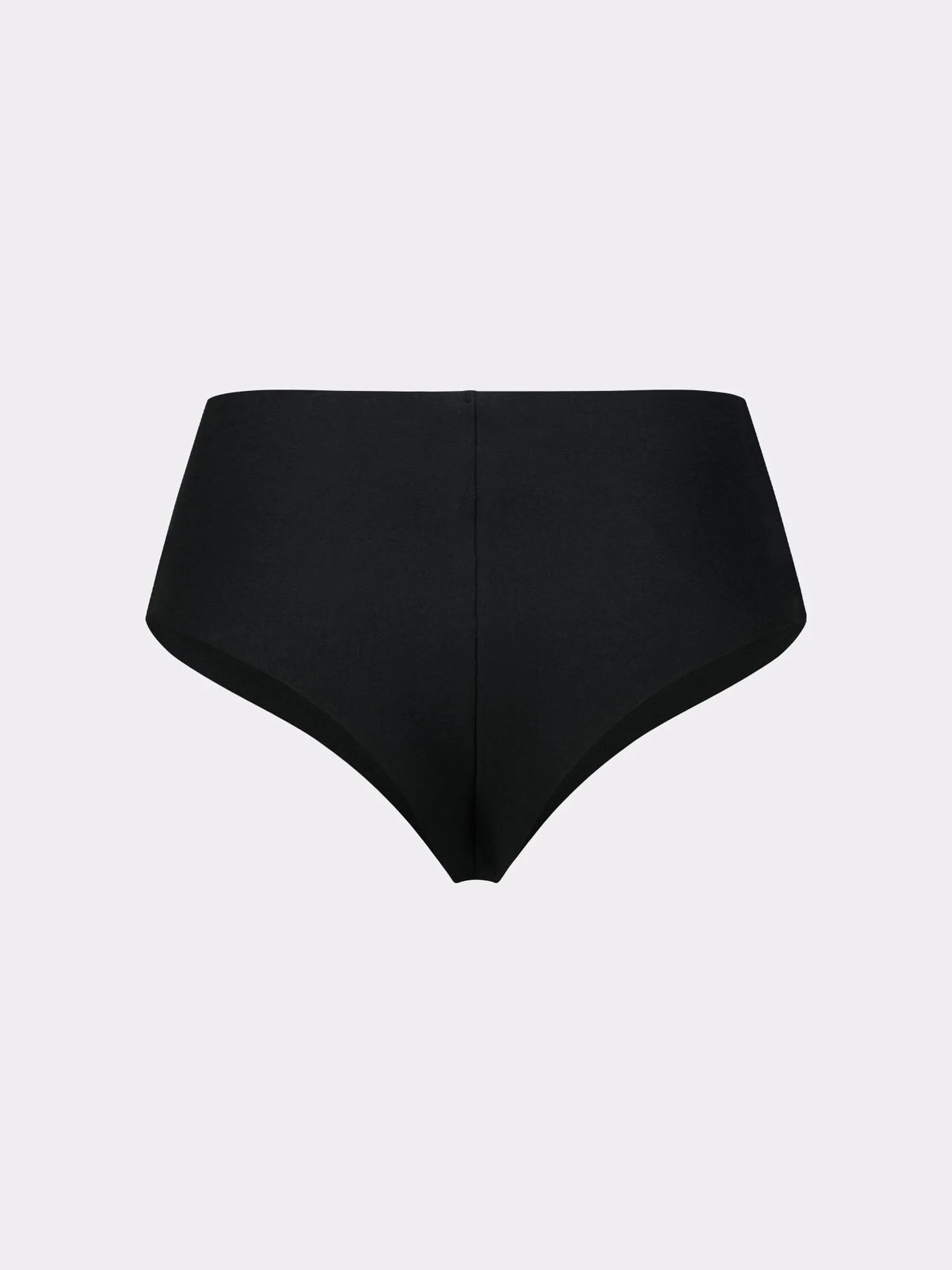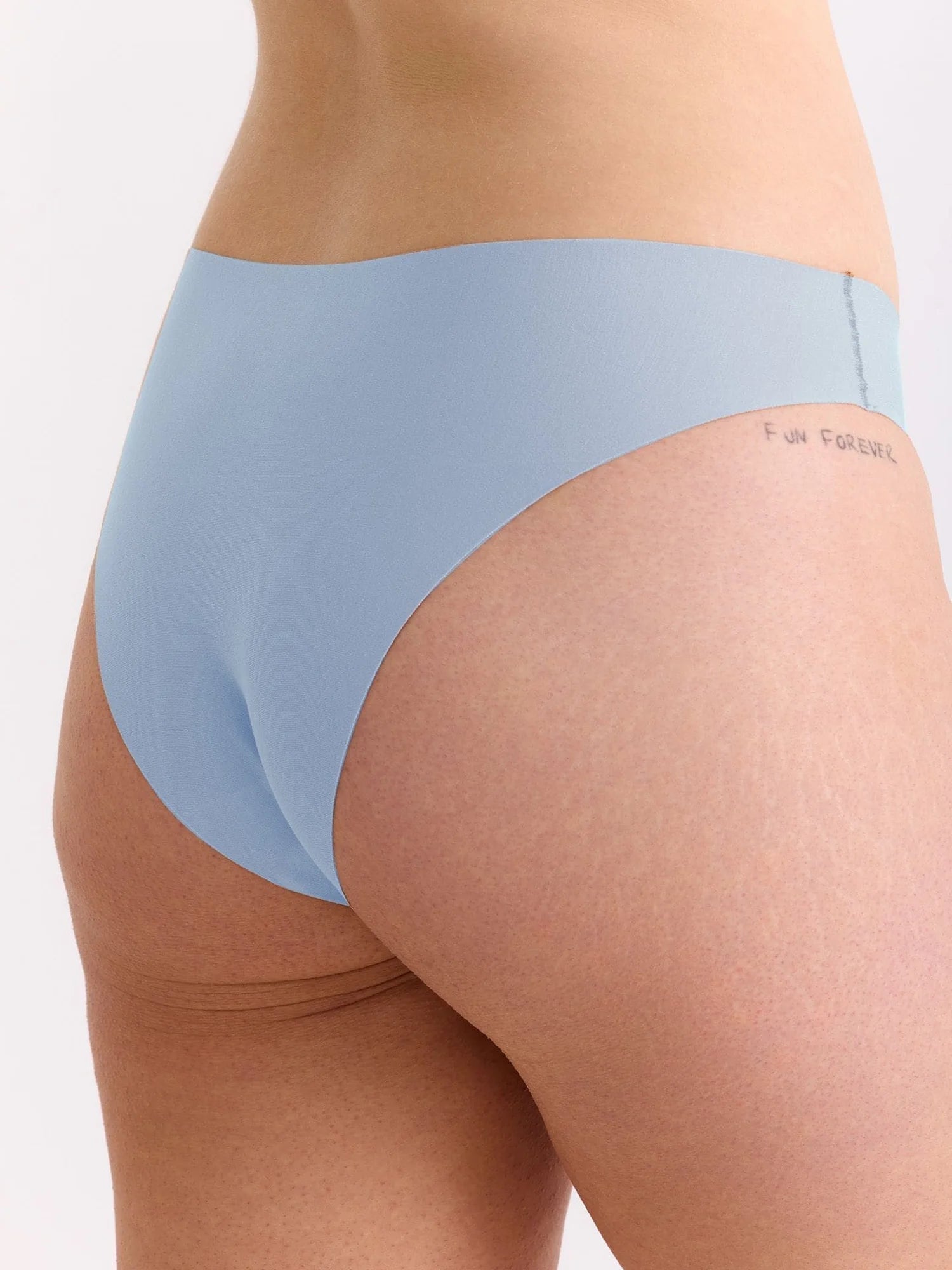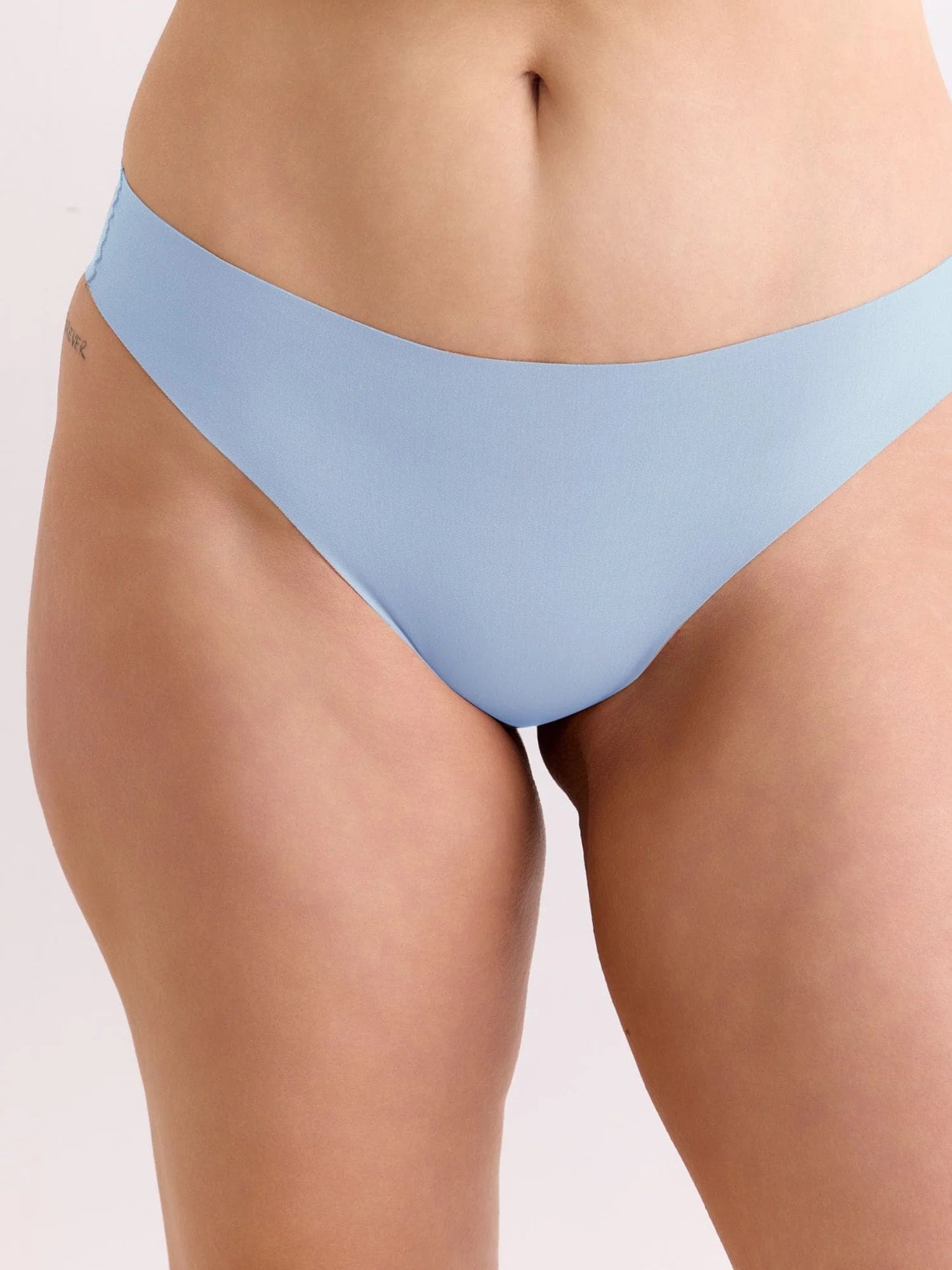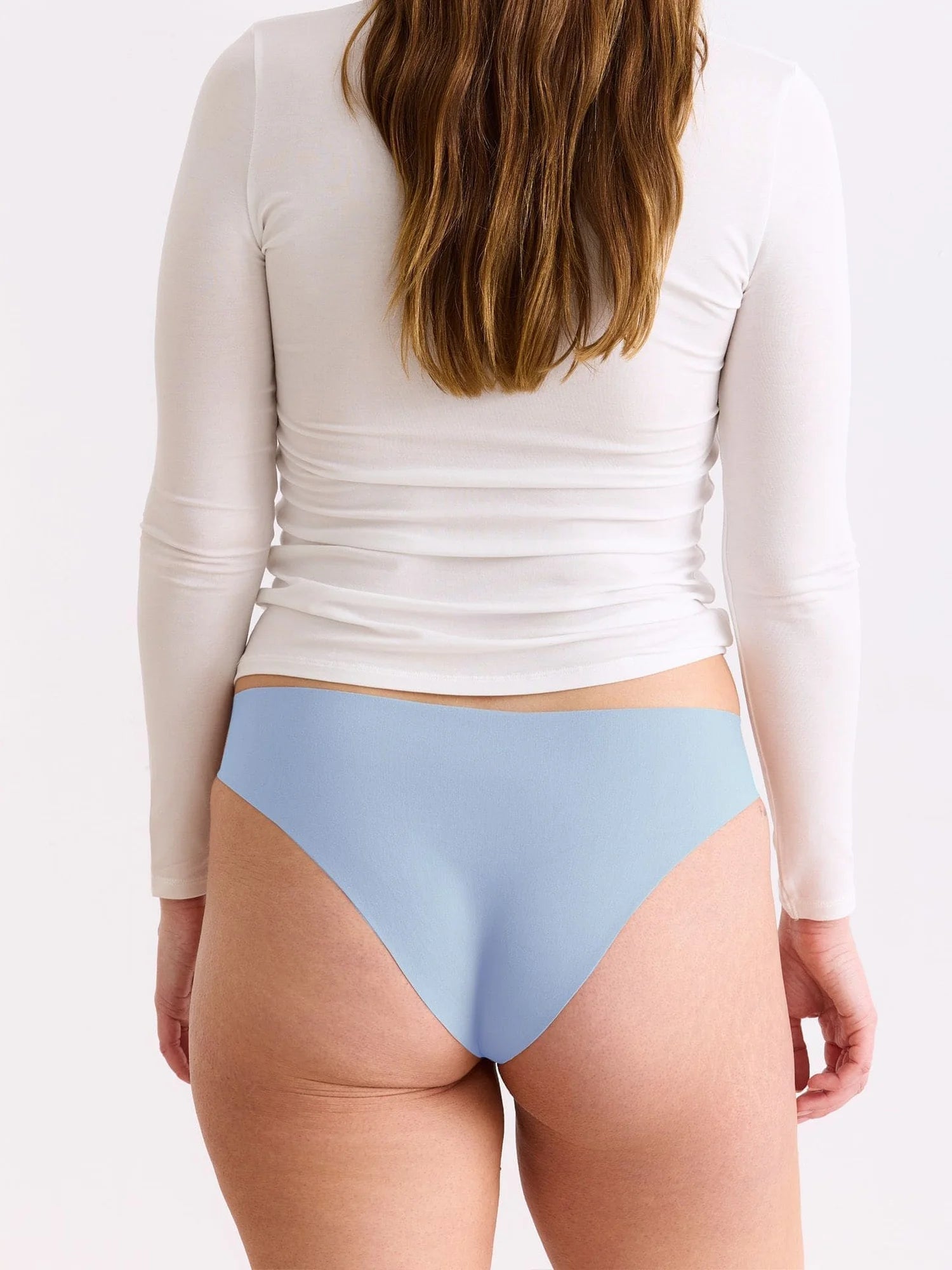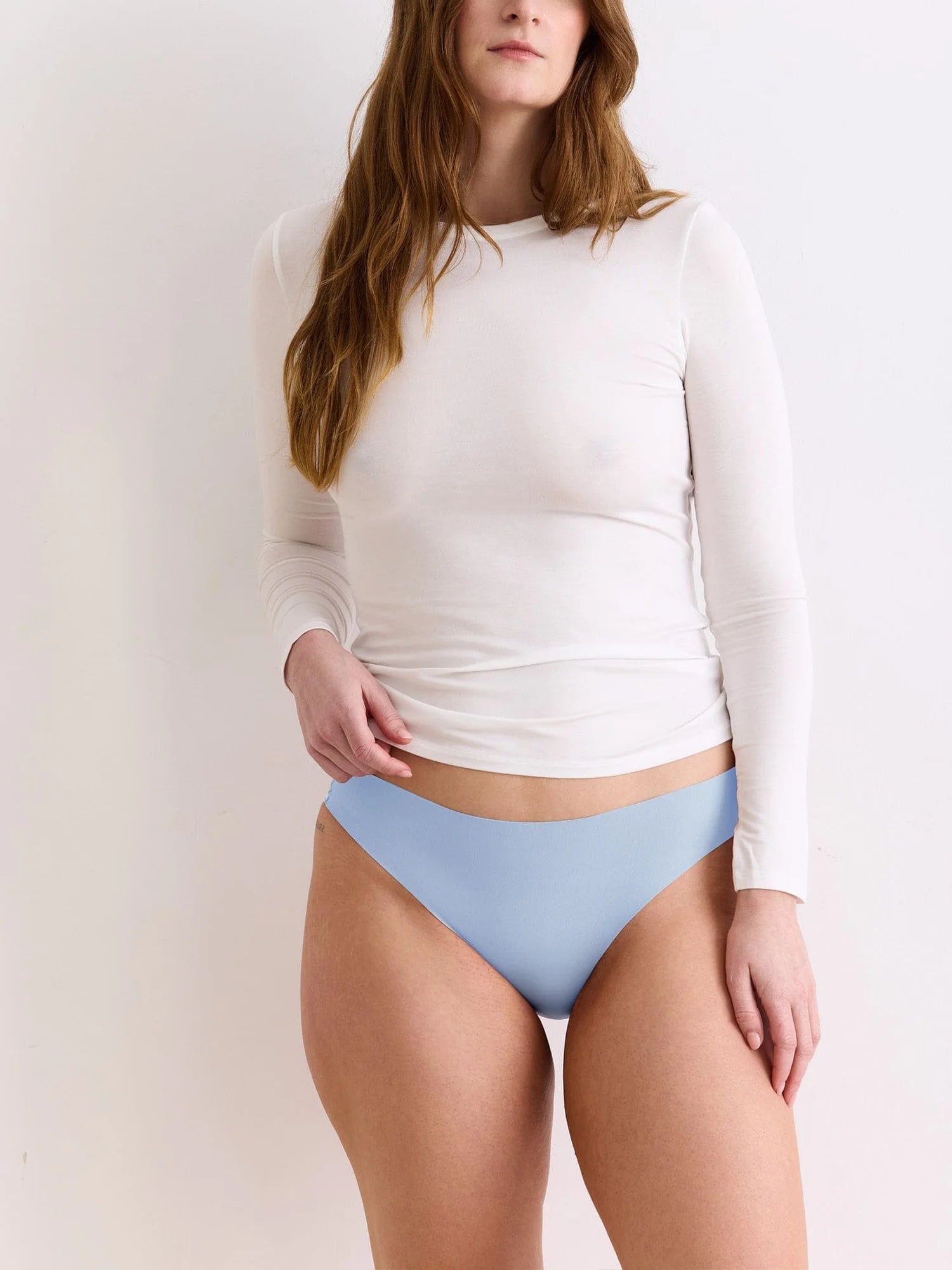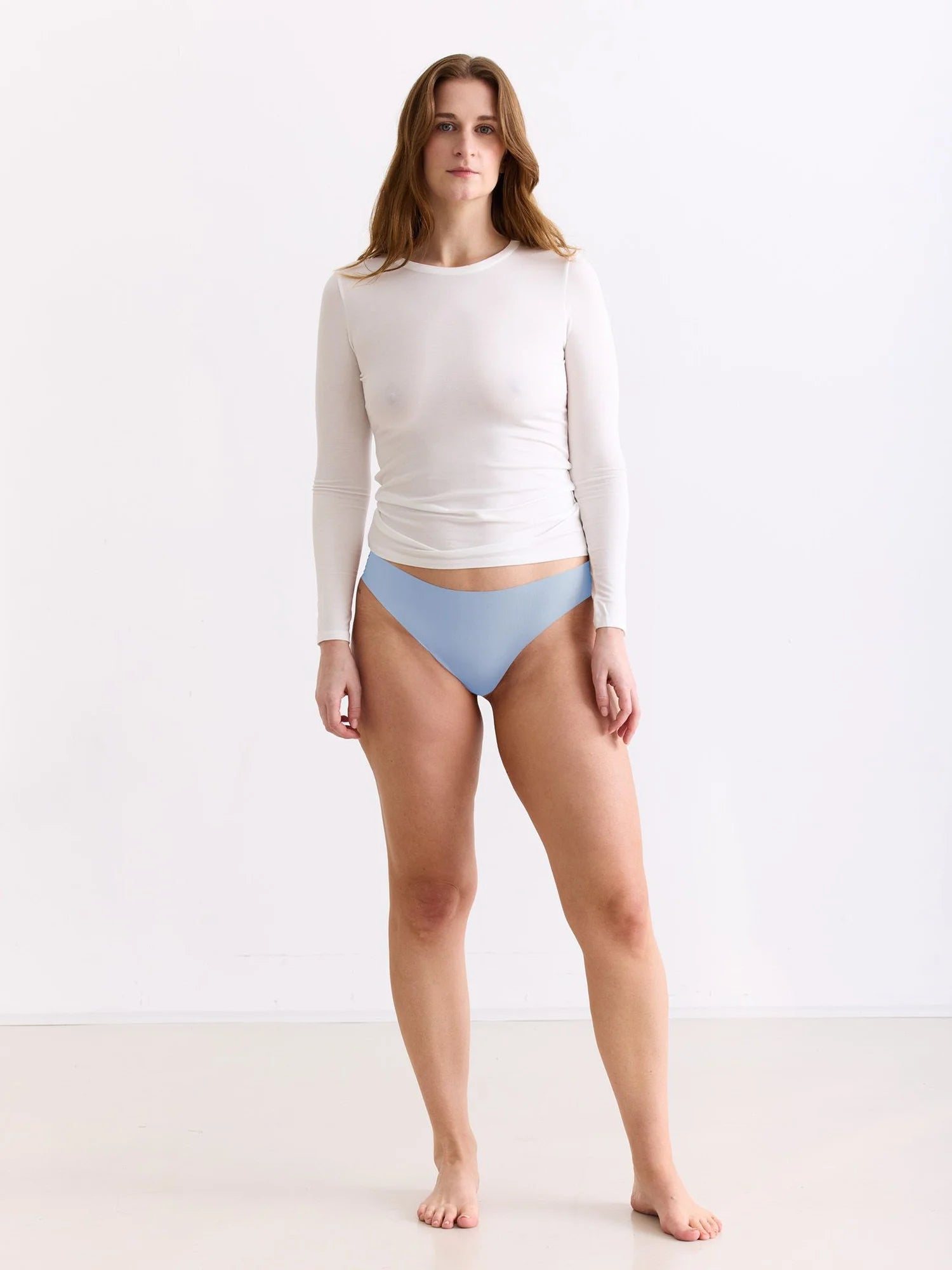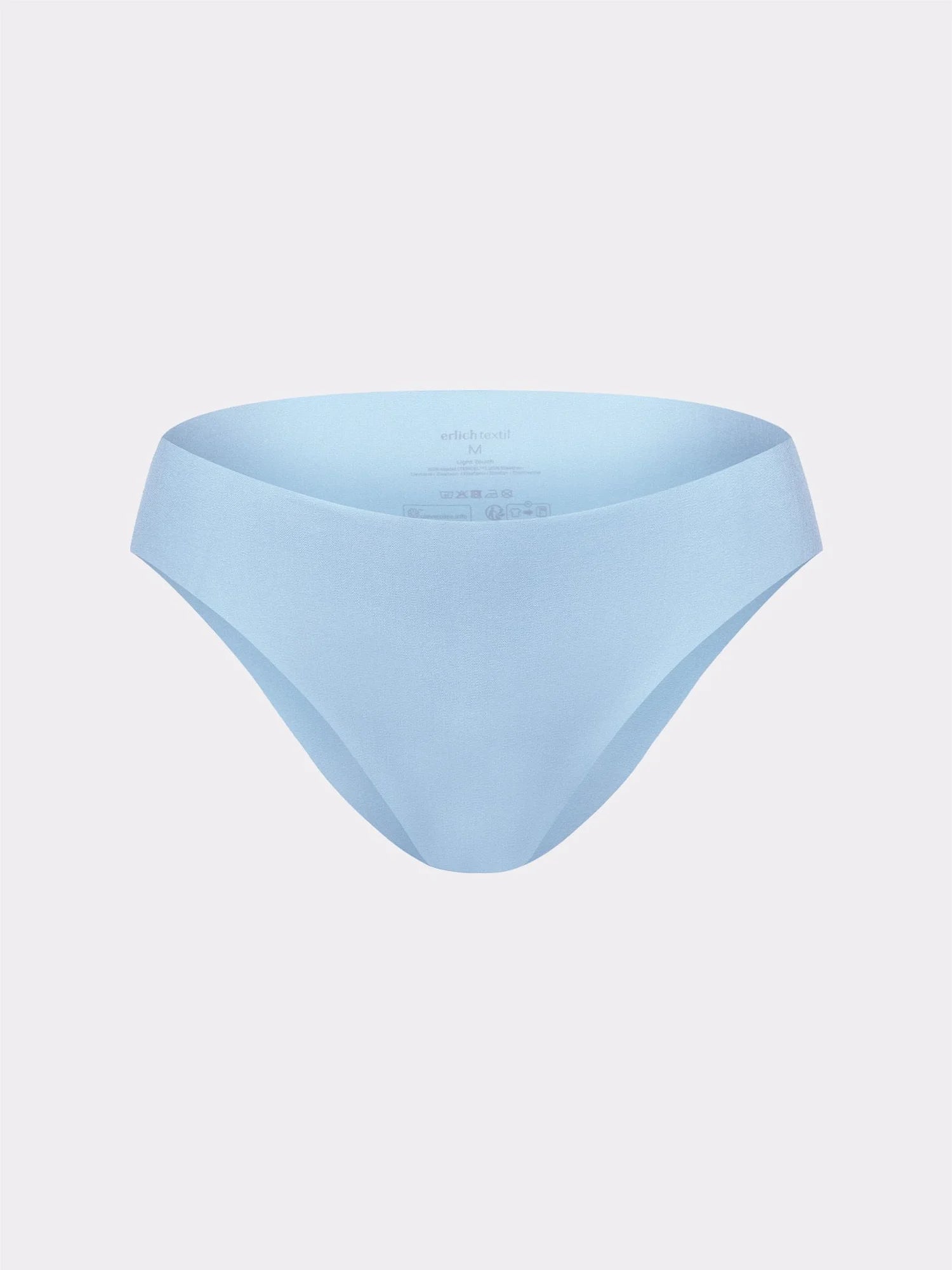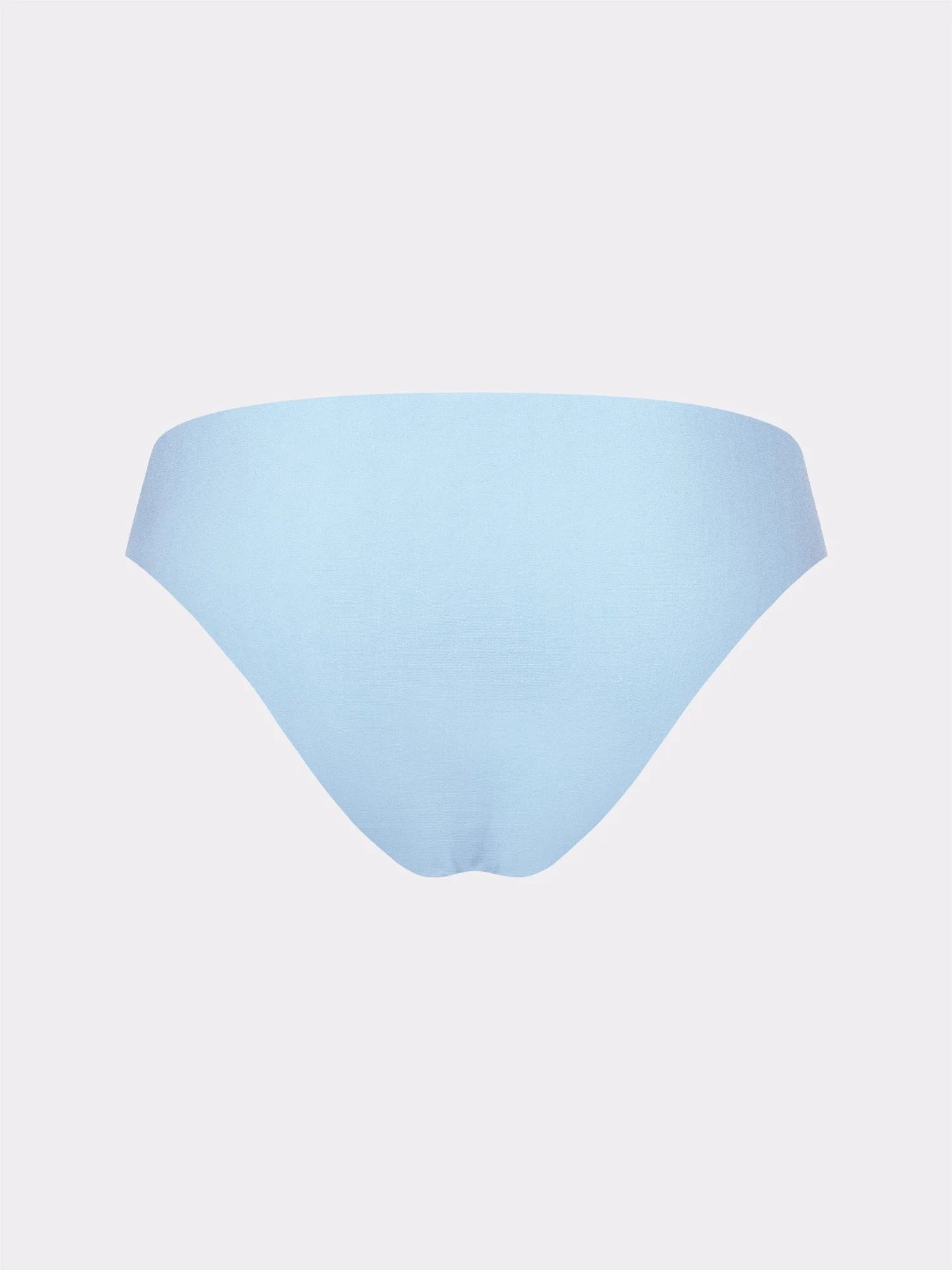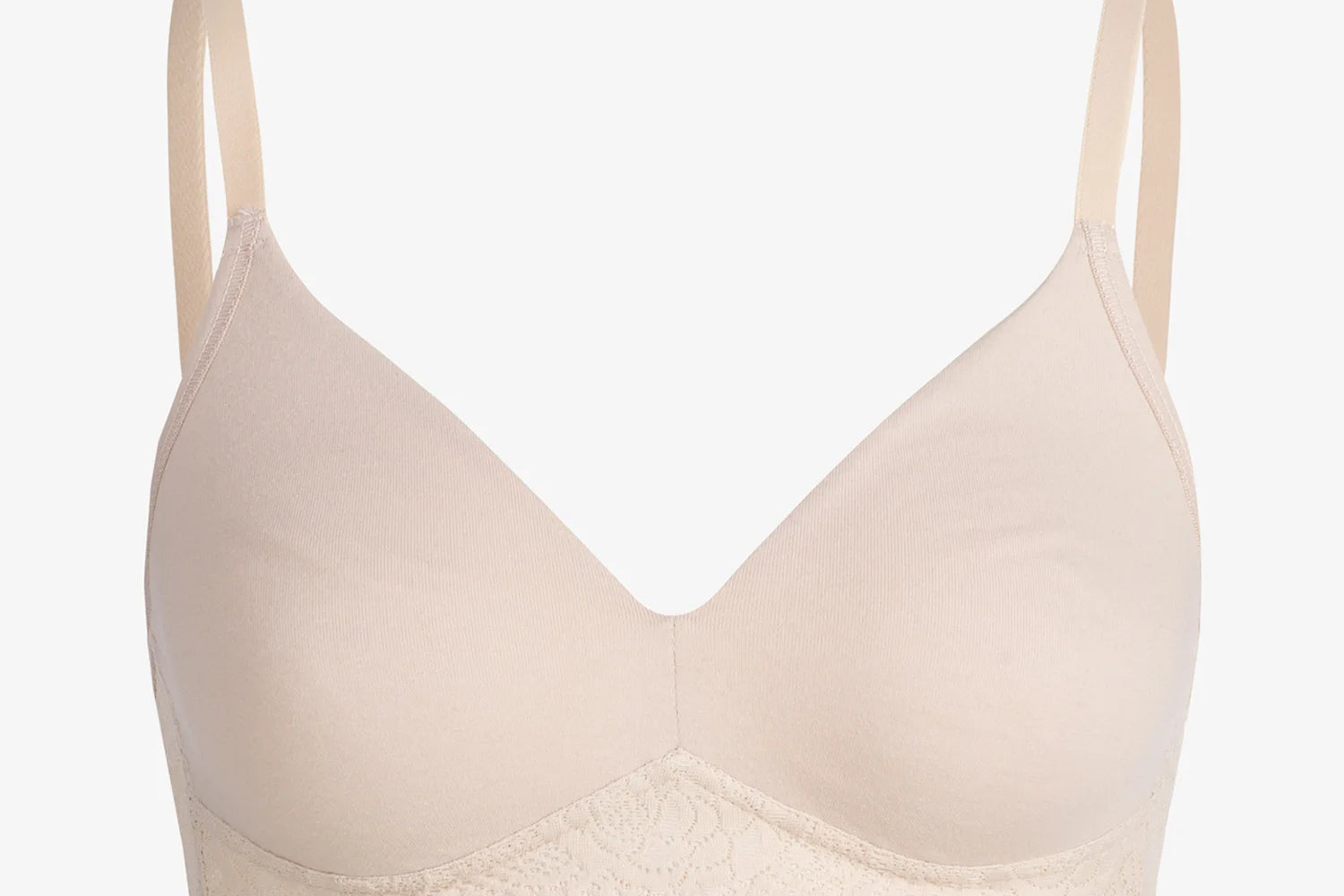
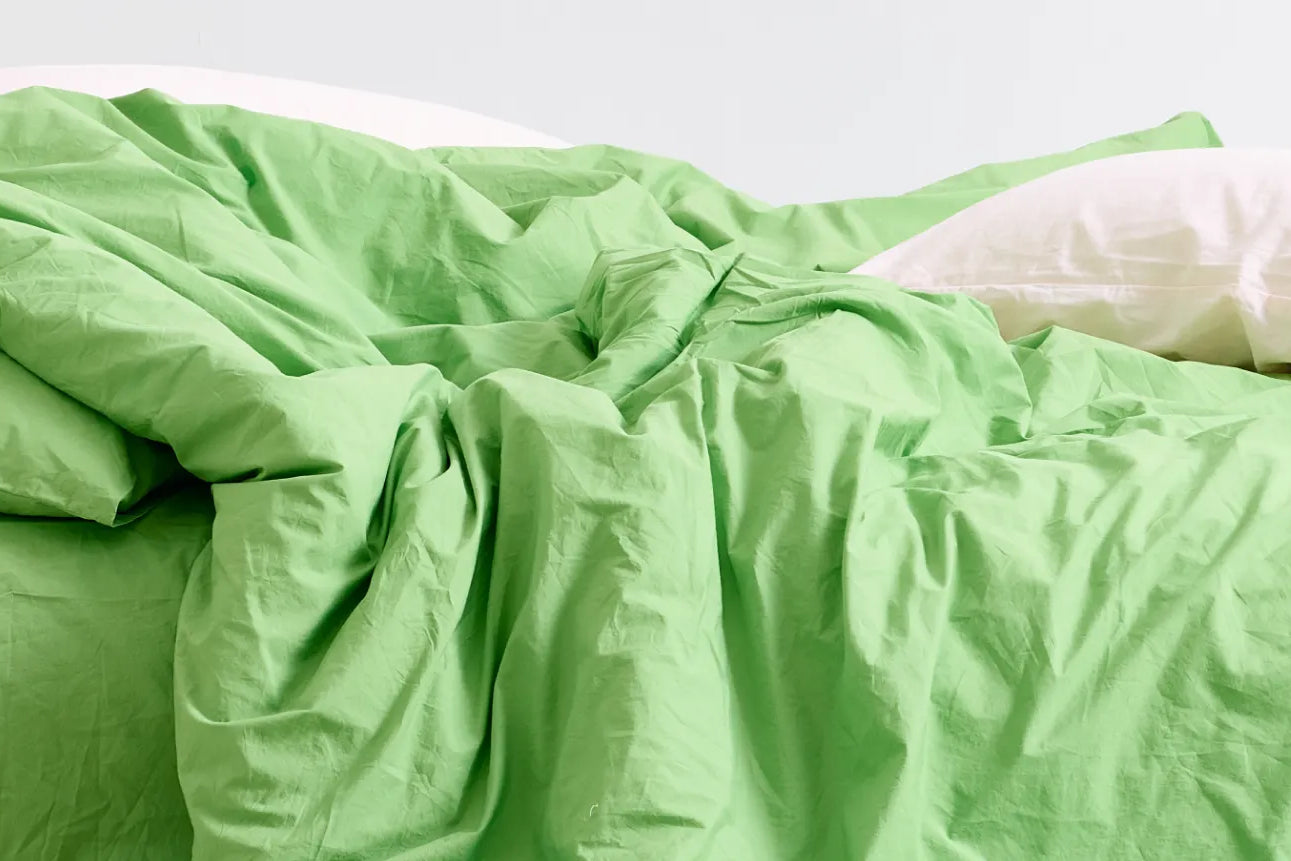
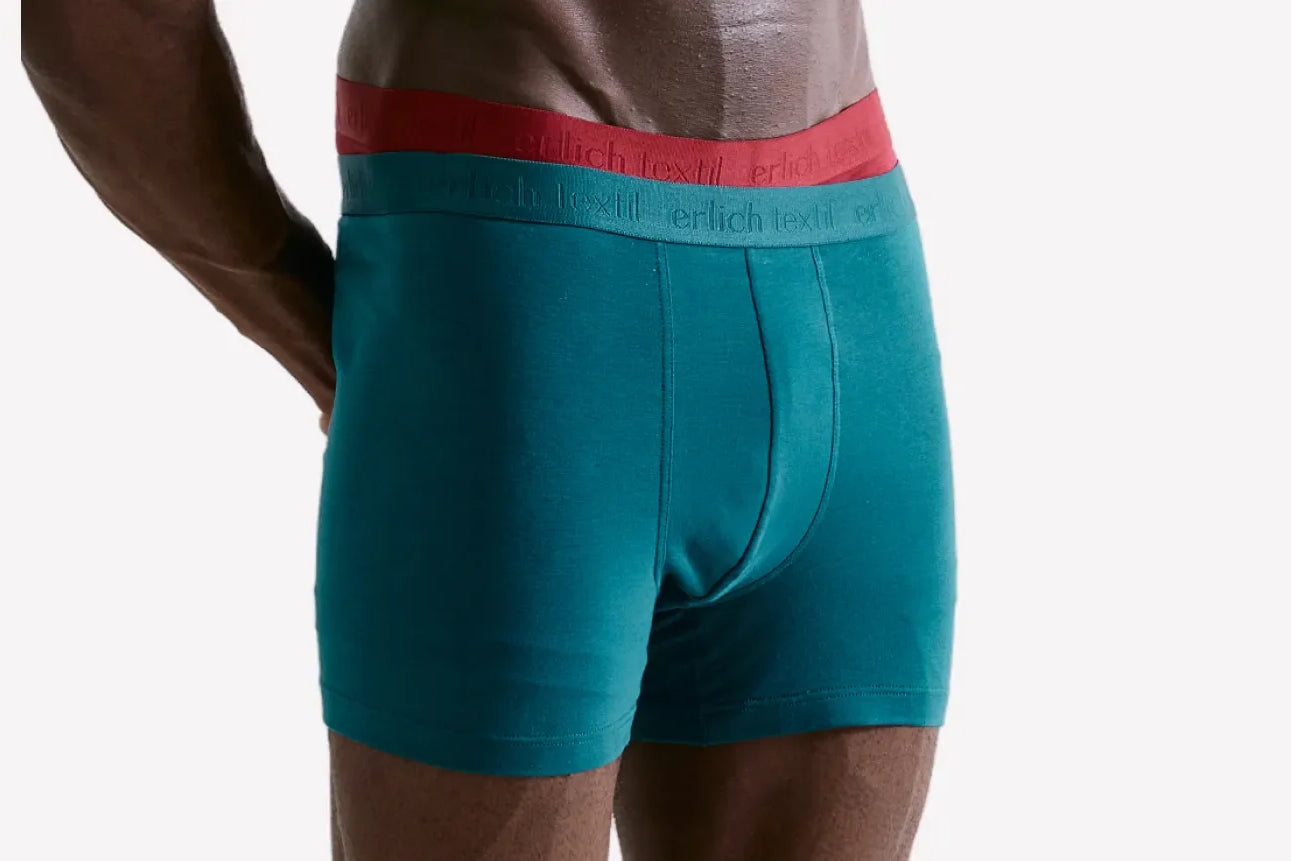
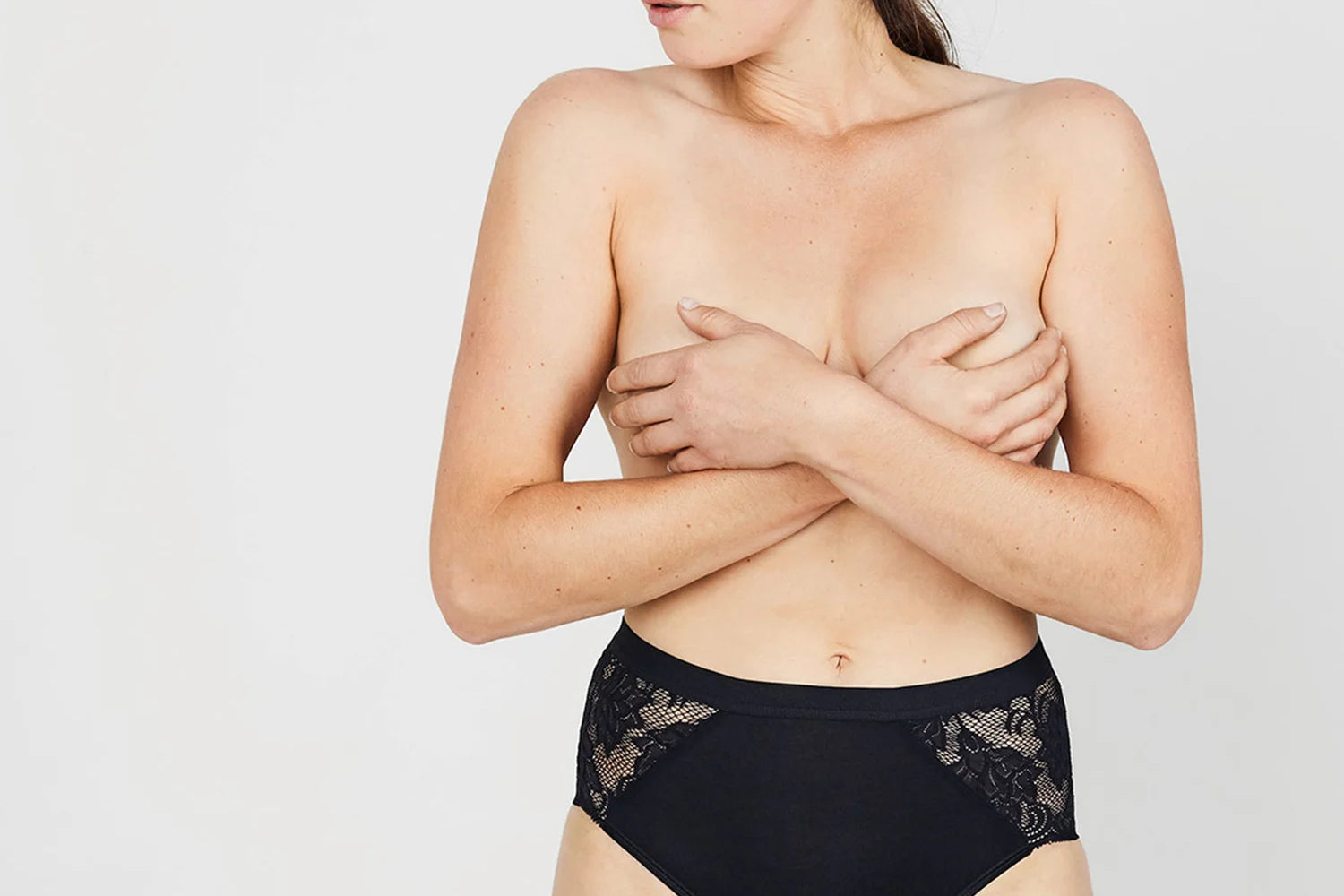


Modal is a cellulose fibre made from beech wood. It is lighter and softer than cotton, and according to Lenzing the fibre absorbs moisture better. We only use TENCEL™ Modal from Lenzing in Austria. The beech wood comes from over 99% FSC- and PEFC-certified European forestry, produced with the oxygen-based Eco Clean technology. This guide gives you an honest read: what modal actually is, how it is made, how it compares with cotton and lyocell, how to care for it, and when it fits your wardrobe best.
What is modal?
Modal is a regenerated fibre made from 100% natural cellulose, sourced from beech wood. It belongs to the same fibre family as viscose and lyocell. Unlike synthetic fibres such as polyester, modal isn't petroleum-based; it comes from a renewable plant raw material. Unlike cotton, which is harvested directly from the plant, the cellulose in modal goes through a chemical spinning process. That makes modal technically semi-synthetic: natural raw material, engineered spinning.
Modal fibres are remarkably fine. On average, 10 kilometres of fibre weigh just 1.3 grams. The even finer Micromodal variant comes in at 1 gram per 10 kilometres. For context, a human hair is several times thicker. That is why modal fabrics feel like almost nothing on the skin.
TENCEL™ Modal vs. generic modal
Here is where it gets interesting: not all modal is the same. Some modal production routes are chemically heavy and resource-intensive. That is why we chose TENCEL™ Modal from Lenzing in Austria, a premium grade produced with Eco Clean technology. Eco Clean uses oxygen-based bleaching chemistry, which according to Lenzing is more environmentally efficient than the conventional alternative. The beech wood comes from over 99% FSC- and PEFC-certified European forestry, mostly from Austria.
If a care label just says “modal”, you don't know the wood source or the bleaching process. If it says “TENCEL™ Modal” or “Lenzing Modal”, you have the extra information: certified wood, Eco Clean processing.
How is modal made?
The process runs through several stages. Simplified:
- Wood sourcing: beech trunks from FSC- and PEFC-certified forests are de-barked and chipped. Lenzing uses wood that isn't suitable for higher-value uses (e.g. furniture making).
- Pulping: pure cellulose is chemically extracted from the wood chips.
- Spinning: the cellulose is prepared into a spinning solution and pushed through fine nozzles to form continuous filaments. This is where Lenzing's Eco Clean technology comes in.
- Yarn and fabric: fibres are spun into yarn, dyed and knitted into jersey.
Lenzing recovers process chemicals at high rates and minimises wastewater and emissions. By-products like sodium sulphate and soda aren't dumped; they are handed off to the detergent, glass and food industries. That circular-economy approach breaks with the linearity of conventional textile production.
The modal fibre under the microscope
Each modal fibre has a particularly smooth surface. That is what creates the silky hand: smooth surfaces reflect light evenly and cause less friction on the skin. According to Lenzing the fibre also moves moisture. It pulls liquid away from the skin and moves it to the fabric surface, where it can evaporate. That is why modal feels especially soft and smooth to wear, finer than many cotton qualities.
Properties of modal
Modal is a fibre with clearly defined strengths. Here is what you actually feel on your skin, and how you recognise modal pieces in your drawer:
- Silky-smooth hand, thanks to the smooth fibre surface and the fineness.
- According to Lenzing breathable and moisture-absorbing, useful if you run warm or wear it in summer.
- Absorbs moisture and moves it outward, according to Lenzing.
- Easy-care, wrinkles far less than cotton and irons easily.
- Dimensionally stable, holds shape through many wash cycles.
- Smooth fibre surface, so little friction on the skin, especially combined with our OEKO-TEX Standard 100 supplier-level chain.
Modal isn't the ultimate sportswear material. Under heavy-sweat workloads, lyocell or technical fibre blends usually outperform it. But in daily wear, office hours, travel and sleep, modal plays to its strengths.
When does modal beat cotton?
This is the question we hear most often. Three clear situations where modal is the better pick:
- You sweat quickly. Modal moves moisture outward better than cotton. Cotton absorbs sweat and stays damp; modal disperses it and dries faster.
- Cotton feels stiff after many washes. Modal stays silky even after 50 wash cycles. Cotton jersey often gets a touch stiffer over time.
- You want an almost-invisible wear feel. Modal wears like almost nothing. If you want underwear to disappear under a shirt, blouse or dress, modal is your fibre.
Looking for a piece now? Browse our modal underwear for women. All styles are made from TENCEL™ Modal by Lenzing, in sizes XS to XXL.
Modal vs. cotton vs. lyocell: the cellulose comparison
Modal, lyocell and cotton are all cellulose-based and are often positioned as alternatives to each other. Where do the real differences lie?
| Criterion | TENCEL™ Modal | TENCEL™ Lyocell | Certified-organic cotton (kbA) |
|---|---|---|---|
| Raw material | Beech wood | Eucalyptus / beech | Cotton plant |
| Process | Eco Clean (oxygen-based) | Closed-loop (>99% solvent recovery) | Certified organic farming (kbA) |
| Hand | silky, fluid | silky, slightly more stable | classic cotton, more robust |
| Moisture | regulates better than cotton | top, stable even when wet | high absorption, stays damp longer |
| Breathability | high | high | high |
| Care | up to 60 °C, 40 °C recommended | up to 60 °C | 60 °C and above |
| Wrinkle resistance | strong | strong | lower |
| Drying time | medium | fast | slow |
| Ideal for | daily wear, summer, bras/briefs/bodies | active days, long-life basics | sensitive skin, classic basics |
All three cellulose fibres share a similar ecological backstory (renewable raw material, lower water footprint in fibre production), but distinct sensory profiles. If you want a deep-dive on lyocell versus cotton specifically, we covered that in our magazine article Lyocell vs. Cotton.
When to pick which
- Modal: when wear comfort, a soft drape and a silky hand matter most. Classic use: bras, bralettes, briefs, bodies, loungewear for warmer seasons.
- Lyocell: when you want fabric that stays stable when wet, sweats a lot, or pieces that have to last.
- Cotton (kbA): when you have sensitive skin, love classic cotton hand, or want especially robust basics. Our cotton underwear for women is fully from certified-organic farming or Cotton in Conversion.
How to care for modal
Modal is easy to care for, and a few rules massively extend its lifespan.
Washing. Modal tolerates 30 to 60 °C, but we recommend maximum 40 °C on a gentle cycle with mild detergent. Spin low, 600 rpm is plenty. Put bras, bralettes and lace pieces in a mesh wash bag to avoid friction with other textiles. You don't need bleach or fabric softener; both weaken the fibre.
Drying. Modal can go in the tumble-dryer if the care label allows. We still recommend the clothesline, gentler on the fibre and on your electricity bill. Dry larger pieces flat, because wet modal is heavy and can stretch.
Ironing. Modal barely wrinkles. If you do iron: low to medium setting, ideally with steam.
What to avoid: bleach, very hot dryer cycles, aggressive spin programmes, harsh full-load detergents. Skip those and your modal piece stays dimensionally stable and keeps its silky hand for years.
How sustainable is modal? An honest take
Here is our attempt at an honest answer, without sliding into greenwashing.
What we can say factually:
- Beech wood is a renewable raw material, unlike petroleum-based synthetic fibres such as polyester.
- Lenzing beech wood comes from over 99% FSC®- and PEFC™-certified European forestry.
- The Eco Clean technology reduces chemical input in the bleaching step.
- Lenzing recovers process chemicals at high rates and routes by-products (sodium sulphate, soda) into other industries.
- Fibre production uses less water and energy than cotton cultivation and processing, according to Lenzing.
- Our supply chain is OEKO-TEX Standard 100 supplier-level certified. Fibre and processing meet the residual-chemical thresholds.
What we deliberately don't claim:
- Modal is not carbon-neutral. A blanket CO₂ claim isn't defensible at the level of a single fibre.
- Modal is not GOTS-certified. GOTS applies to natural fibres like cotton, not to regenerated cellulose.
- We avoid claims like “PFAS-free” or “microplastic-free”. Modal behaves differently from synthetics at end-of-life, but without clear study data we don't oversell it.
Our position: modal is a sensible cellulose option with clear, evidence-backed strengths. It isn't the silver bullet some marketing claims suggest, but compared with conventional polyester underwear it is a noticeably more conscious choice.
Modal at erlich textil
We use modal in our women's range: bras, bralettes, briefs, strings, bodies, tops, loungewear and sleepwear. We deliberately don't use modal in our men's range. There, we cover the silky direction with TENCEL™ Lyocell.
If you want to shop a piece now: all current TENCEL™ Modal styles are in our modal underwear for women. If you would like the deeper material backstory, read our background on modal.
Frequently asked questions
Do you sweat in modal?
Modal absorbs moisture and releases it to the surface, so it absorbs moisture well and feels soft and dry on the skin. If you sweat quickly, modal wicks moisture away from the skin and dries faster. For intense workouts, lyocell or technical fibres are the better choice, while for everyday wear, the office and sleeping, modal plays to its soft, moisture-absorbing strengths. You can browse a selection in our modal underwear for women.
What is modal and what is it made of?
Modal is a cellulose fibre made from beech wood, part of the regenerated-fibre family. We only use TENCEL™ Modal from Lenzing, produced in Austria from over 99% FSC- and PEFC-certified beech, with the oxygen-based Eco Clean technology. The fibre drapes silky-smooth and, according to Lenzing, is more breathable than cotton.
What's the difference between modal and cotton?
Modal is an engineered cellulose fibre from beech wood; cotton is a natural fibre harvested directly from the plant. Modal is lighter, smoother and regulates moisture better, while cotton absorbs more moisture but stays damp longer. For silky-light wear comfort, choose modal; for a classic cotton hand and robust basics, certified-organic cotton.
Modal or lyocell: which is better?
Both are excellent cellulose fibres from wood. Lyocell is produced in a closed-loop process with over 99% solvent recovery and stays dimensionally stable when wet. Modal uses Eco Clean technology and feels particularly silky. At erlich textil we use modal in the women's range and lyocell mostly in the men's range. Both have their place.
At what temperature do I wash modal?
Modal handles 30 to 60 °C, but we recommend a maximum of 40 °C on a gentle cycle with mild detergent. Spin low (max. 600 rpm), use a mesh wash bag, skip the bleach. That keeps the silky hand for the long run.
Is modal sustainable?
It depends on your criteria. Factually: TENCEL™ Modal is made from over 99% FSC- and PEFC-certified wood, Eco Clean reduces chemical input, and process chemicals are recovered at high rates. What modal isn't: GOTS-certified (that applies to natural fibres) or carbon-neutral. We deliberately avoid those blanket claims.
Is modal vegan?
Yes. Modal is made from beech wood, a plant-based cellulose fibre with no animal-derived components. We don't separately label it “vegan” because we don't run a systematic vegan certification, but the fibre itself contains no animal components.
What modal products does erlich textil offer?
Briefs, strings, bodies, bras, bralettes, tops, loungewear and sleepwear in our women's range. An overview is in our modal underwear for women collection. We use modal deliberately in the women's range only; the men's range covers the silky direction with TENCEL™ Lyocell.
Sources
- Lenzing, TENCEL™ Modal & Lyocell: production process, FSC/PEFC sourcing, Eco Clean.
- FSC: Forest Stewardship Council forestry certification.
- PEFC: Programme for the Endorsement of Forest Certification.
- OEKO-TEX Standard 100: residual-chemical certification for textiles.