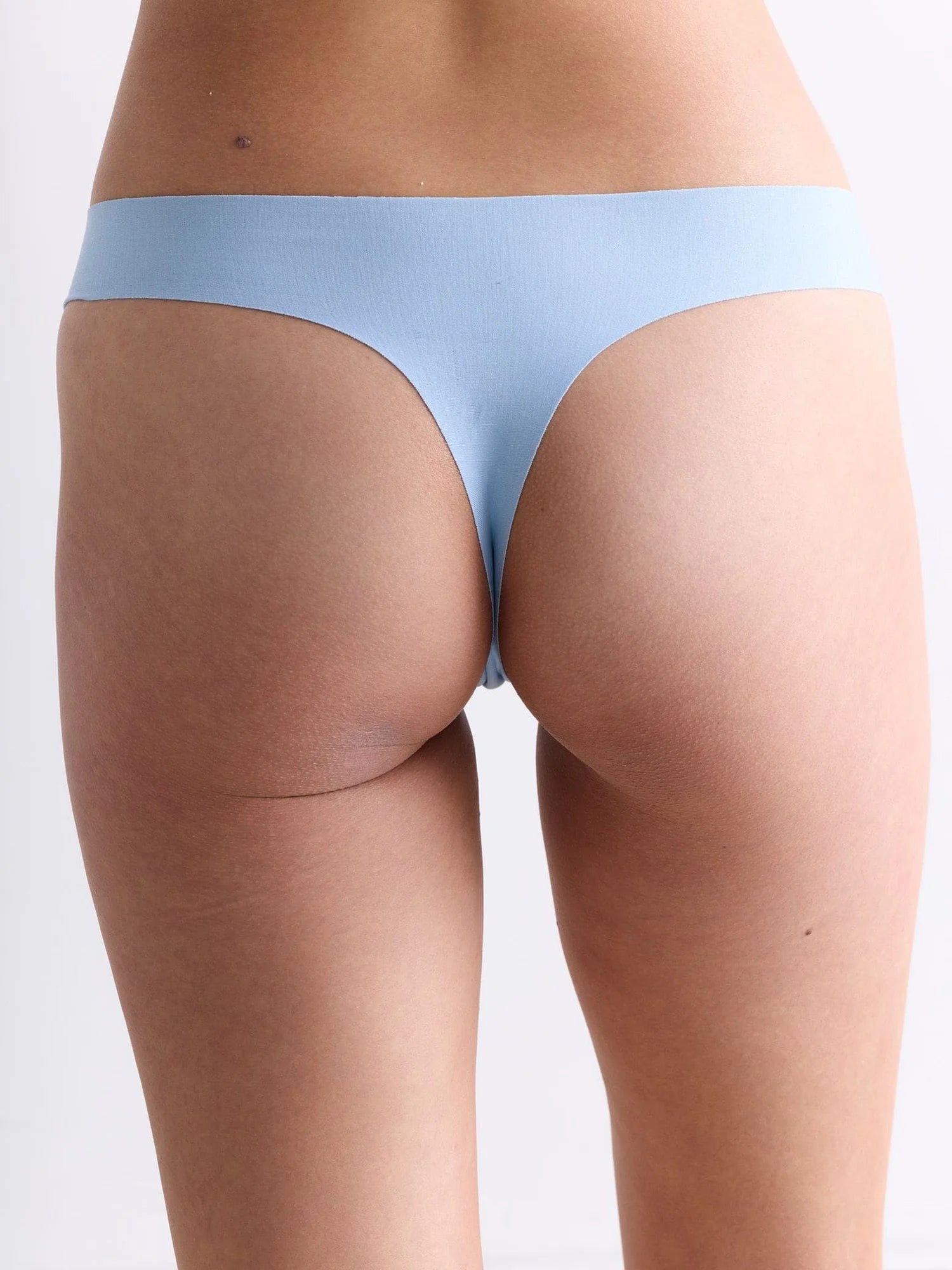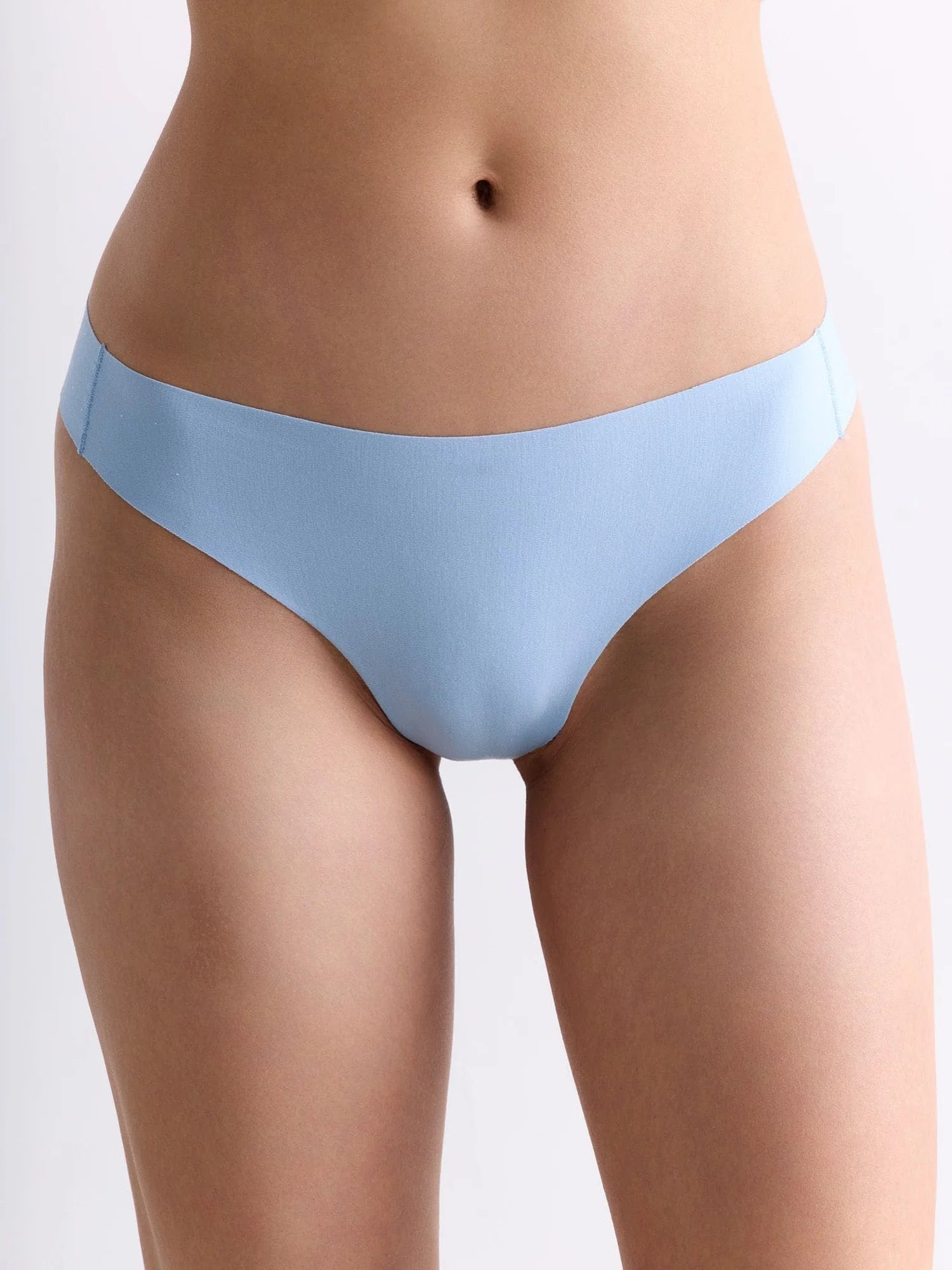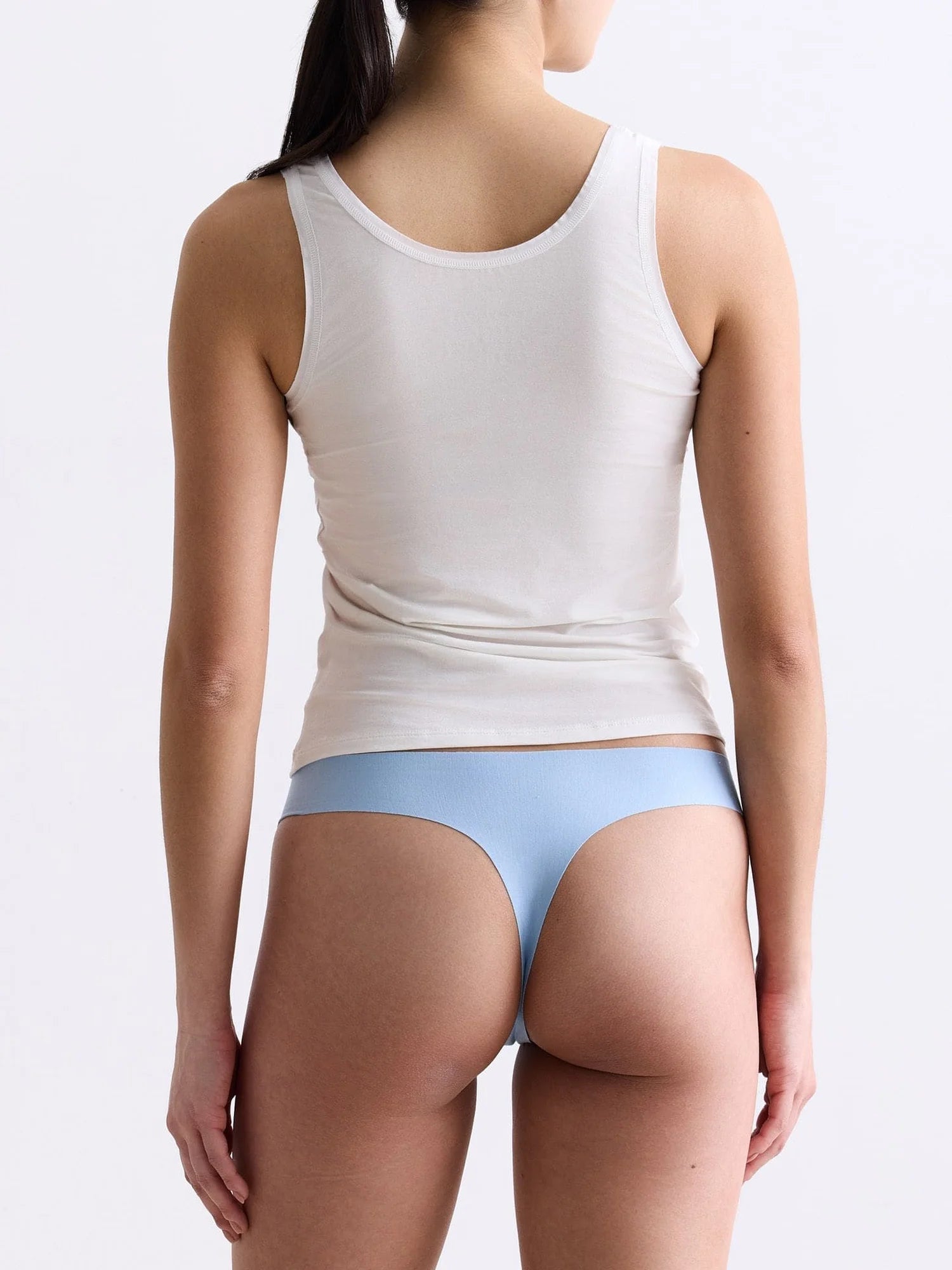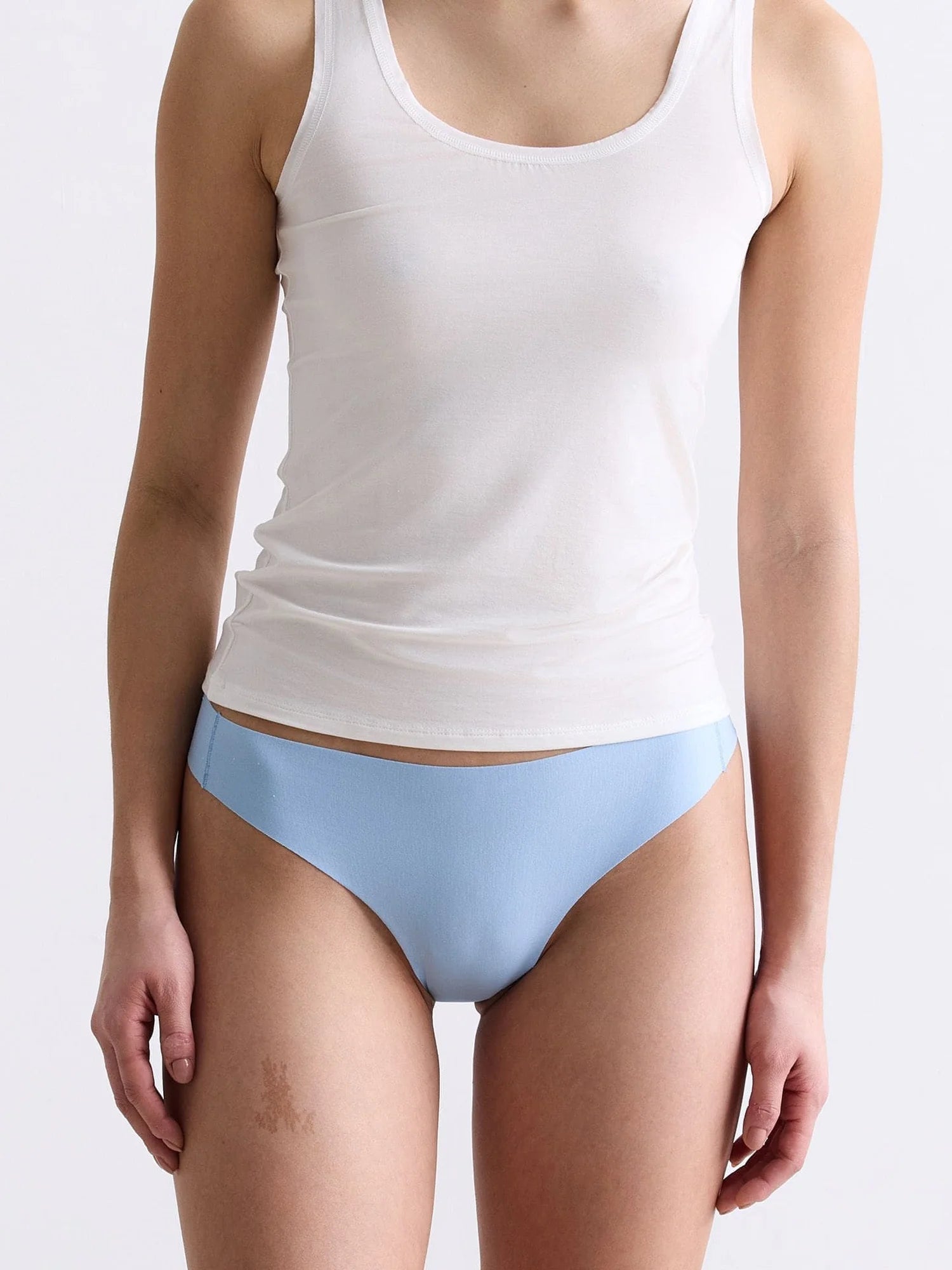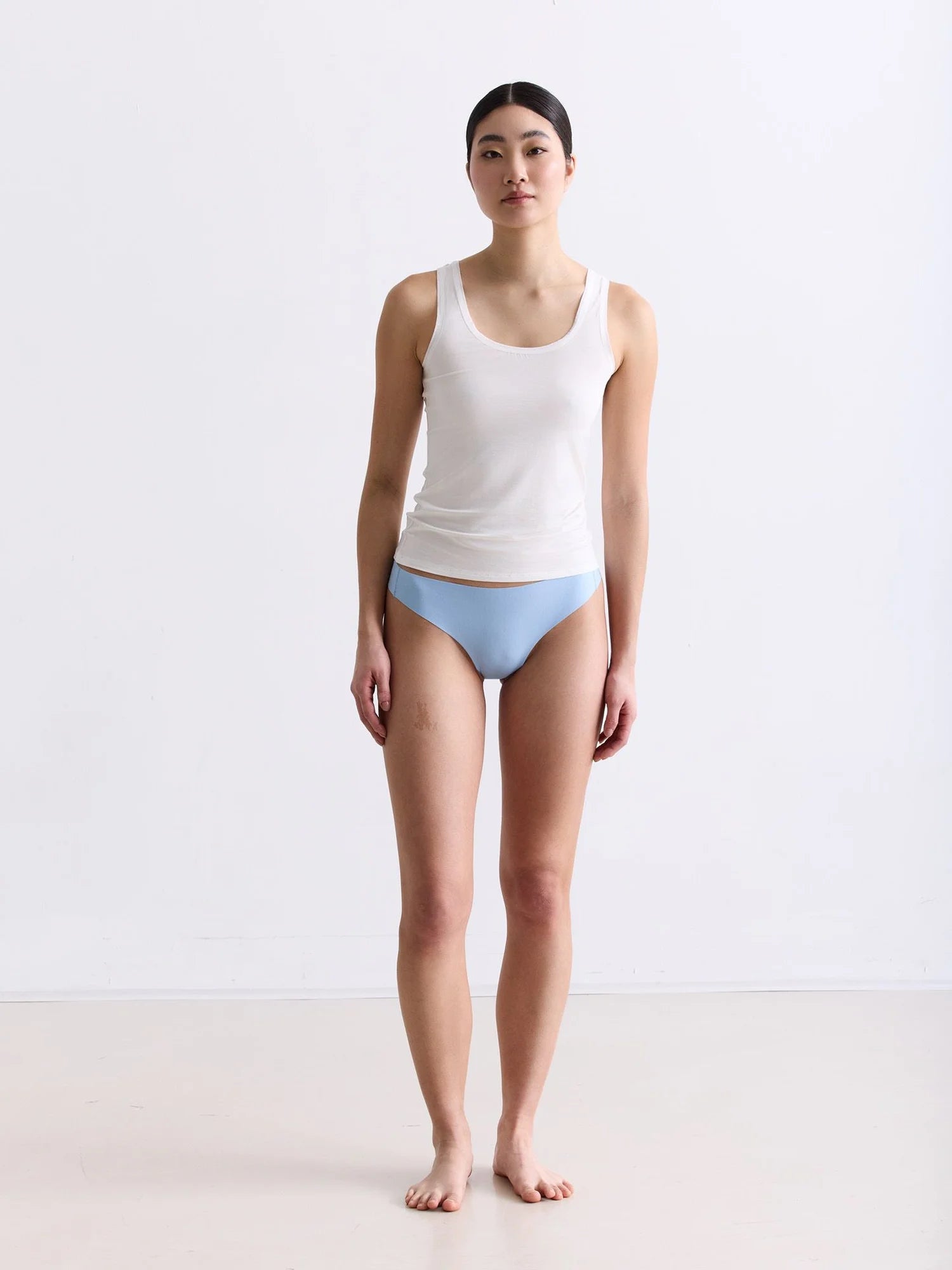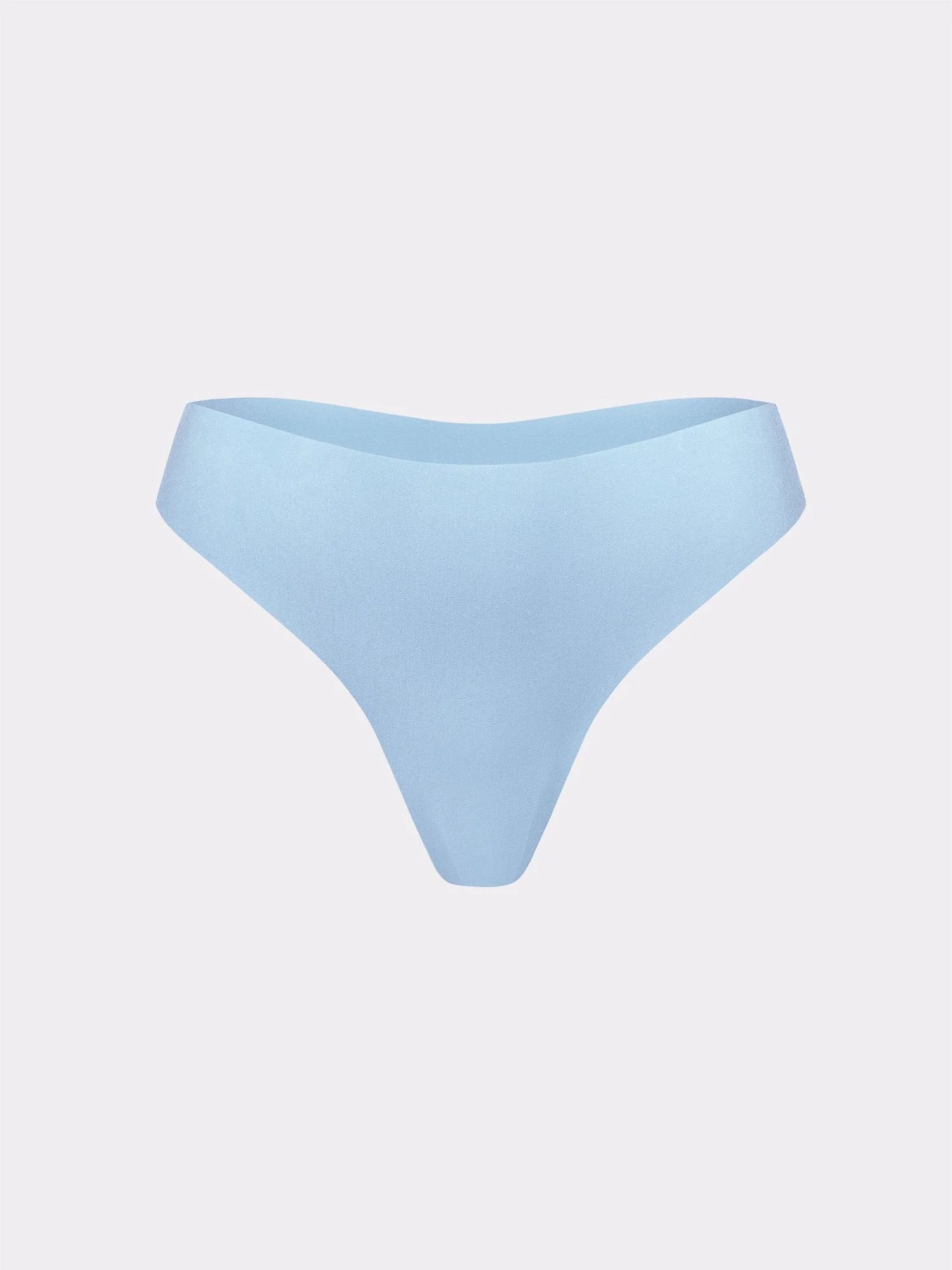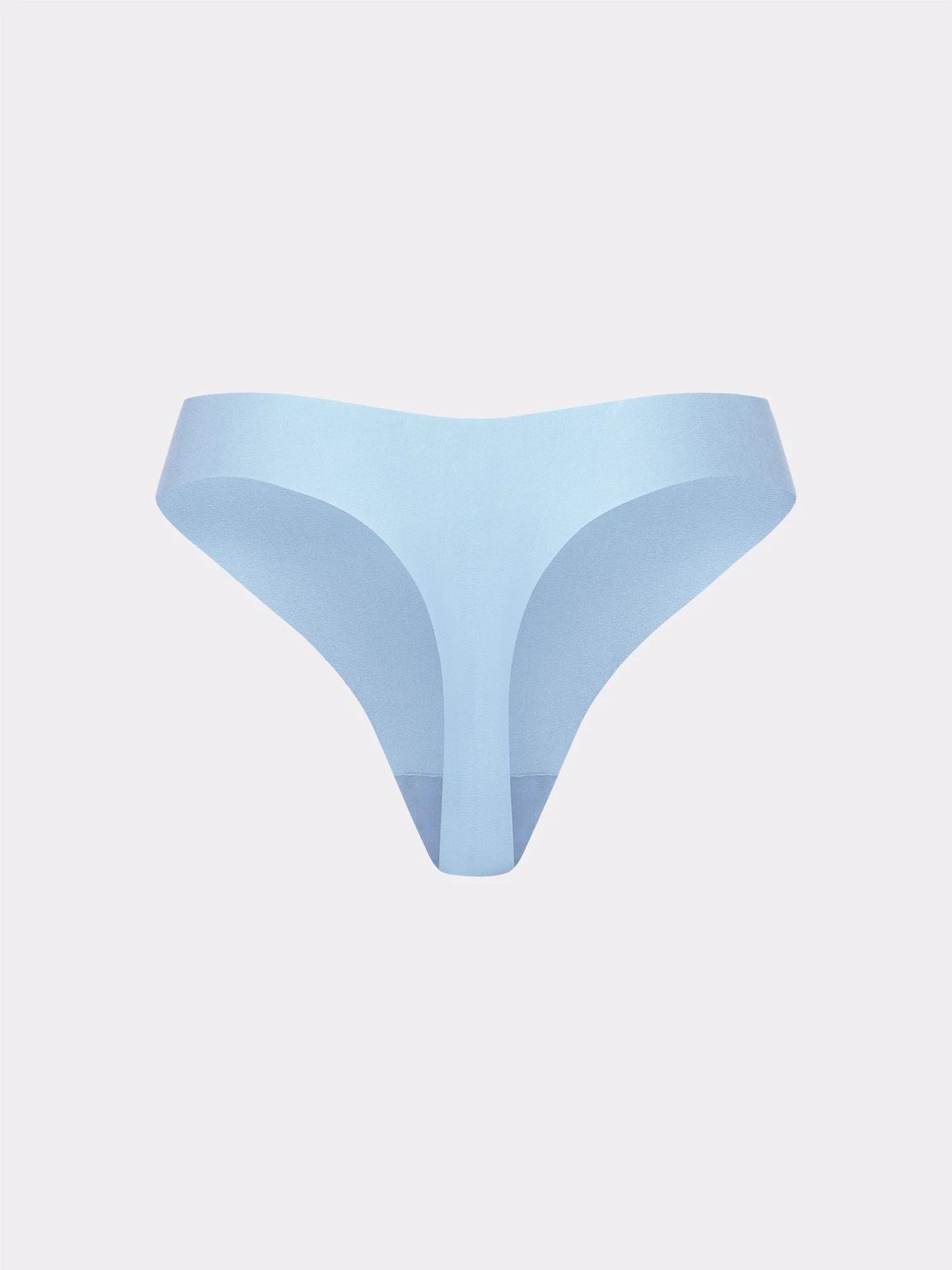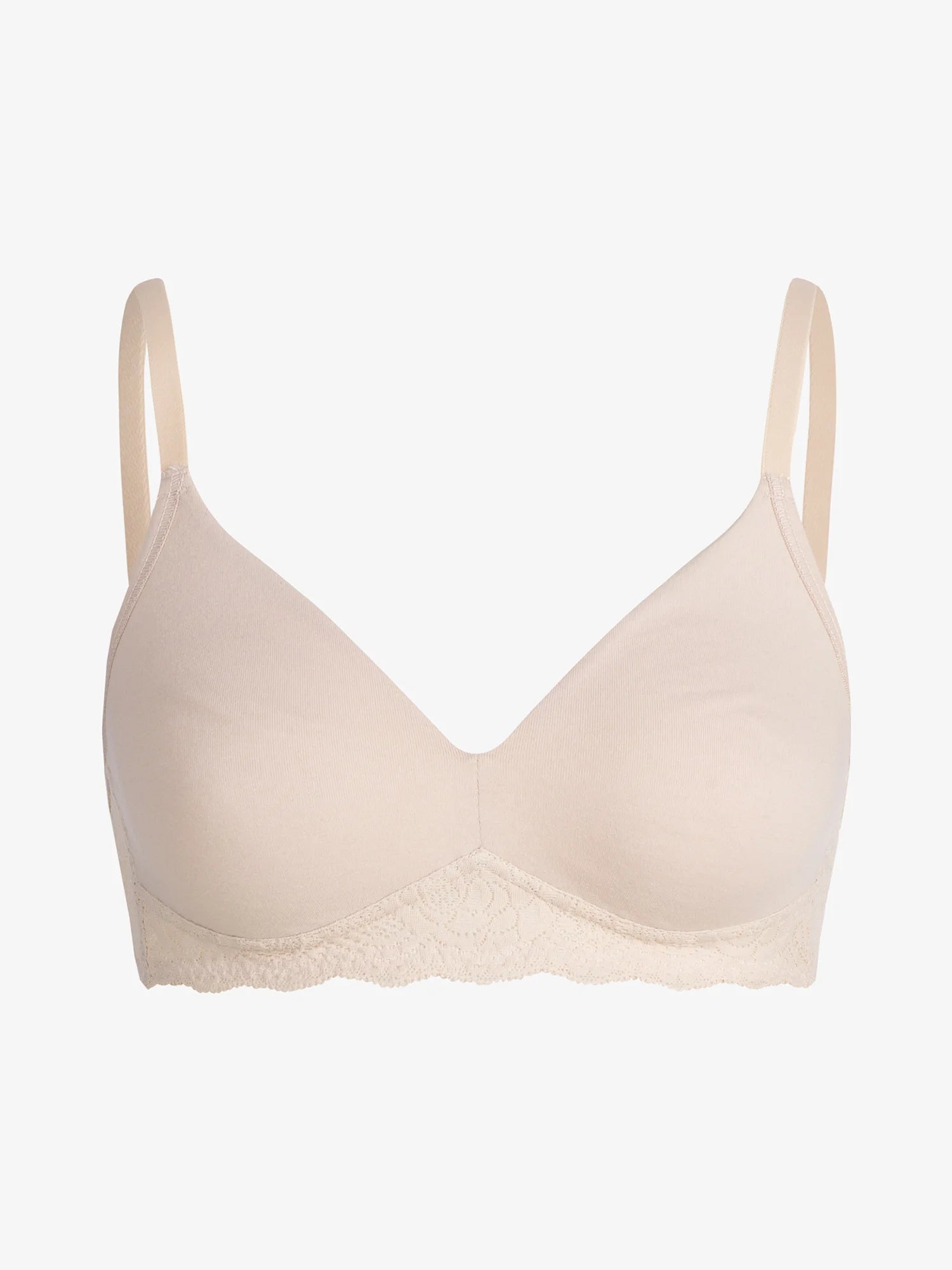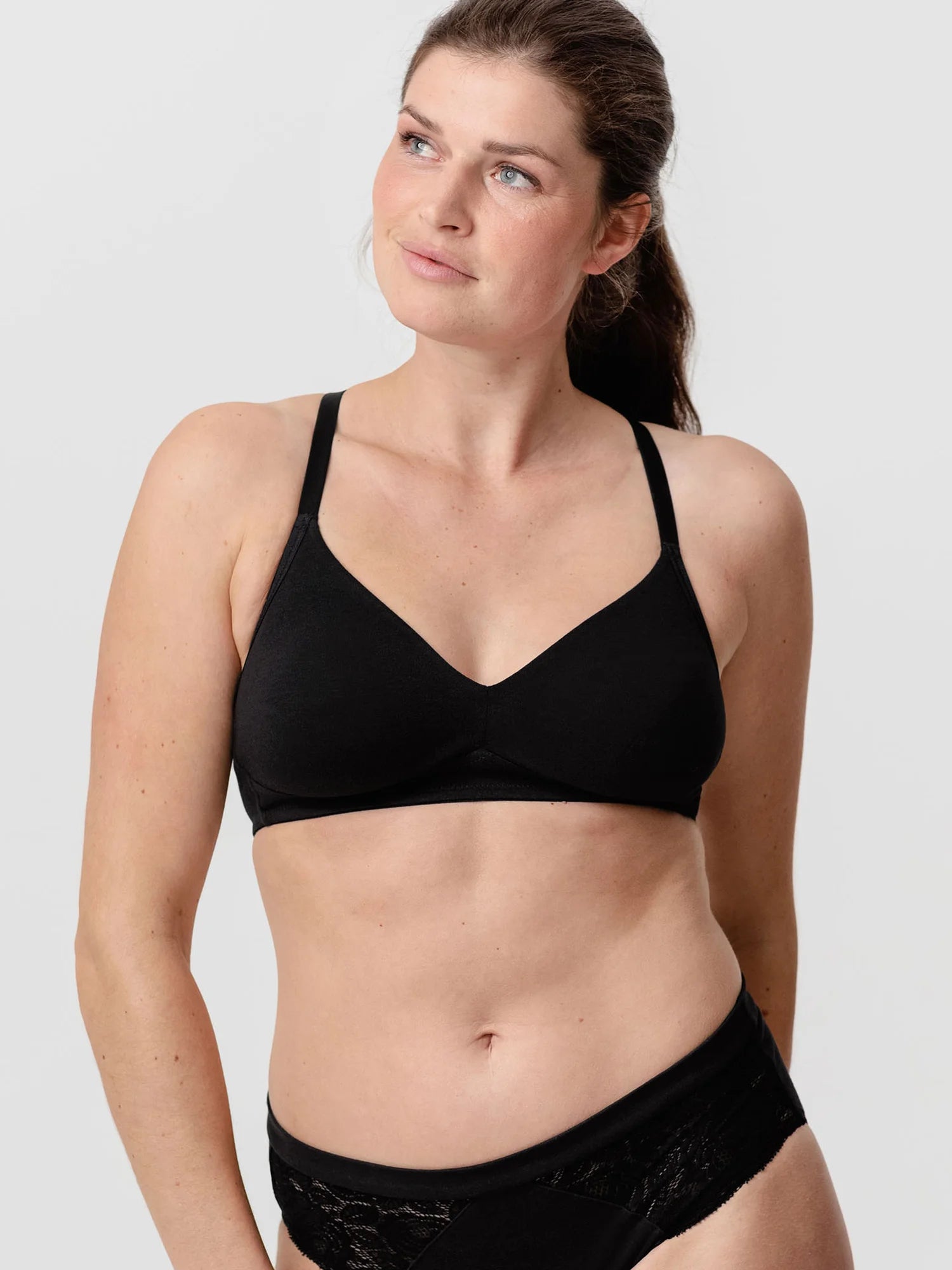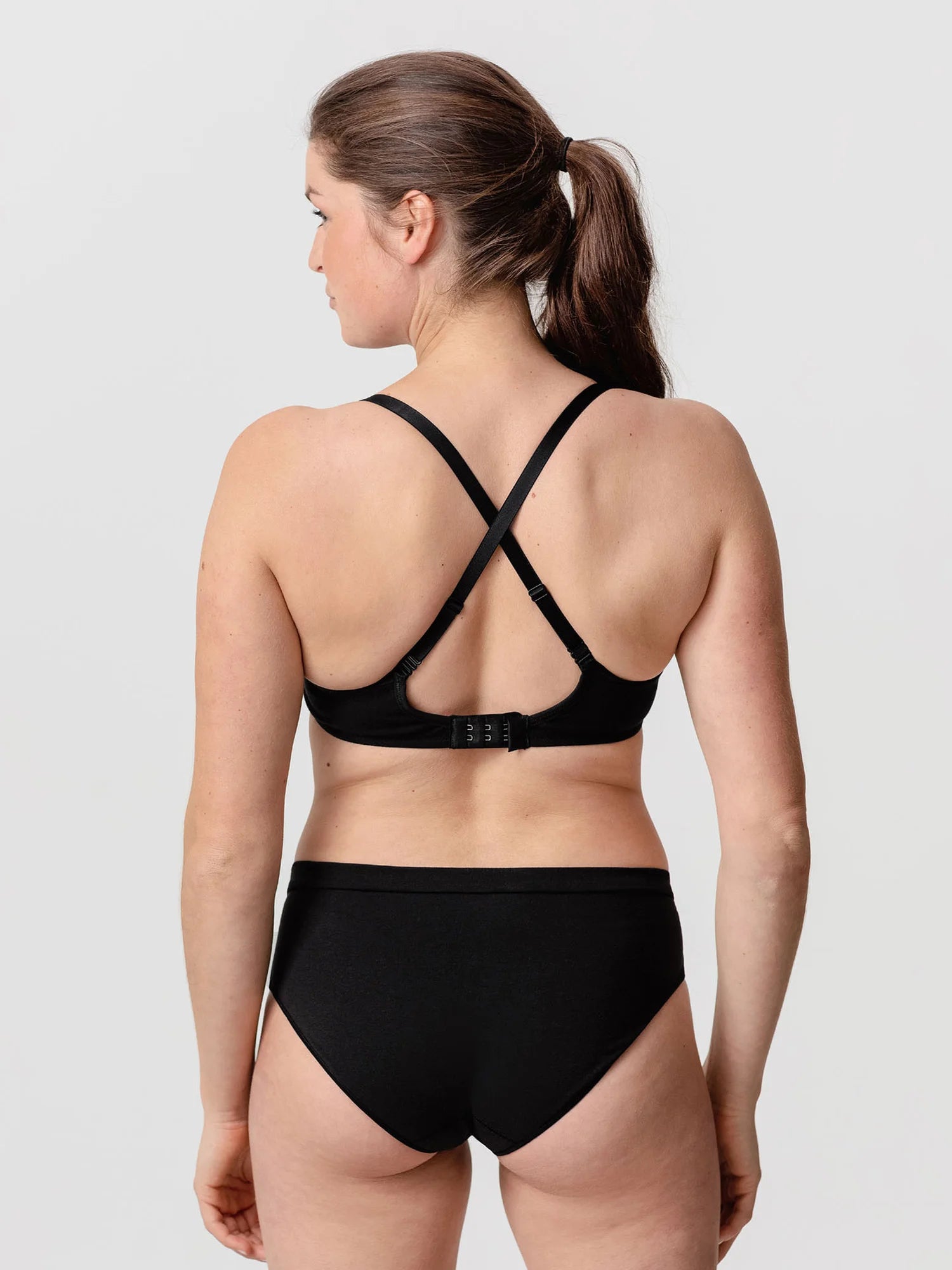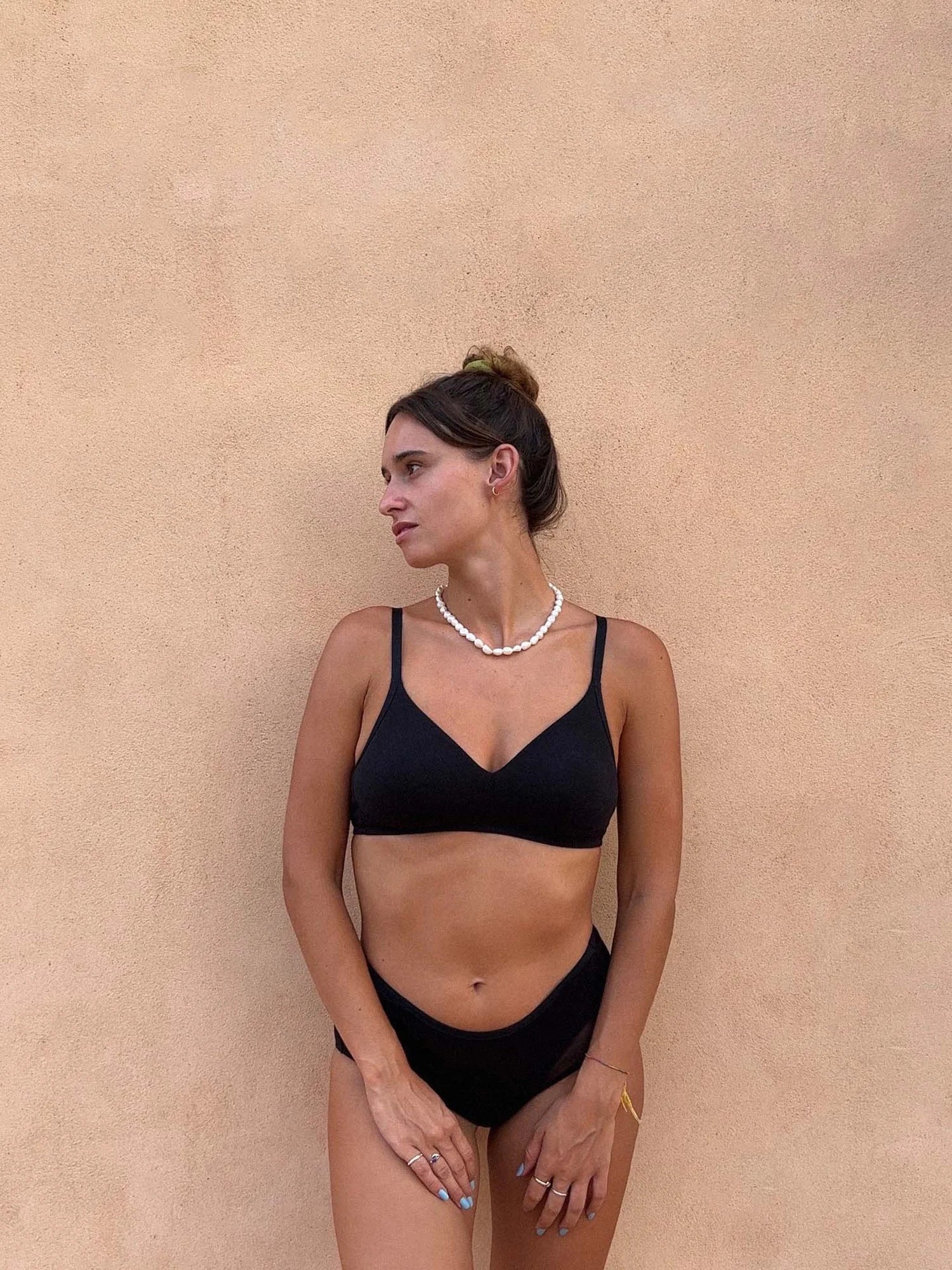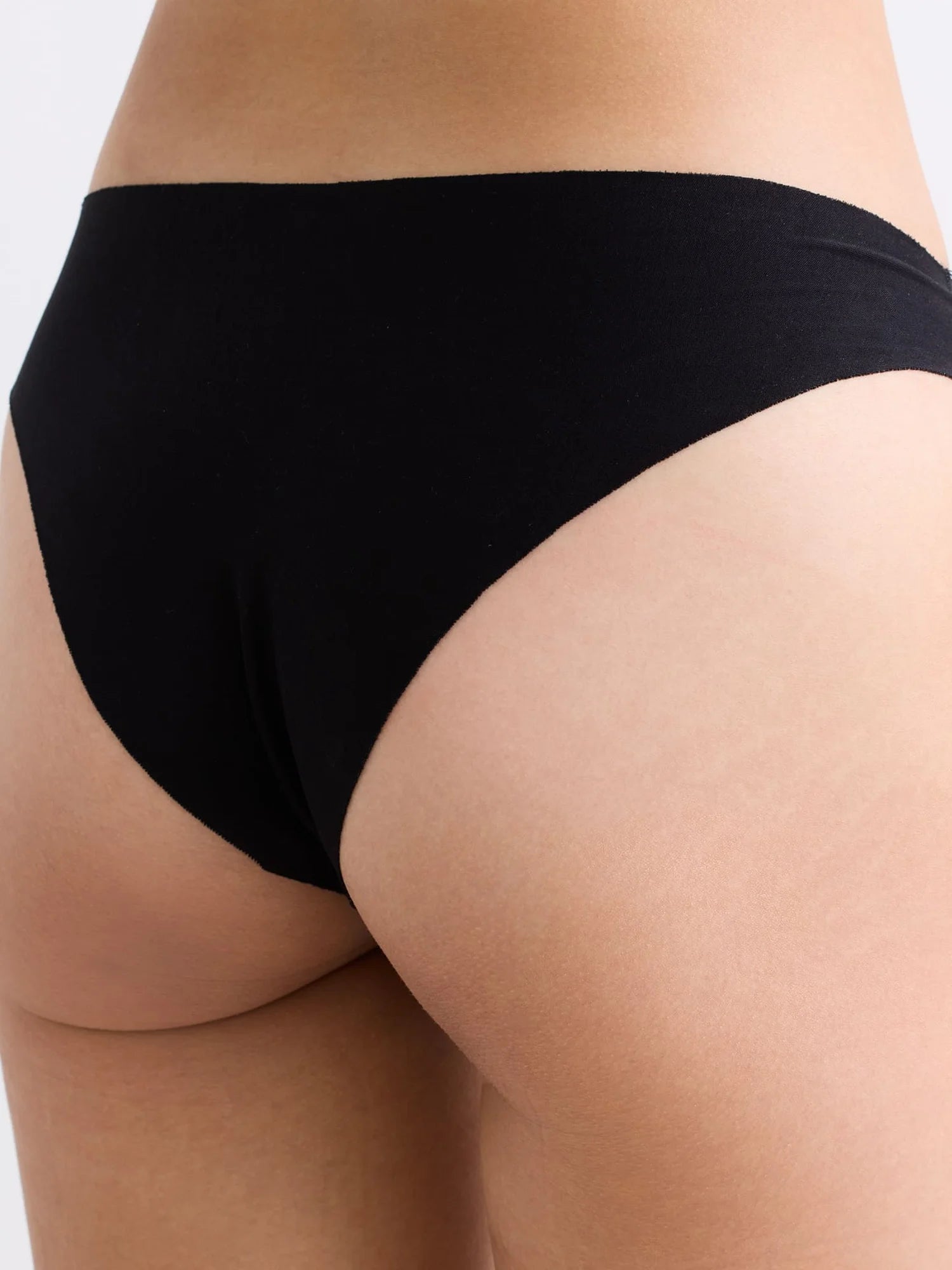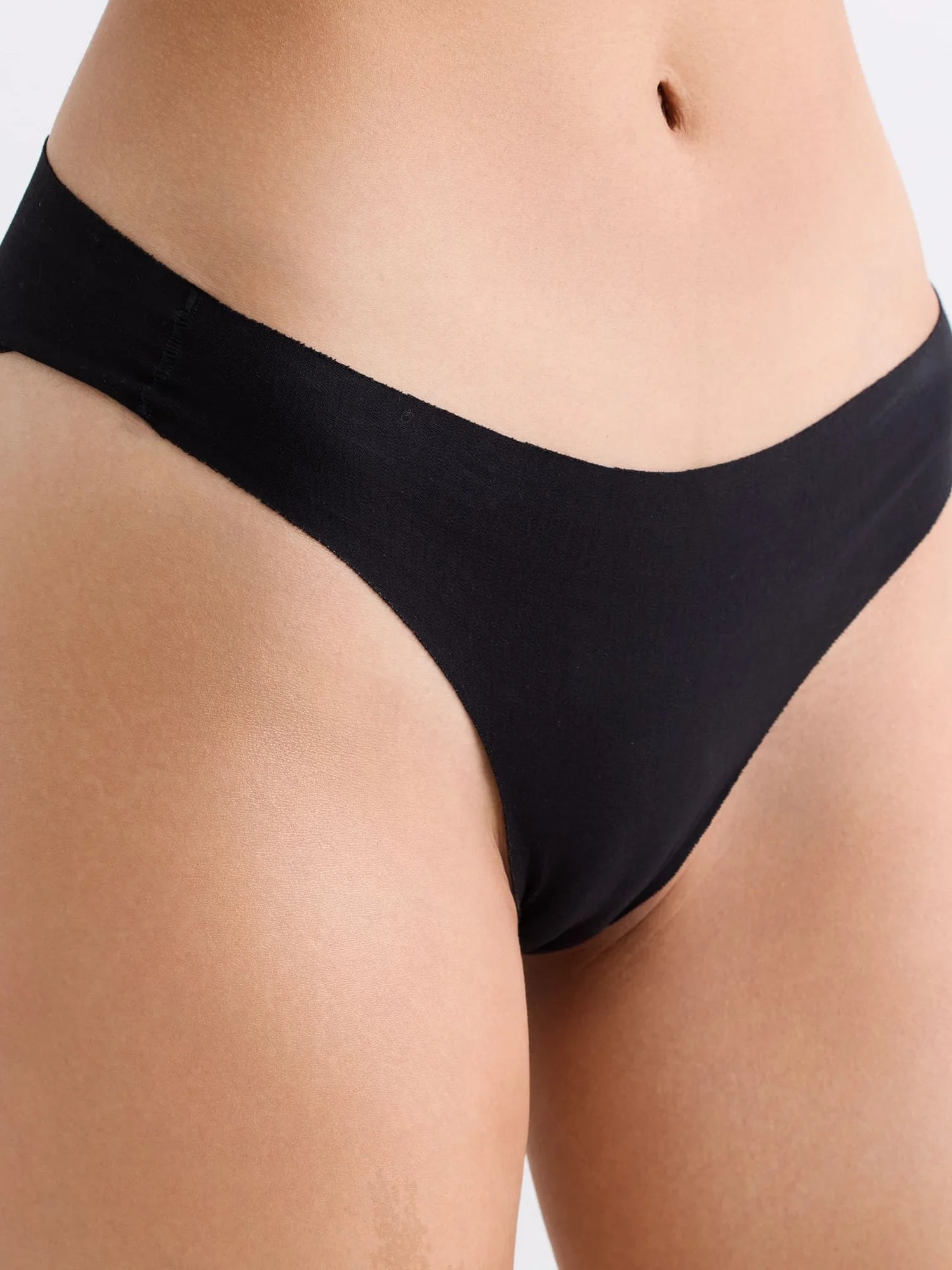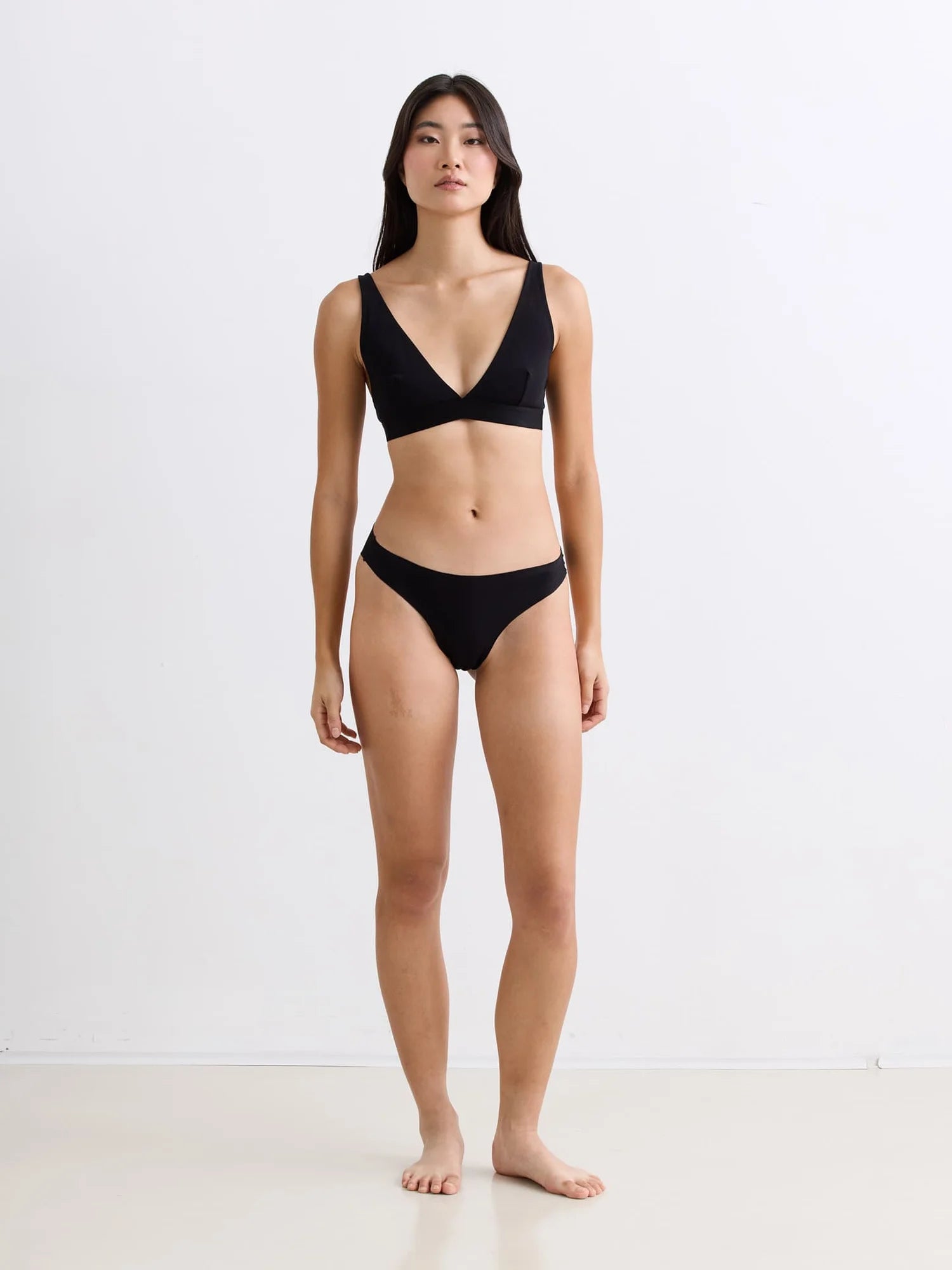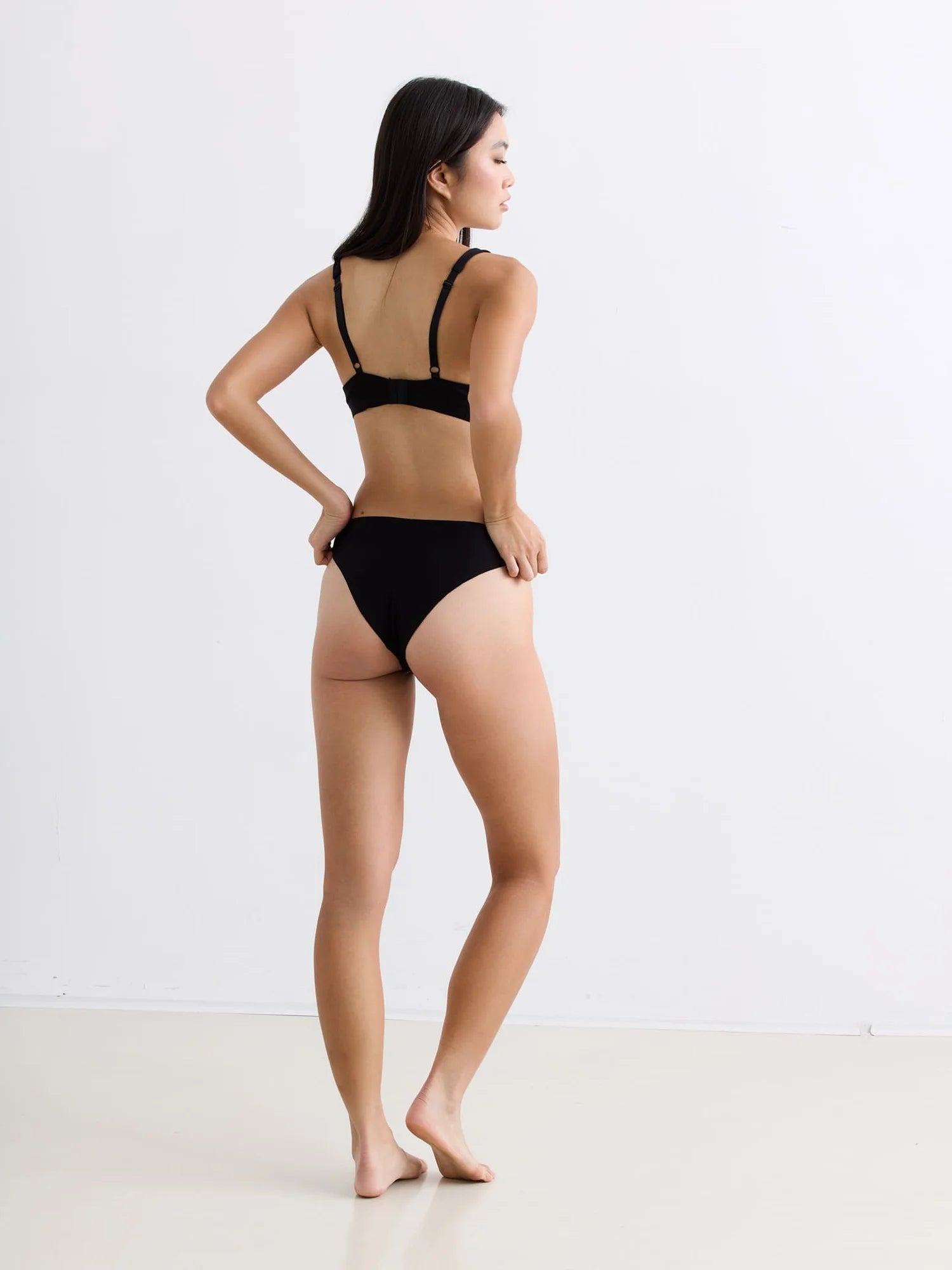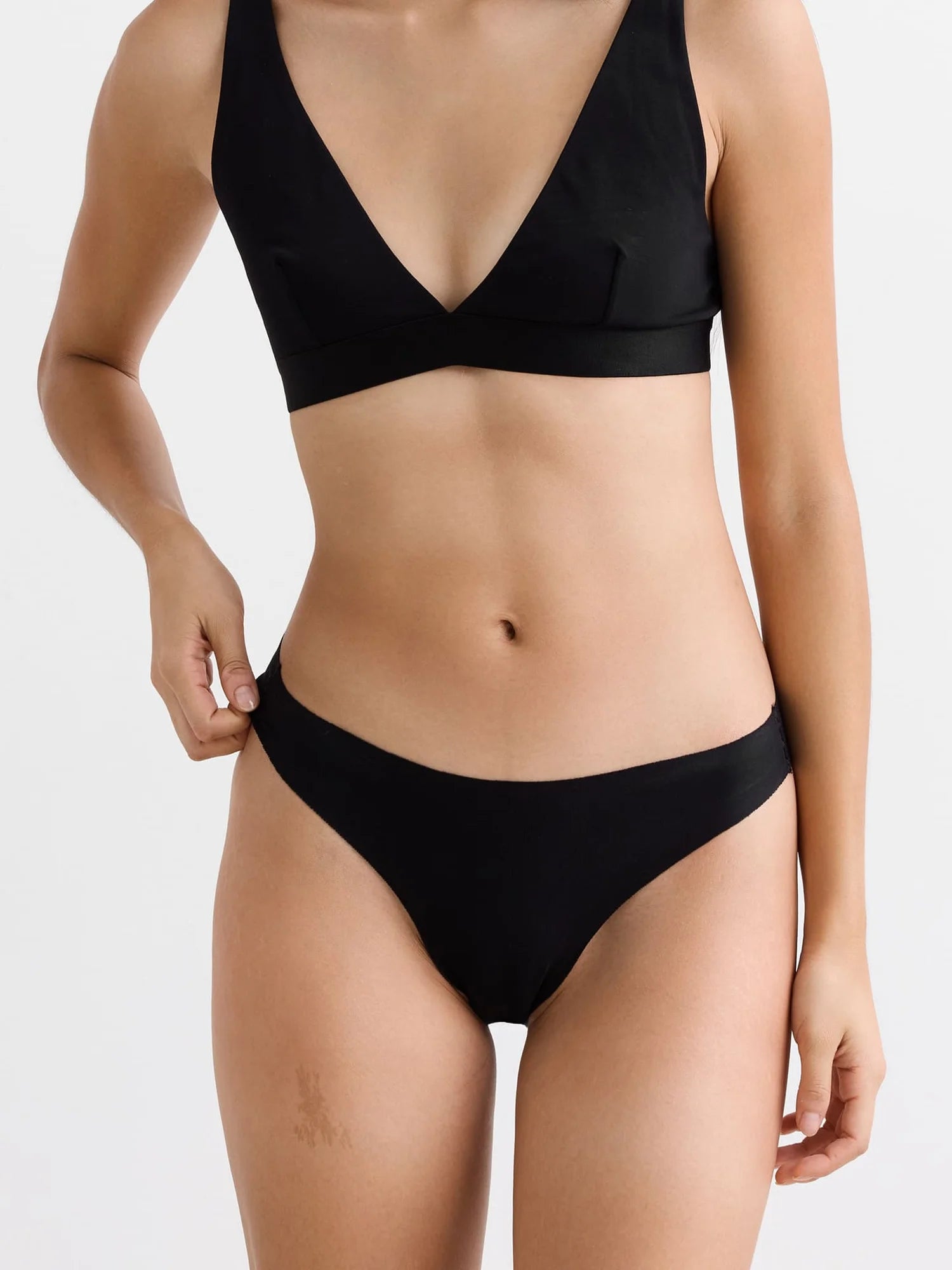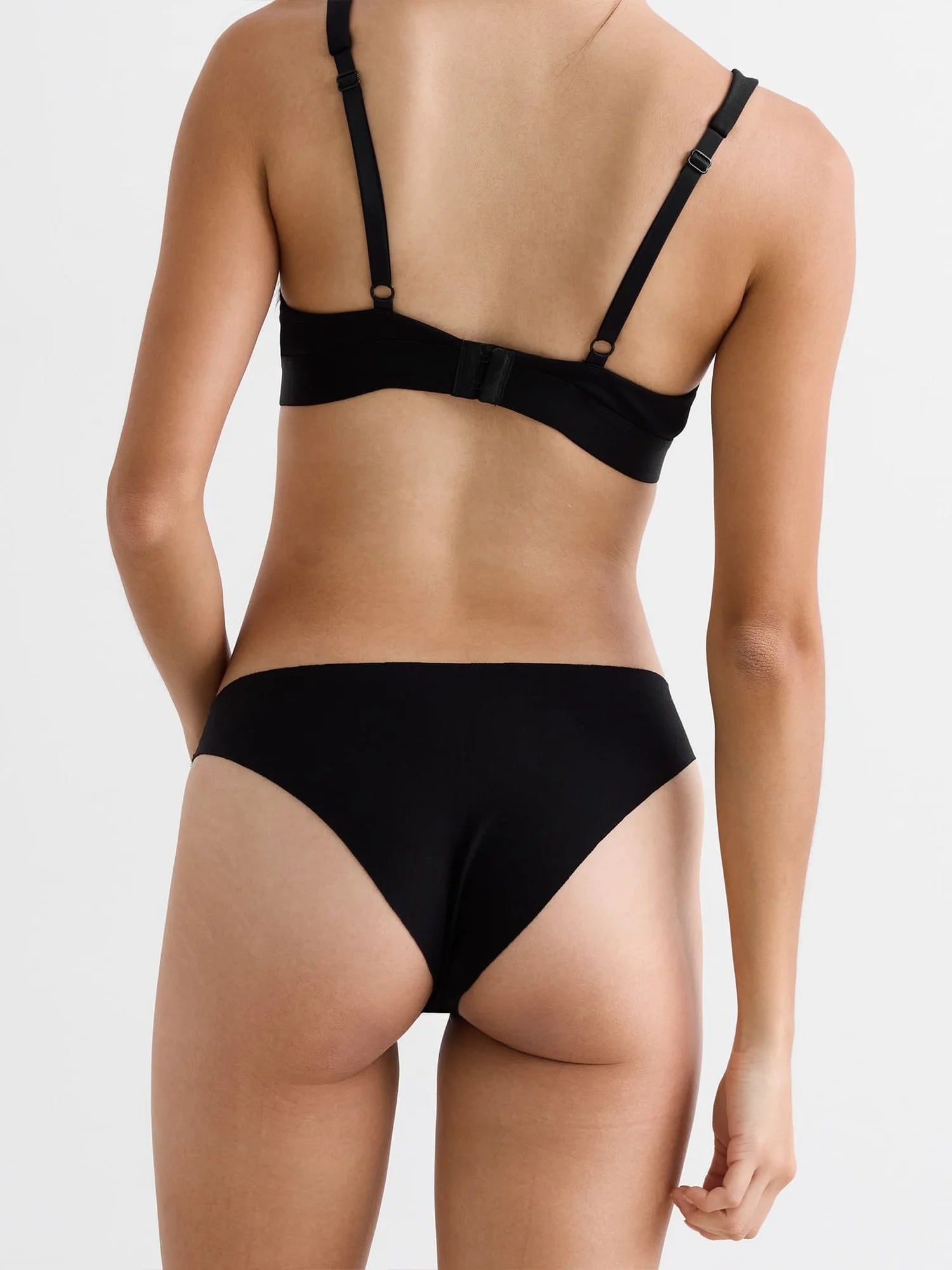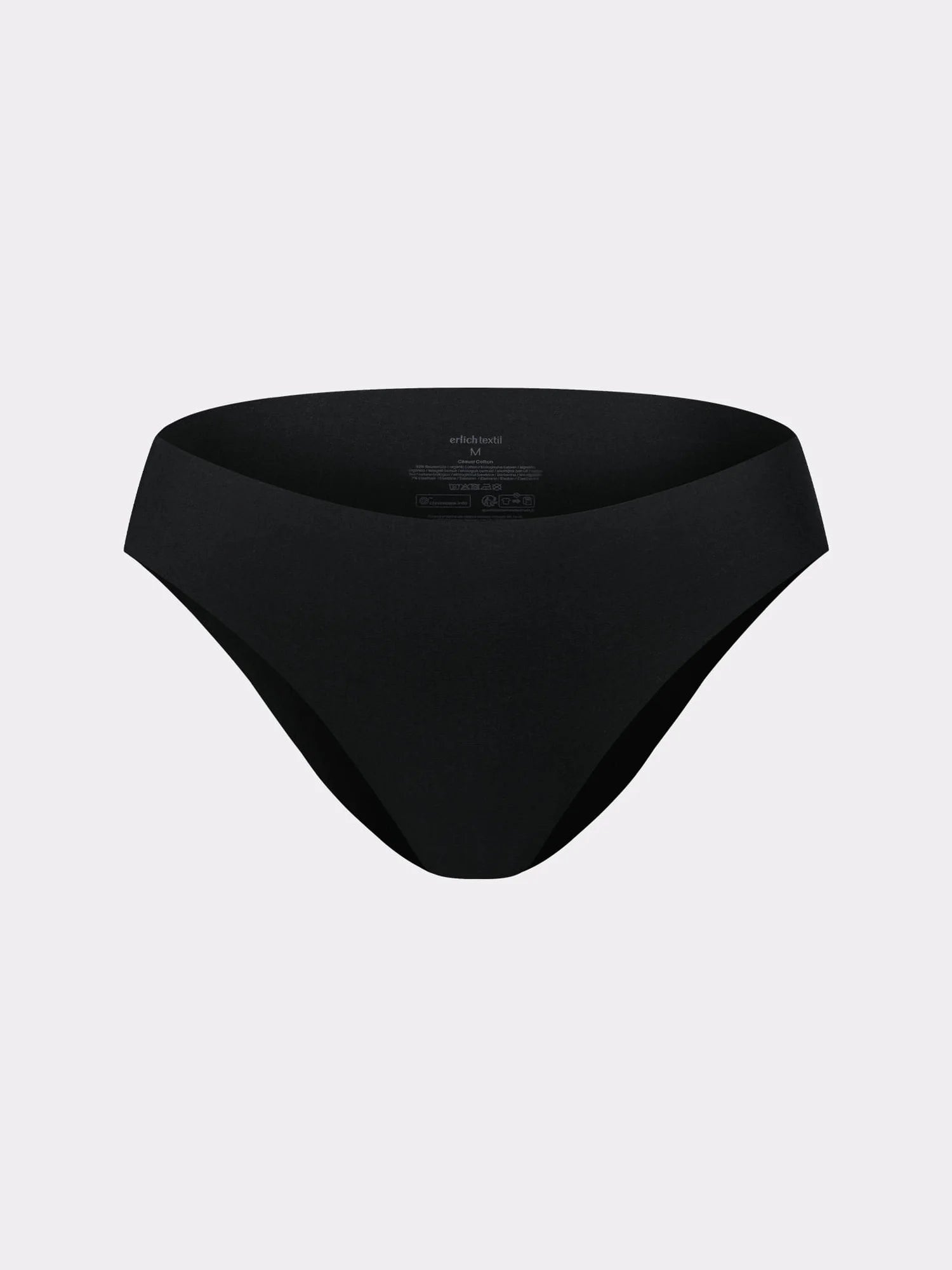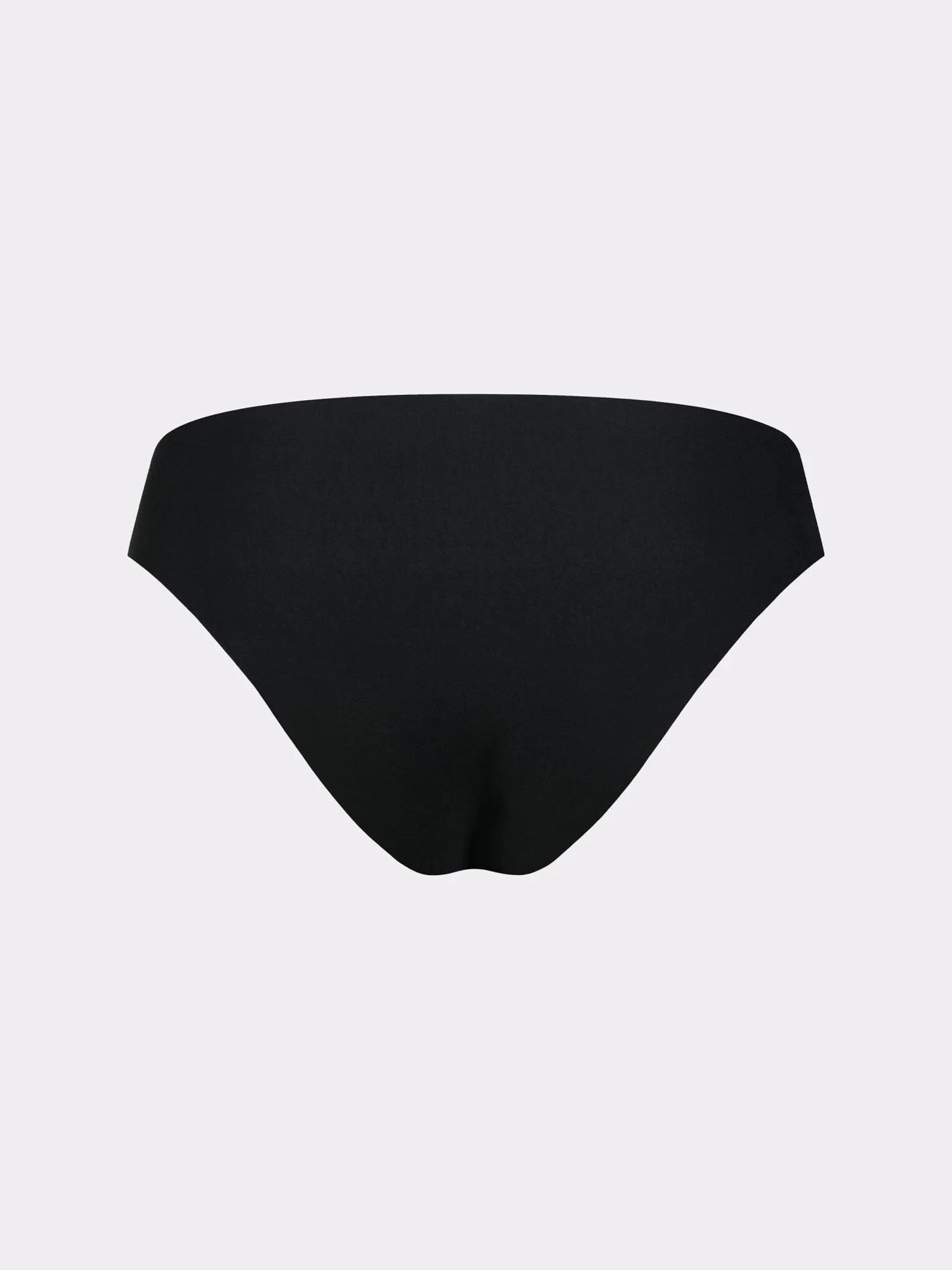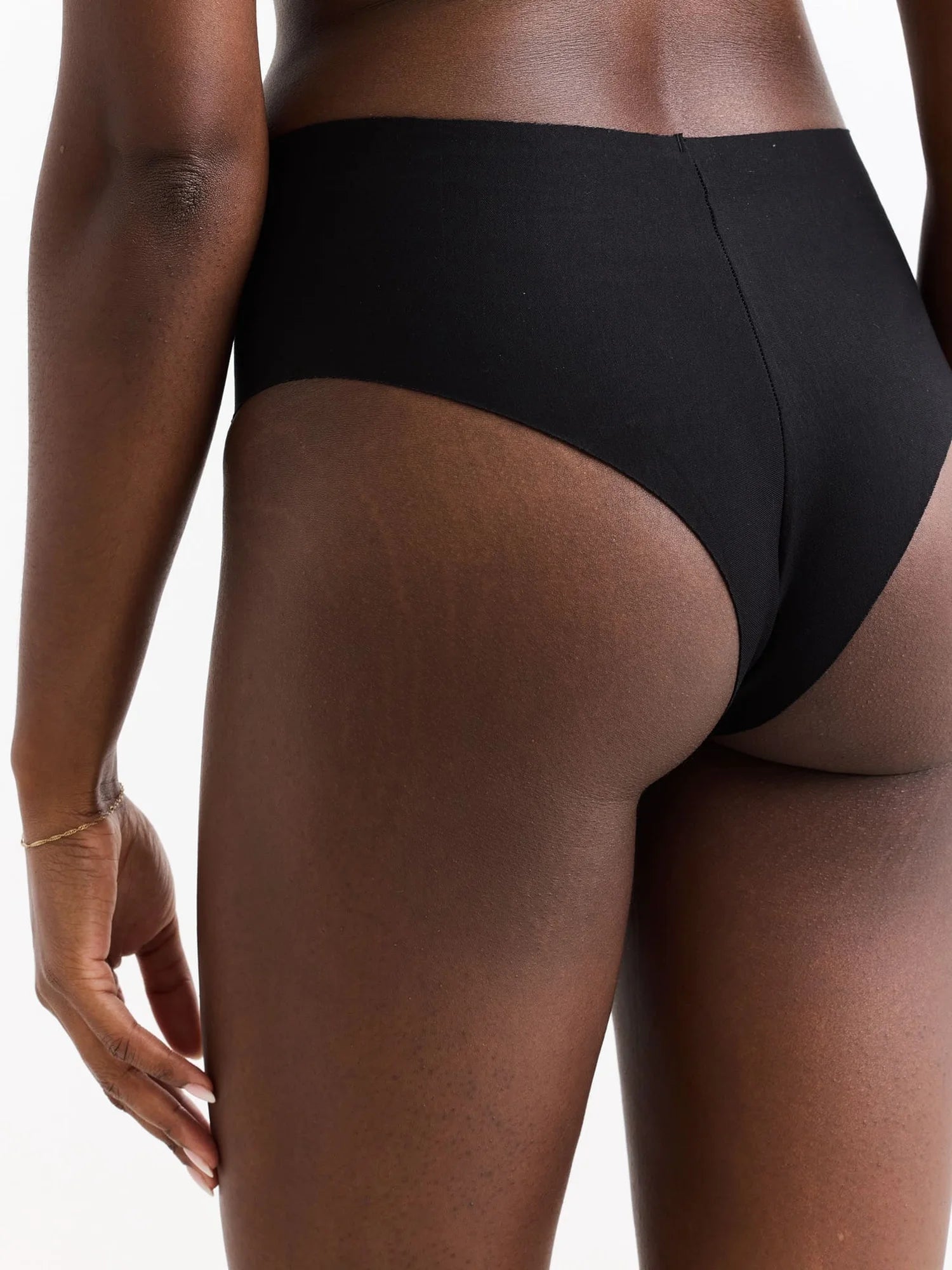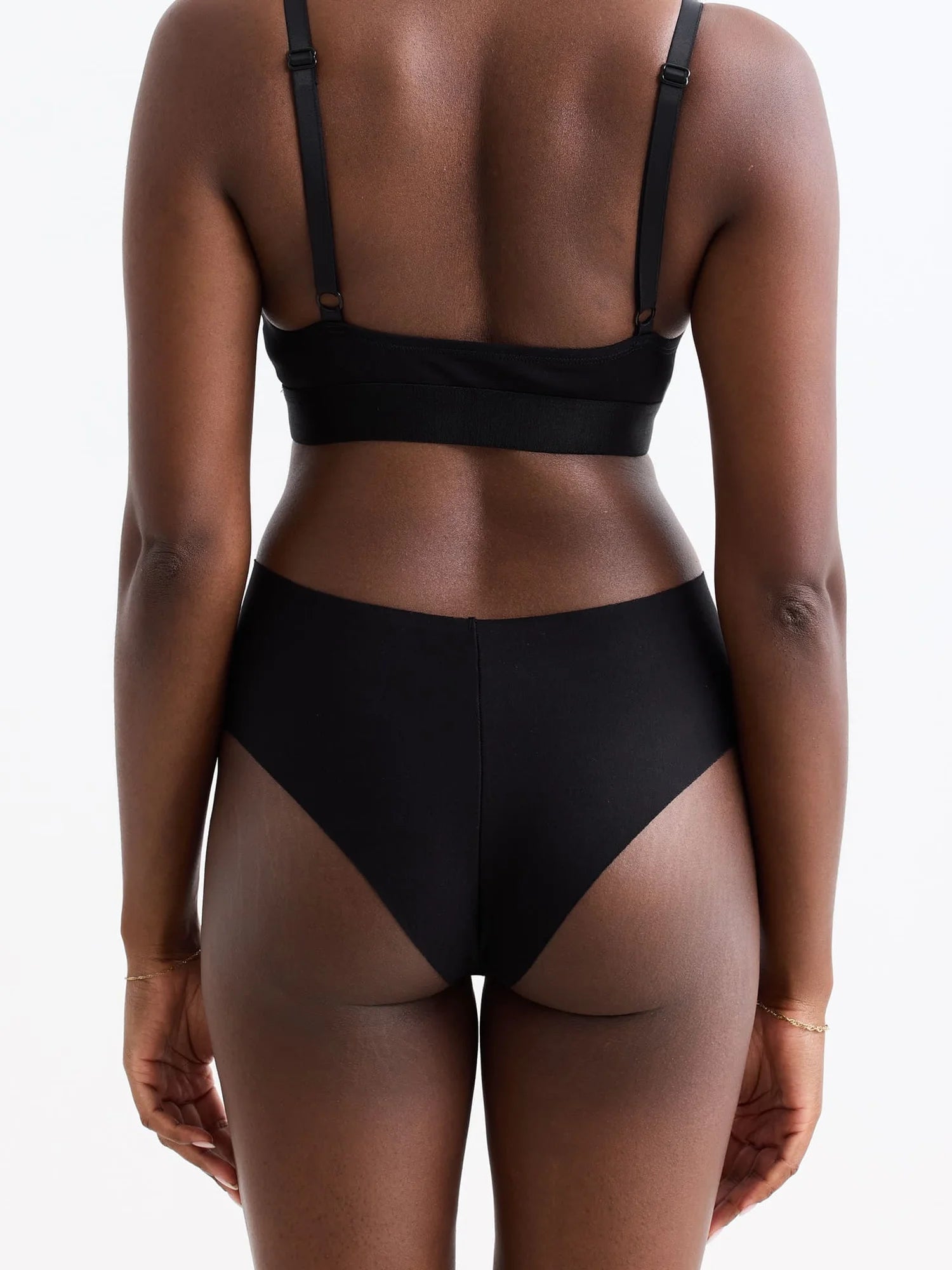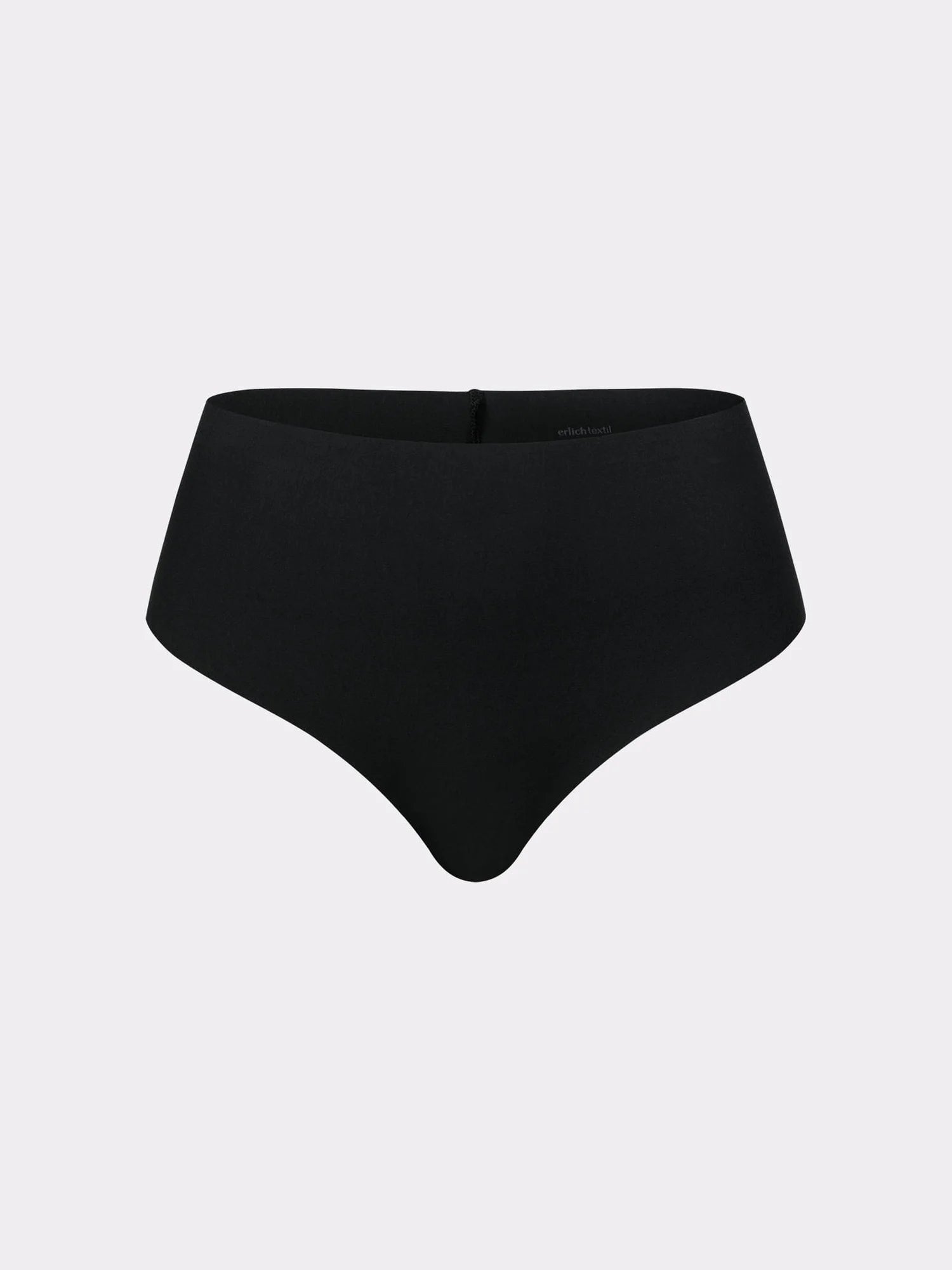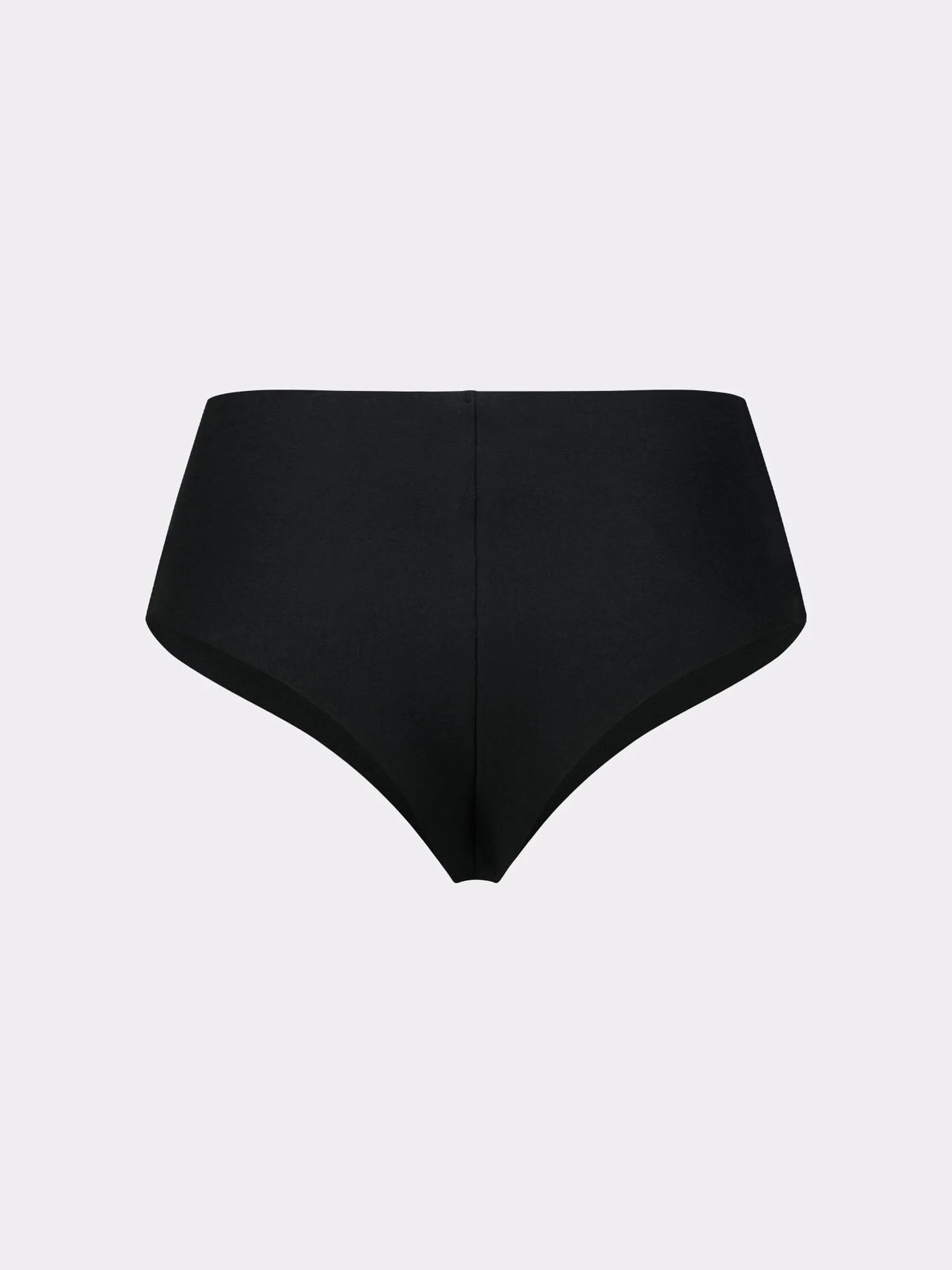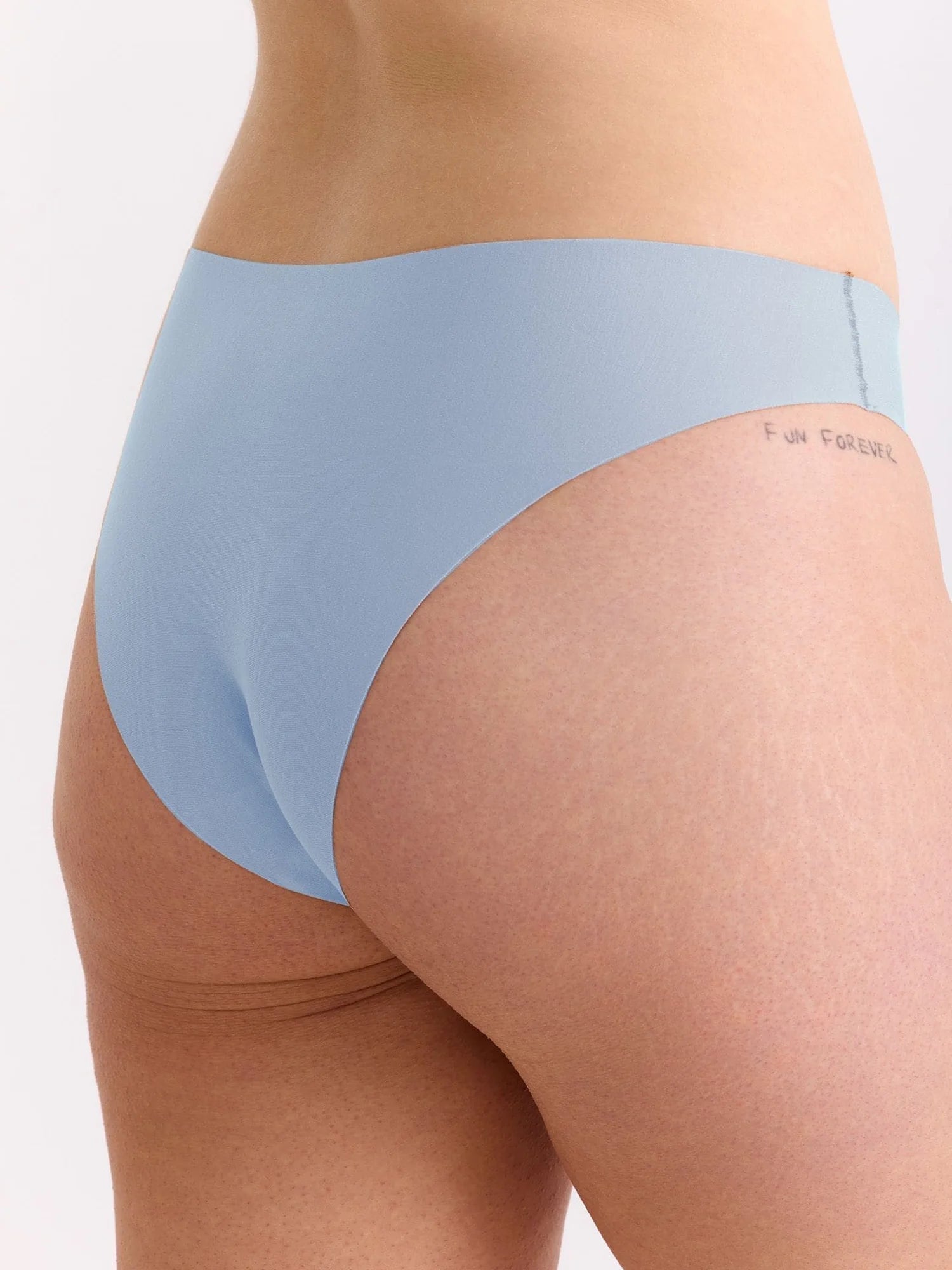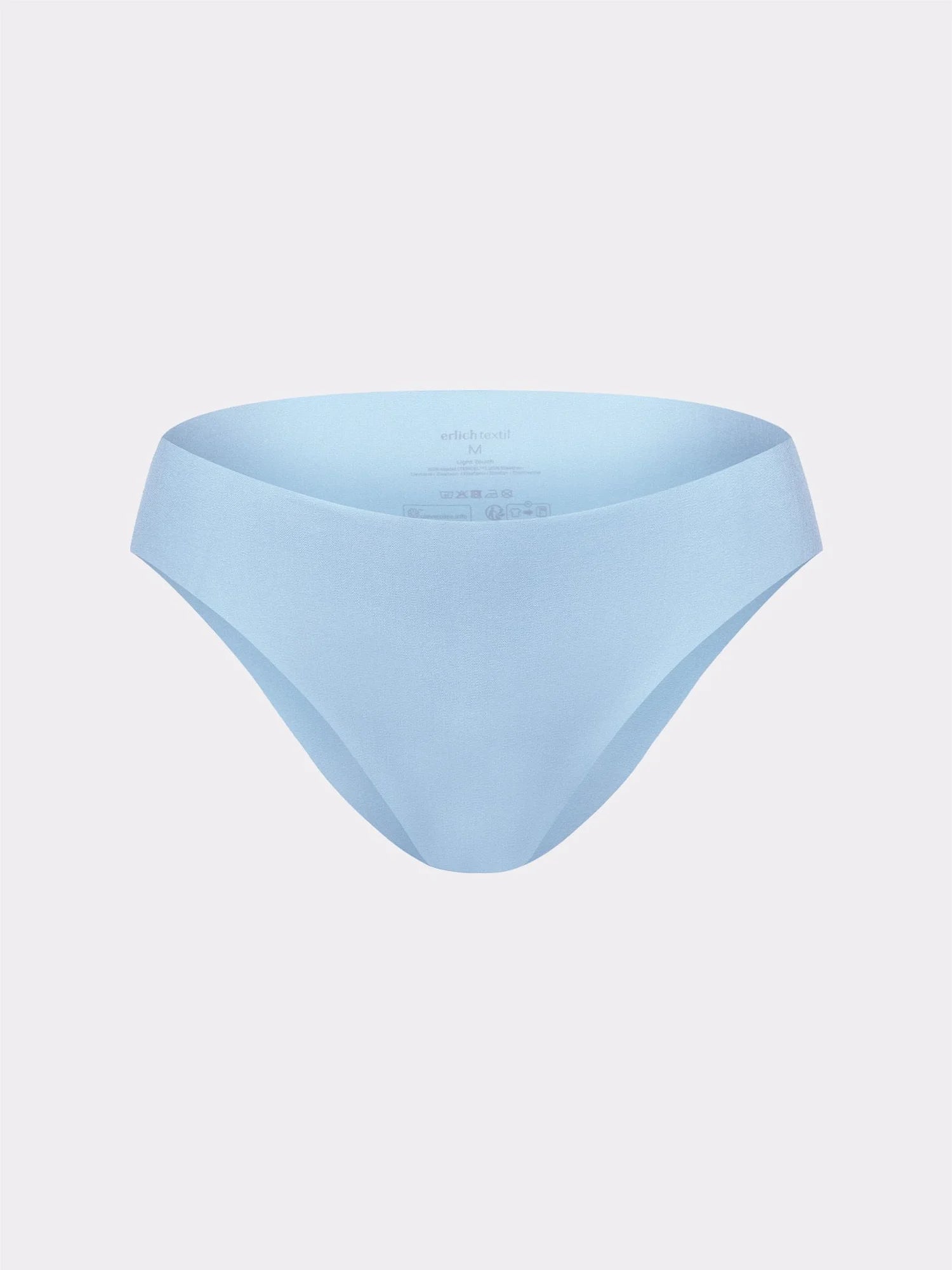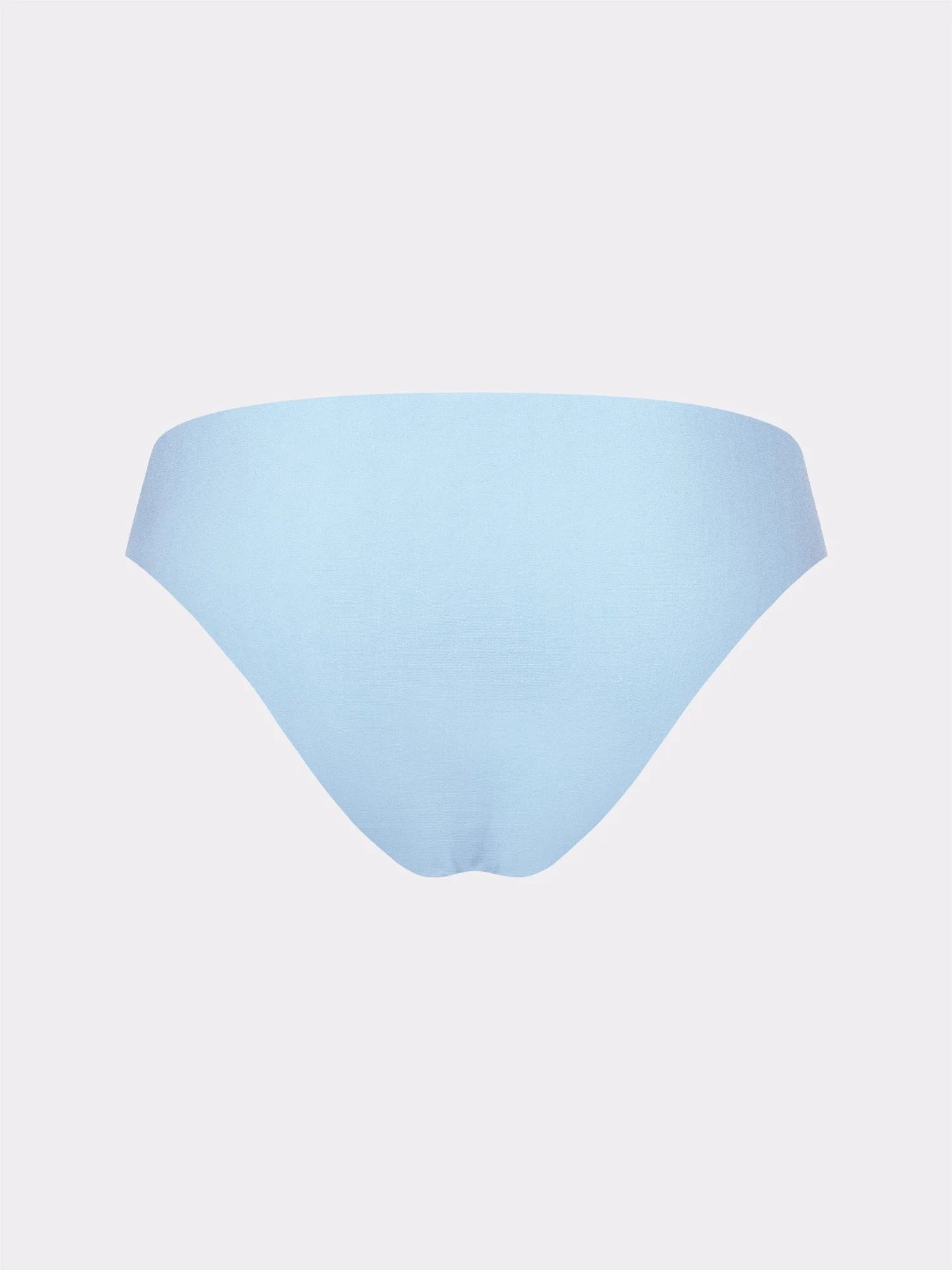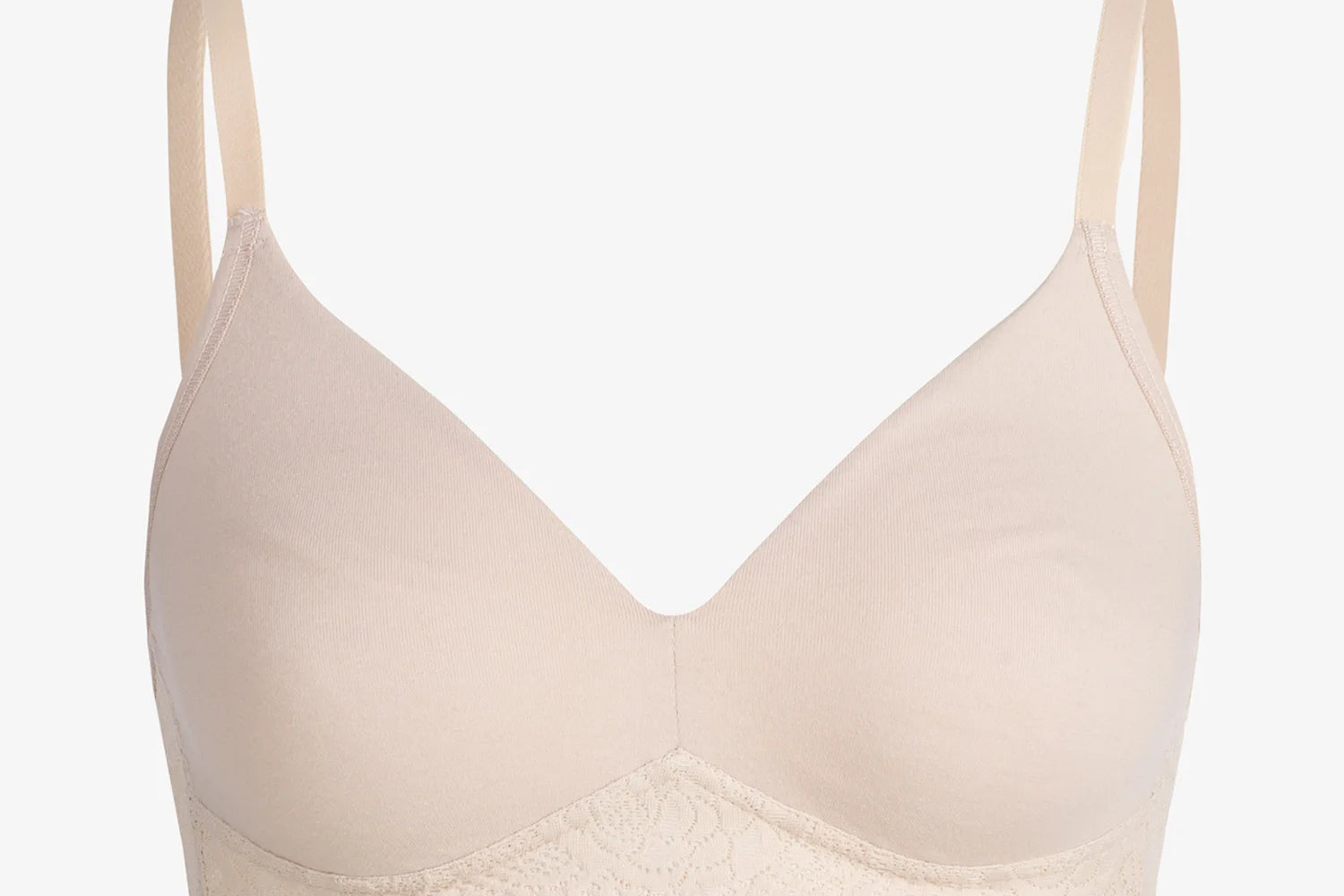


Lyocell is a cellulose fibre made from wood, typically eucalyptus or beech. We use TENCEL™ Lyocell from Lenzing in Austria. It is produced in a closed-loop process where over 99 per cent of the solvent is recovered. The fibre is silky-smooth, dimensionally stable even when wet, and according to Lenzing breathable and biodegradable. In this guide you get an honest read: what lyocell is, how it is made, how it compares with modal and cotton, how to care for it, and where we use it at erlich textil, in both women's and men's ranges.
What is lyocell?
Lyocell is a regenerated fibre made from 100 per cent natural cellulose, sourced from wood. It belongs to the same family as viscose and modal: all three start from cellulose. What sets lyocell apart is the production process. The raw material is still wood, but the chemical pulping and spinning step works differently than for viscose or modal. Technically lyocell is, like modal, semi-synthetic: a natural raw material that is industrially spun into fibre.
The main raw materials for lyocell are eucalyptus and beech from sustainably managed forests. Eucalyptus grows quickly and needs little water. Beech often comes from European forests. Both are sourced by Lenzing under FSC and PEFC certification, that is, from certified forestry.
TENCEL™ Lyocell vs. generic lyocell
Lyocell is a generic fibre name; TENCEL™ is the brand. At erlich textil we exclusively use TENCEL™ Lyocell from Lenzing. The difference to generic lyocell from other producers is twofold: first the wood source, Lenzing relies on FSC and PEFC certification; second the process, Lenzing operates the original closed-loop technology and publishes process data on it regularly.
If a care label just says “lyocell”, you have no information on wood source or producer standards. If it says “TENCEL™ Lyocell” or “Lenzing Lyocell”, you do.
How is lyocell made? The closed-loop process
Lyocell is the youngest of the three big cellulose fibres (viscose, modal, lyocell), and technically the cleanest process. Simplified steps:
- Wood sourcing. Eucalyptus or beech wood from FSC- and PEFC-certified forests is de-barked and chipped.
- Pulping. Pure cellulose is extracted from the wood chips.
- Direct dissolution with NMMO. The cellulose is dissolved in an organic solvent called N-methylmorpholine N-oxide (NMMO). NMMO is non-toxic and biodegradable.
- Spinning. The viscous cellulose solution is extruded through fine nozzles into a coagulation bath, where the fibre solidifies.
- Solvent recovery. Over 99 per cent of the NMMO is recovered from the coagulation bath and routed back into spinning. This is the closed-loop principle.
- Yarn and fabric. Fibres are spun into yarn, dyed and woven or knitted into fabric.
Compared with conventional viscose, the lyocell process is significantly less polluting because the problematic sulphur chemistry is removed and the solvent loop is largely closed. Compared with modal, lyocell uses a different process with a higher recovery rate.
Why is lyocell considered the most eco-conscious cellulose fibre?
Three concrete reasons:
- Closed-loop. Over 99 per cent NMMO recovery, according to Lenzing data. That dramatically reduces chemical load in production.
- Non-toxic solvent. NMMO is non-toxic in acute exposure and biodegradable, unlike the sulphur compounds in viscose production.
- Biodegradability. Lyocell fibres decompose in industrial composting, according to Lenzing.
Important context: these advantages refer to fibre production. What happens afterwards (dyeing, cut-and-sew, transport, wearing, washing) follows similar paths in lyocell garments as in other fabrics. A serious overall CO2 footprint depends on the whole supply chain, not the fibre alone.
Properties of lyocell
Lyocell has a clearly defined profile. Here is what you feel on your skin and what the fibre delivers technically:
- Silky-smooth hand, thanks to the smooth fibre surface.
- According to Lenzing breathable, the fibre moves moisture outward quickly.
- Dimensionally stable even when wet, unlike viscose or cotton.
- Smooth fibre surface, so less friction than rougher natural fibres.
- Easy-care, wrinkles little, irons easily.
- Long-lasting, high tensile strength also when wet.
- Vegan, plant-based cellulose fibre with no animal-derived components.
The fibre is also the all-rounder for active wear. If you sweat a lot, lyocell is often the better pick over cotton because it moves moisture outward instead of storing it. And if you want underwear that holds shape across many wash cycles, lyocell beats most other cellulose fibres.
How do you spot lyocell on a label?
On a care label, lyocell shows up either as lyocell or under the brand name TENCEL™ Lyocell. Both mean the same fibre type; TENCEL is Lenzing's brand. In underwear you will almost always find lyocell combined with a small share of elastane, because the fabric needs stretch. Don't mix it up: viscose and modal are cellulose fibres from wood too, but they come out of different processes. If the label only says viscose, it is not lyocell. The exact composition of your piece is on every product page.
Looking for a piece now? Browse our lyocell briefs for women or the lyocell sleepwear. For men, there is a dedicated lyocell collection for men.
Lyocell, modal or cotton?
Short version: lyocell if you want active days, plenty of movement or particularly long-life basics. Modal if a silky everyday hand matters more to you, and we use that in the women's range only. Cotton if you like a classic hand or want especially robust basics. The full comparison including the table is in Lyocell vs. Cotton, and the modal specifics are in What is Modal Fabric?.
How to care for lyocell
Lyocell is easy to care for and very robust, but a few rules massively extend its lifespan.
Washing. Lyocell tolerates 30 to 60 °C, but we recommend maximum 40 °C on a gentle cycle with mild detergent. Spin low, 600 rpm is plenty. Put bralettes, bras and lace pieces in a mesh wash bag to avoid friction with hooks and fastenings of other items.
Drying. Lyocell can go in the tumble-dryer if the care label allows. We still recommend the clothesline: gentler on the fibre and on your electricity bill. Lyocell advantage: the fibre stays dimensionally stable when wet, so you don't strictly need to dry large pieces lying flat as you would with modal.
Ironing. Lyocell wrinkles little. If you do iron: low to medium setting, ideally with steam.
What to avoid: bleach, very hot dryer cycles, aggressive spin programmes and harsh full-load detergents. Skip those and your lyocell piece stays dimensionally stable and keeps its silky hand for years.
What are the downsides of lyocell?
Lyocell has a strong profile, but no material does everything. Four points worth knowing before you decide.
The price. Lyocell costs more to produce than conventional cotton. The closed-loop process, recovering the solvent and certifying the wood source all cost money, and that shows up in the price.
Sensitive to heat and friction. Very hot dryer cycles and aggressive spin programmes put stress on the fibre. With consistently wrong care, fine fibres work loose at the surface and the fabric looks duller and less smooth. The technical term is fibrillation. At 40 °C on a gentle cycle and air-dried, it practically never happens.
It does not warm you. Lyocell cools and regulates temperature. On warm days and in warm nights that is exactly the point. If you want something that keeps you warm in winter, a denser cotton or flannel is the better pick.
It stays an industrial process. Lyocell is a regenerated cellulose fibre, not a natural fibre that comes straight off the plant. The raw material is wood, but between tree and yarn sits a chemical process. That process is closed and recovers the solvent, but it is not energy-free.
None of this is a deal-breaker. It just helps to know what the fibre is made for, and what it isn't.
How sustainable is lyocell? An honest take
Lyocell is often called the most eco-friendly cellulose fibre. Here is our honest read, without greenwashing.
What we can say factually:
- Eucalyptus and beech wood from FSC®- and PEFC™-certified forestry, according to Lenzing.
- Closed-loop process with over 99 per cent NMMO recovery, according to Lenzing data.
- NMMO is a non-toxic, biodegradable solvent, unlike the sulphur compounds used in viscose production.
- Lyocell fibres are biodegradable in industrial composting, according to Lenzing.
- Lower water use in fibre production than cotton, according to Lenzing.
- Our supply chain is OEKO-TEX Standard 100 certified for residual chemicals.
What we deliberately don't claim:
- Lyocell is not carbon-neutral. A blanket CO2 claim isn't defensible at the fibre level.
- Lyocell is not GOTS-certified. GOTS applies to natural fibres like cotton, not to regenerated cellulose.
- We avoid claims like “PFAS-free” or “microplastic-free” without clear study data.
Our position: among the three big cellulose fibres (viscose, modal, lyocell), lyocell has the lowest process footprint. That is good, but no free pass. What matters is the whole supply chain, not just the fibre. We pair lyocell with OEKO-TEX 100 certified suppliers and transparent production sites in Europe.
Lyocell at erlich textil, for women and men
Unlike modal, we deliberately use lyocell across both ranges, because the fibre delivers in both women's and men's collections.
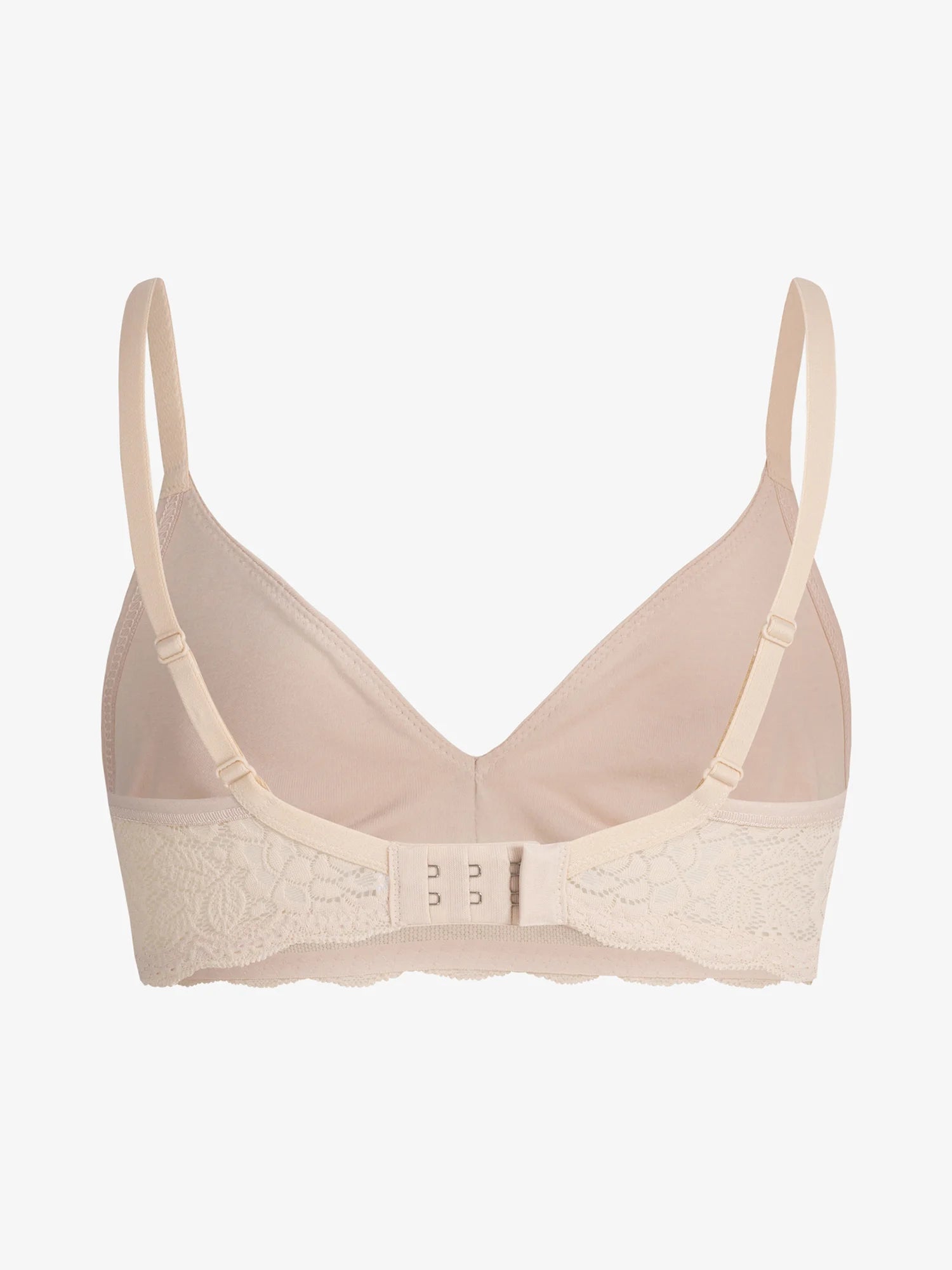
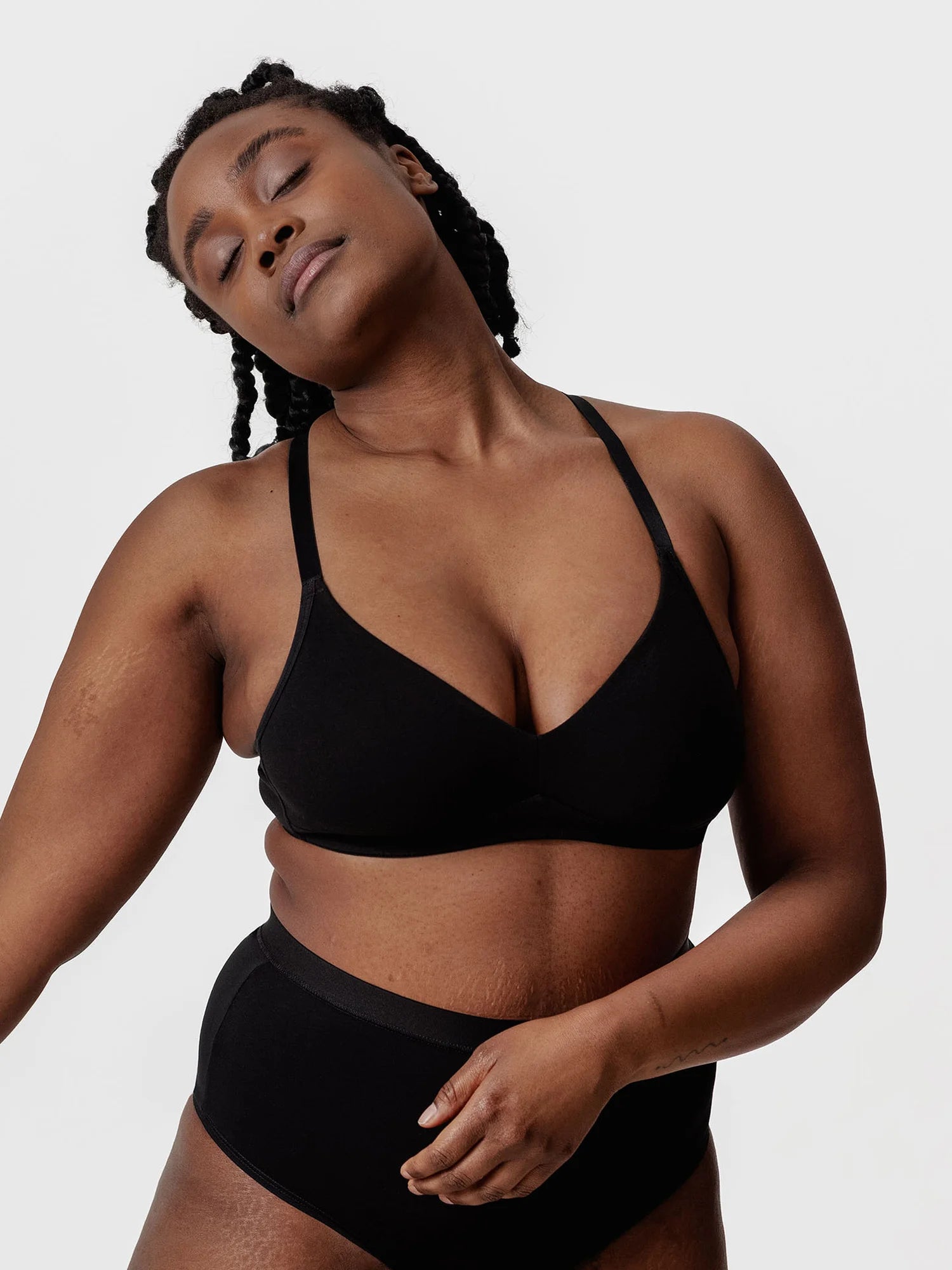
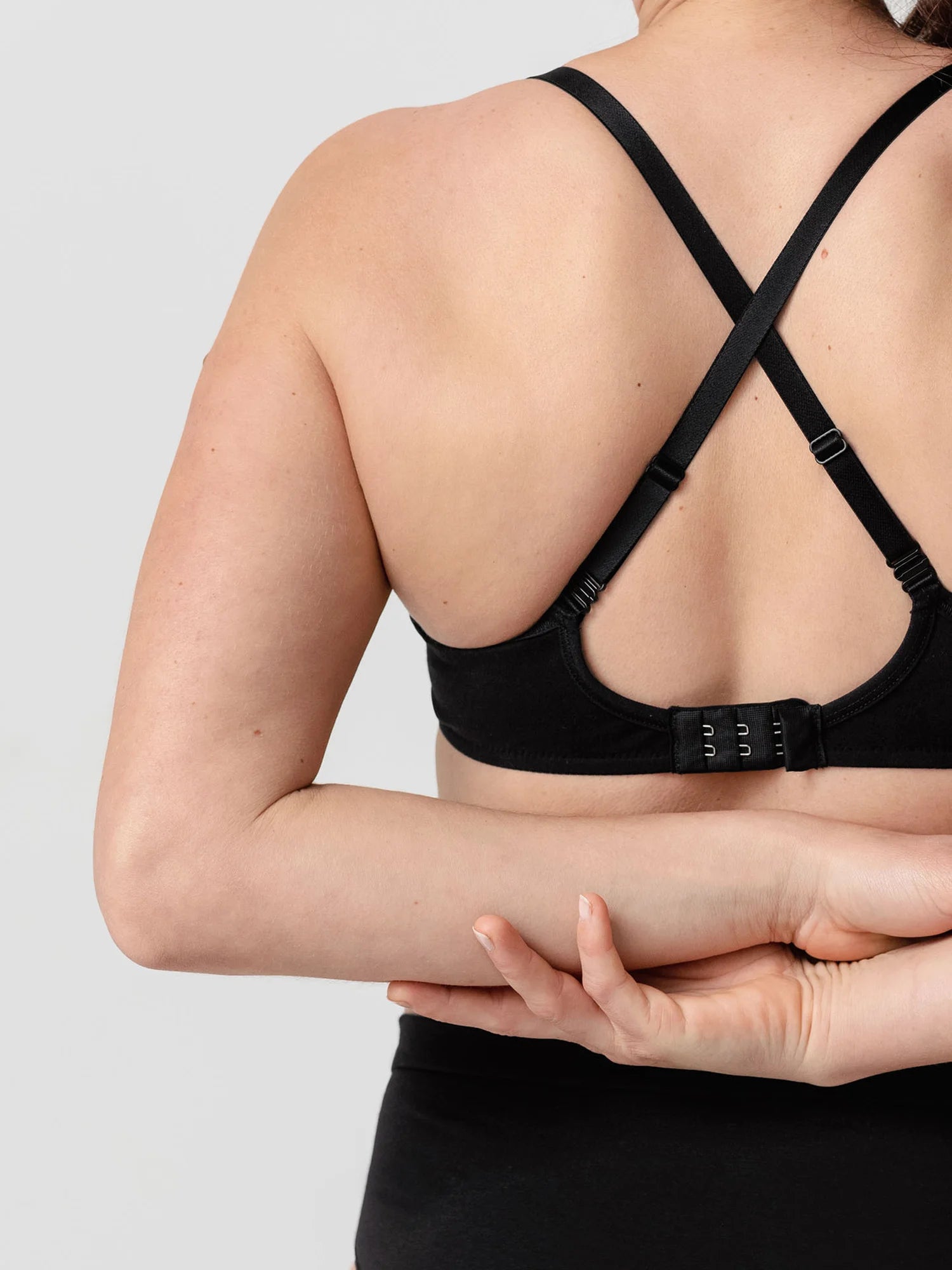
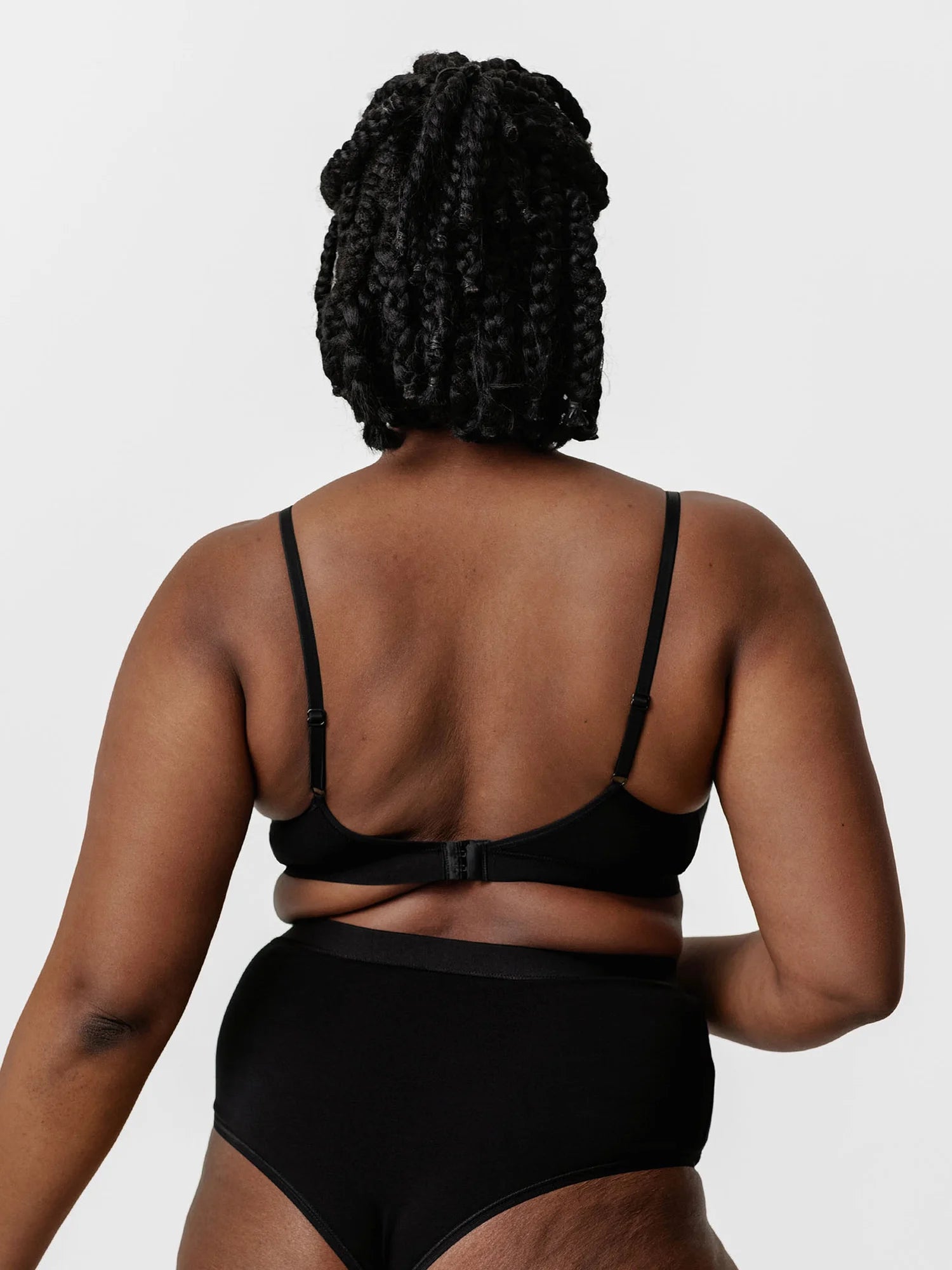
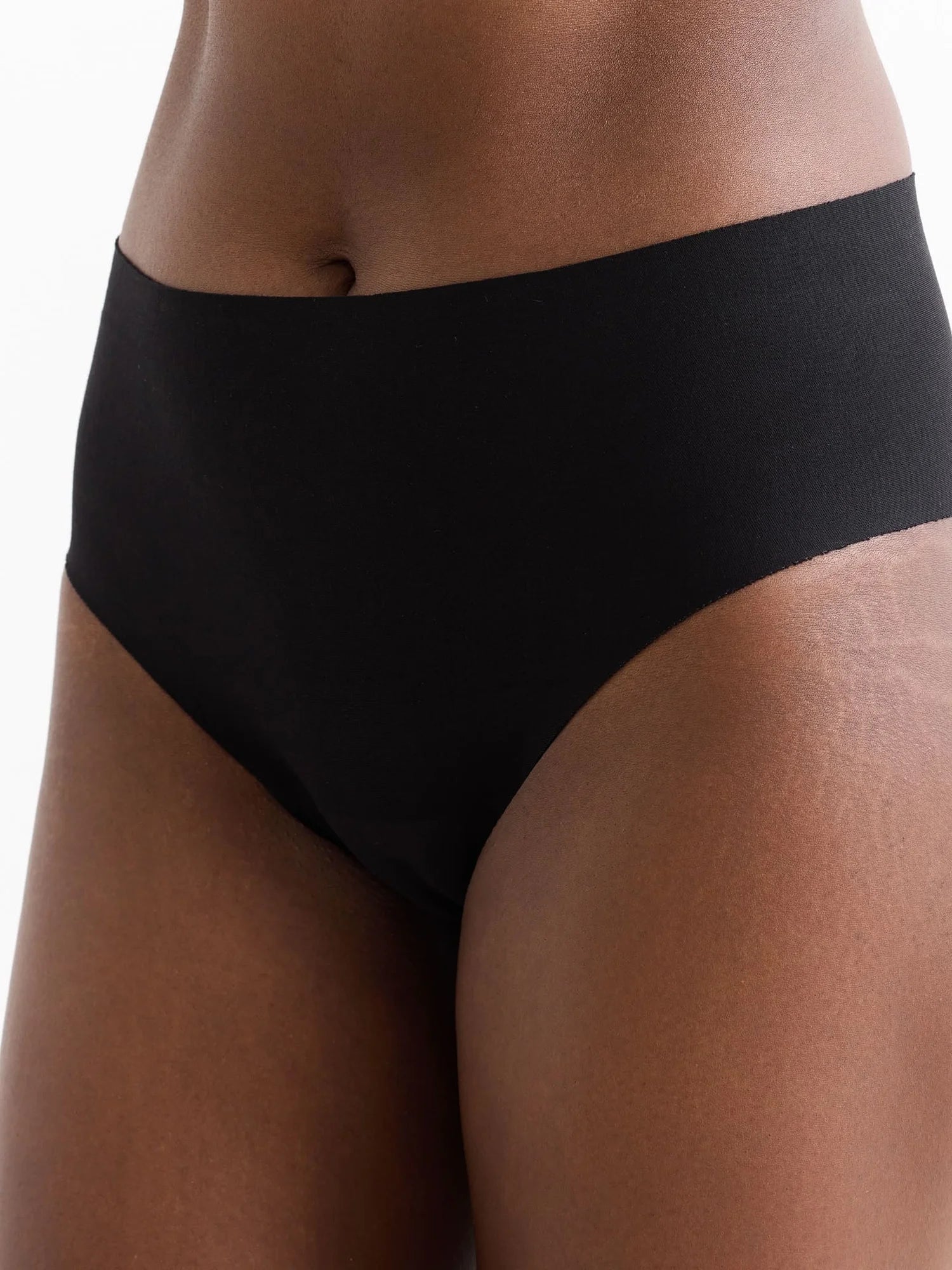
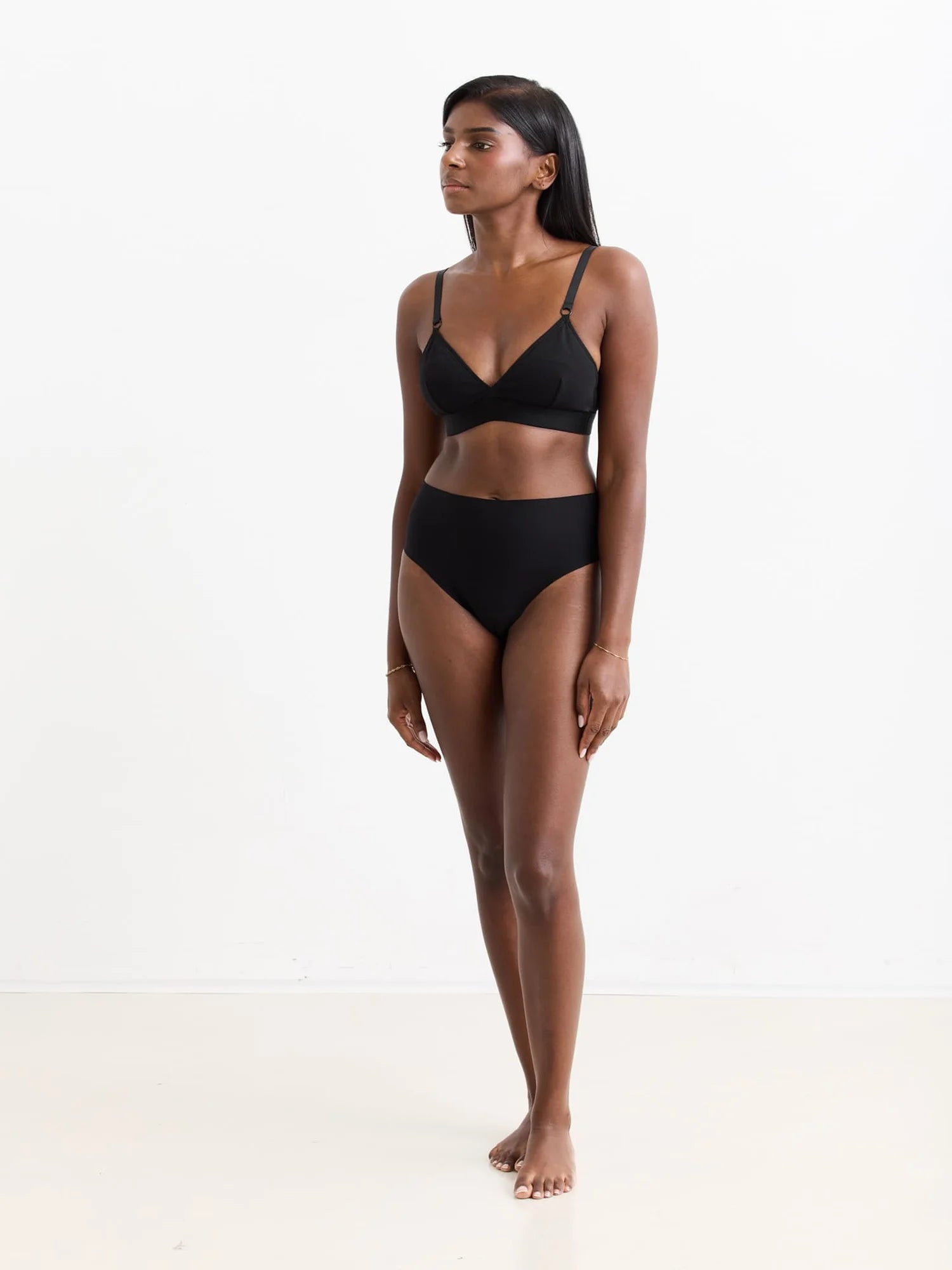
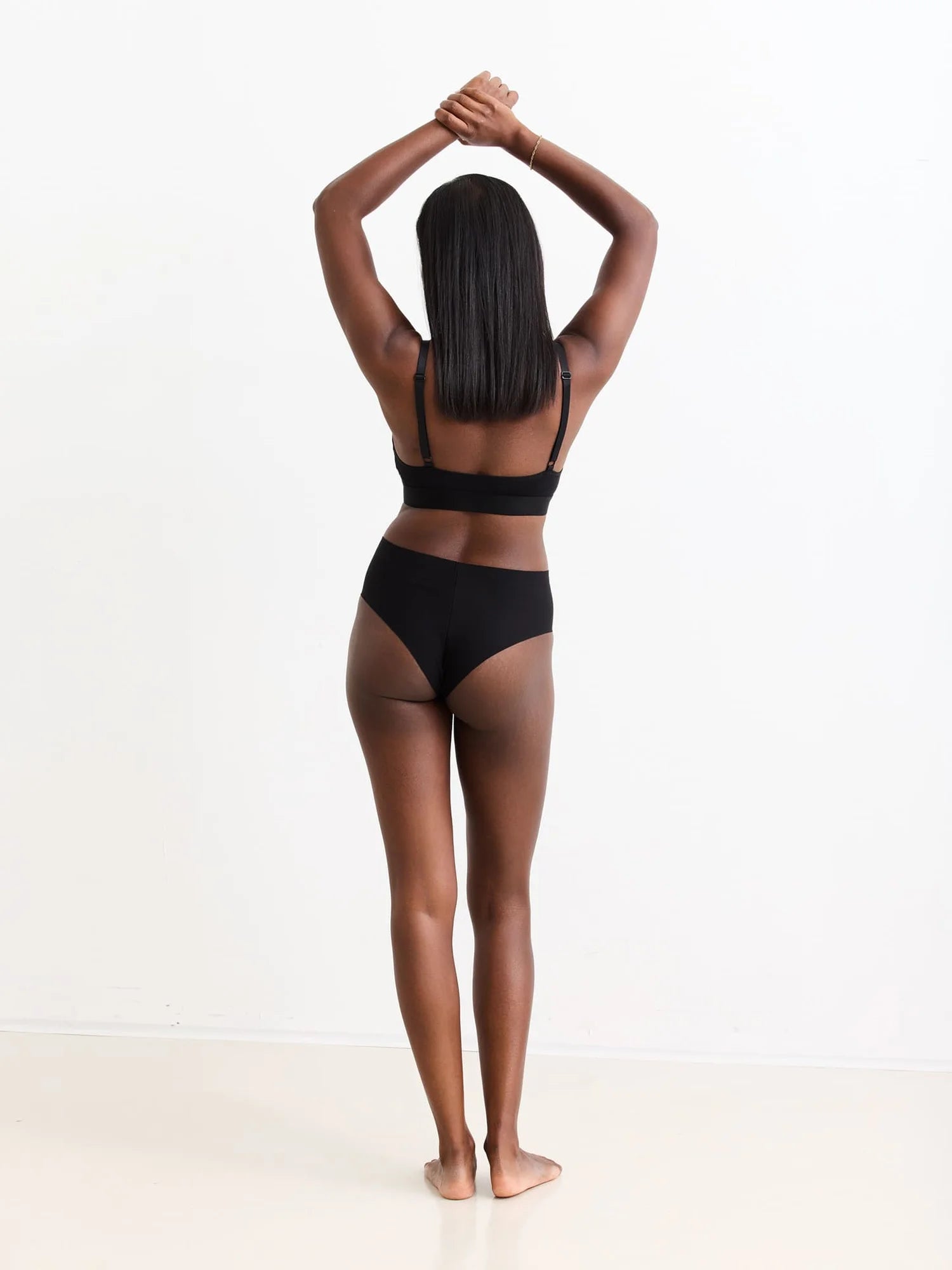
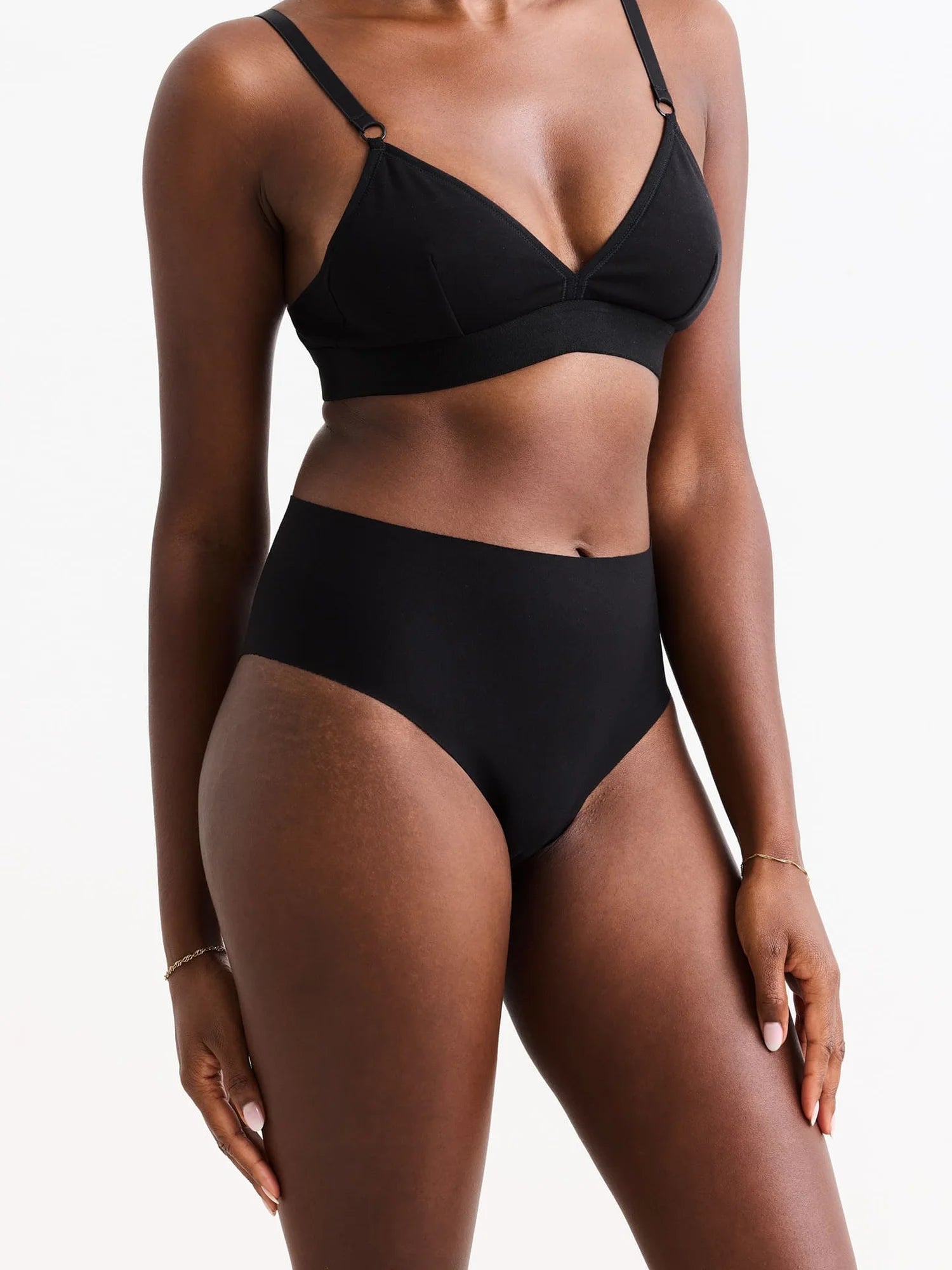
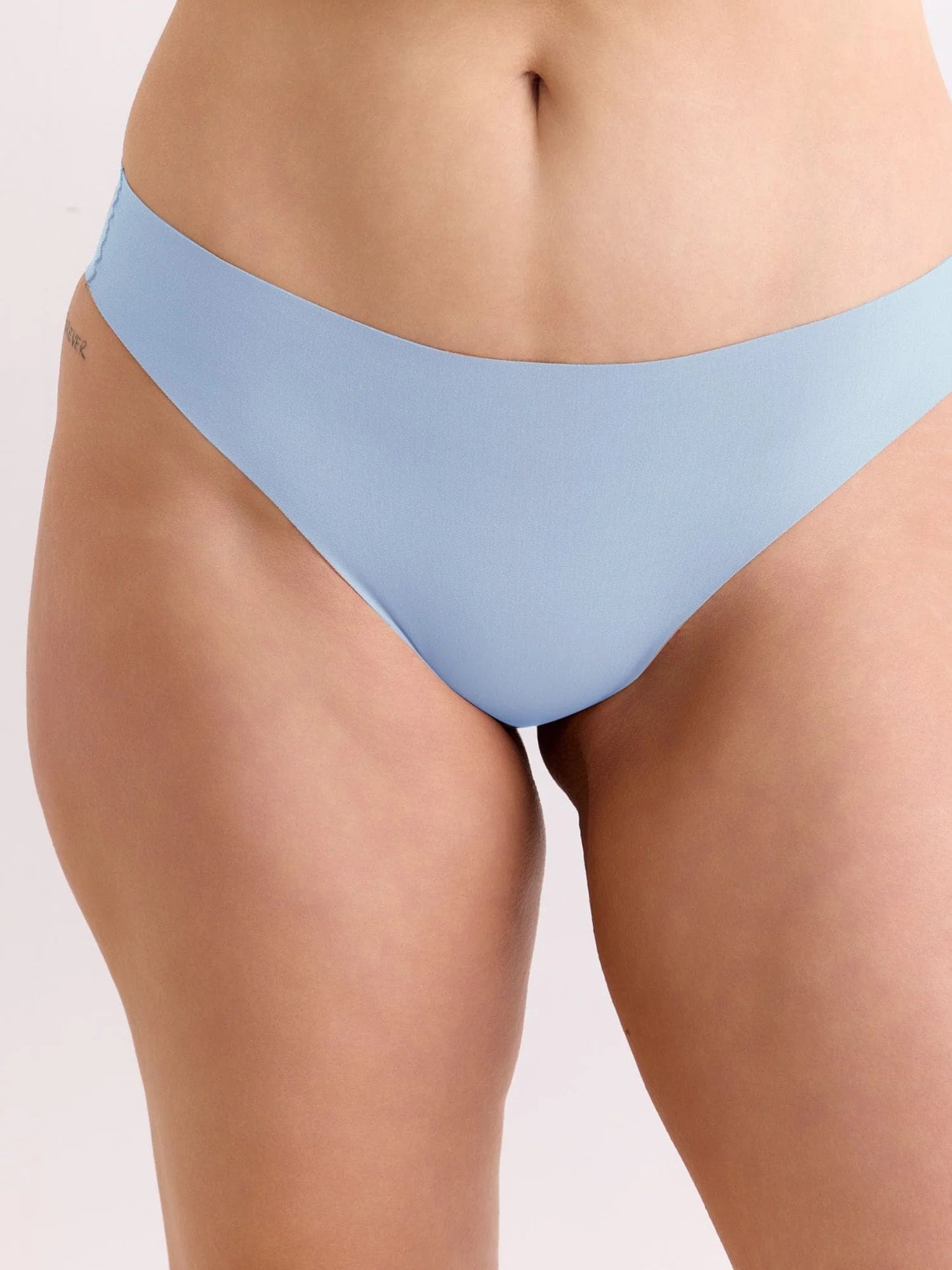
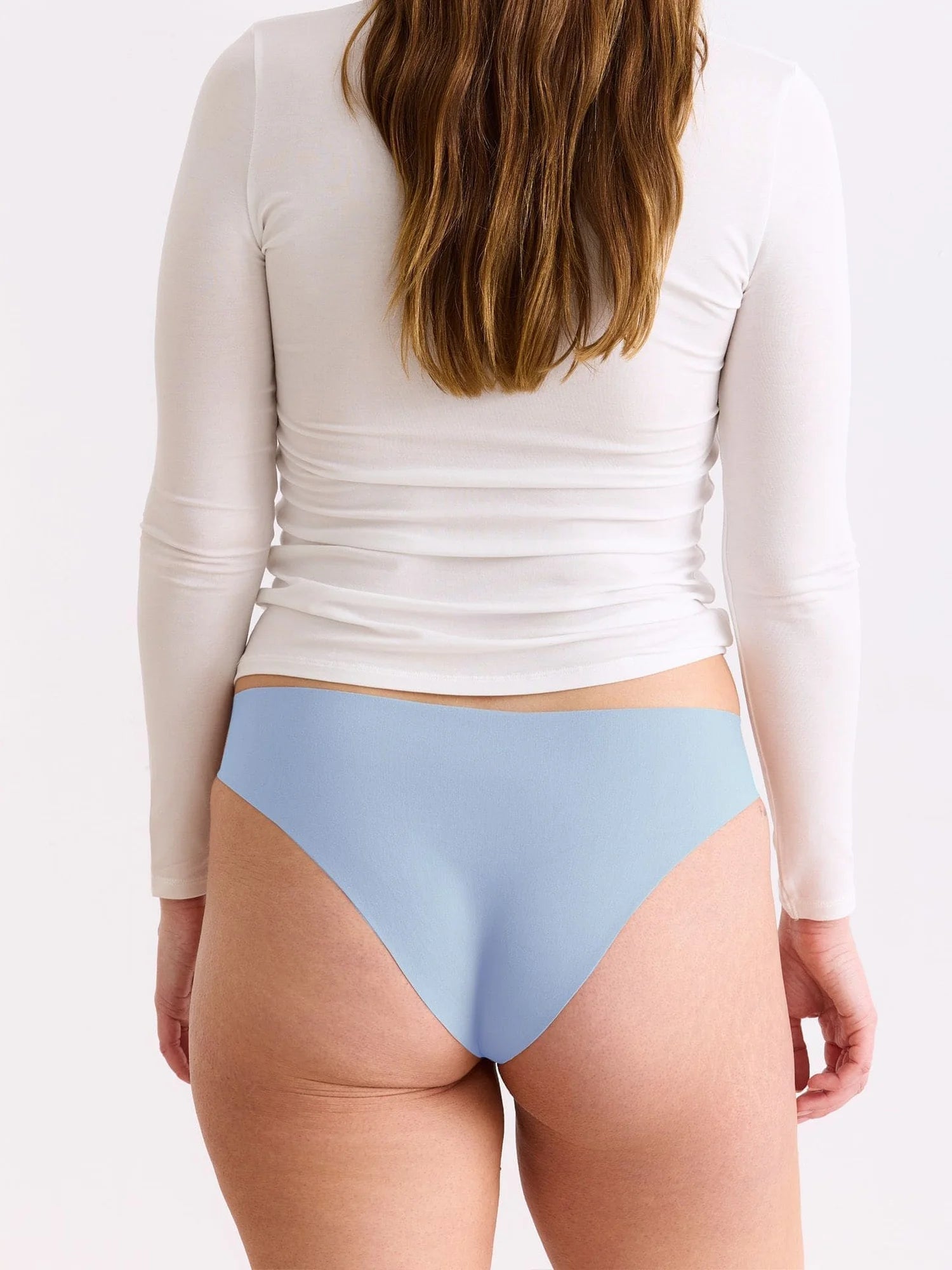
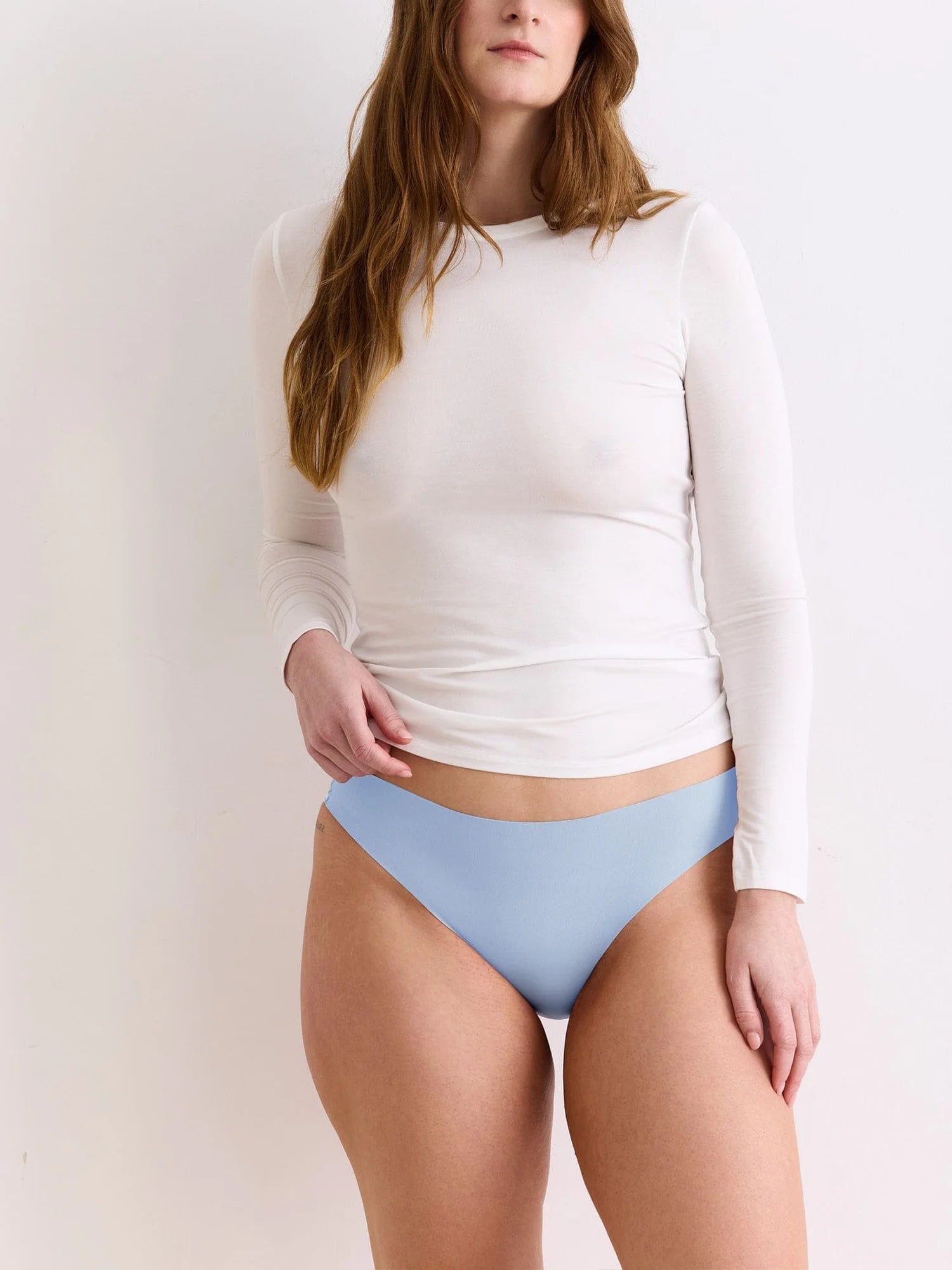
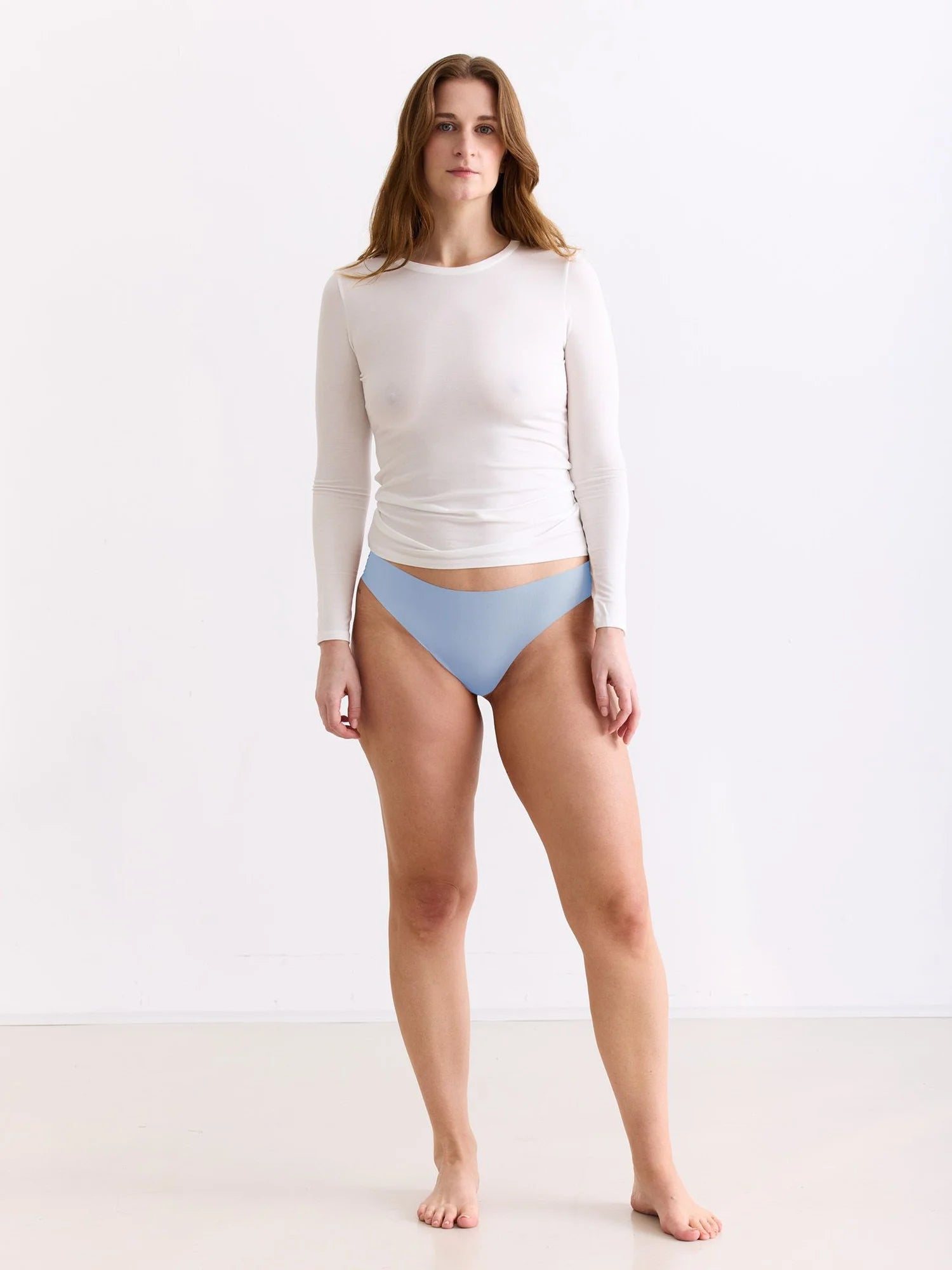
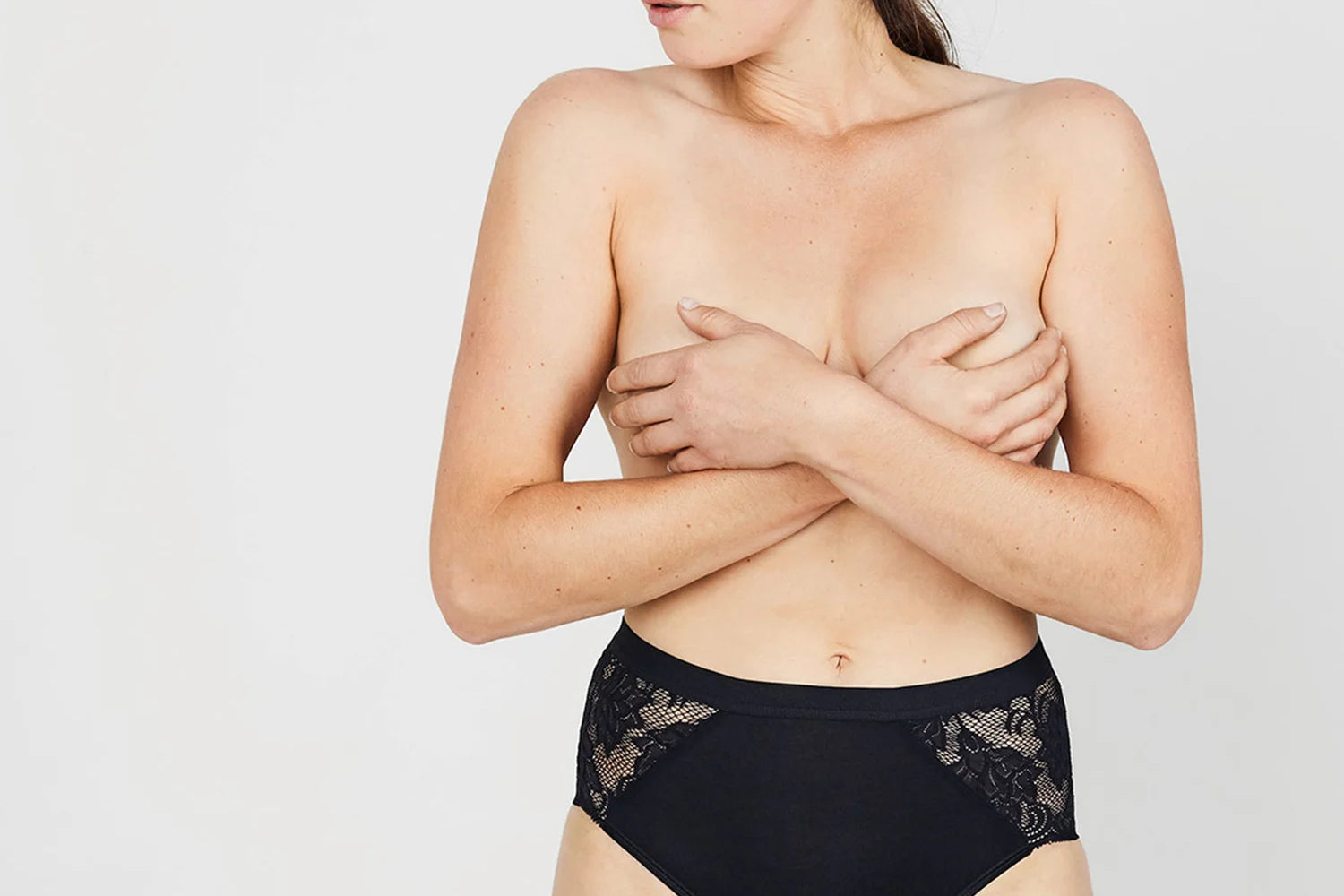
Women. Lyocell appears in our bodies, briefs, strings and sleepwear. The exact fibre composition is always on the product page.
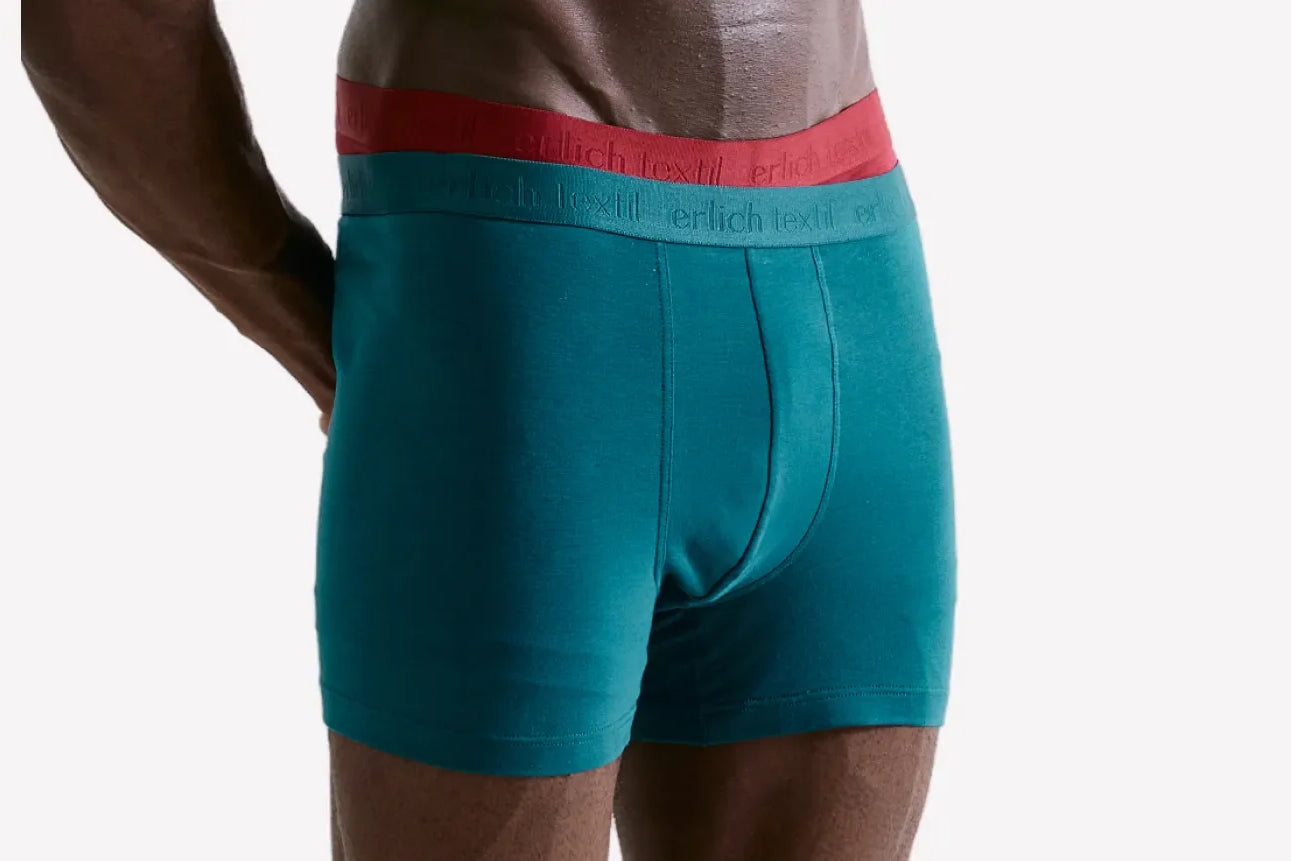
Men. For men we use lyocell to deliver the silky direction, because we don't use modal in our men's range. You will find lyocell in boxer styles. The Light Touch collection is our main TENCEL™ Lyocell line for men.
Sizes. Women: XS to XXL for bottoms and bodies, bras in band sizes 70 to 95 with cups A to E. Men: XS to XXL for boxers and tops.
Production. TENCEL™ Lyocell comes from Lenzing in Austria. The fabric is processed in Portugal (Light Touch line) and partly in Türkiye. Sewing happens in European workshops depending on the style.
If you want to shop a piece now: browse lyocell underwear for women, lyocell tops or the lyocell collection for men.
Frequently asked questions
What is lyocell and what is it made of?
Lyocell is a cellulose fibre made from wood, mostly eucalyptus or beech. We exclusively use TENCEL™ Lyocell from Lenzing in Austria. It is produced in a closed-loop process where over 99 per cent of the NMMO solvent is recovered. Lyocell is silky and, according to Lenzing, breathable and biodegradable.
What is the difference between lyocell and modal?
Both are cellulose fibres from Lenzing, but the process is different. Lyocell uses the closed-loop process with NMMO, recovering over 99 per cent of the solvent. Modal uses the Eco Clean technology with oxygen-based bleaching chemistry. Sensorially, modal is slightly silkier; lyocell is slightly more stable. At erlich textil we use lyocell in both women's and men's ranges, modal only in the women's range.
At what temperature do I wash lyocell?
Lyocell handles 30 to 60 °C. We recommend a maximum of 40 °C on a gentle cycle with mild detergent, low spin (max. 600 rpm), a mesh wash bag for lace and bralettes, no bleach. That keeps the silky hand for the long run.
Is lyocell really sustainable?
It depends on your criteria. Factually: TENCEL™ Lyocell is made from FSC- and PEFC-certified wood, the closed-loop process recycles over 99 per cent of the solvent, and the fibre is biodegradable according to Lenzing. What lyocell isn't: carbon-neutral or GOTS-certified. We deliberately avoid those blanket claims.
Is lyocell vegan?
Yes. Lyocell is made from wood, a plant-based cellulose fibre with no animal-derived components. We don't separately label it “vegan” because we don't run a systematic vegan certification, but the fibre itself contains no animal components.
What lyocell products does erlich textil offer?
For women: bodies, briefs, strings, tops, loungewear and sleepwear. Browse the overview in our lyocell underwear for women. For men: boxers, T-shirts and sleepwear in the lyocell collection for men. The exact fibre composition is on every product page.
Does lyocell have downsides?
Yes, three that matter. Lyocell costs more than conventional cotton, it reacts badly to very hot dryer cycles and hard spin cycles, and it does not warm you, it cools. On active days and in warm nights that is exactly the advantage; in winter you would reach for denser cotton instead.
Is lyocell suitable for bedding?
In principle yes: the fibre wrinkles little, dries fast and feels temperature-regulating. Our own bedding, however, is currently made from certified-organic cotton and linen, not lyocell. If bedding materials interest you, the overview is in our bedding guide.
Sources
- Lenzing, TENCEL™ Lyocell: closed-loop process, NMMO, FSC/PEFC, biodegradability.
- FSC: Forest Stewardship Council forestry certification.
- PEFC: Programme for the Endorsement of Forest Certification.
- OEKO-TEX Standard 100: residual-chemical certification for textiles.