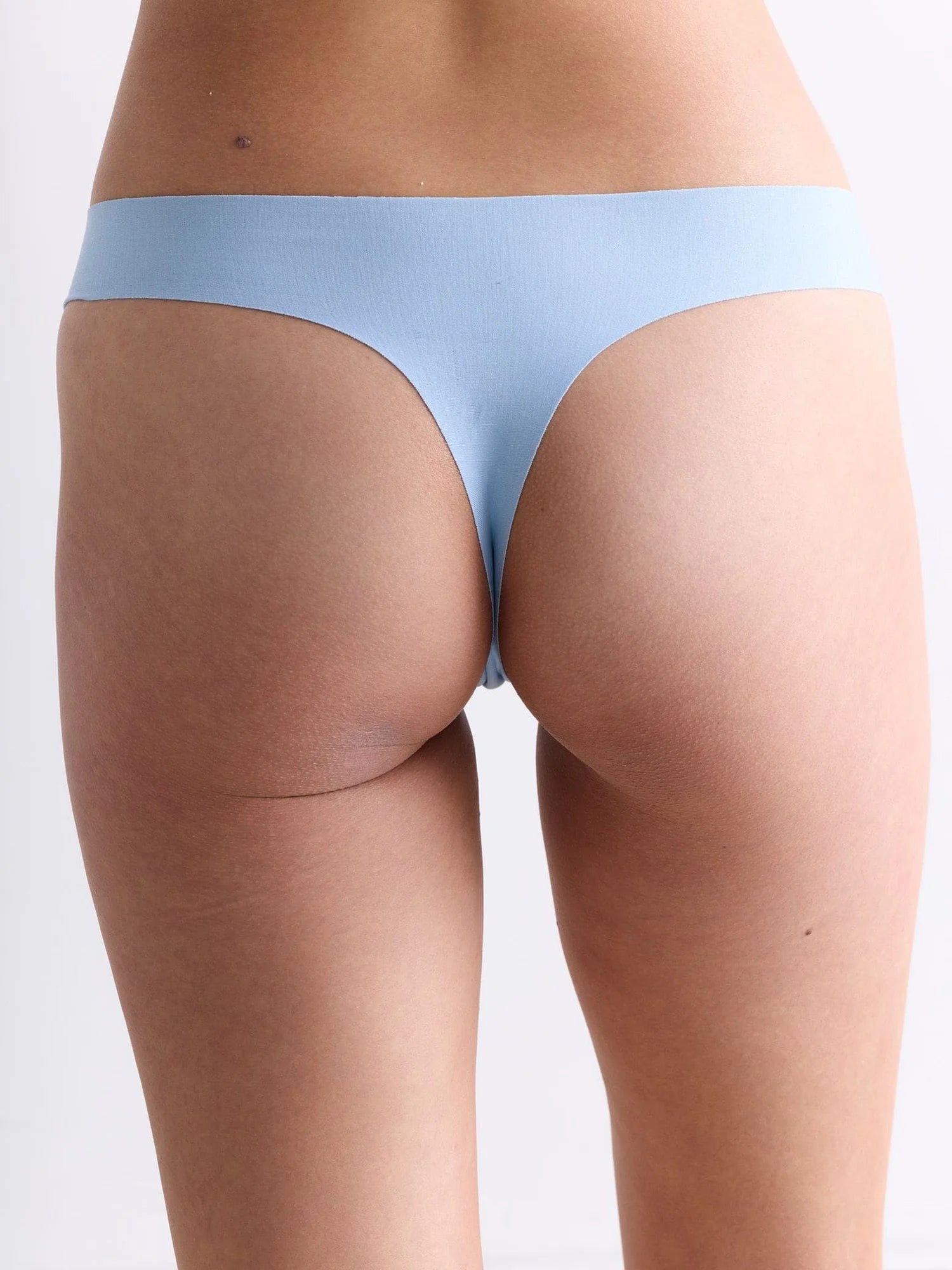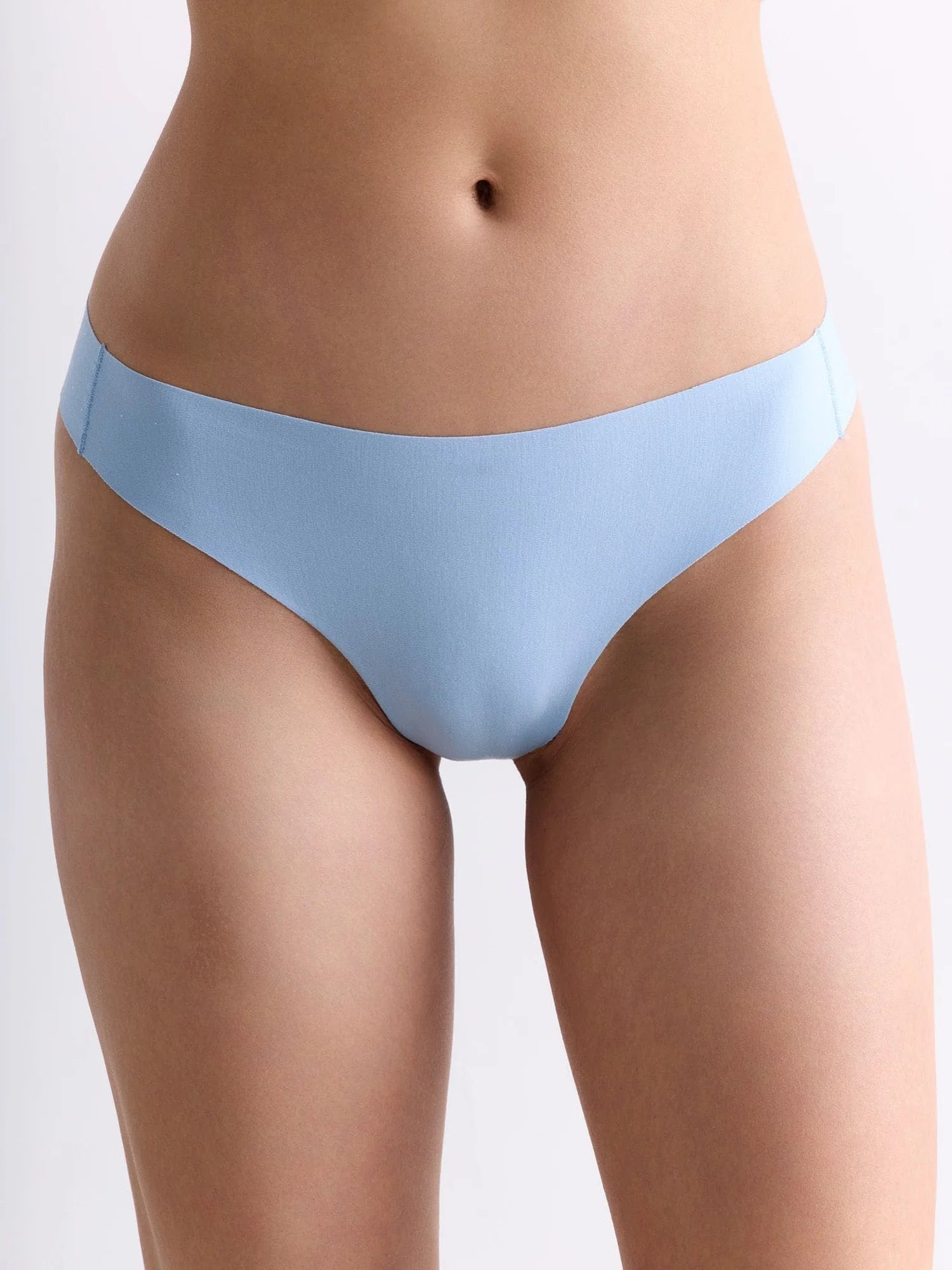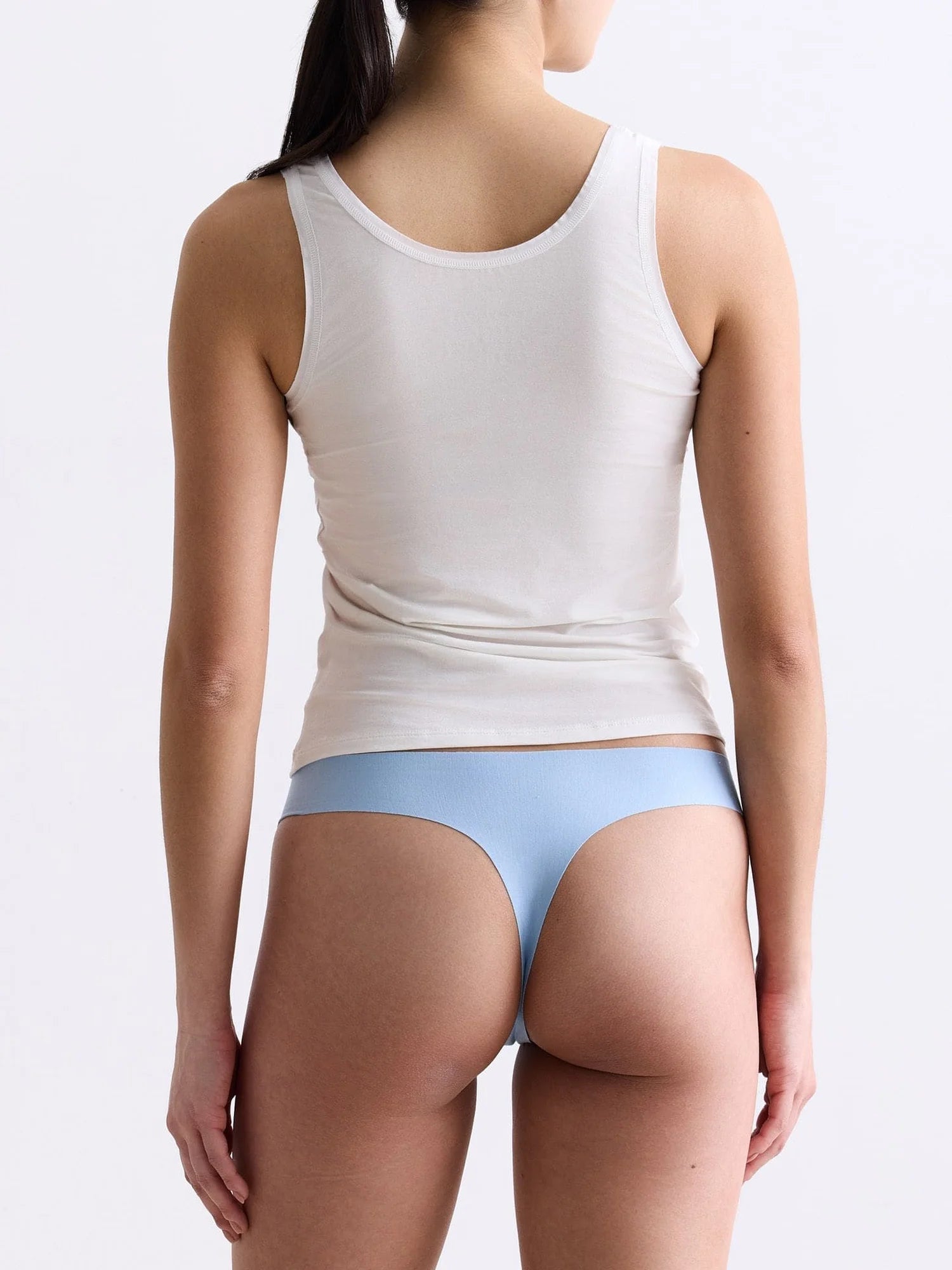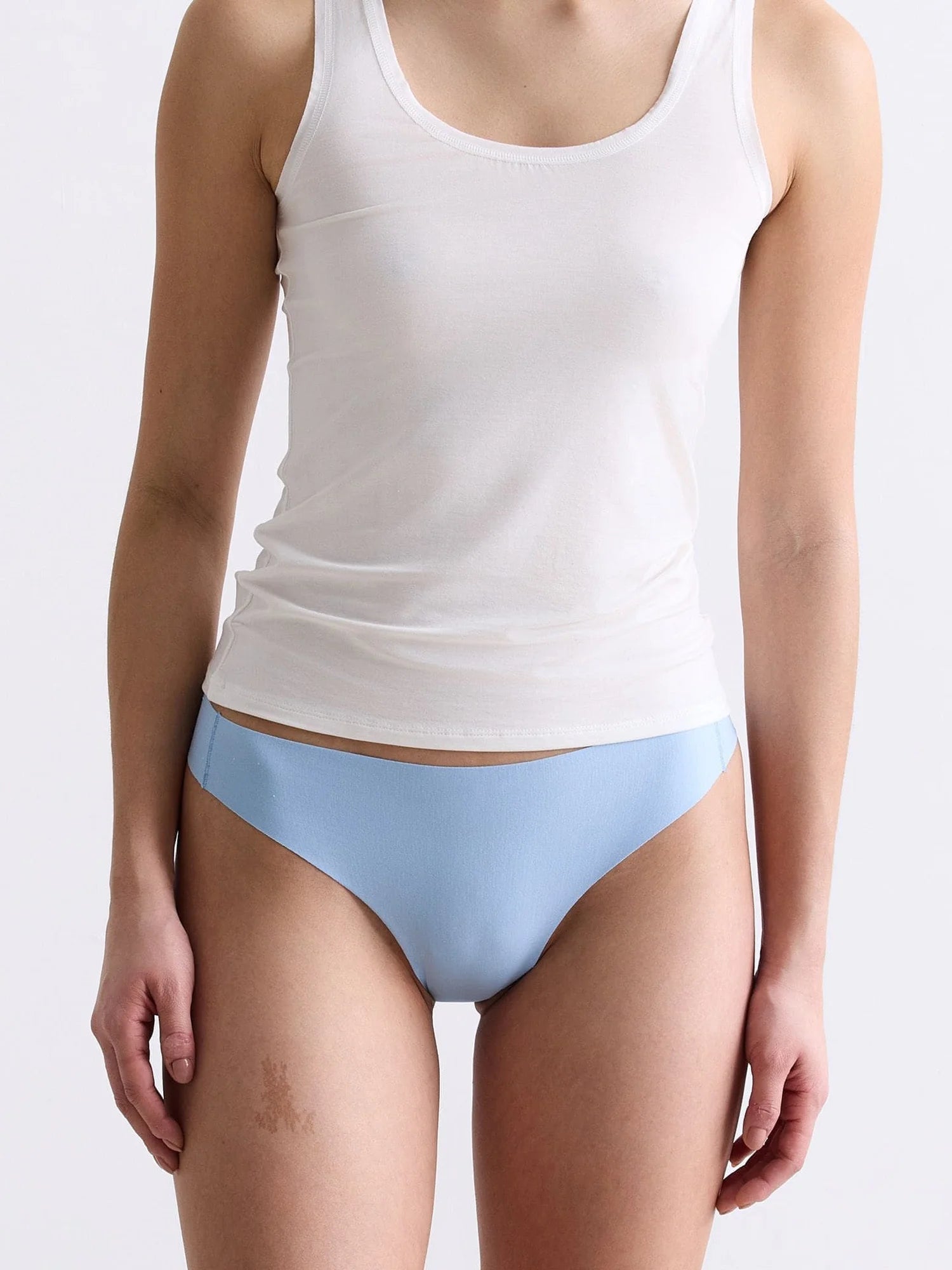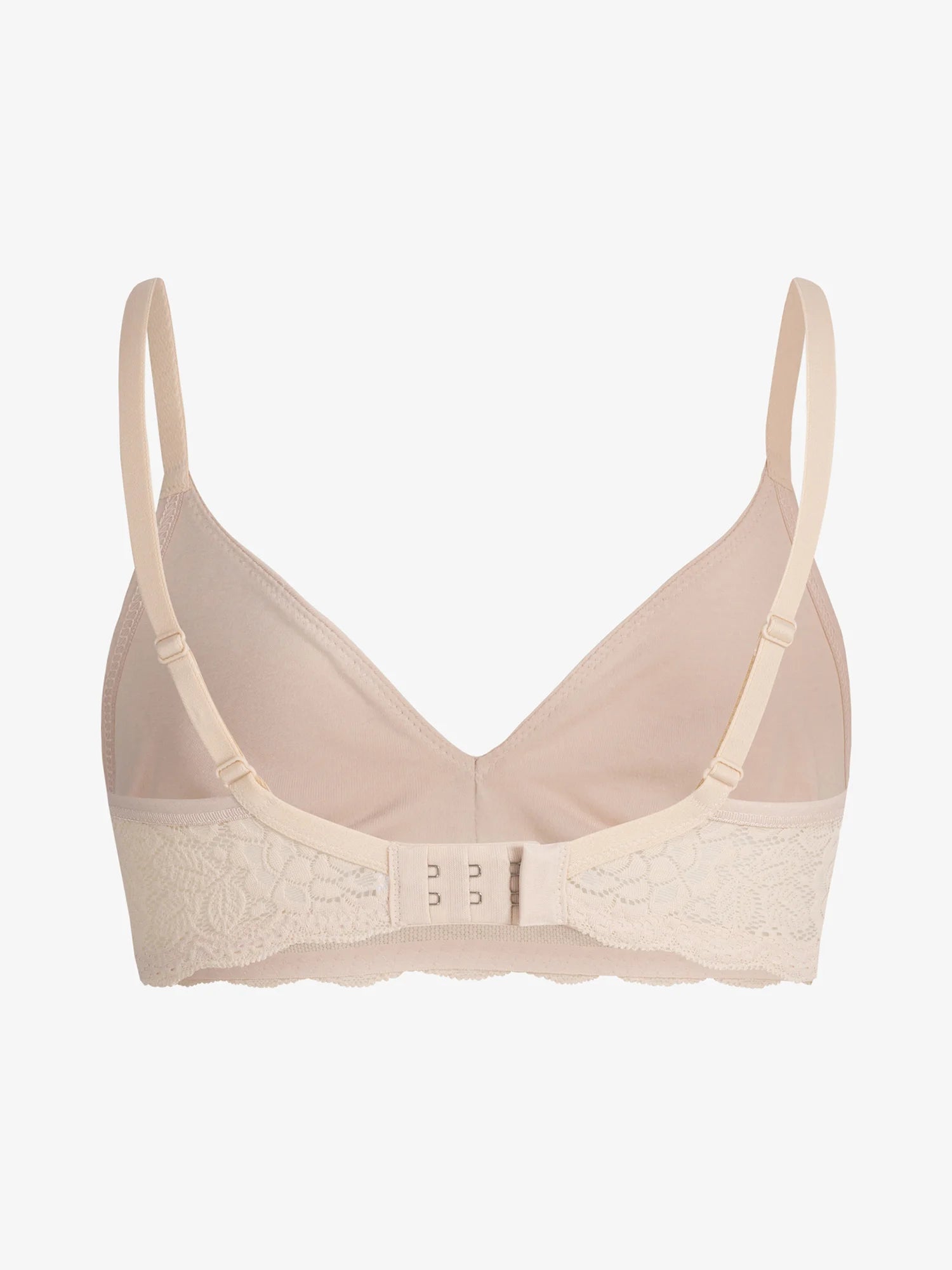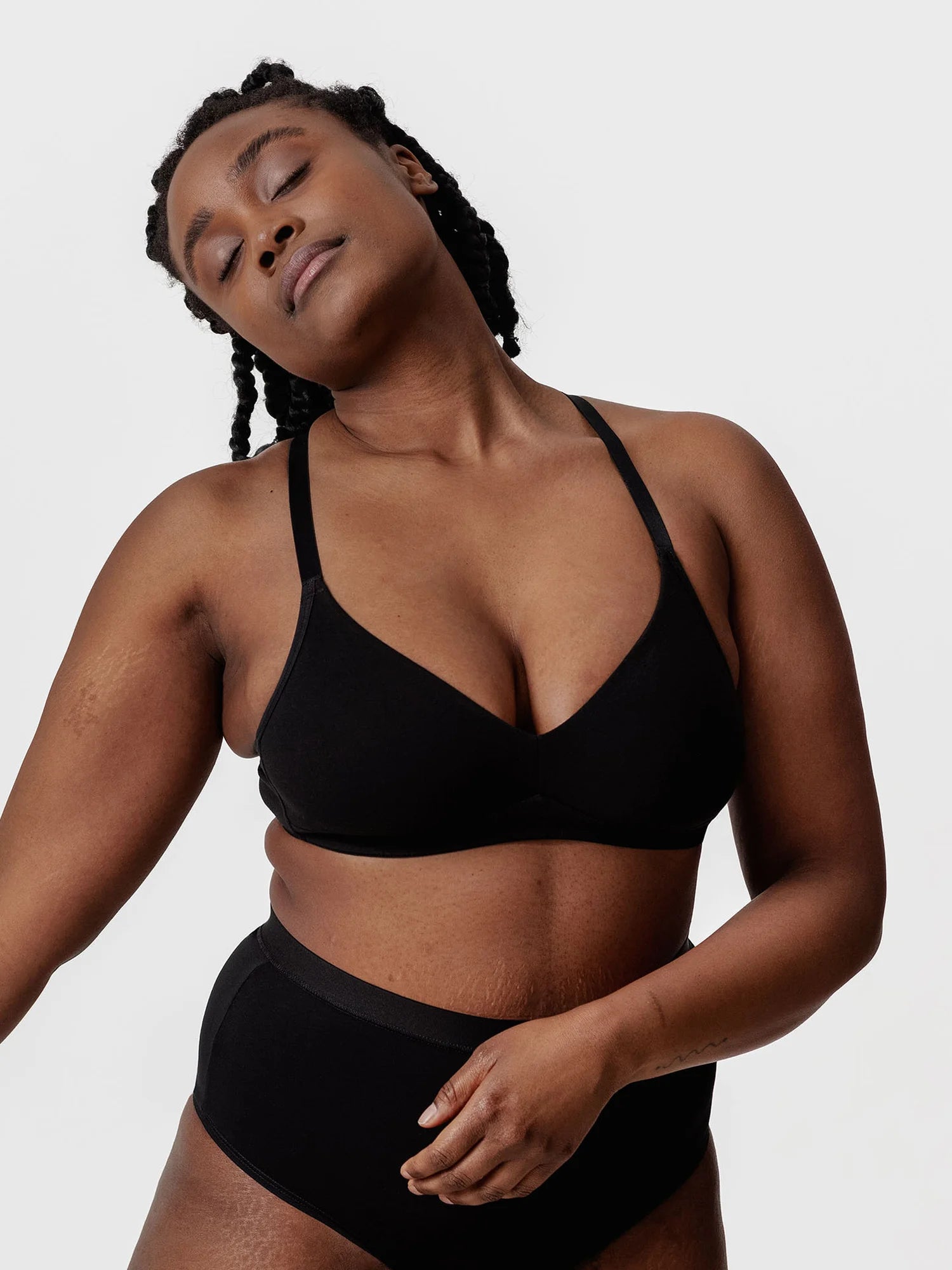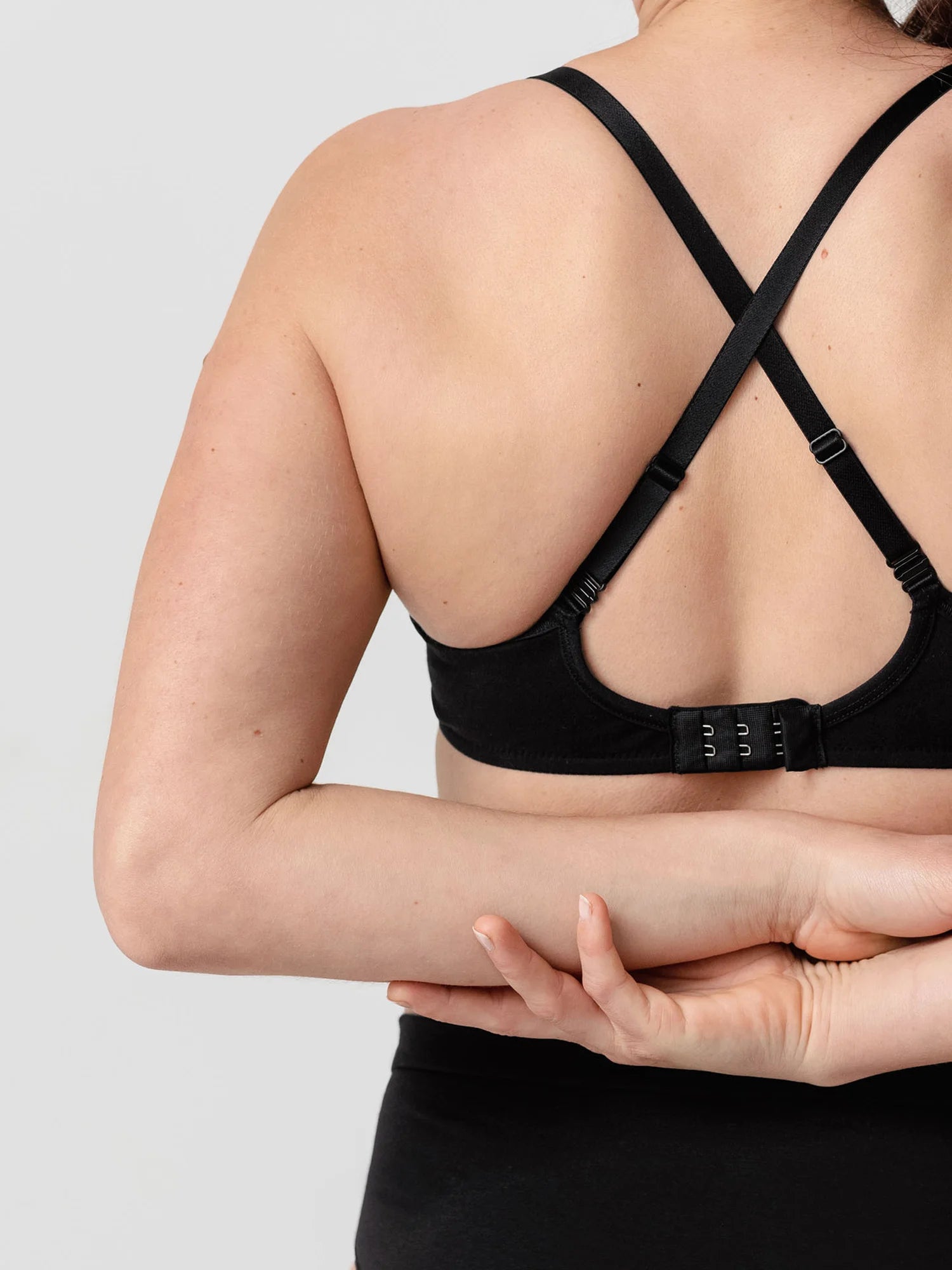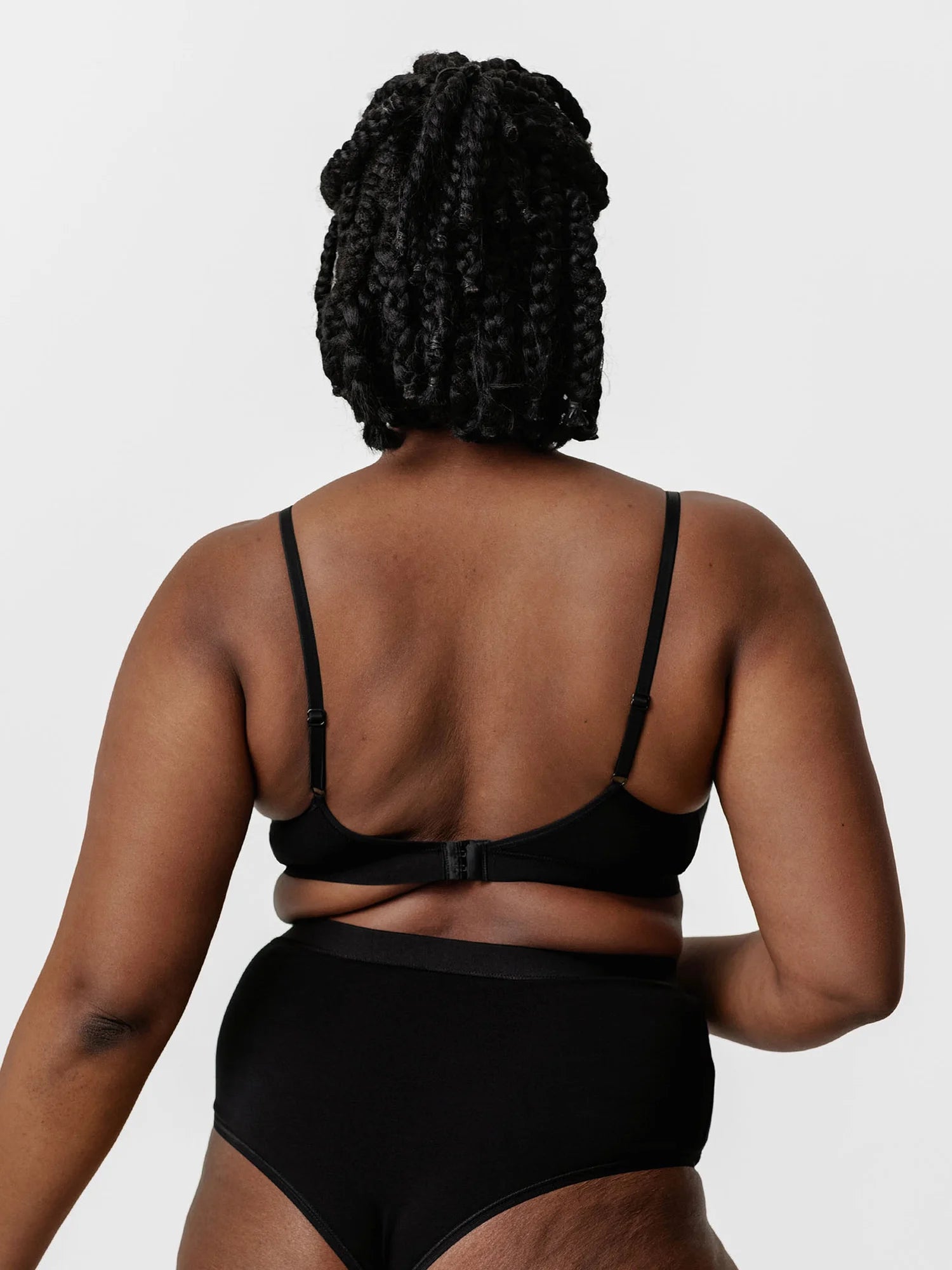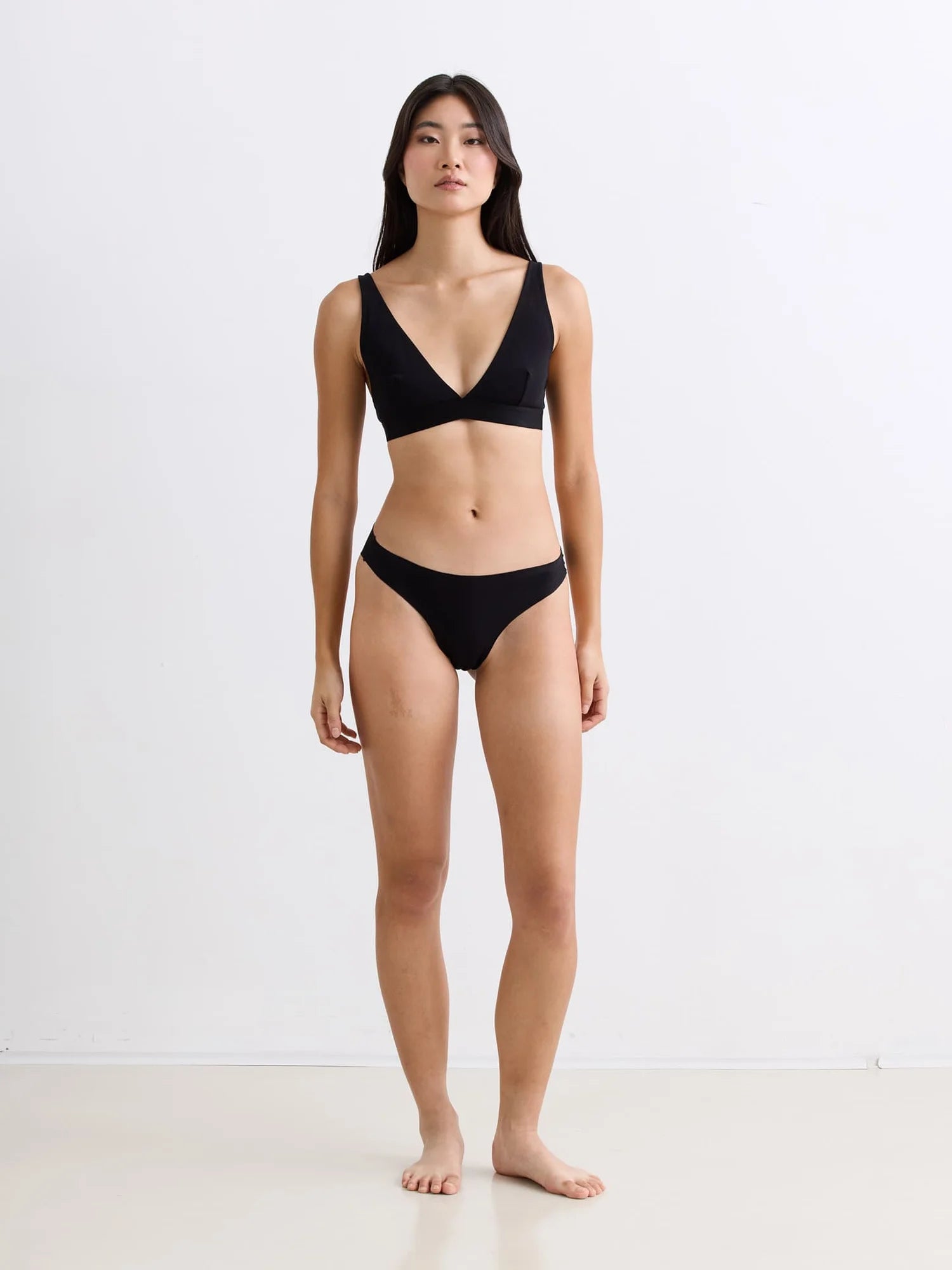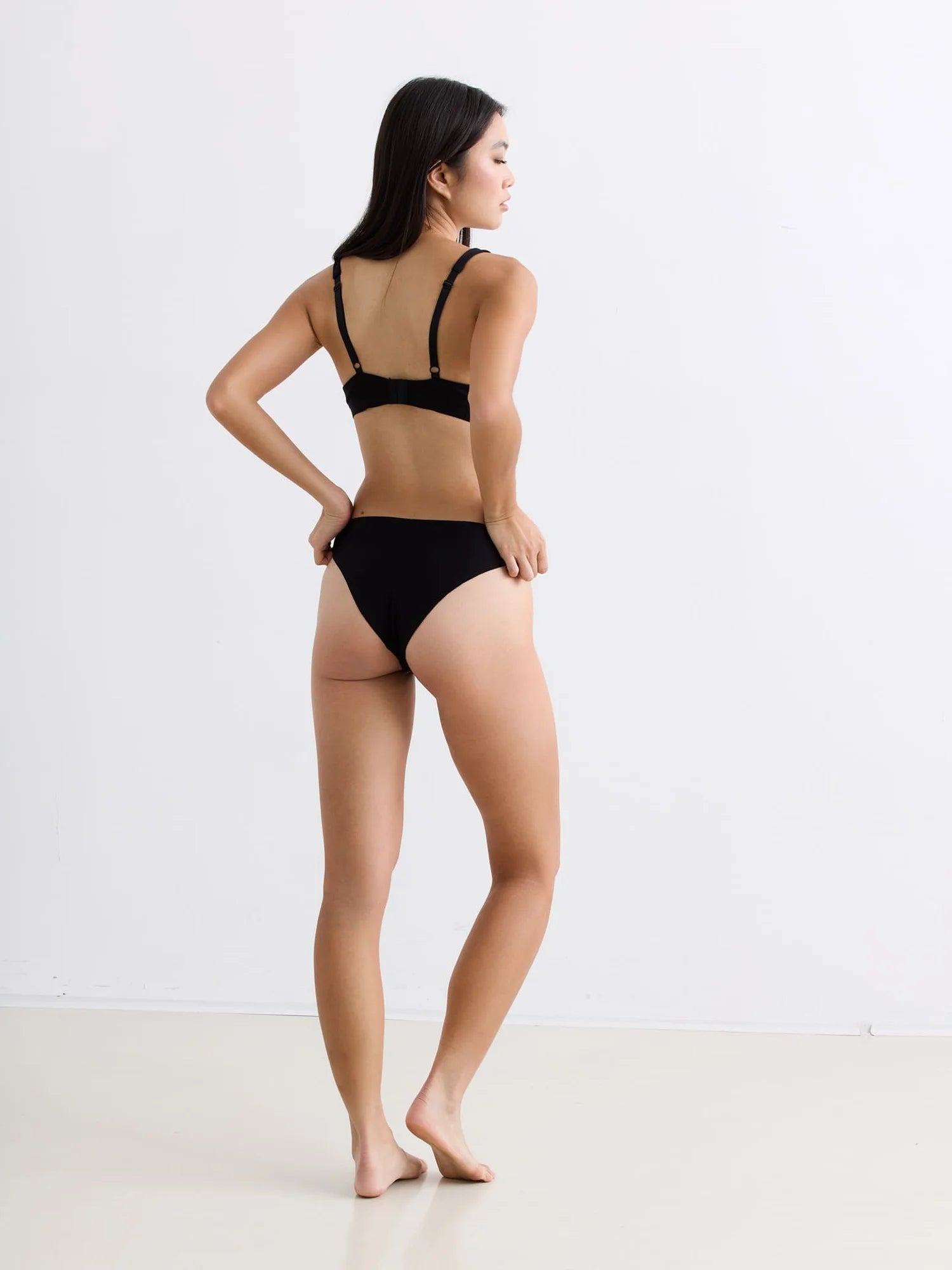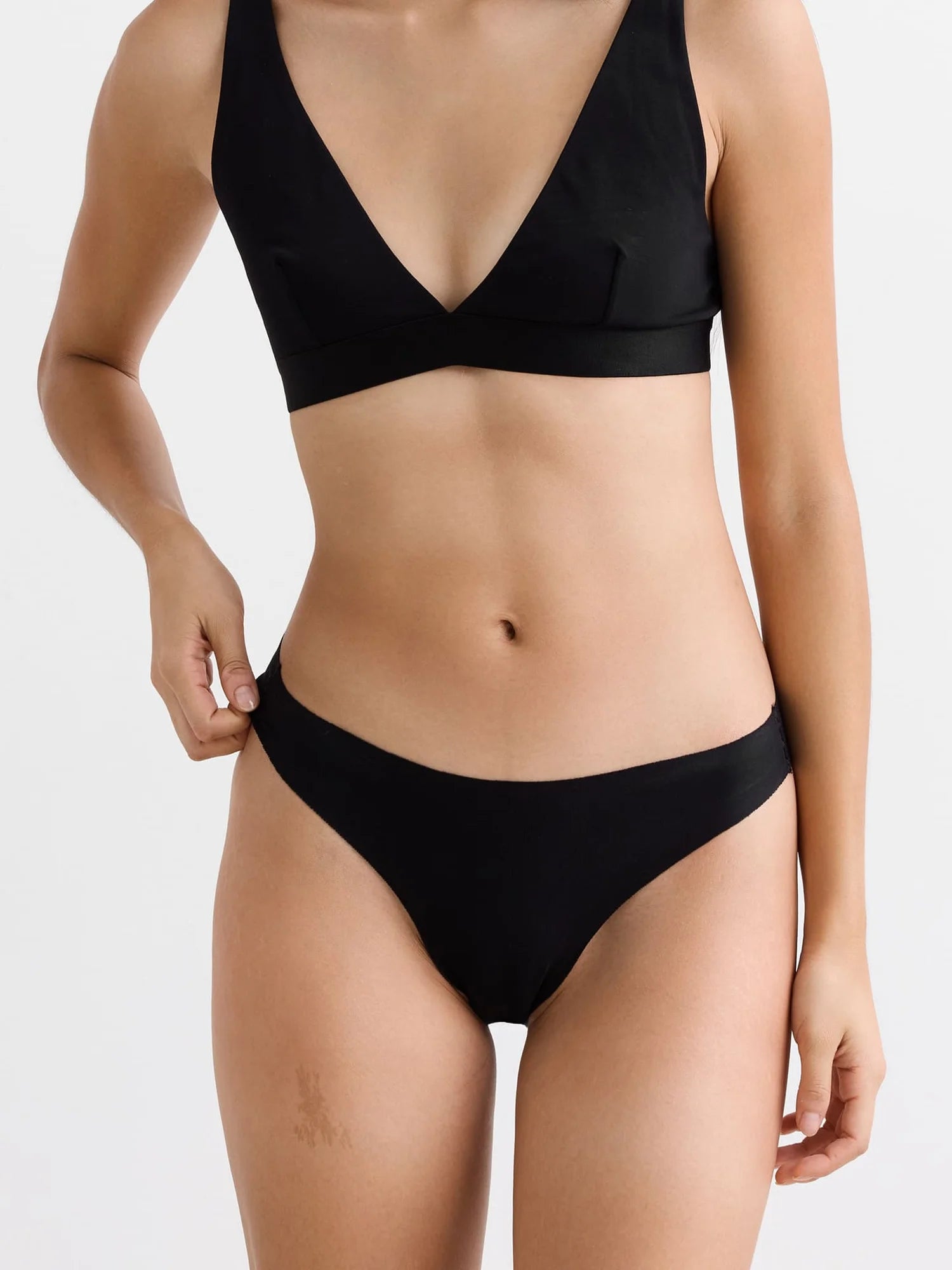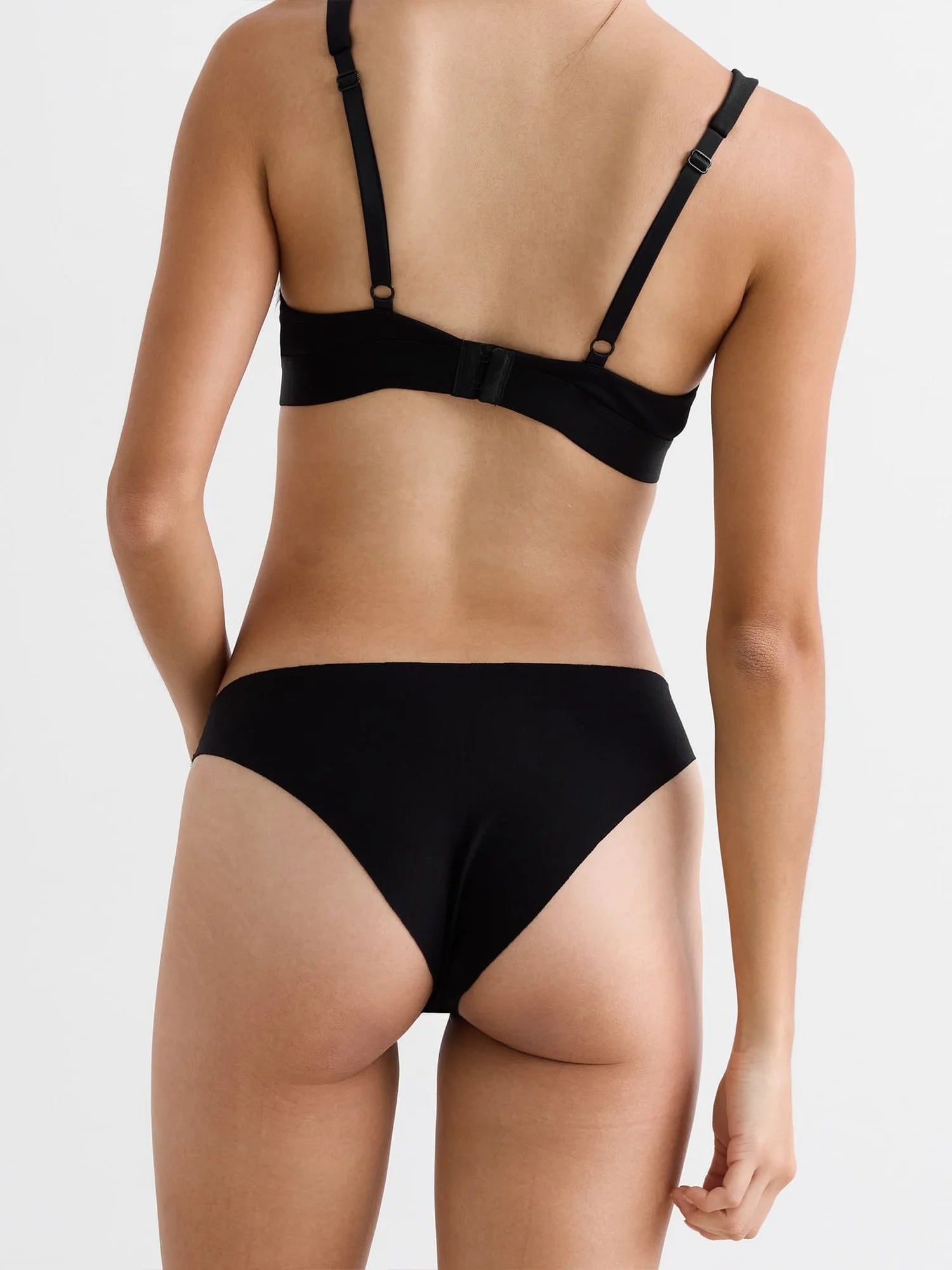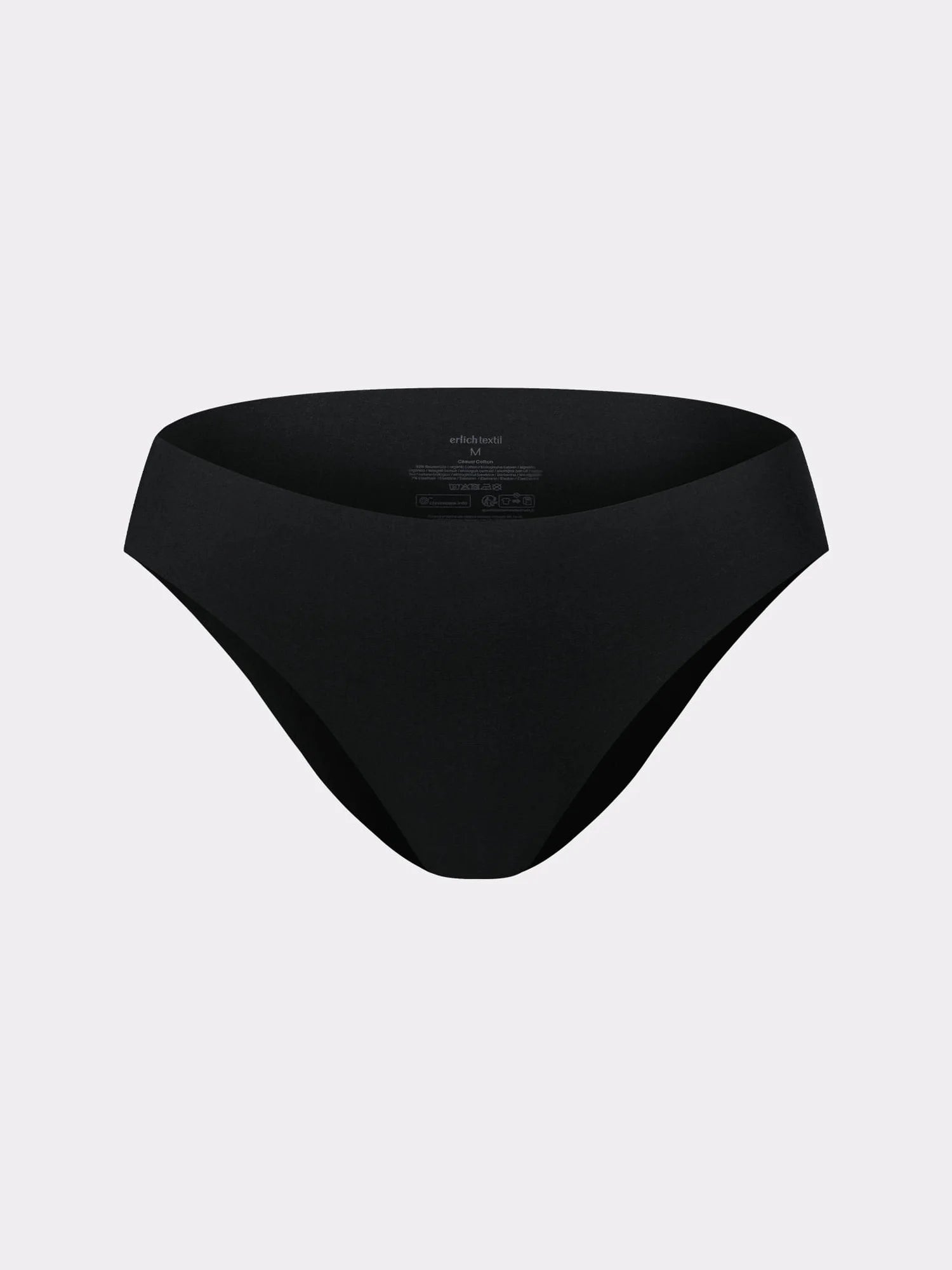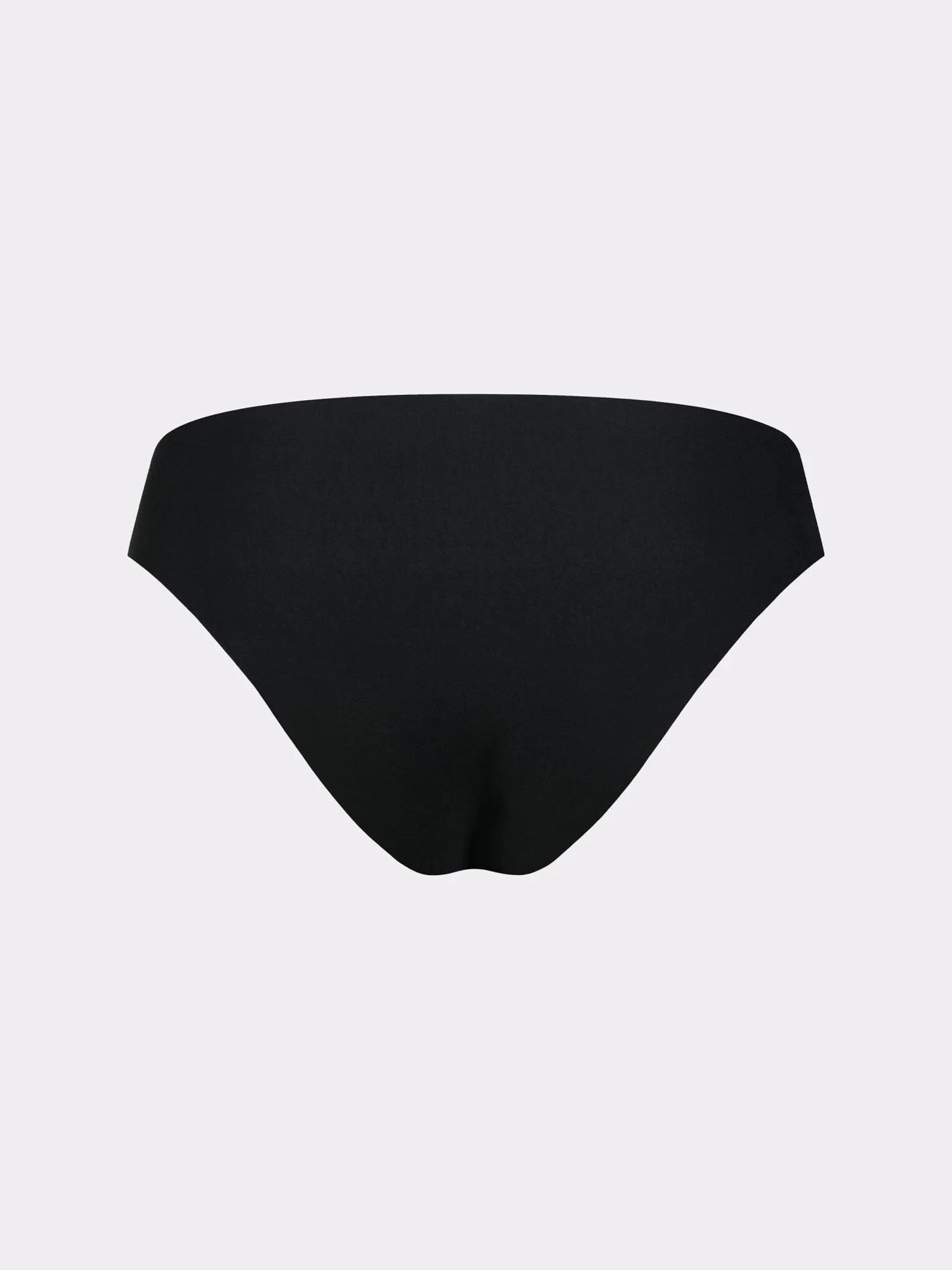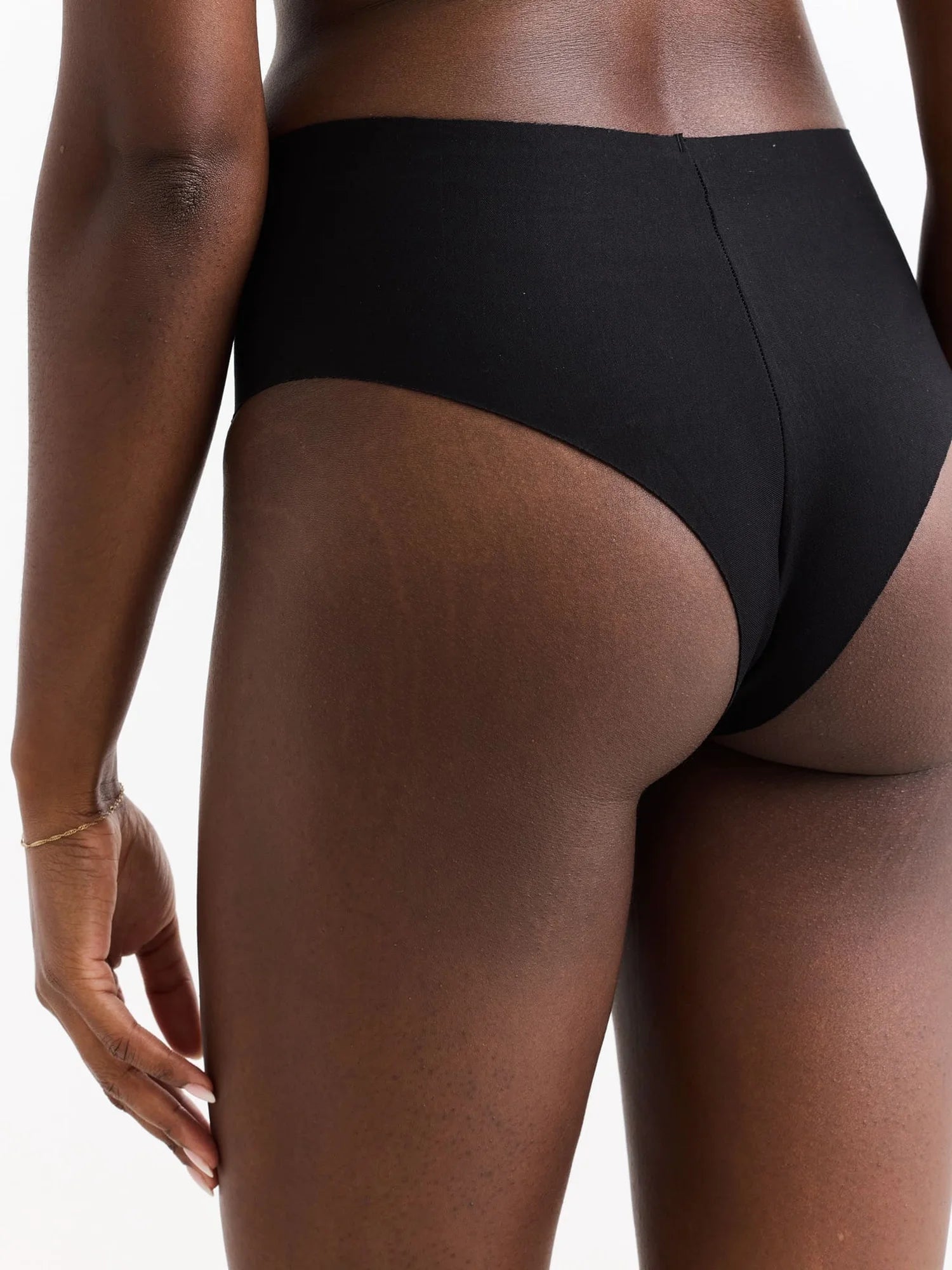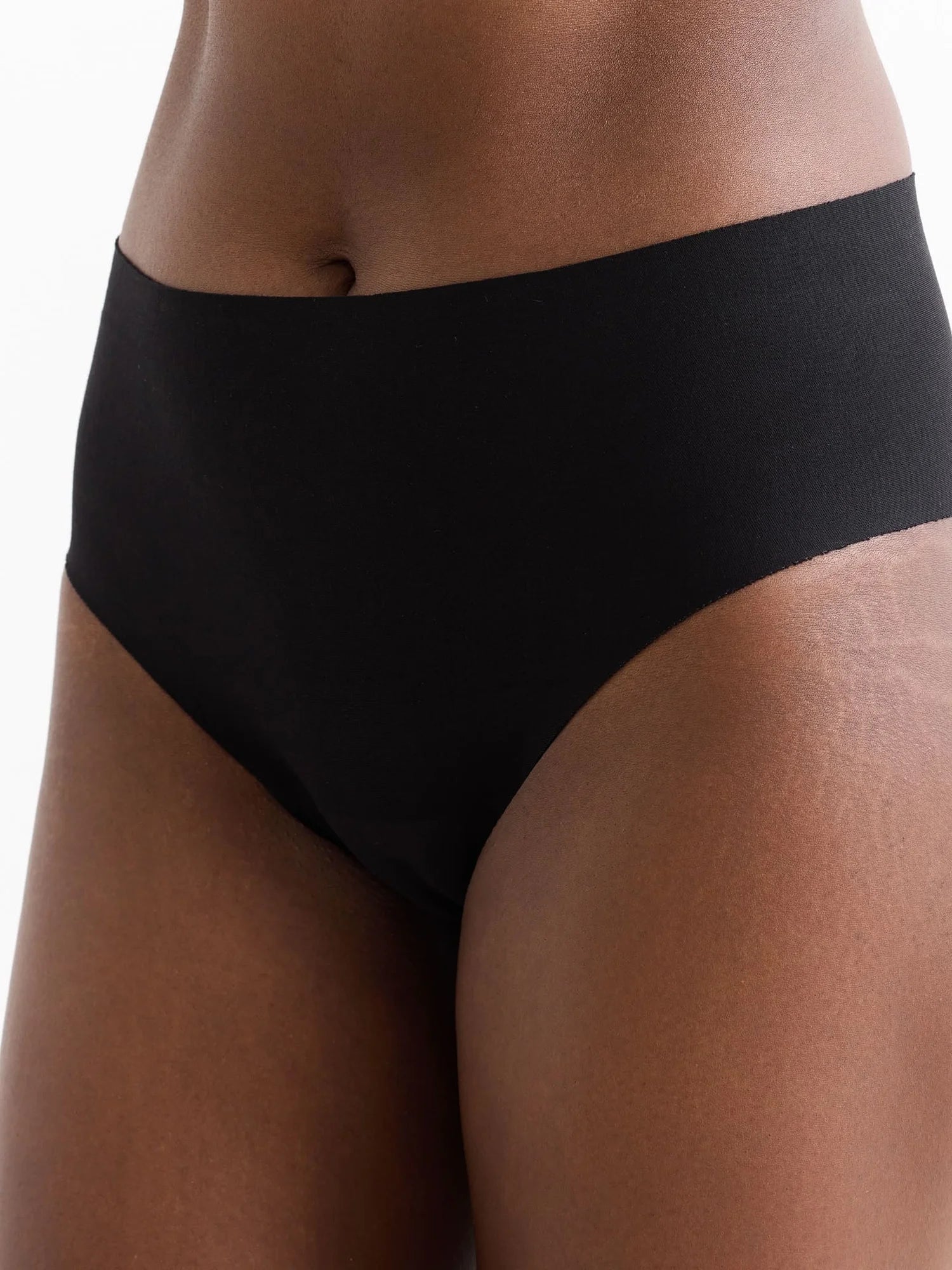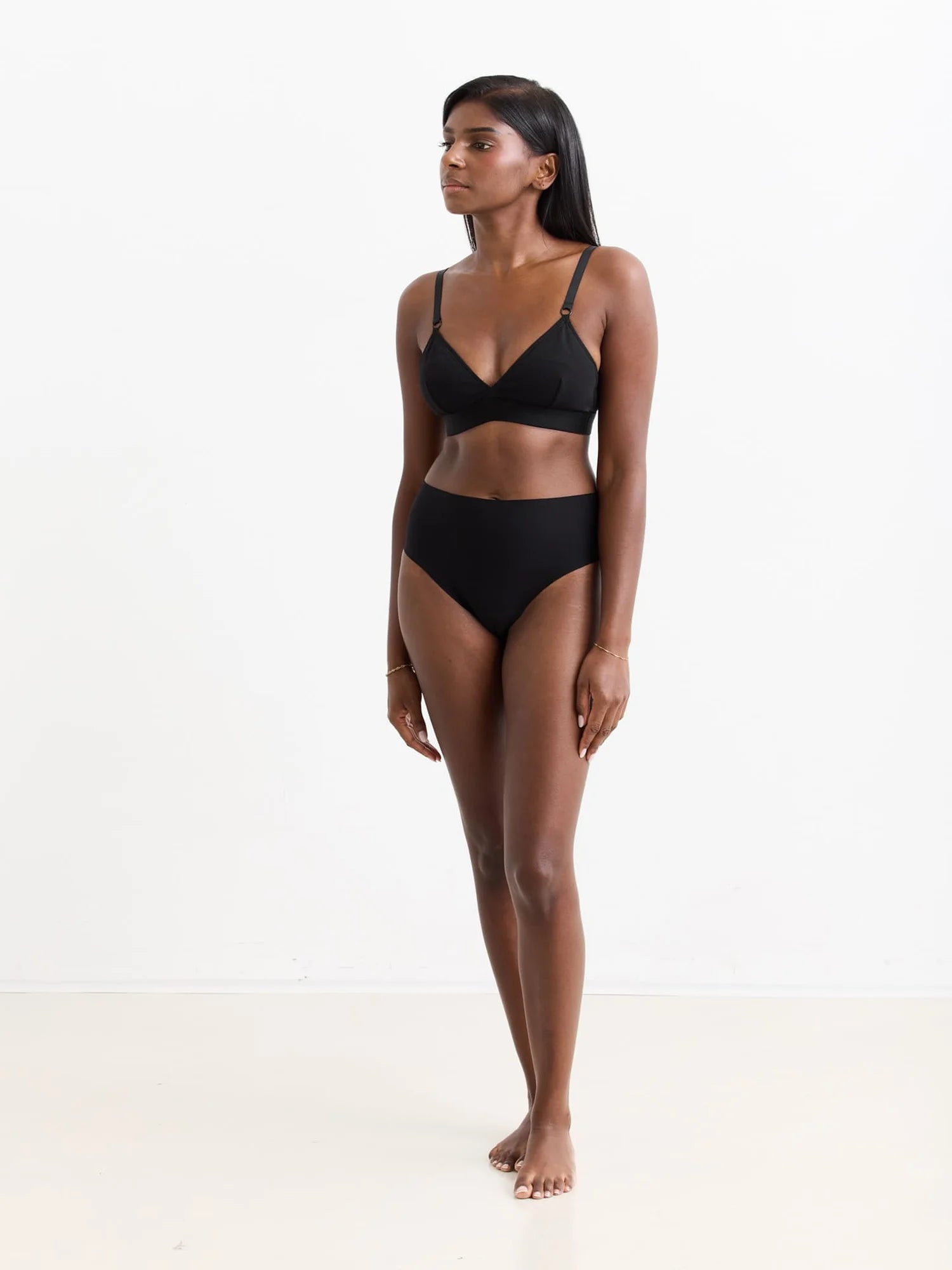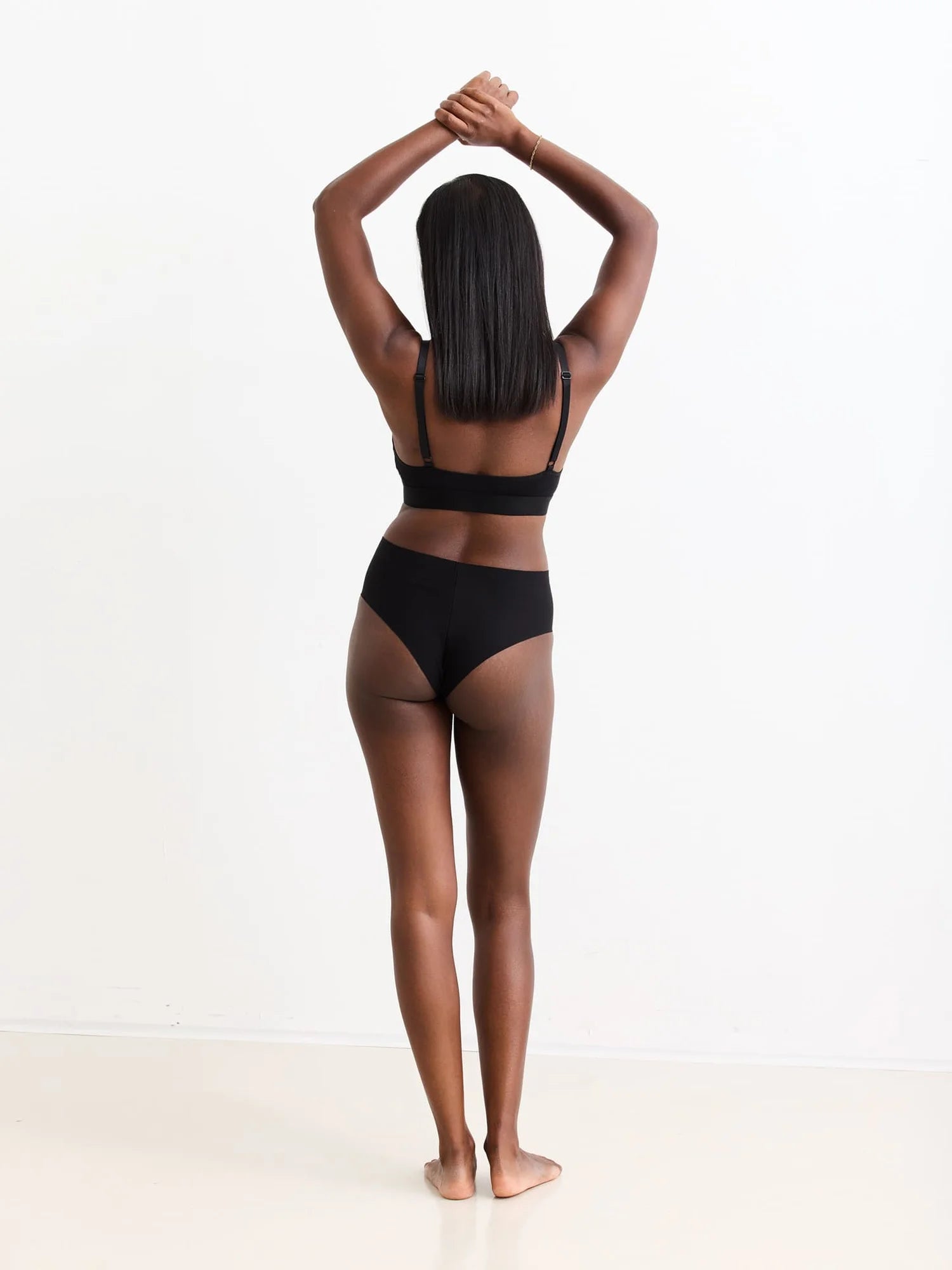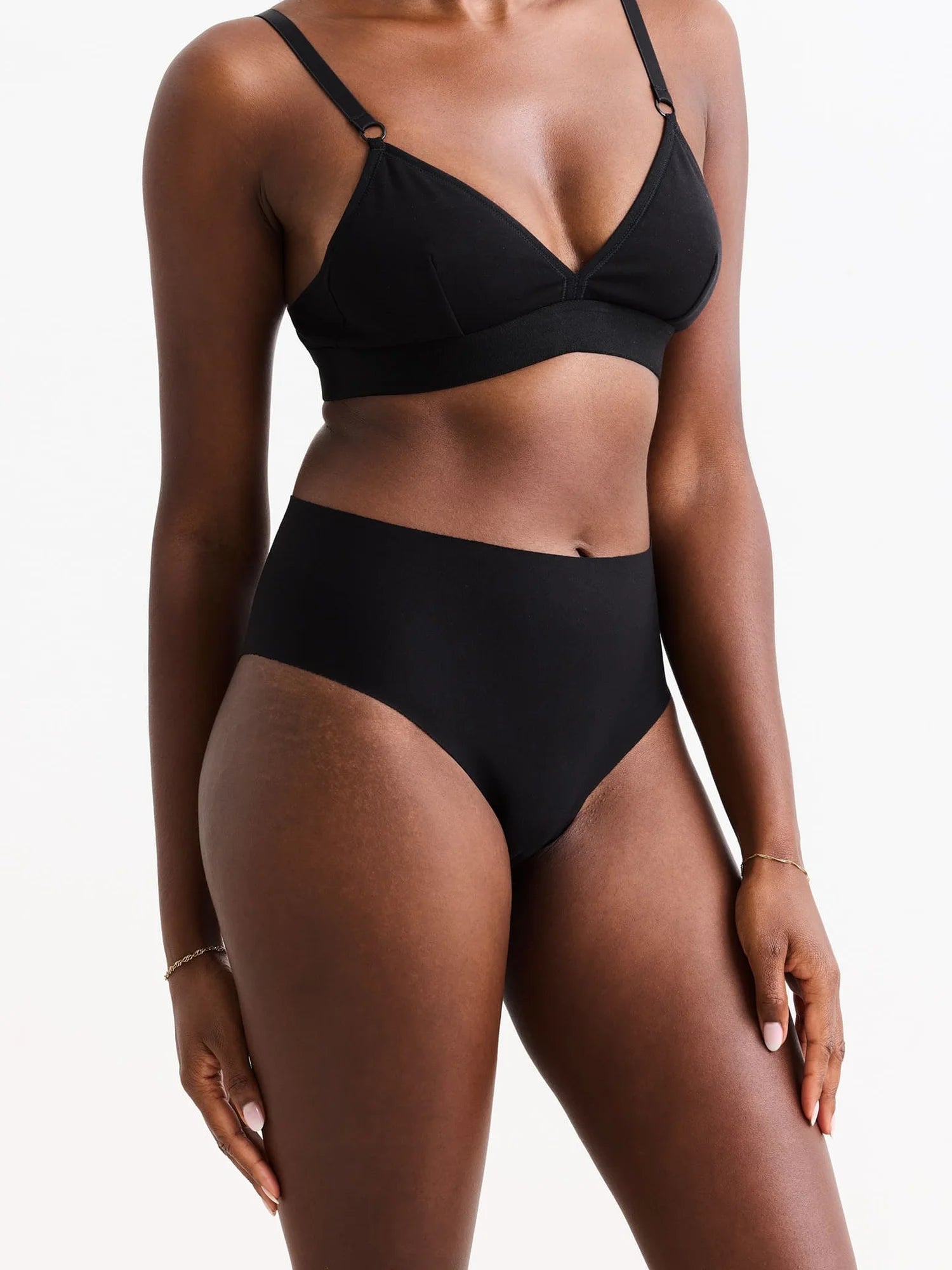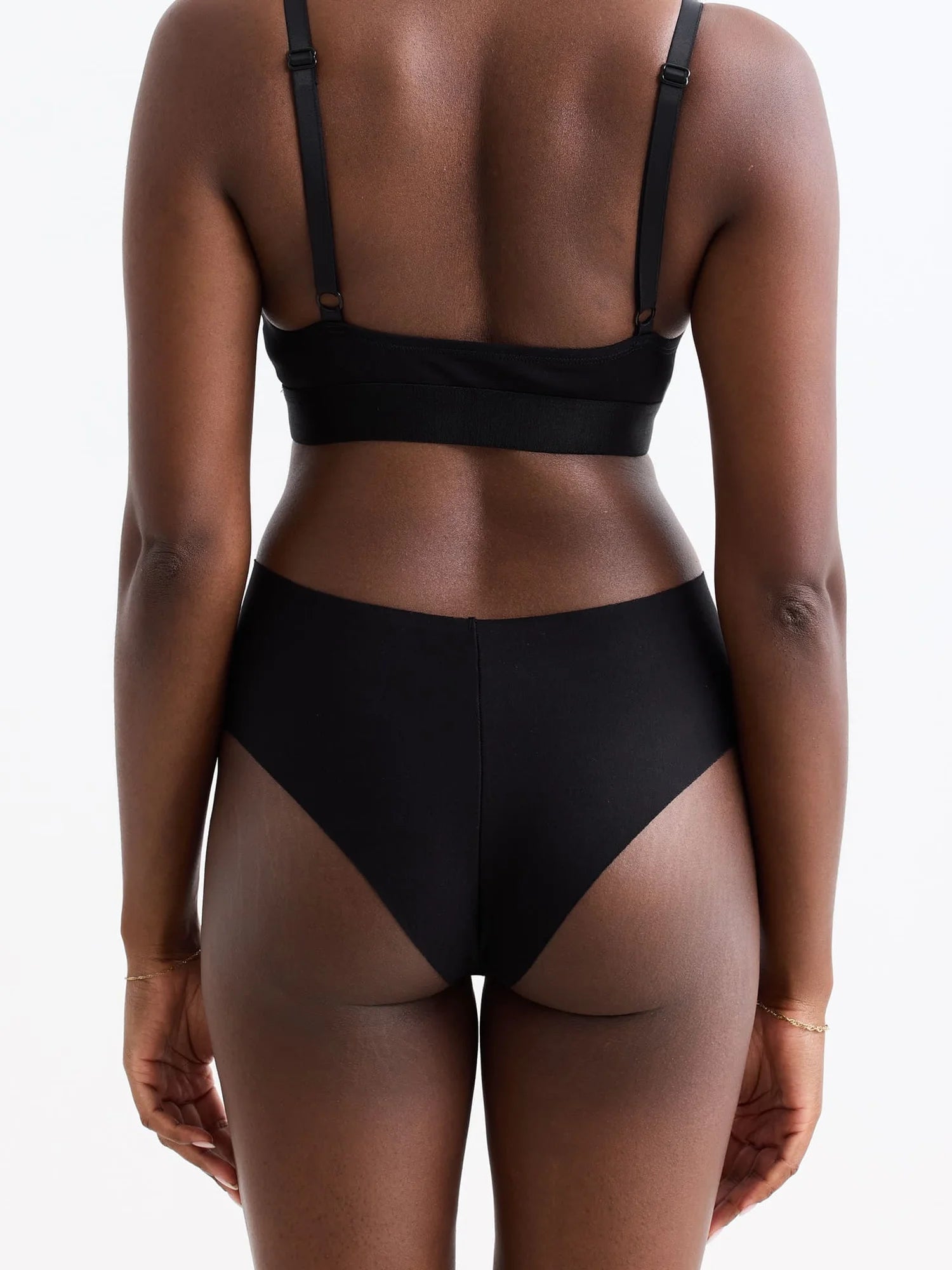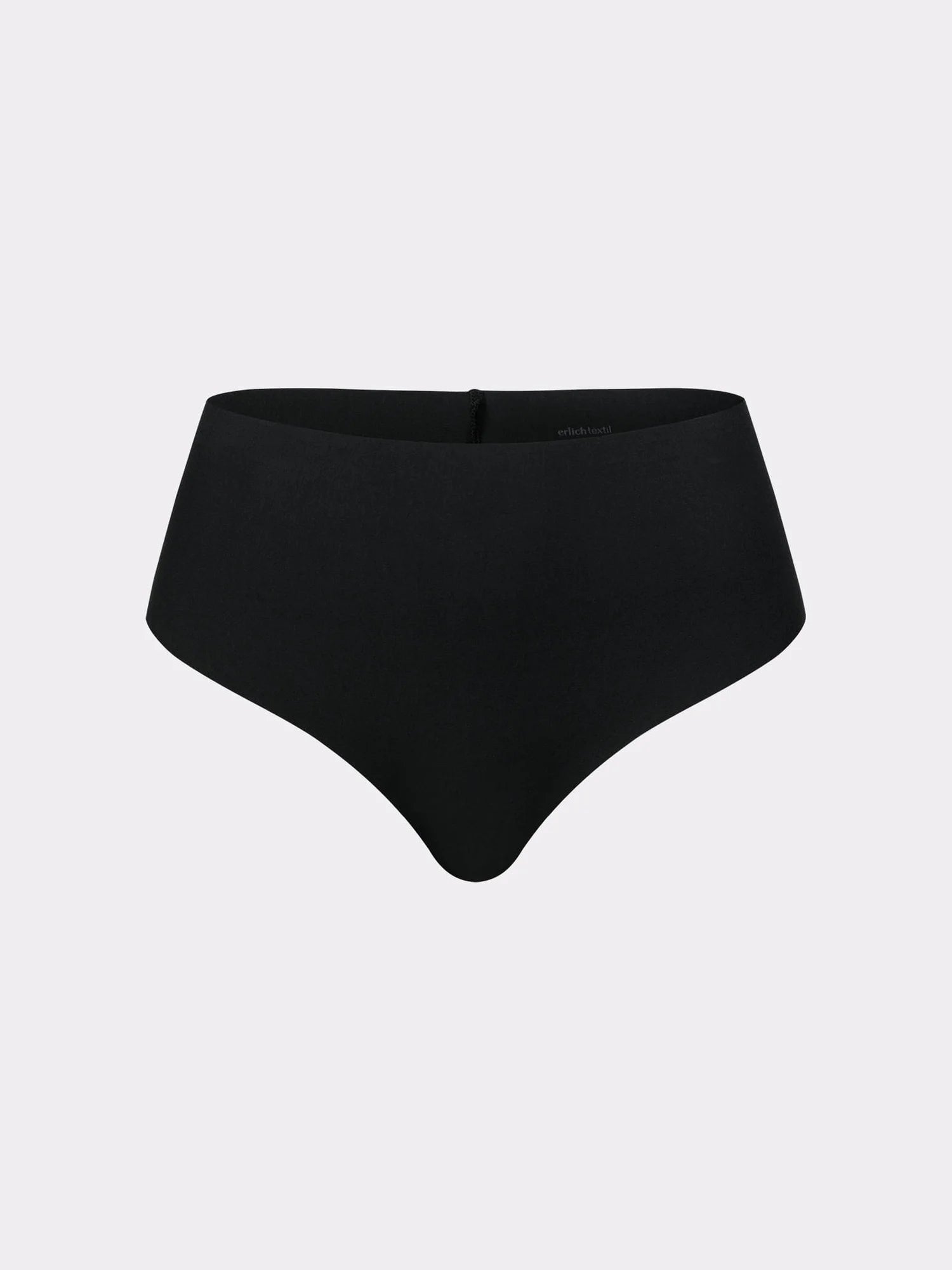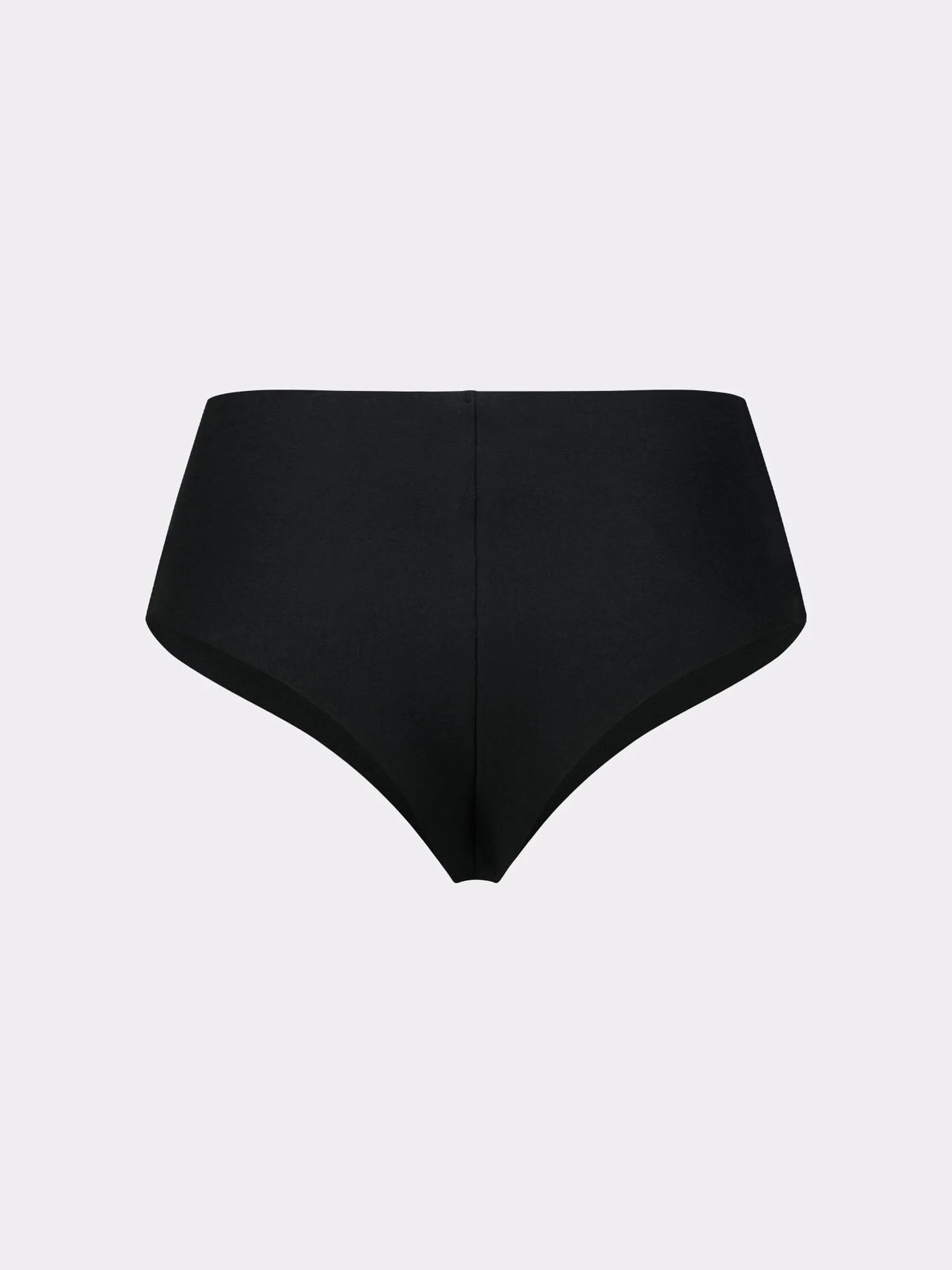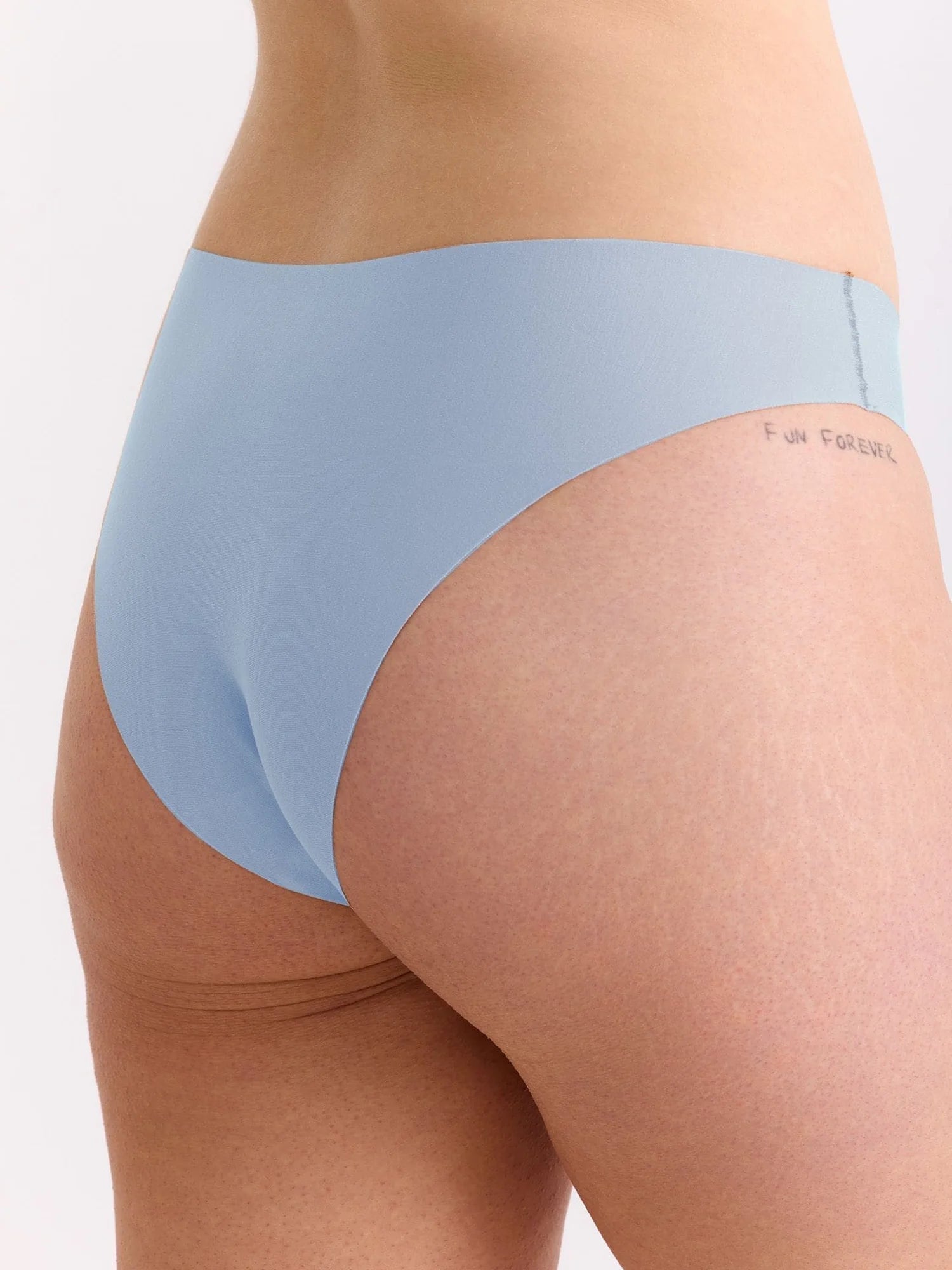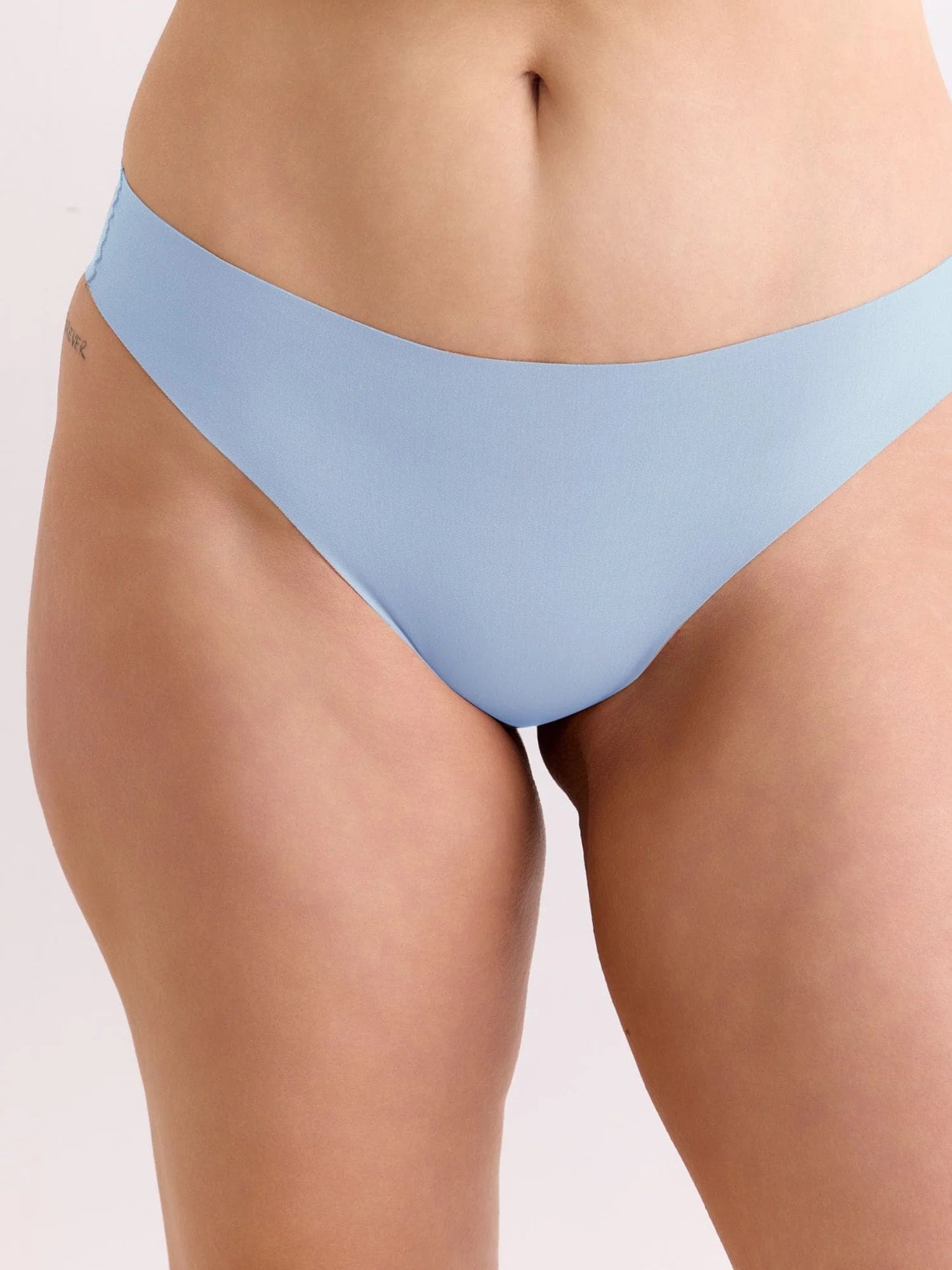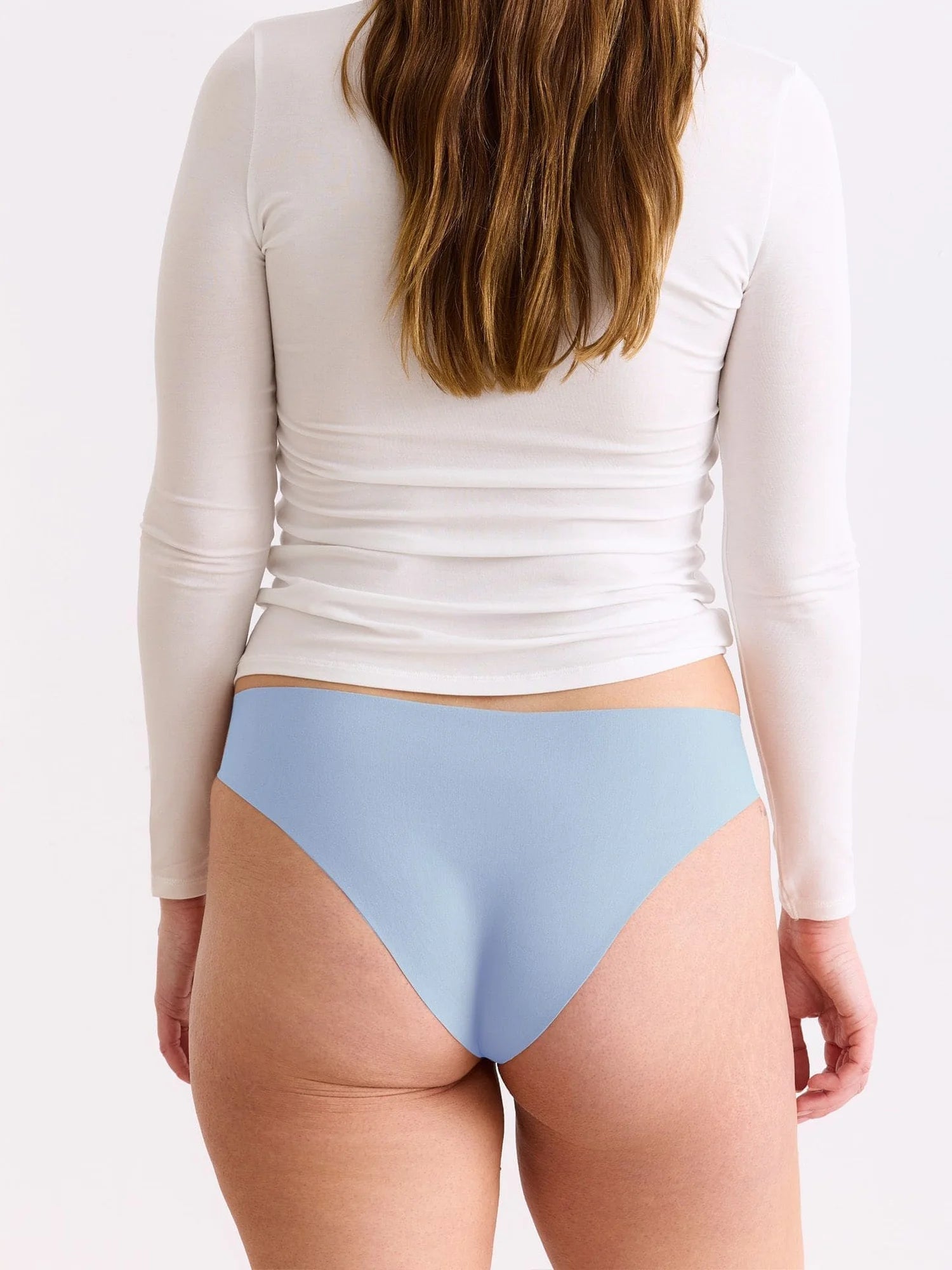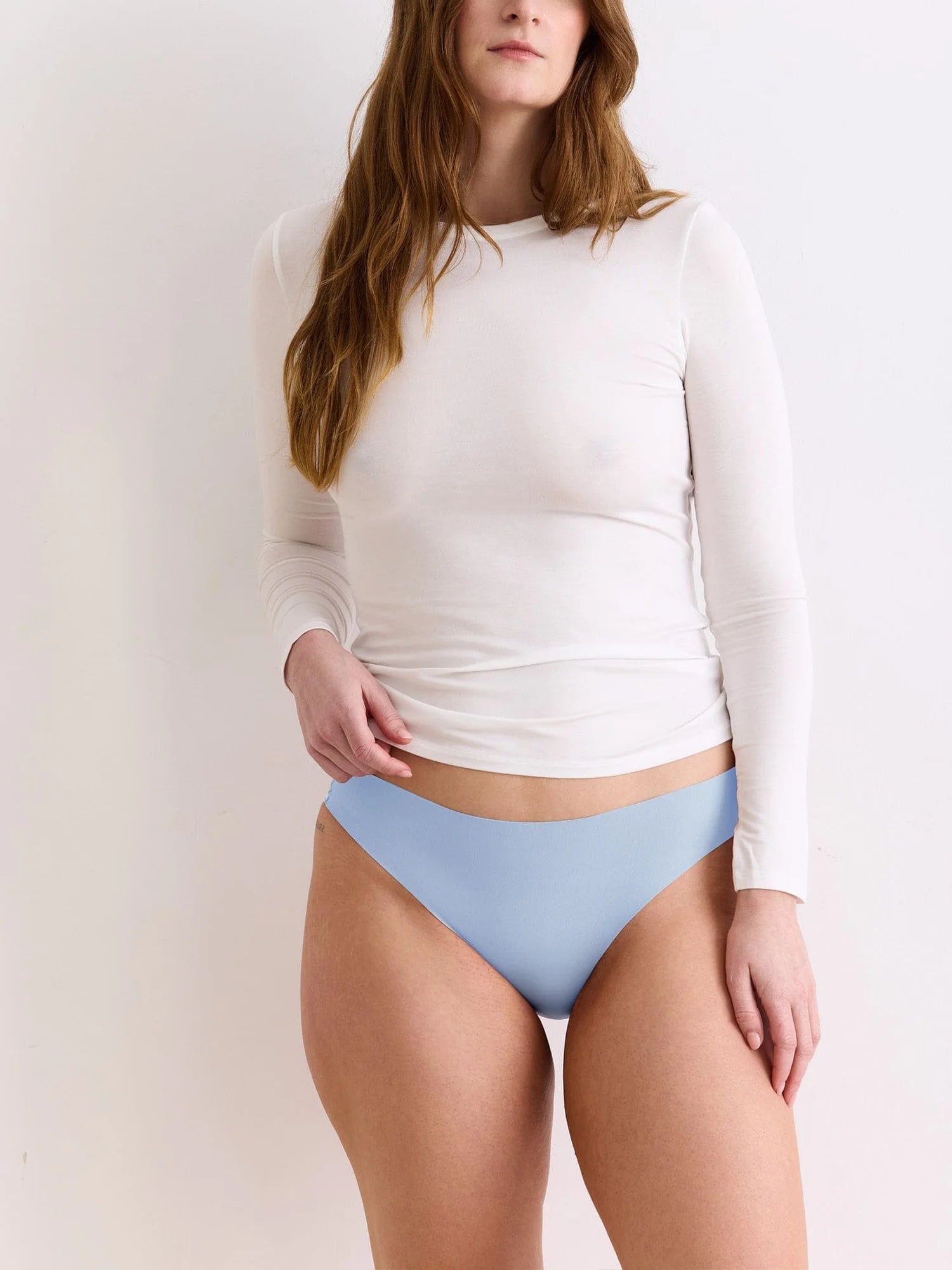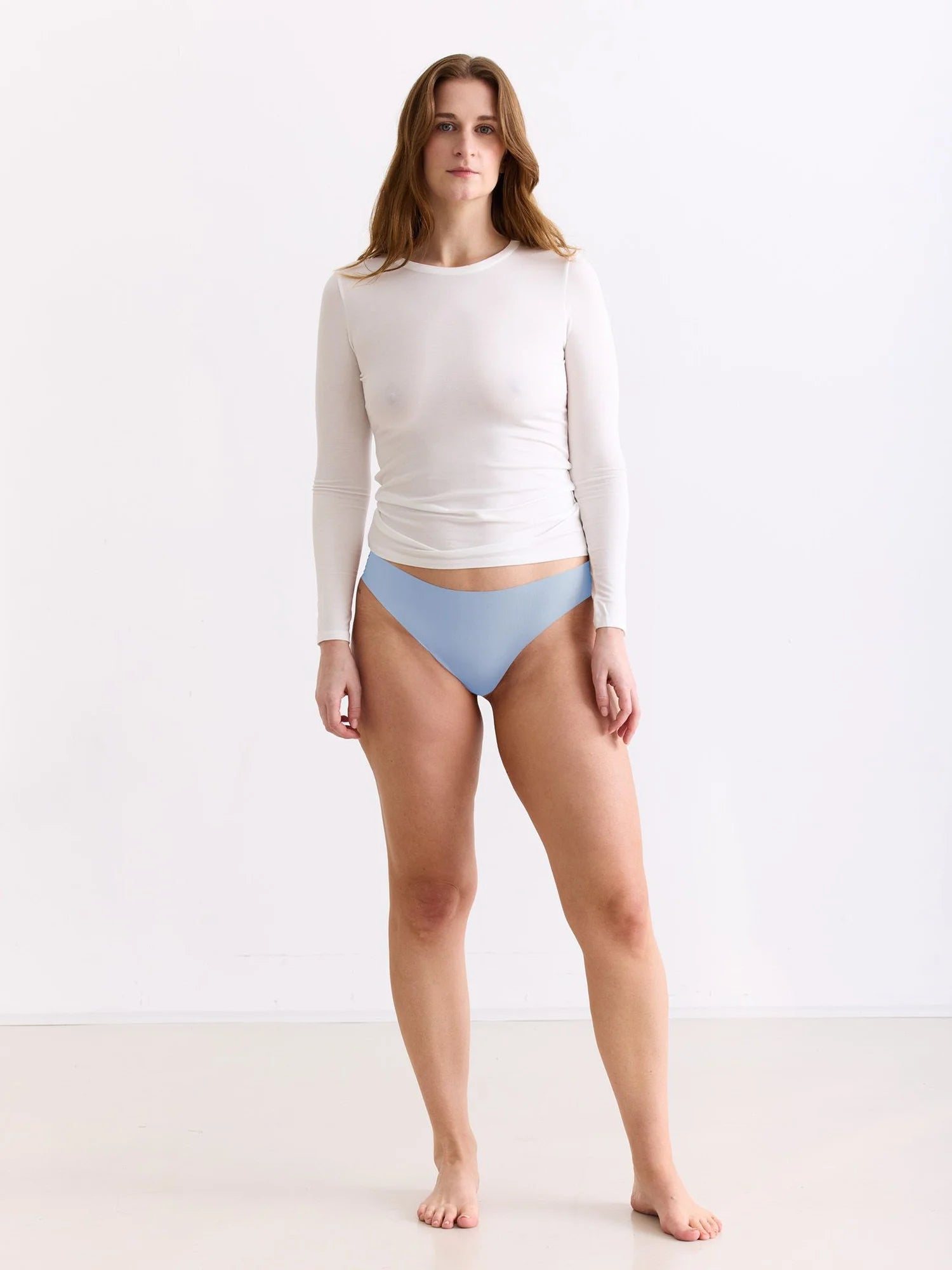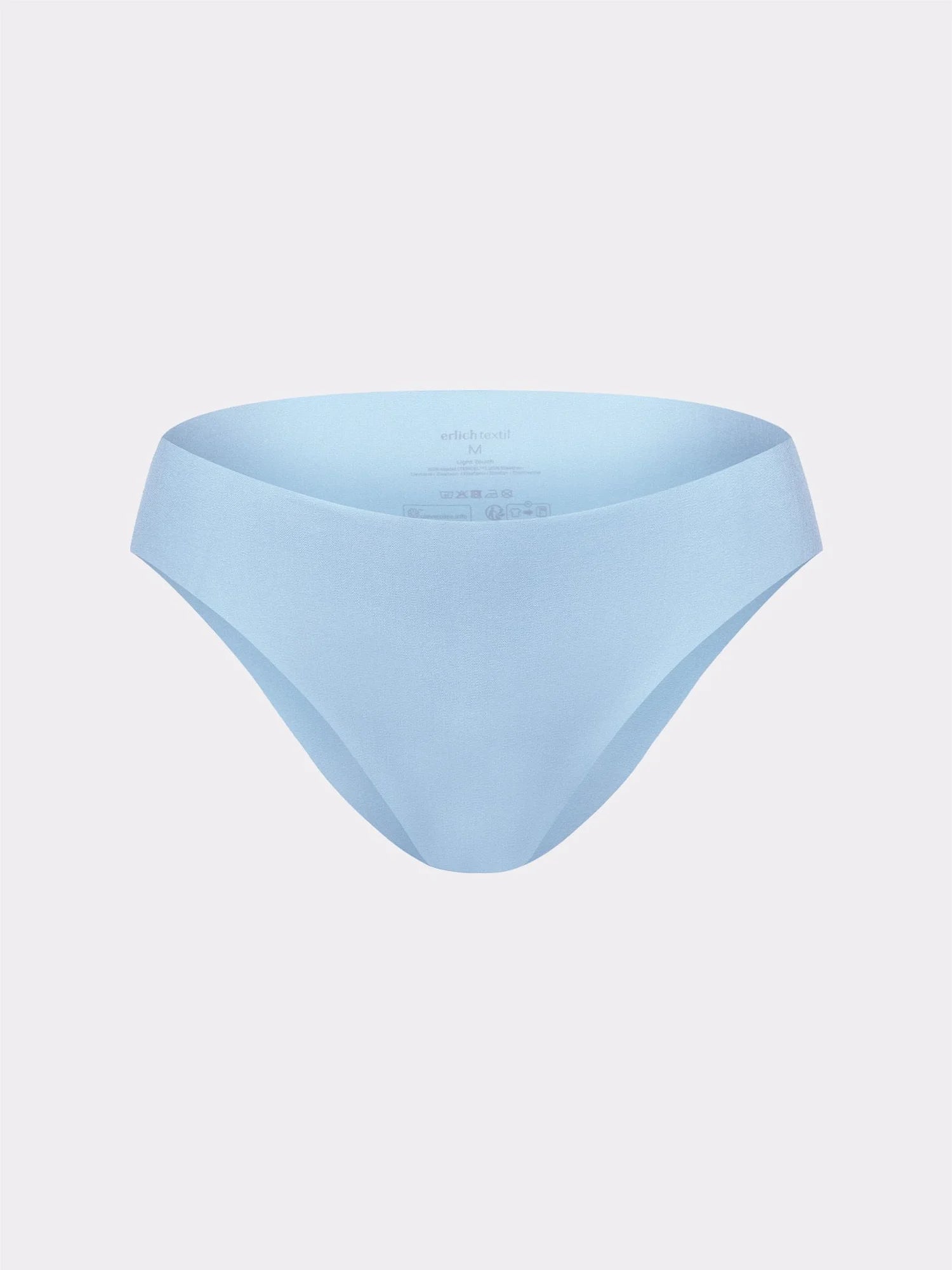


Certified-organic cotton, known in German as kbA (kontrolliert biologischer Anbau), is cotton grown to the EU organic farming standards: no synthetic pesticides, no artificial fertilisers, no GMOs, and no chemical defoliants in harvesting. The underlying standards are legally regulated through EU Regulation 2018/848, in force since 1 January 2022. In our cotton textiles at erlich textil, the main material is exclusively kbA cotton or Cotton in Conversion (CiC), the transitional cotton during the three-year conversion from conventional to organic farming. In this guide you get an honest read: what kbA actually means, why a generic „organic" label isn't enough, what CiC is and why we carry CiC products in our range, how cotton compares with modal and lyocell, how to care for it, and where we use it at erlich textil, in women's and men's ranges.
What is kbA cotton?
kbA stands for kontrolliert biologischer Anbau, which translates as „certified organic farming". The label is the established designation in German-speaking markets and points to the EU organic standards, regulated through EU Regulation 2018/848, in force since 1 January 2022, which replaced the earlier Regulation (EC) No. 834/2007. Anyone printing „kbA" or „from certified organic farming" on a textile label must comply with the EU organic standards. Otherwise misleading marketing law applies.
Important: Regulation 2018/848 explicitly brings unprocessed cotton into the scope of the EU organic rules, which was not centrally addressed before.
In practice, kbA farming means:
- No synthetic pesticides. Chemical sprays are replaced with mechanical and biological pest management.
- No artificial fertilisers. Synthetic nitrogen and phosphate are replaced with organic fertilisers.
- No GMOs. Genetically modified seeds are not permitted.
- No chemical defoliants. The plant is not chemically stripped before harvest; it sheds leaves naturally.
- Soil quarantine. Farmland must have been free of synthetic agrochemicals for at least three years before the cotton qualifies as kbA.
At erlich textil our cotton textiles are exclusively from kbA cotton or Cotton in Conversion. The exact fibre composition is on every product page.
kbA vs. generic „organic", why the distinction matters
In food, „organic" is consistently regulated across the EU. In textiles, that protection is uneven. „Organic cotton" can mean a properly audited, certified raw material, or it can be a marketing tagline with no concrete backing. If you want certainty as a buyer, look for the precise terms.
The precise, audited term in German-speaking markets is kbA. It points back to the EU organic standards. A plain „organic" label points nowhere on its own. That is why we deliberately use the technical wording, even though it sounds bureaucratic. Honest production means honest description.
Label cheat-sheet: „from certified organic farming" or „kbA" is the EU-organic-certified variant. „Organic cotton" with no further detail is not necessarily verifiable. „Cotton in Conversion" or „CiC" means the cotton comes from a farm in active conversion to kbA, more on that below.
How is kbA cotton grown?
kbA farming follows a tight ruleset. Simplified, the key steps and prohibitions:
- Soil preparation. Three years of quarantine without synthetic agrochemicals, so the soil can recover.
- Seed. Conventional, non-GMO seed. Hybrids yes, genetic modification no.
- Fertilising. Natural fertilisers such as compost, manure and green manure. Crop rotation with other plants improves soil health.
- Pest management. Mechanical and biological. Beneficial insects instead of broad-spectrum chemicals.
- Irrigation. Where possible, drip irrigation instead of flood irrigation, which dramatically reduces water use.
- Harvest. Hand-picked or mechanically harvested, with no chemical defoliants ahead of the harvest.
- Downstream processing. Certified processes carry through the supply chain.
The result is a cotton with measurably lower impact on soil, water and the people who grow it.
Why conventional cotton is so problematic
Conventional cotton is one of the most pesticide-intensive crops in global agriculture. Add to that high water demand from flood irrigation in dry regions, soil erosion from monocultures, and the chemical exposure of farming communities.
kbA is the response to these problems. It doesn't solve them entirely, but it reduces them measurably. That is why we consider the price premium for kbA and CiC well spent.
What is Cotton in Conversion (CiC), and why do we carry CiC products?
Cotton in Conversion, short CiC, is cotton from a farm in active conversion. When a farm switches from conventional to kbA farming, the transition takes three years. That is how long the soil needs to recover from synthetic pesticide and fertiliser residues. During those three years the cotton is already grown to kbA standards, but it cannot yet be sold as certified kbA. Hence the name Cotton in Conversion.
The economic problem: farmers bear the full risk of conversion but don't yet receive the organic price premium. Many therefore hesitate. At erlich textil we deliberately carry products made from Cotton in Conversion in our range and pay fair organic prices for the fibre, not conventional prices. That supports farms during the transition and creates an incentive for more producers to take the step. The deeper background is on our material page on Cotton in Conversion.
How to recognise kbA and CiC on the label
- „from certified organic farming" or „kbA": the cotton is from EU-organic-certified farming.
- „Cotton in Conversion" or „CiC": the cotton is from a farm in the three-year transition to kbA farming.
- „organic cotton" with no further specification: caution. It may be properly certified, but it doesn't have to be.
Looking for a piece now? Browse our cotton underwear for women or our cotton collection for men. Both ranges are made from kbA cotton or Cotton in Conversion.
kbA cotton vs. modal vs. lyocell, the material comparison
All three materials are cellulose-based, so plant-derived. But the path from raw material to fibre is very different:
| Criterion | kbA cotton | TENCEL™ Modal | TENCEL™ Lyocell |
|---|---|---|---|
| Raw material | Cotton plant | Beech wood | Eucalyptus or beech |
| Process | Certified organic farming (EU organic) | Eco Clean, oxygen-based | Closed-loop, NMMO, over 99 per cent recovery |
| Fibre type | Natural fibre | Cellulose regenerated fibre | Cellulose regenerated fibre |
| Hand | Classic cotton, softens over time | Silky, fluid | Silky, slightly more stable |
| Moisture | High absorption, stays damp longer | Good, better than cotton | Excellent, stable even when wet |
| Breathability | High | High | High |
| Care | 60 °C and above | Up to 60 °C, 40 °C recommended | Up to 60 °C, 40 °C recommended |
| Robustness | Very high | Medium | Very high |
| Ideal for | Classic basics, sensitive skin, robust pieces | Silky everyday, women only | Active days, long-life basics, women and men |
Two key differences: cotton is a natural fibre, coming directly from the plant. Modal and lyocell are regenerated fibres, extracted from wood through a chemical spinning process. If you want to dive deeper into the two cellulose siblings, we have dedicated hubs: What Is Modal? and What Is Lyocell?. And if you specifically want lyocell versus cotton in detail, Lyocell vs. Cotton is the long-form version.
Properties of kbA cotton
Cotton is the classic natural fibre with a clearly defined profile:
- Classic cotton hand, familiar and soft.
- Softens over time, unlike some cellulose regenerated fibres. Cotton ages well.
- Highly absorbent, takes up a lot of moisture.
- Air-permeable thanks to the open fibre structure.
- Smooth surface, so little friction on the skin.
- Very robust, high tensile strength, withstands many wash cycles also at higher temperatures.
- Vegan, plant-based natural fibre with no animal-derived components.
The one weakness: cotton absorbs a lot of moisture and releases it slowly. If you sweat heavily or work out a lot, wet cotton feels clammy. For those situations, modal or lyocell is often the better pick.
When does kbA cotton beat modal or lyocell?
Three clear situations:
- Very sensitive skin. Cotton has a smooth fibre surface and creates little friction. With allergies or irritated skin it is often the safest pick, especially combined with our OEKO-TEX Standard 100 supplier-level chain.
- Robust basics that get washed often. Cotton handles frequent washing and higher temperatures better than modal or lyocell.
- Classic hand. If you love the familiar feel of cotton and don't care for silky-smooth cellulose, kbA cotton is your fibre.
How to care for kbA cotton
Cotton is the most robust of the three cellulose options. A few rules still help extend its lifespan:
Washing. Briefs, T-shirts and basics from kbA cotton handle 40 to 60 °C. For bras and bralettes we recommend 30 to 40 °C on a gentle cycle with mild detergent. Use a mesh wash bag for lace and bralette cups. Always check the care label of the specific item.
Spinning. Low to medium, max. 800 rpm. Higher spin speeds stress the fibre and increase wrinkling.
Drying. The clothesline is always the best plan. If you use the tumble-dryer, choose a low setting. Very hot dryer cycles cause cotton to shrink.
Ironing. Cotton handles high ironing temperatures, ideally with steam.
What to avoid. Bleach on coloured textiles, very hot dryer cycles, high spin speeds. Skip those and your cotton piece stays dimensionally stable for the long run.
How sustainable is kbA cotton? An honest take
kbA cotton is a clear upgrade over conventional cotton, but it isn't a silver bullet. Here is our honest read.
What we can say factually:
- kbA cotton is grown to the EU organic standards (Regulation 2018/848), audited and certified.
- No synthetic pesticides and no artificial fertilisers in farming, dramatically reducing chemical load versus conventional cotton.
- No GMOs. Conventional seed is used.
- We carry products made from Cotton in Conversion in our range and buy the fibre at fair organic prices to support farms during the transition.
- Our supply chain is OEKO-TEX Standard 100 certified for residual chemicals.
What we deliberately don't claim:
- kbA cotton is not carbon-neutral. A blanket CO2 claim at fibre level is not defensible.
- We do not carry a GOTS label and don't claim one. GOTS is a separate textile standard we deliberately do not use.
- We avoid claims like „PFAS-free" or „microplastic-free" without clear study data.
Our position: kbA and Cotton in Conversion are the most important levers for a natural fibre like cotton. They change the raw material, not the whole system. What matters is the entire supply chain, and that is exactly what we make transparent.
kbA cotton at erlich textil, for women and men
Unlike modal, we use cotton in both ranges. Cotton is the main natural fibre in our men's collection.
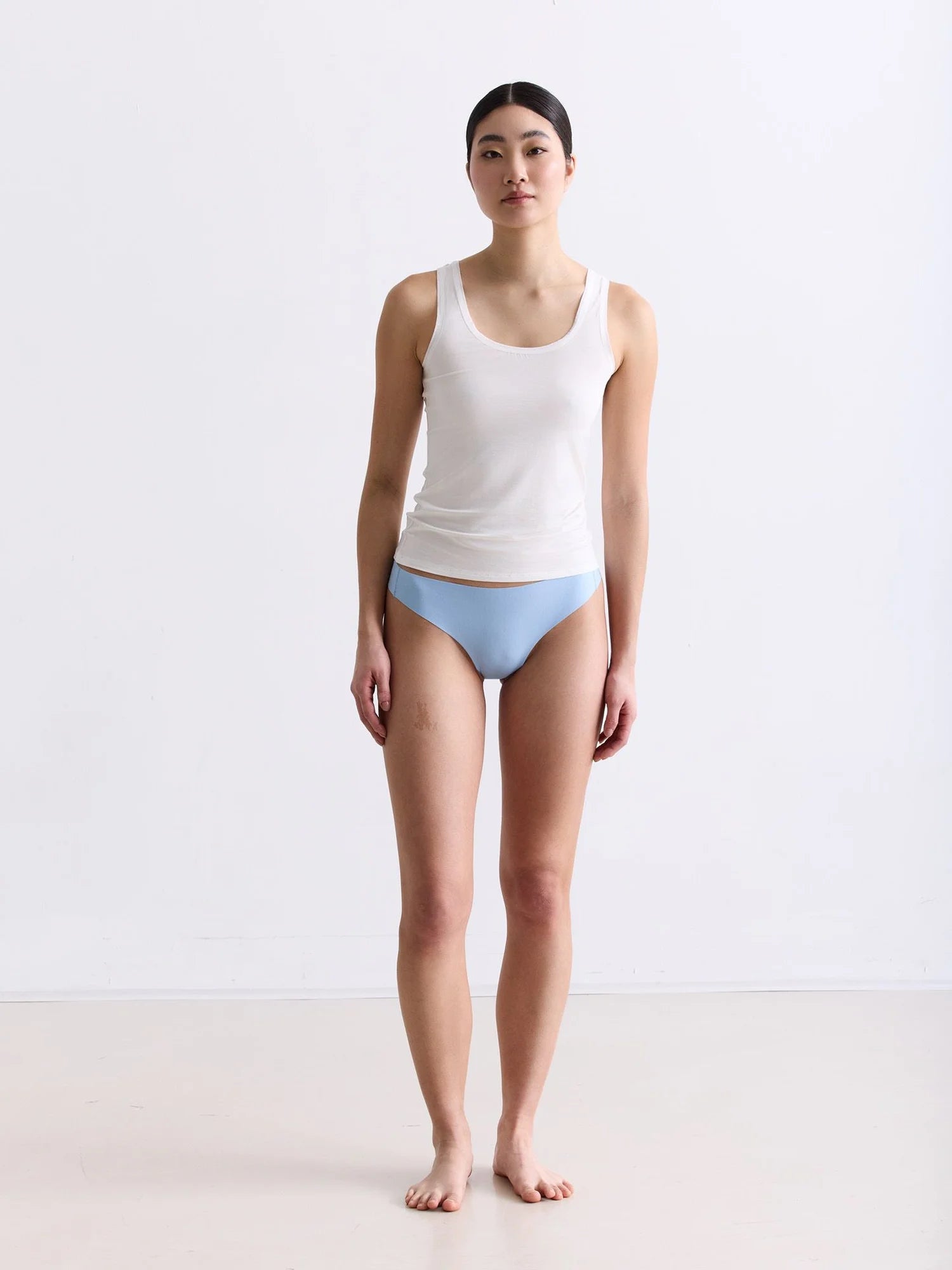
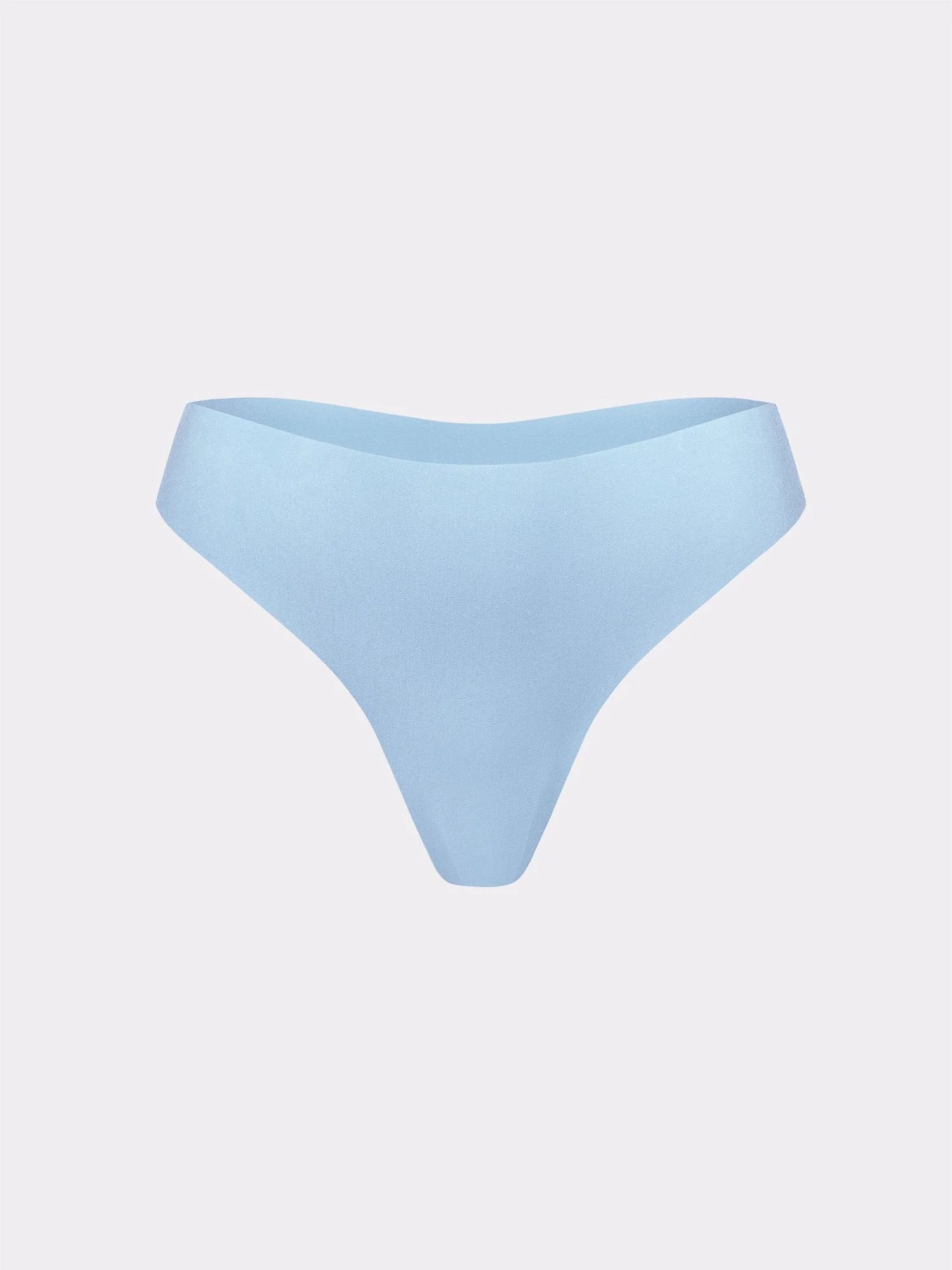
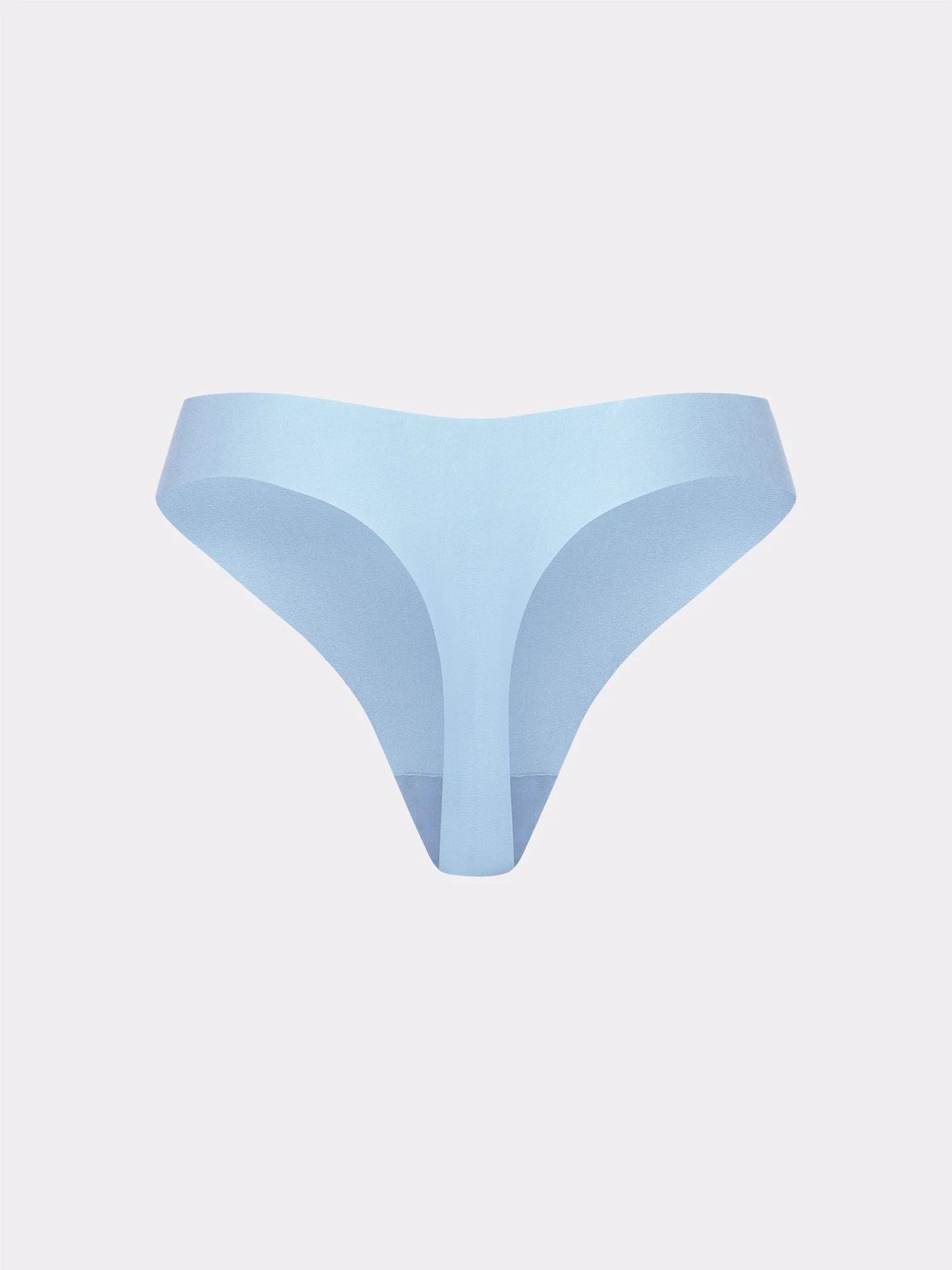
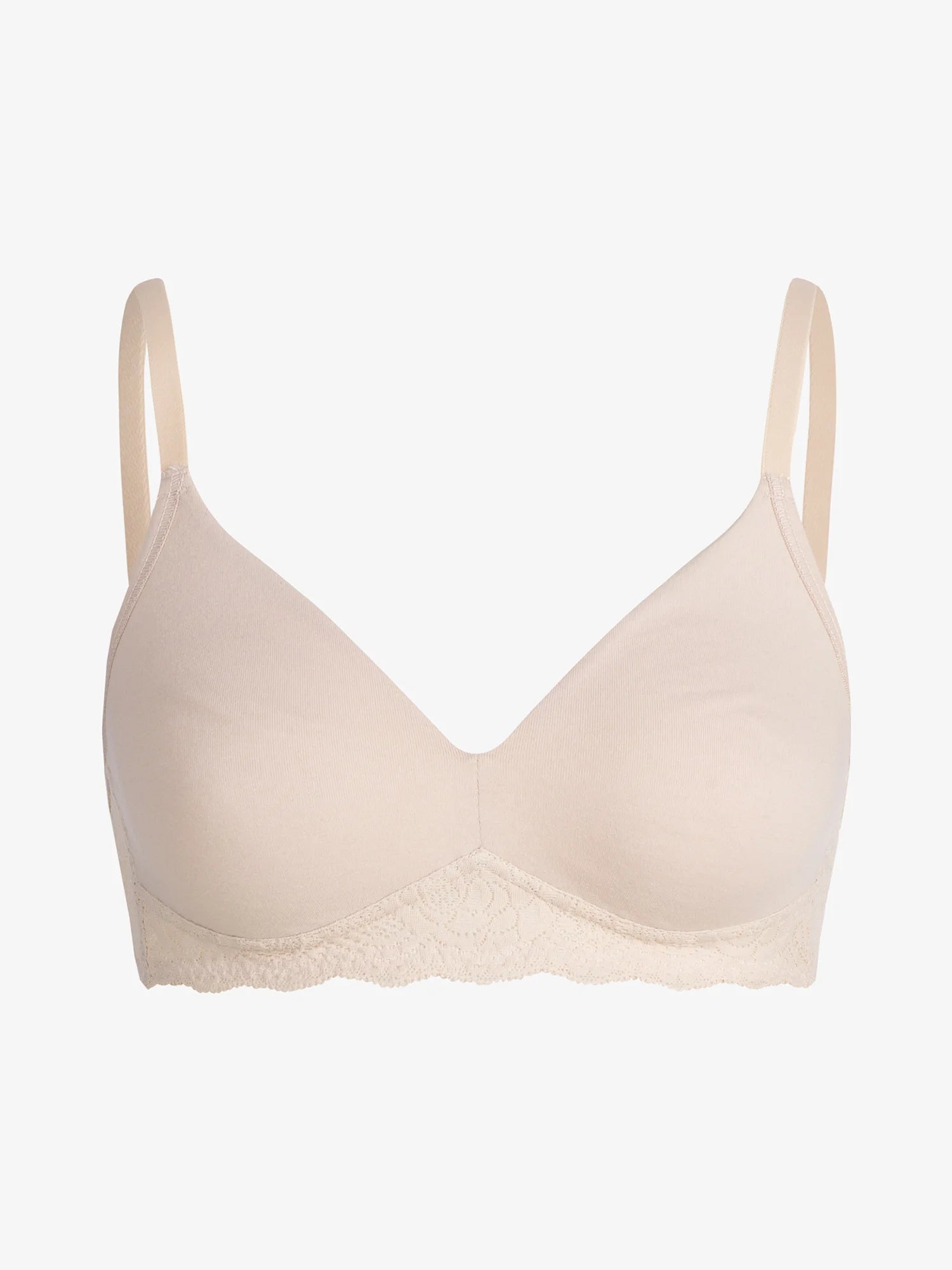
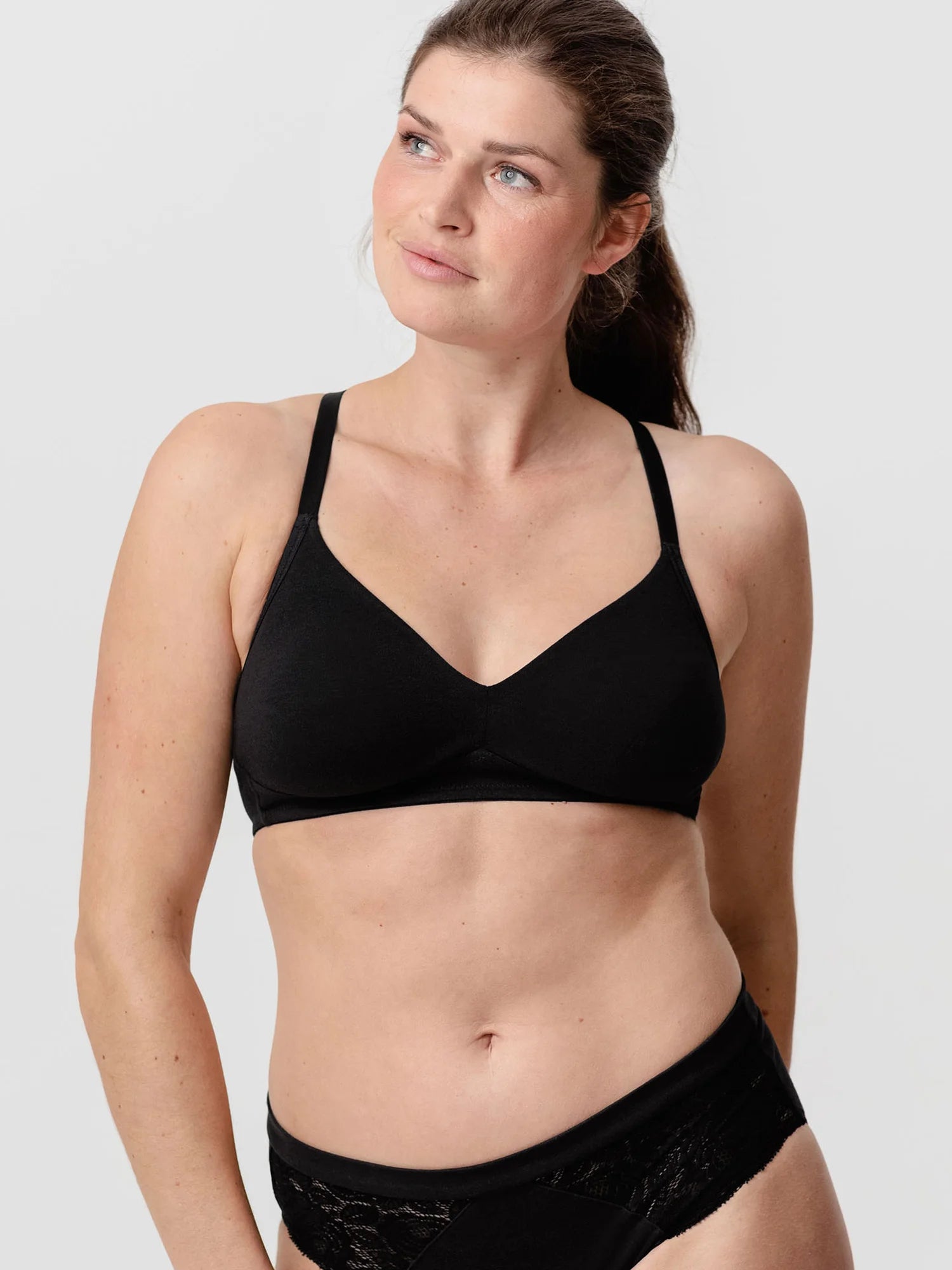
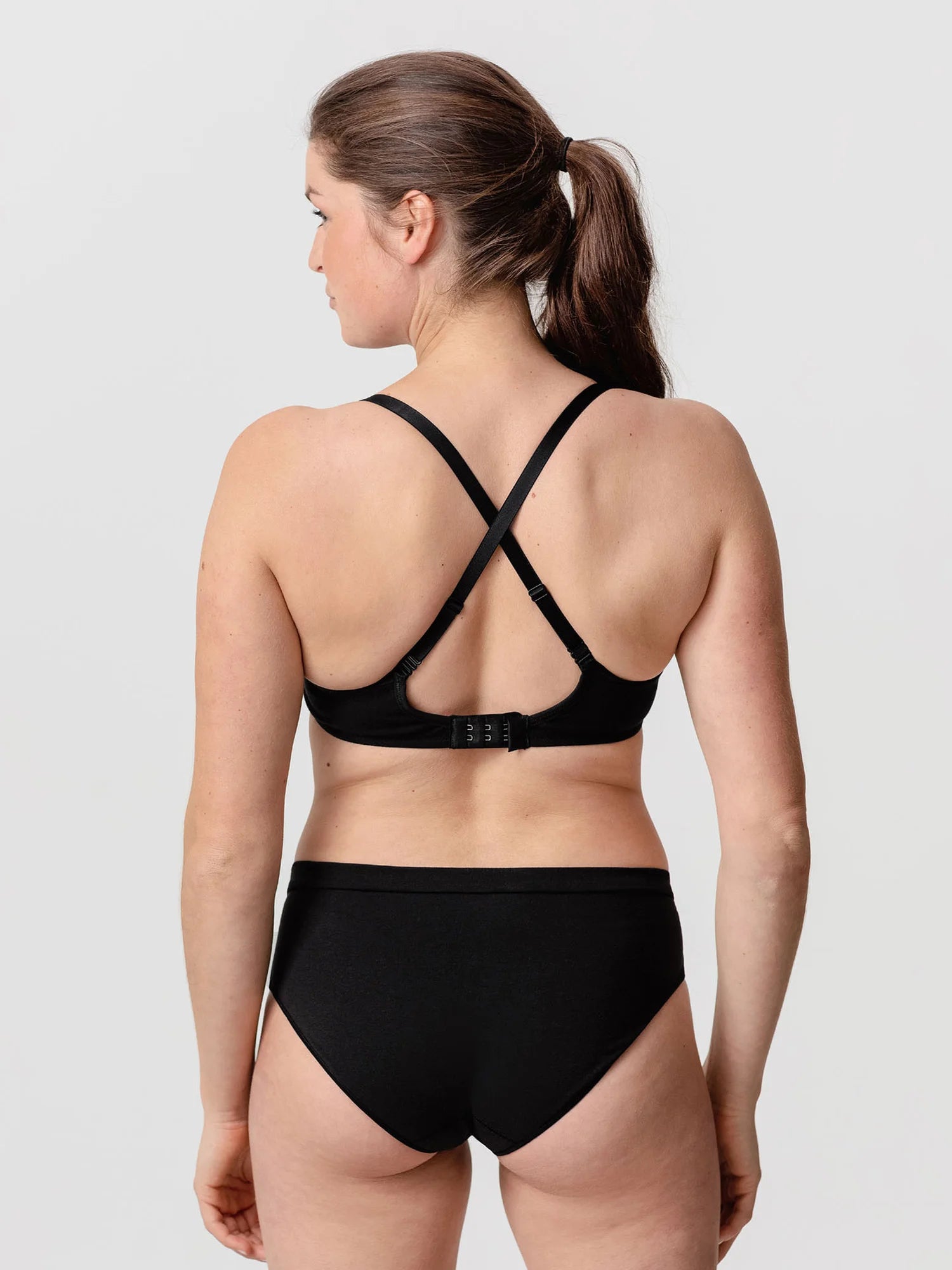
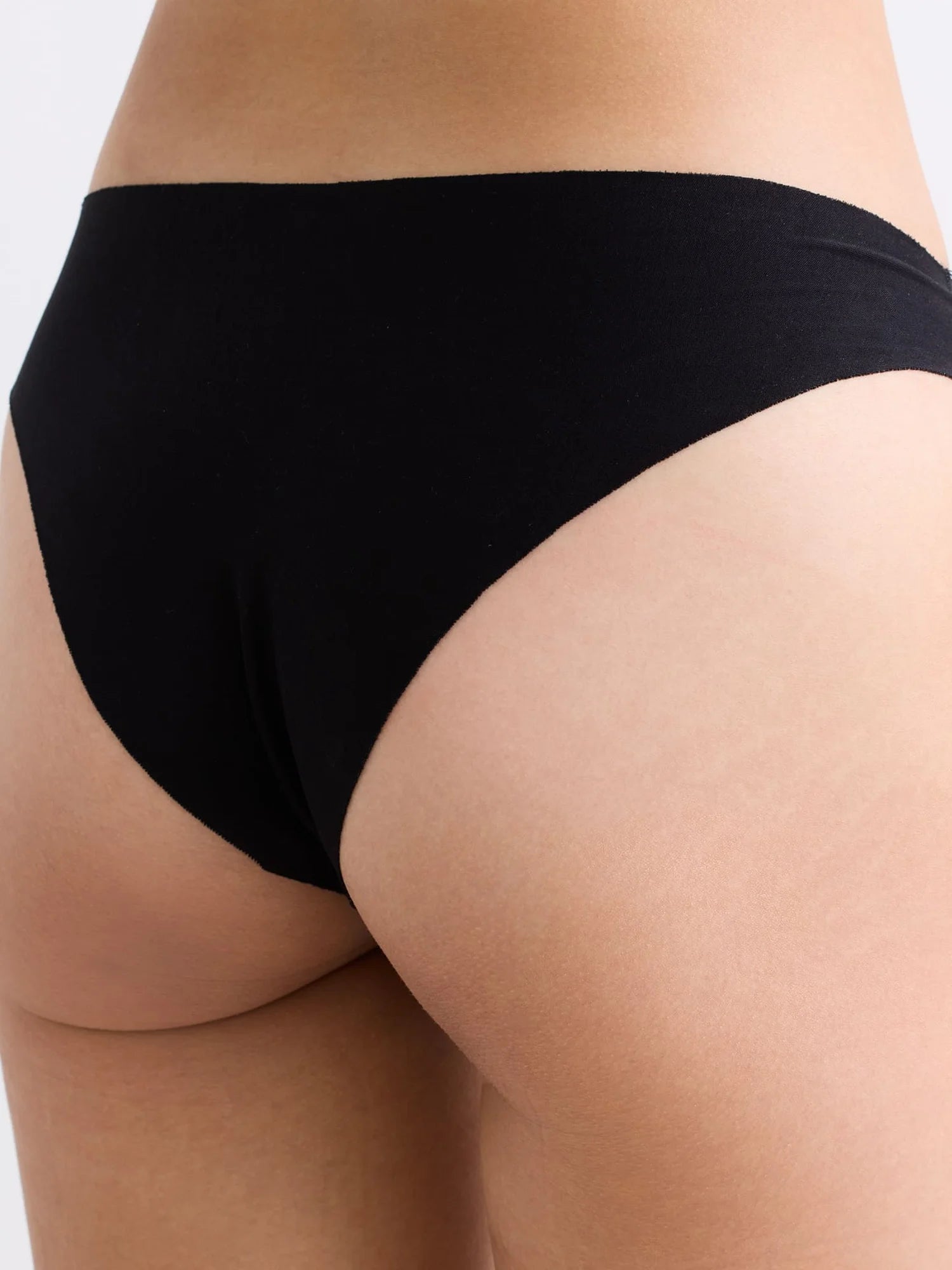
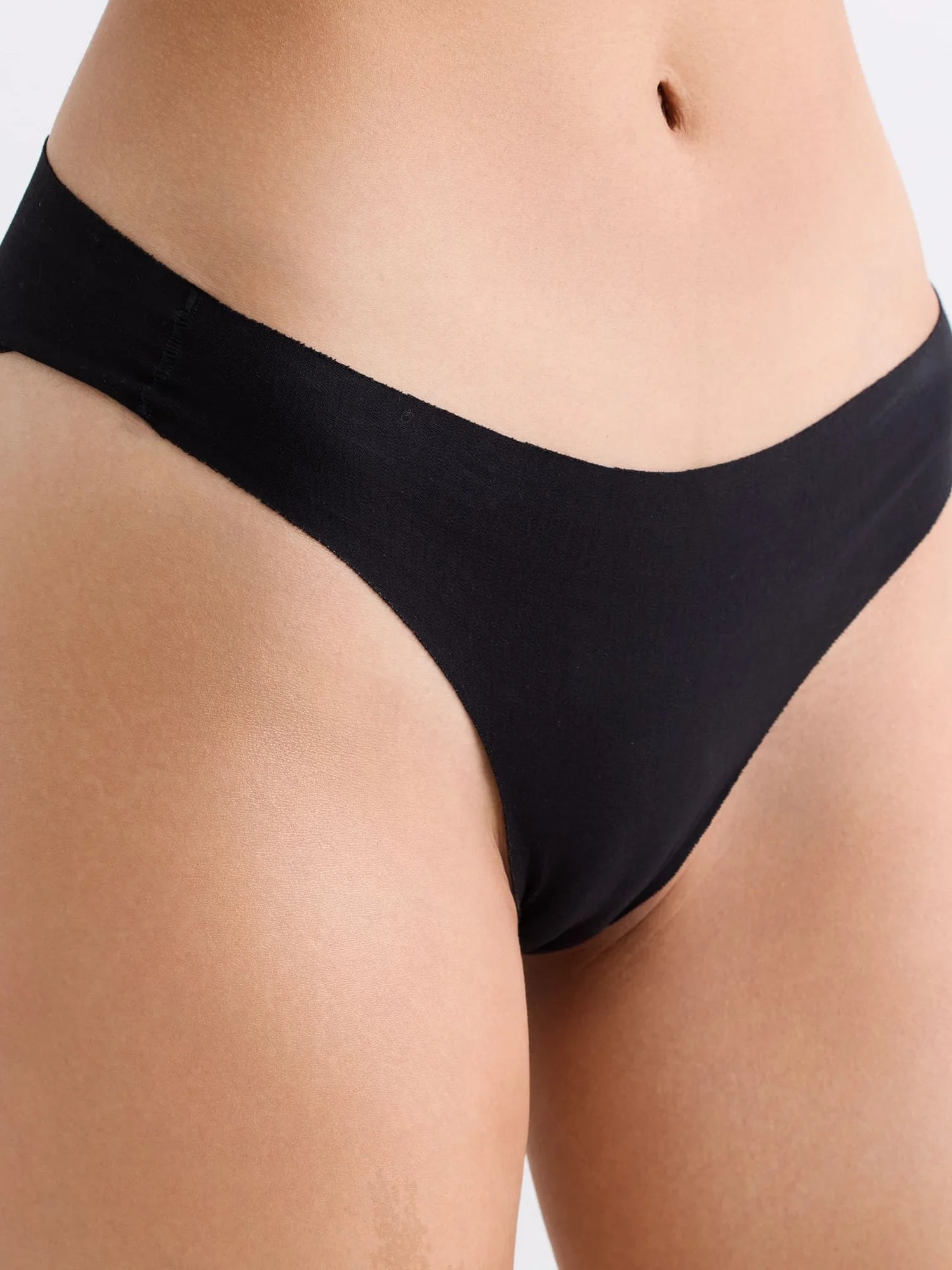
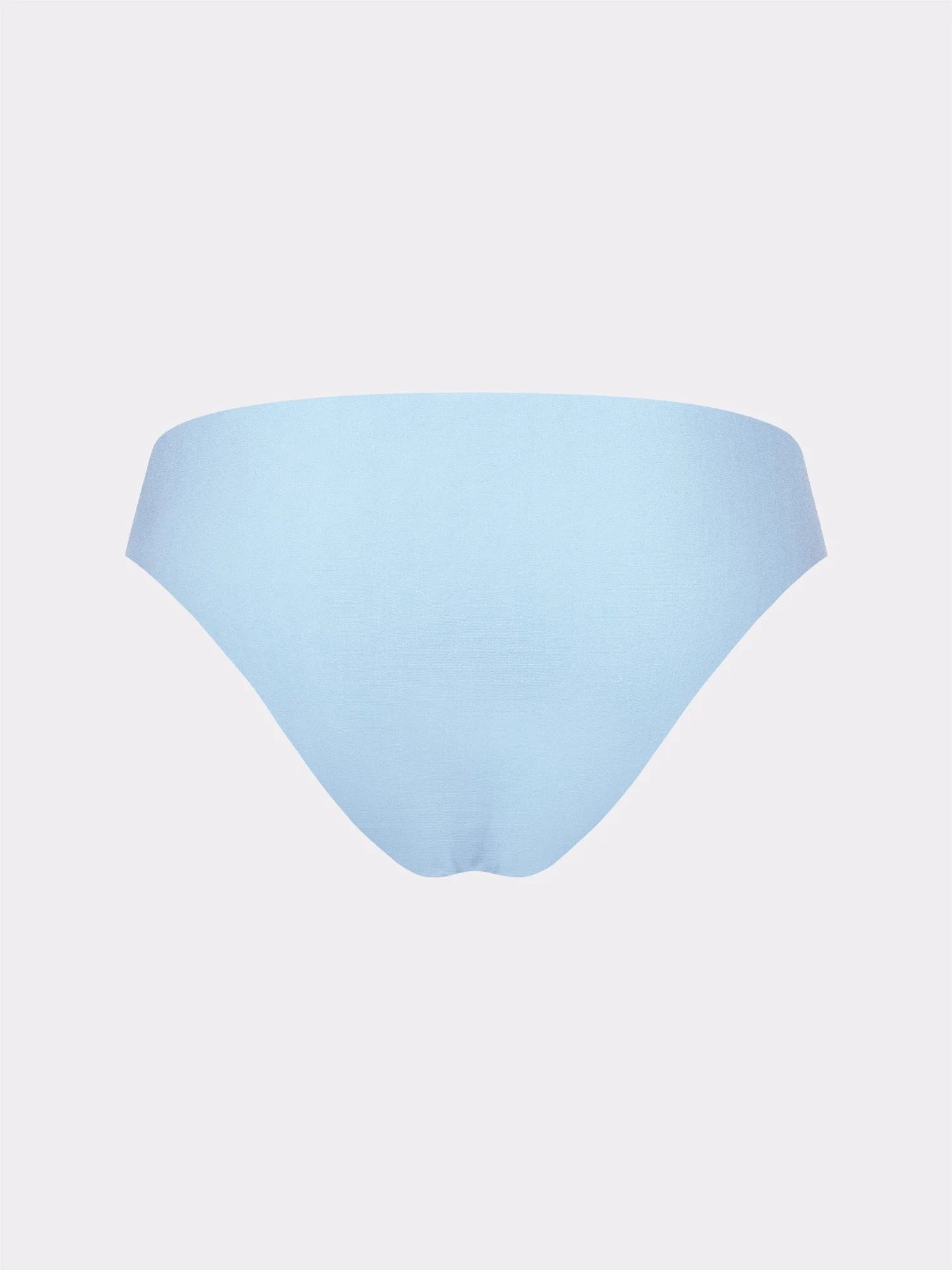
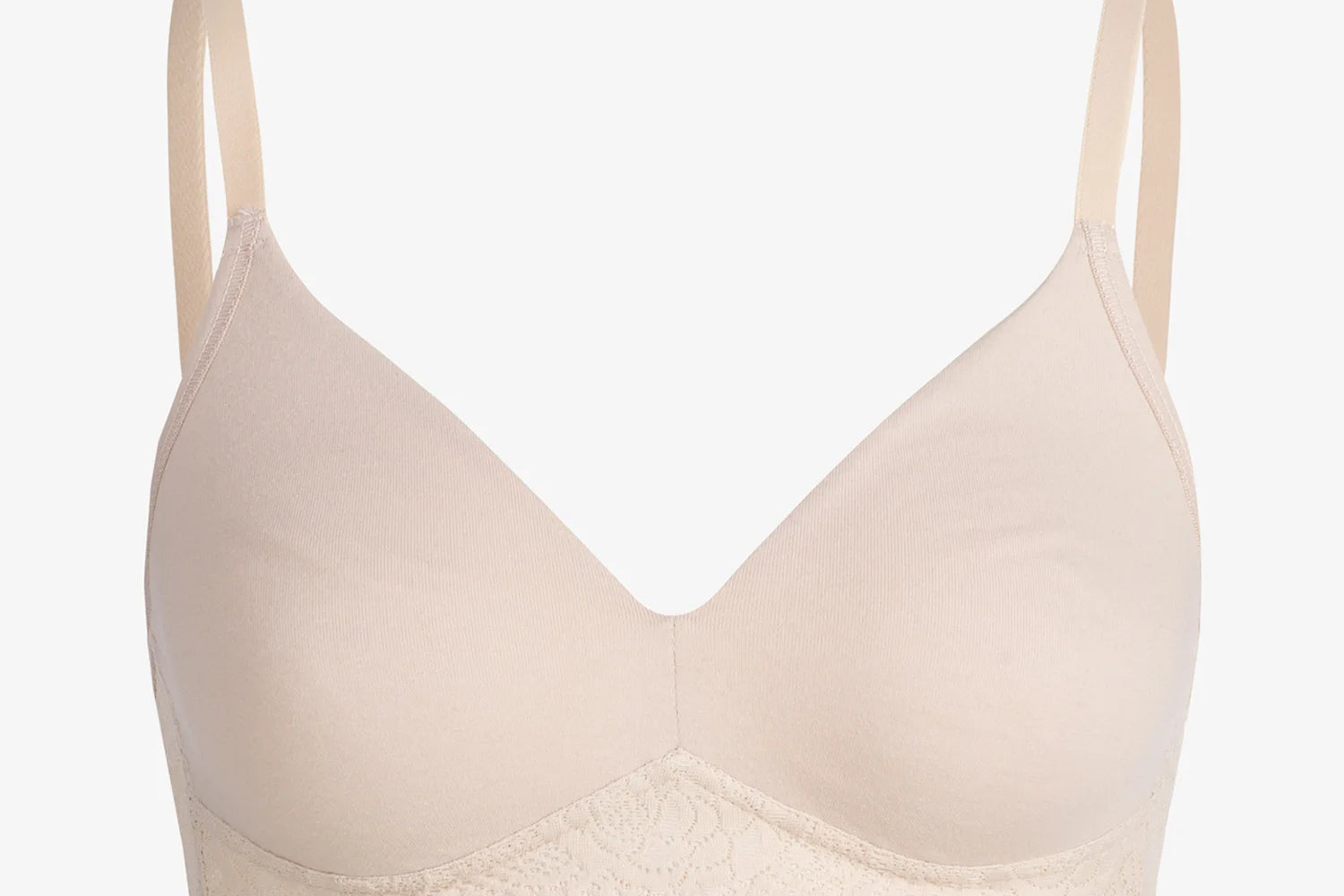
Women. You'll find kbA cotton and Cotton in Conversion in our briefs, strings, bralettes, T-shirts, loungewear and sleepwear. The exact fibre composition is on every product page, often with a small elastane share for stretch.
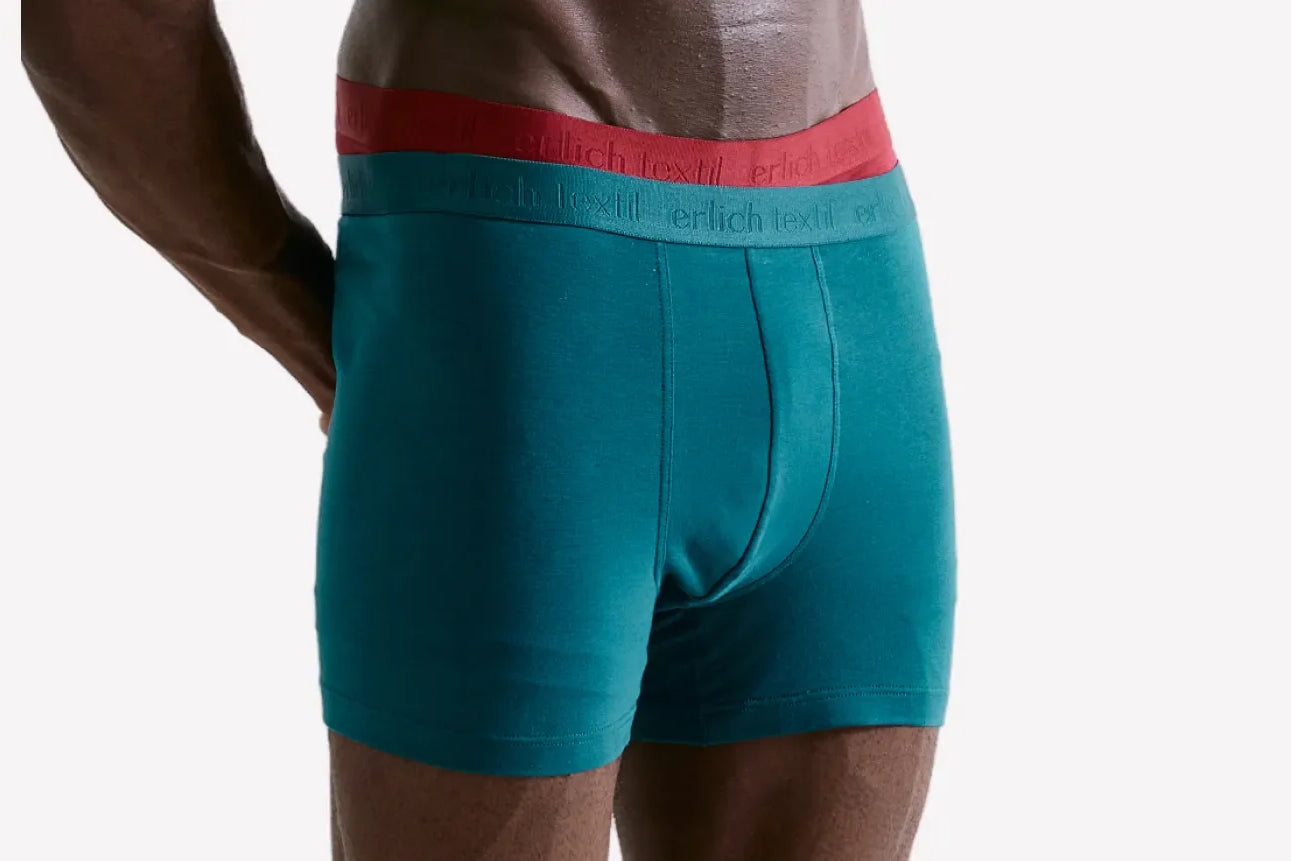
Men. Boxers, retro shorts, T-shirts, sleepwear and socks run on cotton at erlich textil. In the men's range, cotton is the main line alongside TENCEL™ Lyocell. We deliberately do not use modal in men's pieces.
Casual Cotton. Our Casual Cotton collection is our main line built on kbA cotton and Cotton in Conversion. The collection is manufactured in Türkiye with long-term partner workshops. Important: that is the processing location of the collection, not the cotton farming location. Full disclosure: the gusset material is conventional cotton (100%). At the small volumes involved, we couldn't source kbA cotton for it, one of the realities of being a smaller, sustainable brand.
Sizes. Women: XS to XXL for bottoms and tops, bras in band sizes 70 to 95 with cups A to E. Men: XS to XXL for boxers and tops.
If you want to shop a piece now, browse cotton underwear for women or the cotton collection for men. For the deeper material backstory, see our cotton brand page.
Frequently asked questions
What is kbA cotton and what does the abbreviation mean?
kbA stands for „kontrolliert biologischer Anbau", which translates as „certified organic farming". It refers to cotton grown to the EU organic standards (Regulation 2018/848): no synthetic pesticides, no artificial fertilisers, no GMOs, and no chemical defoliants. Anyone using kbA on a label must comply with the standards, otherwise misleading marketing law applies.
What is the difference between kbA and generic „organic" cotton?
„kbA" points concretely to the EU organic standards. „Organic cotton" on its own is not consistently protected in textile labelling and can be used responsibly or loosely. If you want verifiable certification, look for „kbA", „from certified organic farming" or a concrete certification name.
What is Cotton in Conversion (CiC)?
Cotton in Conversion is cotton from a farm currently transitioning from conventional to kbA farming. The transition takes three years, during which the cotton is already grown to kbA standards but cannot yet be sold as certified kbA. We carry products from CiC in our range and pay fair organic prices for the fibre to support farms during the transition.
How is kbA cotton grown?
Without synthetic pesticides, without artificial fertilisers, without GMOs, and without chemical defoliants. Soil needs three years of quarantine before cotton qualifies as kbA. Fertilising relies on natural inputs, pest management is mechanical and biological. Where possible, drip irrigation is used.
At what temperature do I wash kbA cotton?
Briefs, T-shirts and basics from kbA cotton handle 40 to 60 °C. For bras, bralettes and finer styles we recommend 30 to 40 °C on a gentle cycle with mild detergent, spin at max. 800 rpm, mesh wash bag for lace. Avoid bleach on coloured textiles. Always check the care label of the specific item.
Is kbA cotton sustainable?
It depends on your criteria. Factually: the kbA standard is regulated under EU law (Regulation 2018/848) and reduces pesticides, artificial fertilisers and GMOs versus conventional farming. Our supply chain is OEKO-TEX 100 certified. What kbA isn't: carbon-neutral or GOTS-certified. We deliberately avoid those blanket claims.
What kbA cotton products does erlich textil offer?
For women: briefs, strings, bralettes, T-shirts, loungewear and sleepwear. Browse the overview in our cotton underwear for women. For men: boxers, retro shorts, T-shirts, sleepwear and socks in the cotton collection for men. The Casual Cotton collection is our main line built on kbA cotton and Cotton in Conversion.
Sources
- EU Regulation 2018/848 on organic production and labelling of organic products, in force since 1 January 2022.
- OEKO-TEX Standard 100: residual-chemical certification for textiles.