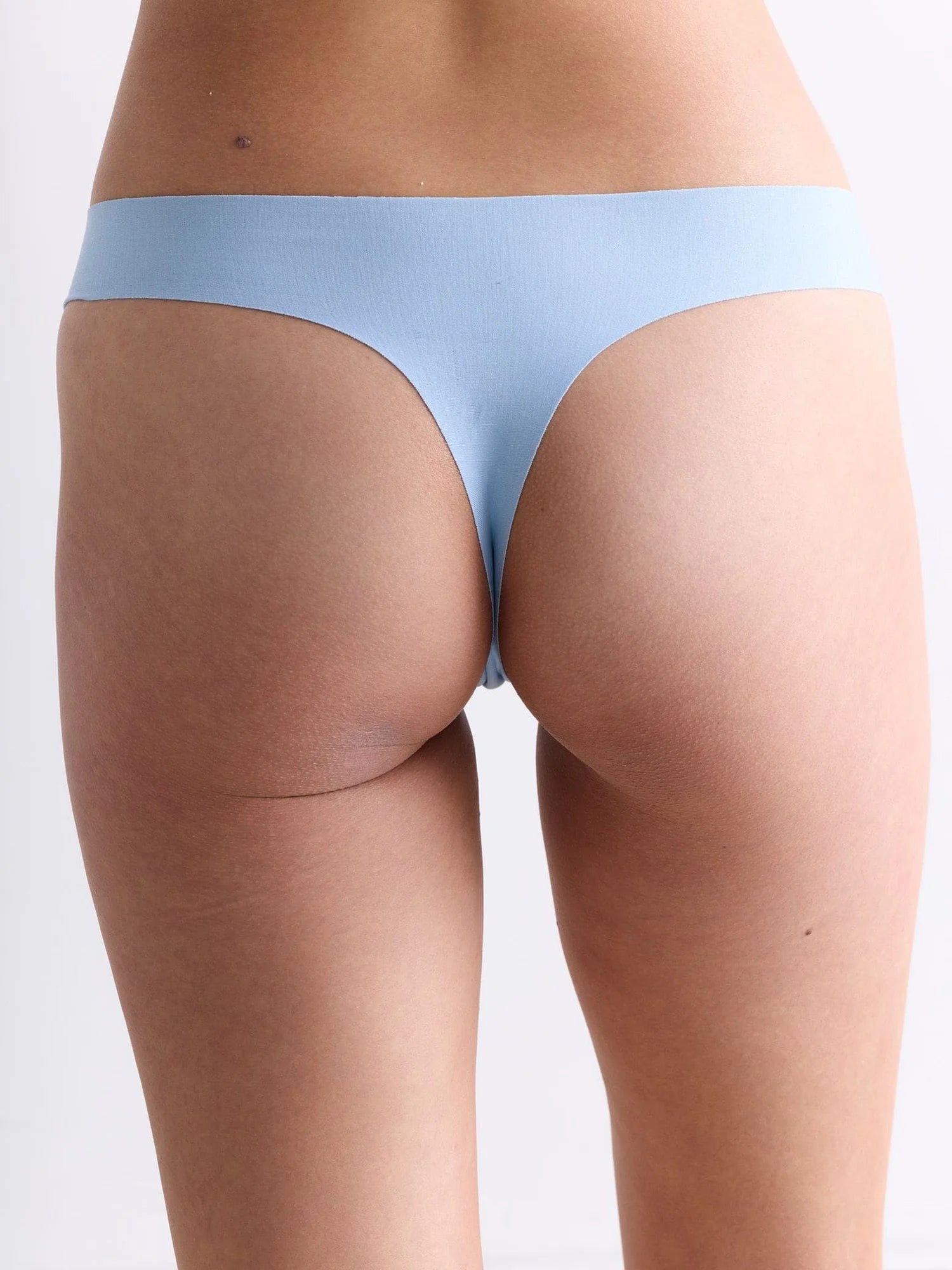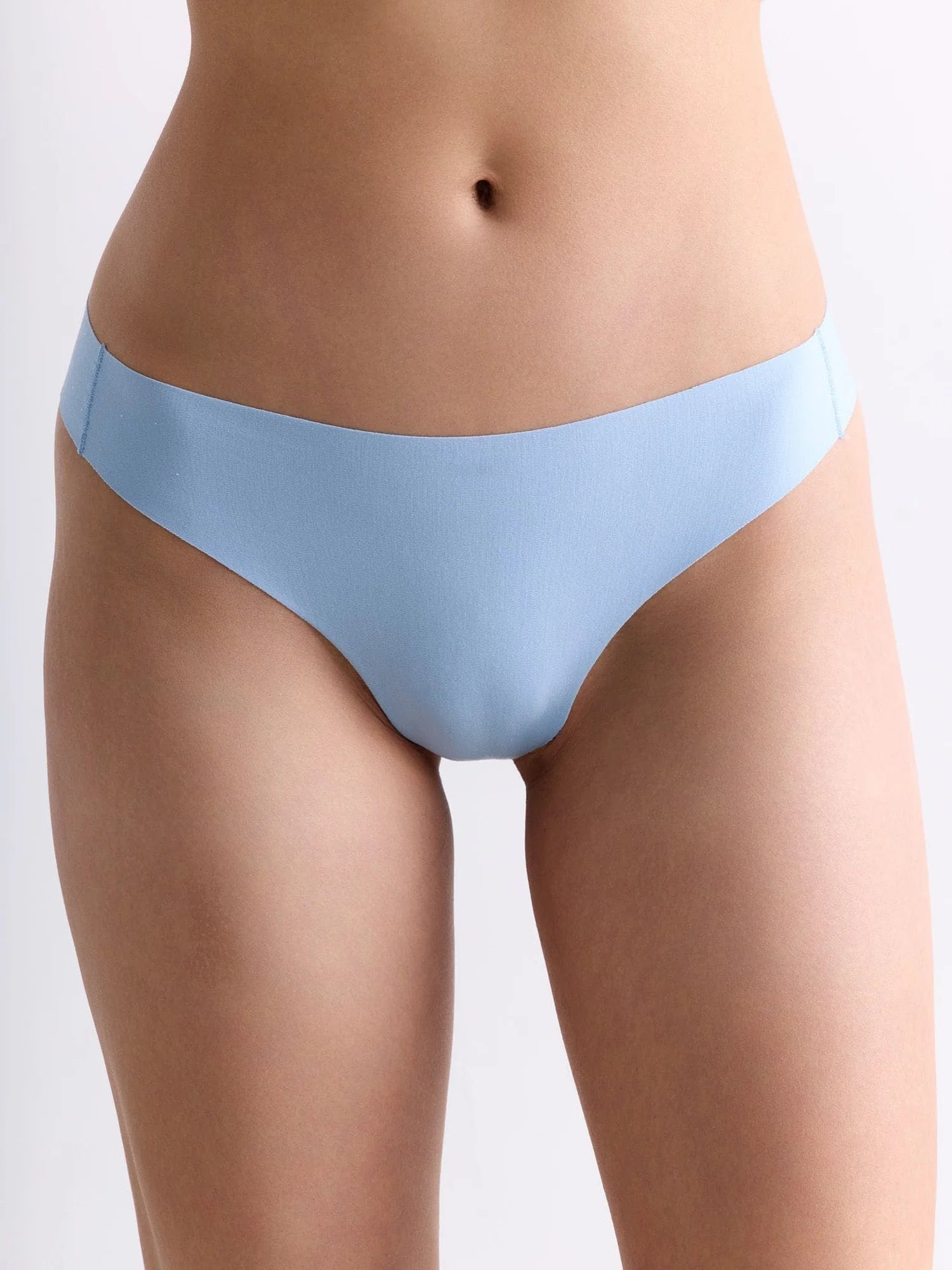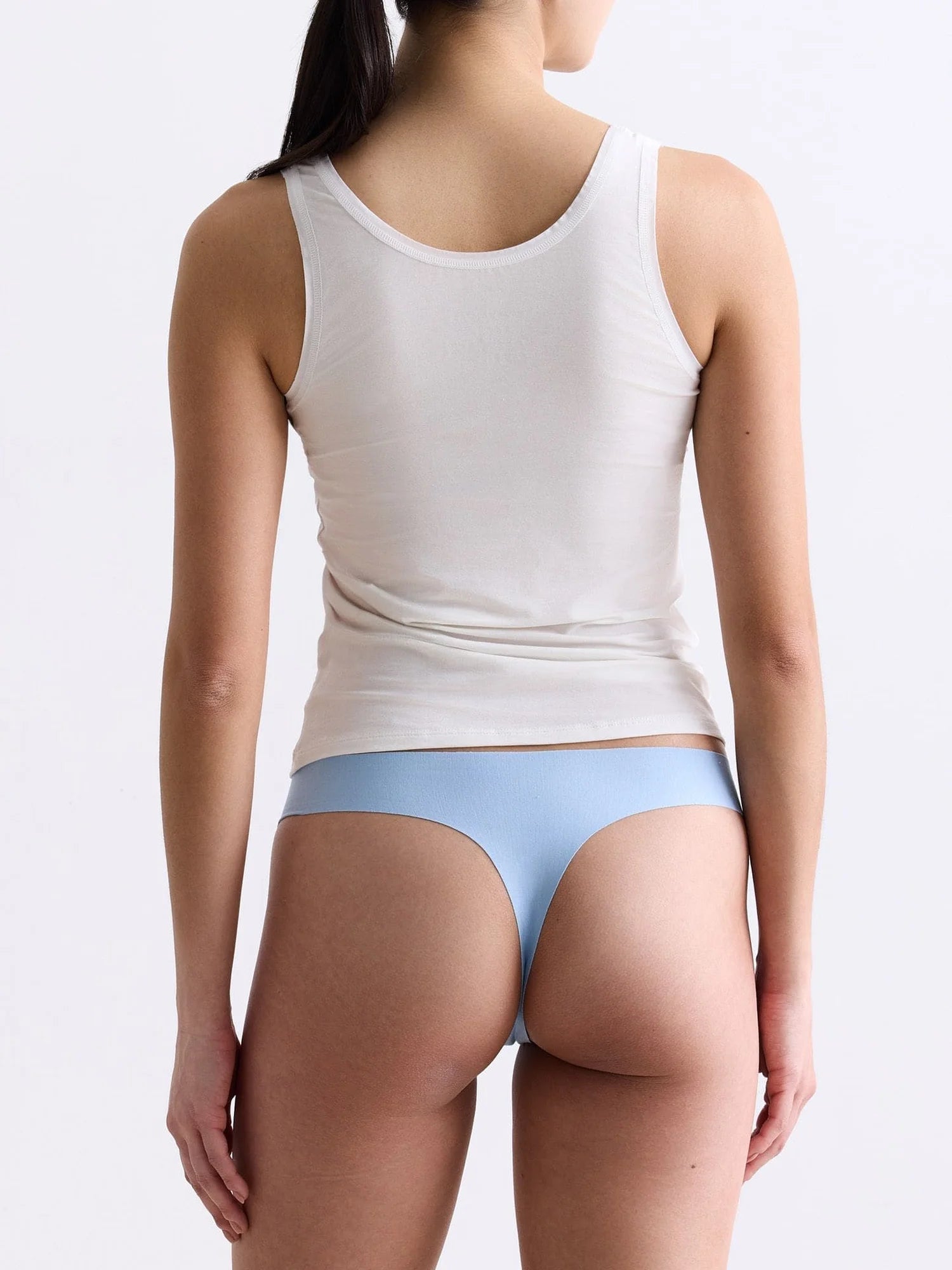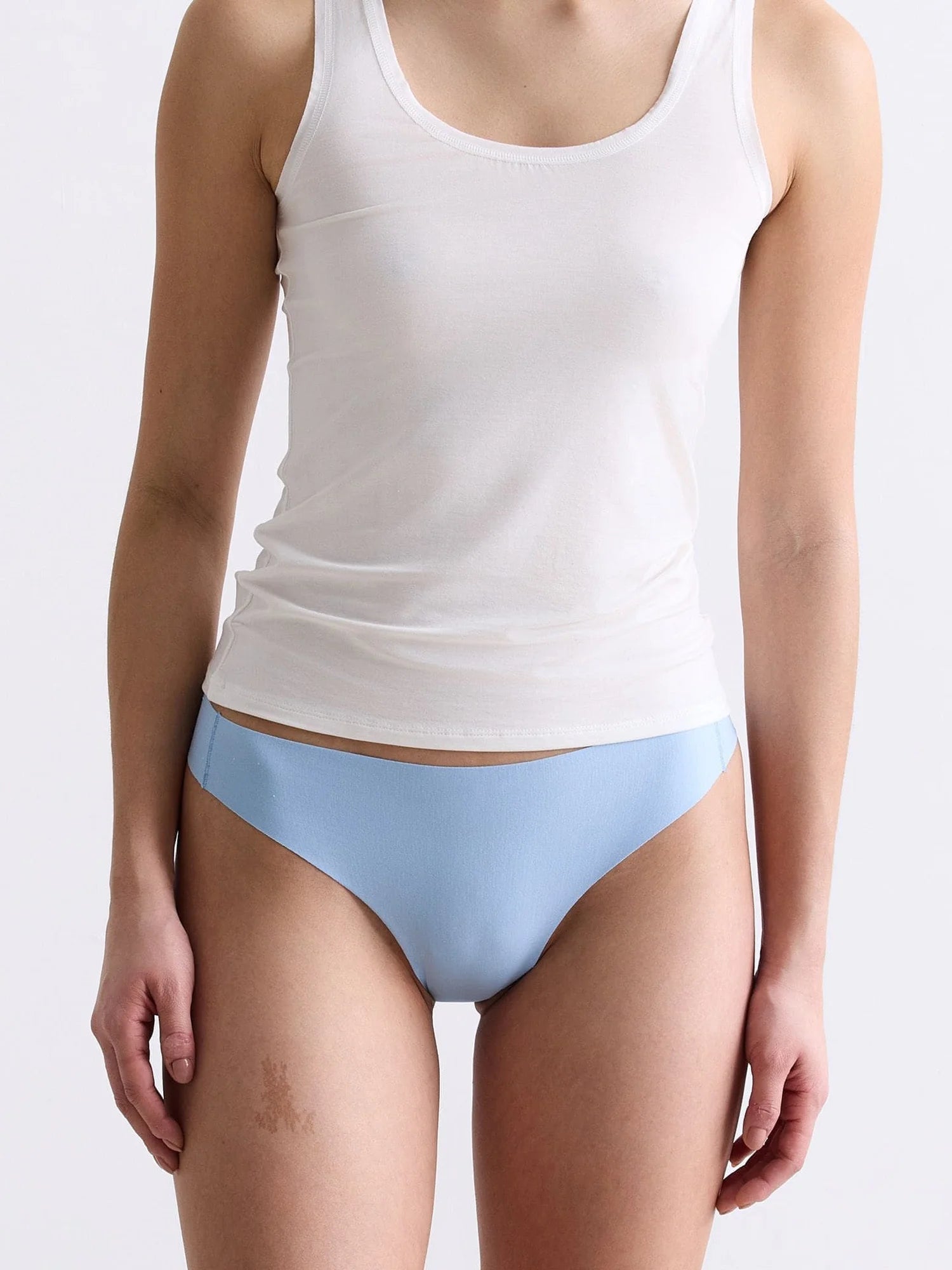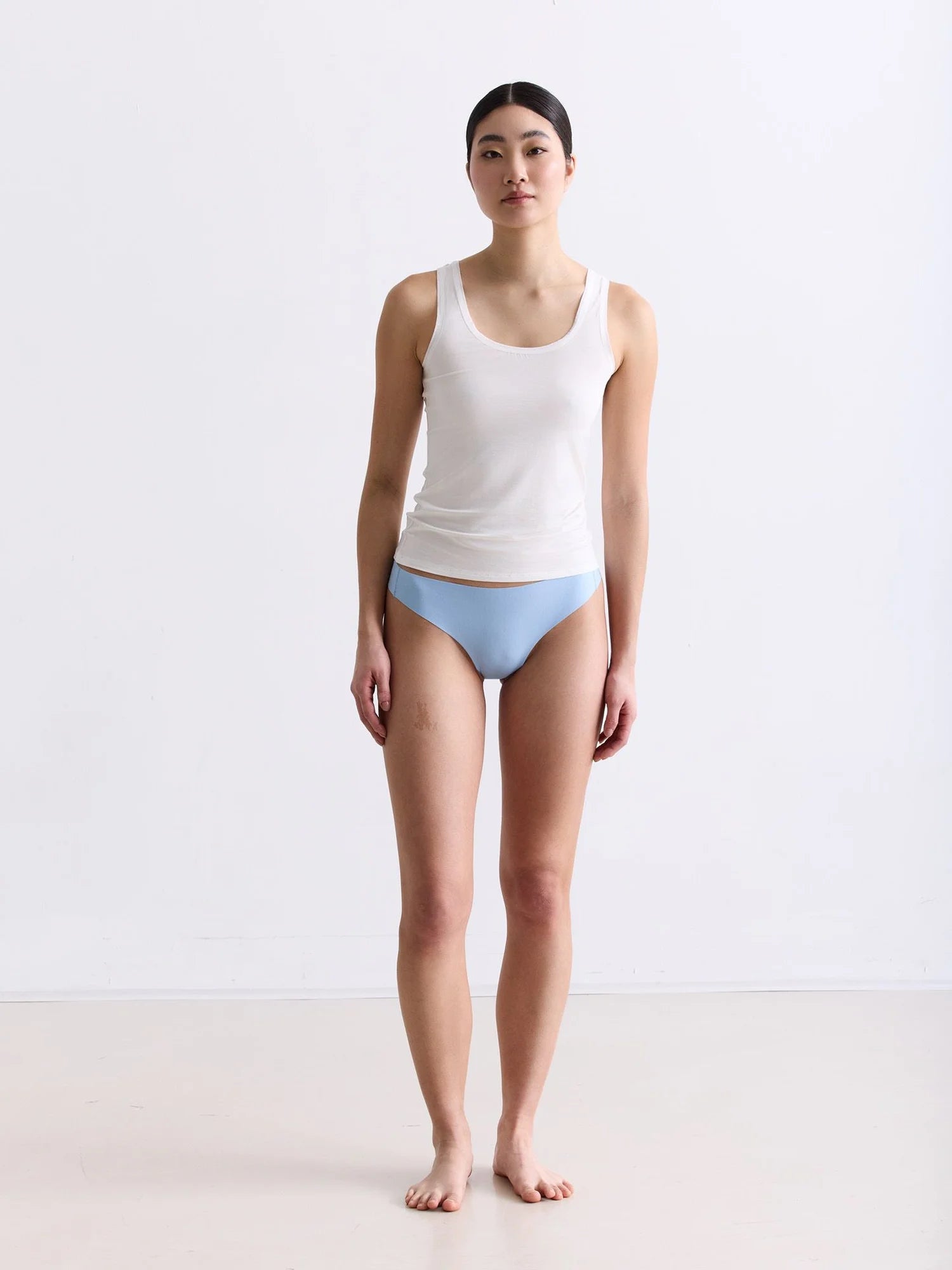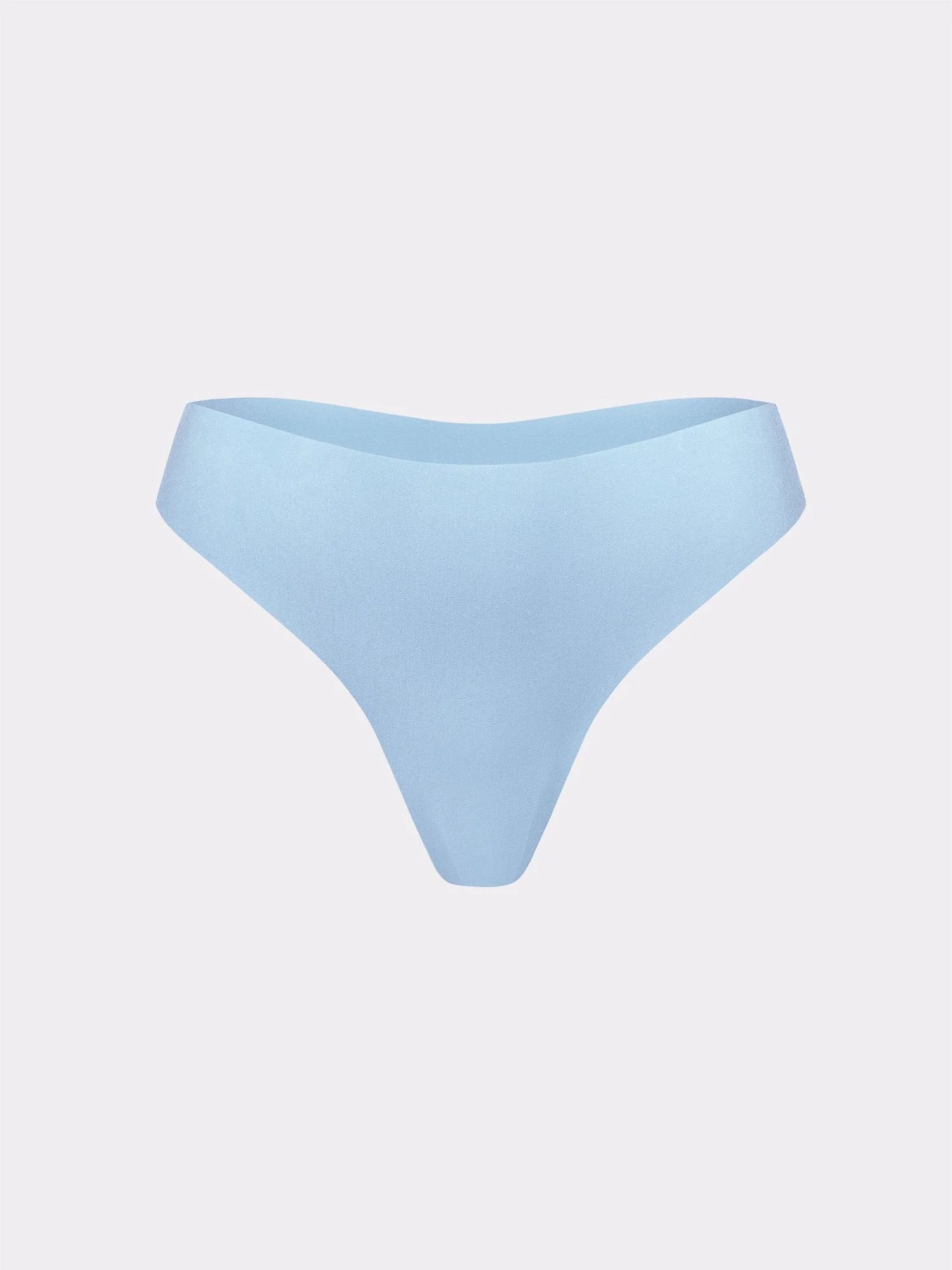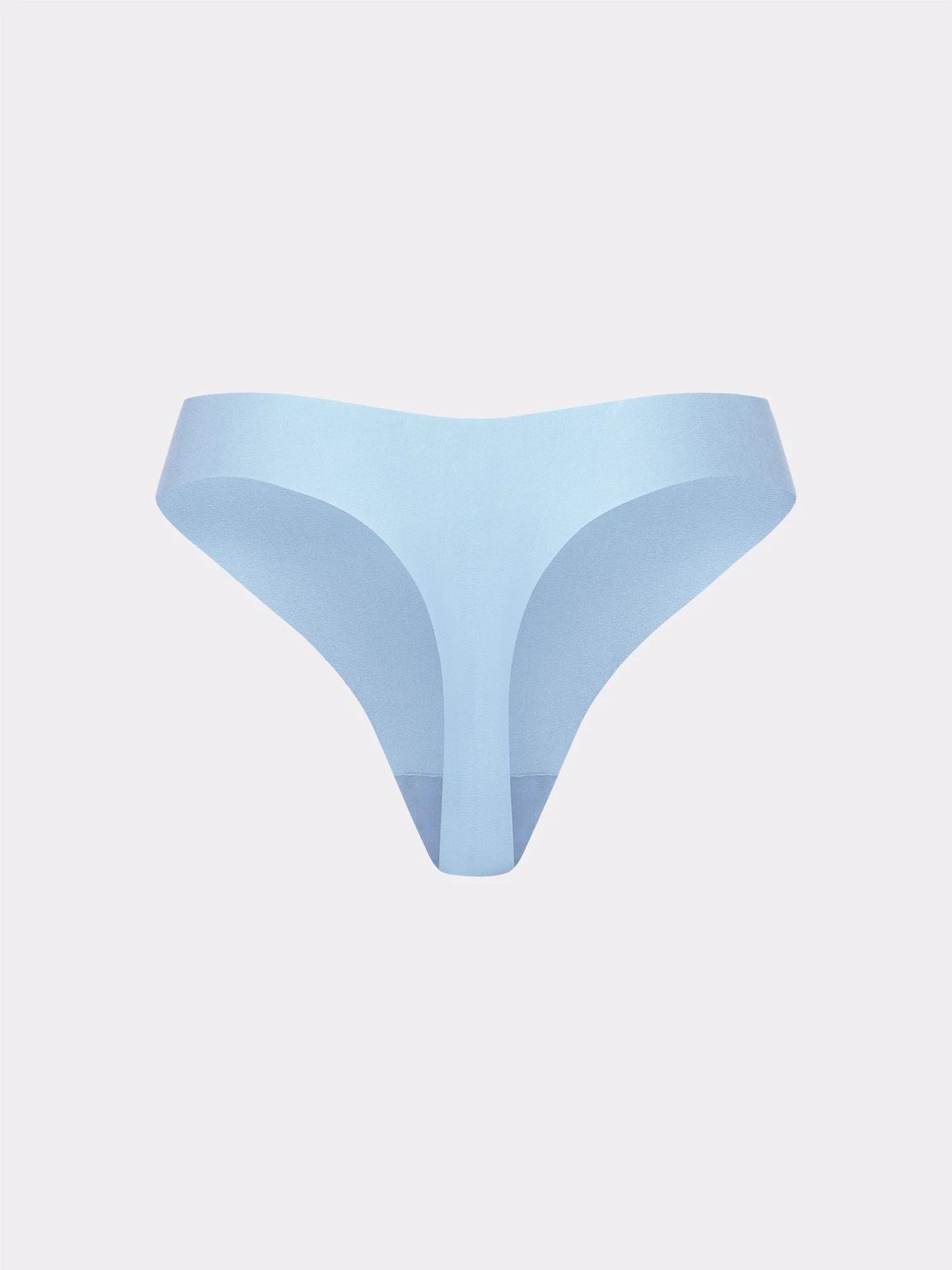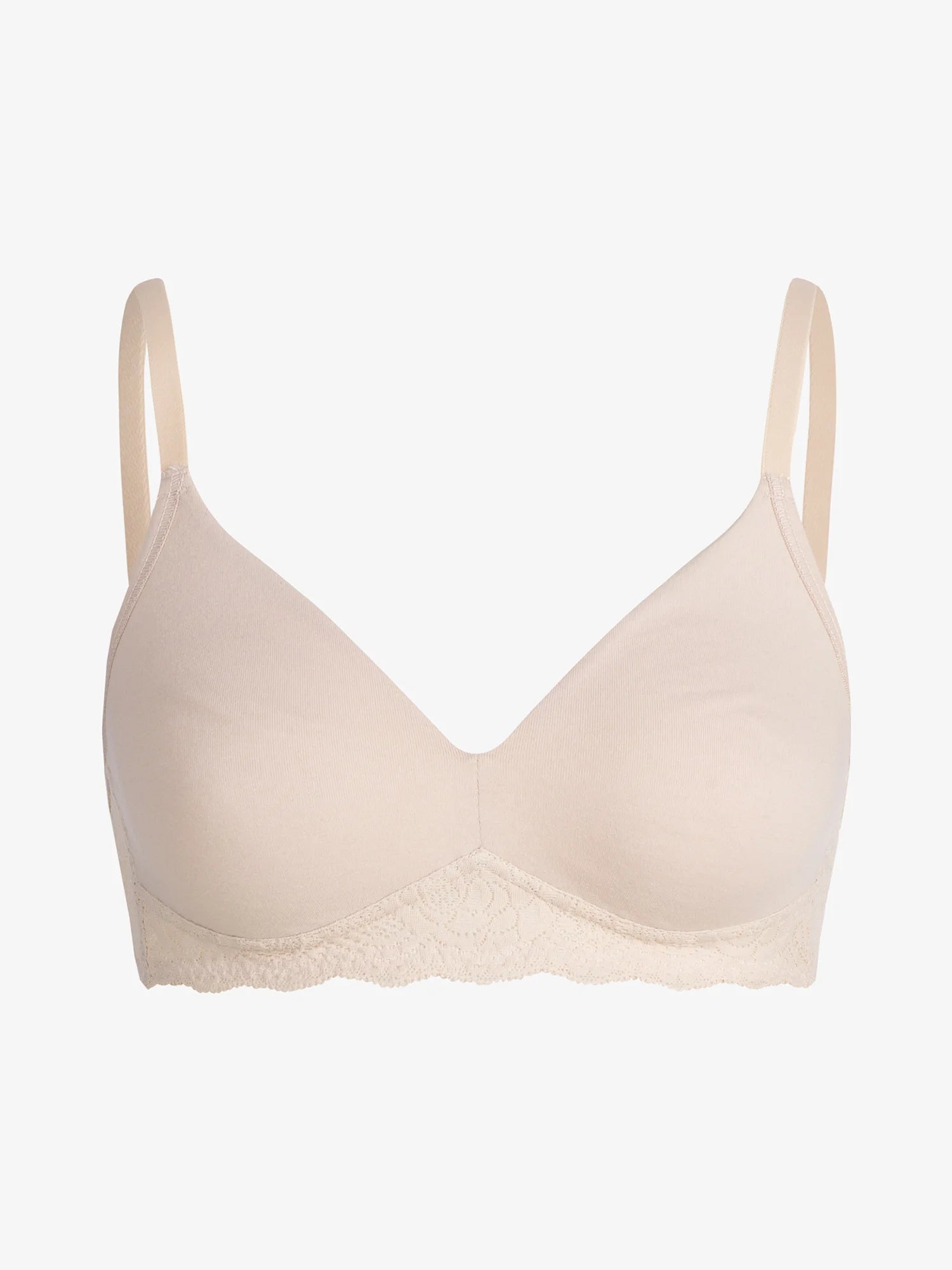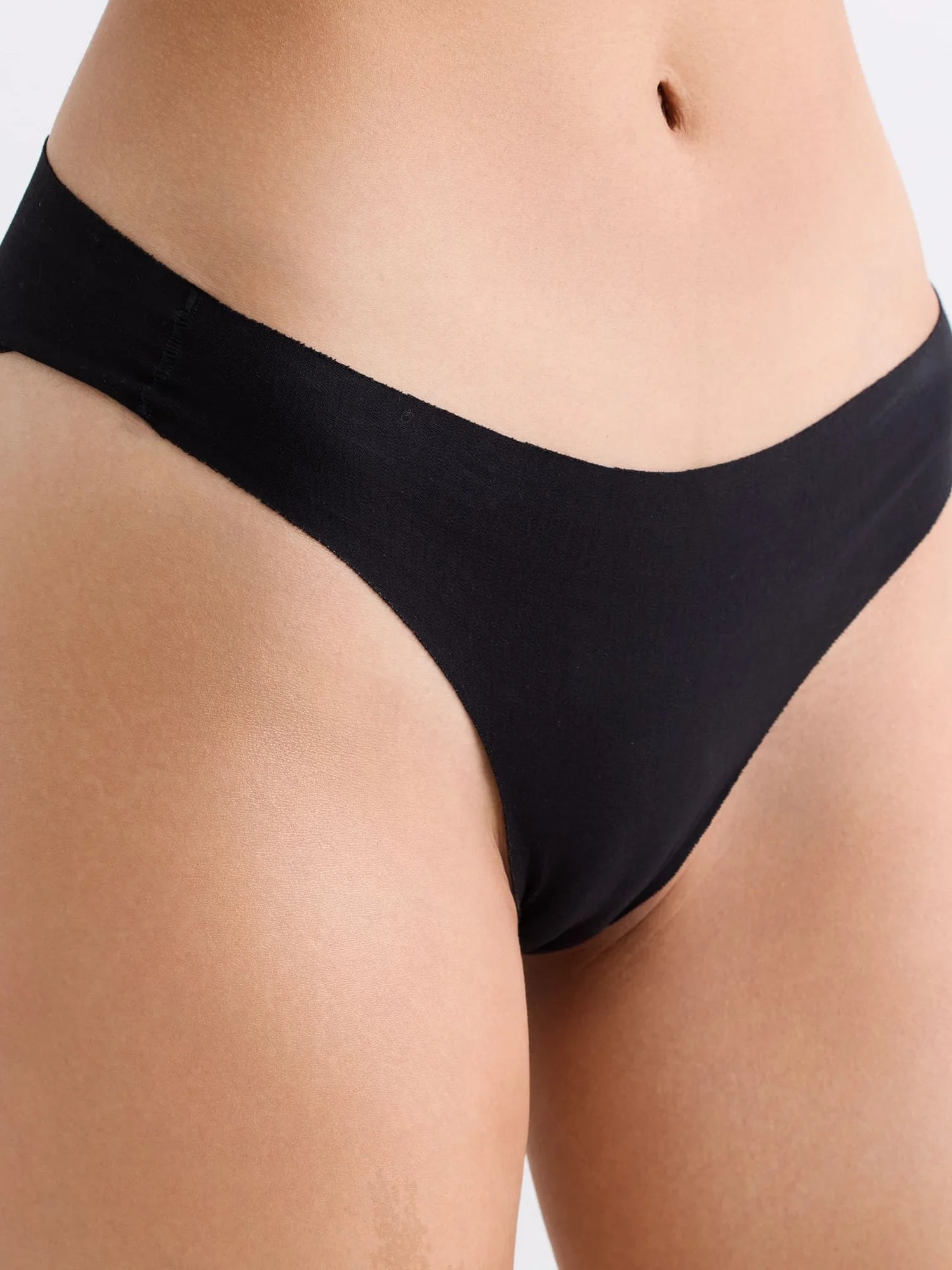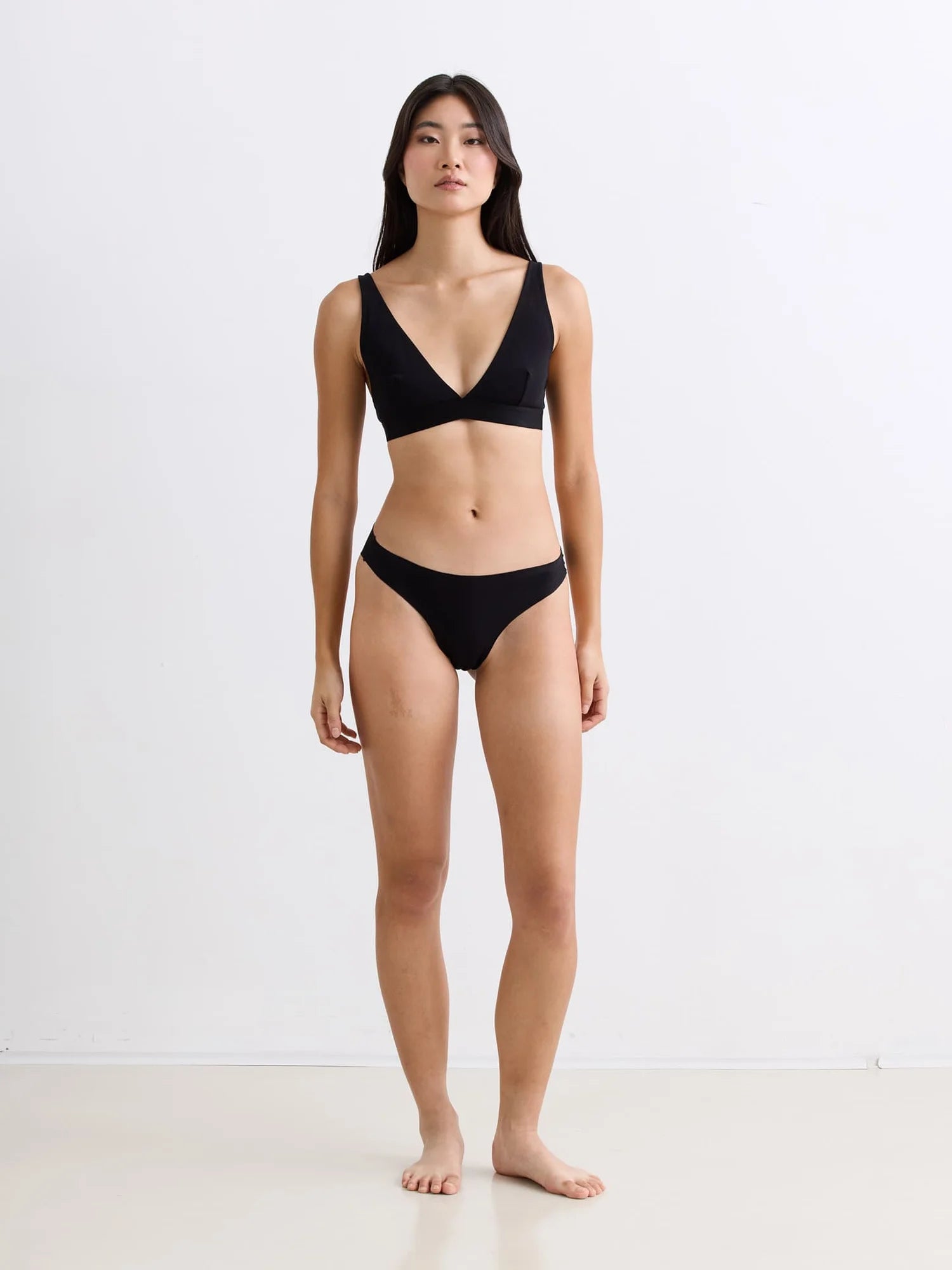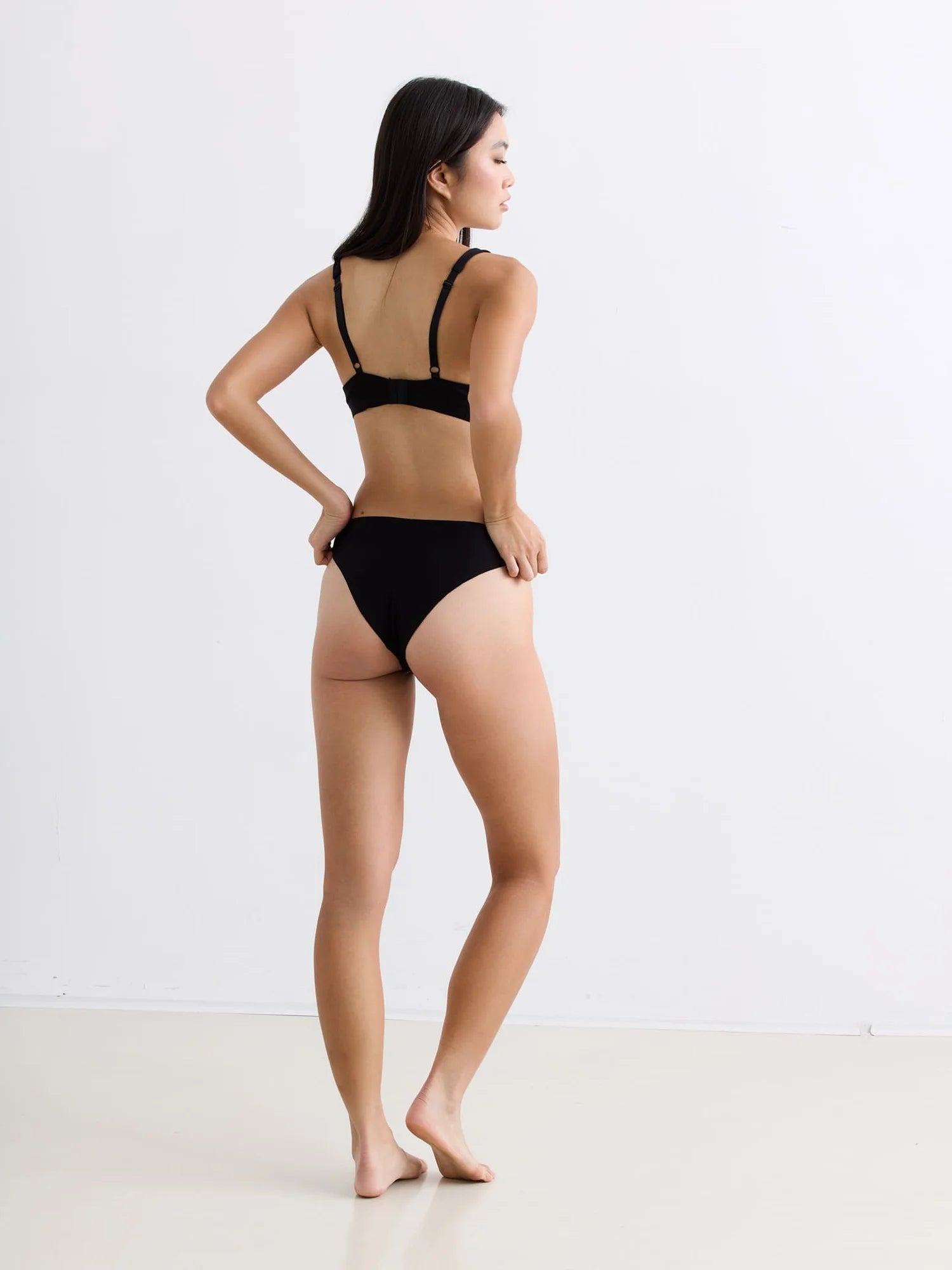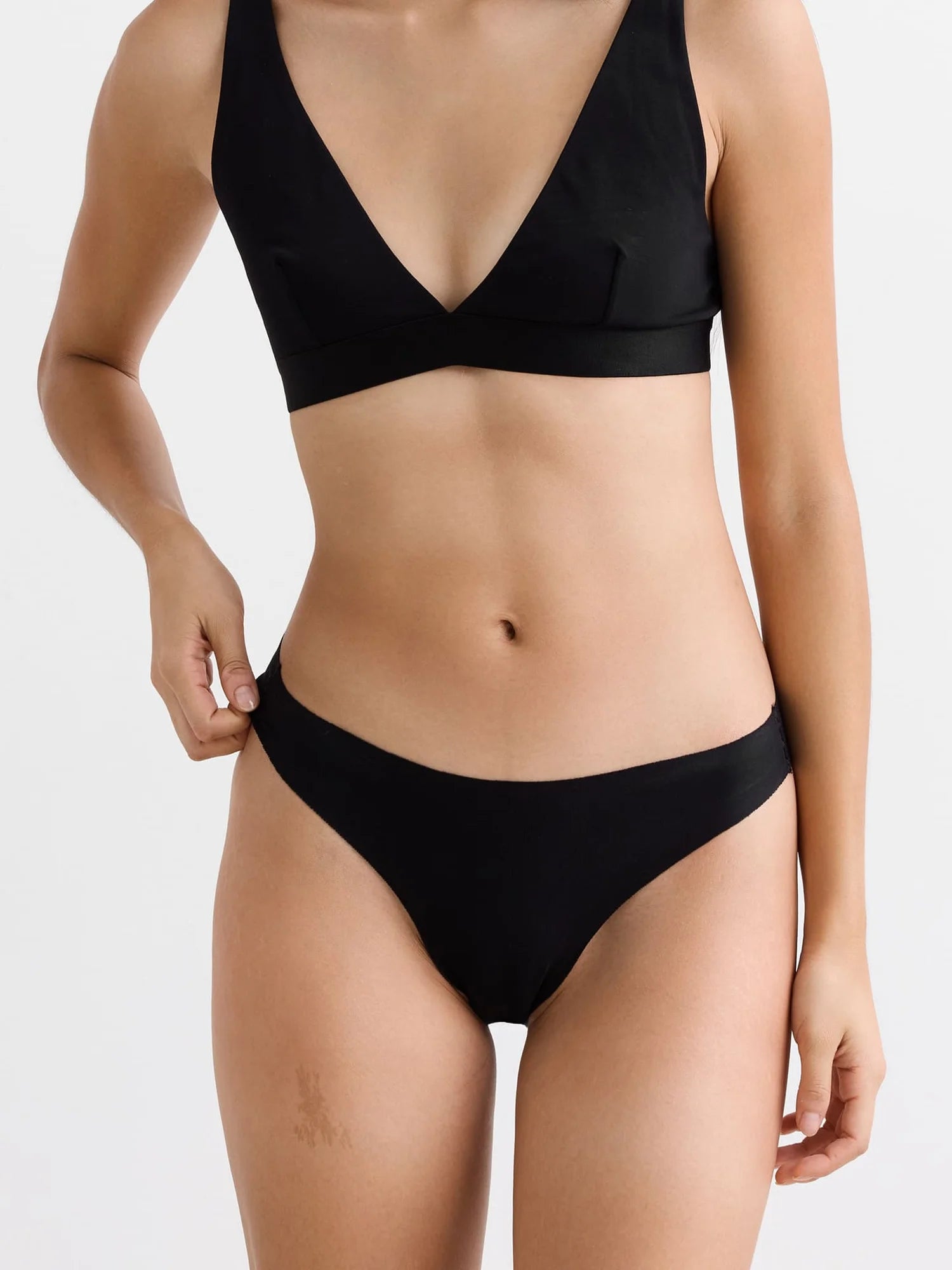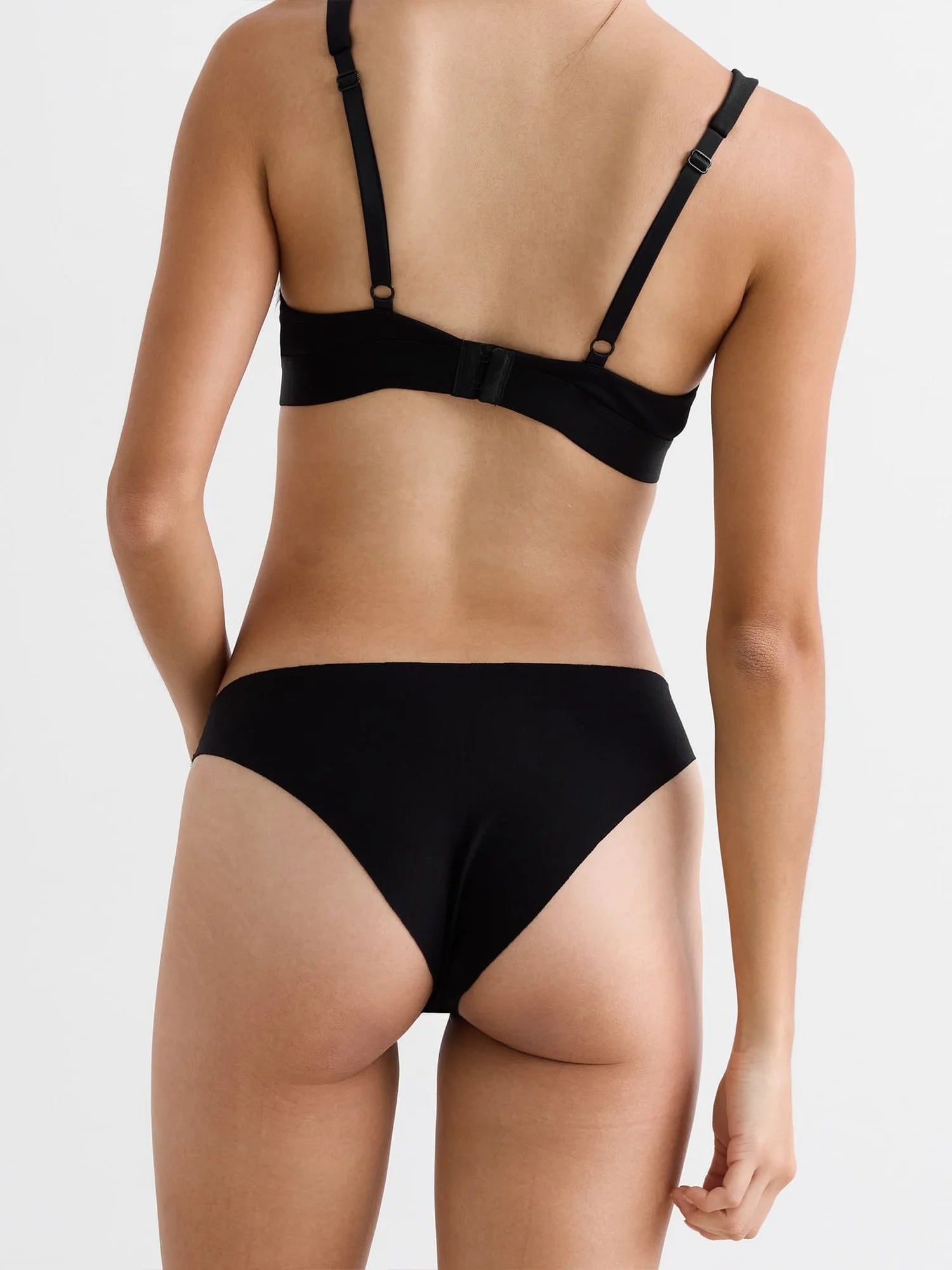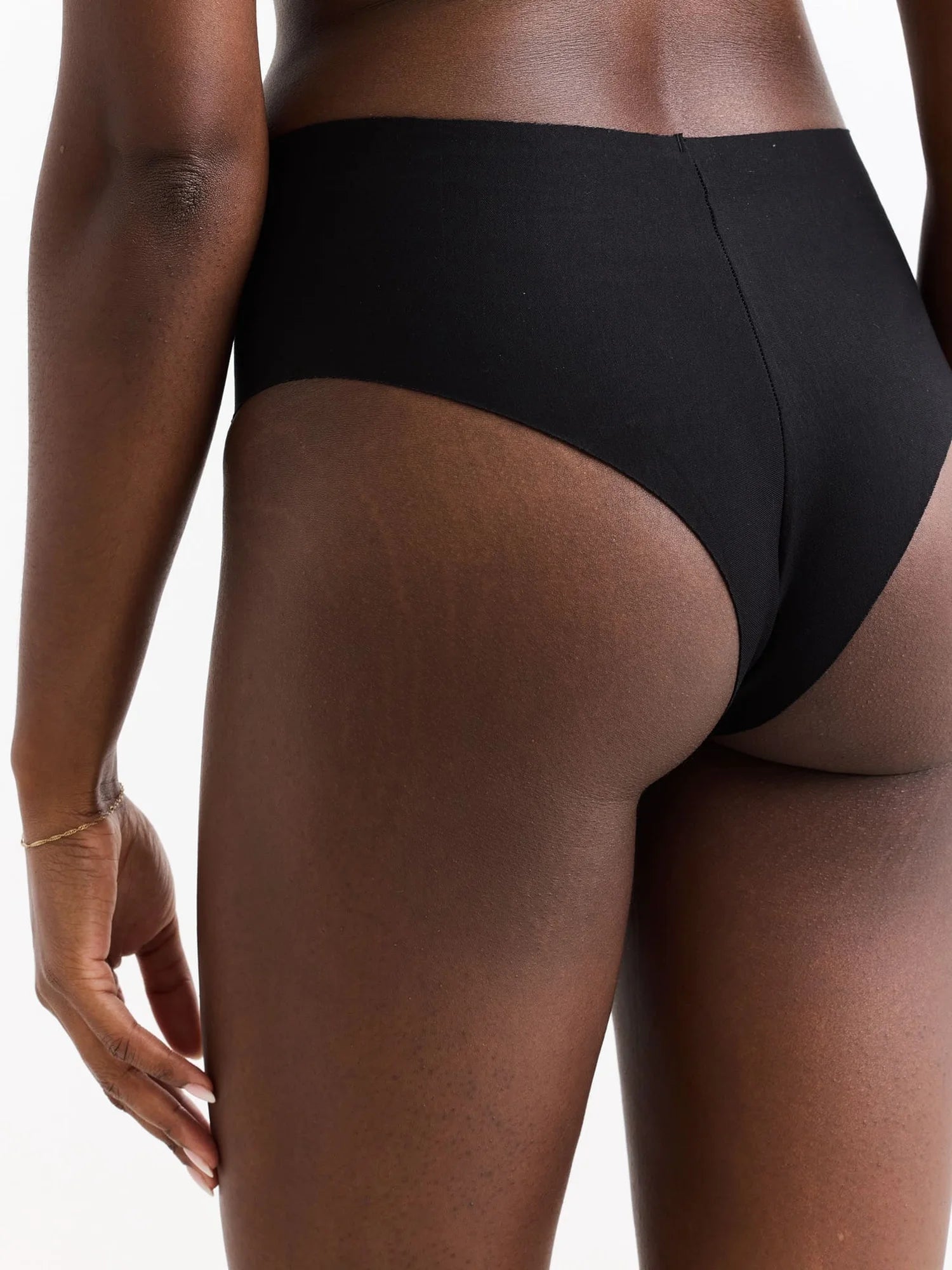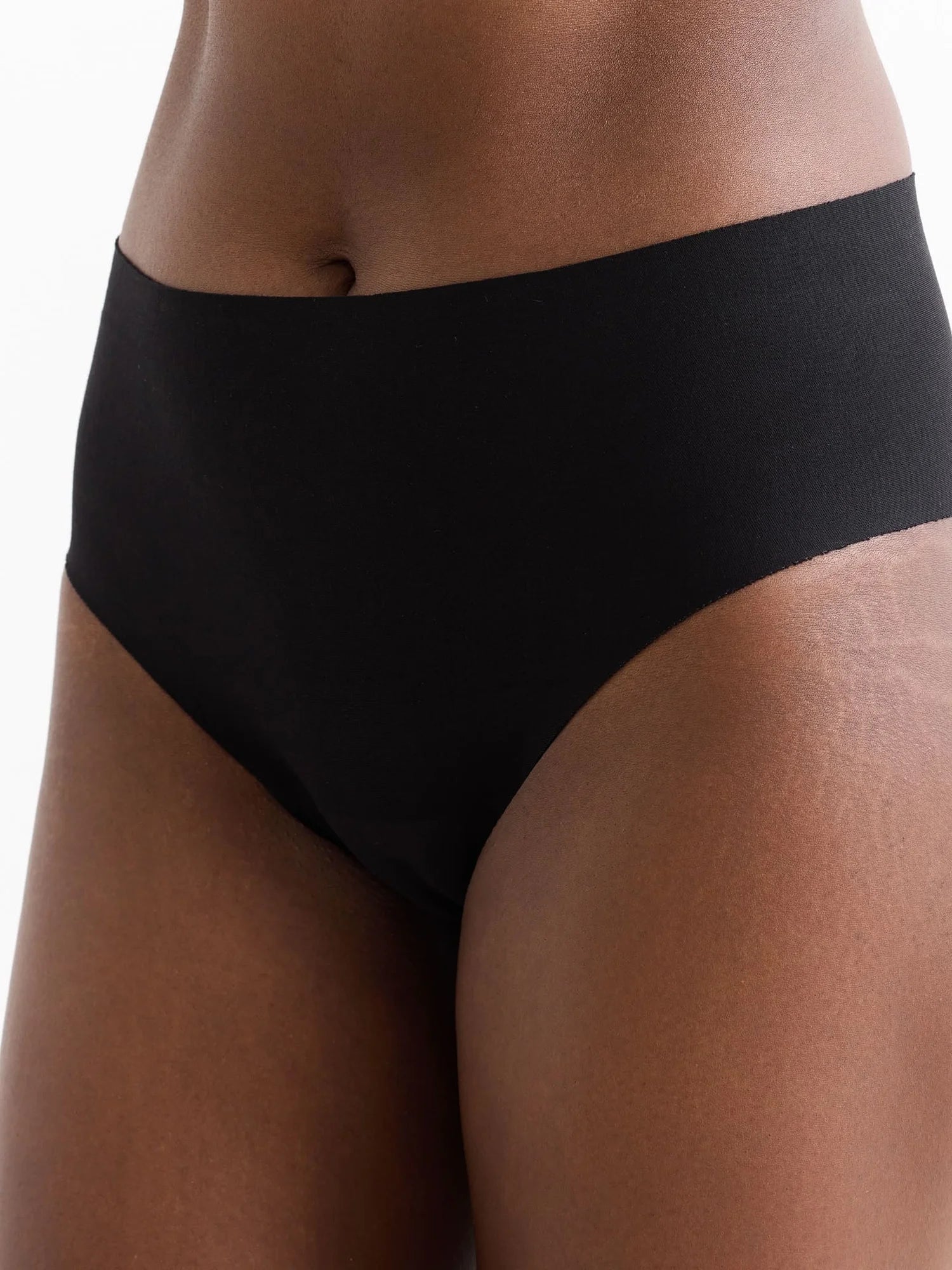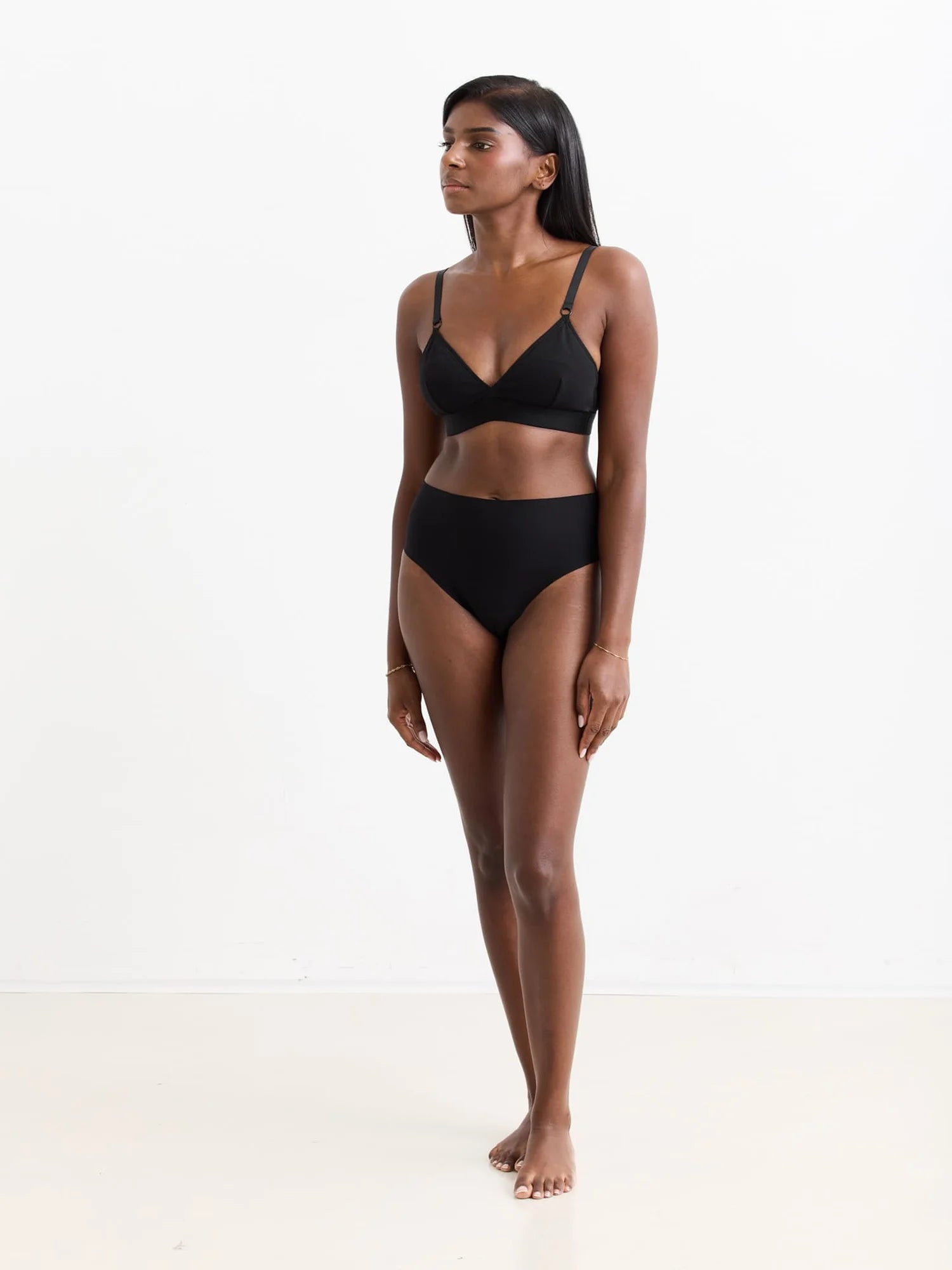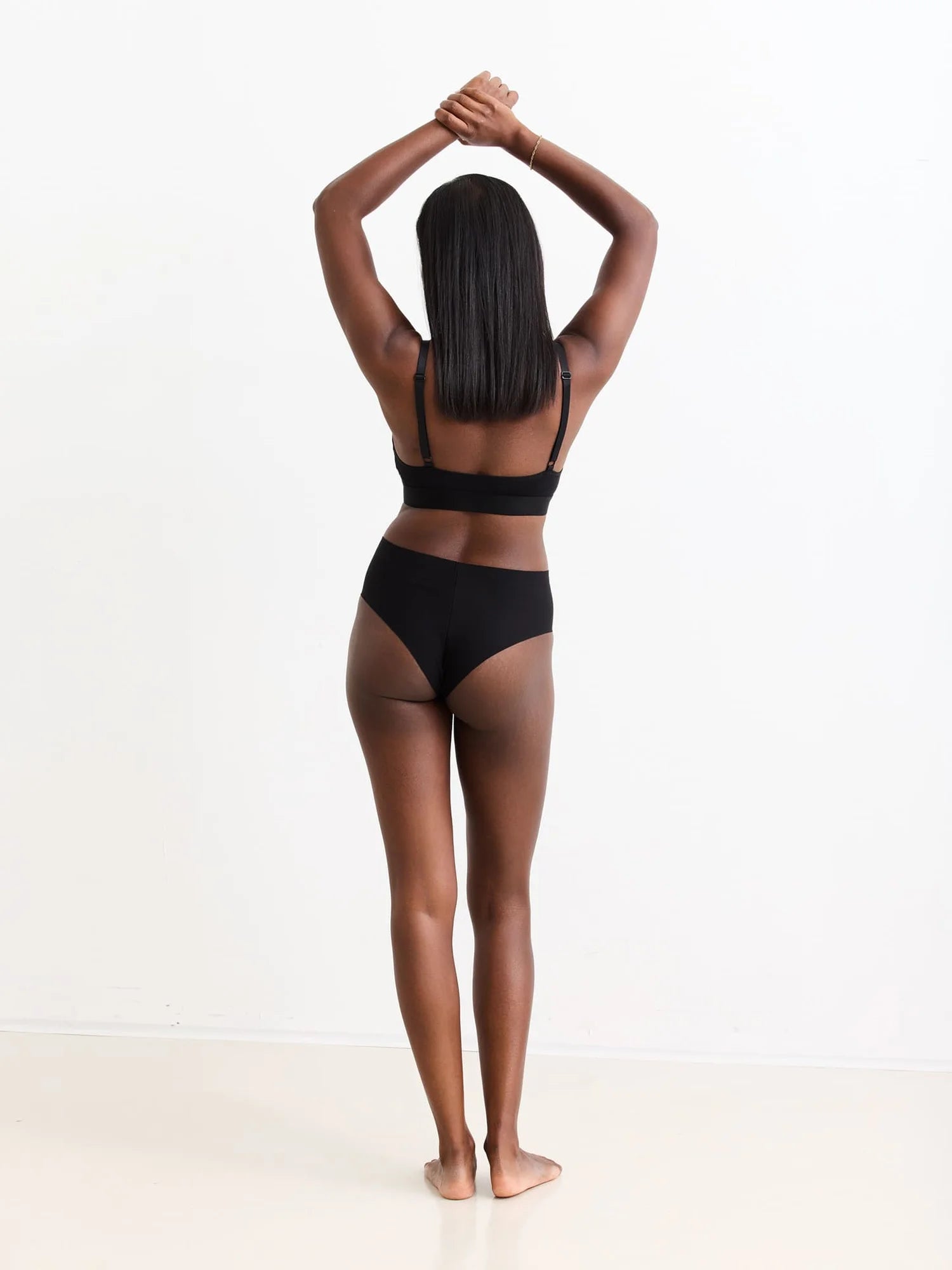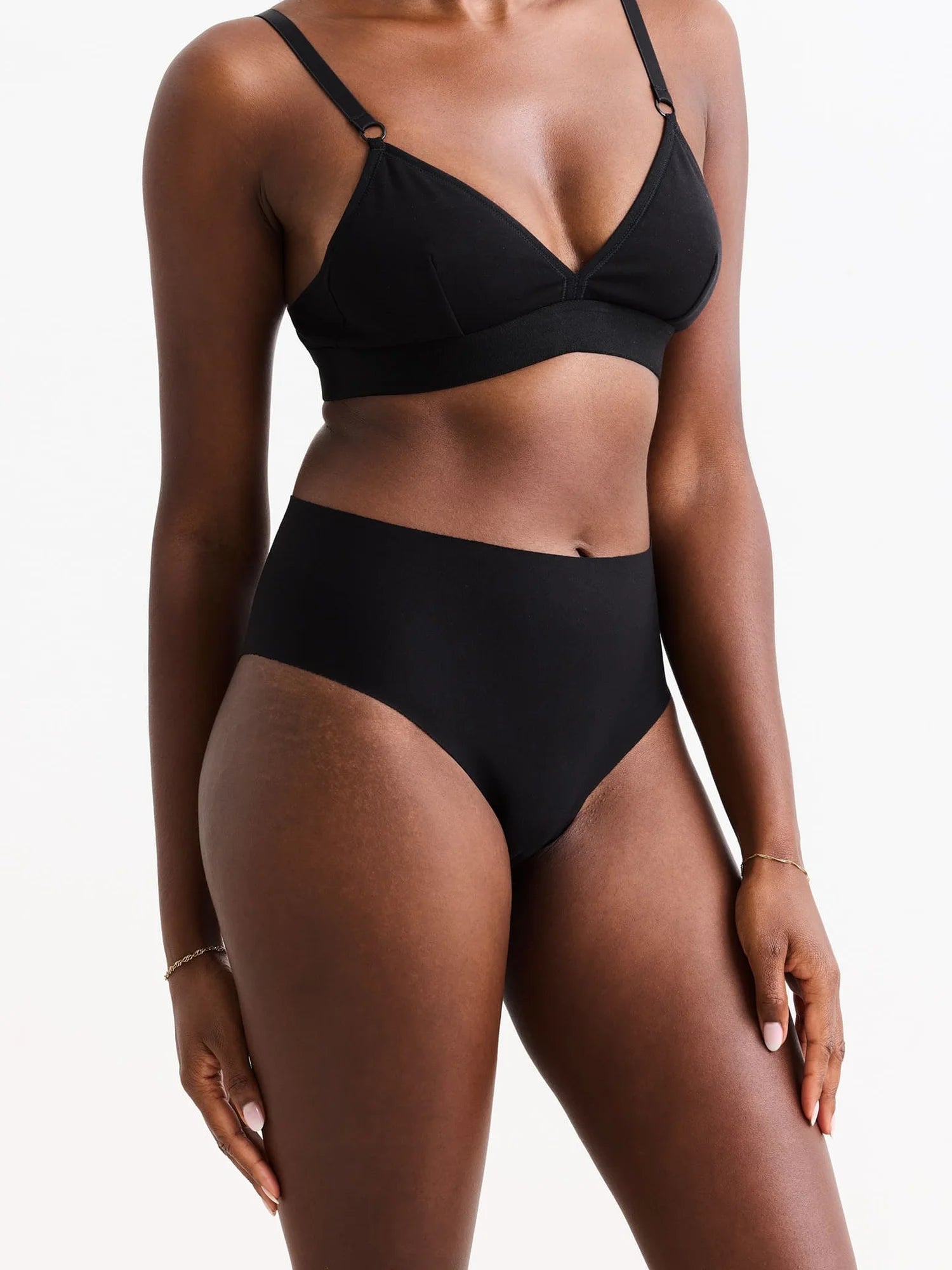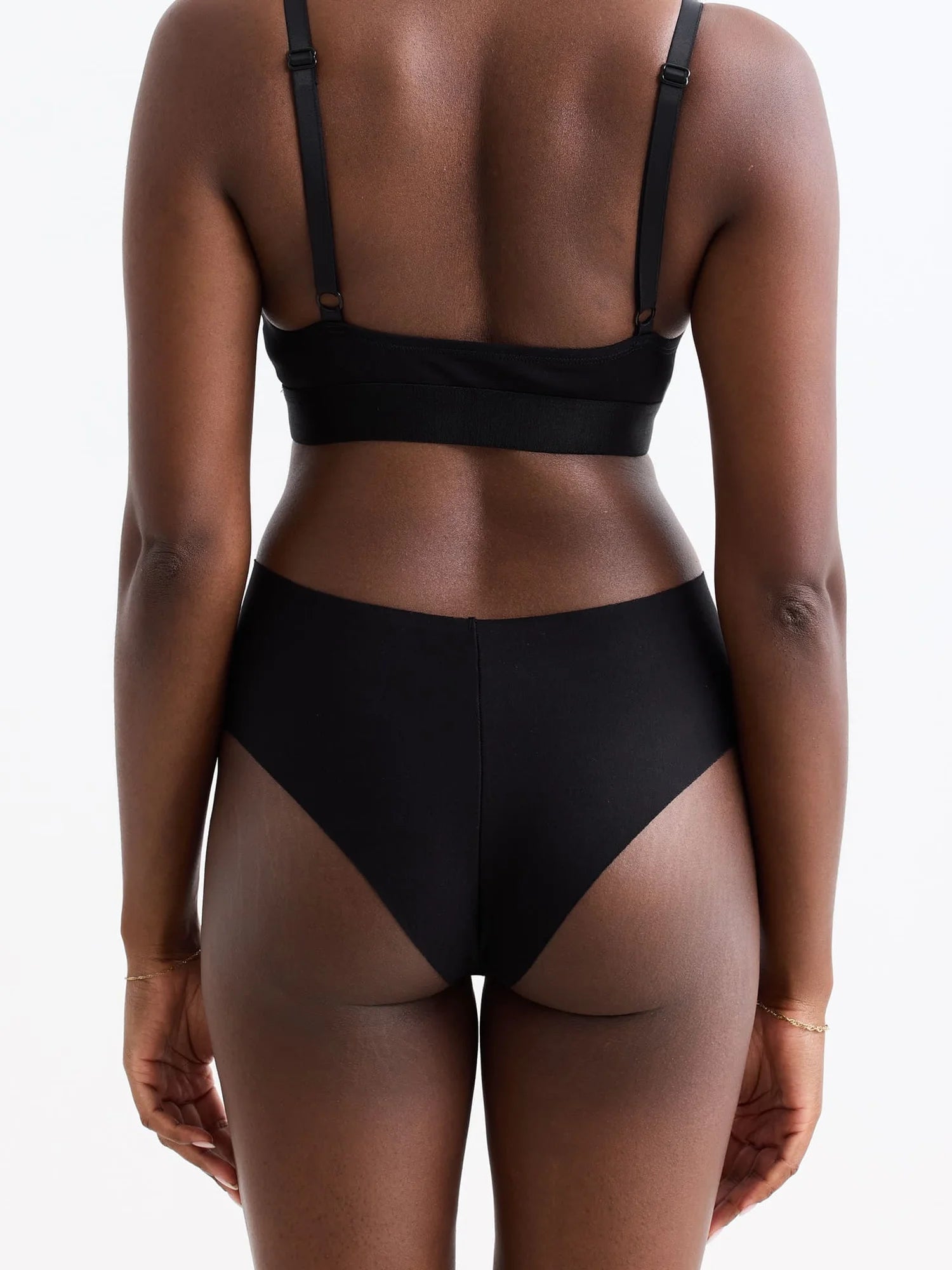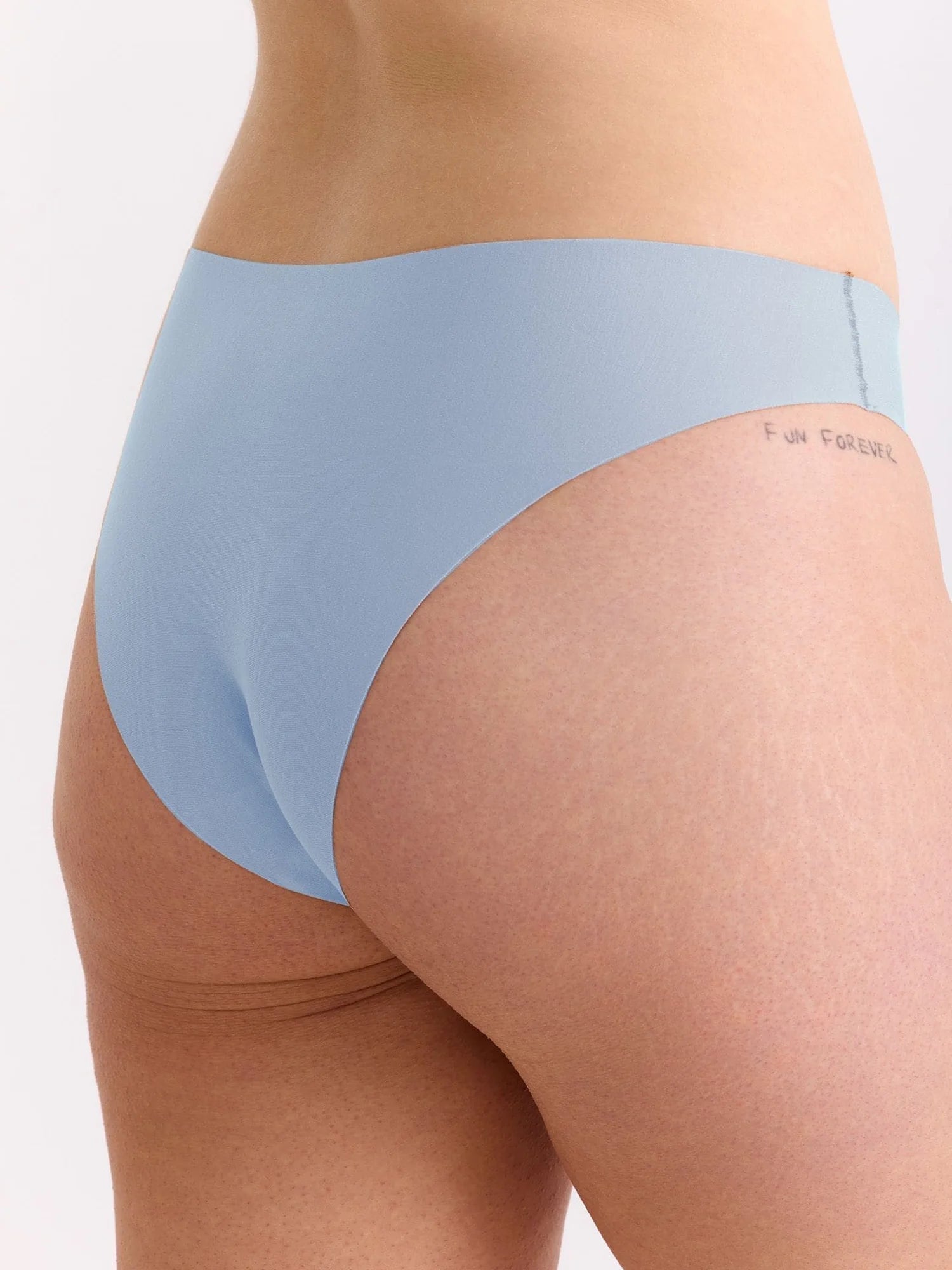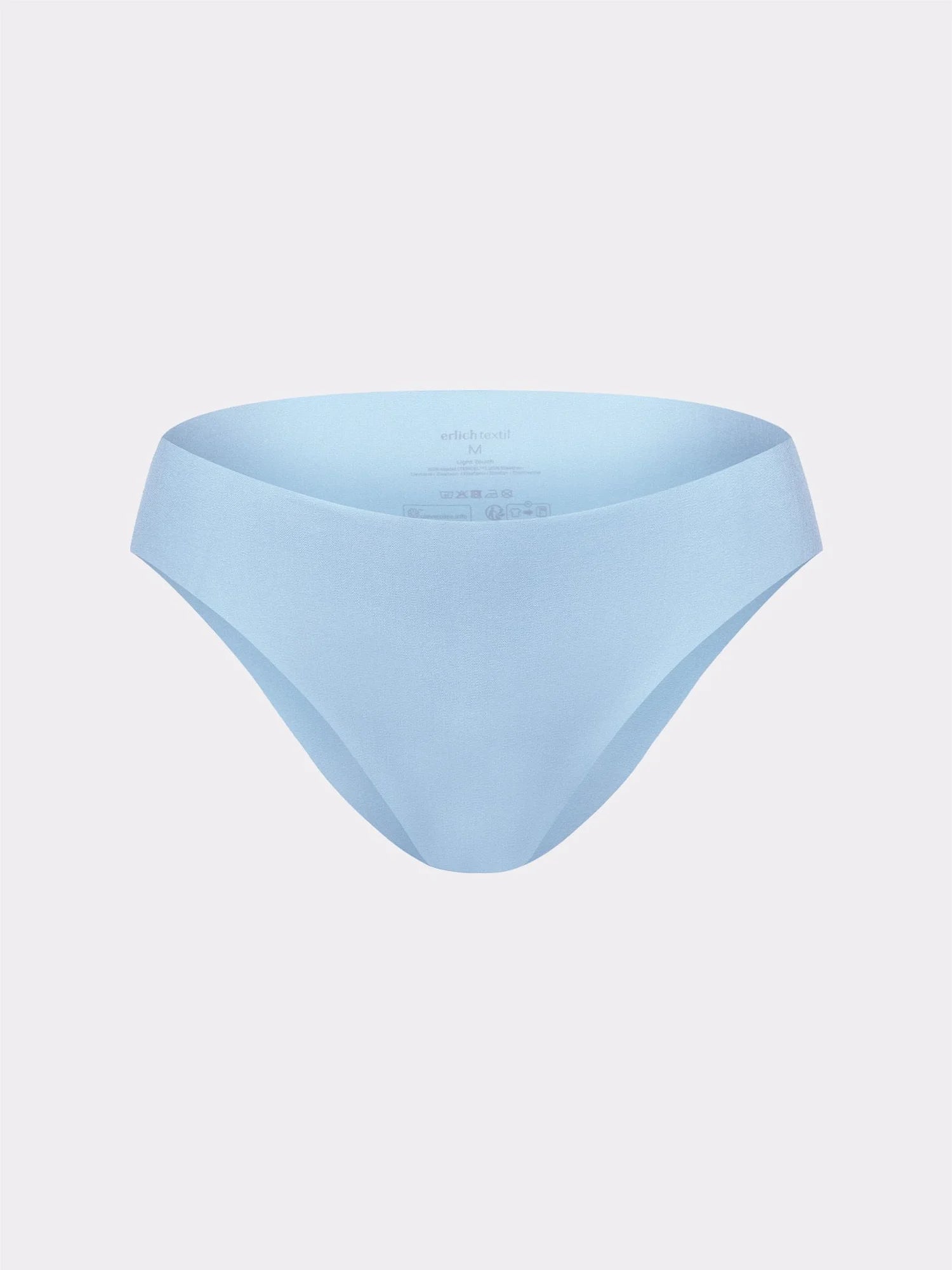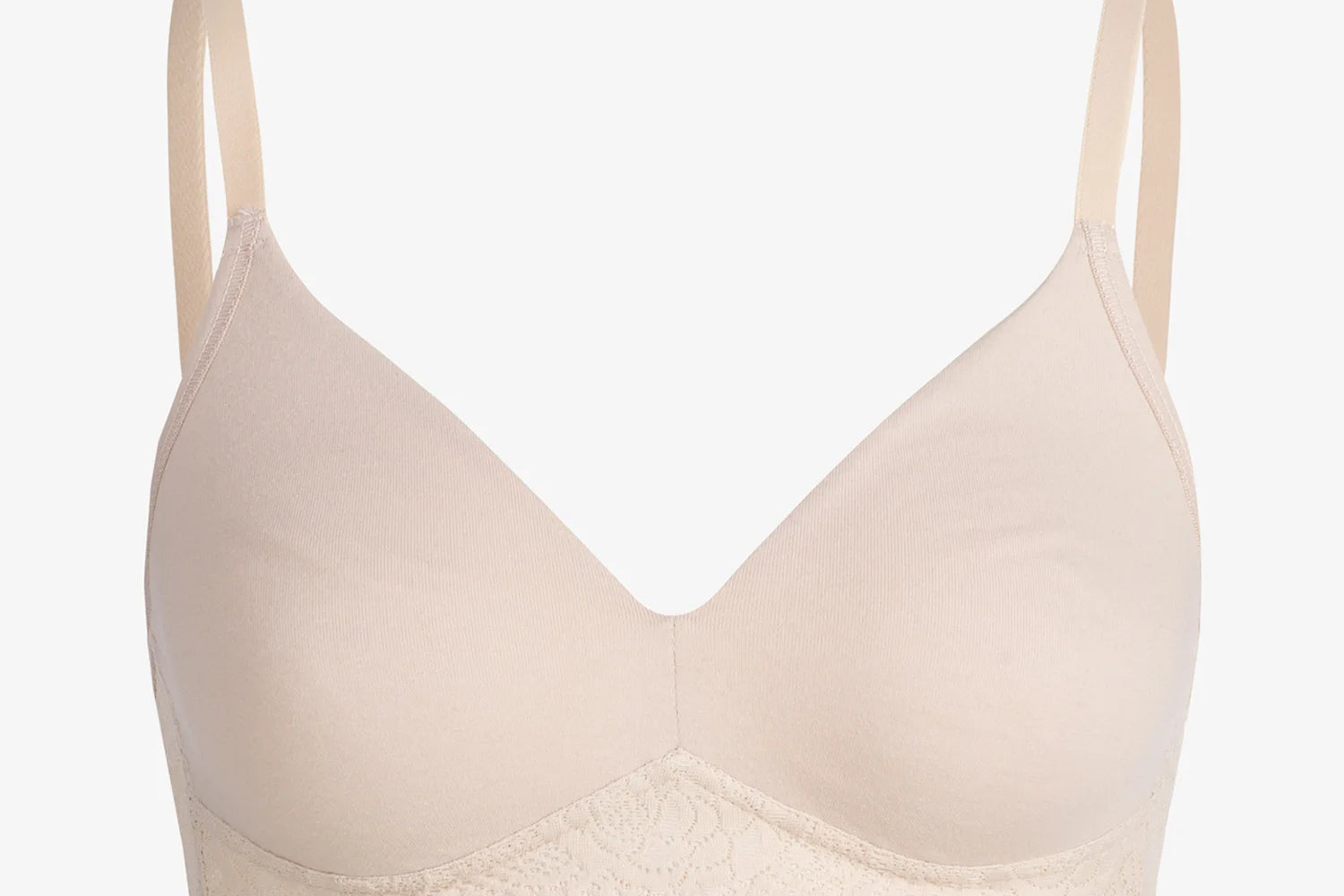
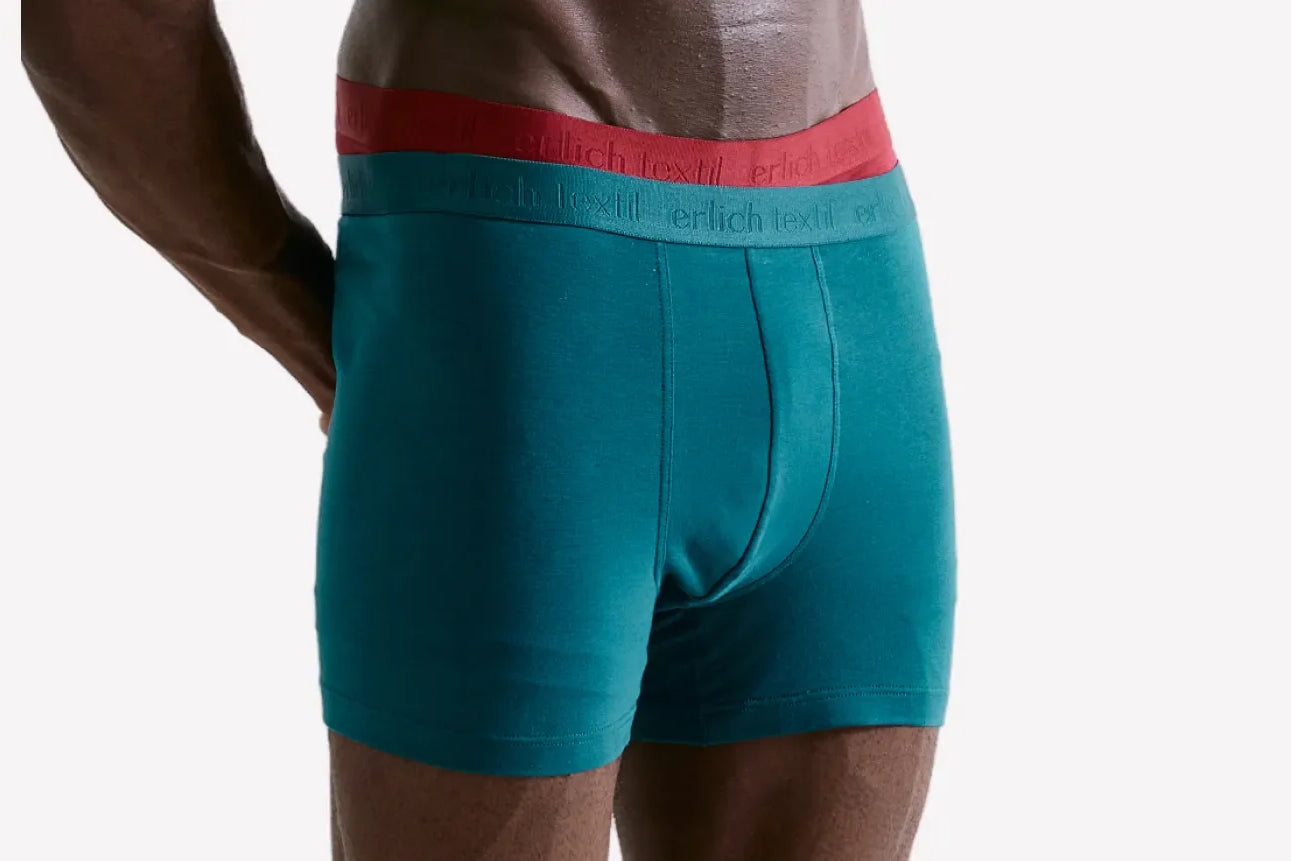
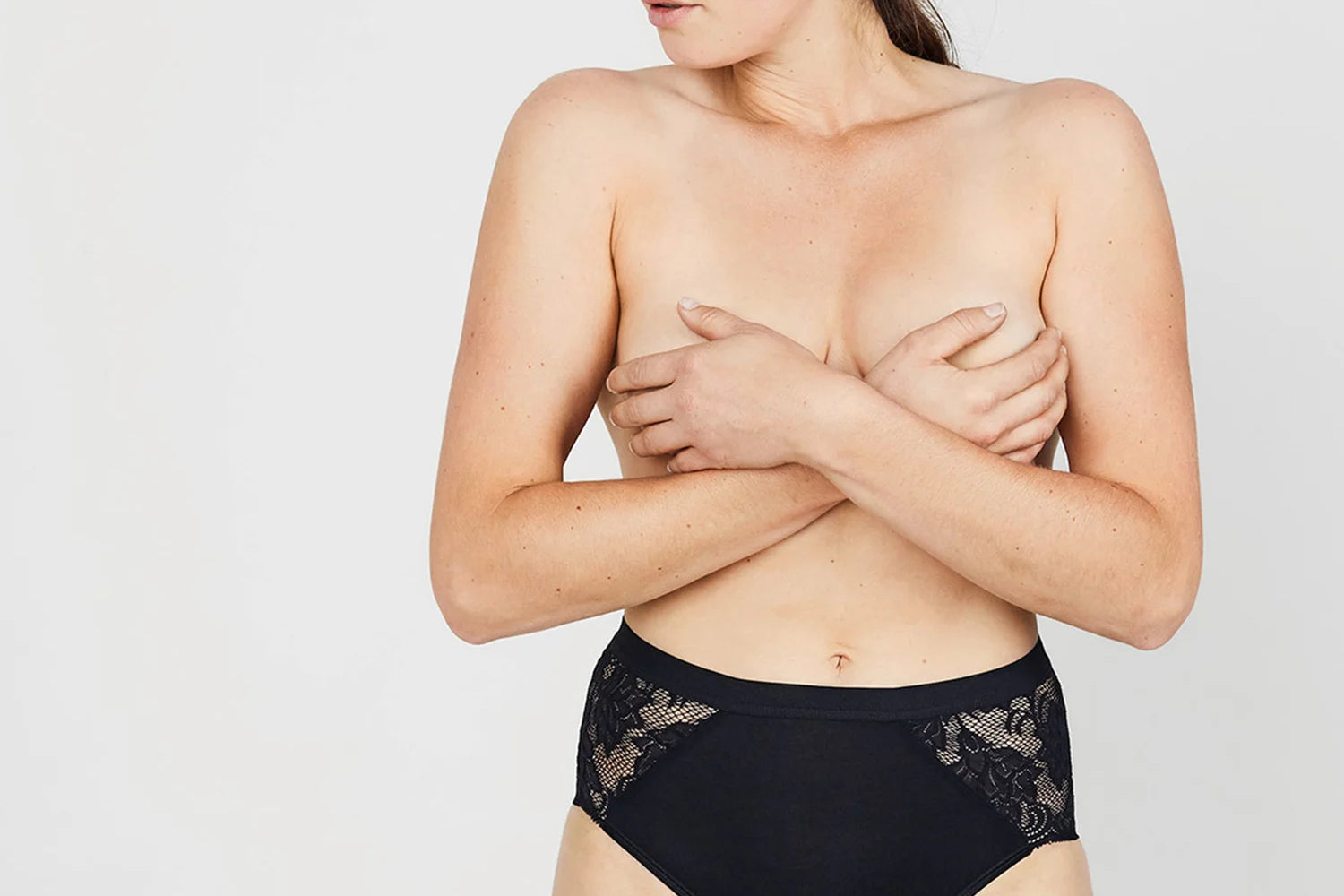


Elastane, spandex and lycra are three names for the same synthetic fibre. This fibre gives almost every close-fitting garment its stretch and shape, but is rarely alone in the fabric: a few per cent is enough. We explain what elastane does, where its weaknesses lie, and which more circular alternative we already use at erlich textil.
Elastane, spandex, lycra: three names, one material
If your favourite leggings carry the word “spandex” on a US label and “elastane” on a German one, both mean the same fibre. Lycra also refers to the same material, but it is a registered trademark, not a separate yarn.
Who invented elastane?
The fibre was created in 1958 at DuPont's US labs. Joseph C. Shivers had been working since the early 1950s on a light, stretchy alternative to the rubber threads then common in close-fitting clothing. The result was a polymer that combined rubber's elasticity with the comfort of a textile fibre. In 1962 DuPont launched the fibre commercially under the brand name Lycra. The trademark today belongs to the US company Invista.
Why is spandex named differently than elastane?
The name “spandex” is an anagram of the English word “expands”. It is the common term in North America. In Europe and most other regions, “elastane” is the standard name. The EU textile labelling regulation specifies “elastane” as the binding term, which is why every garment label sold in the EU shows “elastane” or its short form “EA”.
What is lycra?
Lycra is therefore not a separate material but a brand name, comparable to “Kleenex” for facial tissues. If you see lycra on a label, the elastane in your garment was produced by the Lycra brand. There are several other branded elastanes too: Creora, Roica and Dorlastan, for example. Each produces elastane yarns that can differ in purity, stretch behaviour or sustainability profile.
How is elastane built?
Elastane is a chemical fibre. More specifically, it is a polyether-polyurea copolymer, made up of around 85 per cent polyurethane. Sounds technical, but the structure matters: two building blocks give the fibre its properties.
Polyurethane forms the long, strong molecular chains of the fibre. It provides tensile strength. Polyethylene glycol sits as a softer block between those chains and allows the fibre to stretch and return to its original shape. This combination is the secret behind elastane's huge stretch capacity: it can extend up to 600 per cent of its original length without breaking. At shorter stretches, it returns to shape every time, without sagging.
Unlike rubber, elastane is very light, resistant to body oils and sweat, and unaffected by many chemicals. That is exactly why it has largely replaced rubber threads in the clothing industry.
What elastane does in underwear
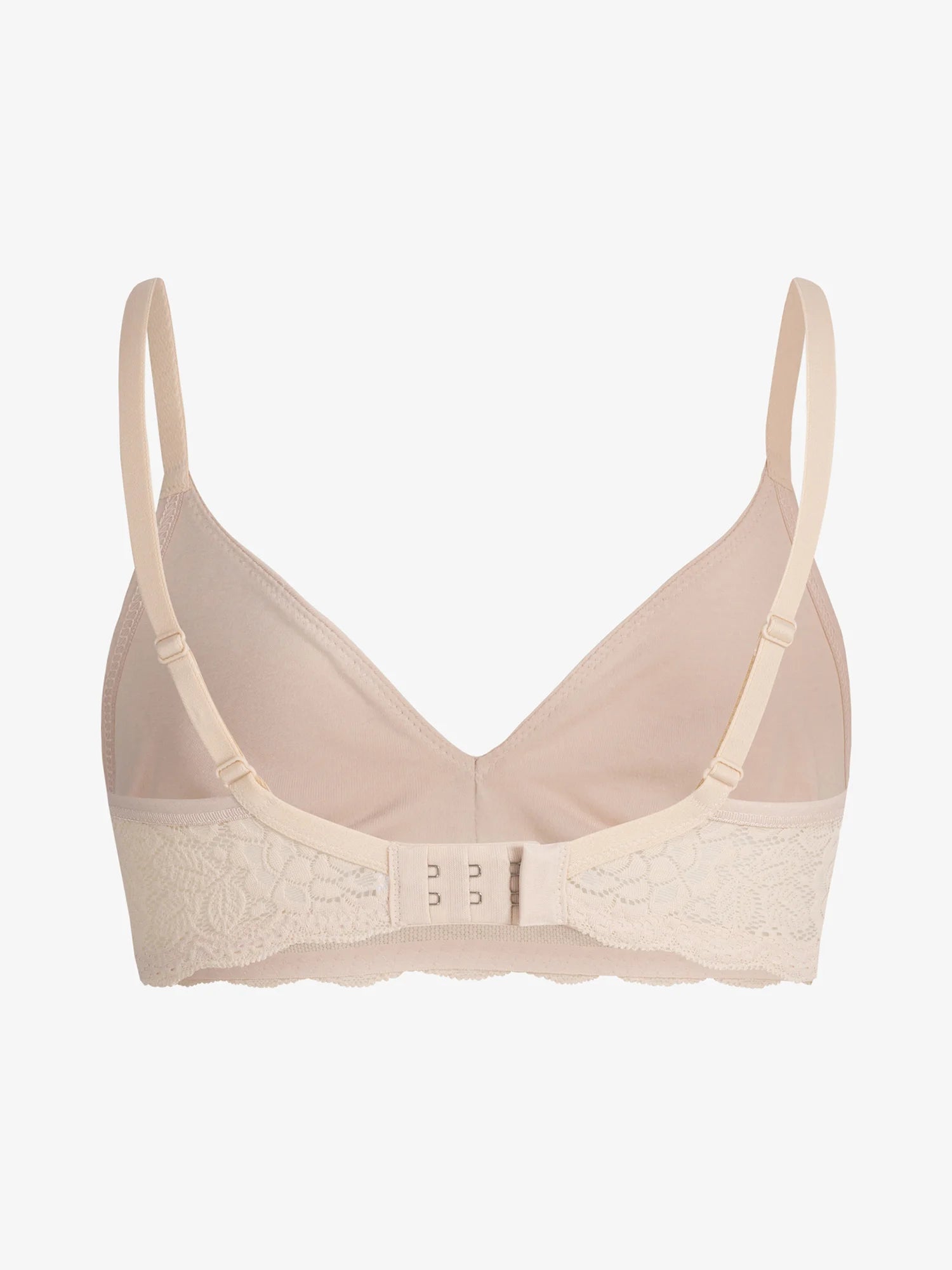
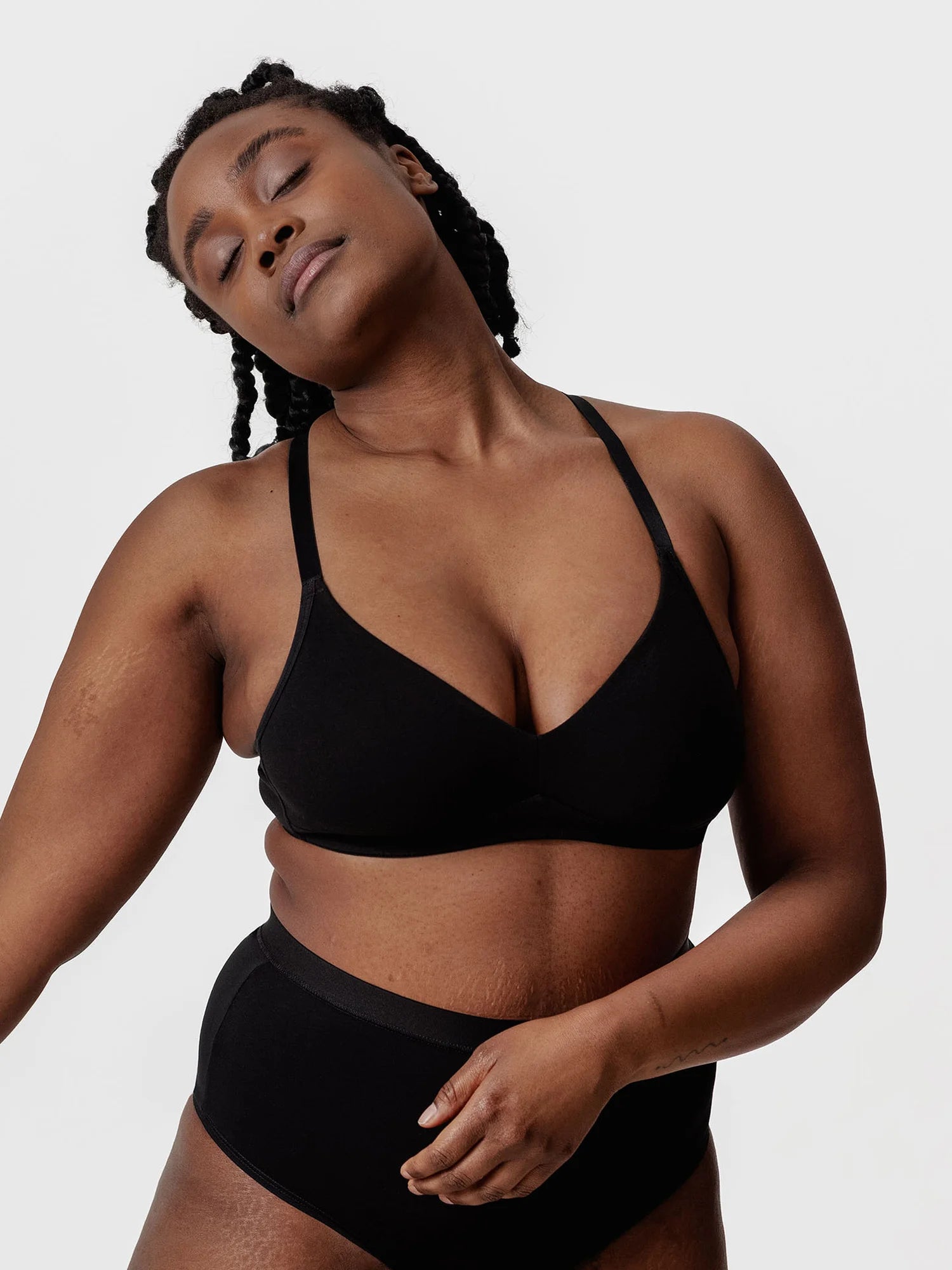
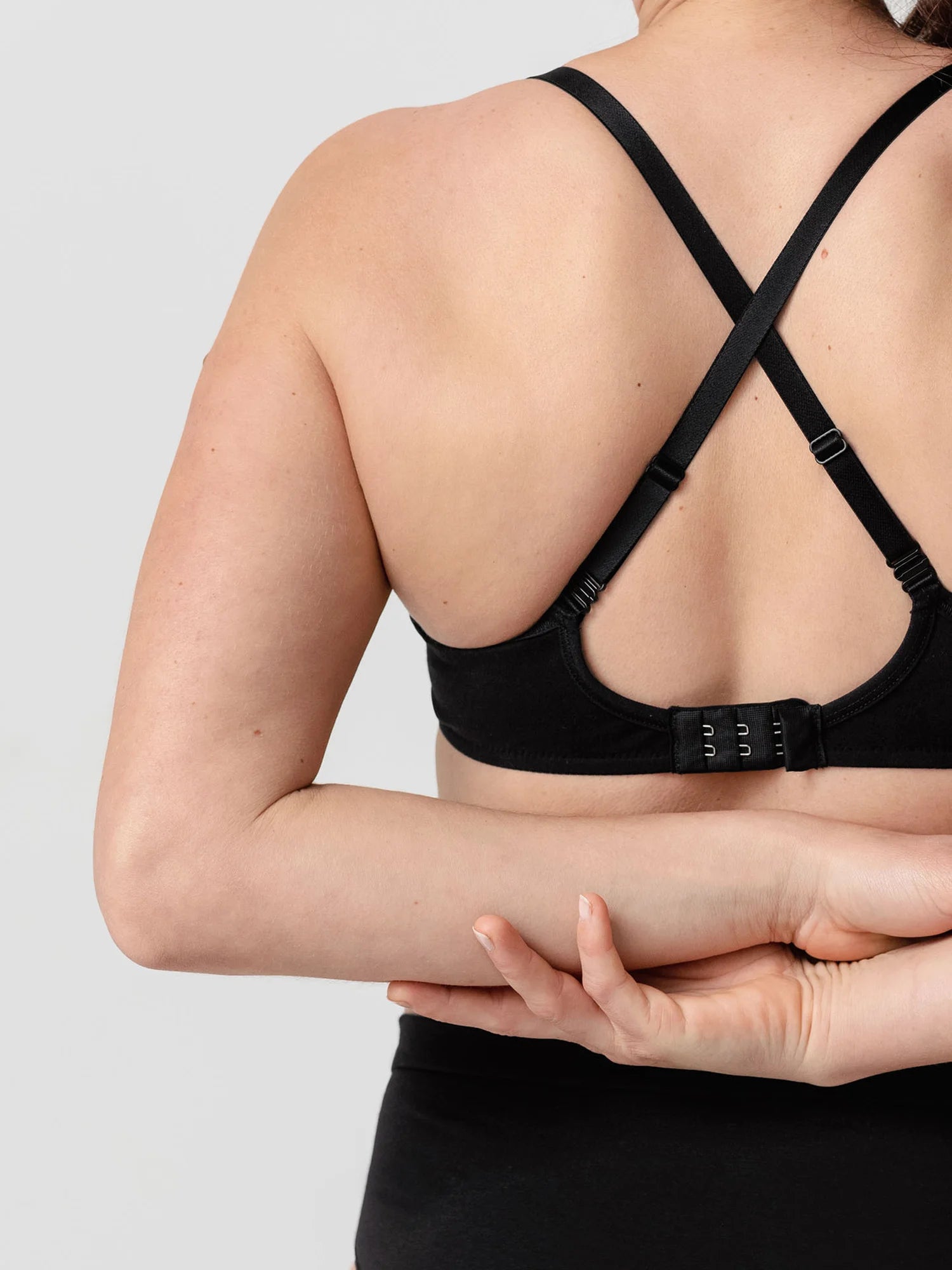
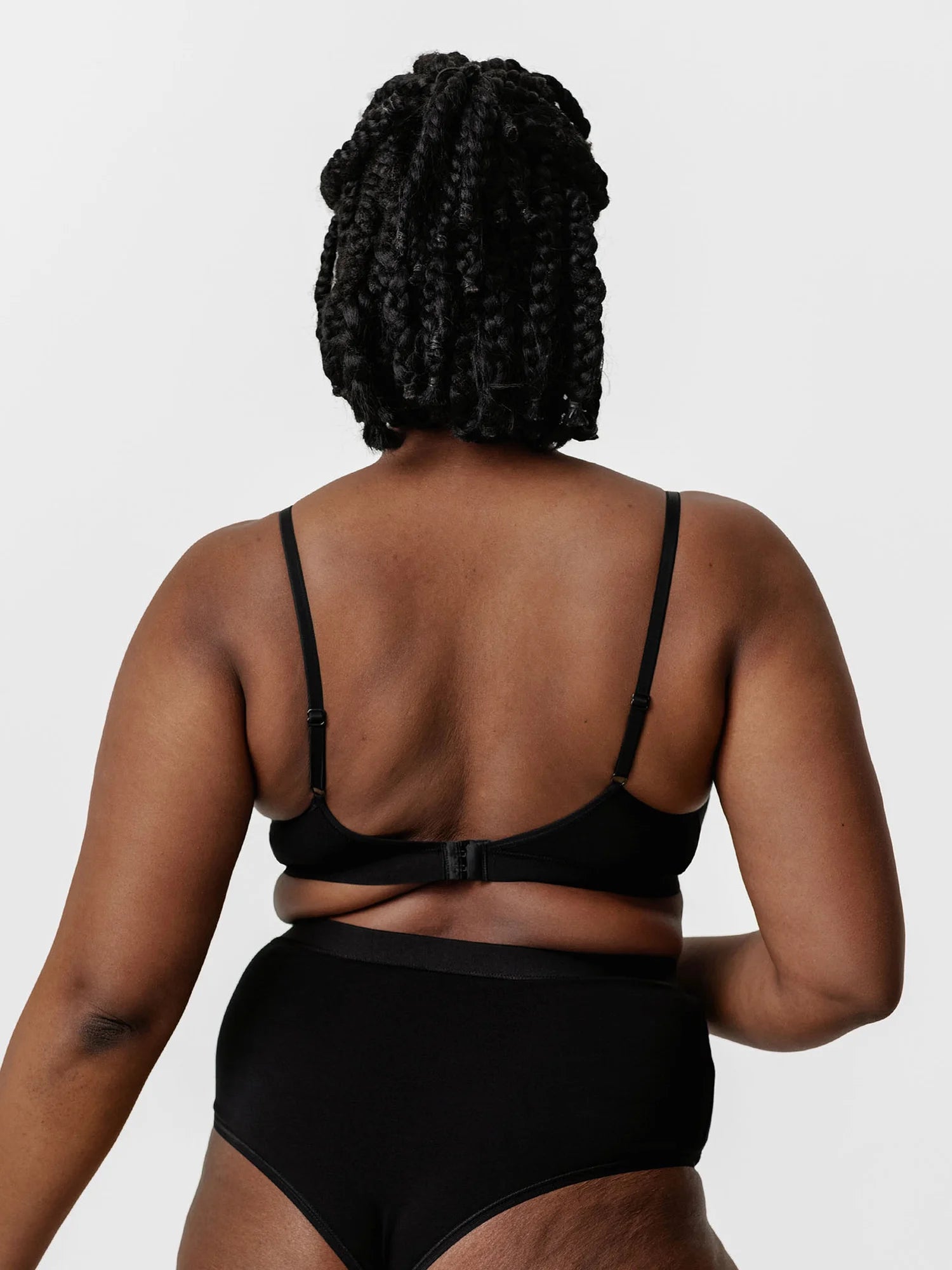
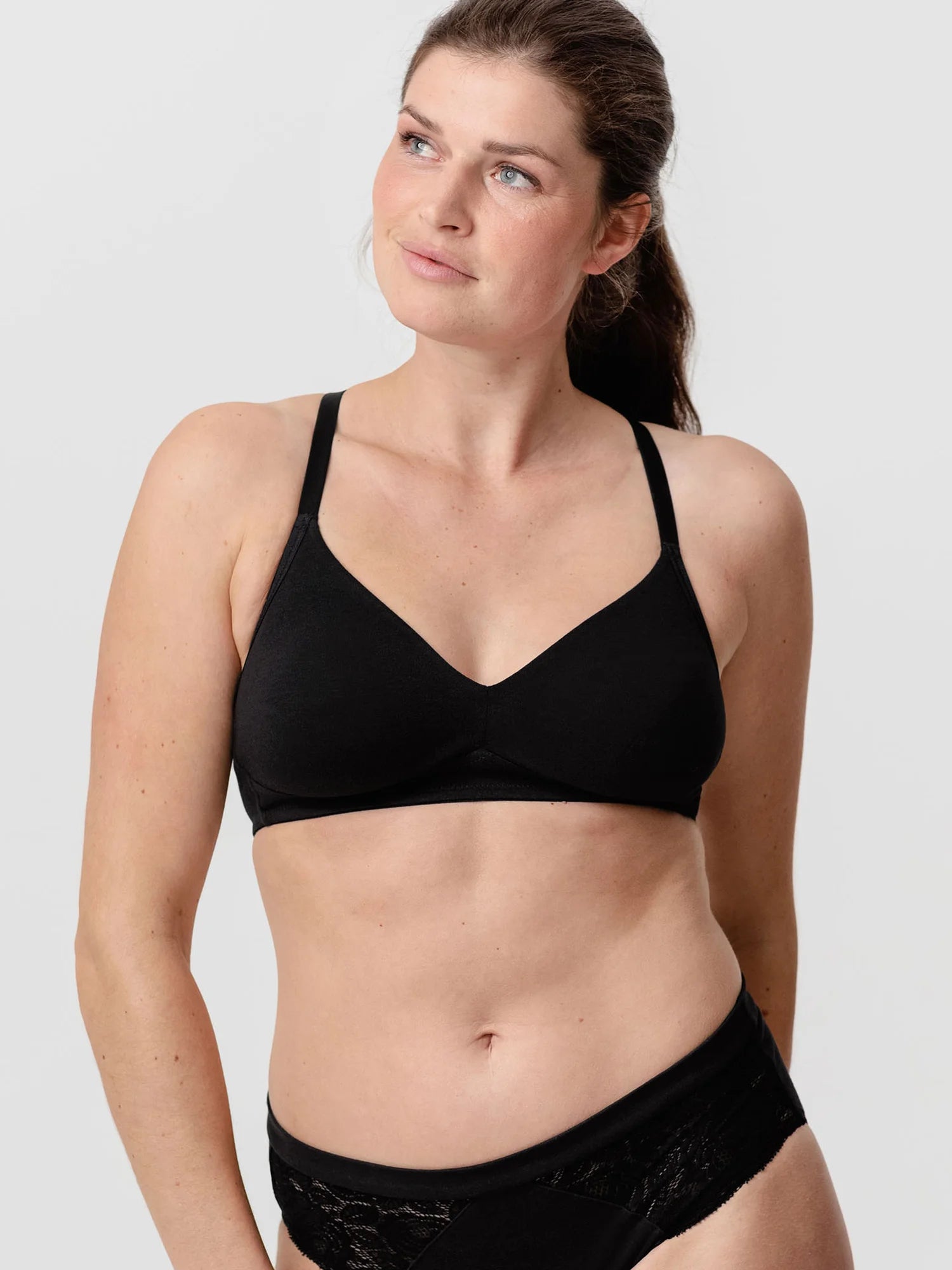
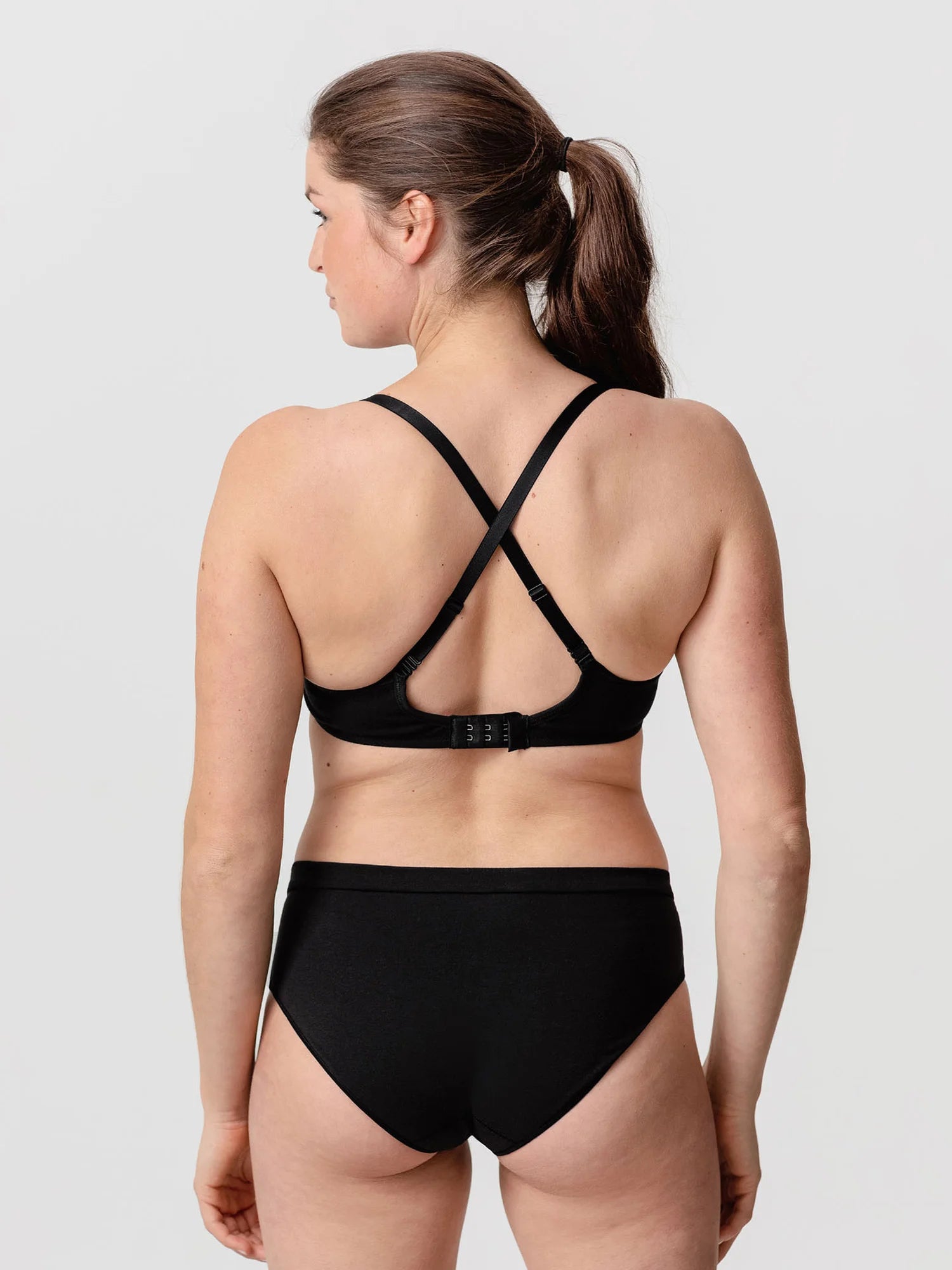
There is no garment made of pure elastane. The fibre is always blended with other materials, otherwise the fabric would stretch so much it could no longer hold its shape. In our underwear, a share of around three to ten per cent elastane in the fabric blend is enough to deliver fit and comfort. In very stretchy fabrics the share is much higher: our Iconic Mesh collection, for example, uses 21% elastane. More on that in our guide What is mesh?.
Typical blends in our range:
- Modal with elastane: soft, fluid material, high wearing comfort, a hint of stretch. More in the magazine article on Modal and on the Modal material page.
- Organic cotton (kbA) with elastane: breathable, skin-friendly, shape-stable. Background in our article on kbA cotton.
- Lace with elastane: a fine pattern that keeps its grip, so the lace does not sag in the wash.
That small share of elastane is the reason a well-made pair of underwear still sits like new after a hundred washes. Without elastane, waistbands would lose their shape, bra cups would collapse and briefs would simply slip down.
How sustainable is elastane?
Conventional elastane is not sustainable. We are stating this clearly because too many brands talk around the point. The reality: elastane is produced from fossil raw materials, the process is energy-intensive, and at the end of a garment's life the fibre is hardly recyclable. Once it is blended with cotton or modal, it cannot currently be cleanly separated from the other fibres again.
There is also the microplastic question. Like all synthetic fibres, elastane can release microscopic fibre fragments into wastewater during washing. The amount is small compared with pure synthetics such as polyester, because elastane only makes up a small share of the blend. Still, it is not negligible.
Our position is clear: we keep the elastane share in our products as low as possible, because some stretch is essential for fit. At the same time, we test and use more sustainable stretch alternatives. The most interesting one so far is ROICA™ V550.
ROICA™ V550: the more circular alternative
ROICA™ V550 is a stretch yarn from the Japanese fibre producer Asahi Kasei. It replaces conventional elastane in the fabric blend, but with a much stronger sustainability profile. At erlich textil we use Roica V550 in selected collections where elastane stretch is needed.
Three concrete points set ROICA™ V550 apart from standard elastane:
1. Cradle to Cradle Material Health Gold. According to Asahi Kasei, ROICA™ V550 is the world's first stretch yarn awarded the Cradle to Cradle Certified Material Health Gold Level. This certificate evaluates whether a material is made from chemically benign ingredients and whether it is designed for circularity. Important: the award covers the yarn itself, not automatically the finished garment.
2. Partly degradable under industrial composting conditions. We are deliberately precise here: ROICA™ V550 is not “fully biodegradable”. According to tests under ISO 14855-1, commissioned by Asahi Kasei and run by OWS, around 35 per cent of the yarn breaks down within 270 days under industrial composting conditions, without releasing harmful substances. That is measurably better than standard elastane, which is not broken down to anywhere near the same degree. It is still not a free pass for careless consumption.
3. Free of problematic heavy metals and solvents in production, which was itself a precondition for the Material Health certification.
More background on the fibre and how we use it is on our ROICA™ material page.
How to care for elastane
Elastane is temperature-sensitive. To keep it in good shape, a few rules help when washing and drying.
- Wash at a maximum of 40 °C, gentle cycle. Higher temperatures break the polymer structure and the garment loses its recovery.
- Skip the fabric softener. It coats the fibre like a film and reduces elasticity. If you want to fight limescale in your wash water, a small splash of clear vinegar in the softener compartment does the same job.
- Dry flat, do not hang. Wet material is heavy, and its own weight pulls the elastane threads out of shape. Avoid clothes pegs, which leave pressure marks that do not iron out.
- Iron at a low temperature if needed. Most of the time, ironing is unnecessary because elastane blends barely crease.
If your specific garment needs different care (because it includes lace, for example, or a special coating), the care label takes priority.
Frequently asked questions about elastane
Is elastane the same as spandex?
Yes. Elastane and spandex are exactly the same synthetic fibre. “Spandex” is the term commonly used in North America, “elastane” is the term legally required in the EU. Lycra is, on top of that, the brand name of one specific elastane producer.
How much elastane is typically in underwear?
In quality underwear, the elastane share usually sits between three and ten per cent. More is rarely needed and tends to feel too “rubbery”. Less than two per cent is often not enough for stable waistbands and a long-lasting fit.
Can you make clothes from 100 per cent elastane?
No. Pure elastane would stretch so much that the garment could not hold its shape. Elastane is also not breathable enough to be comfortable directly on the skin. The fibre is therefore always blended with other materials such as cotton, modal, lyocell or polyamide.
Is elastane harmful to the skin?
For intact skin, elastane is usually well tolerated. Real elastane allergies are rarely documented. Irritation is more often caused by dyes, finishing chemicals or trapped sweat in tight-fitting synthetic garments. If you have sensitive skin, a high natural-fibre share with only a little elastane is a good choice. Tips in our magazine article on underwear for sensitive skin.
What is the difference between elastane and Roica?
ROICA™ is a brand family of stretch yarns from Asahi Kasei. The variant ROICA™ V550 is an elastane yarn with a clearly stronger sustainability profile: Cradle to Cradle Material Health Gold certified (according to Asahi Kasei) and partly degradable under industrial composting conditions. Technically it is part of the elastane family, so chemically related to standard spandex, but cleaner in production and at end of life.
How do you wash clothing with elastane?
At a maximum of 40 °C on a gentle cycle, without fabric softener, dried flat. Higher temperatures, tumble dryers and clothes pegs all noticeably shorten the fibre’s life. If the care label on your specific item says something different, follow the label.
Sources
- Asahi Kasei: ROICA™ V550 product data sheet and certification details.
- Cradle to Cradle Products Innovation Institute: public listing for ROICA™ V550 Japan BN.
- ISO 14855-1: standard for determining the aerobic biodegradability of plastics under controlled composting conditions.
- erlich textil: material pages on elastane and ROICA™.